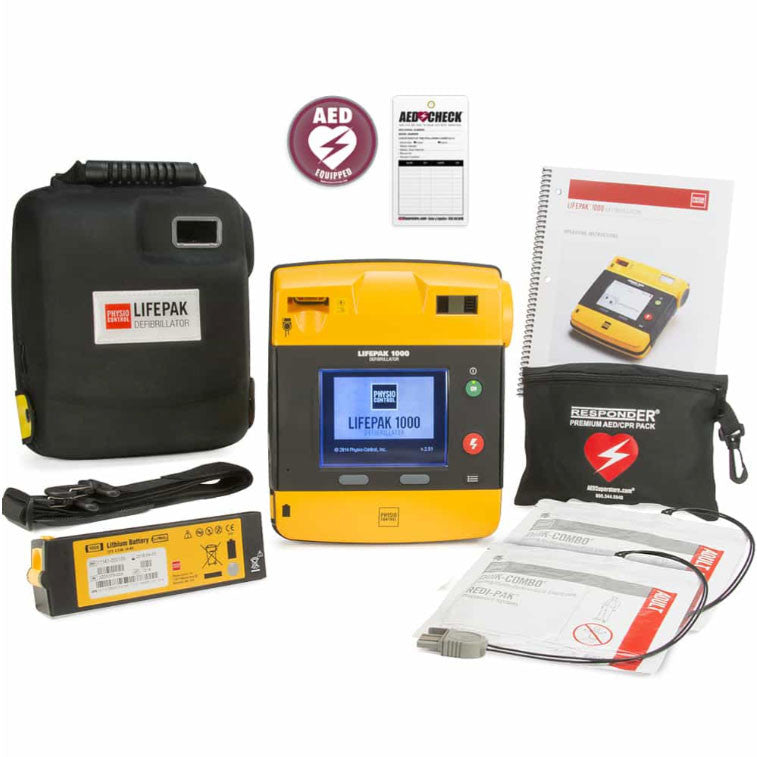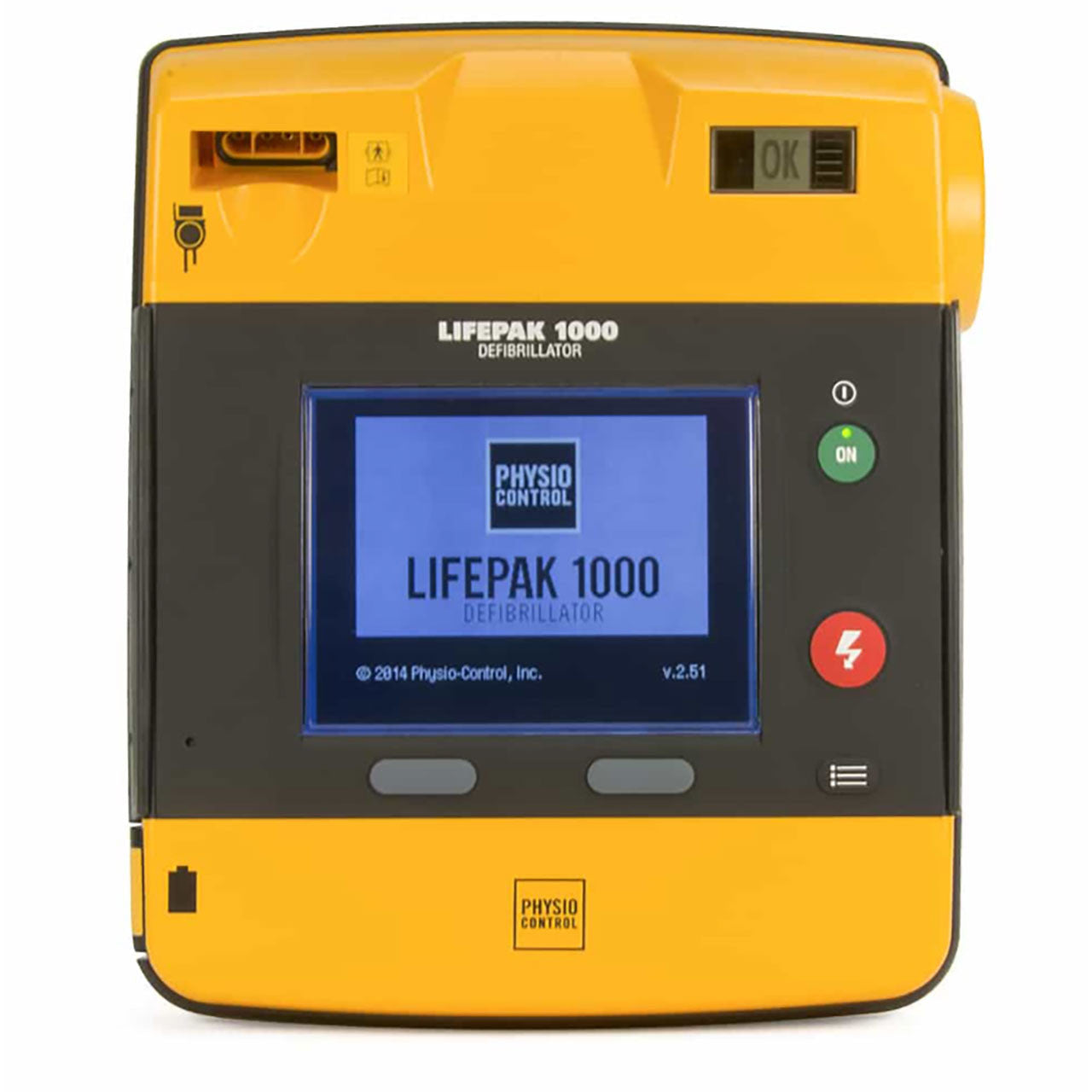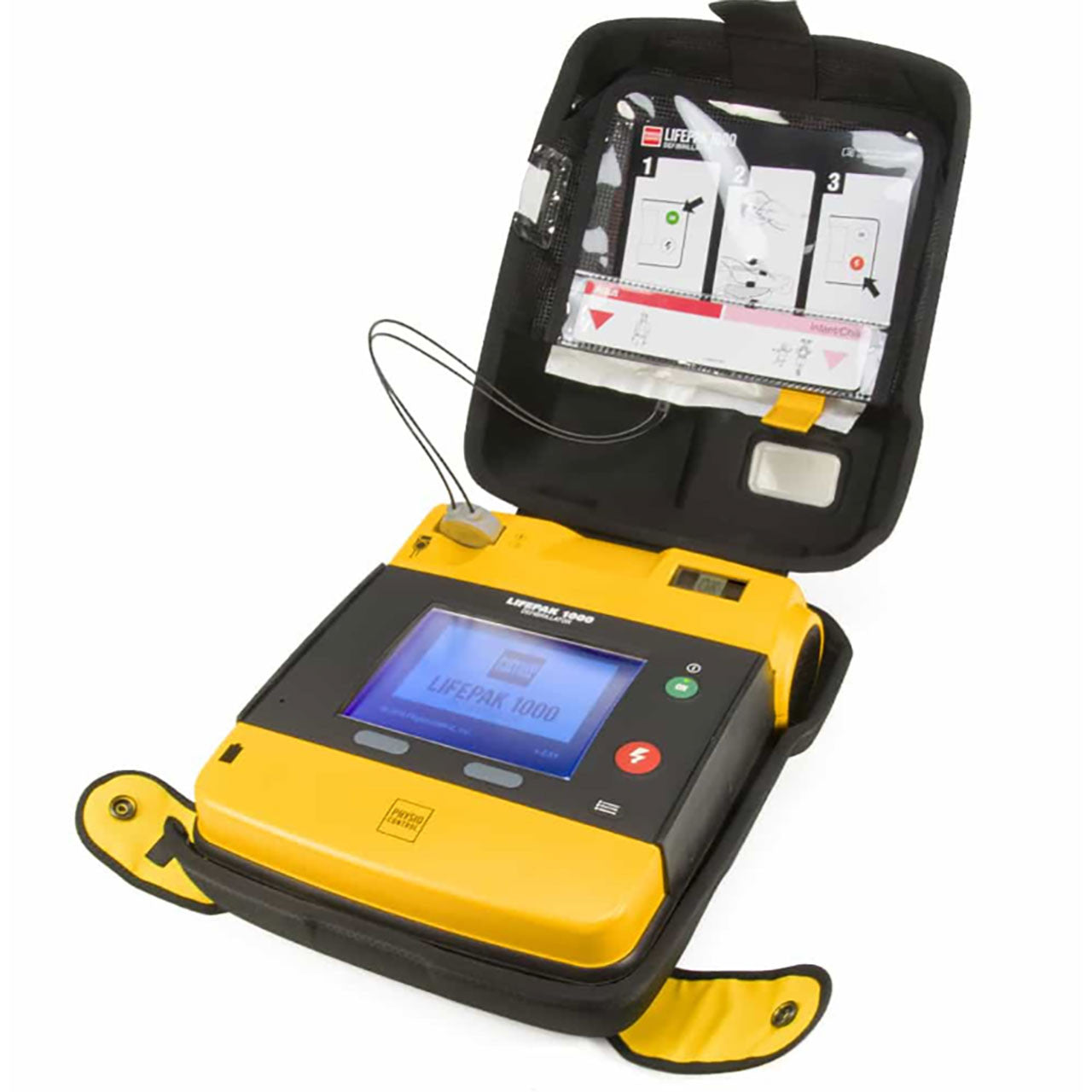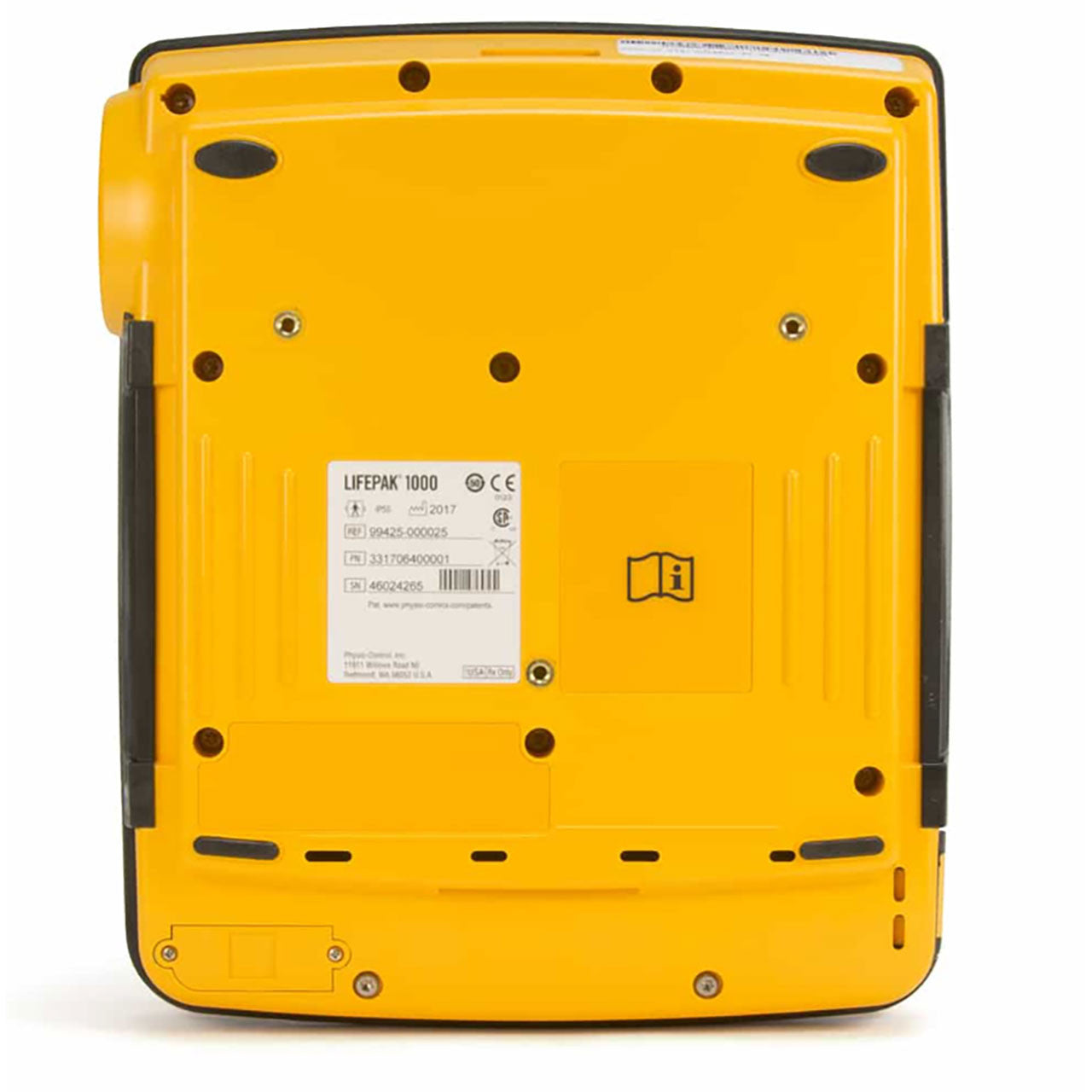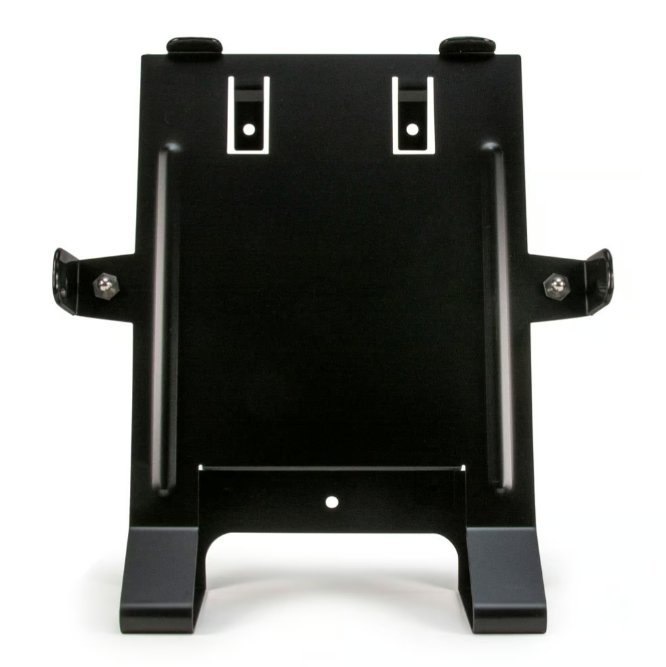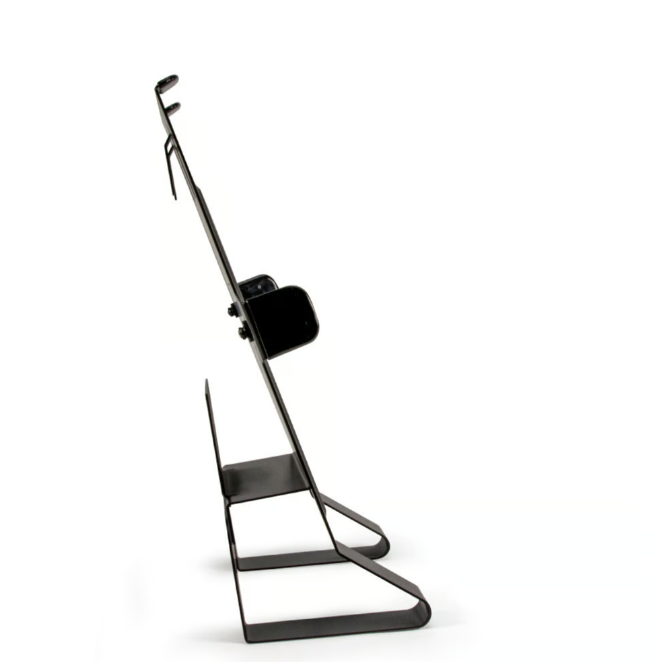
AED
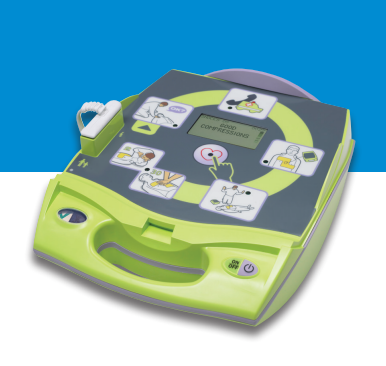
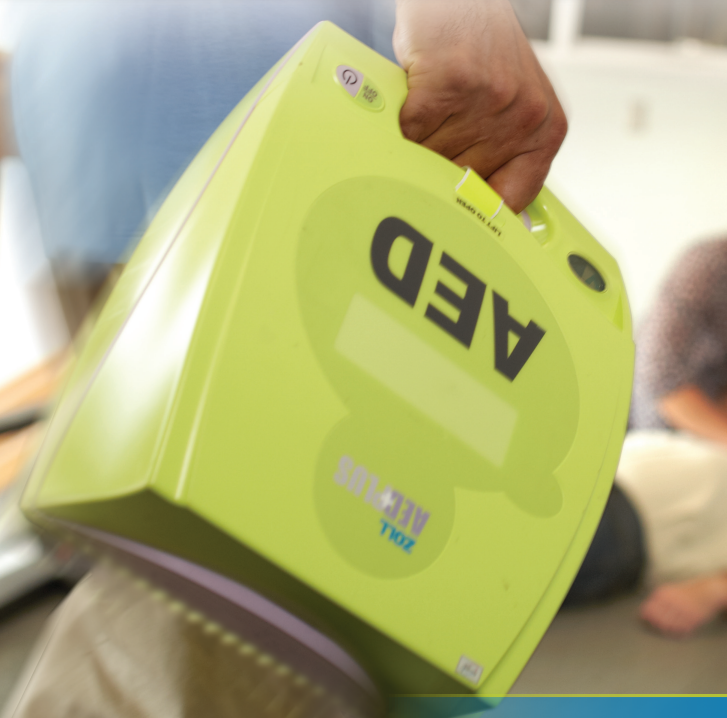
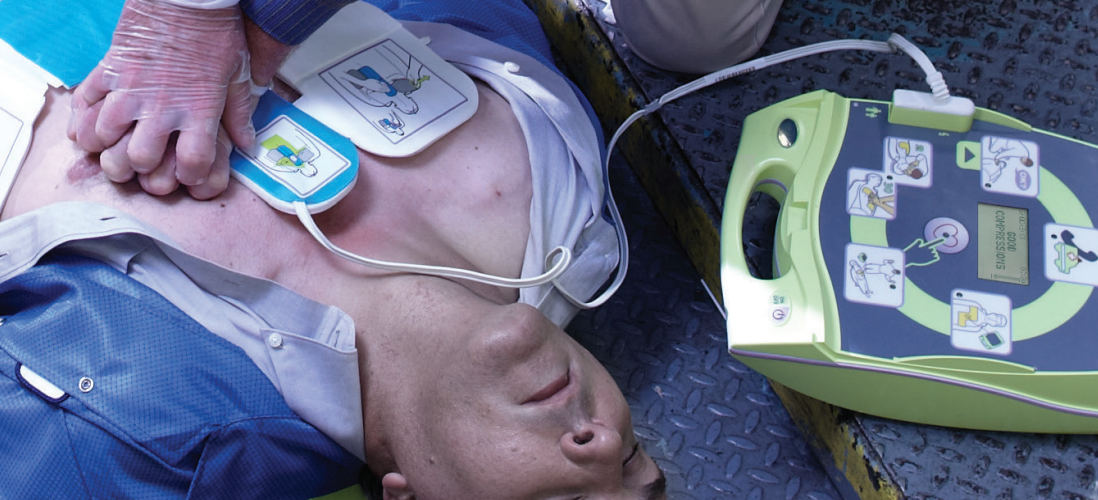
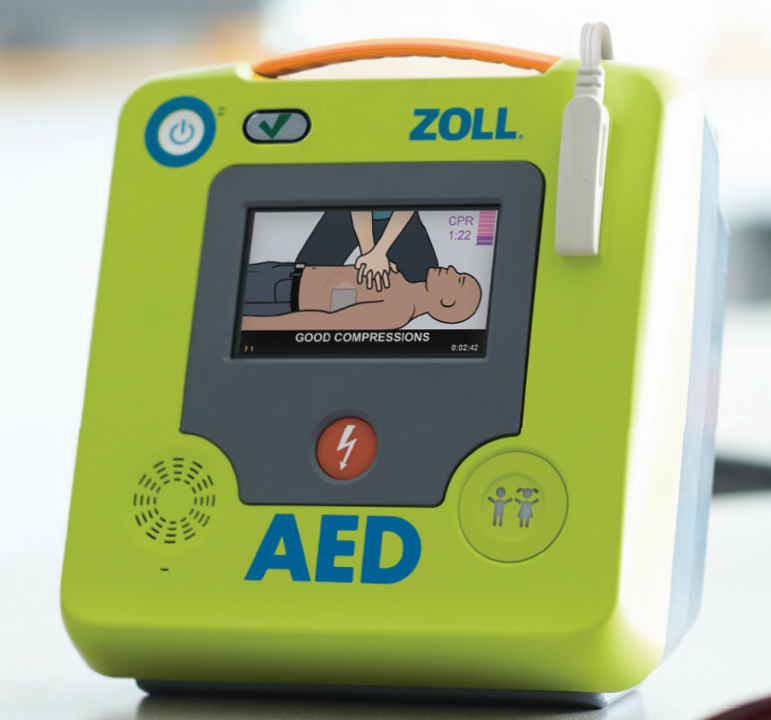
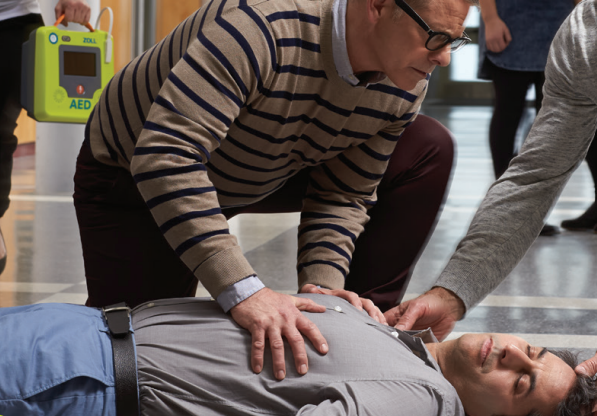
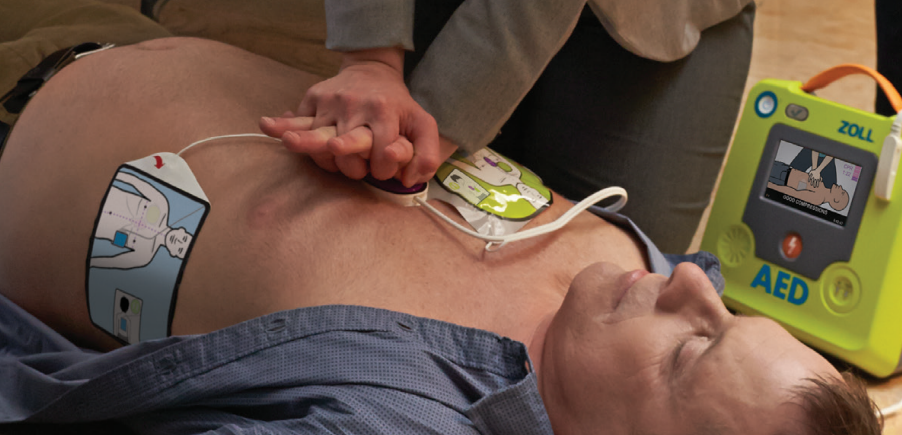
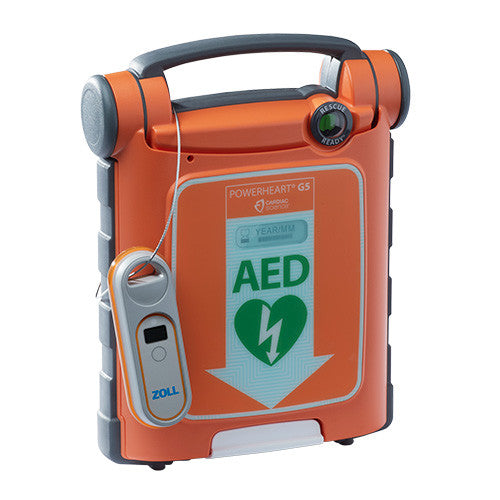
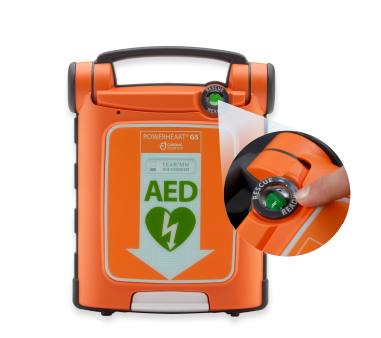
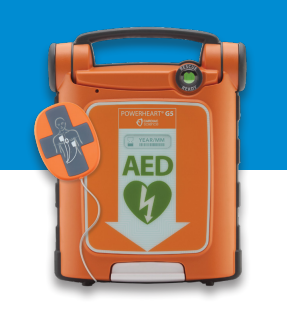
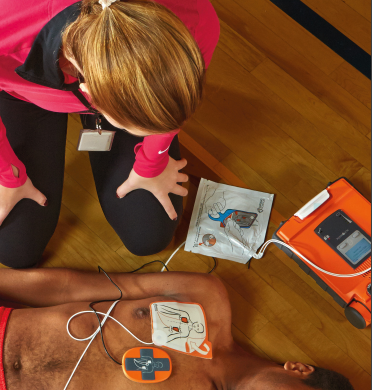
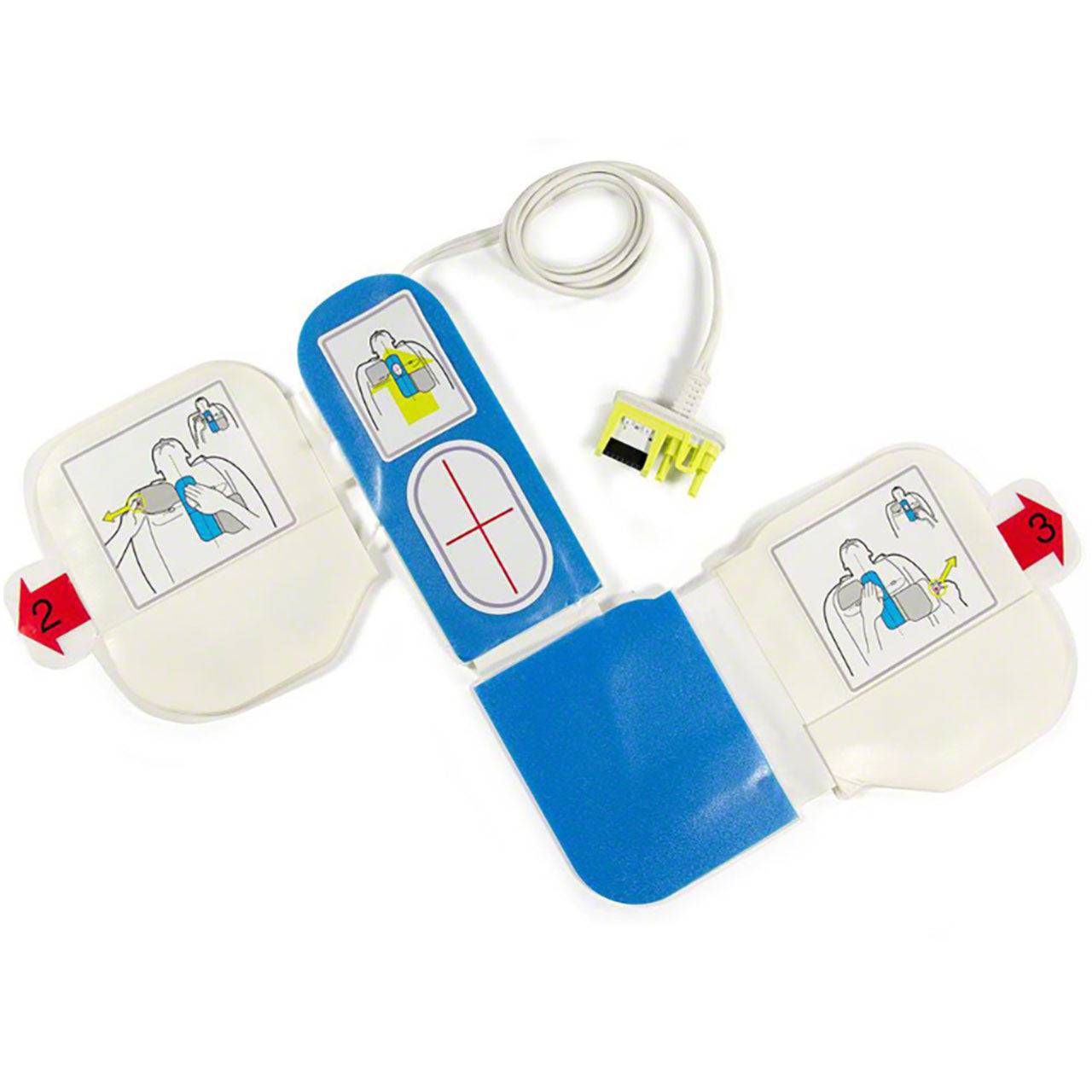
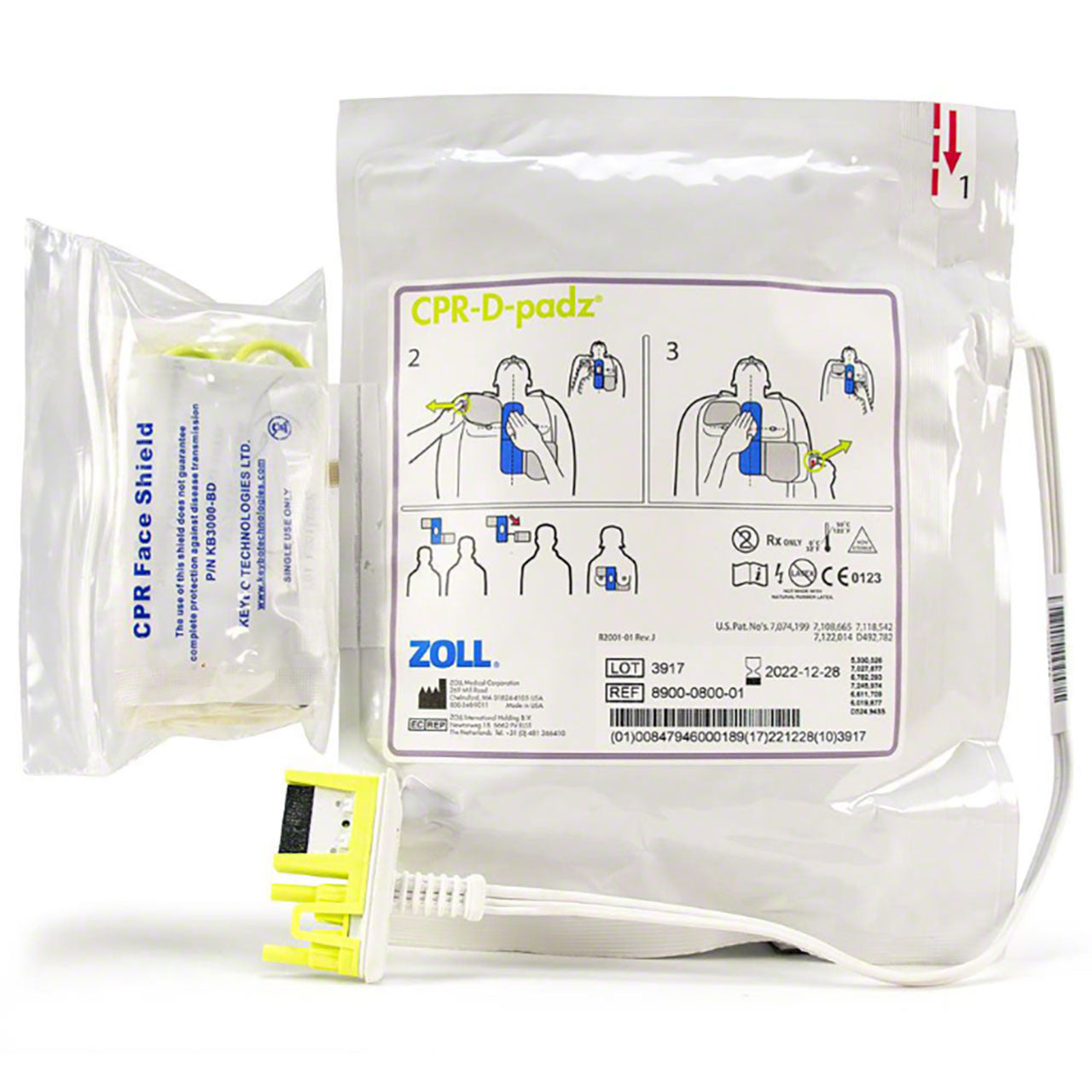
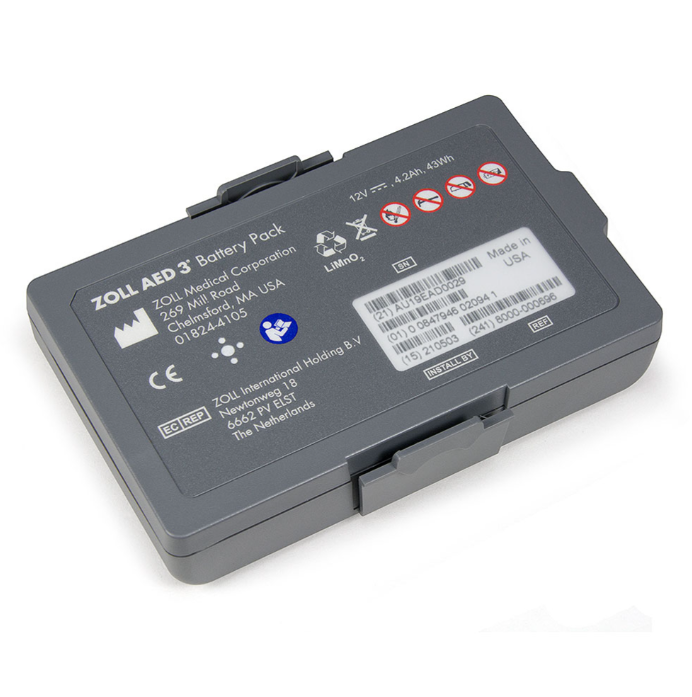
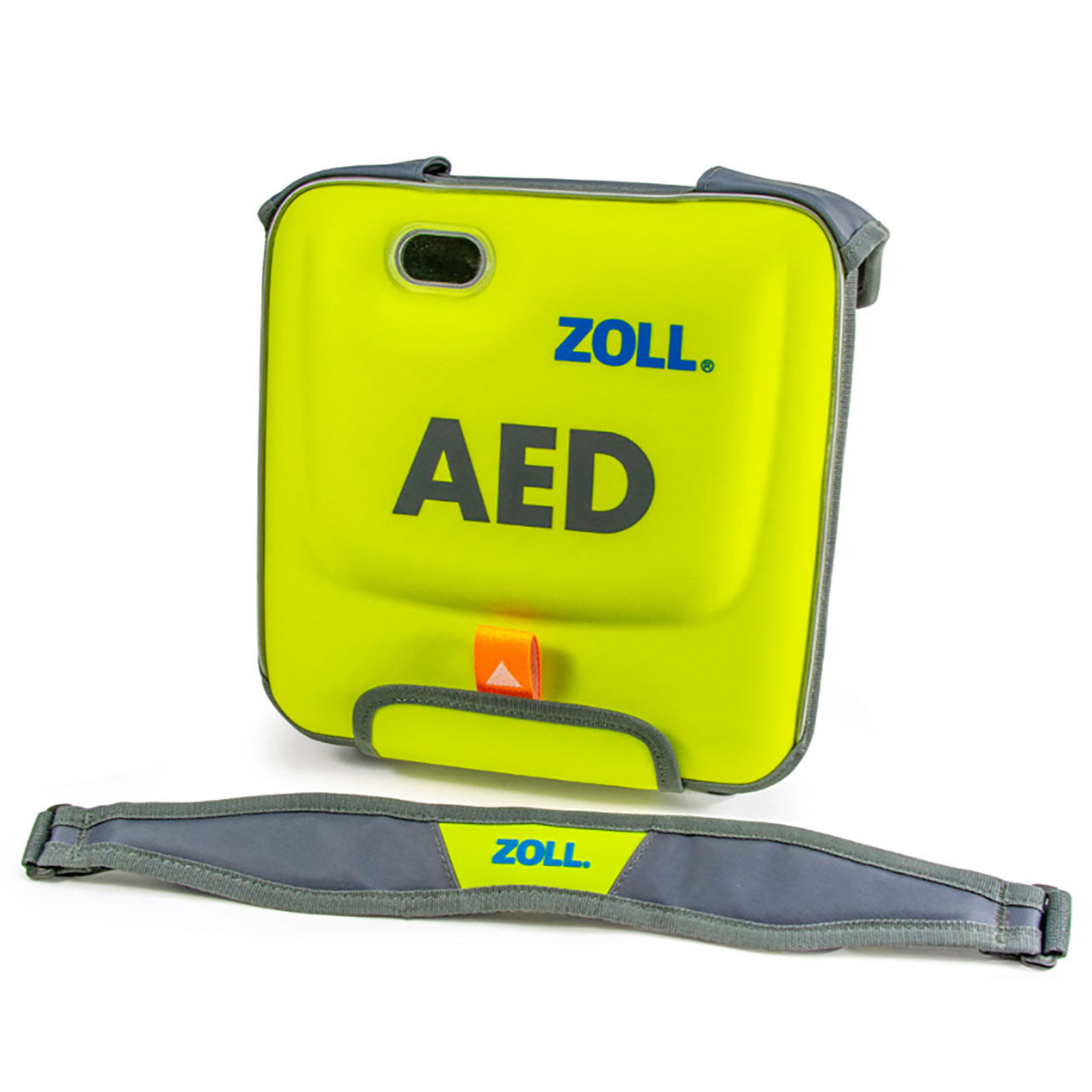
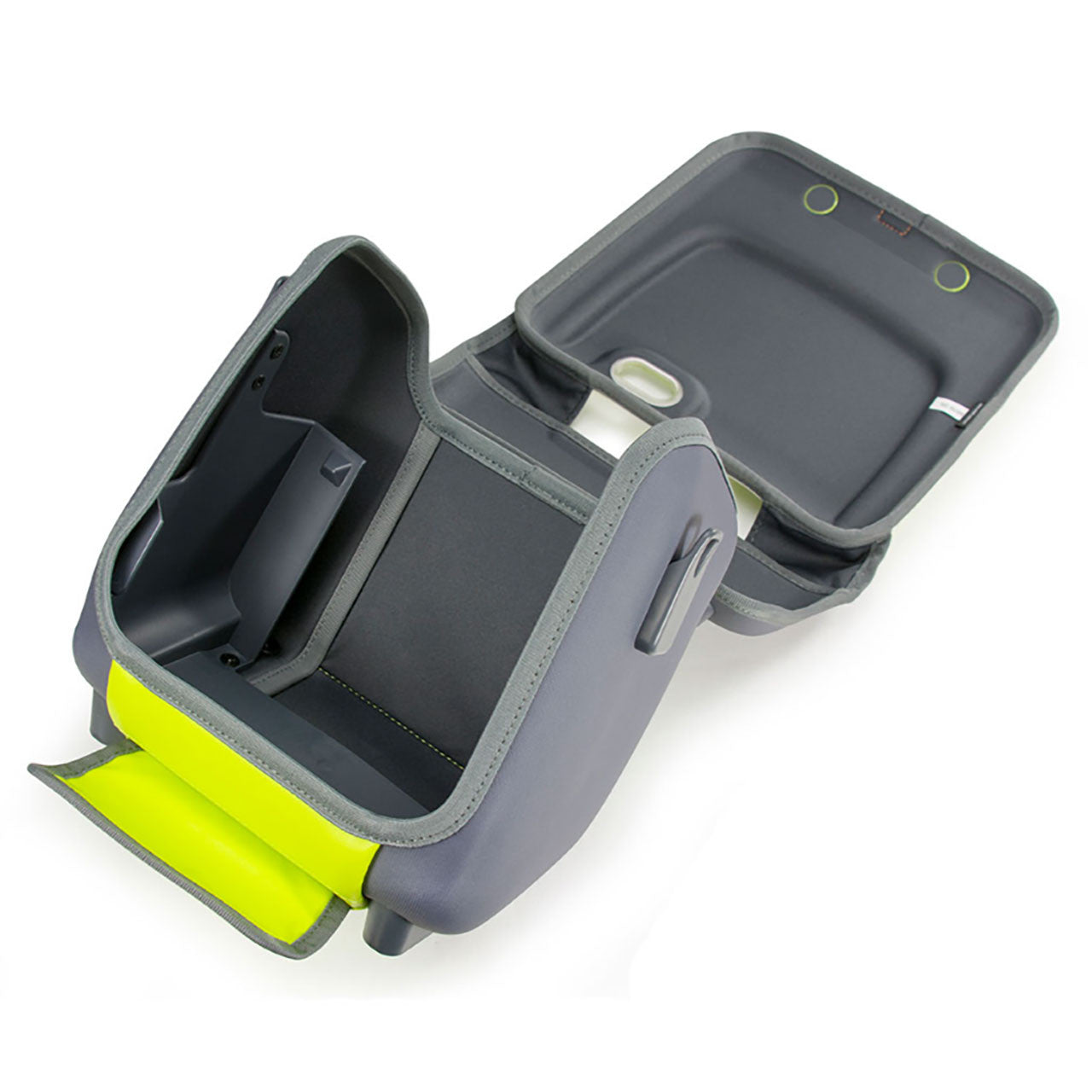
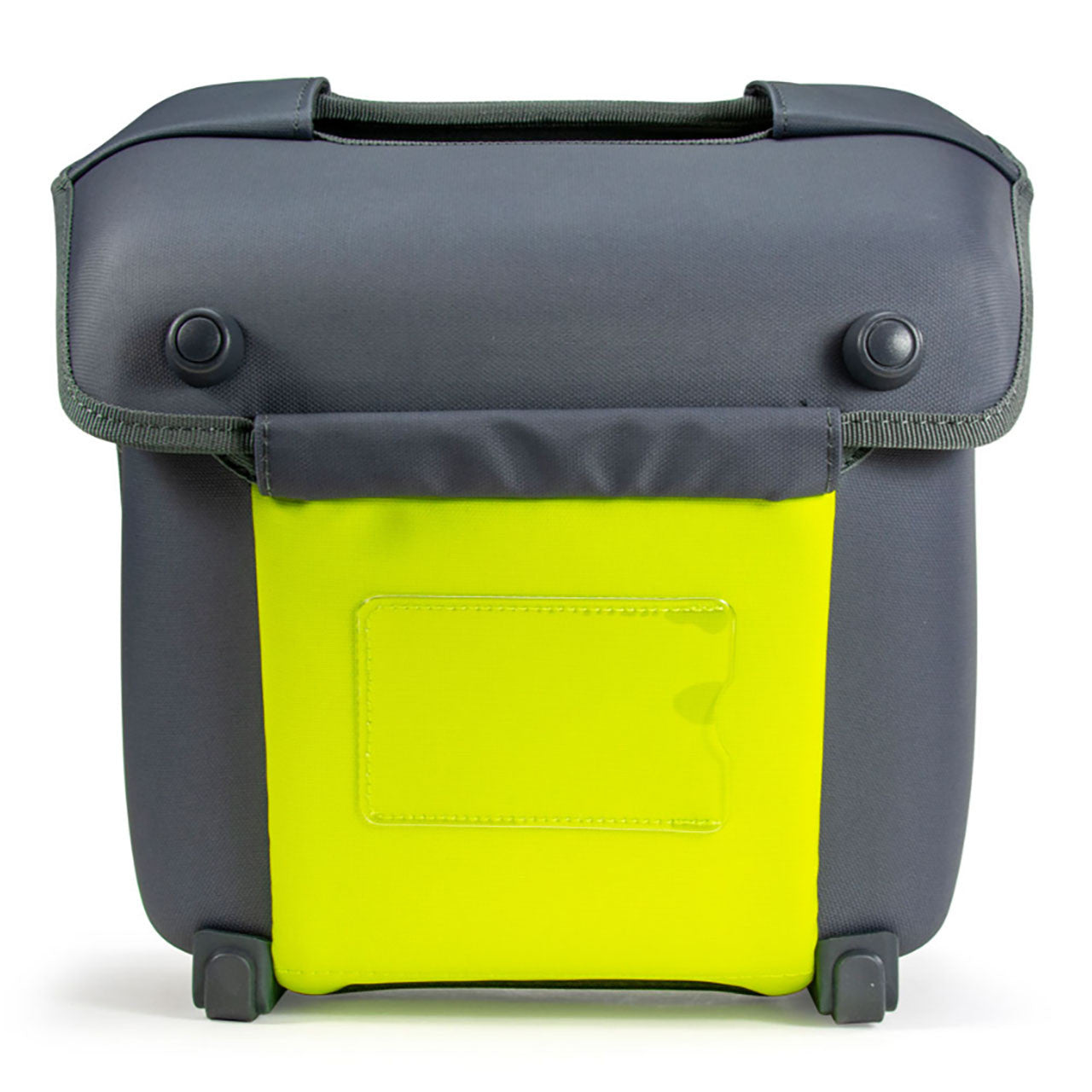
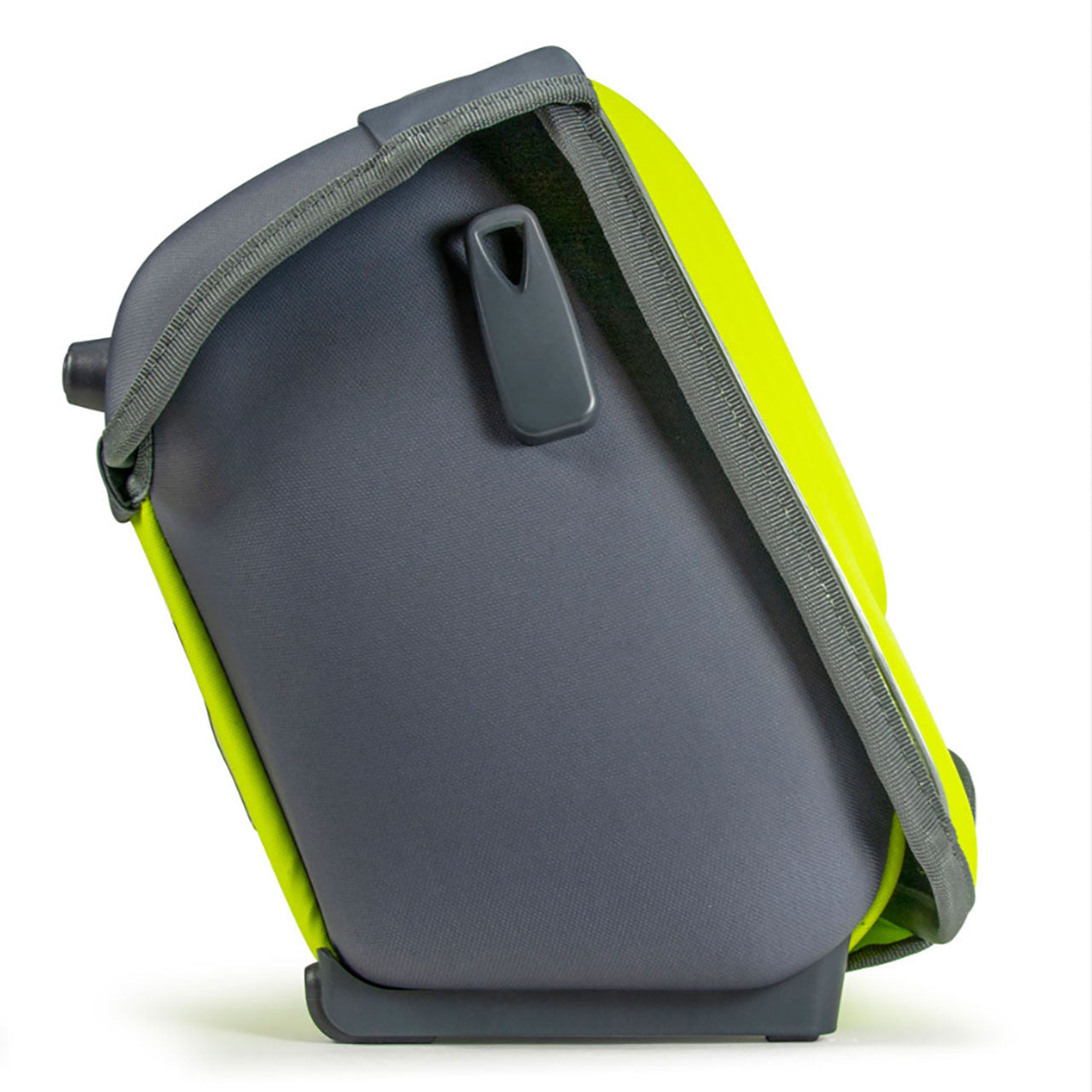
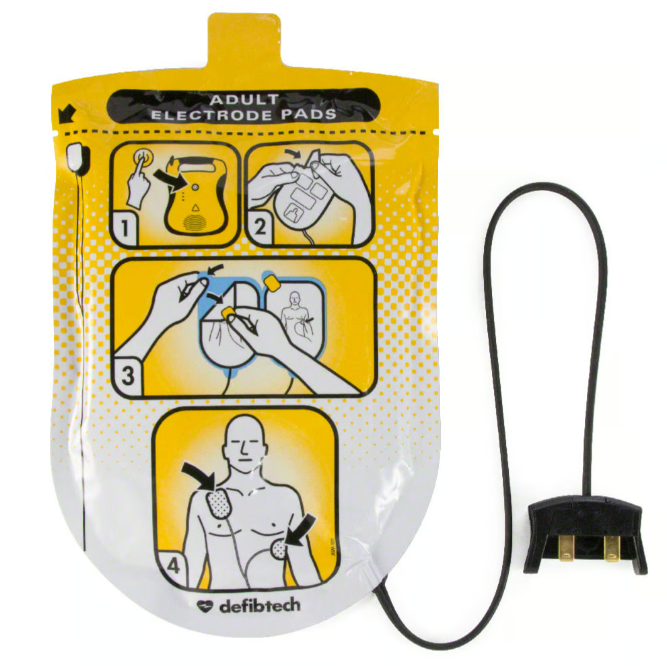
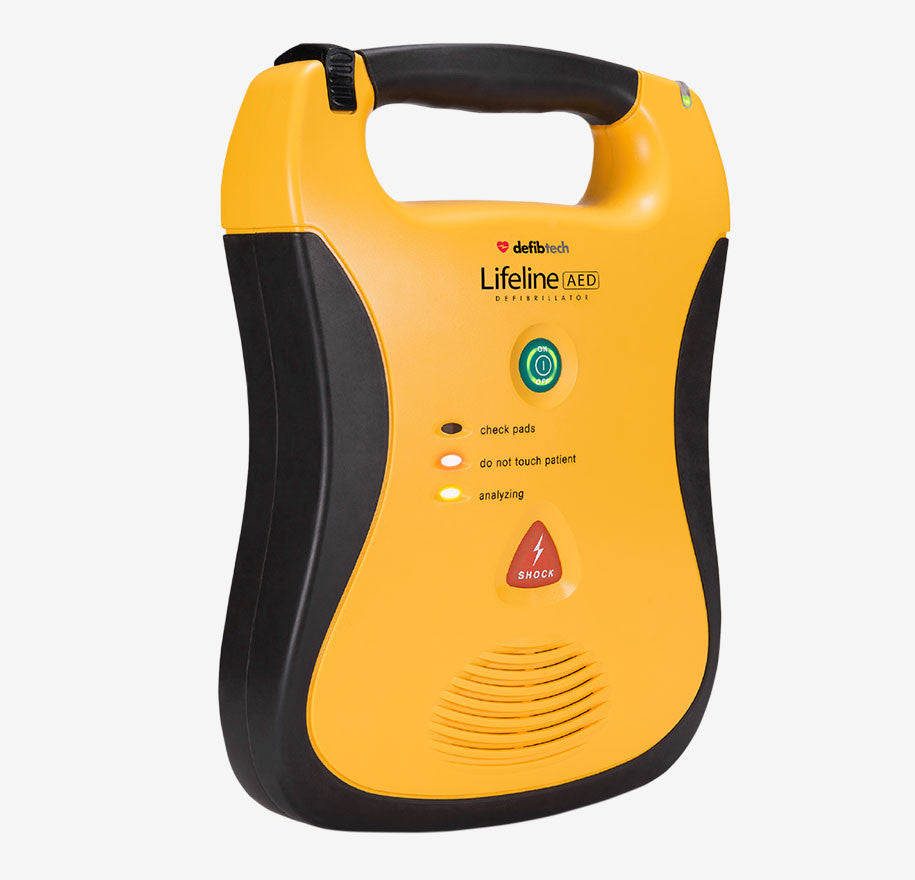
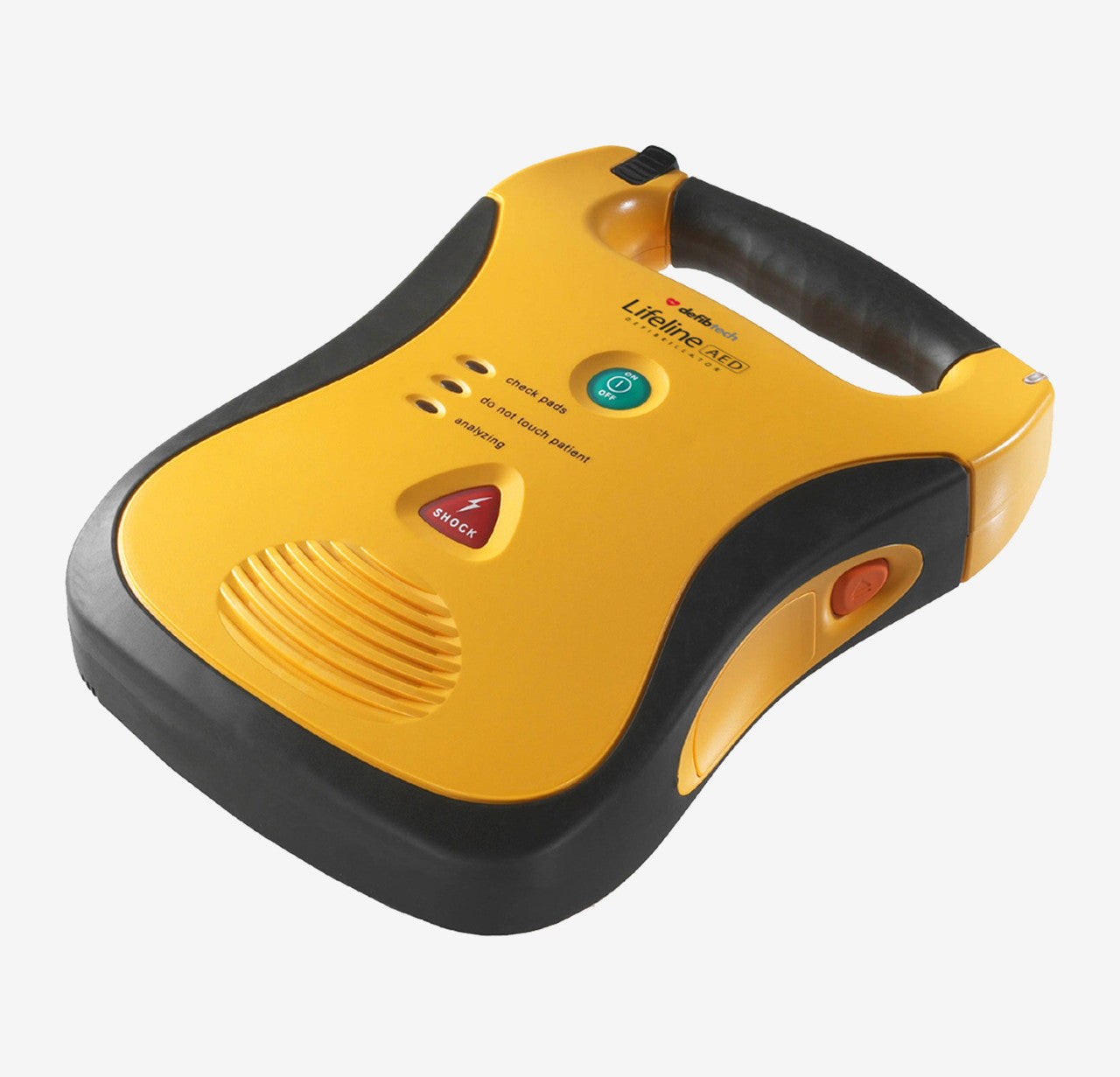
An AED (automated external defibrillator) can be used in sudden cardiac arrest events in public locations. AEDs are easy-to-use so that even most lay-people can analyze the patient's heart rhythm and, if necessary, send an electrical shock (defibrillation). As with any medical devices, access to proper training and practice is essential for effective and efficient use.
To shop by brand, click the logo links below.
What Our Customers Say

Product came with just the items I wanted. Shipping was great. My package arrived early.

Order was complete and very neat and organized within the box.

Great product, very durable and reliable. Exactly as described, 5 stars!!
FAQs
What is an AED, and how does it work?
An AED (automated external defibrillator) is a medical device that analyzes a person's heart rhythm during suspected cardiac arrest. If it detects ventricular fibrillation or ventricular tachycardia (irregular heart rhythms that prevent the heart from pumping blood), the AED delivers an electric shock to help restore a normal rhythm.
Can anyone use an AED without training?
Yes. AEDs are designed with voice prompts and visual instructions that guide users through each step. While AED training is recommended by the American Heart Association and Red Cross, these devices are built so that even untrained bystanders can provide life-saving intervention during a cardiac emergency.
How often do electrode pads and batteries need to be replaced?
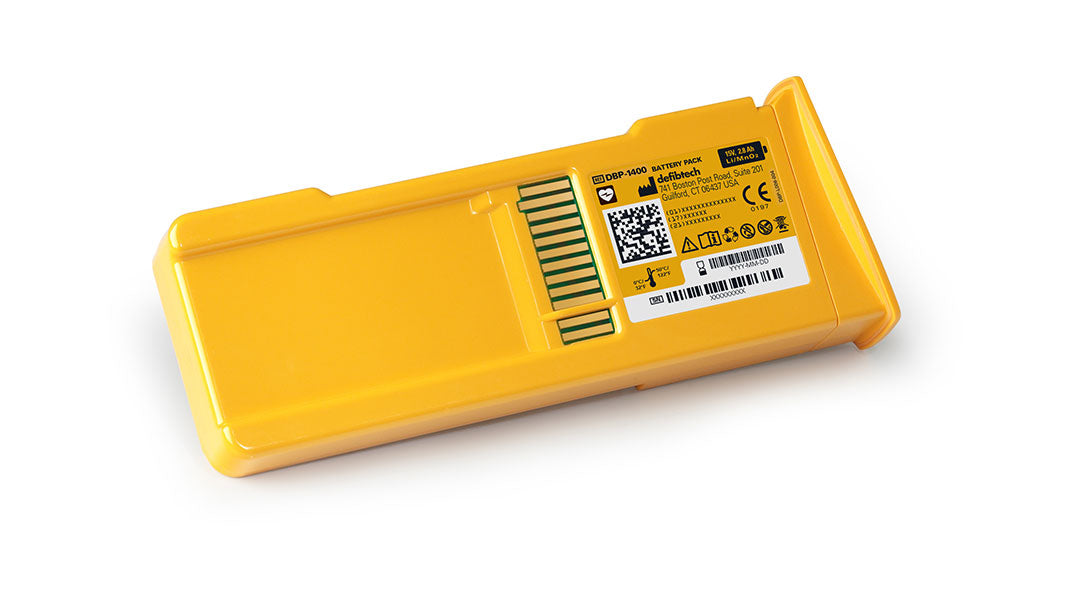
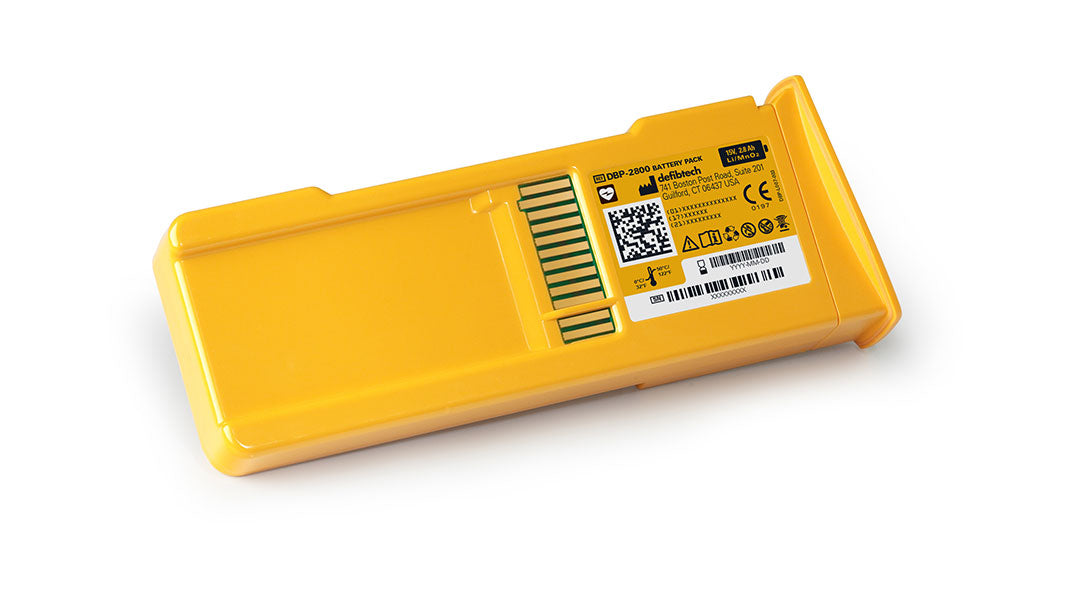
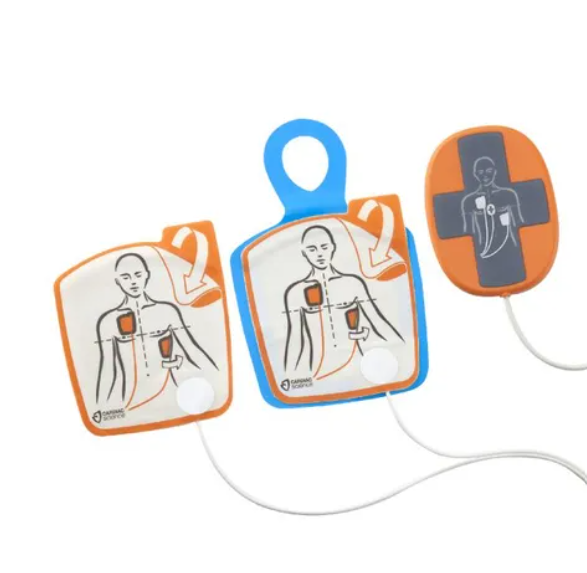
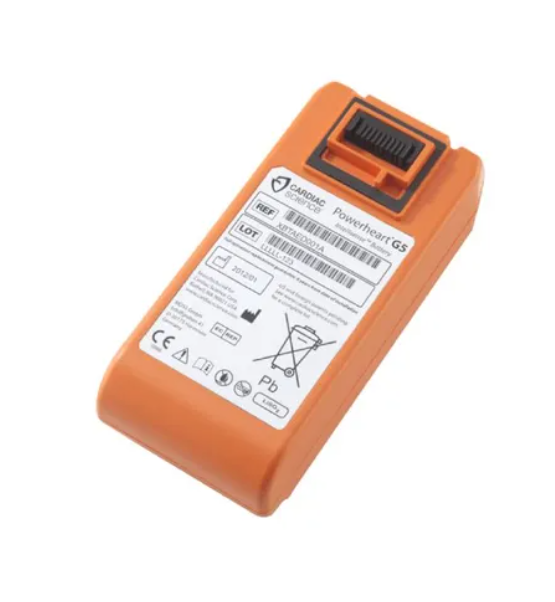
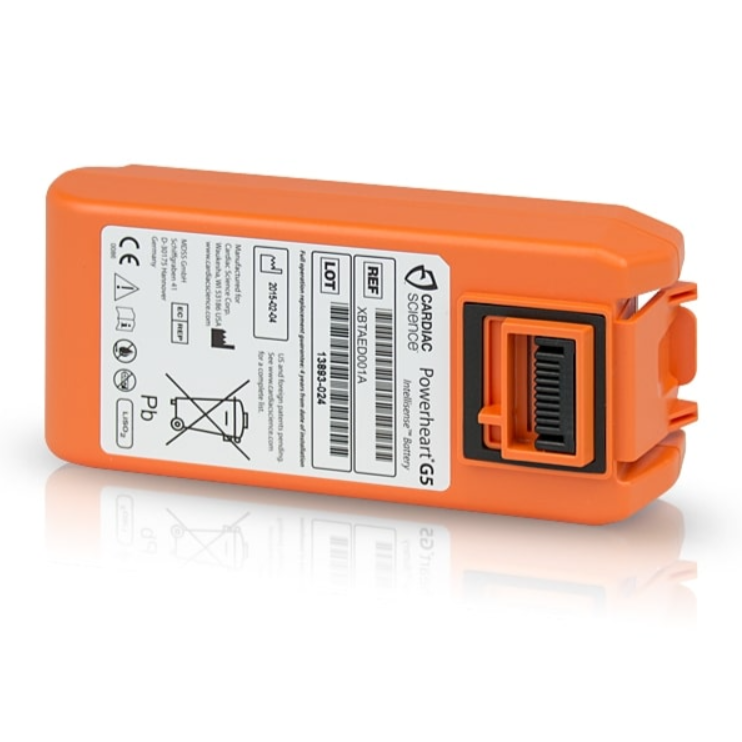
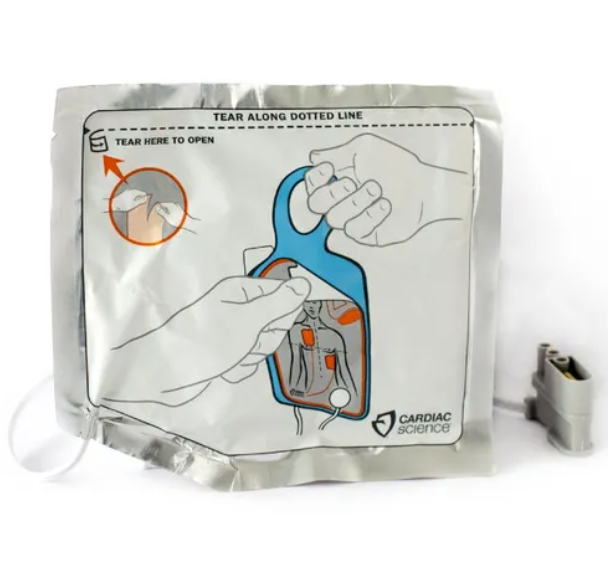
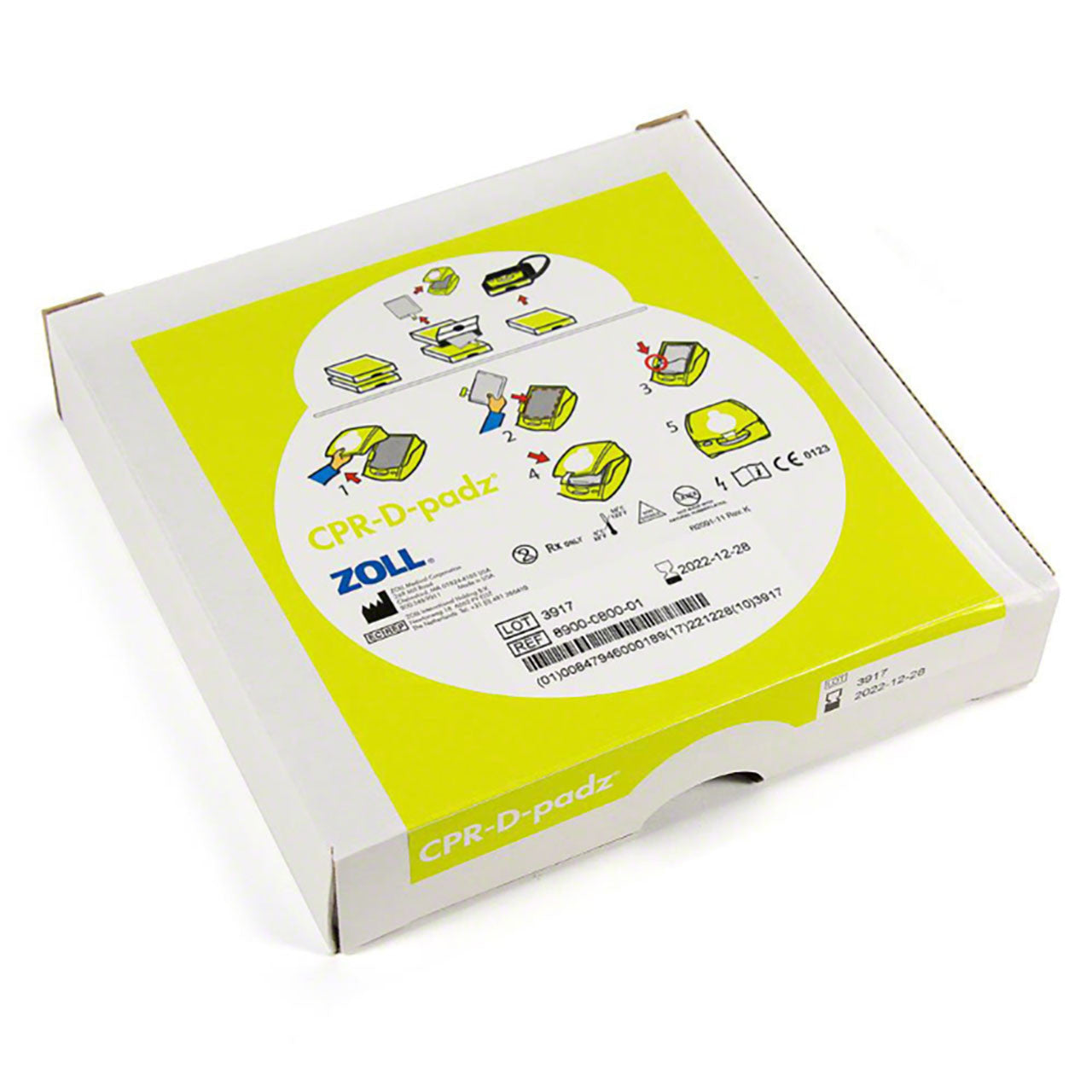
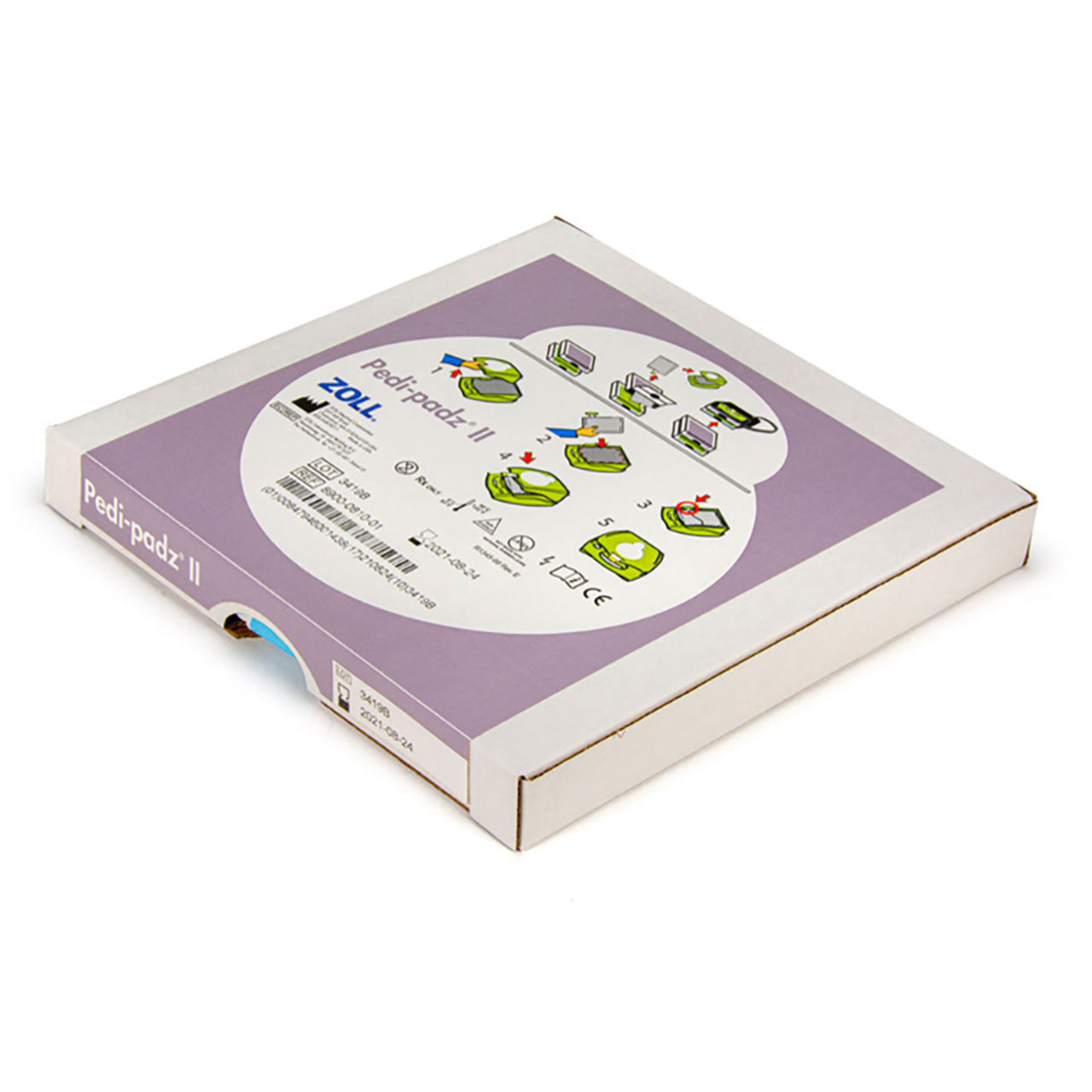
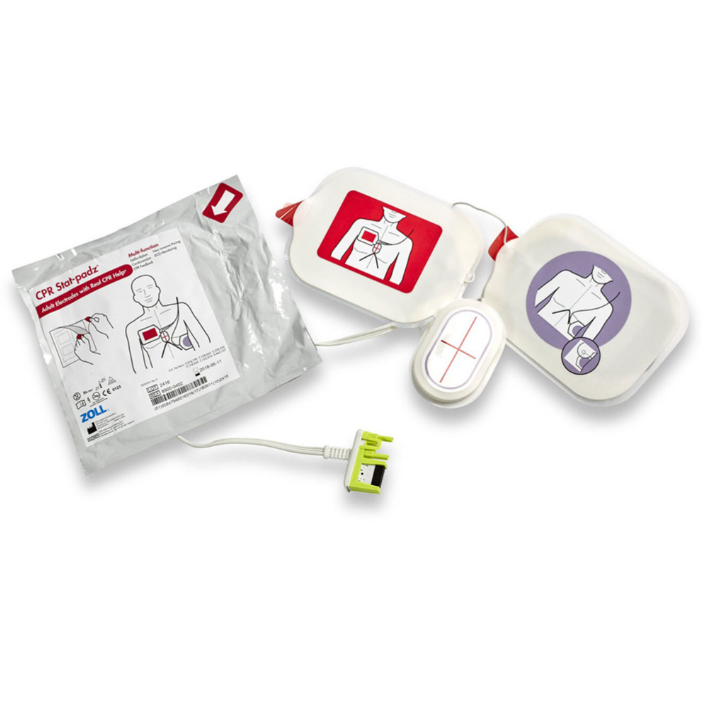
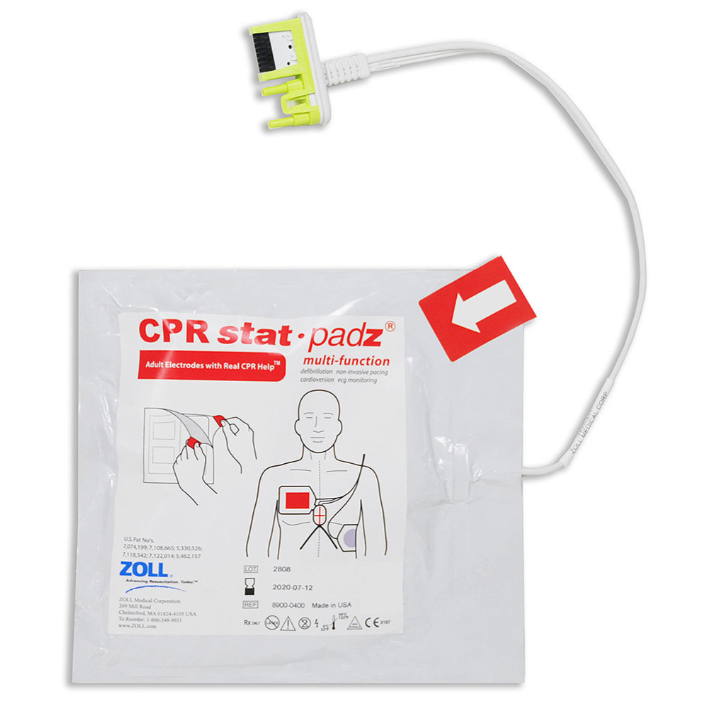
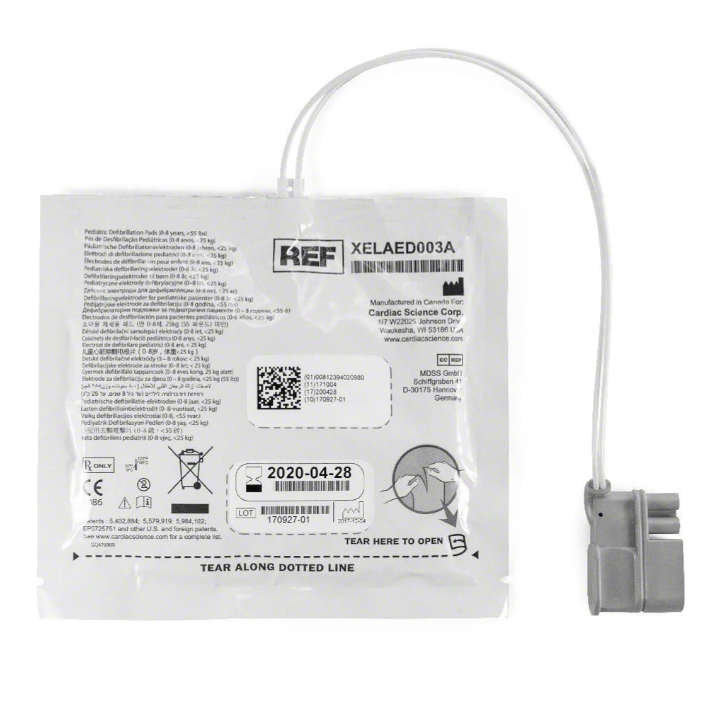
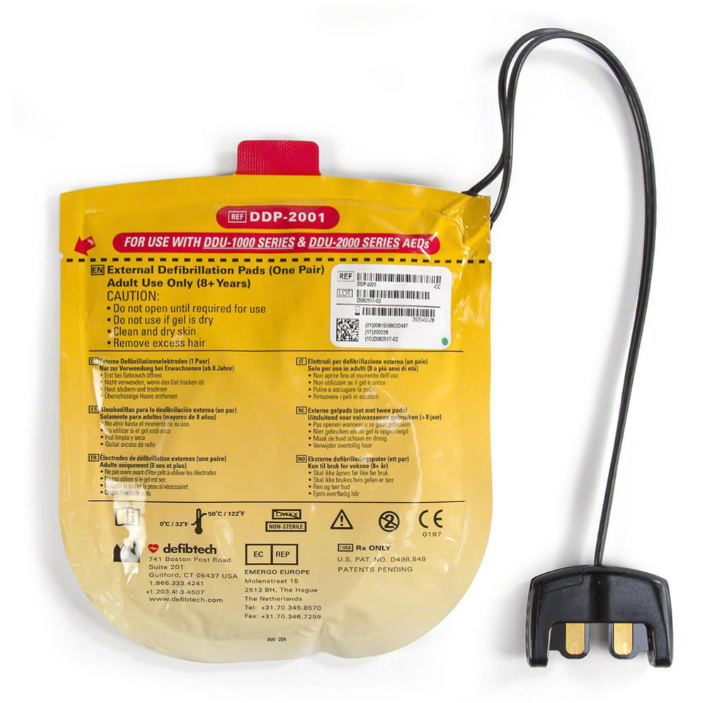
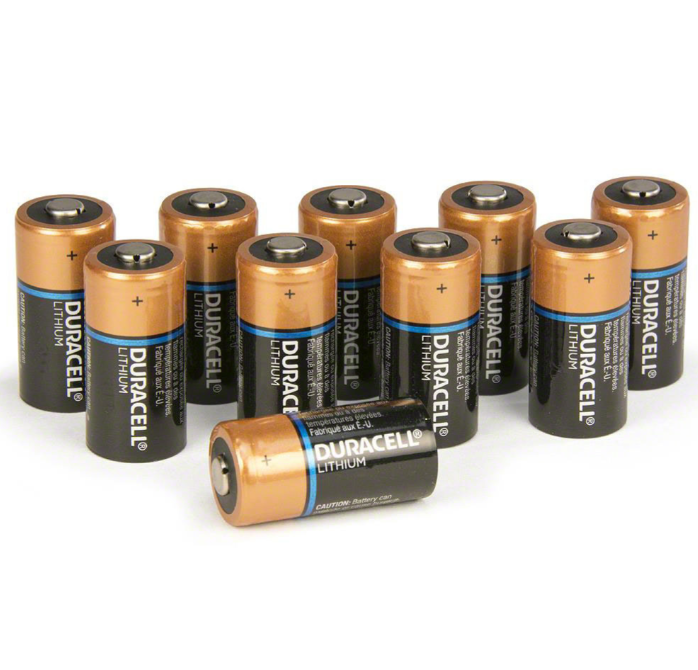
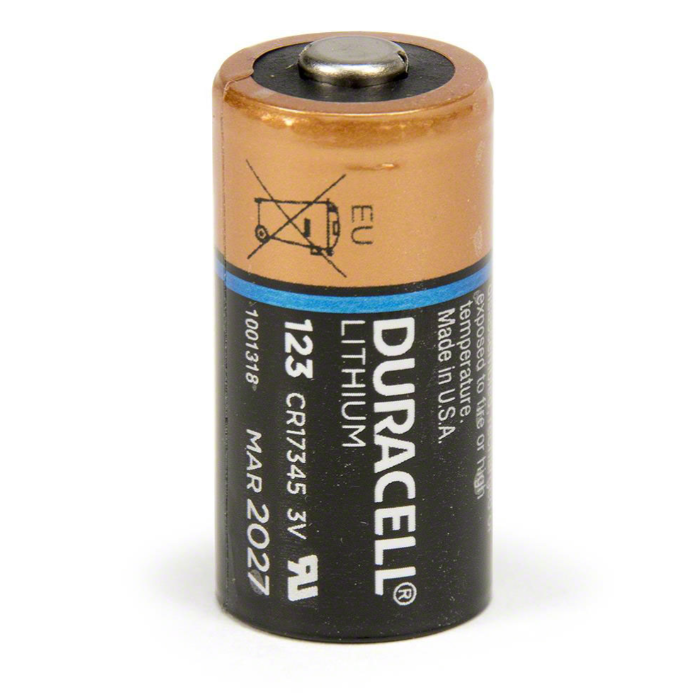
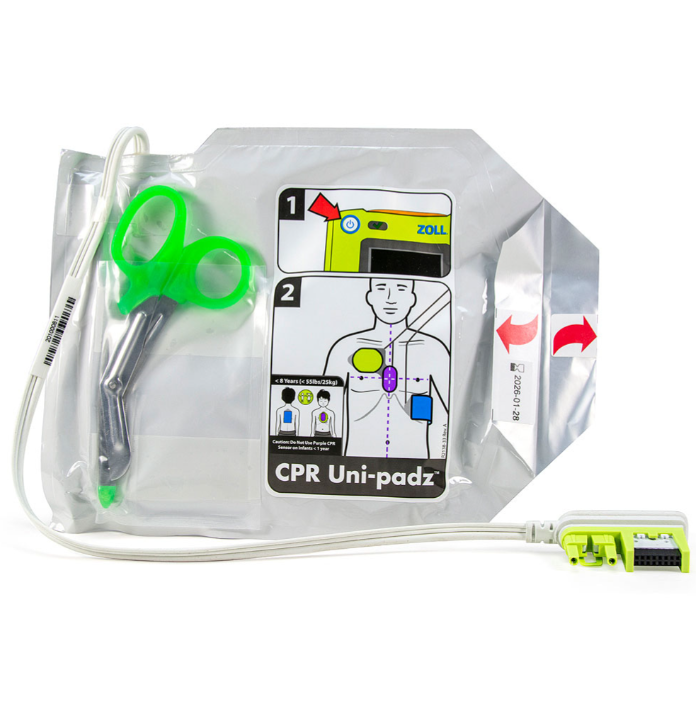
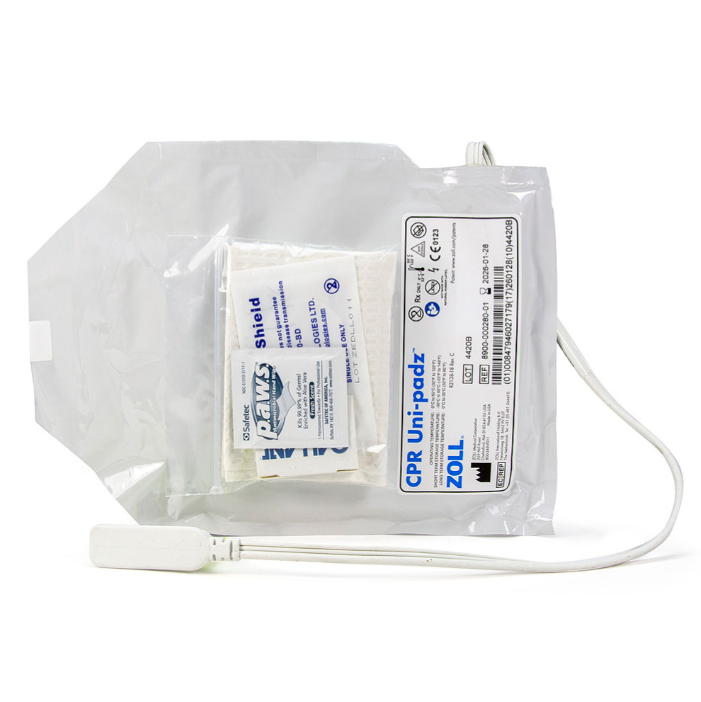
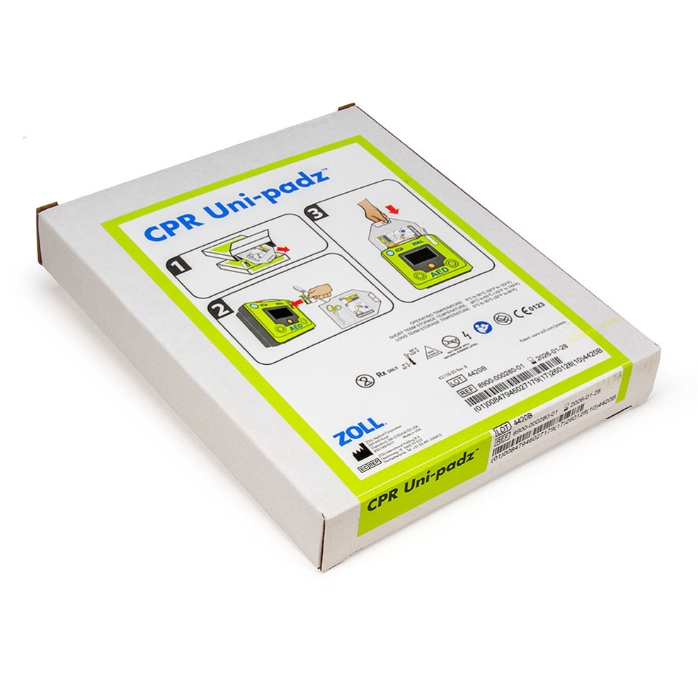
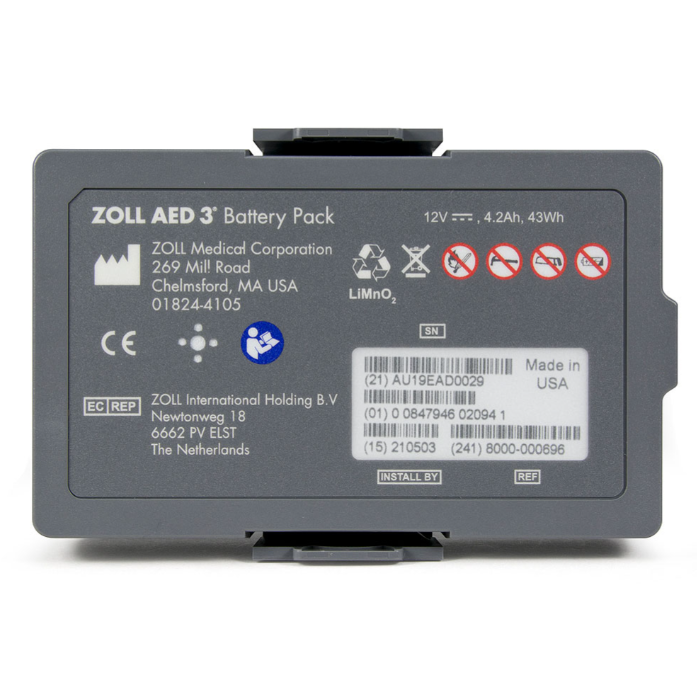
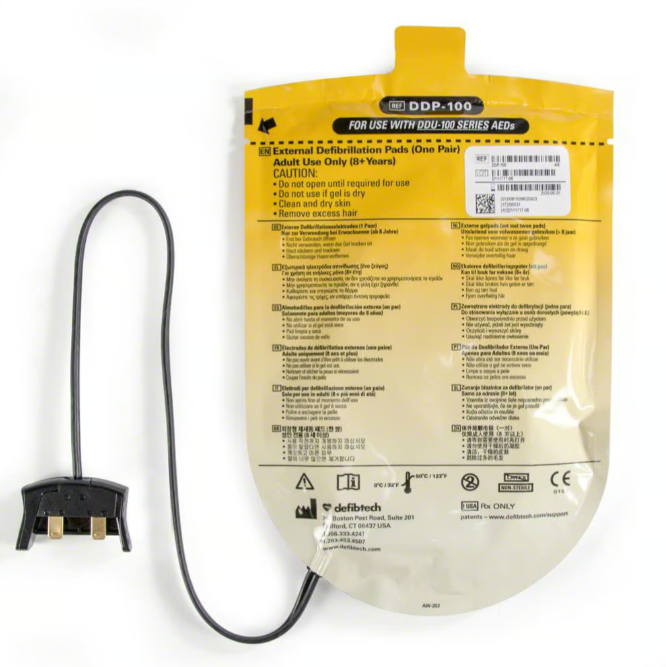
Electrode pads and AED batteries have manufacturer-specific expiration dates, typically 2-5 years, depending on the brand. Check your device regularly and replace components before they expire to ensure your AED is always response-ready.
What's the difference between a semi-automatic AED and a fully automatic AED?
A semi-automatic AED analyzes heart rhythm and instructs the user to press a button to deliver the shock. A fully automatic AED delivers the shock automatically after warning bystanders to stand clear. Both are effective – the choice depends on your organization's preference and training protocols.
Do AEDs work on children?
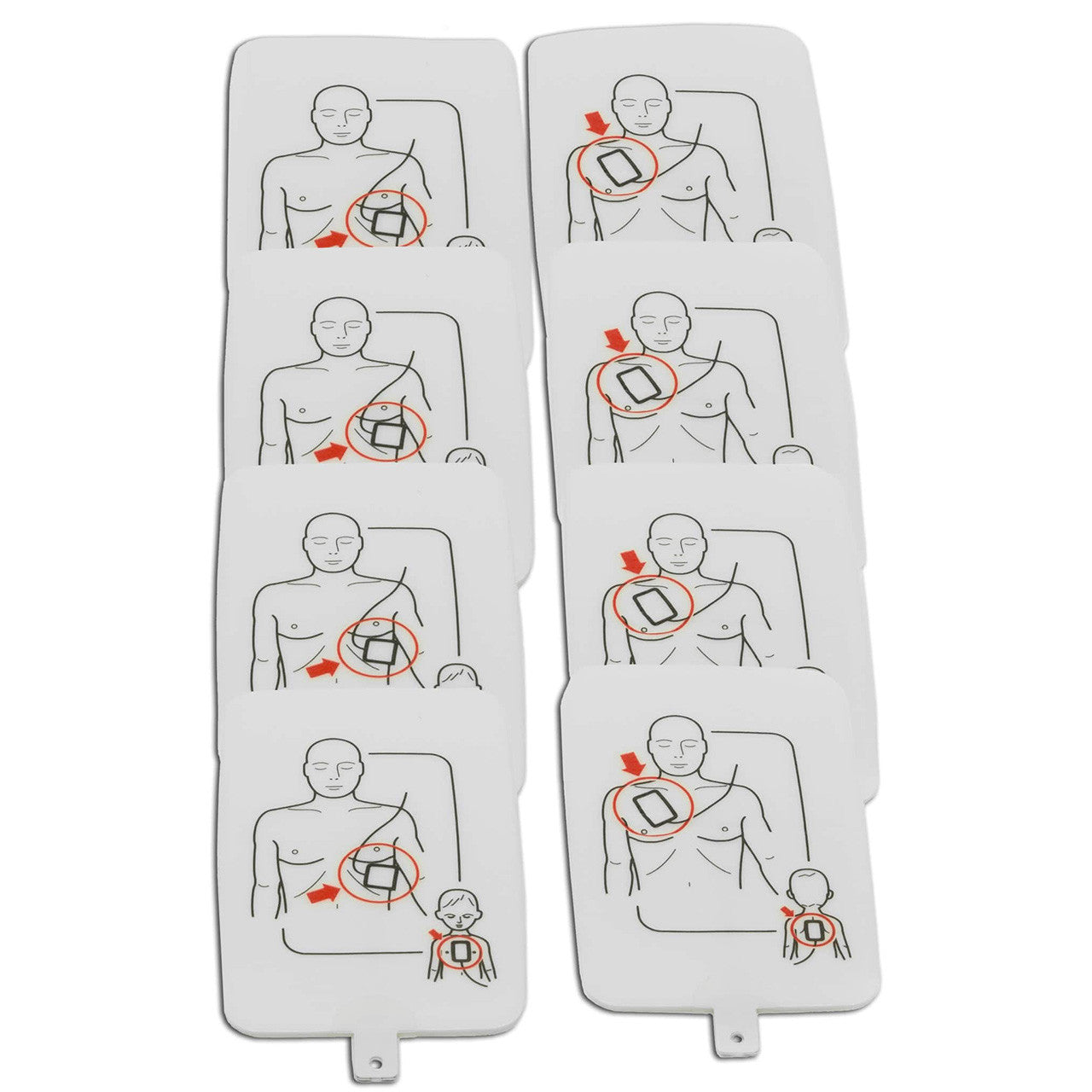
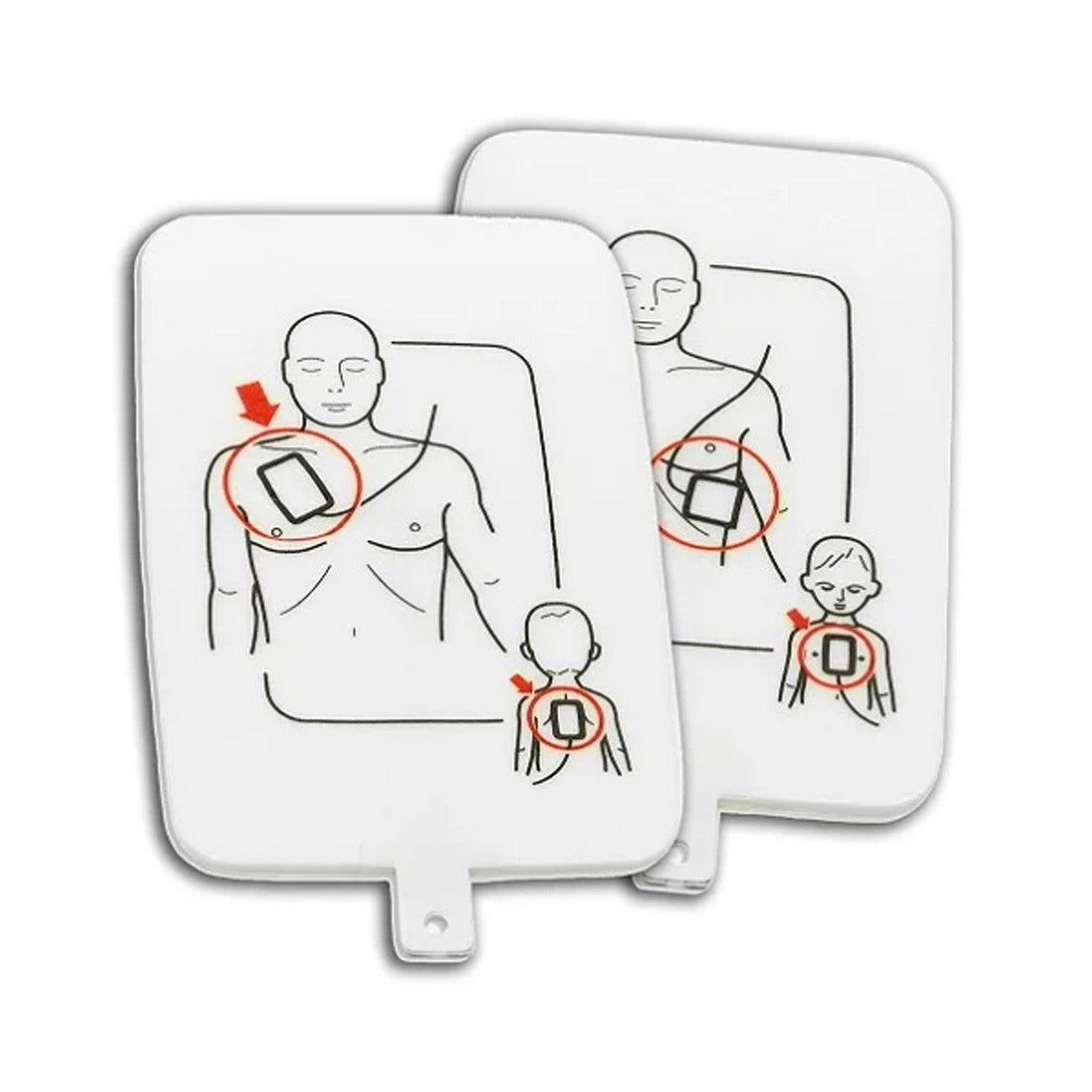
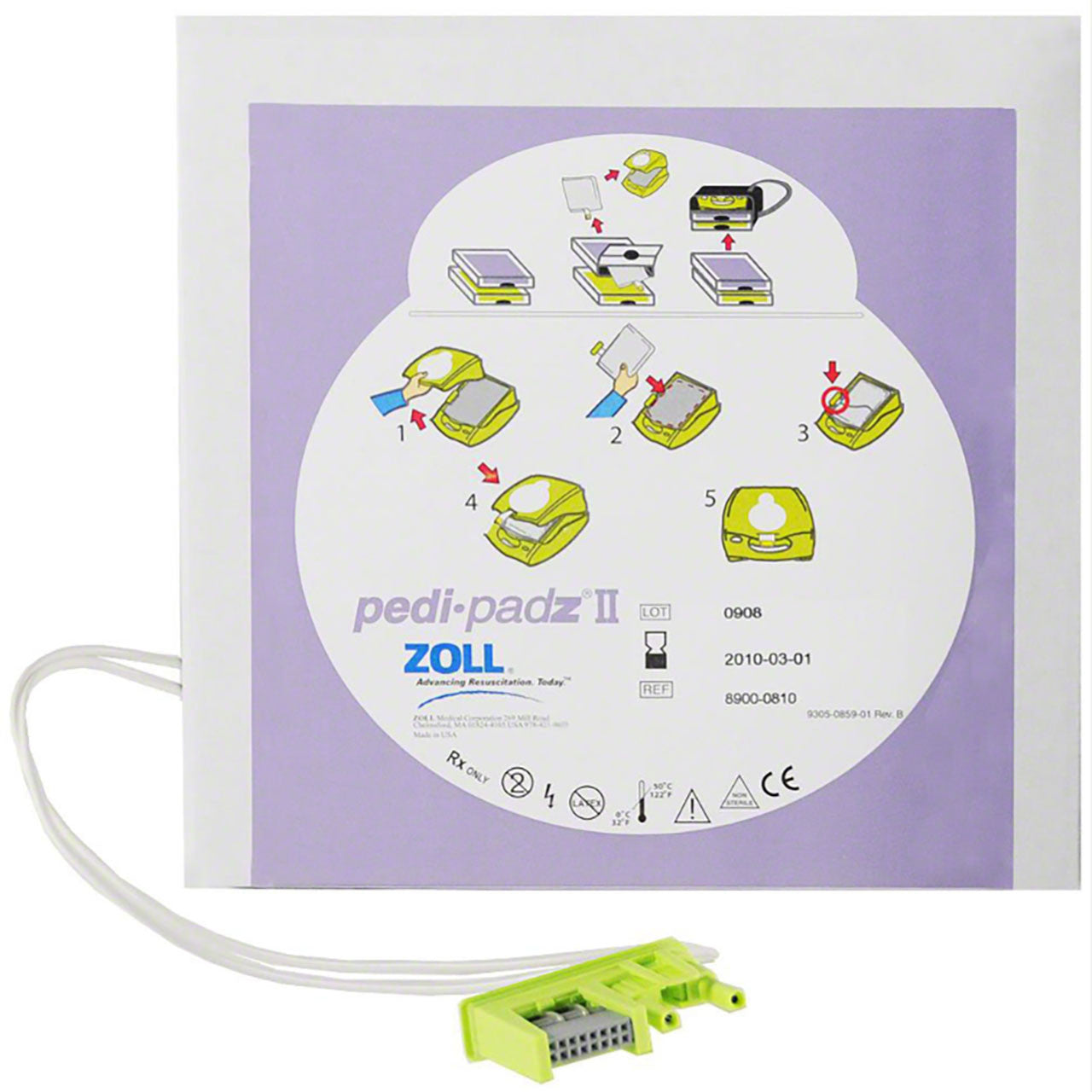
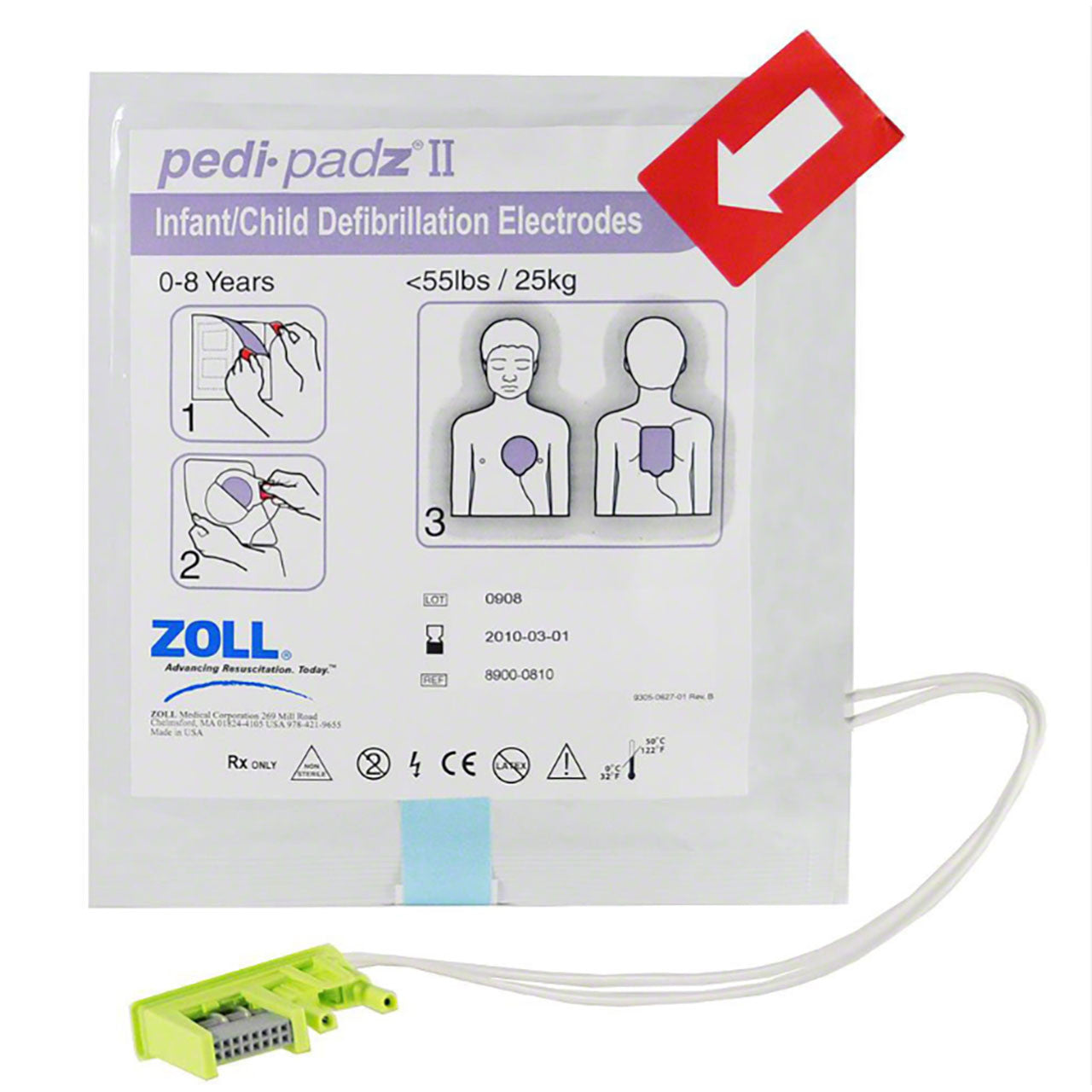
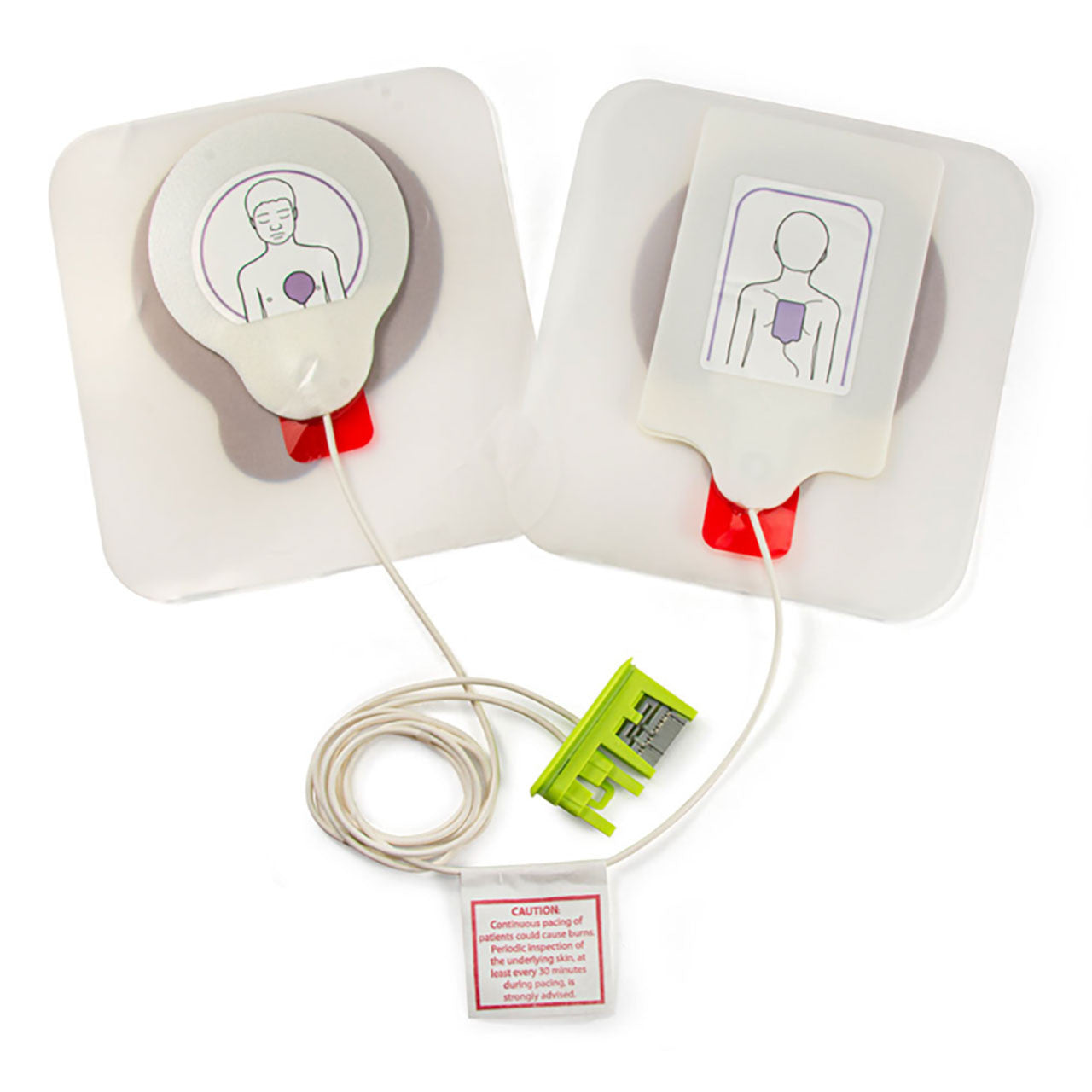
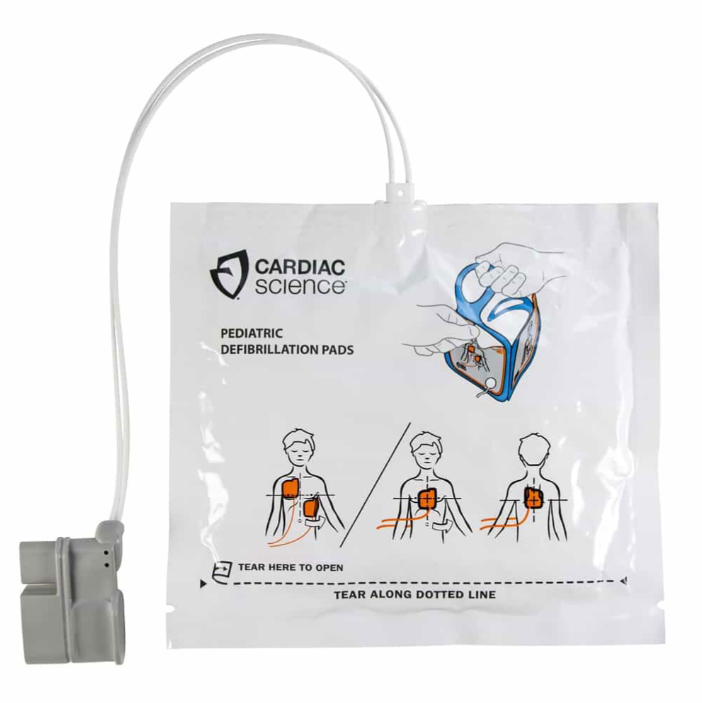
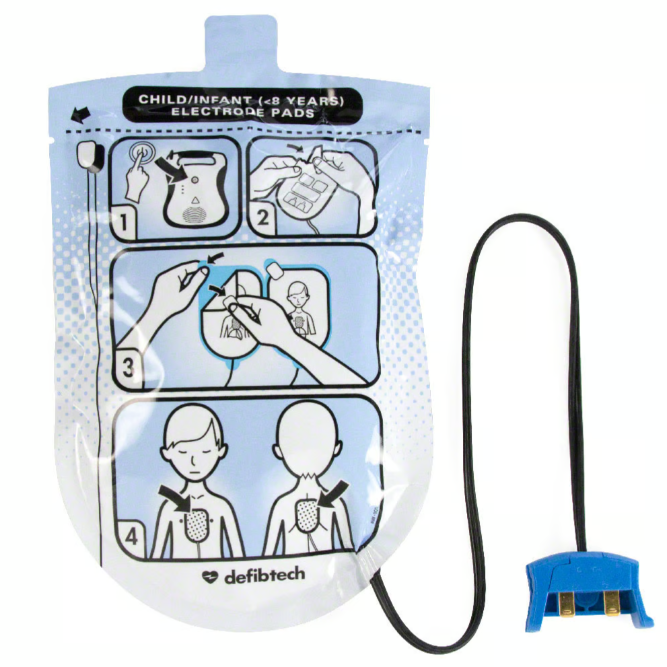
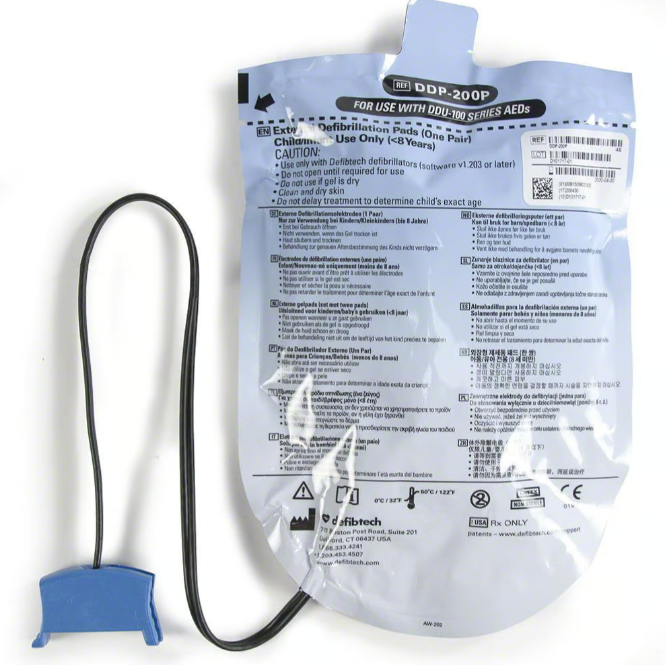
Yes. Many AED devices include pediatric electrode pads or a pediatric mode that reduces energy output for patients under 8 years old or under 55 pounds. Check your specific device for pediatric capabilities.
Where should an AED be stored?
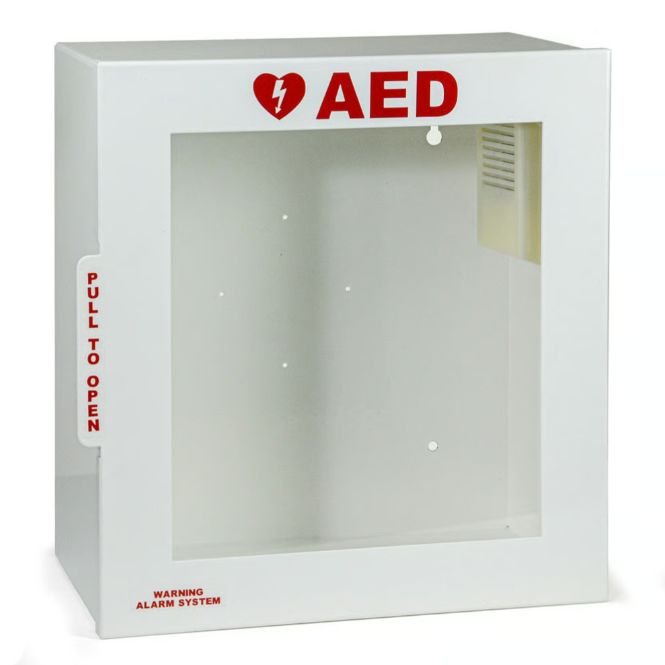
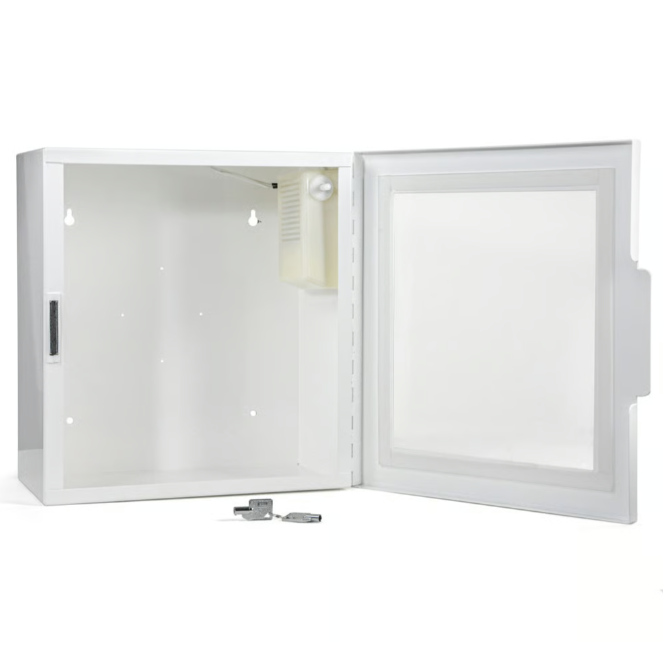
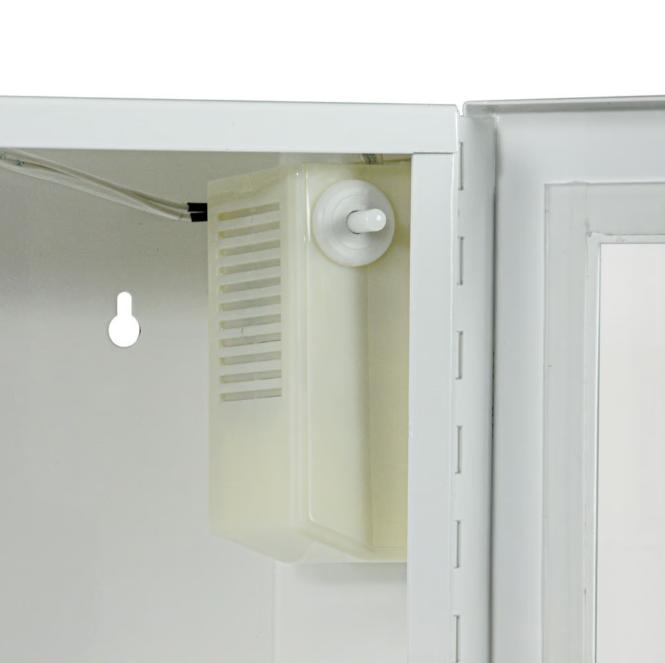
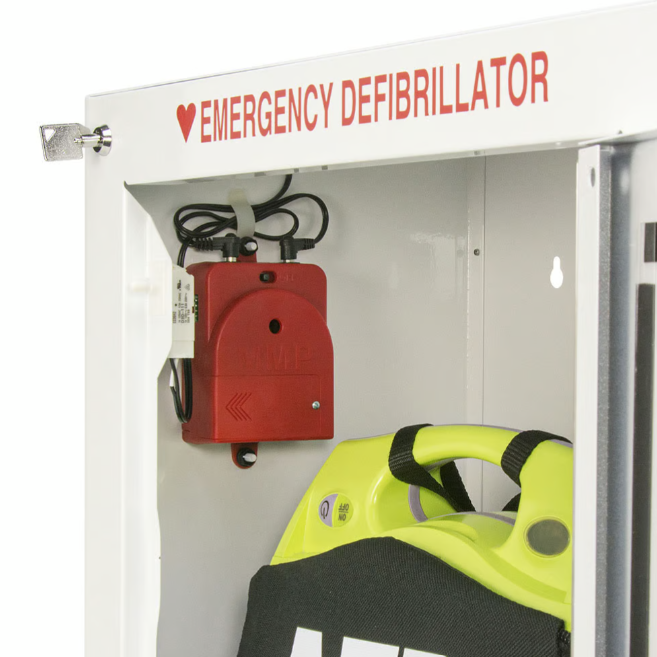
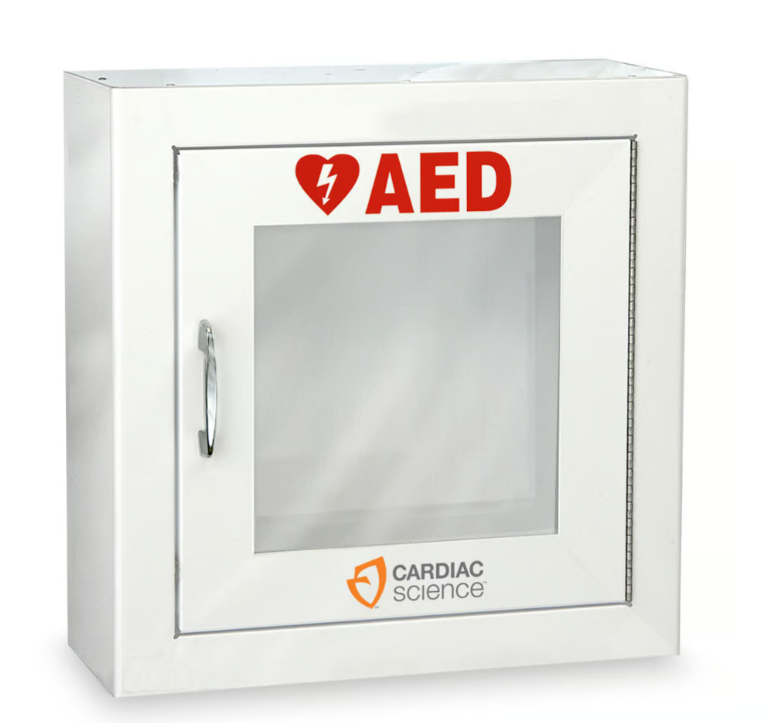
AEDs should be stored in visible, accessible locations – ideally in a wall-mounted cabinet near high-traffic areas. The American Heart Association recommends placement within a 3-minute round-trip walk from any location in a building. Alarmed cabinets help deter theft and alert staff during emergencies.