


SKU:
40-1026
$14.50
SKU:
40-1040
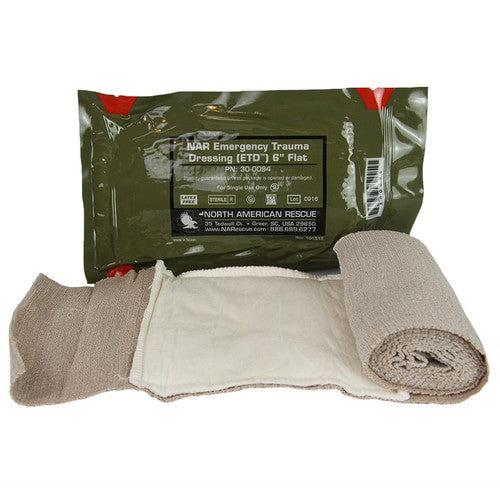
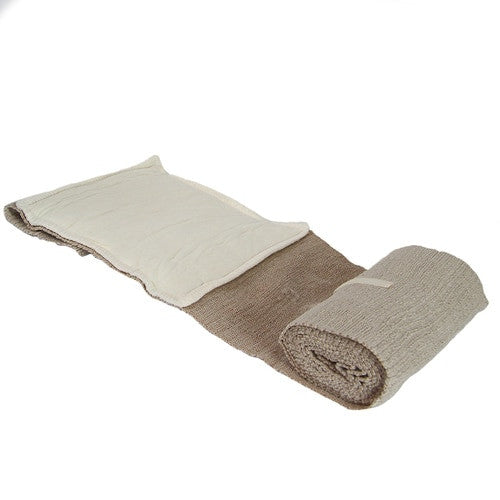
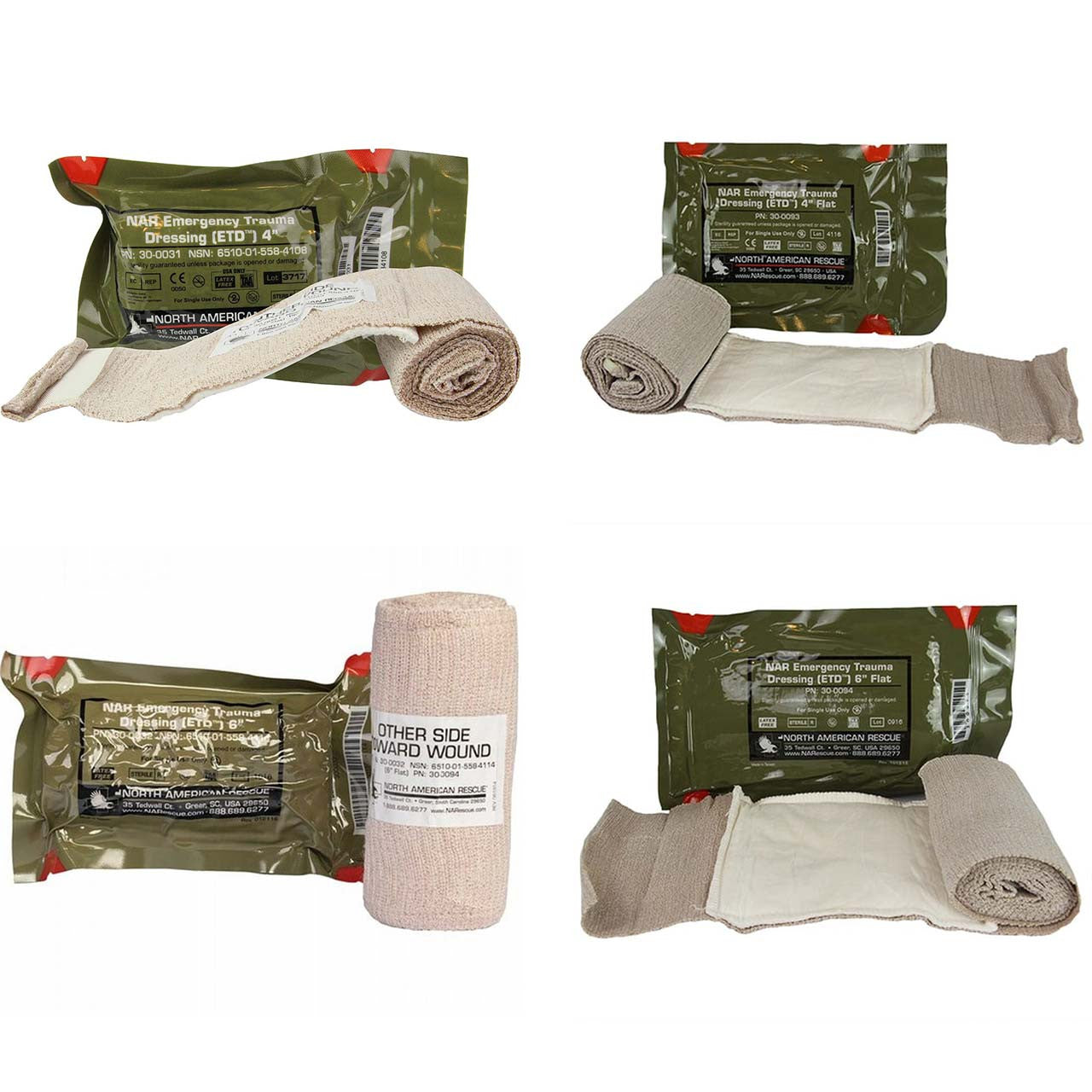
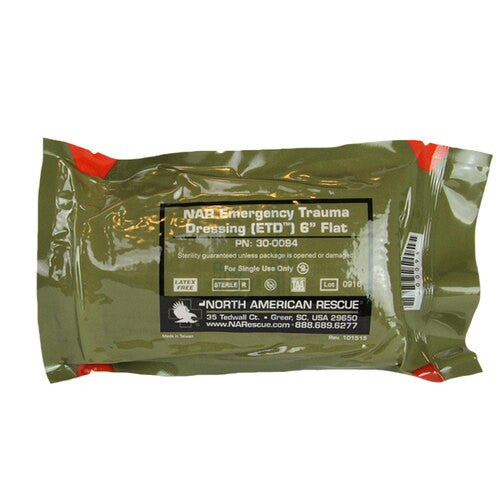
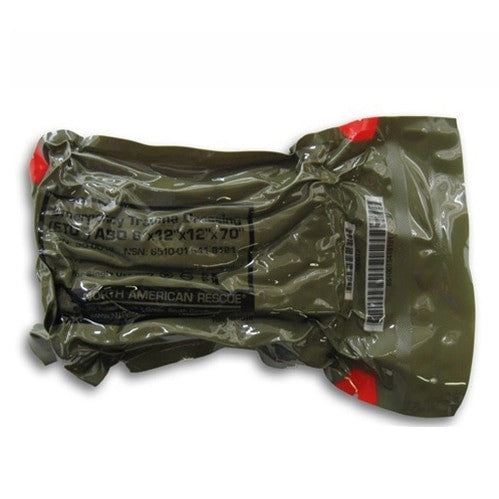
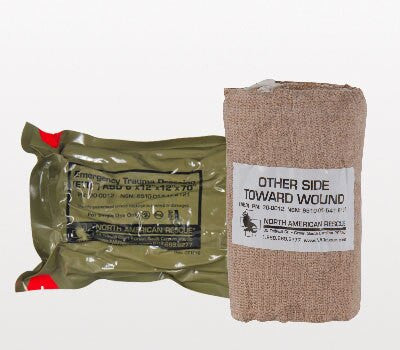
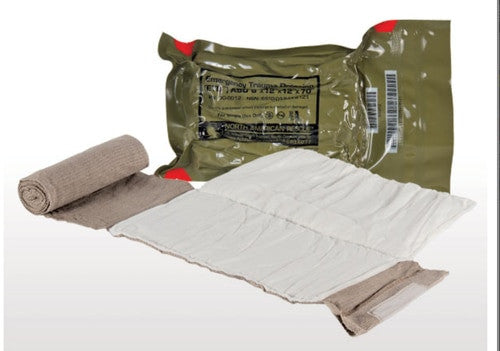
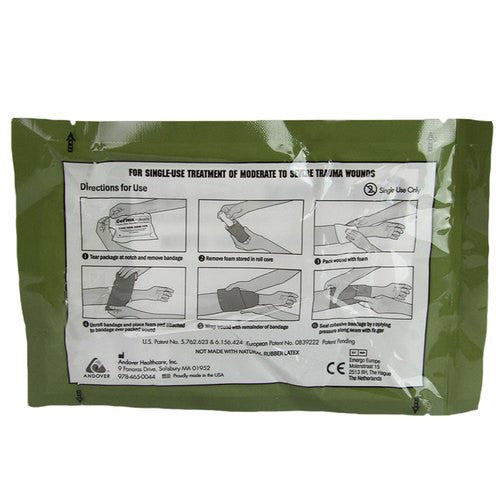
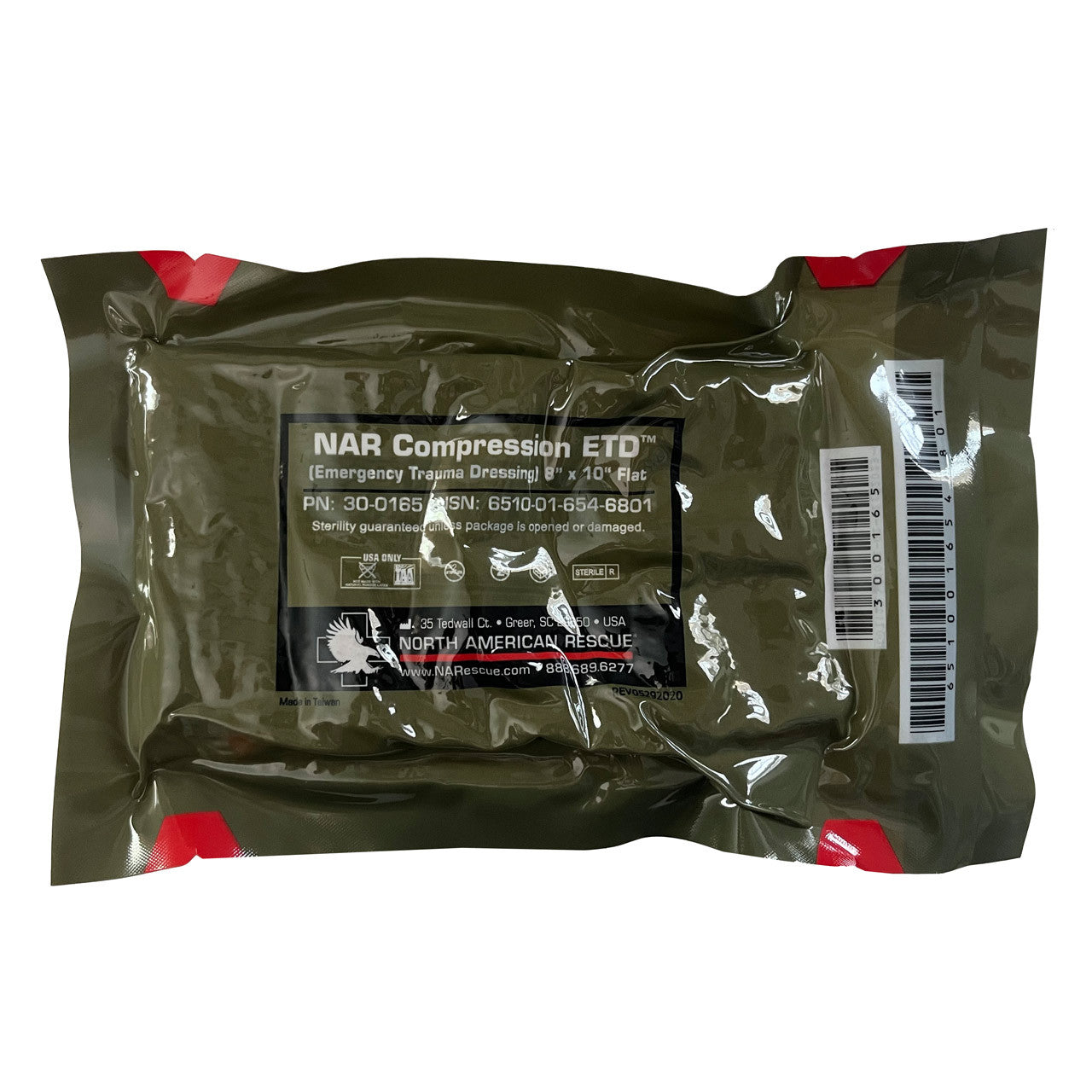
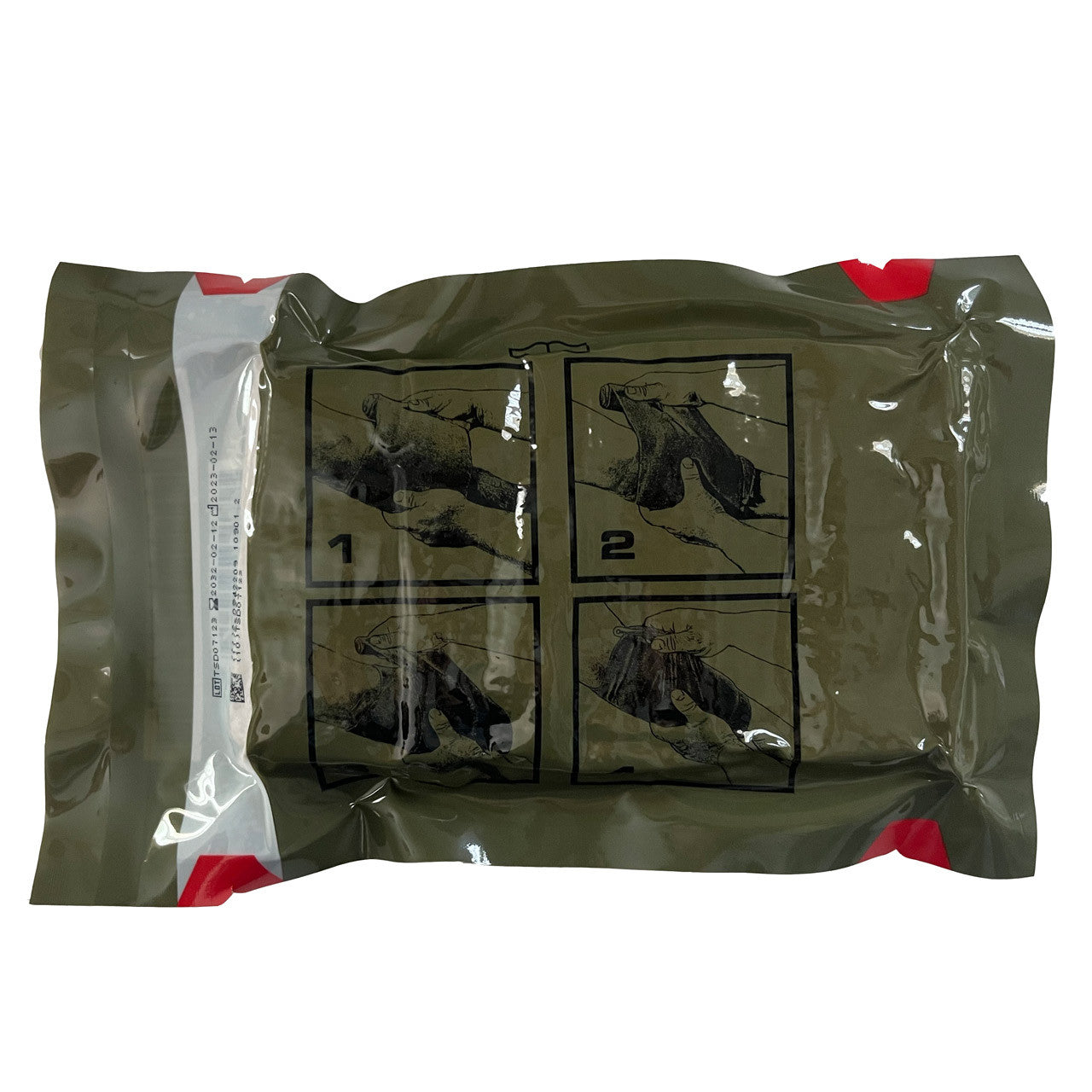
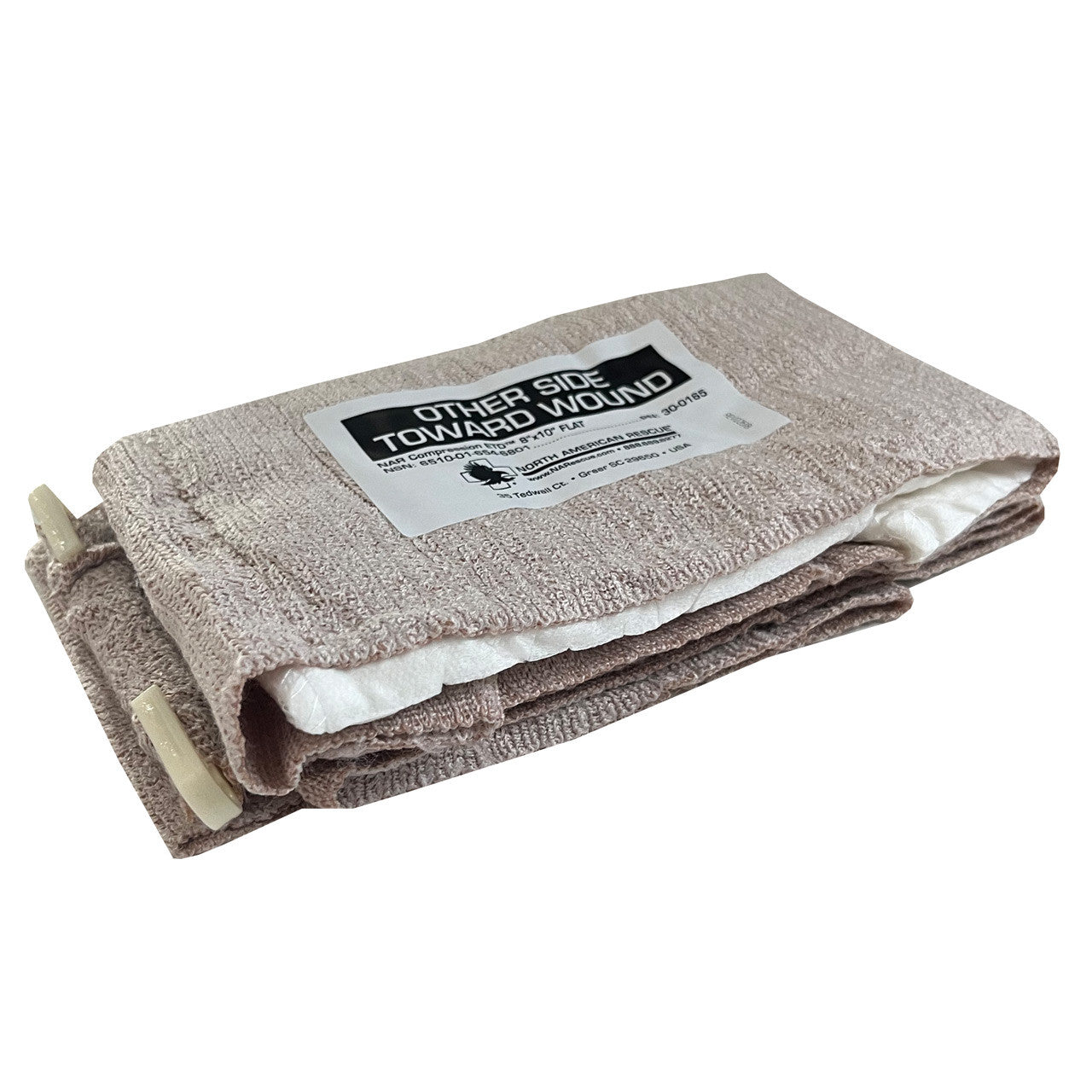
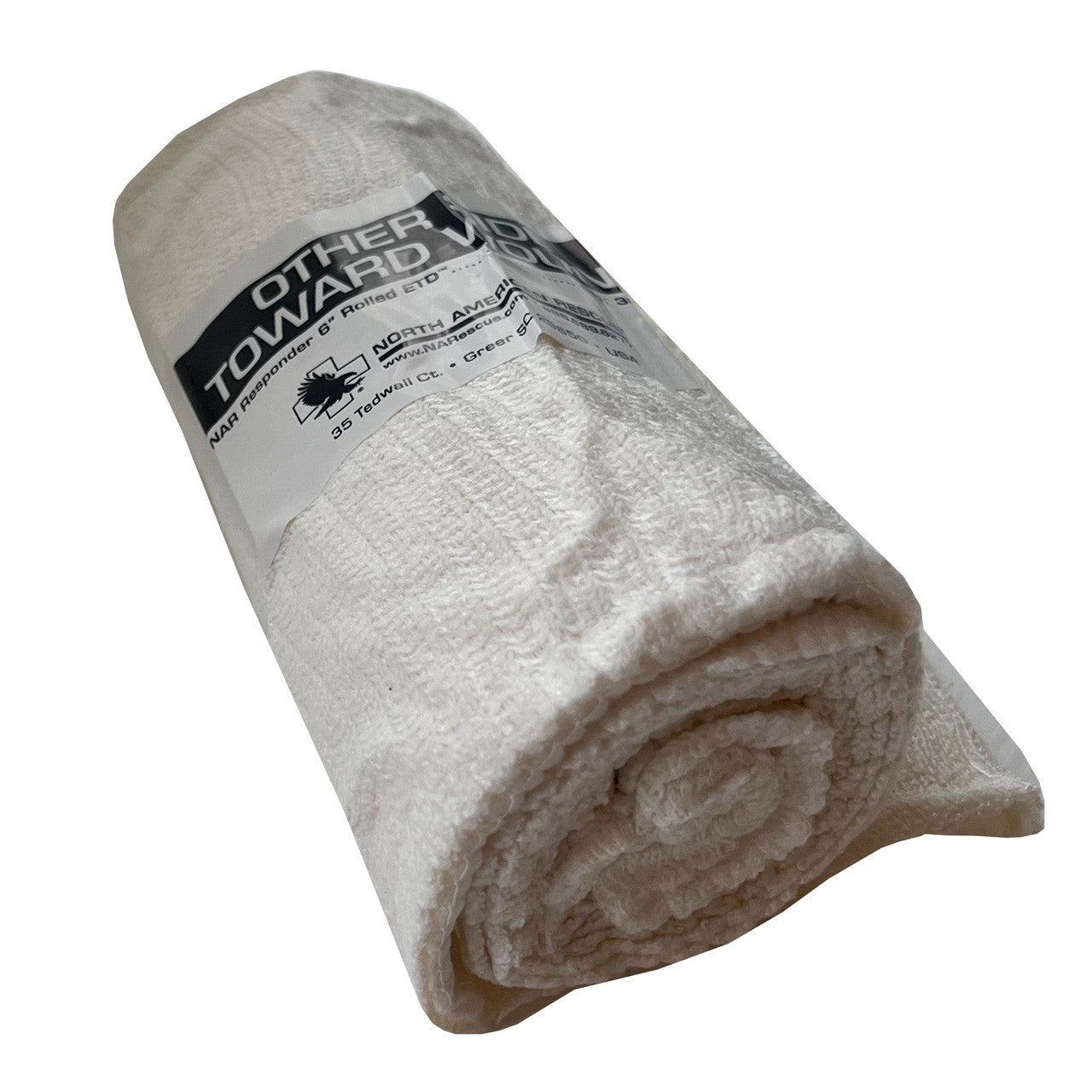
NAR Emergency Trauma Dressing (ETD)
From $7.99
SKU:
40-1030


SKU:
40-0650

SKU:
40-0610


SKU:
40-0590
SKU:
40-0475
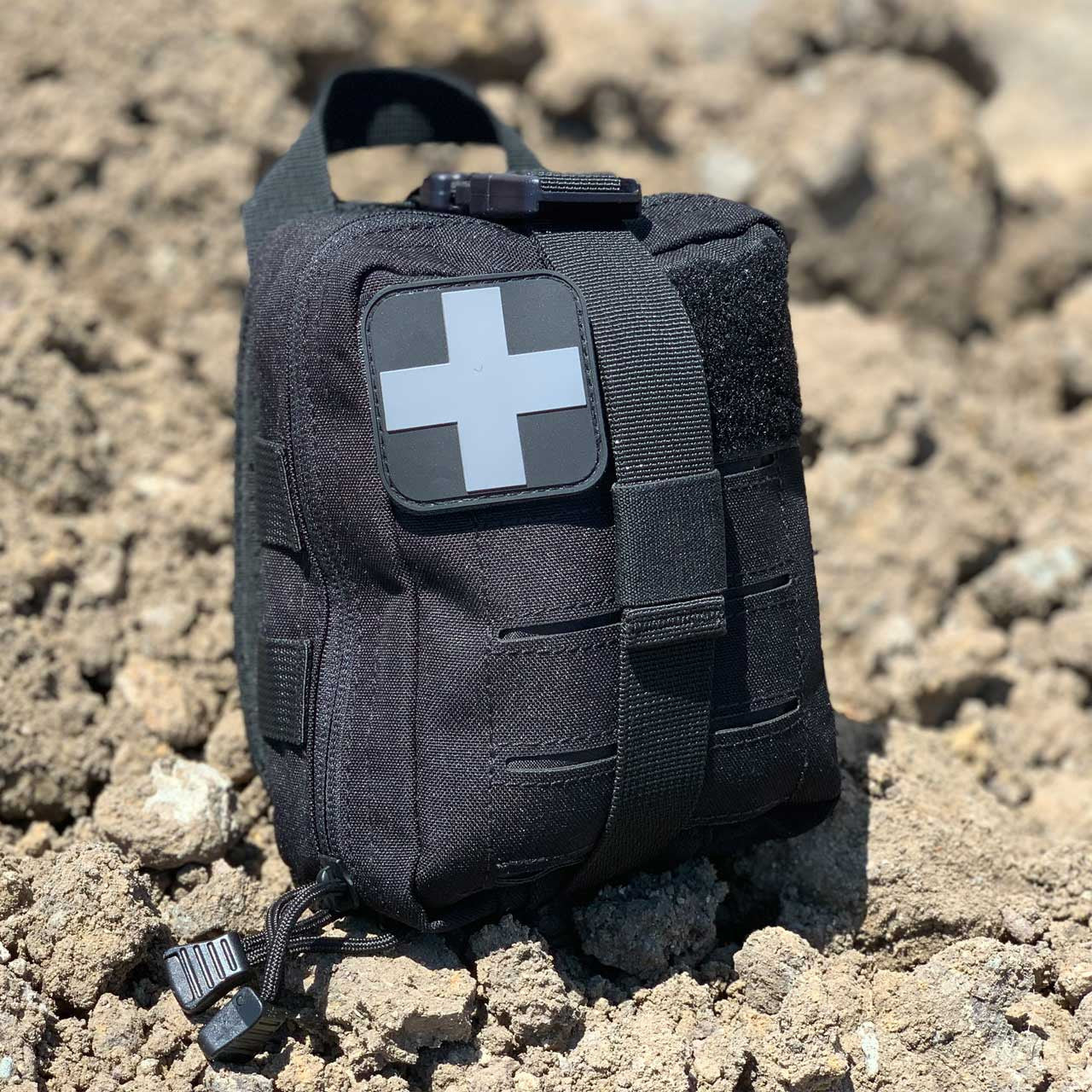
Built for Mobility & Medical Performance
The MARCH TCCC IFAK offers a convenient kit that adheres to the MARCH protocol of care and includes products recommended by the Committee on Tactical Combat Casualty Care.
Sold Out
SKU:
40-0465


SKU:
40-0320
From $8.45
SKU:
40-0140


SKU:
40-0599TENPACK
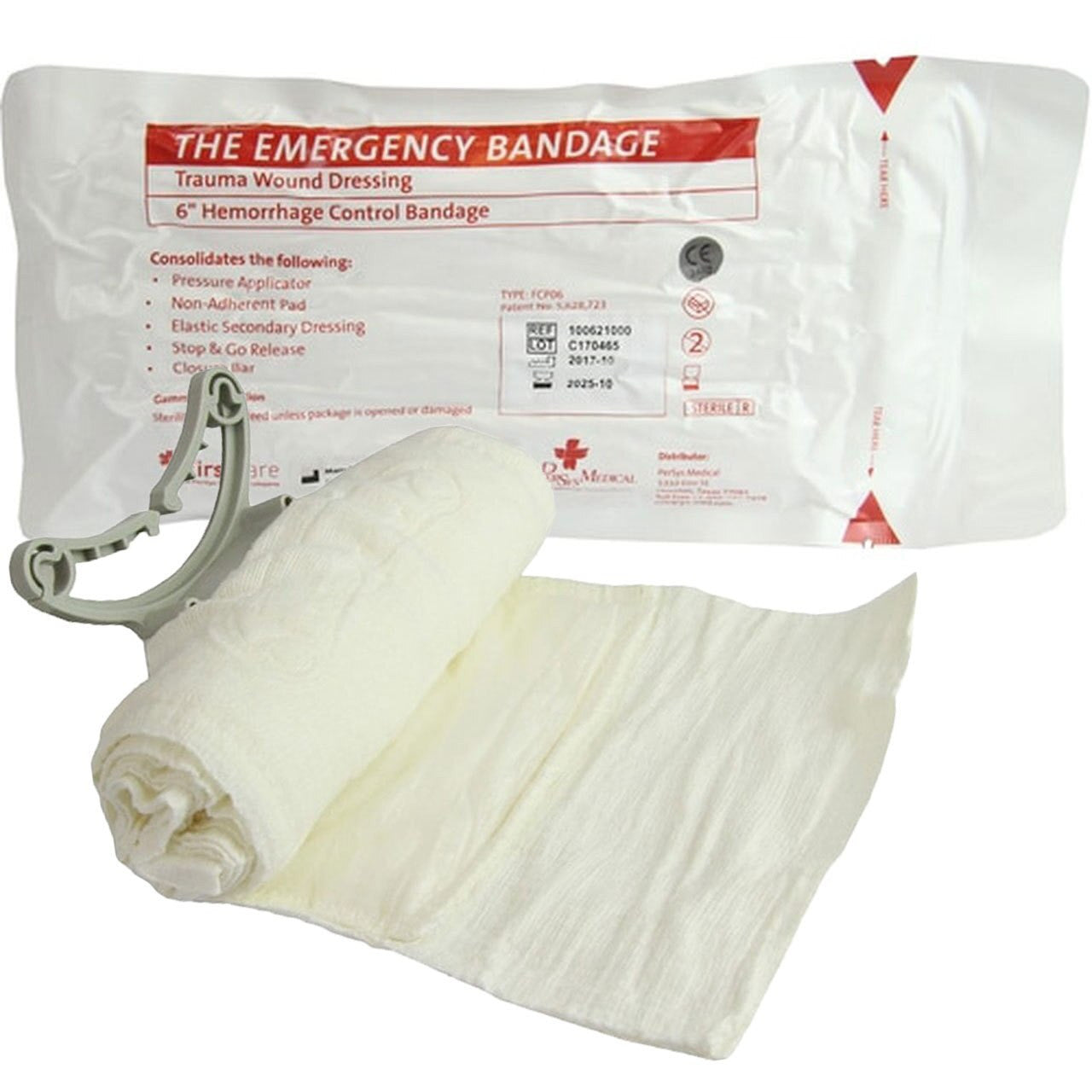
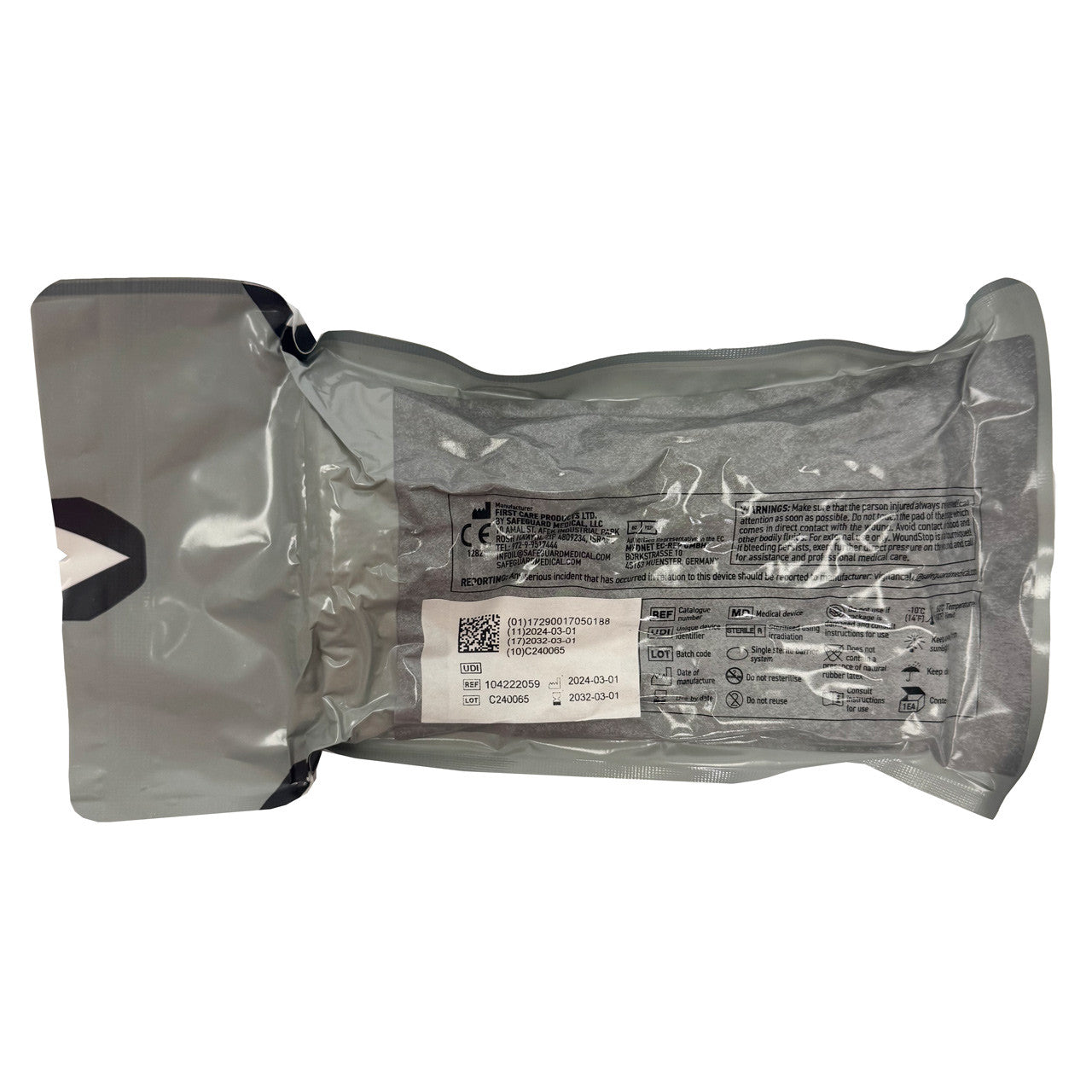
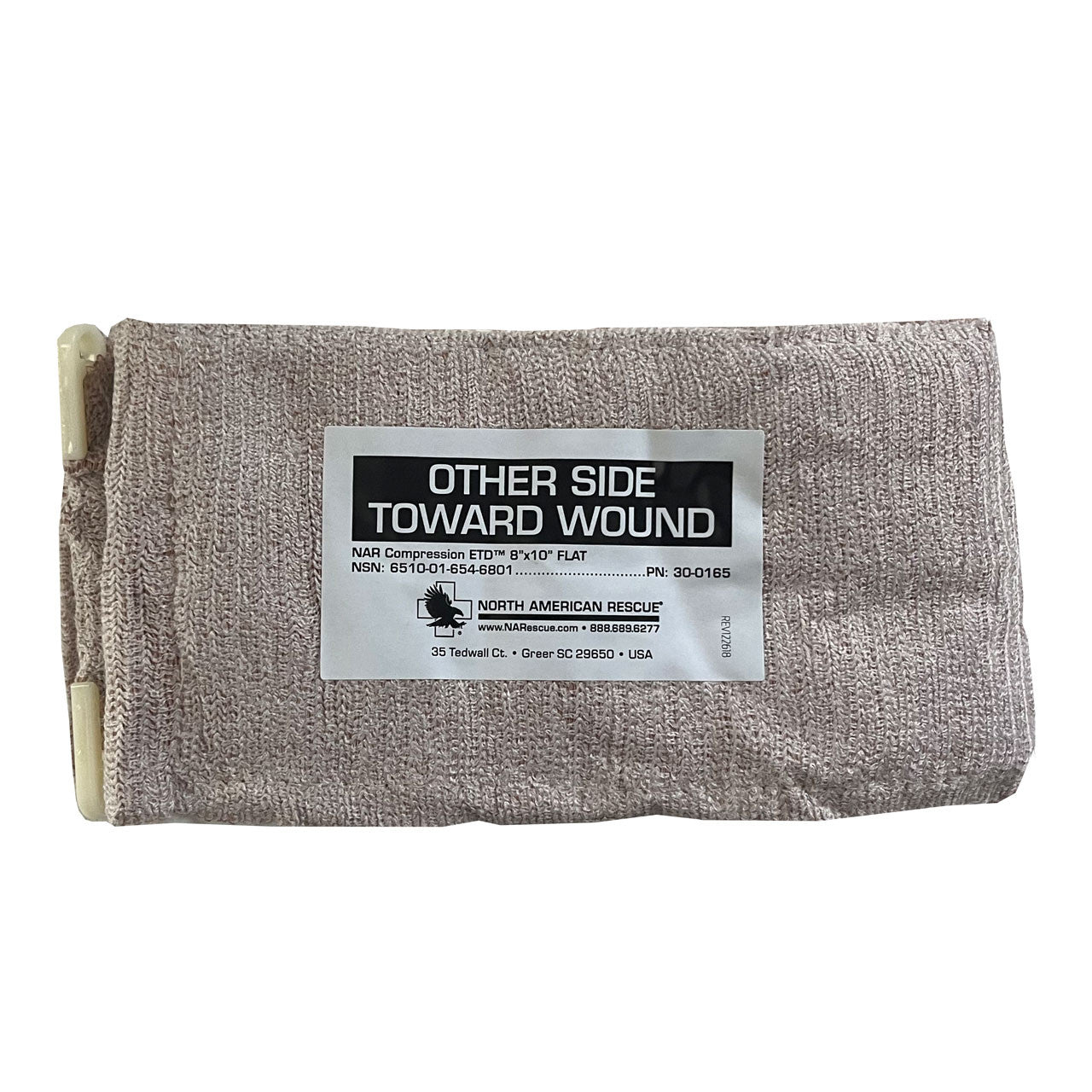
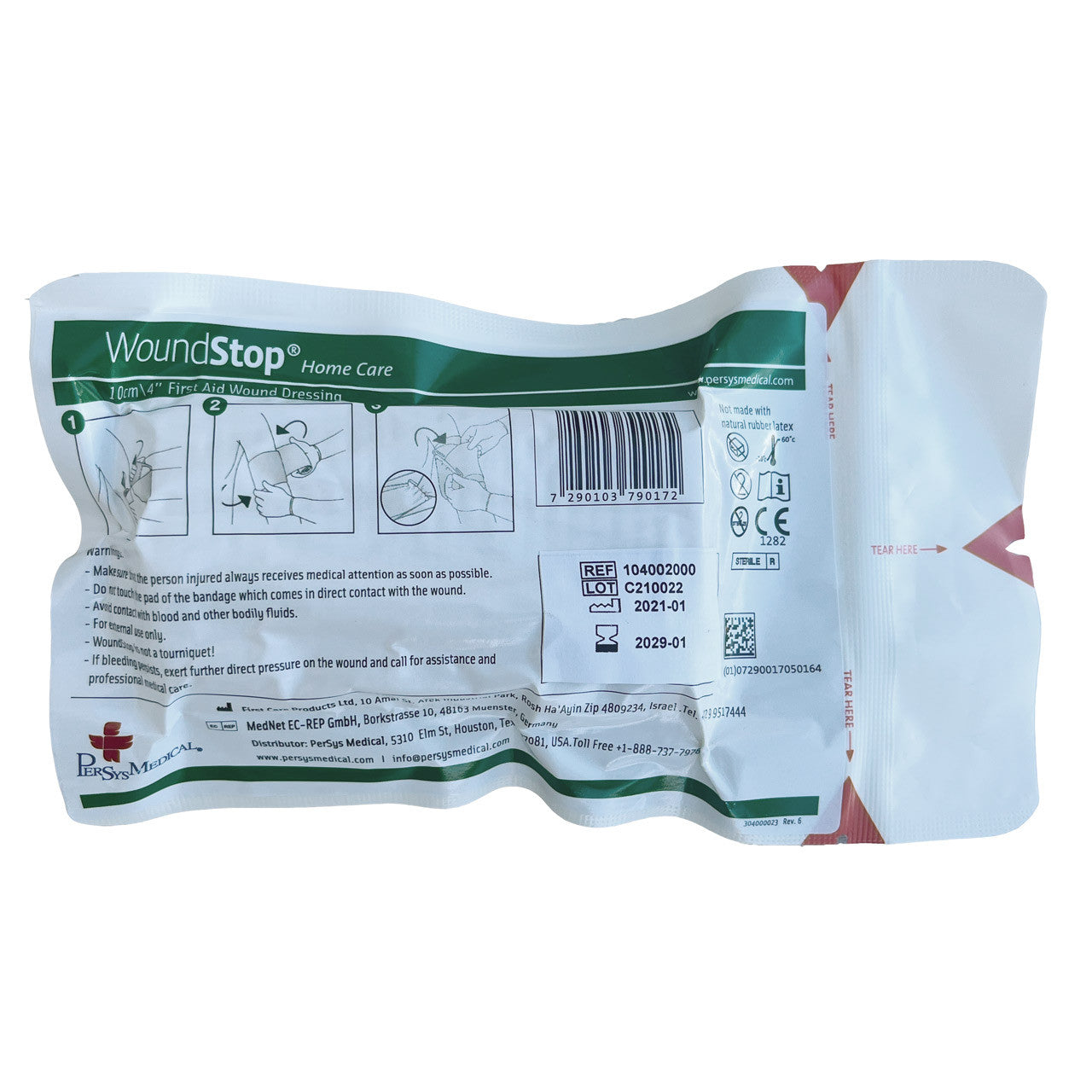
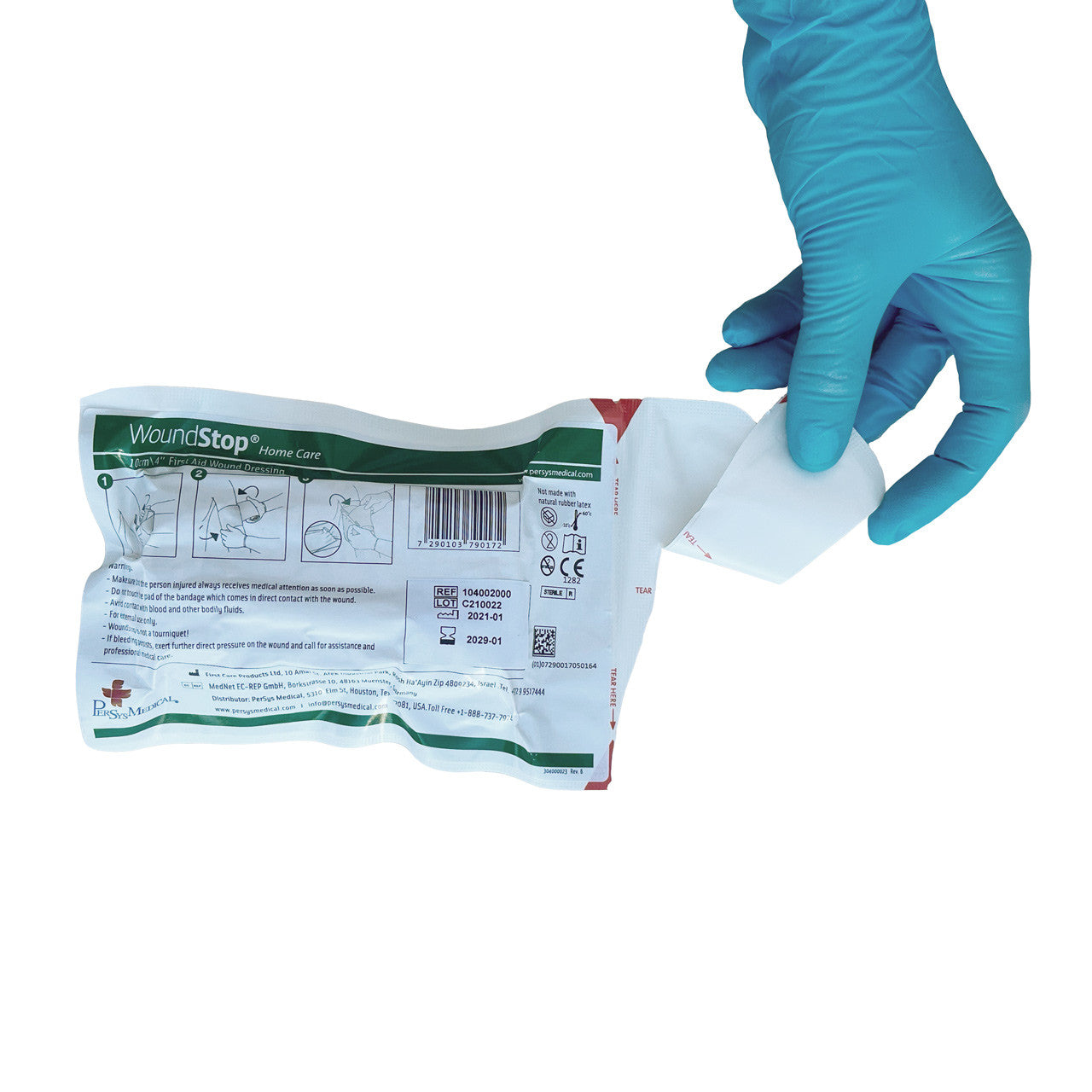
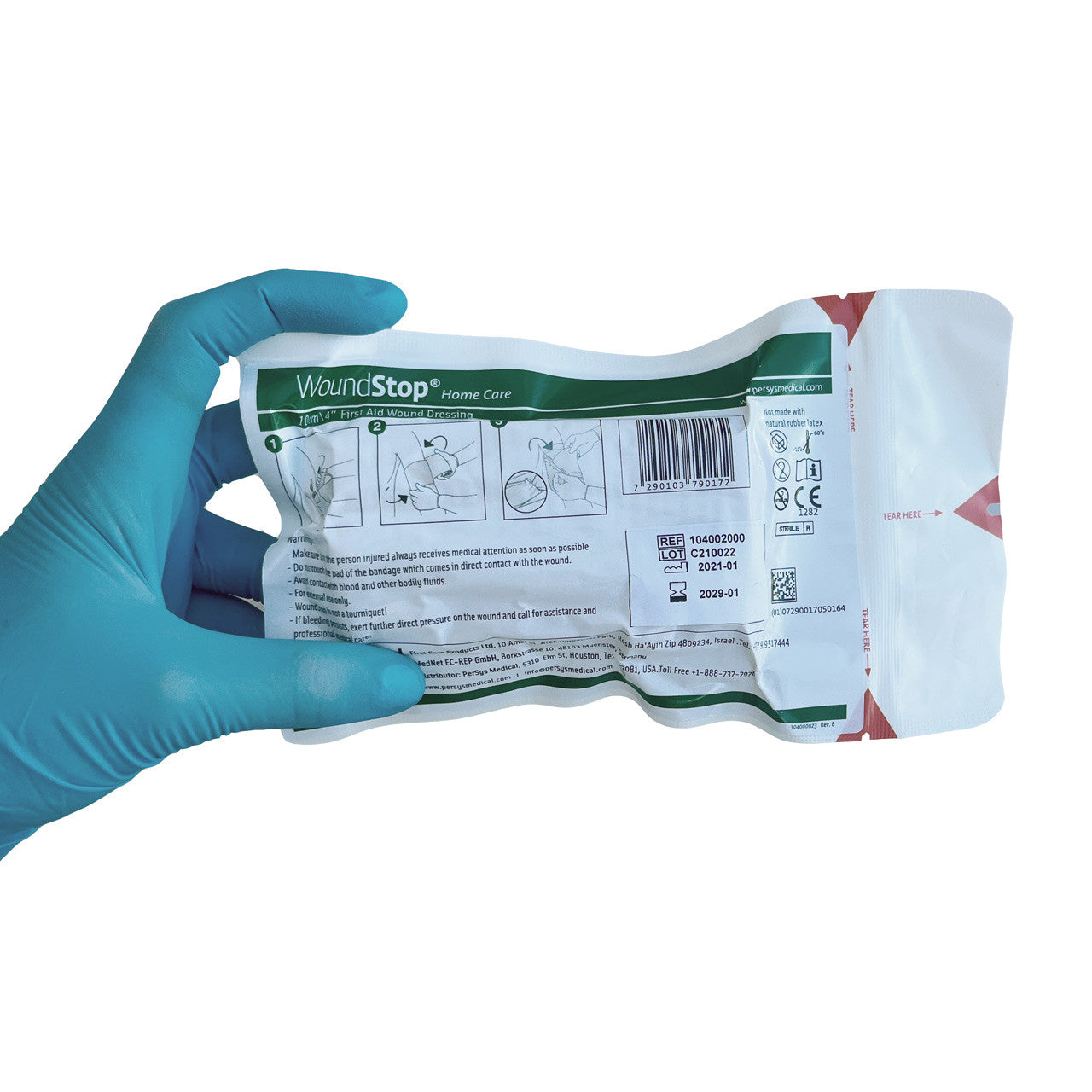
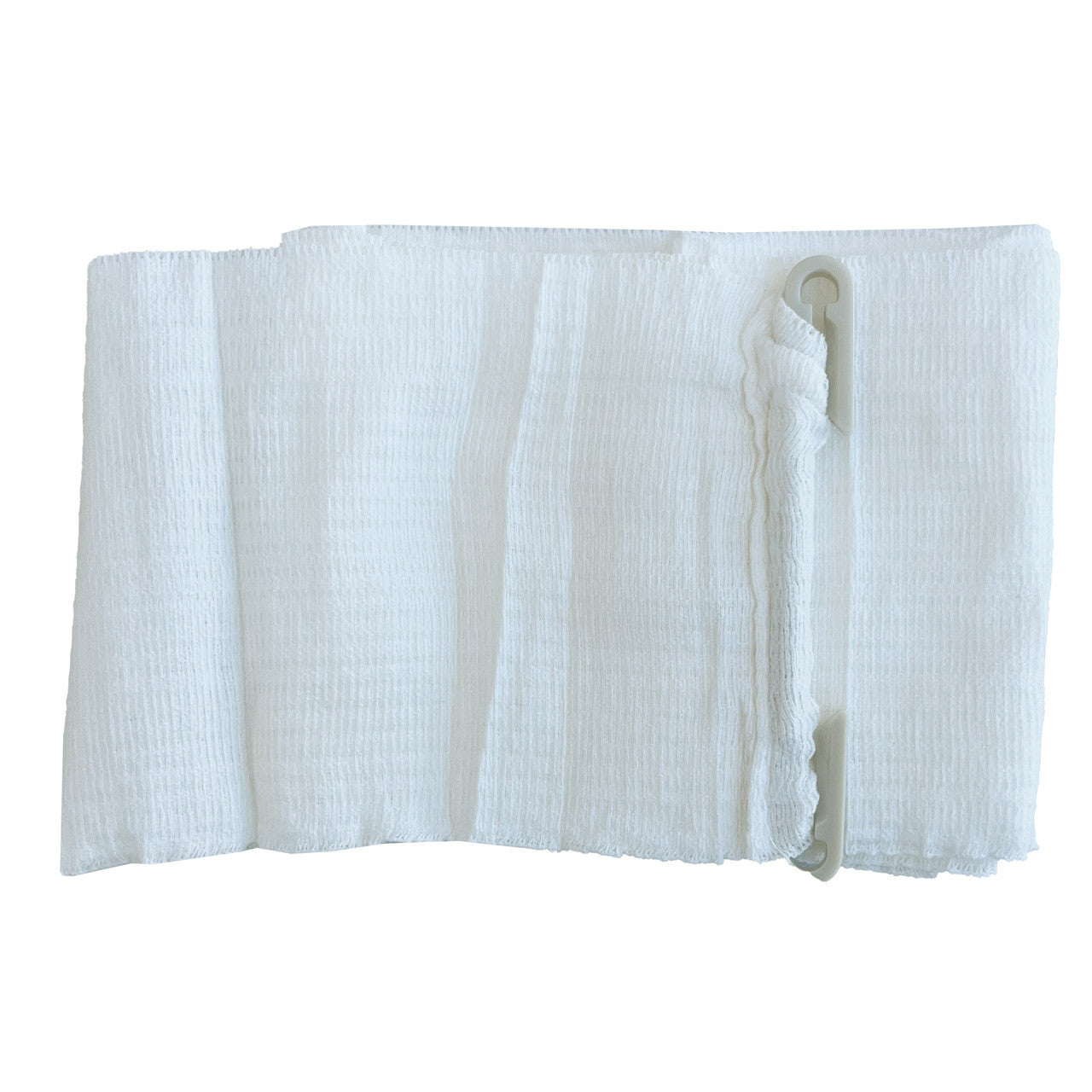
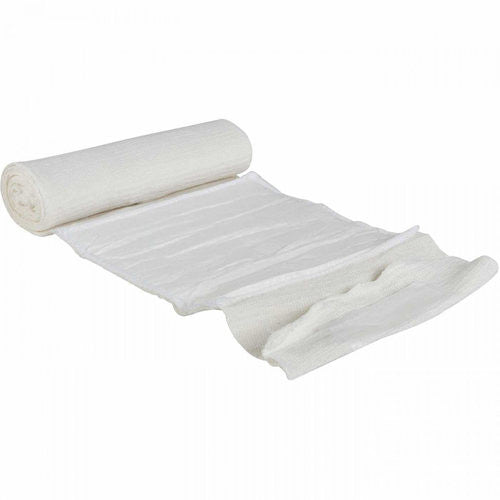
Israeli Emergency Bandage, White - 10 Pack
From $75.50
SKU:
40-0361
SKU:
40-0249


SKU:
30-1094
Save 6%
Sale


SKU:
30-1092
Sale price$2.95Regular price
$3.15
Save 6%
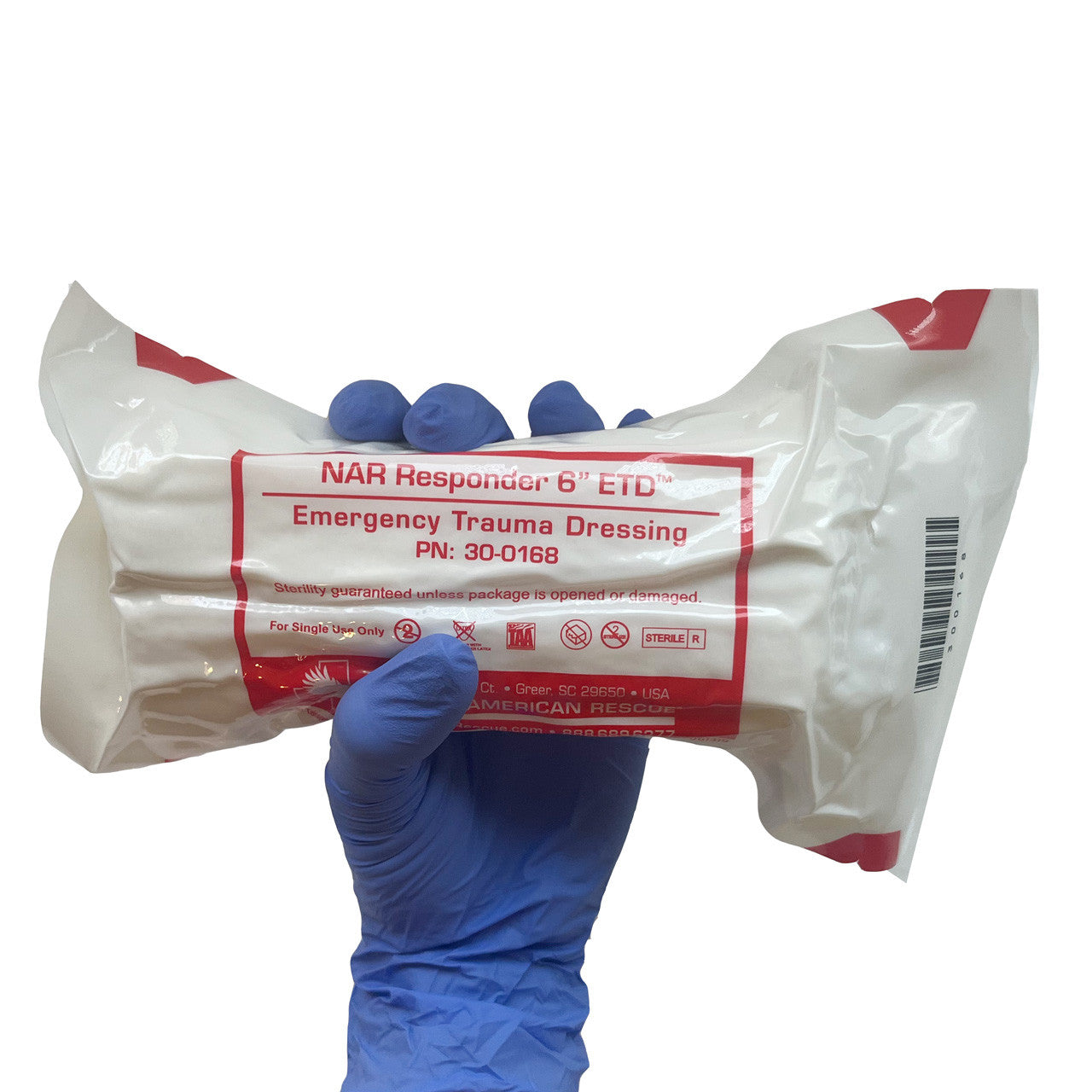
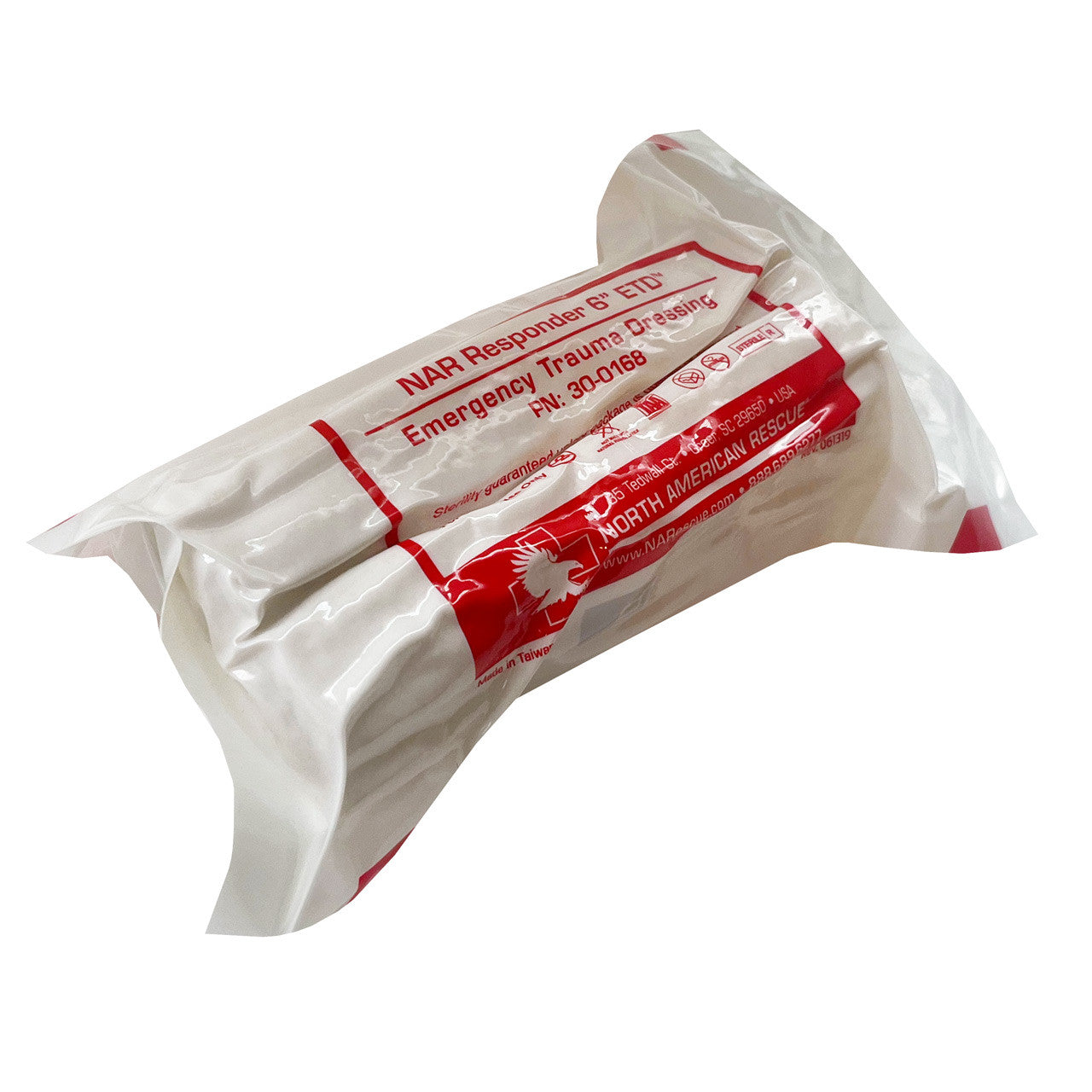
SKU:
40-1019
$8.99
SKU:
40-0599
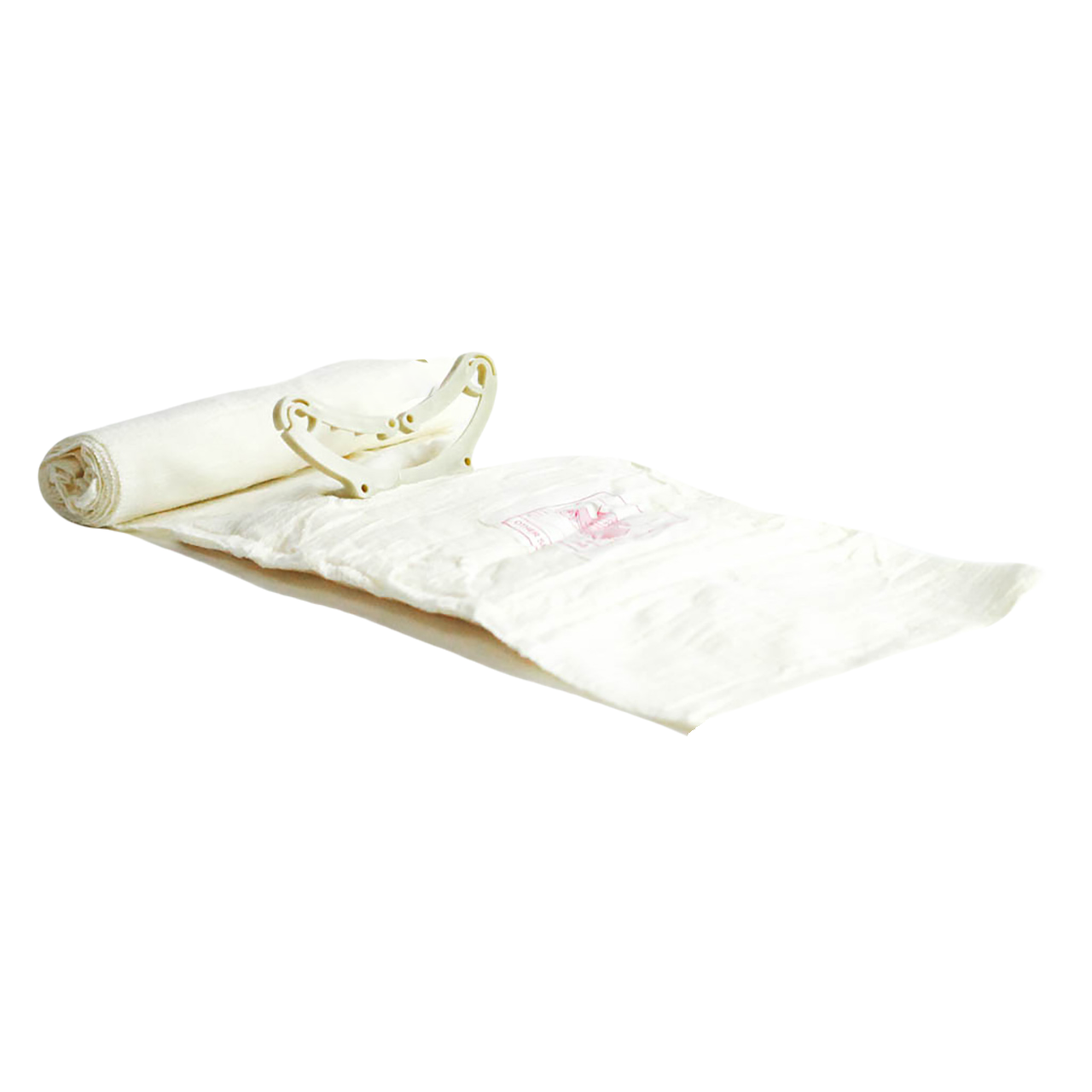
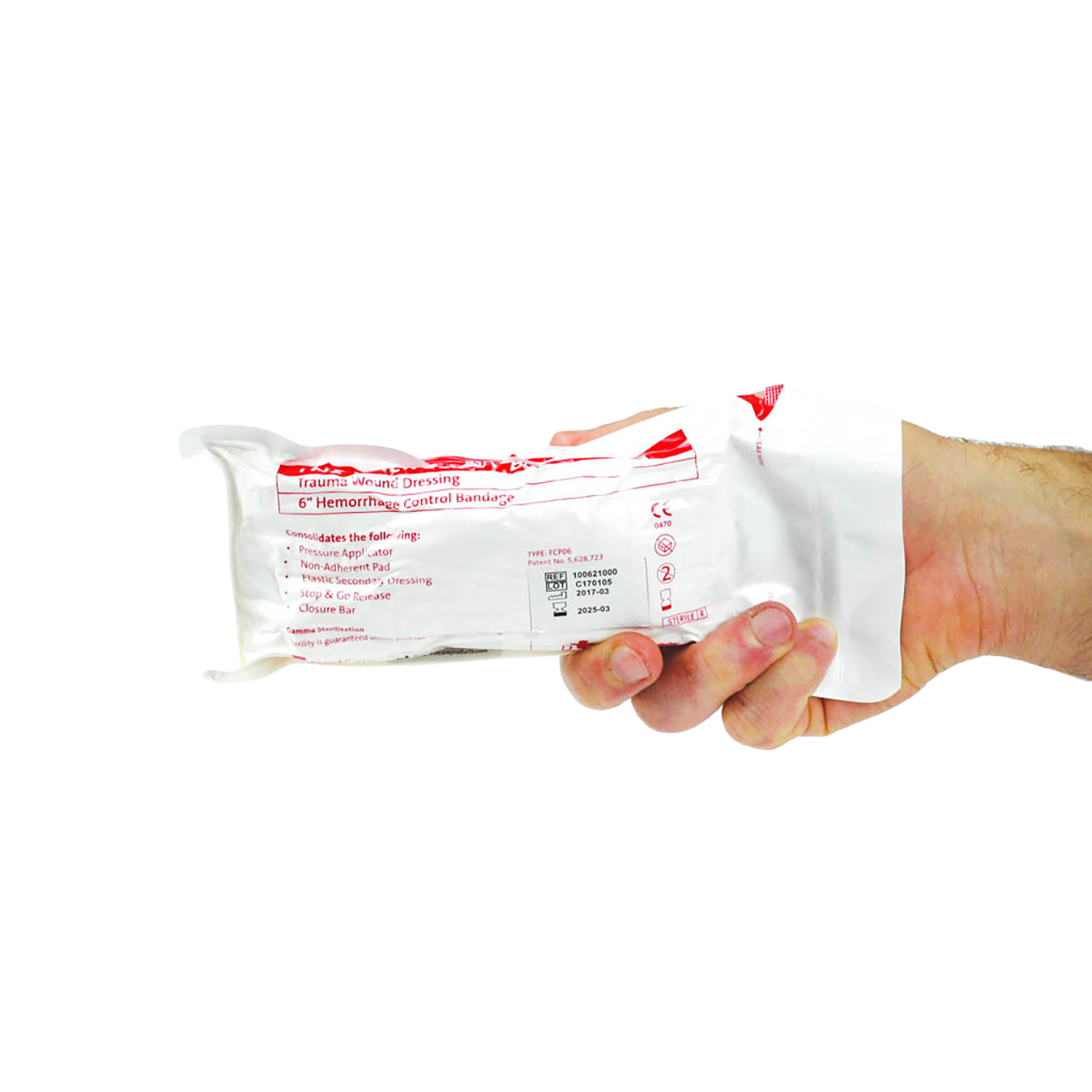
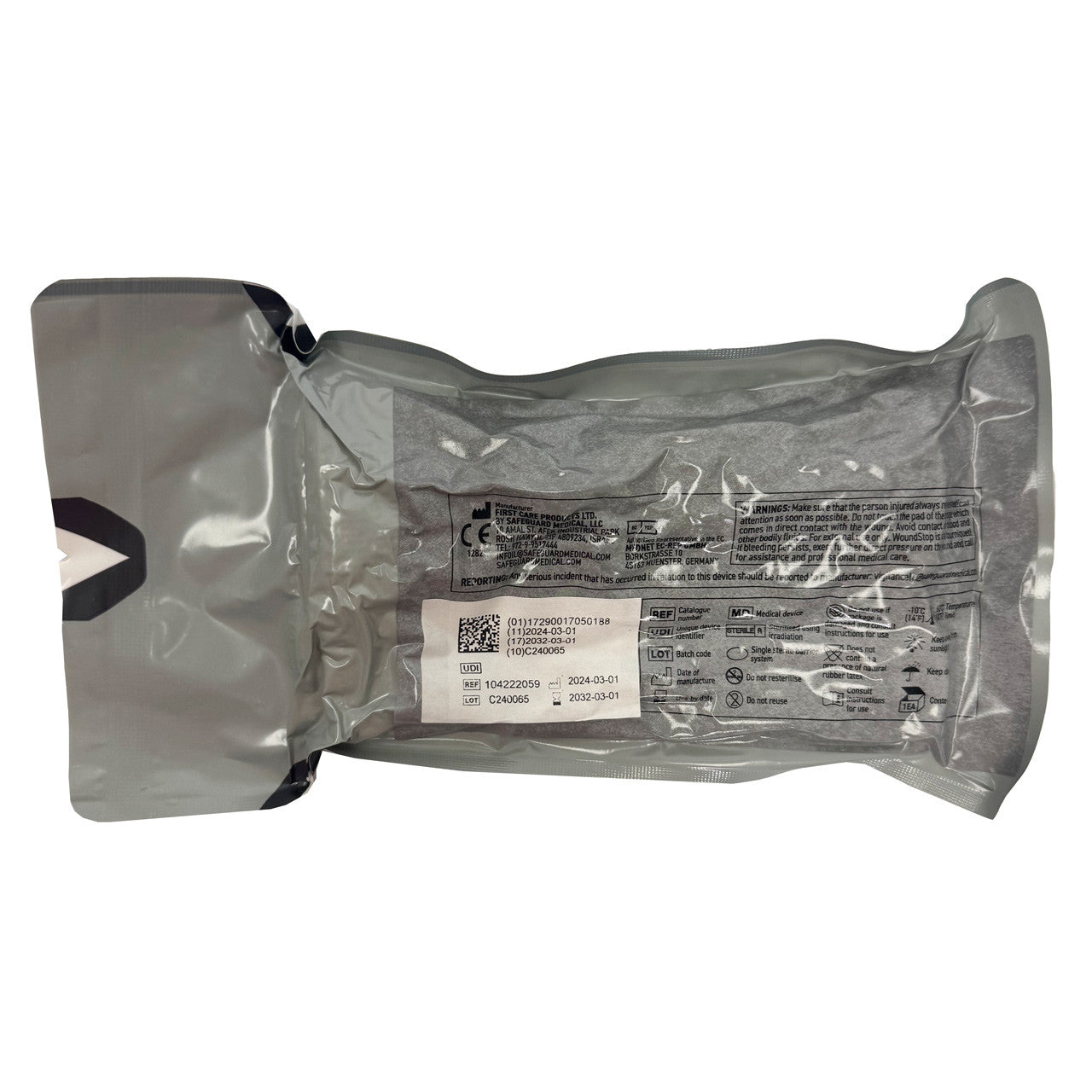
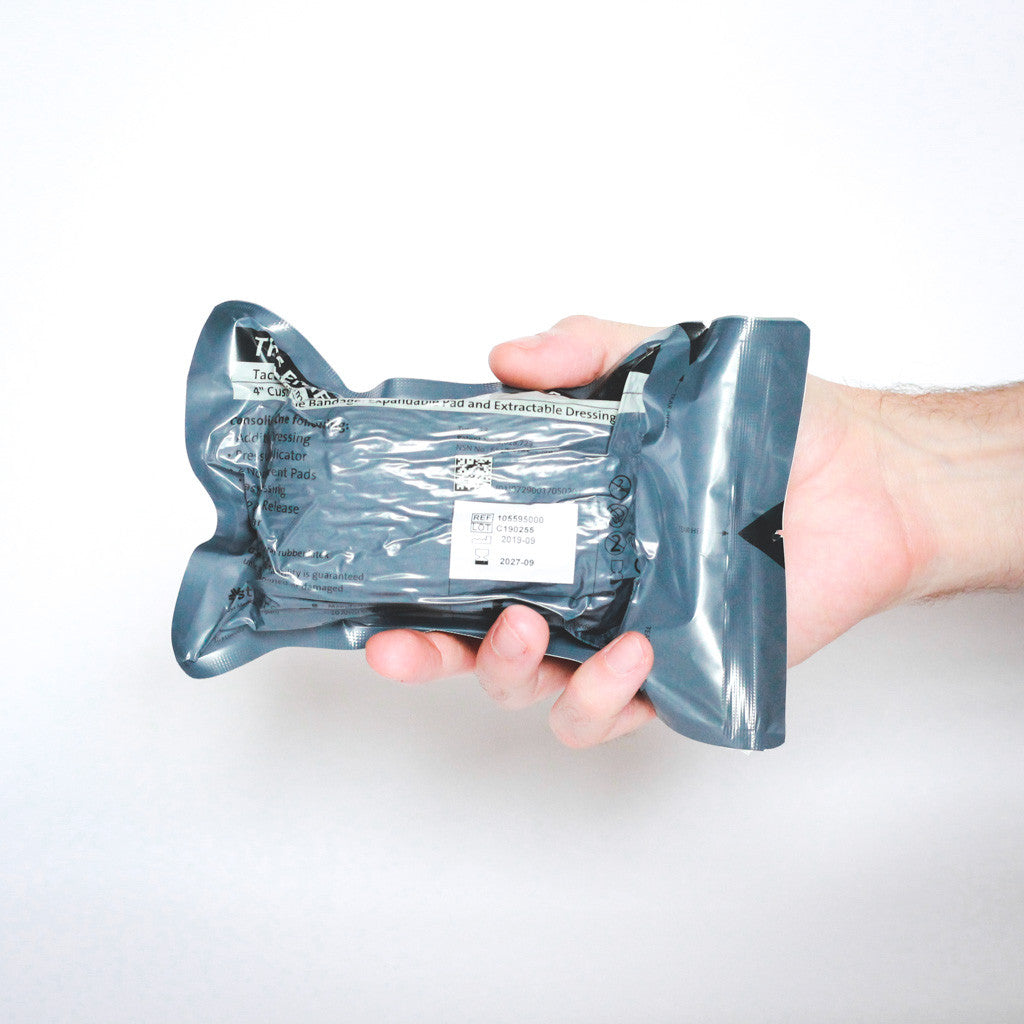
Israeli Emergency Bandage - White
From $8.16



SKU:
40-0591
$10.14

SKU:
40-0711


SKU:
40-0270



FAQs
What types of pressure dressings does Rescue Essentials carry?
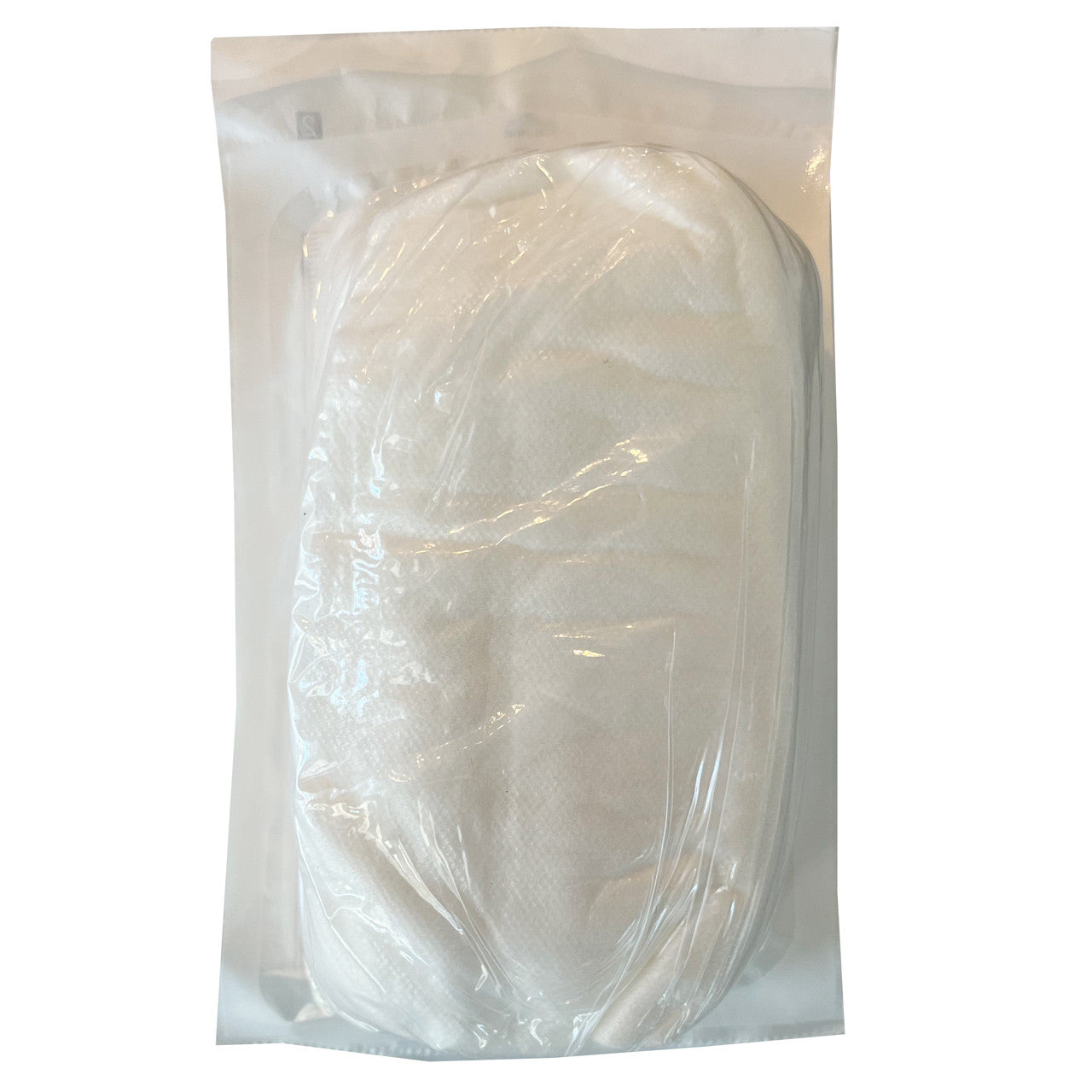
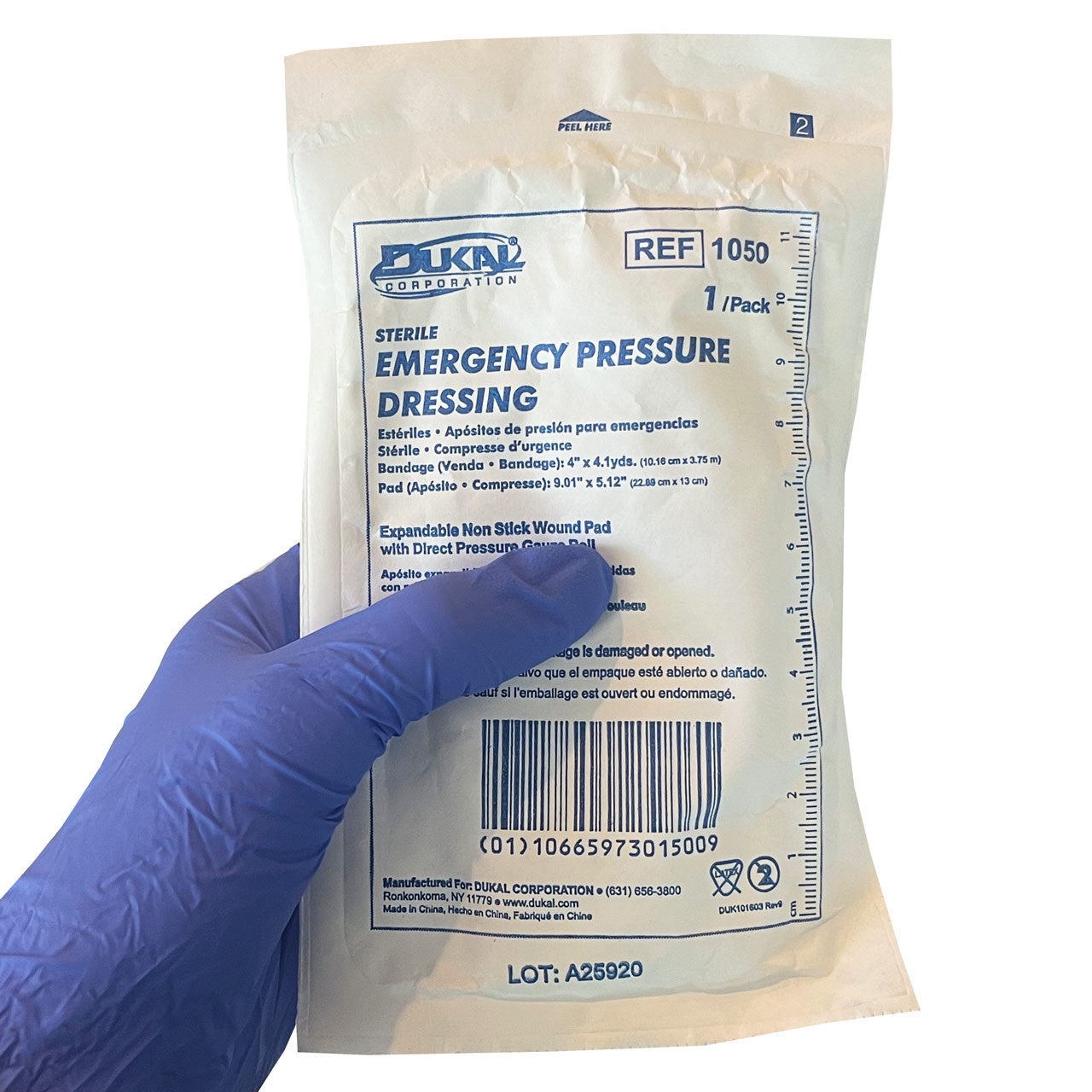
We carry pressure dressings and emergency trauma bandages from Israeli Emergency Bandage, OLAES, NAR, Hartmann, and our own Rescue Essentials brand. All of the pressure dressings we carry can be used by professionals and civilians to control bleeding and cover wounds in the field.
What is the difference between an Israeli Bandage and an OLAES Bandage?
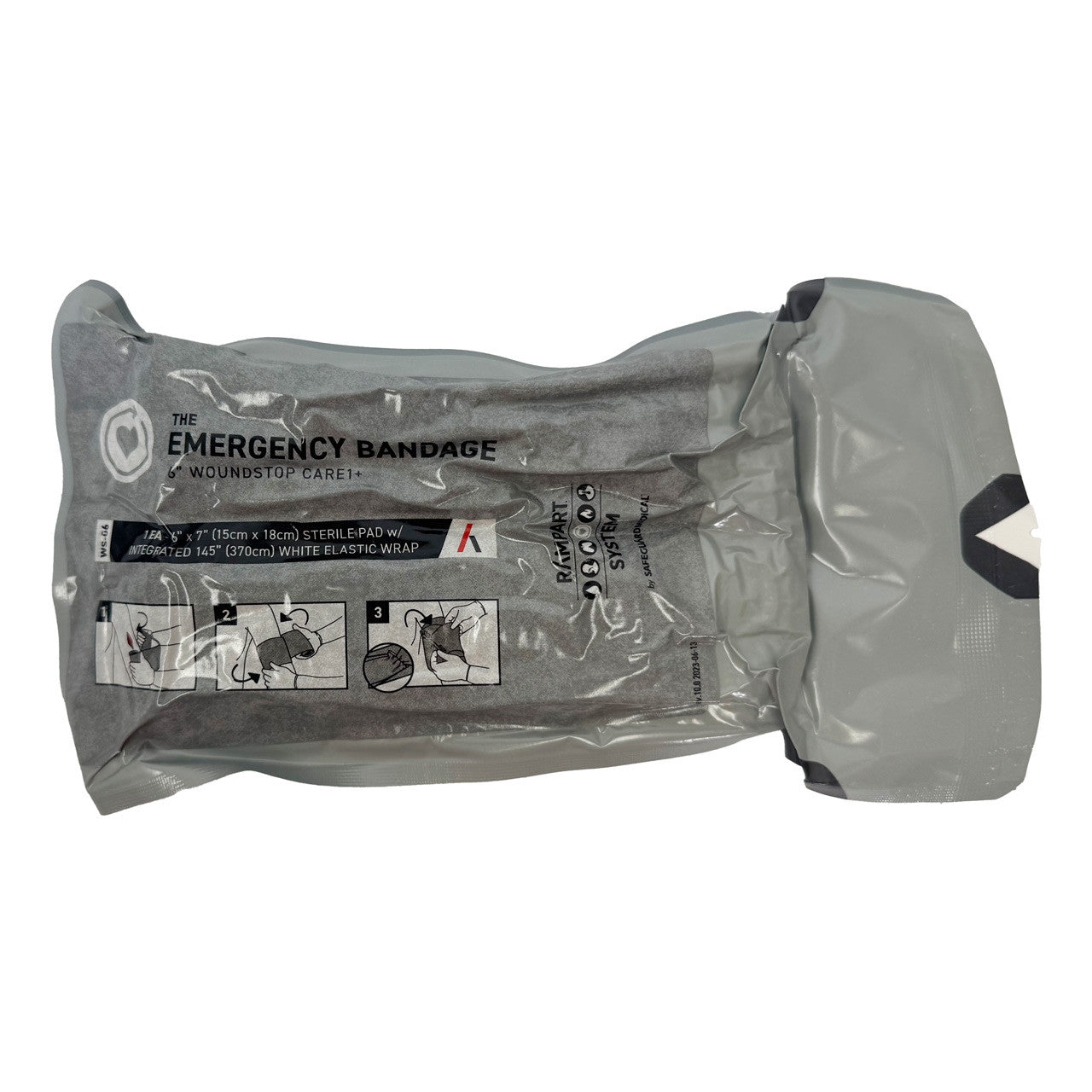
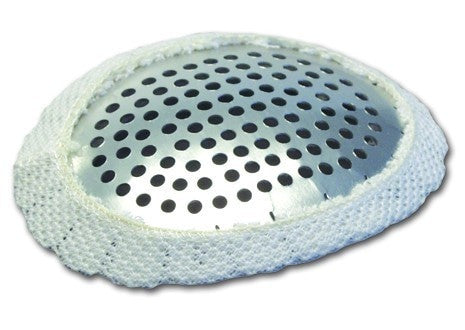
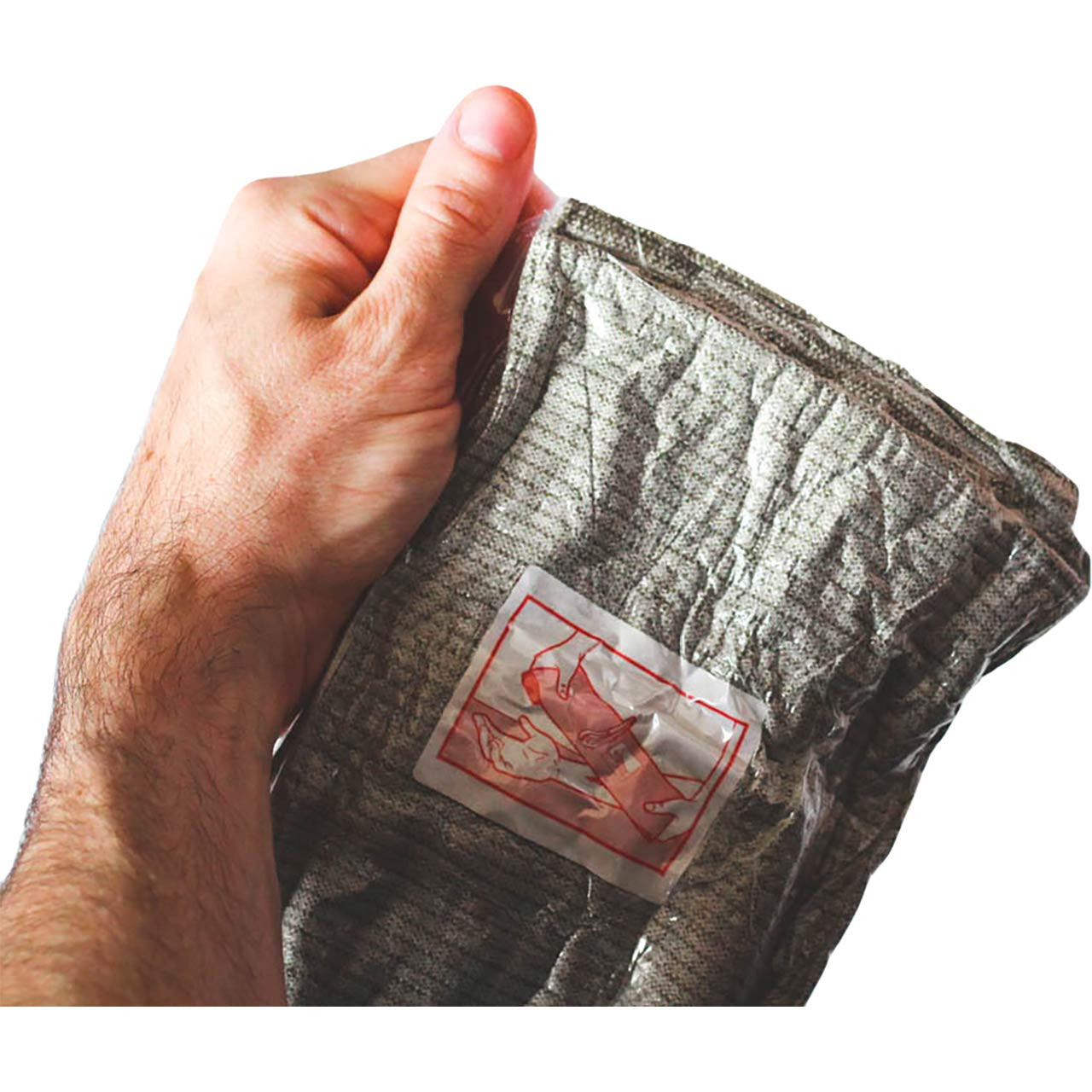
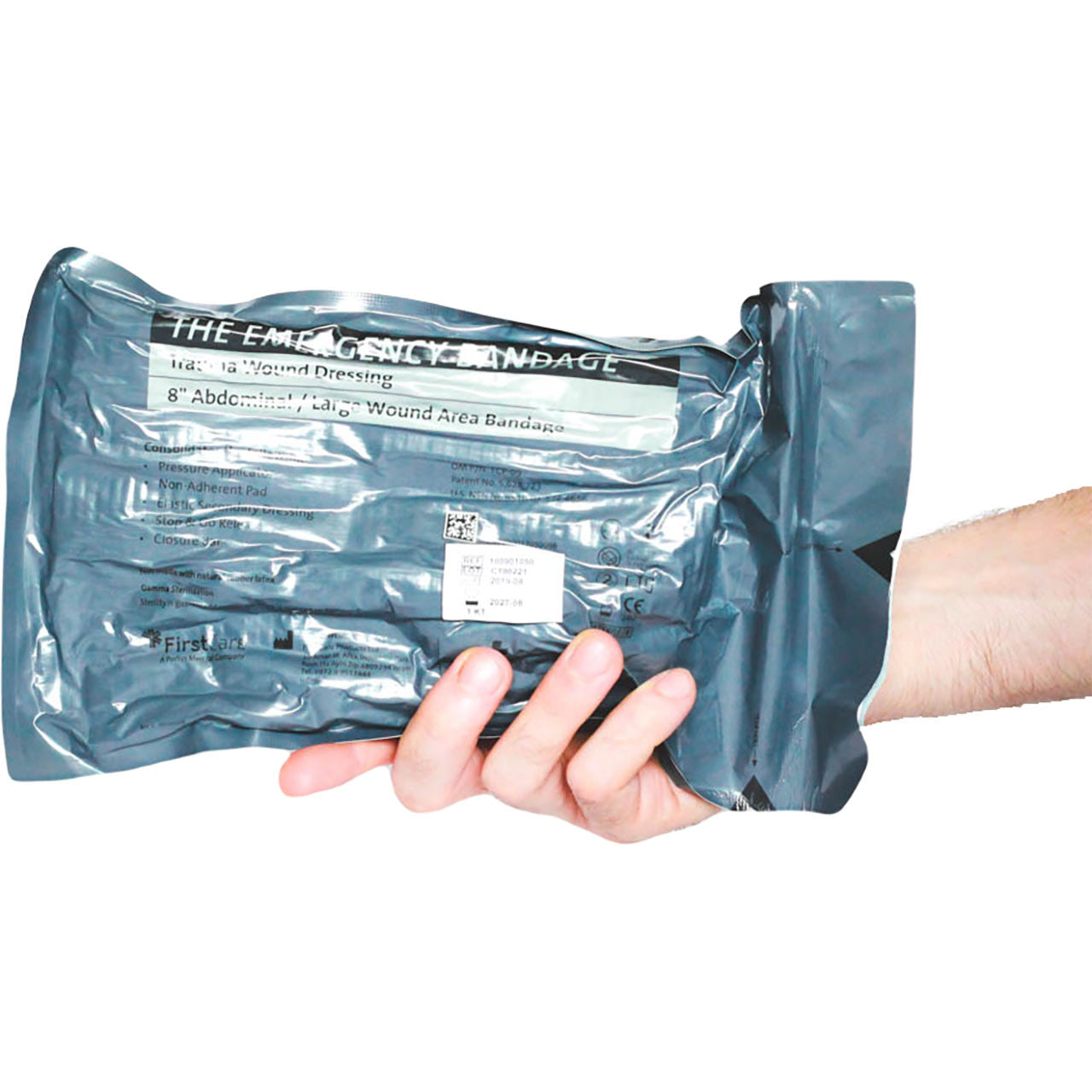
The Israeli Emergency Bandage uses a pressure bar and closure system for direct wound compression – compact and designed for one-handed self-application. The OLAES Modular Bandage integrates gauze, an occlusive sheet, and a pressure cup into one package, intended to only require using only gross motor skills to open and apply. Choose the Israeli for compact simplicity or the OLAES for built-in versatility.
Which dressing should I include in my IFAK?
Most IFAKs include at least one pressure dressing alongside a tourniquet, hemostatic gauze, and chest seal. The Israeli Bandage is popular for its compact size. The OLAES is strong if you want built-in gauze and an occlusive sheet. The Slishman Pressure Wrap is an alternative option that can achieve tourniquet-level pressures but can also be used as a secondary dressing, splint application tool, elastic wrap, or sling. Choose based on your available space, protocol, and training level.
Do these dressings expire?
Most pressure dressings carry manufacturer-stamped expiration dates, typically several years from production. Expiration applies to the sterility of the packaging, not the materials themselves. Store in a cool, dry place, inspect your kits regularly, and rotate stock before expiration.
What other components pair with pressure dressings for bleeding control in a trauma kit?
For a complete bleeding control setup, pair dressings with a tourniquet, hemostatic gauze or compressed gauze. Add chest seals, airway tools, a hypothermia wrap for a full TCCC kit. Browse our Components collection or pre-built trauma kits and IFAKs to round out your setup.
What other dressings are available?
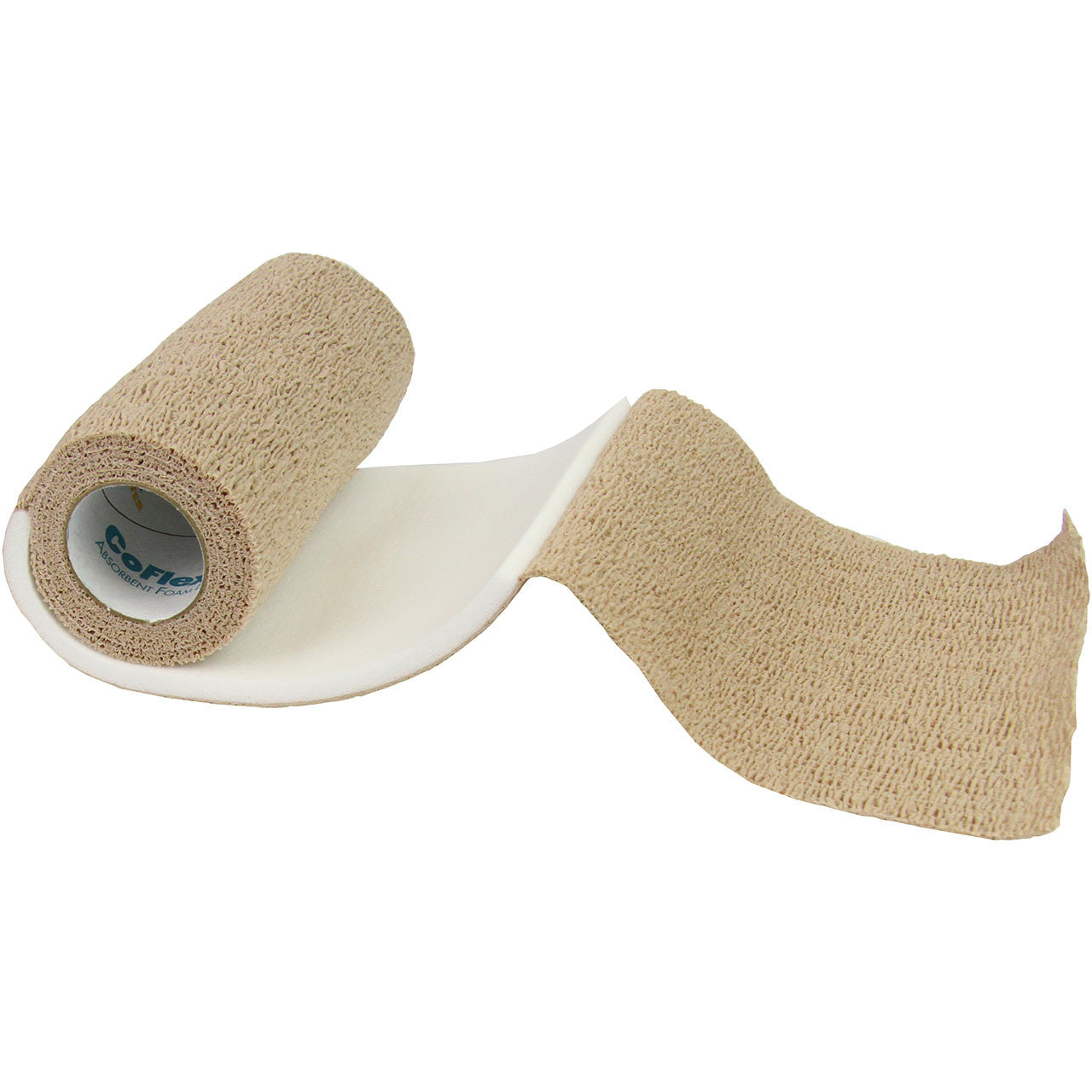
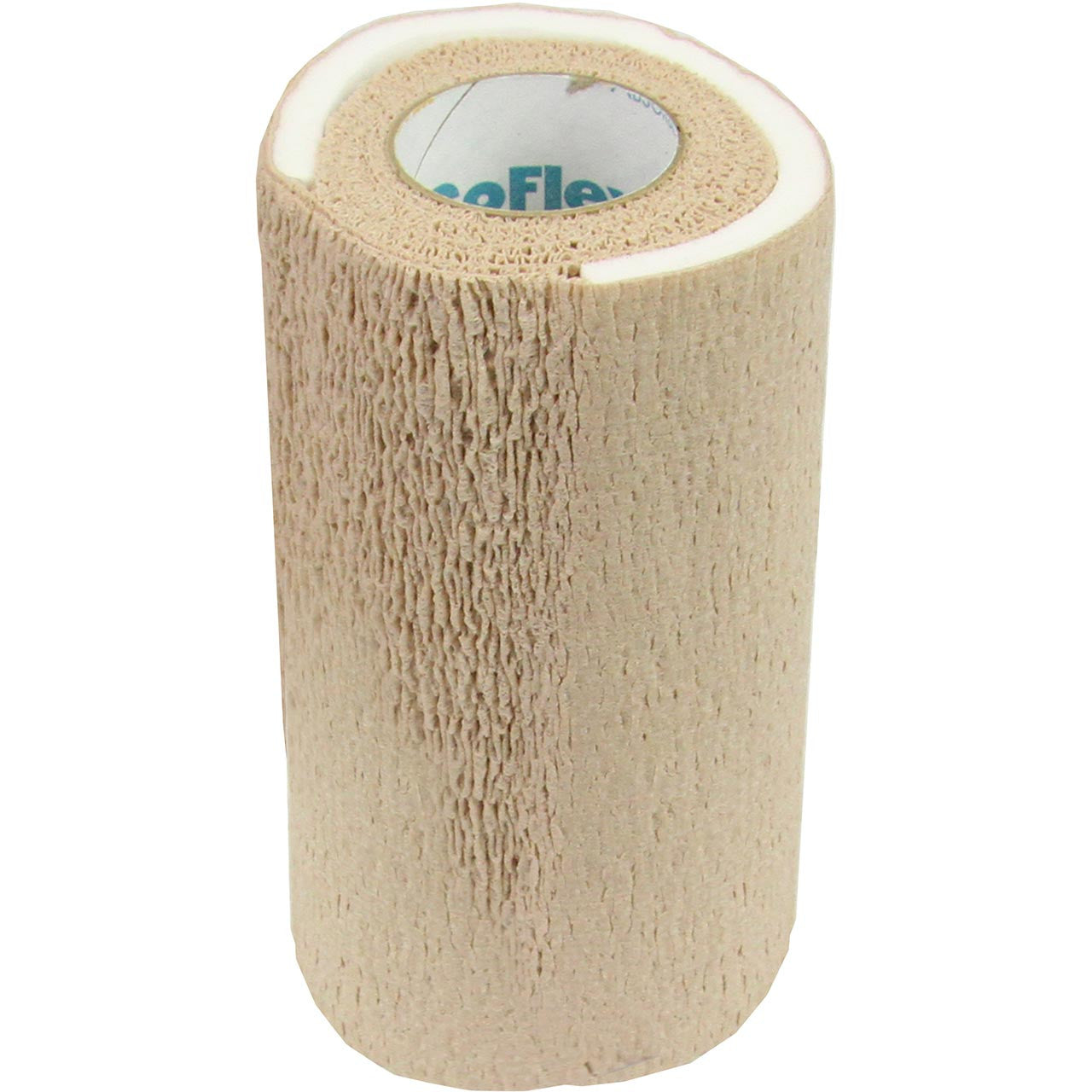
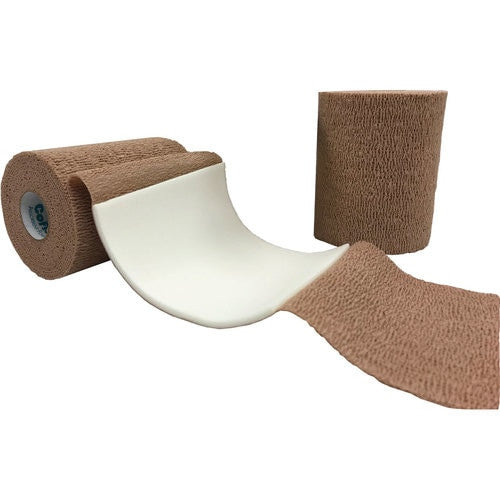
We also stock Silverlon antimicrobial dressings, CoFlex foam dressings, petrolatum dressings, and nosebleed products from NasaClip and Nampons.
Can I buy dressings in bulk or at agency pricing?
Yes. Many dressings are available in multi-packs and case quantities at reduced pricing. Submit a request for quote (on the product page), visit our Contract Sales page, or contact us at 910-408-1823 for custom quotes, volume discounts, or tailored procurement.
Need Training?
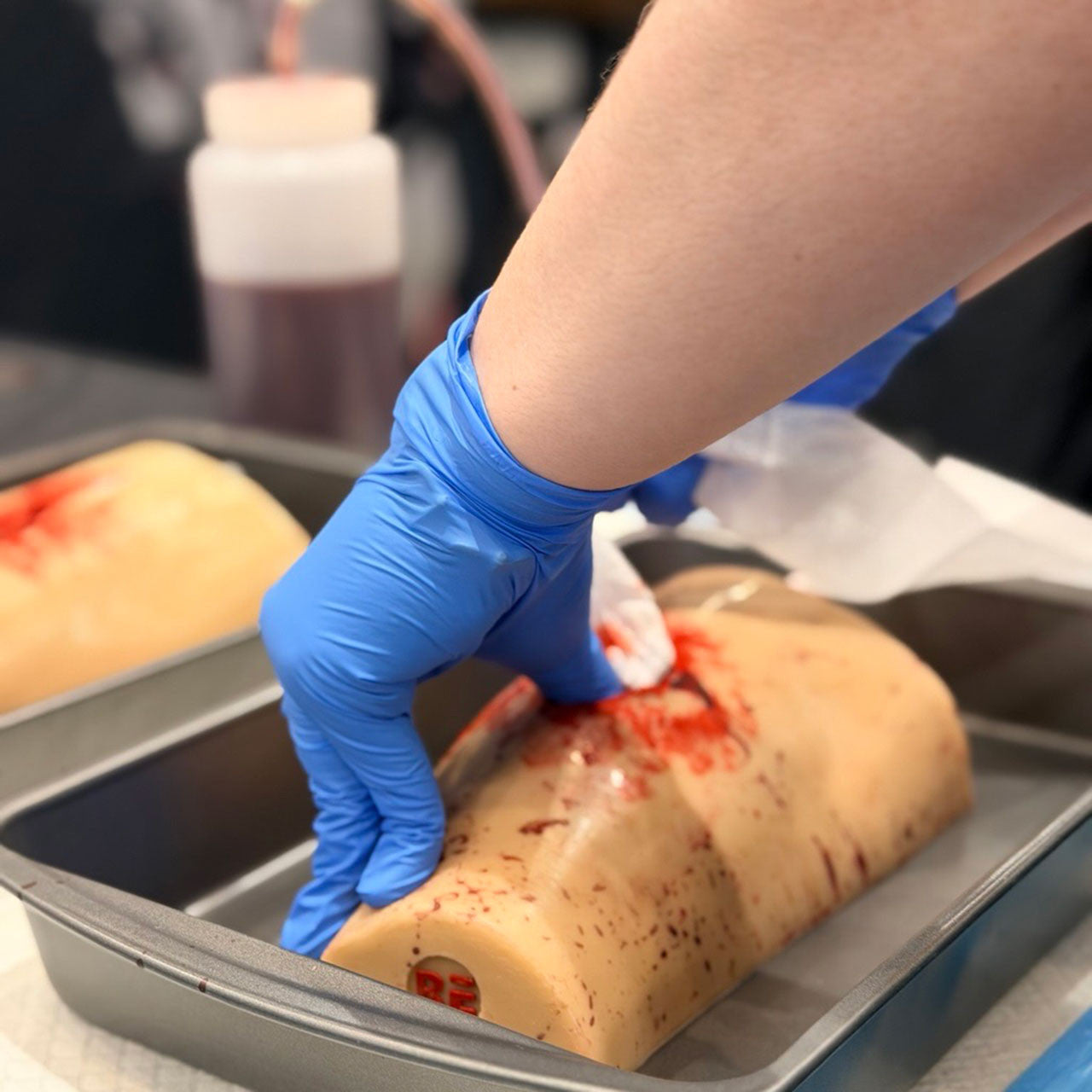
Rescue Essentials is proud to partner with accredited Stop the Bleed trainers throughout the U.S.