-
-
-
Best Sellers
-
Best Sellers

-

-

-

-
Best Sellers

-
-
-
-
-
Clearance

-

-
Clearance

-
-

-

Hemostatics




What Our Customers Say

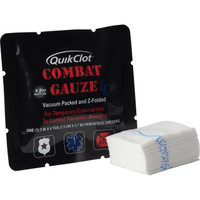
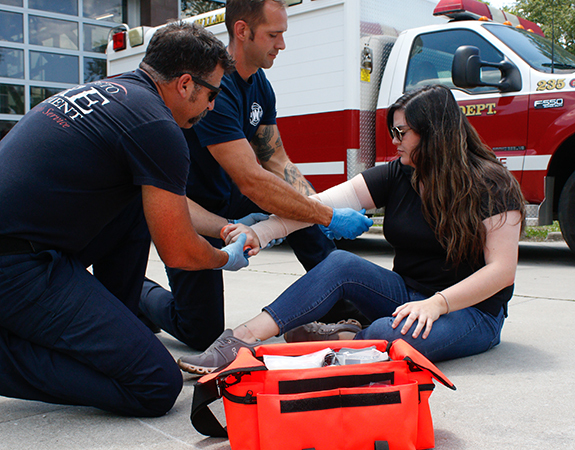
I work construction and carry trauma gear for accidents. Recently a coworker received a bad wound that took a large chunk out of his hand and he was profusely bleeding. I used the combat gauze to wrap the wound and it stopped the bleeding quickly.
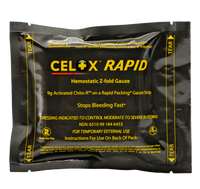
I am a combat medic and I have always used Celox — you had the best price on it.
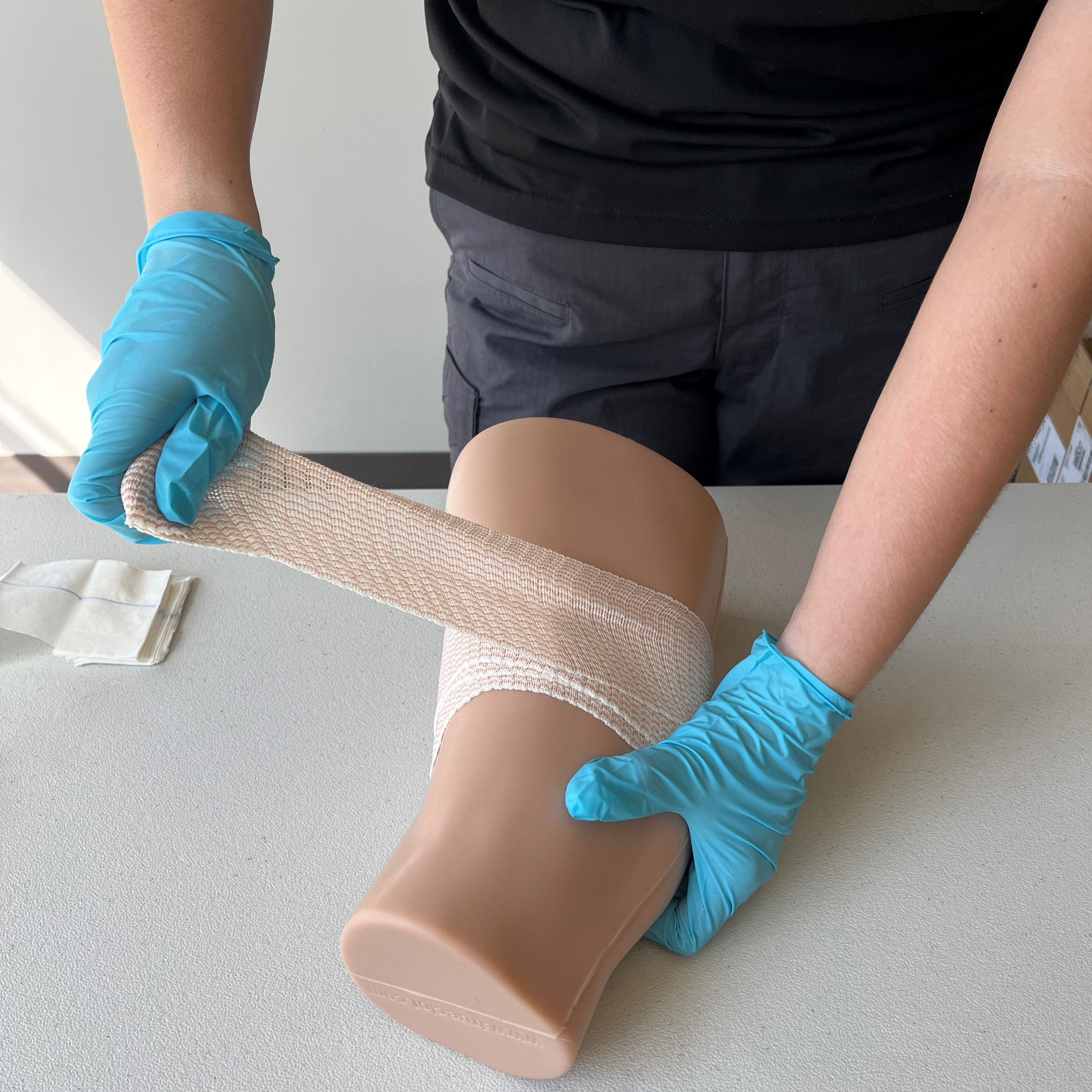
Excellent training tool. I bought this so I could economically and realistically train with Quickclot combat gauze. Because the package is resealable you can use this multiple times. It's affordable and replicates the actual item for realistic training.
FAQs
What is a hemostatic agent and how does it work?
A hemostatic agent is a product that helps stop severe bleeding faster than pressure alone. When packed into a wound or applied to a bleeding surface, it interacts with blood to accelerate clot formation at the injury site. Products like QuikClot use kaolin and Celox uses chitosan. Different mechanisms, same goal: slow blood loss fast enough to keep someone alive until they reach definitive care.
What types of hemostatic products does Rescue Essentials carry?
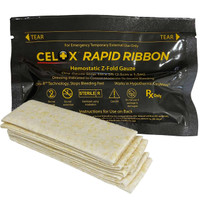
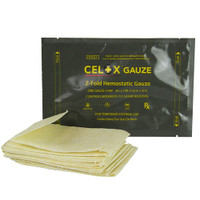
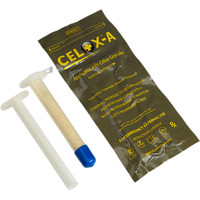
Our hemostatic lineup covers every wound type and scenario. We carry traditional gauze for deep packing, small and flat dressings for surface wounds, granules and ribbon for irregular injuries, applicators like the Celox-A for narrow channels, and trainer versions for skill development. Every format is selected for prehospital and field use, not intended for surgical settings.
What is the difference between hemostatic gauze and a hemostatic dressing?
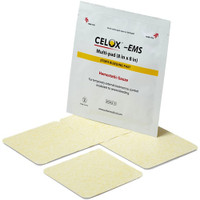
It comes down to wound type. Hemostatic gauze is for packing. You push it into deep, penetrating, or junctional wounds where surface pressure cannot reach the source of bleeding. A hemostatic dressing is a flat pad applied directly to a bleeding surface like a laceration or surface wound (generally for non-life-threatening bleeds). Gauze is generally the higher-priority item for trauma kits since deep bleeds are harder to control by other means, while the smaller dressings are intended for less severe bleeding.
Which hemostatic agent should I choose, QuikClot or Celox?
Both are proven and widely trusted, both are CoTCCC-recommended options for military use. The main differences include: QuikClot Combat Gauze uses kaolin (a clay-based substance) to accelerate the body's natural clotting process. Celox uses chitosan (derived from crustacean shells), which reacts with blood to create a gel-like substance that adheres to the source of bleeding to create a plug, which is considered effective even in patients on blood thinners since it works independently of the normal clotting cascade. Many professionals carry both. If your agency or training program has a standard, follow it. Otherwise, either is a sound choice.
Can hemostatic products cause allergic reactions?
Serious reactions are rare with the products we carry. QuikClot and Celox have strong safety records in both field and clinical use. Concerns around shellfish allergies when using Celox have been tested with no known or reported issues. However, if you or the patient has a known sensitivity to shellfish-derived ingredients, discuss concerns with your medical director. Always follow your agency's medical protocol when selecting and deploying any hemostatic agent.
Are these products appropriate for trained civilian use?
Yes. Many of the hemostatic products we carry are used by trained civilians including hunters, armed citizens with TCCC credentials, outdoor professionals, and CERT members. The key word is trained. Hemostatic gauze and dressings work best when you understand wound packing techniques and how to apply sustained pressure. We recommend pairing any hemostatic product purchase with hands-on training from a qualified Stop the Bleed or TCCC instructor.