

Search Login
DESCRIPTION

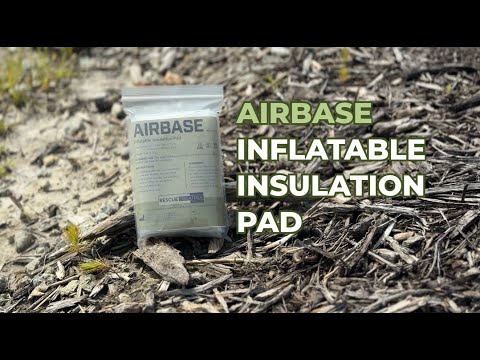
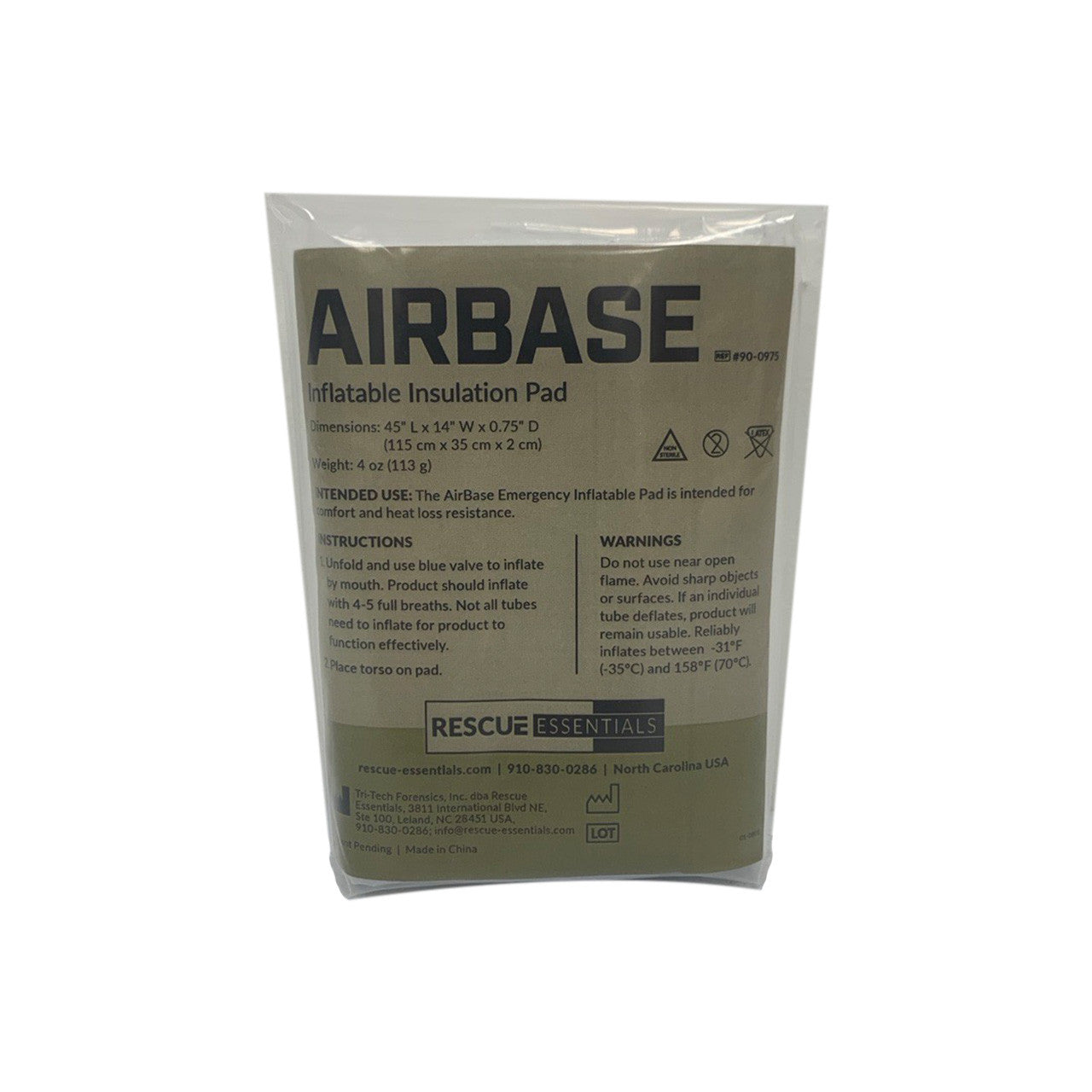
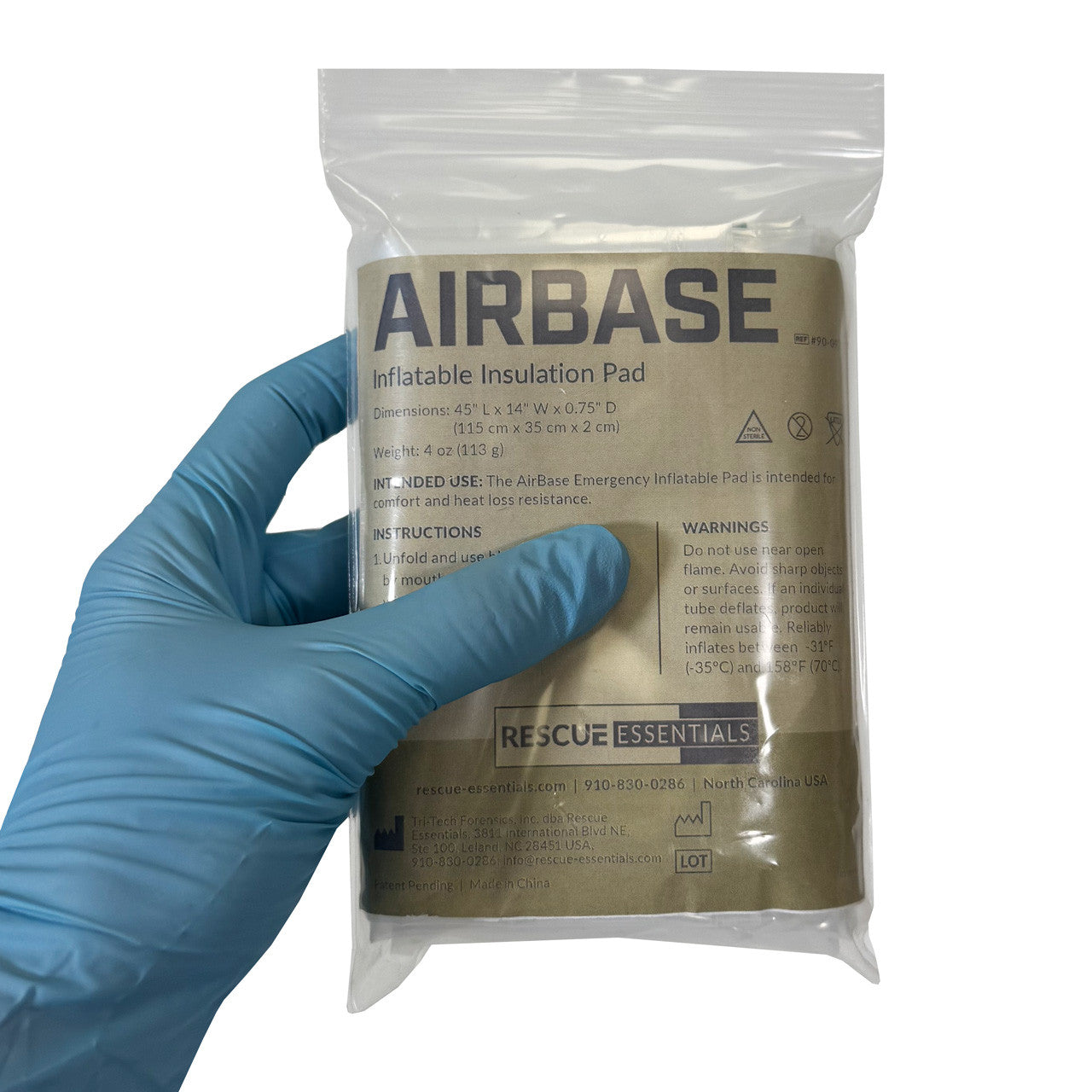
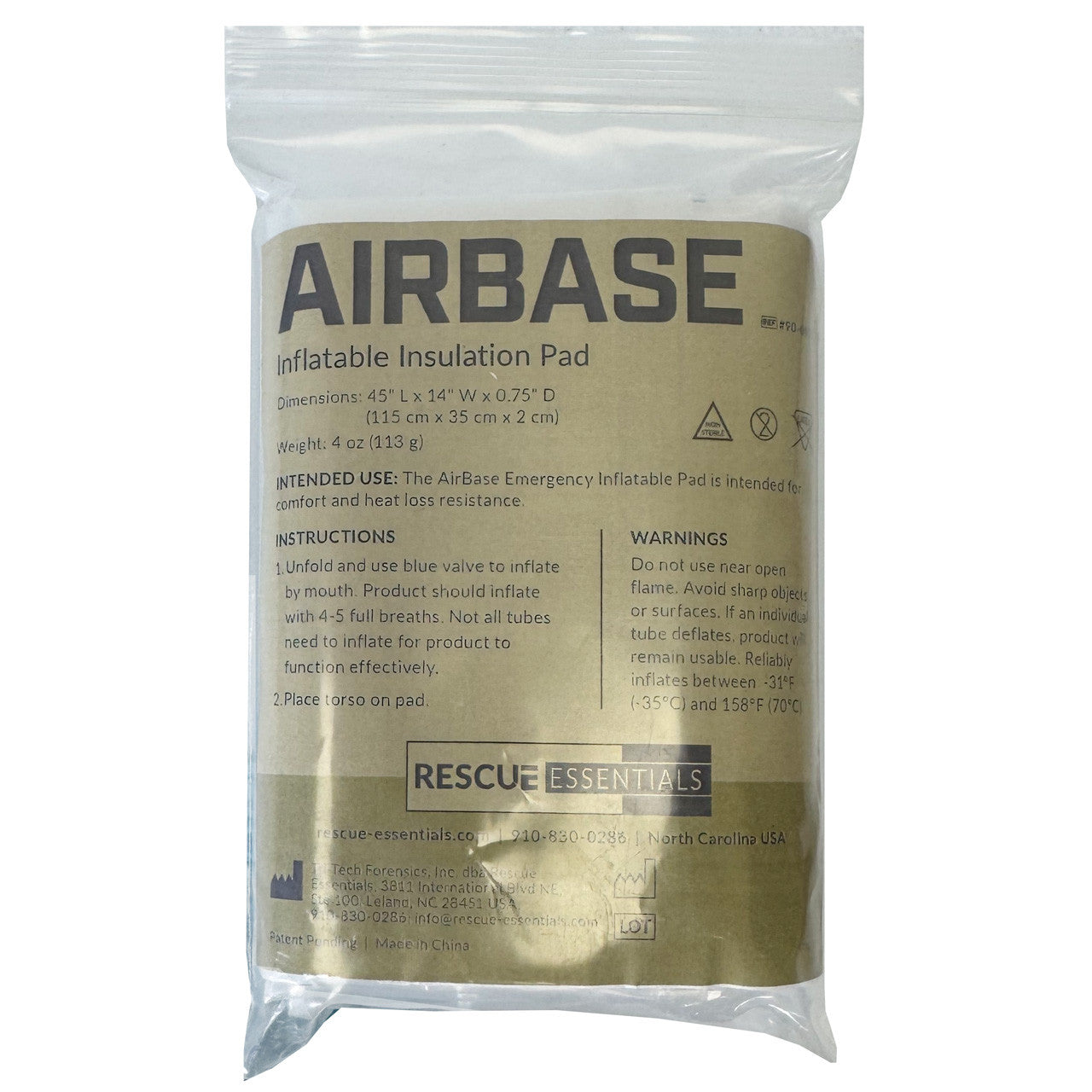
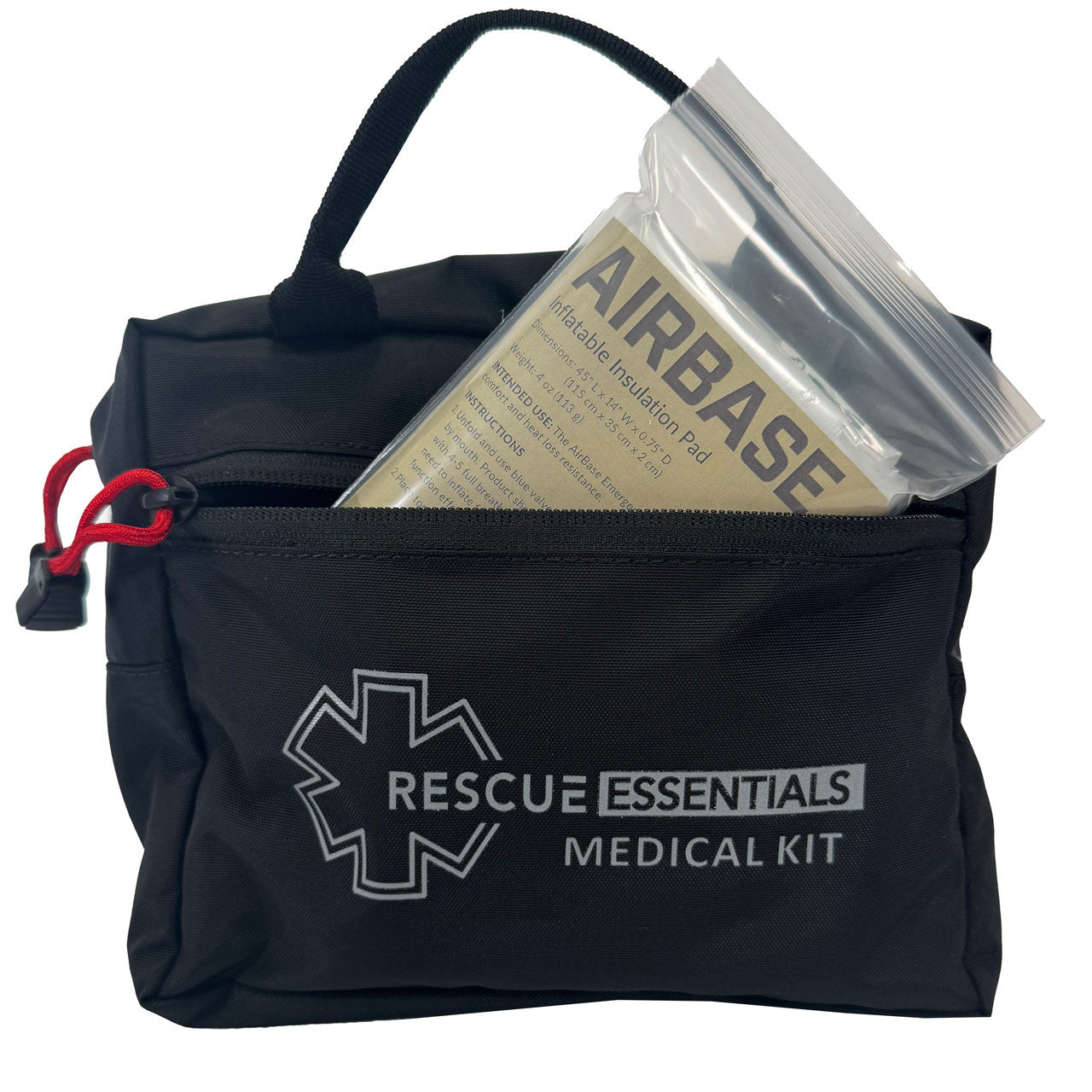
AirBase Inflatable Insulation Pad

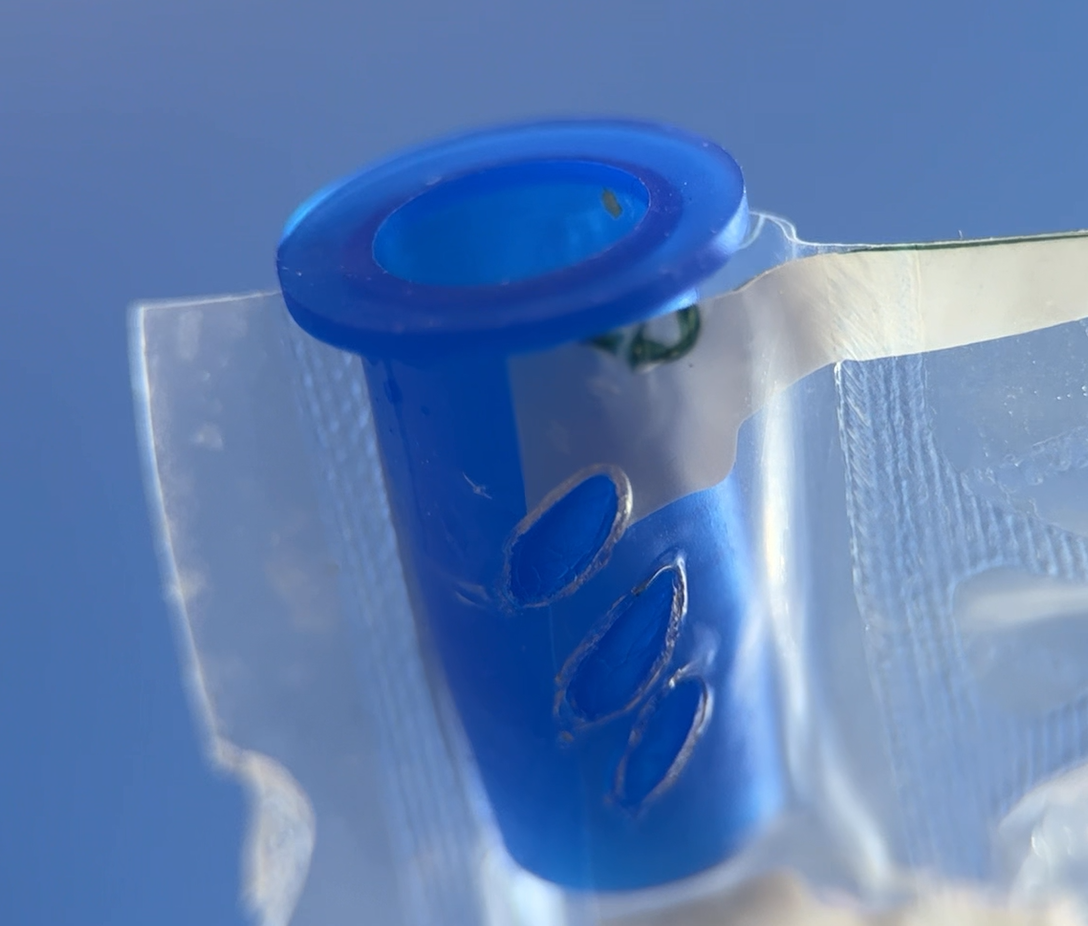
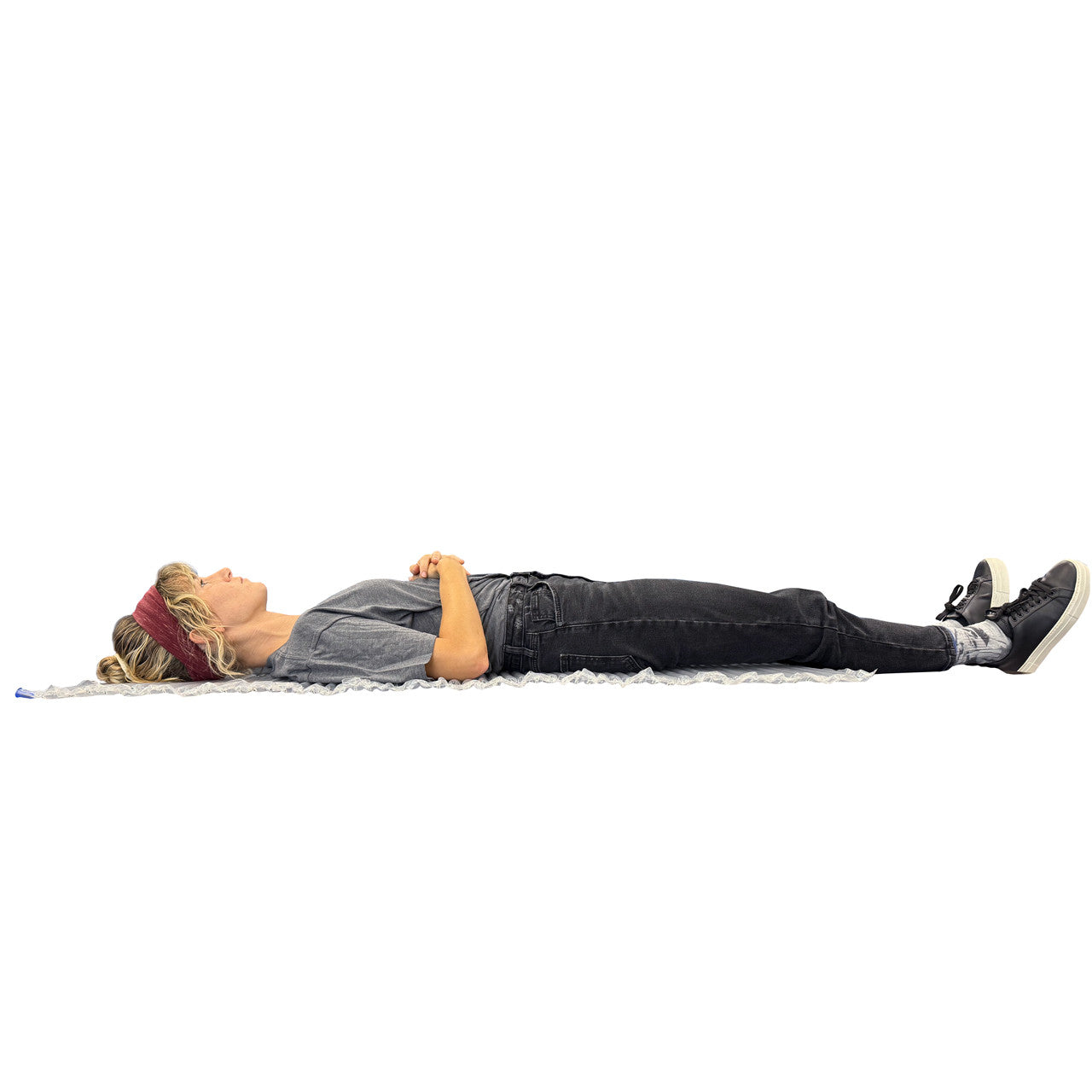
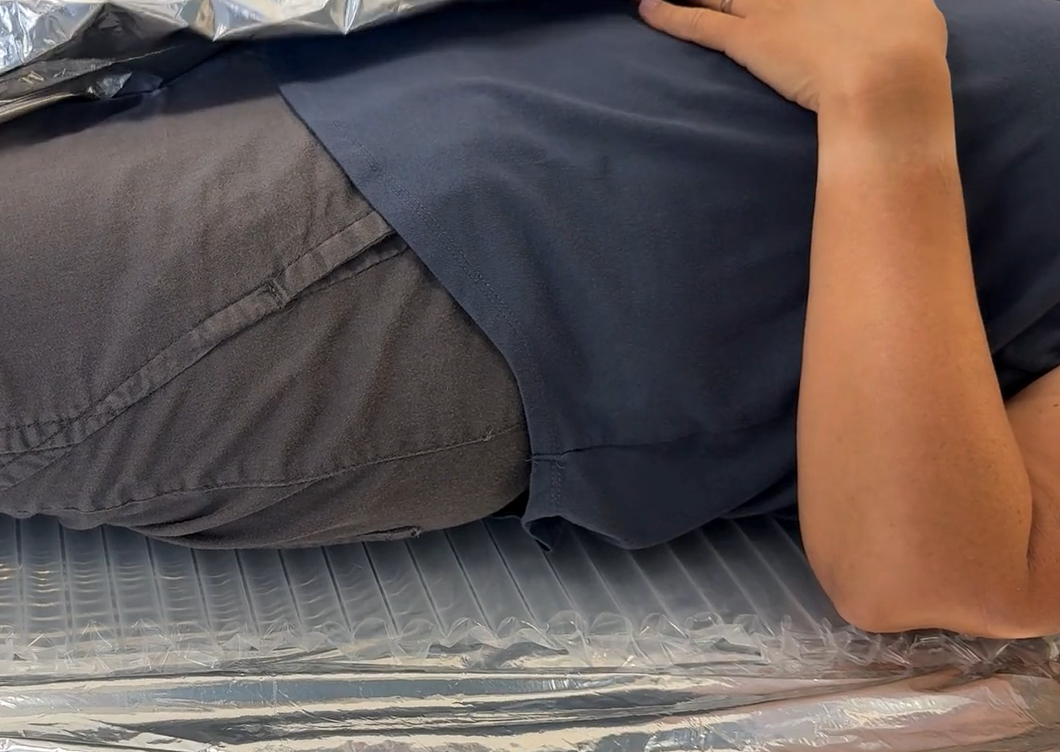
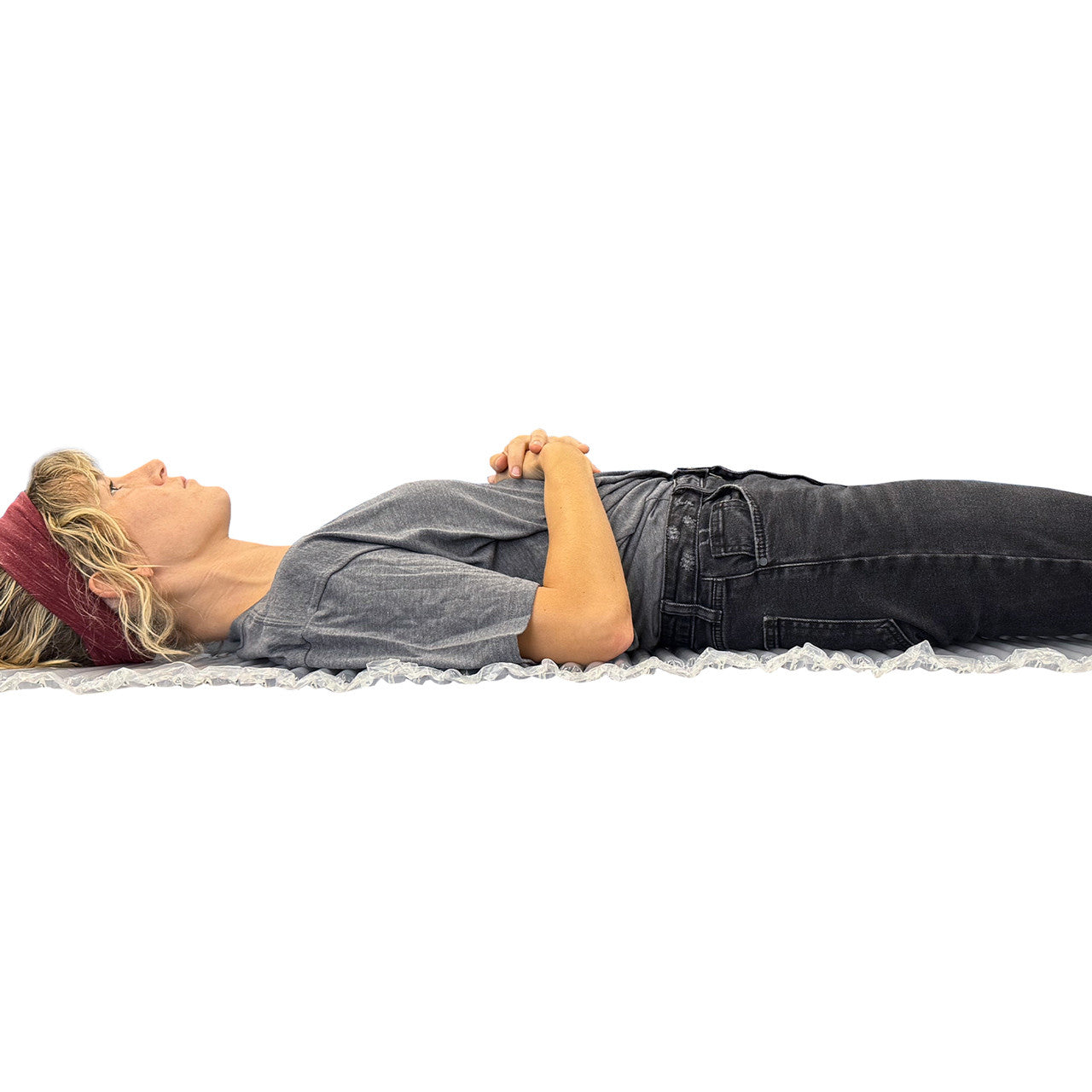
When seconds count, the ultra-compact Airbase inflates in just a few breaths — no pump required — providing immediate protection from uncomfortable surfaces.

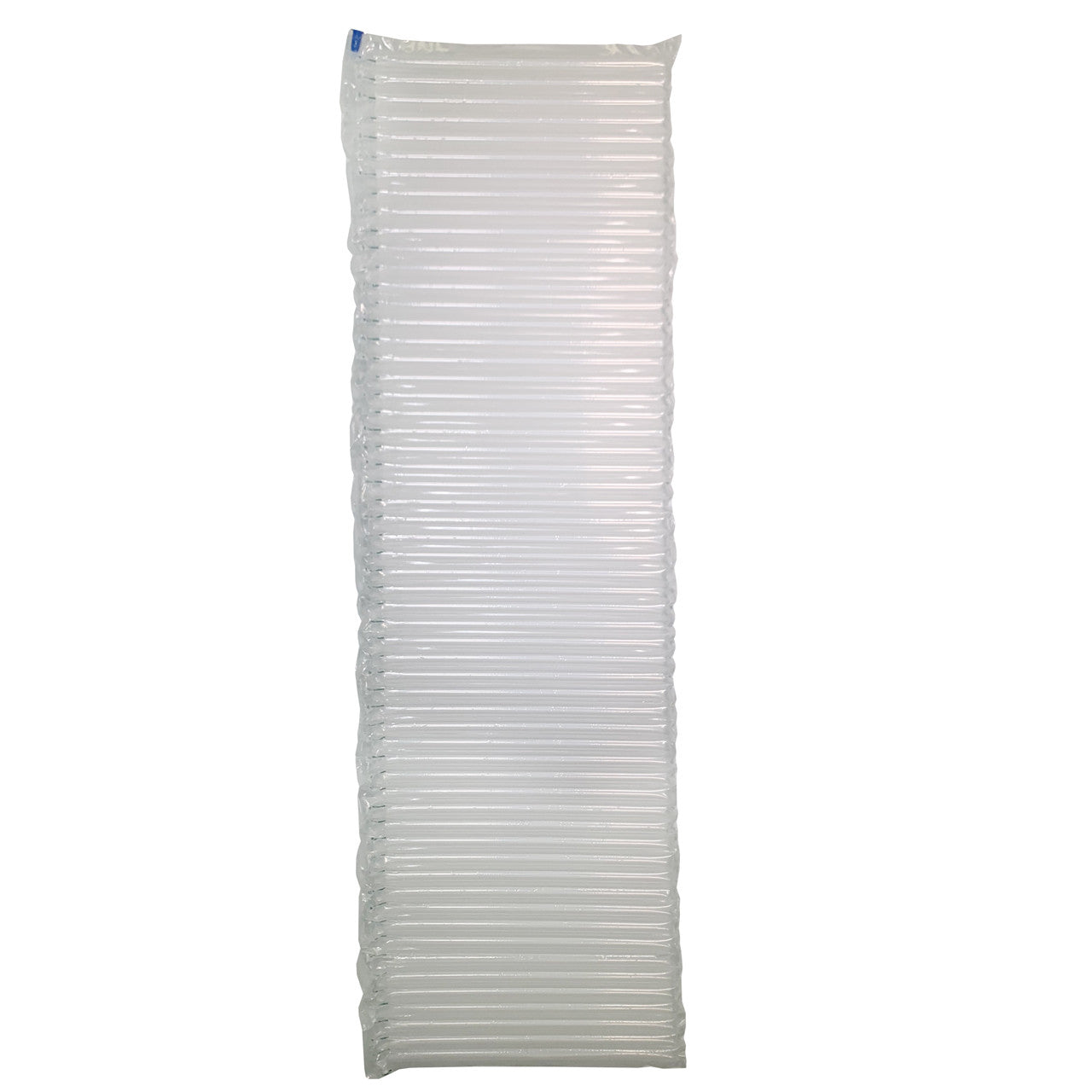
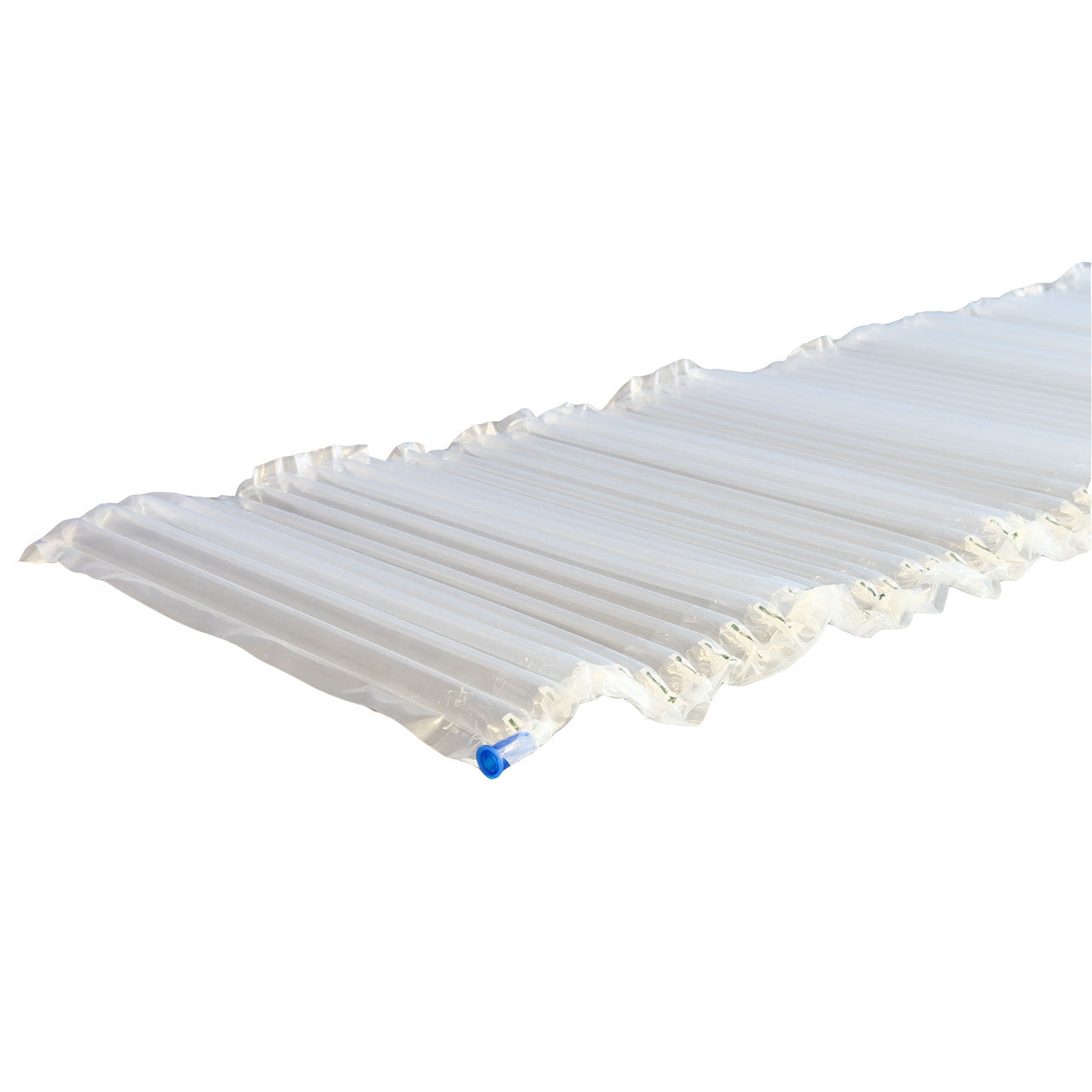
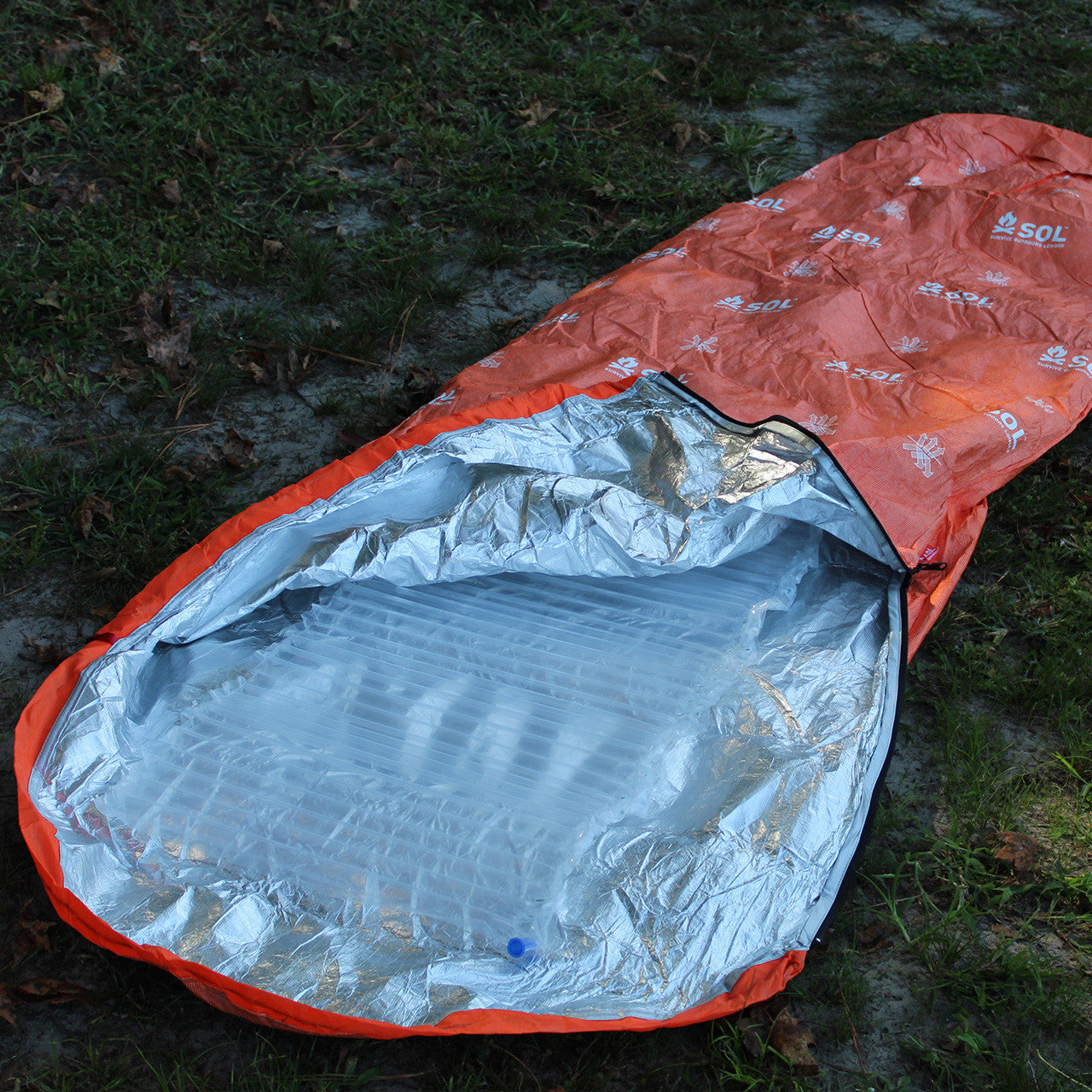
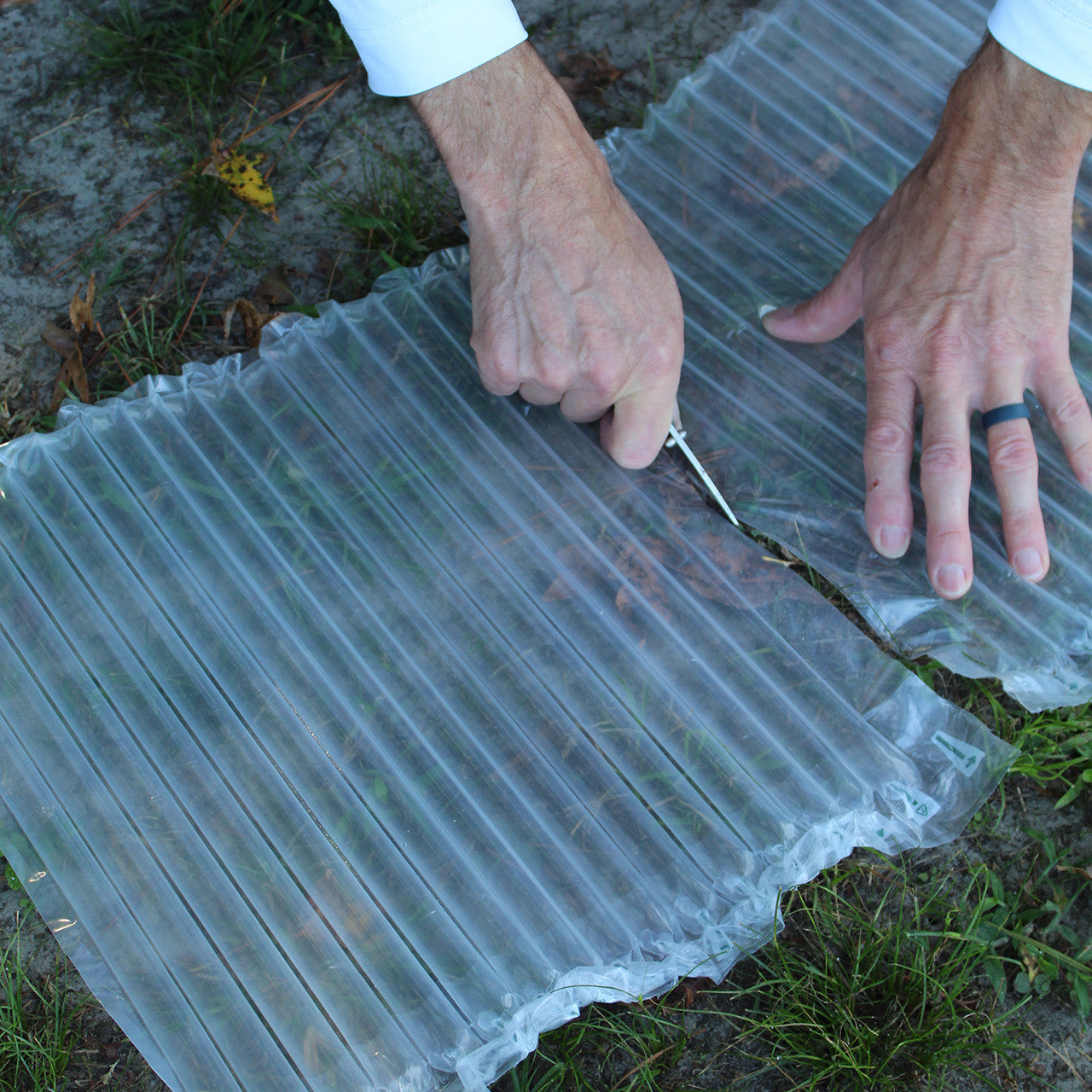
Independently sealed air chambers ensure that even if one section is punctured, the rest of the pad remains functional, maintaining support and insulation. Its deflation-resistant column structure enhances durability, while compatibility with bivvies, mylar wraps, or blankets makes it a versatile asset in the outdoors.

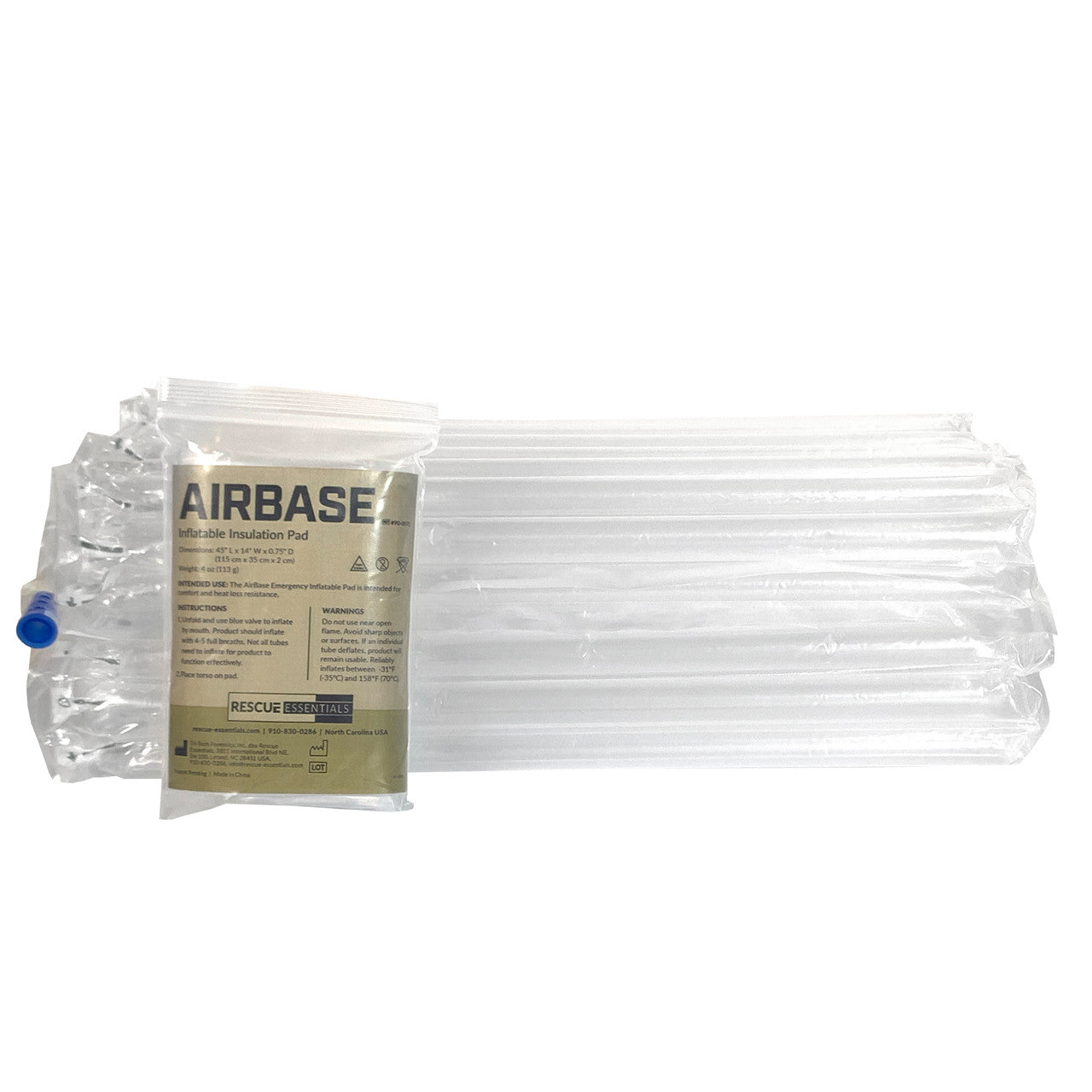
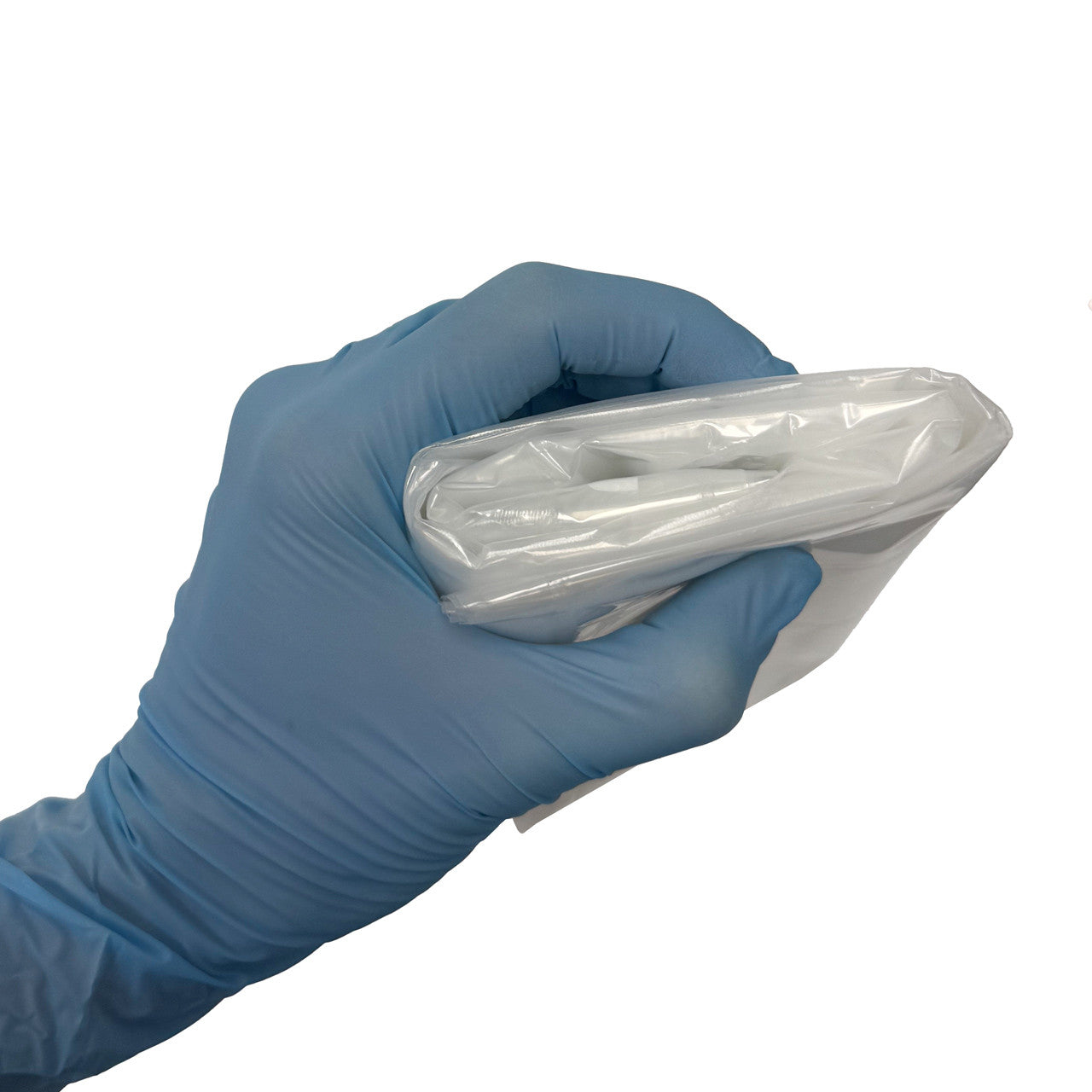
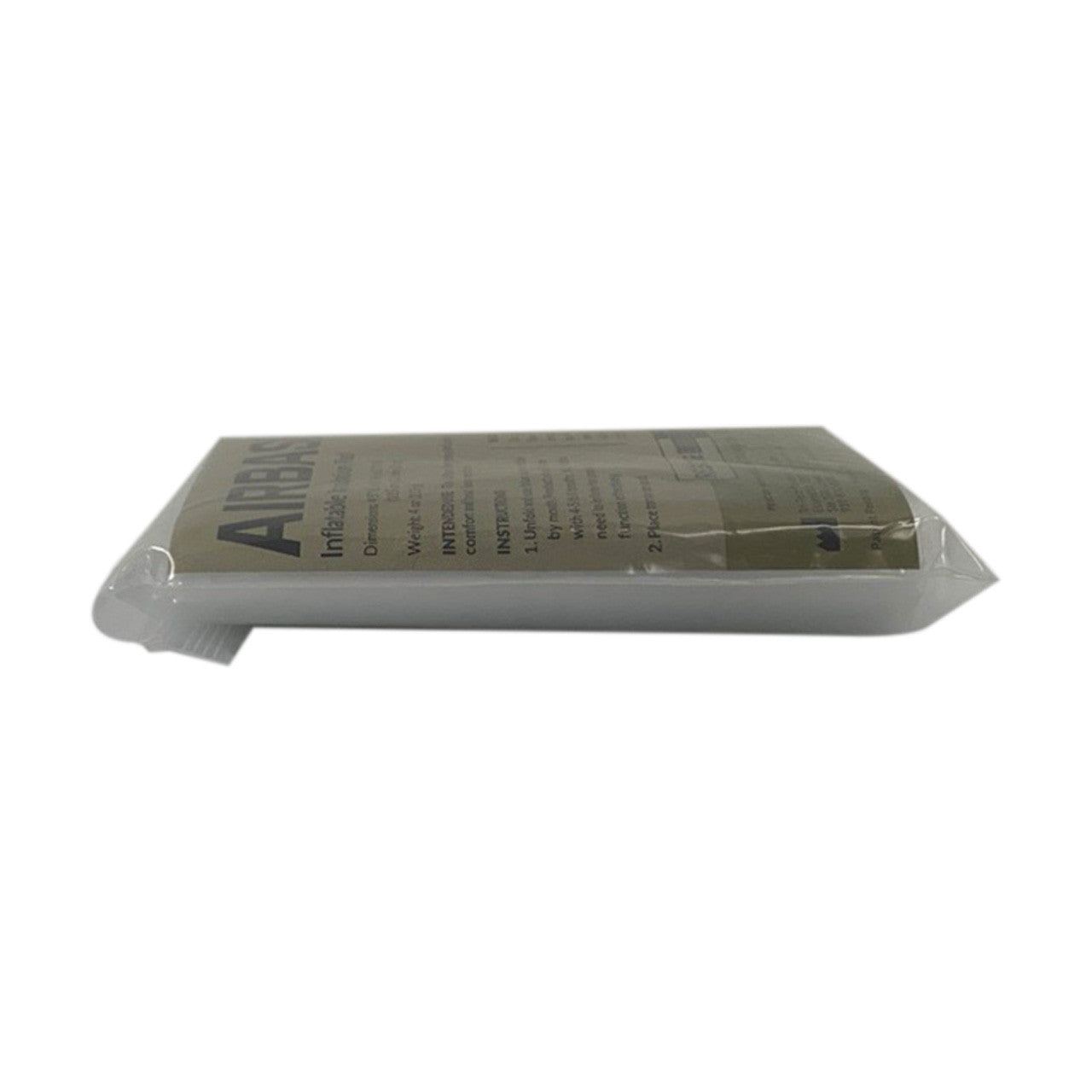
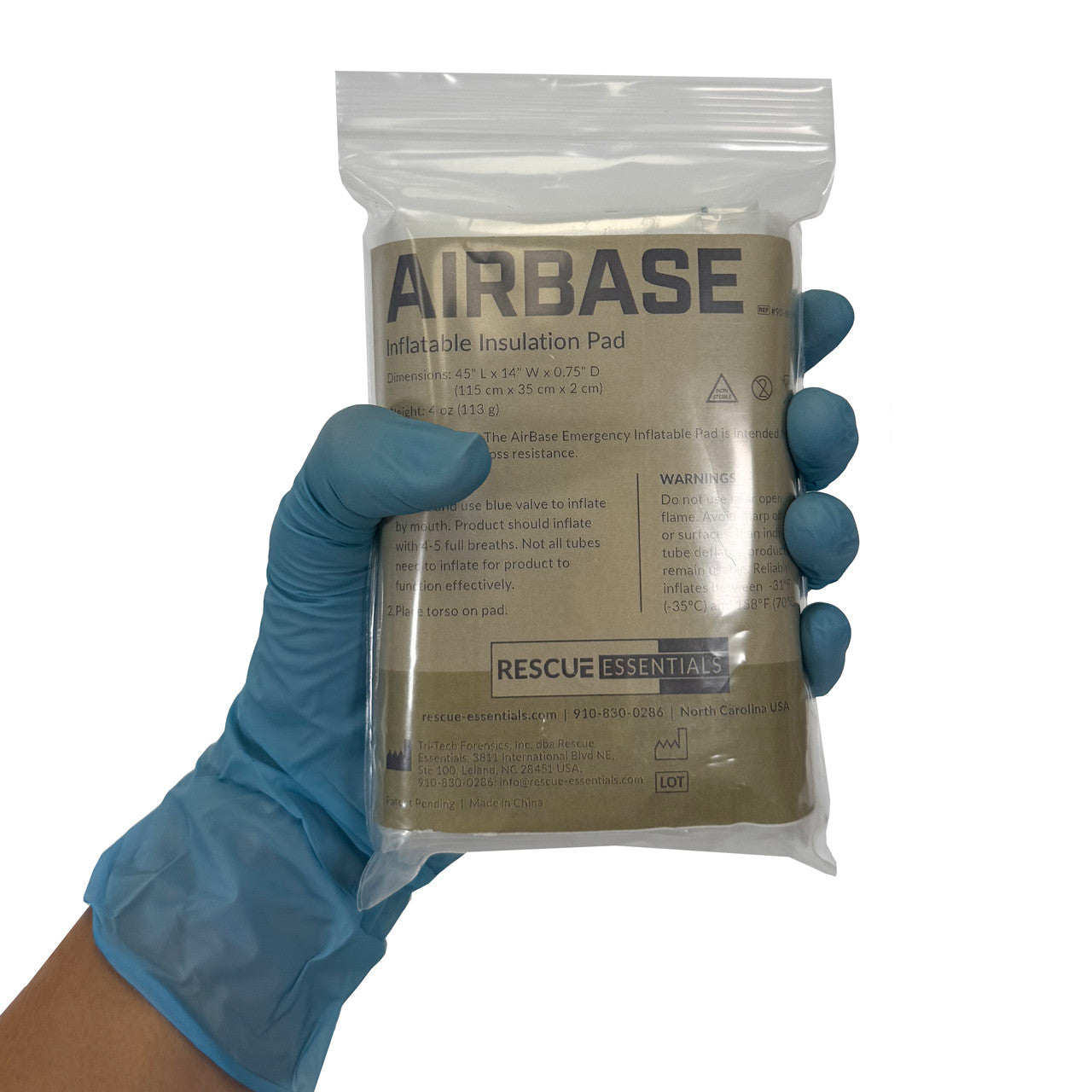
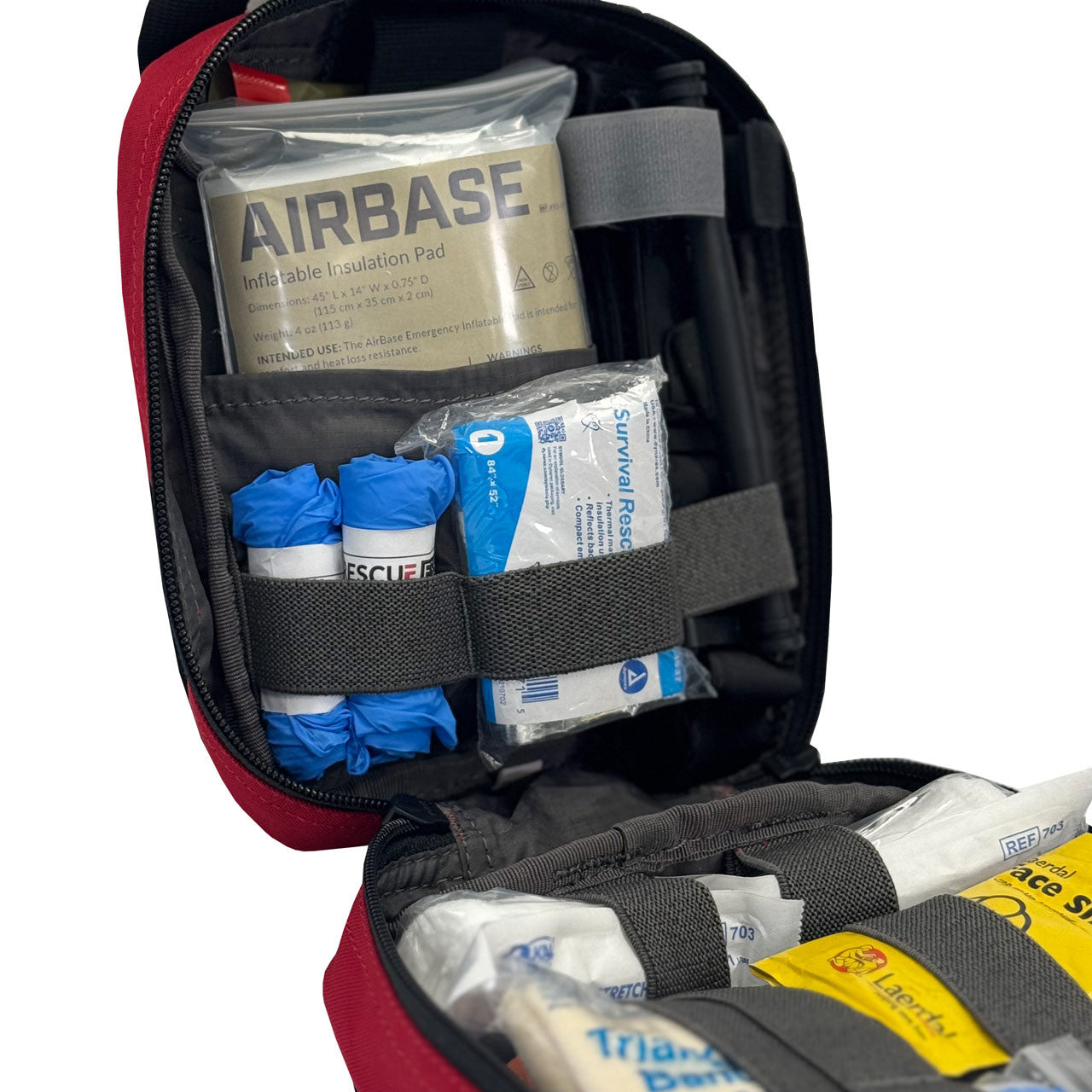
The compact design makes it easy to stow in packs, gear bags, emergency kits and vehicles without adding bulk.

The AirBase can only be inflated once and cannot be deflated without puncturing the material.

The AirBase pad delivers dependable performance when it matters most.

AirBase Inflatable Insulation Pad Features

  • Ultra-lightweight
  • Low profile packaging
  • Can be used to provide comfort
  • Rapid inflation in 4-5 breaths (no pump required)
  • Minimum inflation pressure is 1 psi
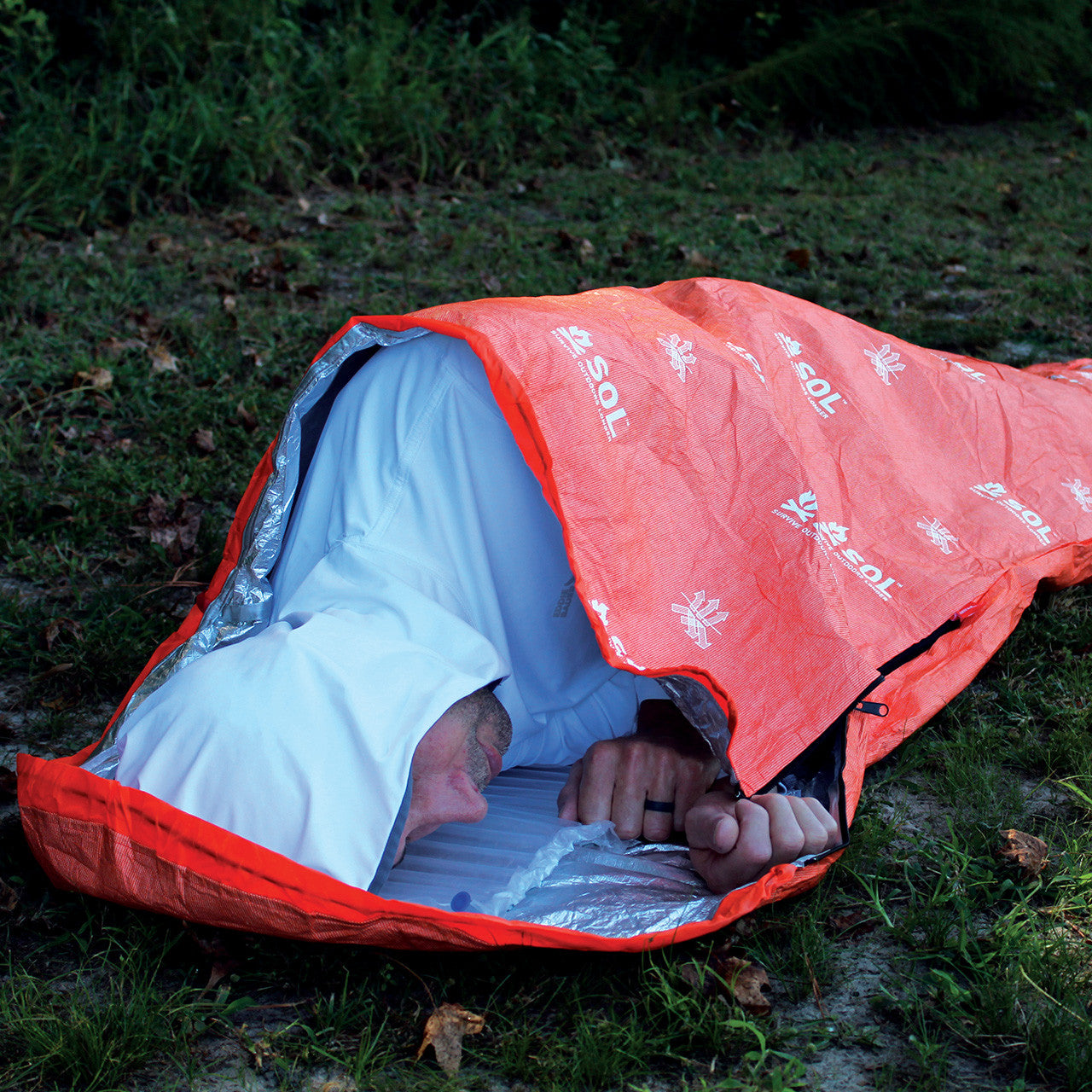
  • Pairs well with a bivvy, sleeping bag or blanket
  • Deflation resistant, independently sealed air chambers. (If a puncture occurs, it only impacts that chamber)
  • 5 stars: 11 (100%)
  • 4 stars: 0 (0%)
  • 3 stars: 0 (0%)
  • 2 stars: 0 (0%)
  • 1 star: 0 (0%)
R
Ruth Slater

I bought myself a couple of these rescue pads, and now I’m giving them to friends for their emergency kits. Great product-although I haven’t had the need to use them yet.

M
Mike

Had a chance to pick a couple of these up at SOMA in May. Conceptually loved it and brought them out to Ukraine. Recently had a badly hemorrhaging patient here - femoral bleed and altered. As part of the overall treatment plan, we were able to use the AurBase to separate him from the ground as part of our overall hypothermia prevention measures. Love it, have already asked for more out here.

K
KF

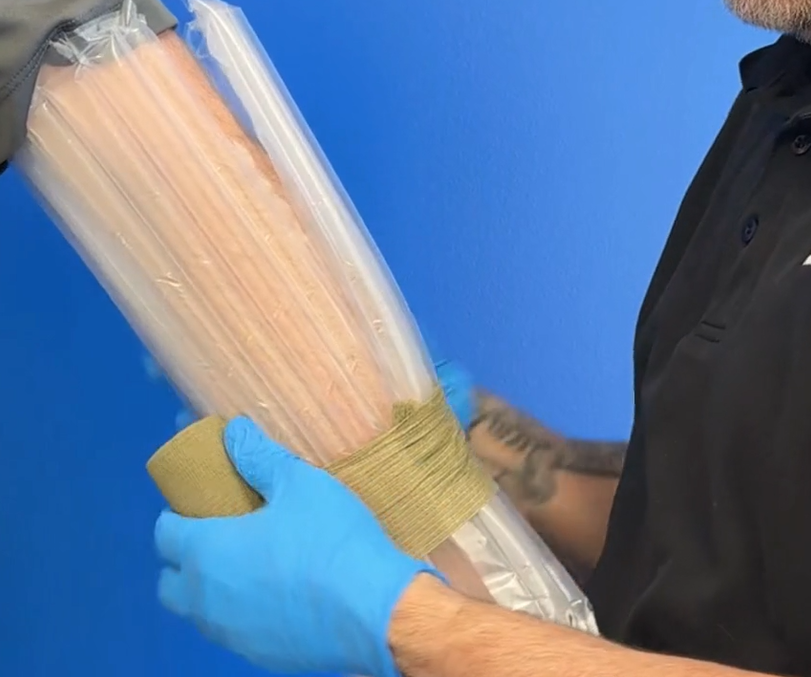
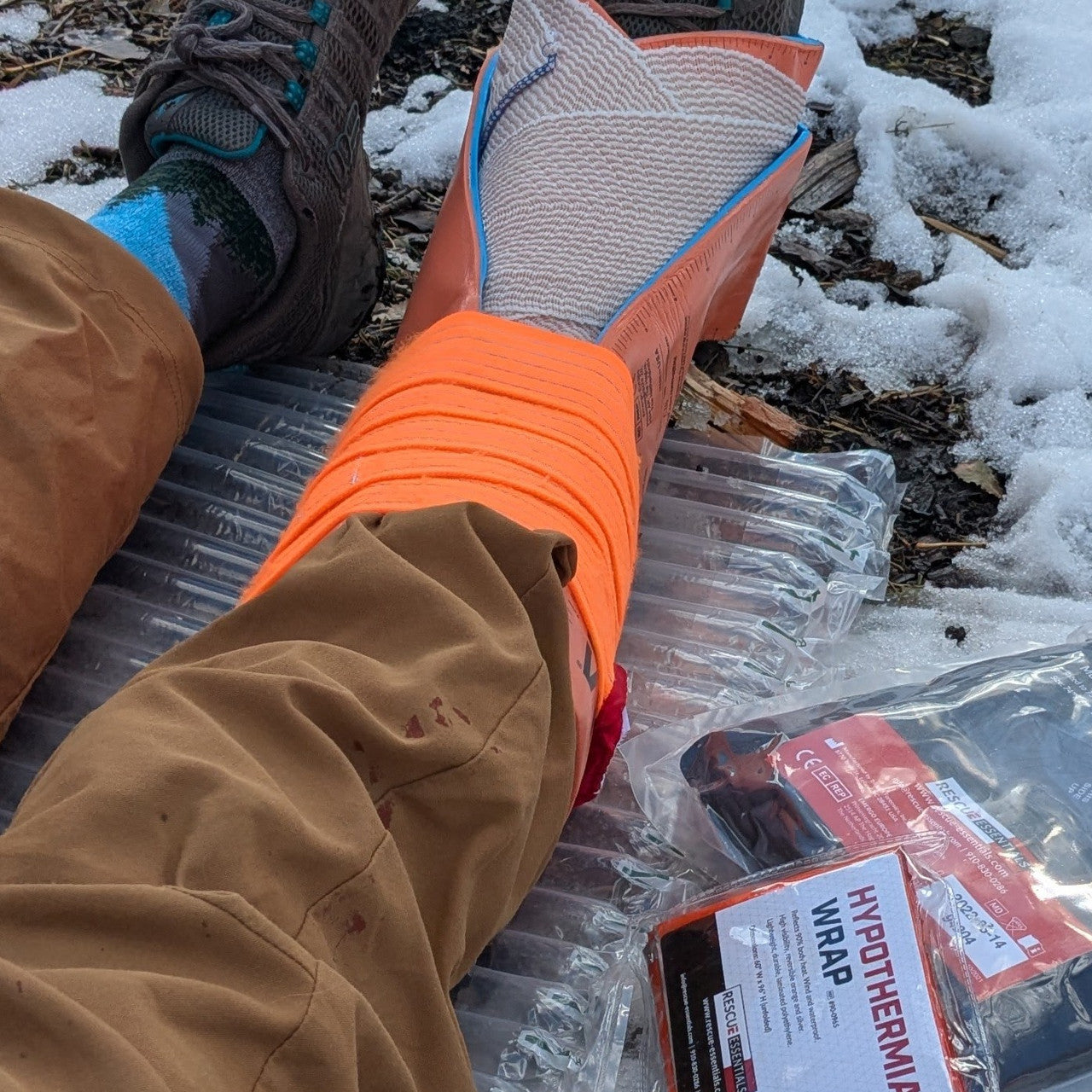
We had a great time in class playing with the AirBase! I will admit that I was skeptical on first glance, as were my students, most of whom were SAR folks from around Colorado. By the end of the testing session we were all impressed by the product's durability and versatility. We liked that it stayed inflated even when we cut it down to a shorter length to use as a splint.

T
Travis K
Earned a permanent place in my kit

I’ll admit I was initially skeptical about an air-inflated platform in austere conditions. Inflatable equipment and rough environments don’t always pair well, but this product held up.

It flew across the Atlantic in the bottom of a plane, endured repeated use over several days, was carried between sites, strapped to rucks, deployed, packed, and reused without failure. In a PCC environment where durability matters, that’s significant.

From a clinical perspective, it provided meaningful insulation from ground conduction and helped mitigate convective heat loss both critical considerations in hypothermia prevention during prolonged casualty care. Our simulated patients consistently reported improved comfort and protection from the elements compared to direct ground placement.

Operationally, it packs down small, is lightweight, and integrates easily into a ruck setup. Important factors when every ounce and cubic inch matter.

Based on that experience, the AirBase has earned a permanent place in my kit for austere and prolonged care environments.

R
R J
AirBase continues to impress

In emergency situations, the AirBase moves from pocket-sized to ready to go in just a few breaths. There is no pump, no fuss, just protection from whatever unforgiving surface you are working on. The independently sealed air chambers ensure that should something go wrong with one of them, the others will continue to work, insulating, stabilizing, and keeping the patient comfortable in the midst of chaos.
The deflation-resistant column structure provides a level of durability that is rare in something this small, and its ability to work with bivvies, hypothermia wraps, and blankets makes it a highly versatile piece of equipment for remote, austere, and prehospital situations. I should note that the AirBase works on a single inflation, meaning that once deployed, it will stay deployed until punctured.
During medical teaching lessons/scenarios, I have found it to be a standout. The students can see its value and appreciate its simplicity, allowing them to focus on the patient, not the equipment. In the field, it finds its way into the pack as a worthy member of the group, light, compact, and ready to go at a moment’s notice without adding bulk to already overloaded equipment.

E
Eric L
Ideal for emergency kits

I include the Airbase in my tactical emergency kits for customers.

B
Blandonn
I cannot recommend enough!

Having personally laid on an AirBase, , I can not recommend enough! Something so small, compact, and easy to carry will pay dividends in providing ground insulation.

R
Rick C.
patient comfort while reducing risk of pressure sores

Product is compact and light. It’s easy to carry and set up. Adding to patient comfort while reducing risk of pressure sores and issues associated with being on a litter for long periods of time.

J
Jon P
The coolest and most useful thing I’ve seen in a long time!

It weighs a little more that 3oz and the applications for it are astounding…

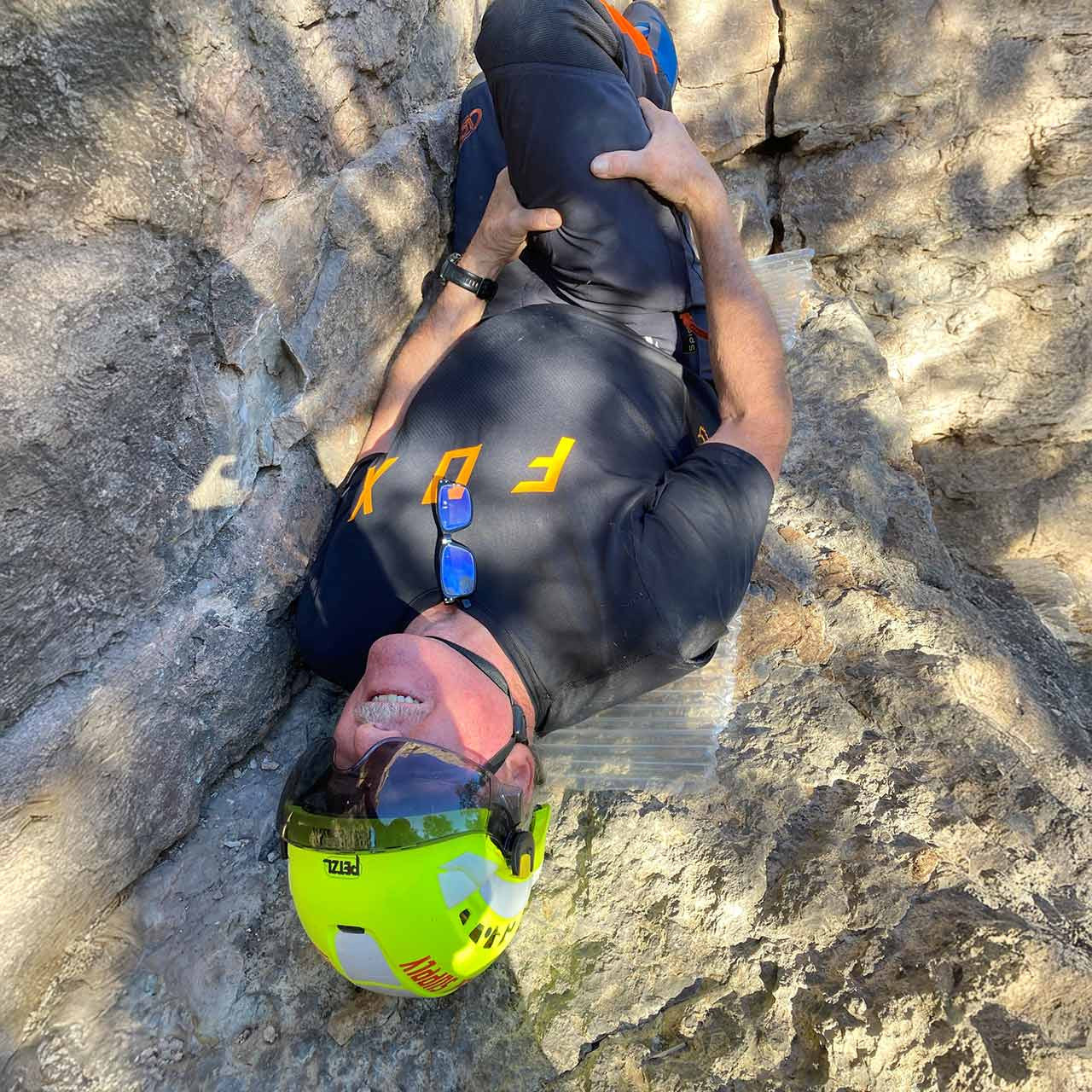
>Pad to get an injured party insulated from the ground
>Improvised Splint
>Bivy pad
>Sit pad

All in a package that can fit into virtually any kind of response pack or hiking pack!

J
John R.
would recommend

Great compact and light inflatable air mattress. I would recommend having in your go-bag as a backup.

T
Tyler
Great for preventing hypothermia in trauma patients, it is also a great piece of kit for other ap...

I was introduced to the AirBase at SOMSA 2025. I felt this product, although low tech, was the best thing in the vendor hall. I was given one to try and give feedback on. I did, and I have to say, this thing delivers a high yield for the extremely low weight and cube of the product. I was on a medical rescue mission in a wilderness area above 10,000 feet. The patient was not able to be flown out until first light and unable to walk out in that period of time. I had to remain with the patient and their party overnight (about 8 hours). During my insertion, my feet were fully submerged in an alpine marsh. I had to take my boots and socks off to dry them by the fire. Although not its primary use, I used the AirBase to stand on so my feet wouldn't freeze. After that, I used it as a pad to sit on throughout the night. Later in the operation, I had to set up a plan for people to get some sleep, and we were able to use the AirBase for people to rest on. Last, since the AirBase was near a campfire, at one point, some embers landed on the AirBase and burned a hole in the plastic. However, this was no factor since the AirBase was designed to have single cells deflate without any effect on other cells. The rest of the cells stayed inflated with no problem, and the AirBase was effective the entire mission. So, while great for preventing hypothermia in trauma patients, it is also a great piece of kit for other applications and costs nearly nothing for weight and cube constraints in austere environments.