
SKU:
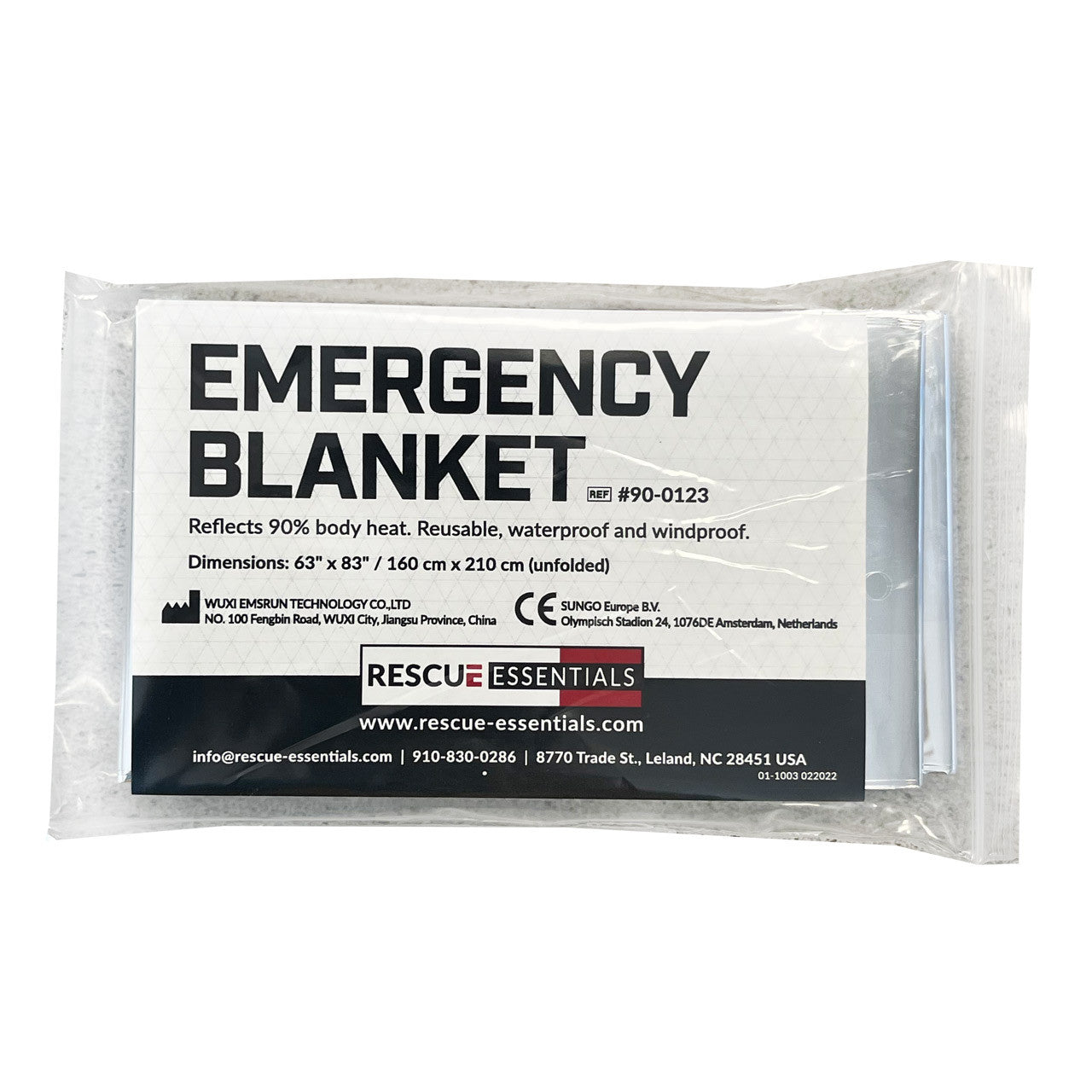
90-0123
$1.75

SKU:
90-0085R1
$86.45

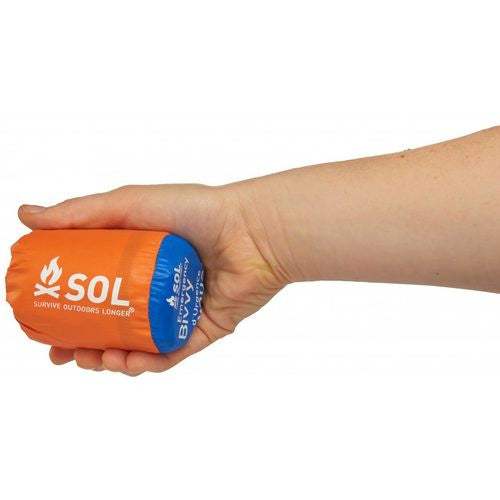

SKU:
90-0080
$25.45
Best Sellers


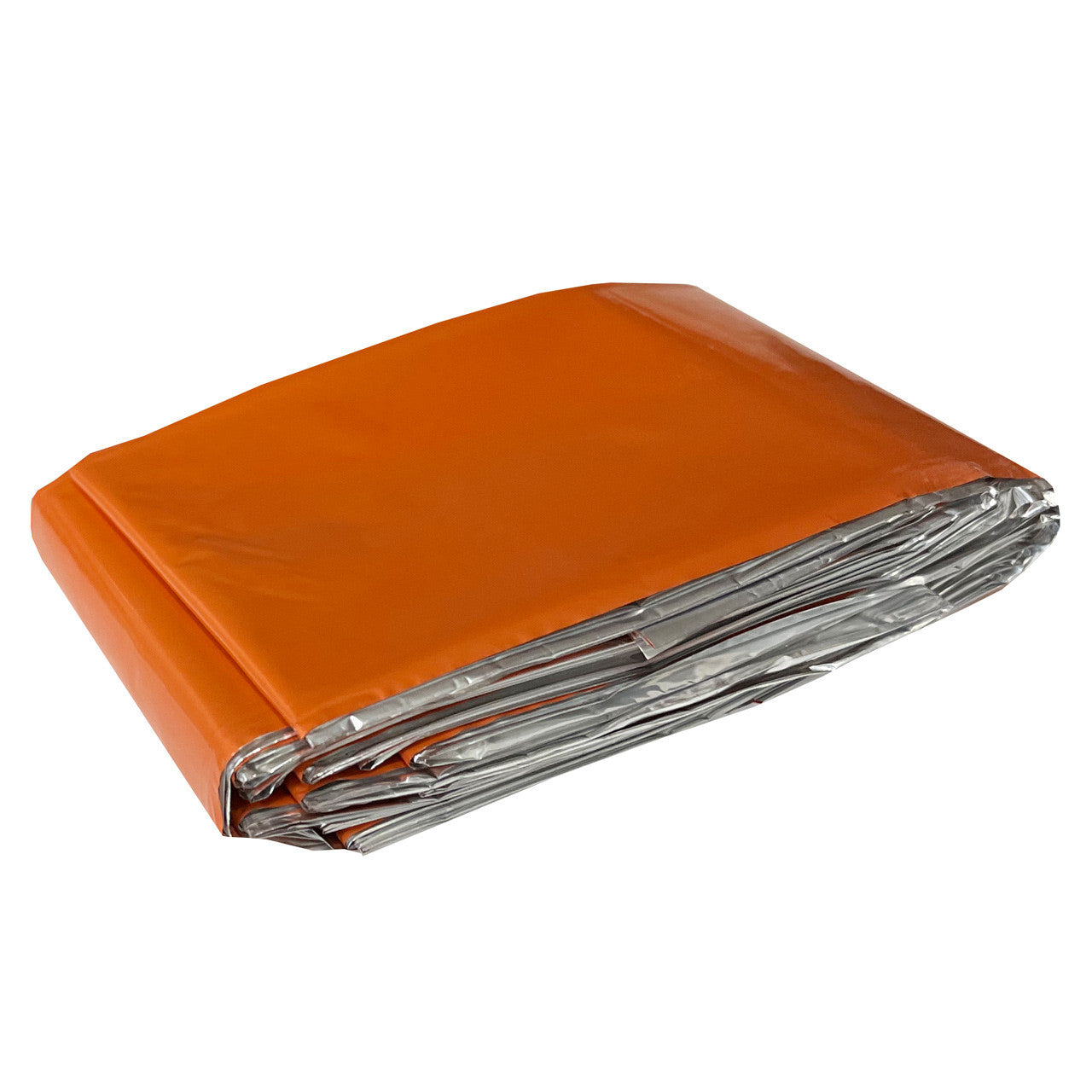
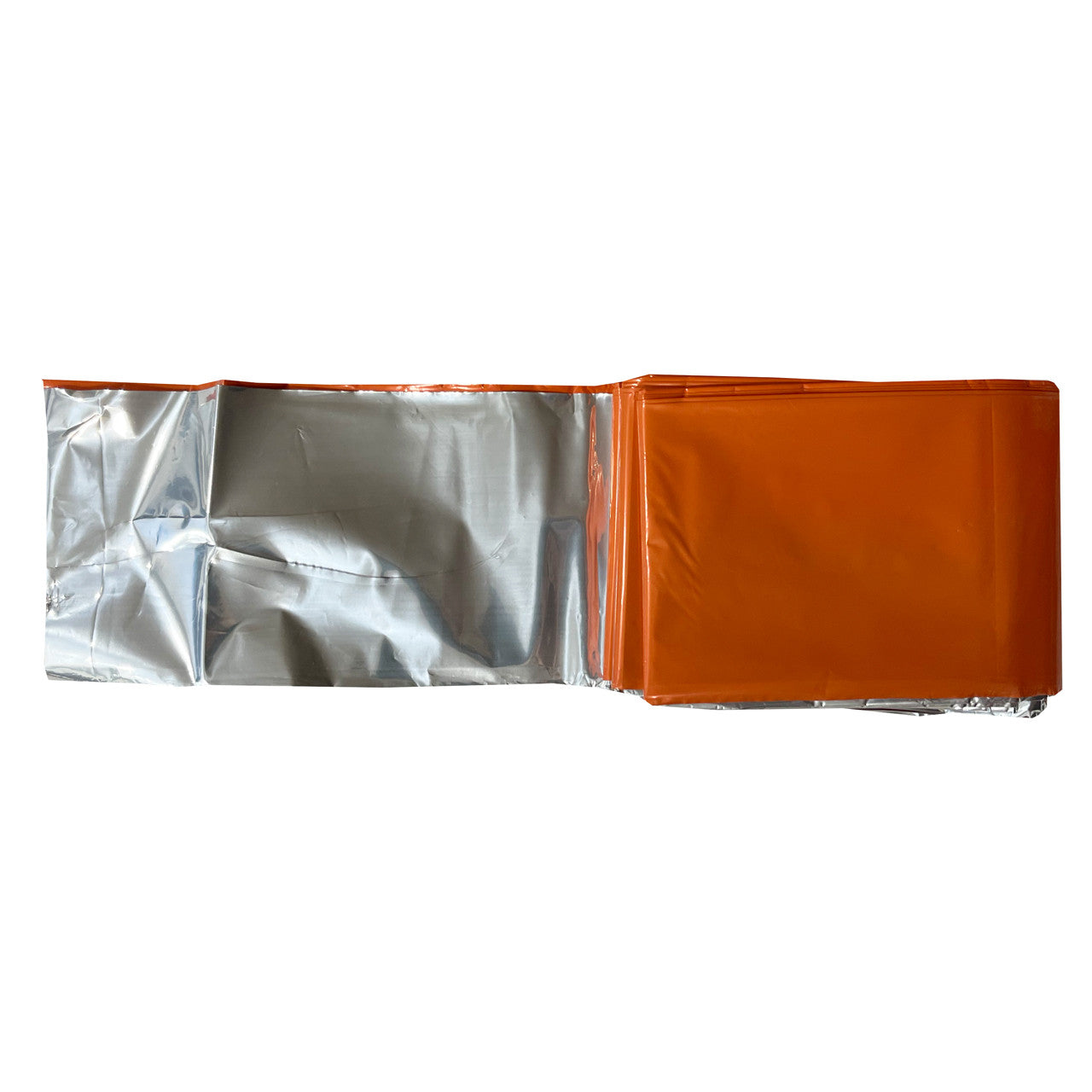
SKU:
90-0965ODGRN
$8.50
Best Sellers
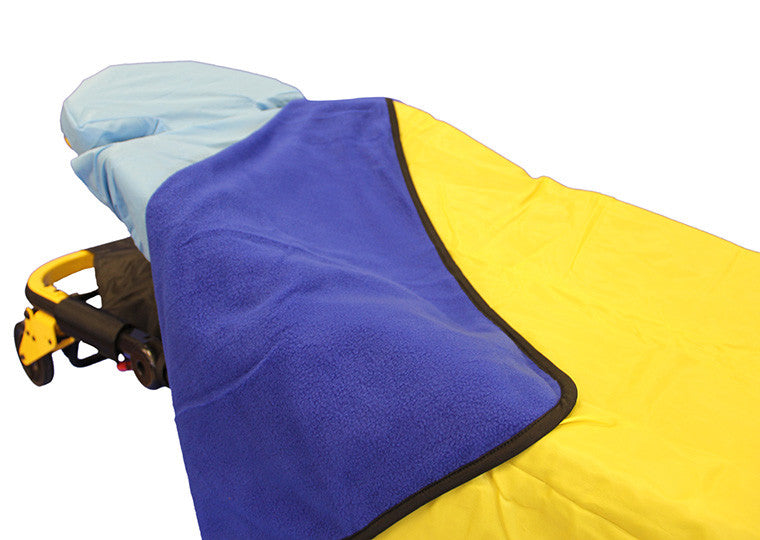

SKU:
91-0031CASE10

SKU:
50-0154
ON BACKORDER


SKU:
50-0118
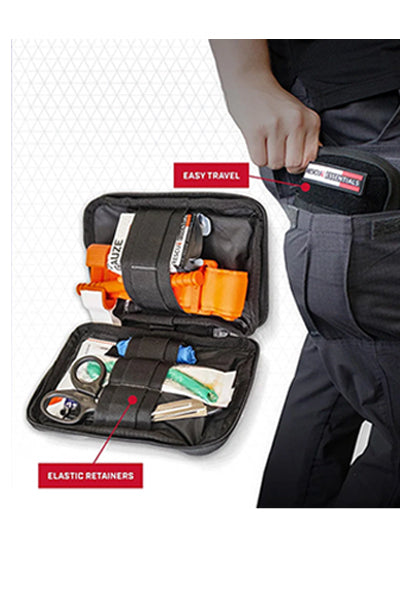
Save 25% on the CFAK now!
Save on the CFAK (Compact IFAK) - loaded with TCCC components like a tourniquet and chest seal, yet can fit in a pocket!


SKU:
91-0018CASE20

SKU:
90-0060
$57.35


SKU:
30-1509
Save 10%
Sale

SKU:
90-0111
Sale price$1.35Regular price
$1.50
Save 10%


SKU:
90-0110
From $1.25
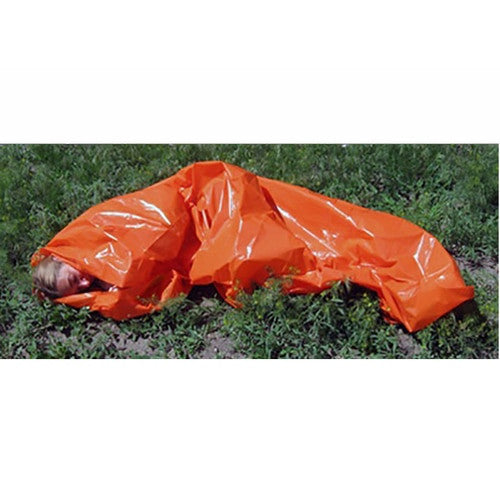
SKU:
90-0970
$5.95
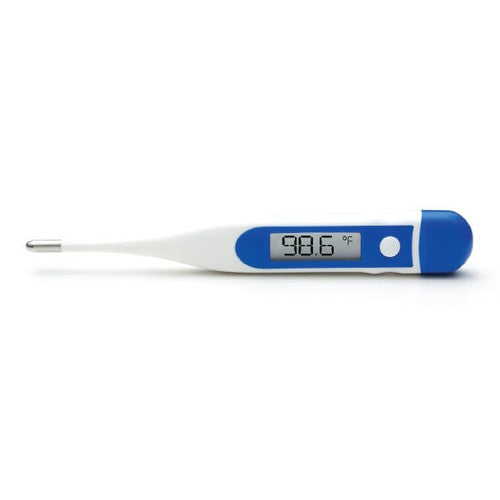
SKU:
50-0861
Best SellersSave 7%
Sale
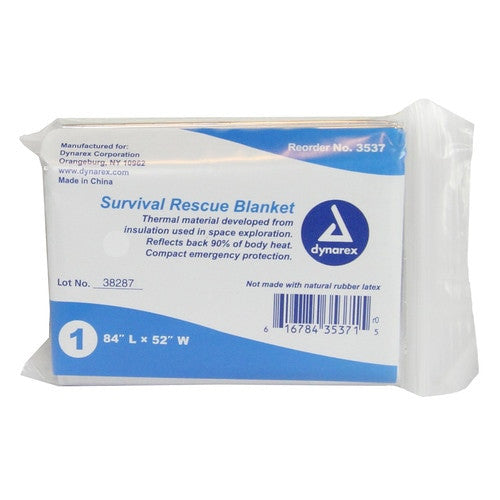


SKU:
90-0115
Sale price$1.40Regular price
$1.50
Best SellersSave 7%
SKU:
90-0090
$11.45


SKU:
30-1475
SKU:
50-0082
$58.31


SKU:
50-0120

SKU:
30-1376
Save 17%
Sale
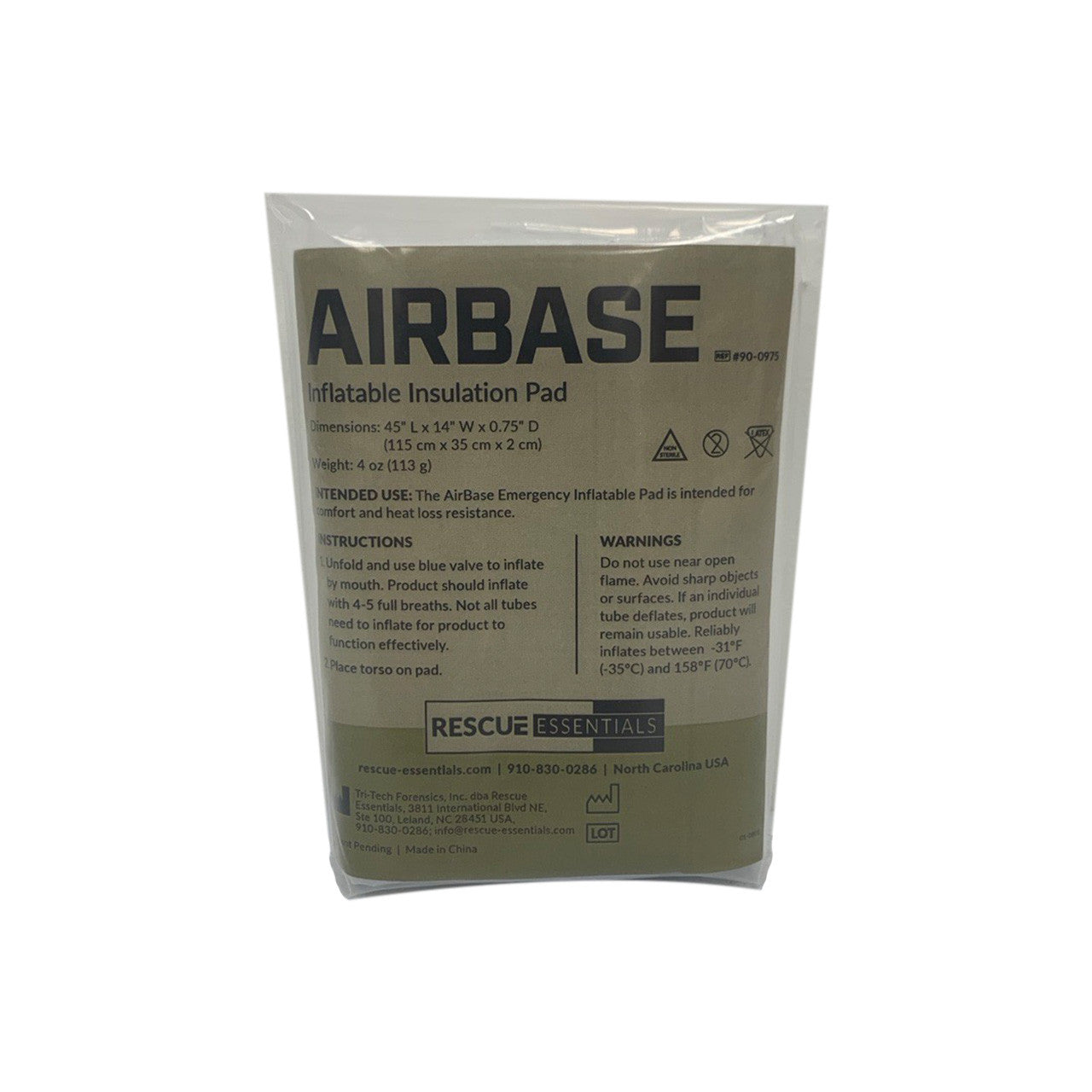
SKU:
90-0975
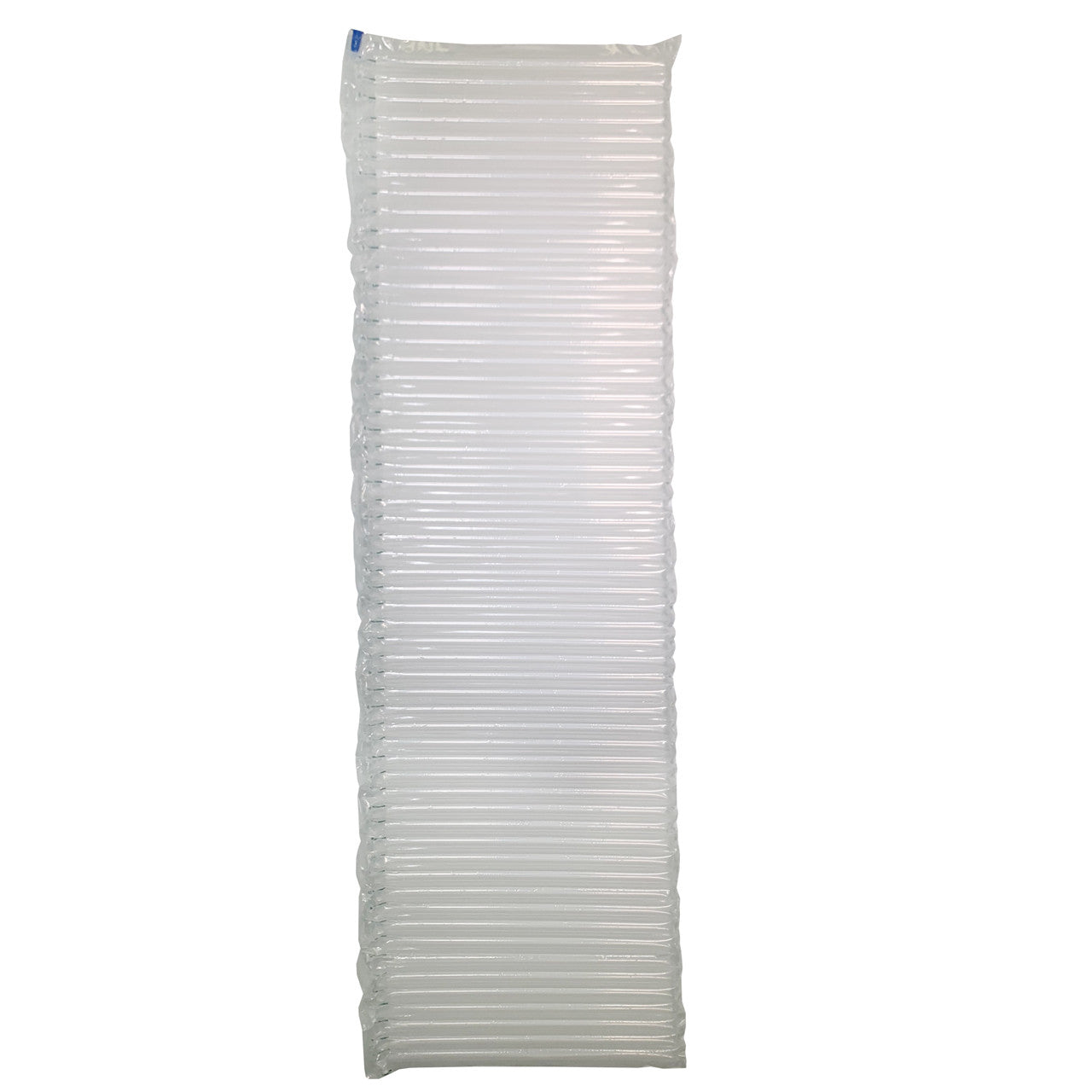
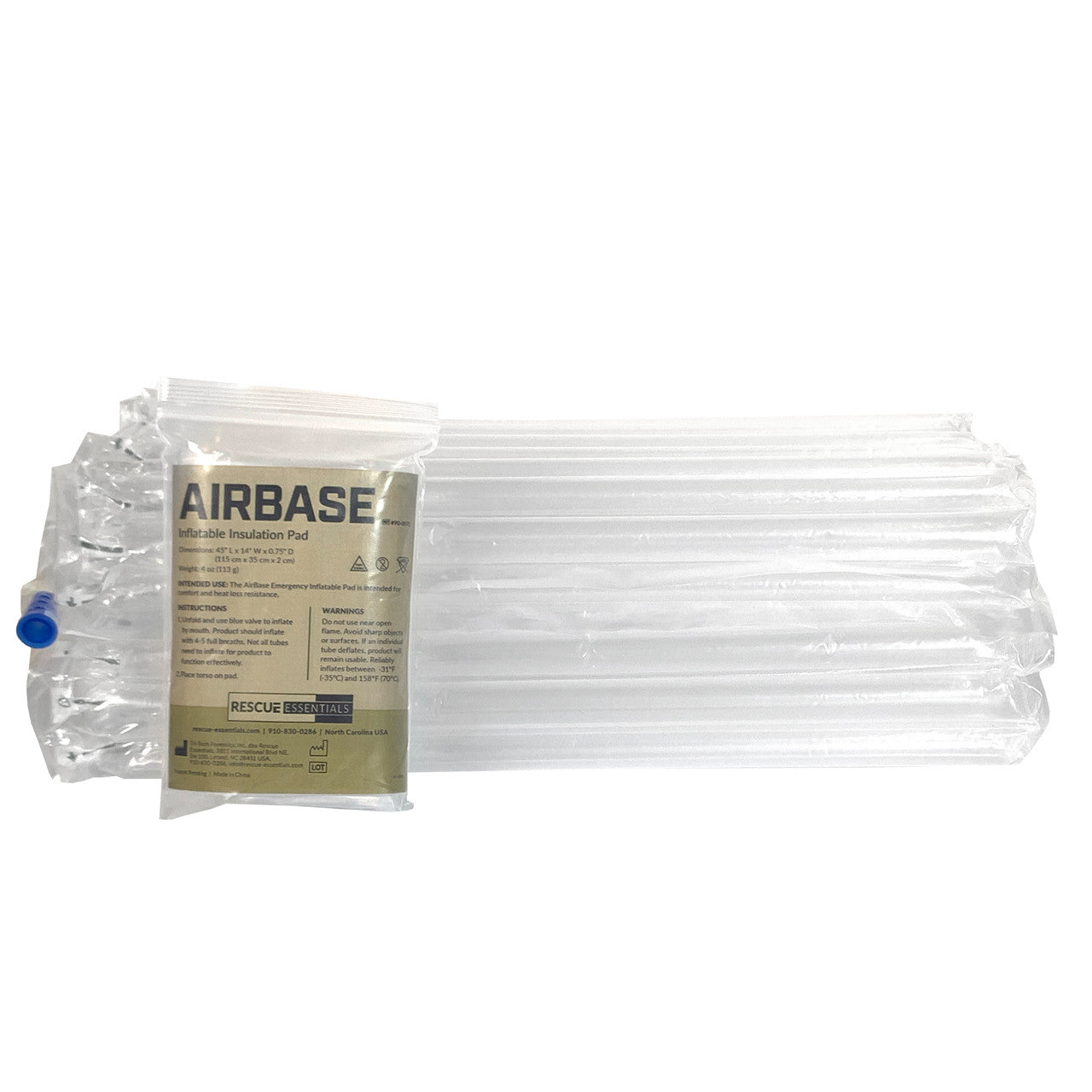
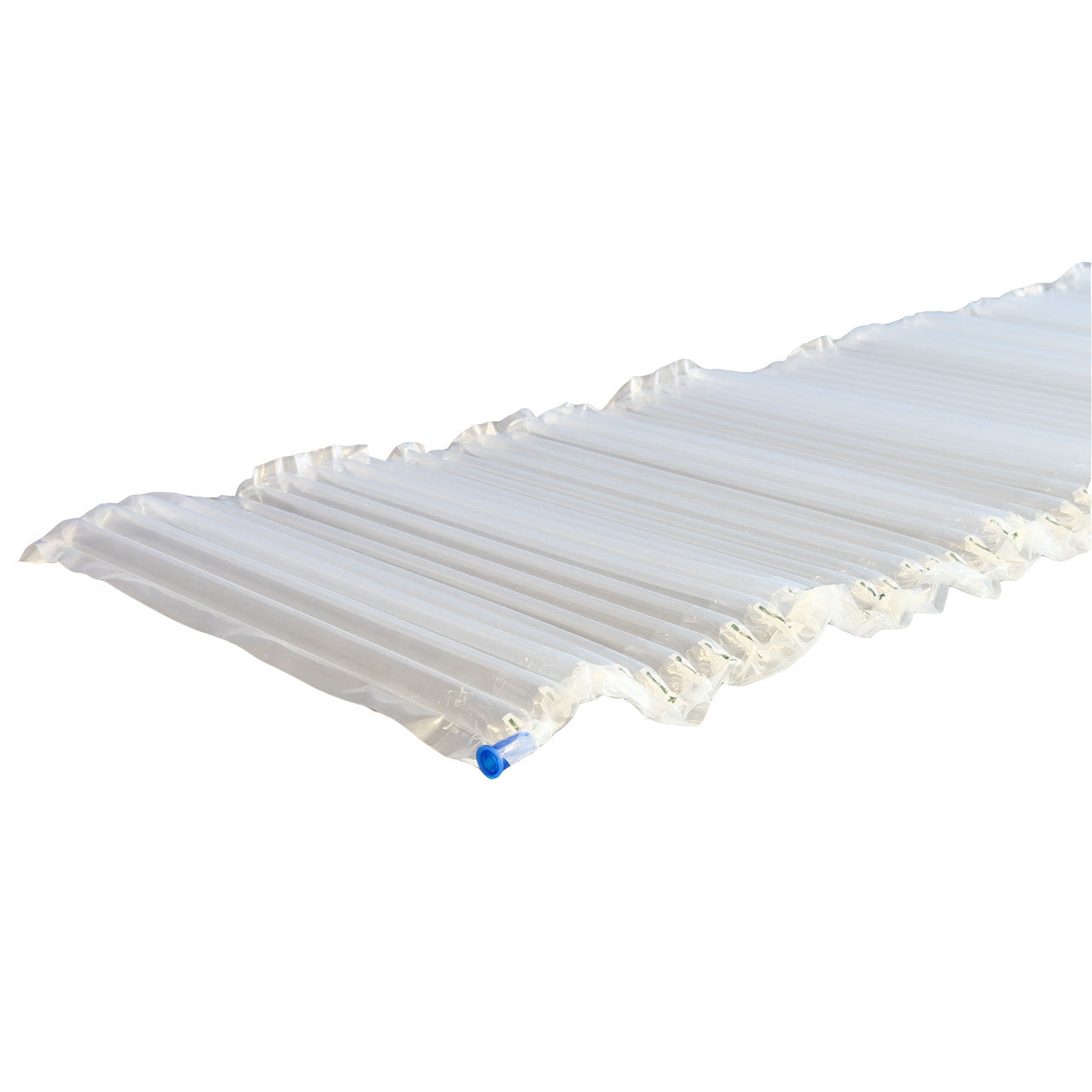
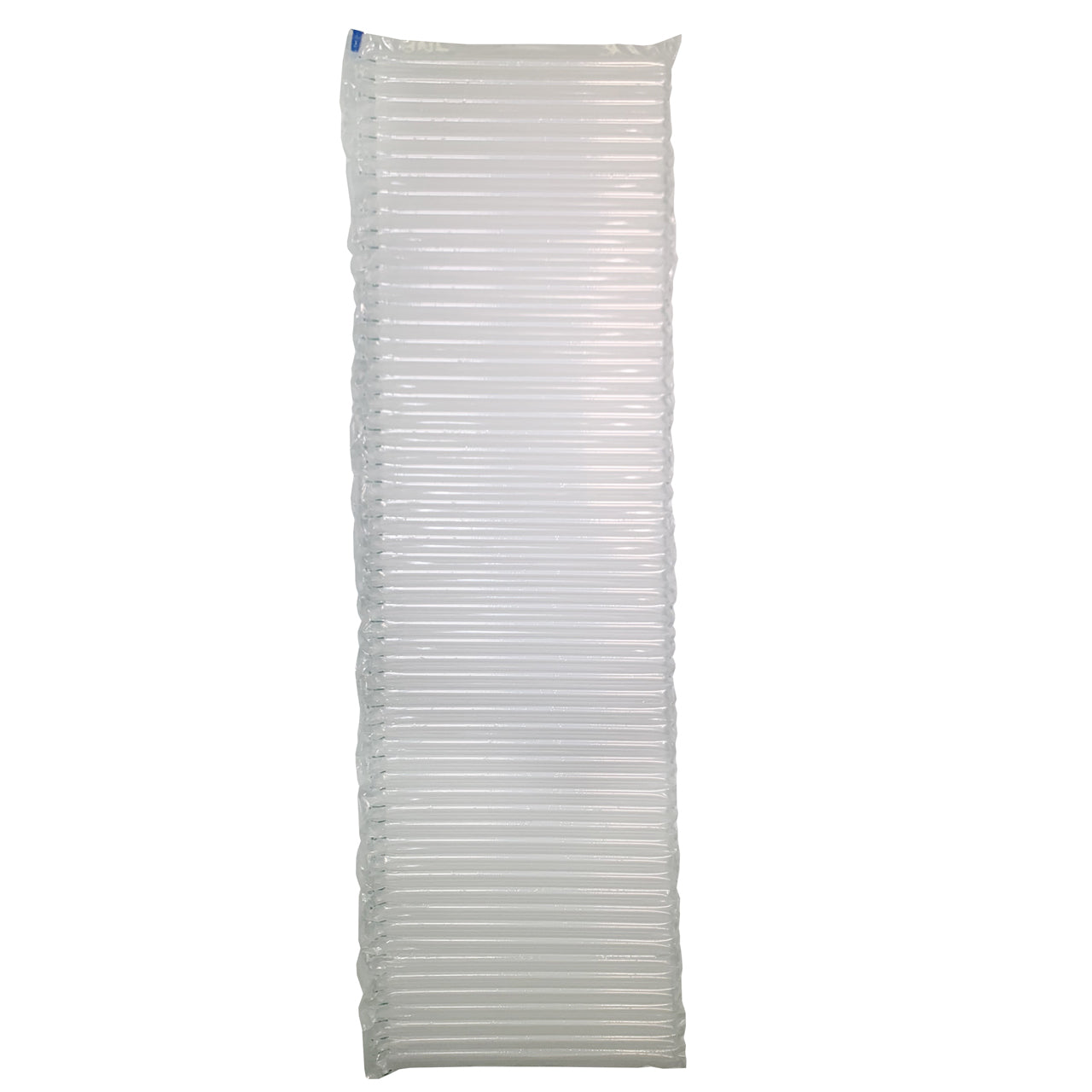
AirBase Inflatable Insulation Pad
Sale price$9.97Regular price
$11.95
Save 17%
Save 10%
Sale
SKU:
50-0000
Sale price$1.75Regular price
$1.95
Save 10%
SKU:
90-0140
SKU:
90-0066


SKU:
50-0164
$67.79
Save 17%
Sale

SKU:
30-0021
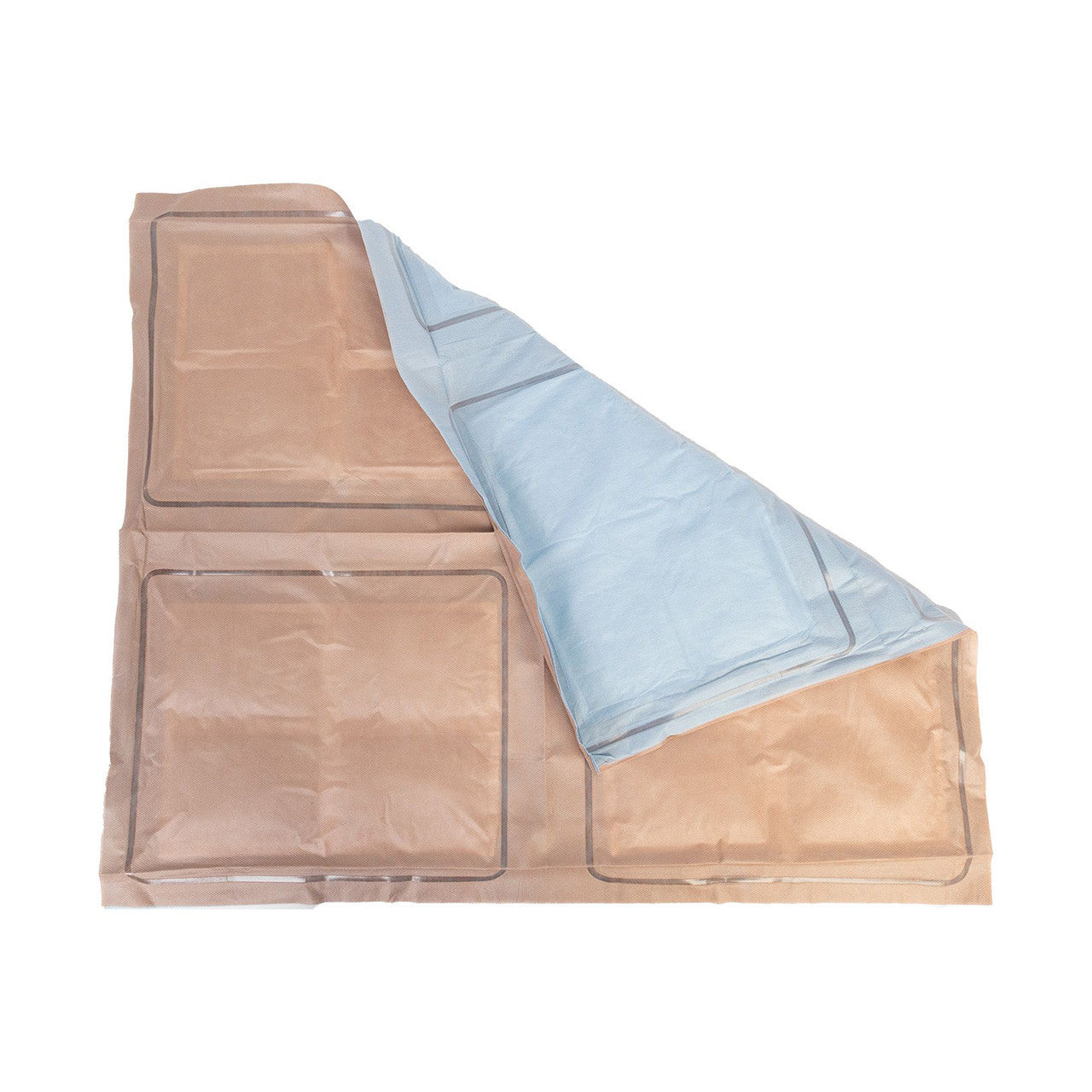
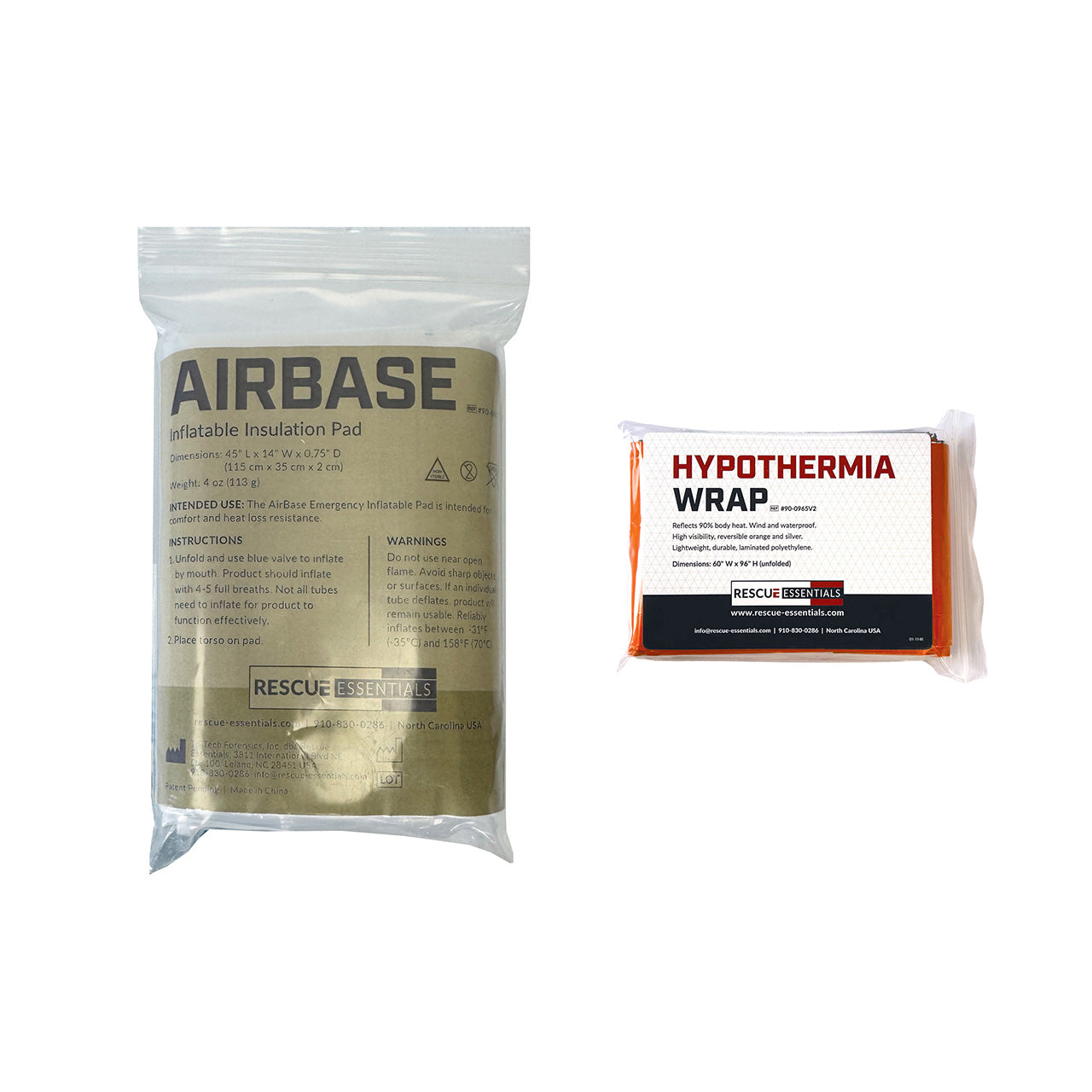
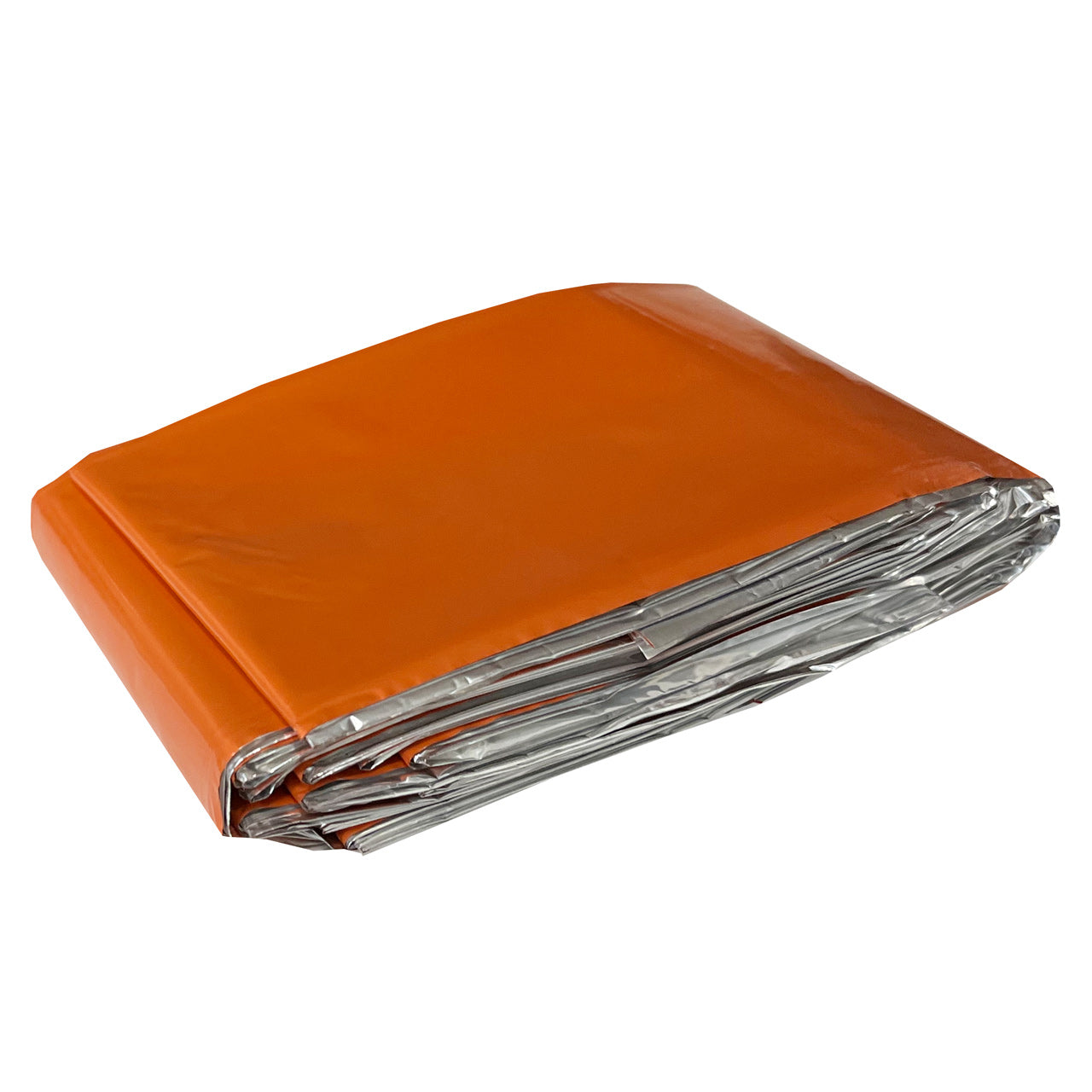
Hypothermia Wrap & AirBase Combo
Sale price$16.95Regular price
$20.45
Save 17%
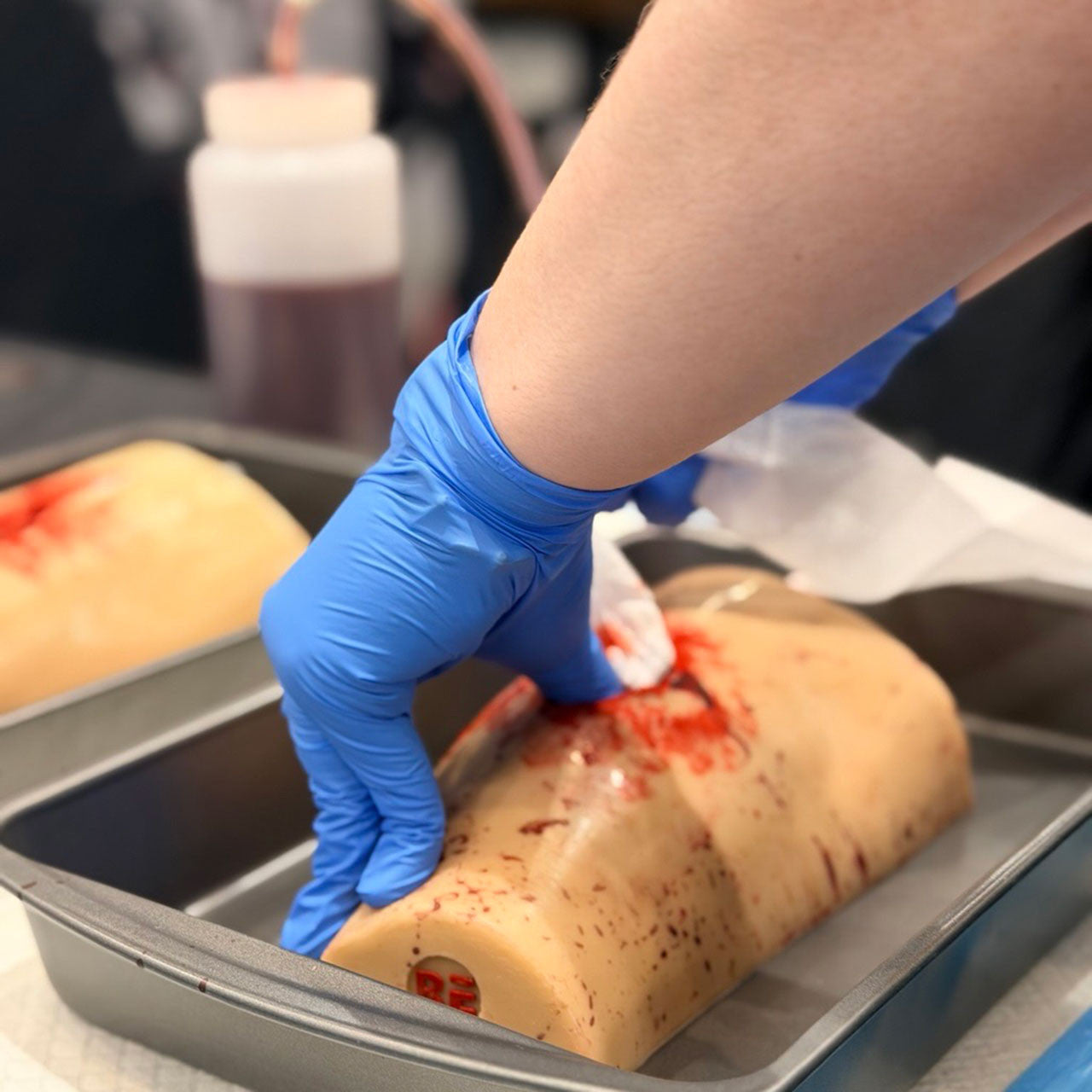
Need Training?
Rescue Essentials is proud to partner with accredited Stop the Bleed trainers throughout the U.S.