


30-1140

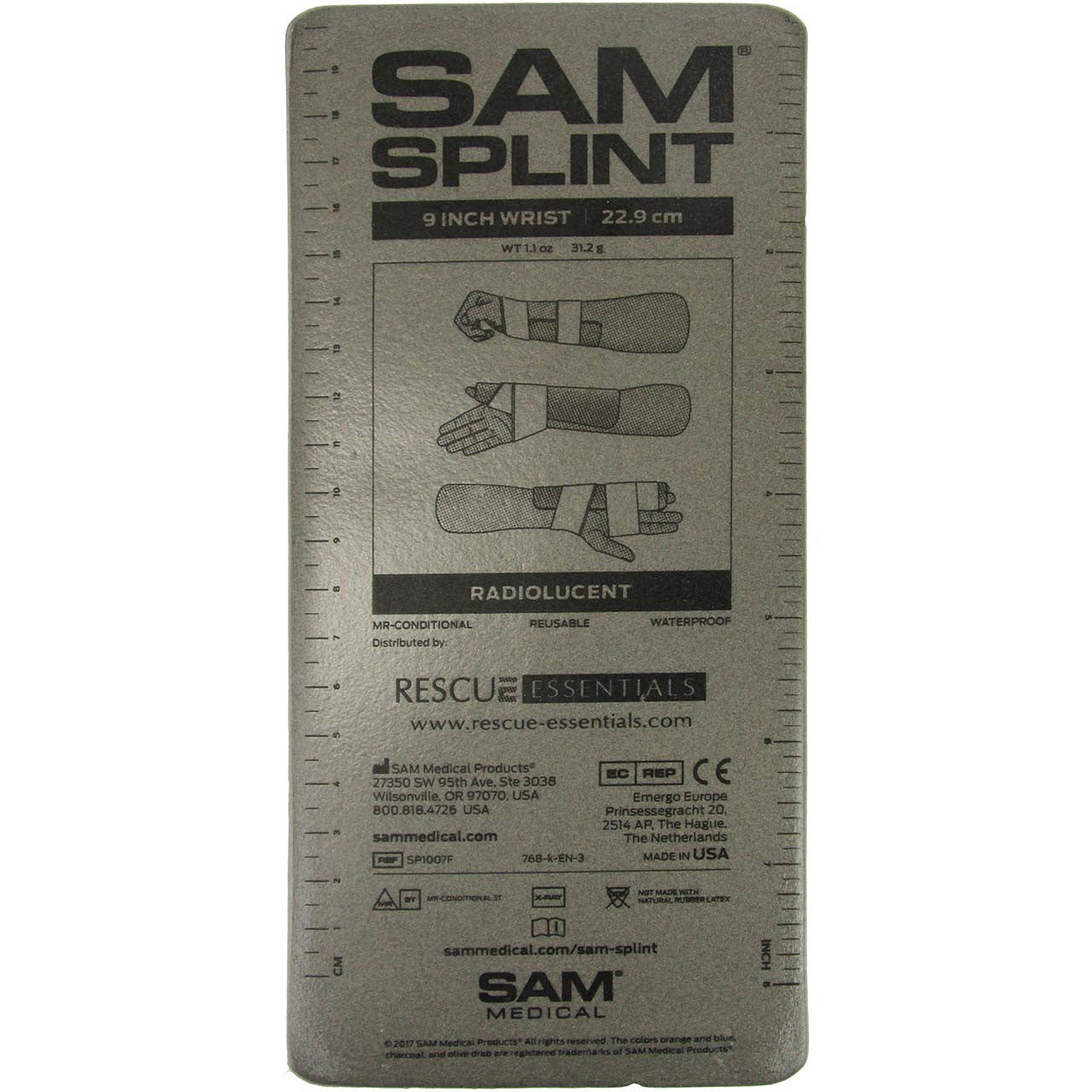
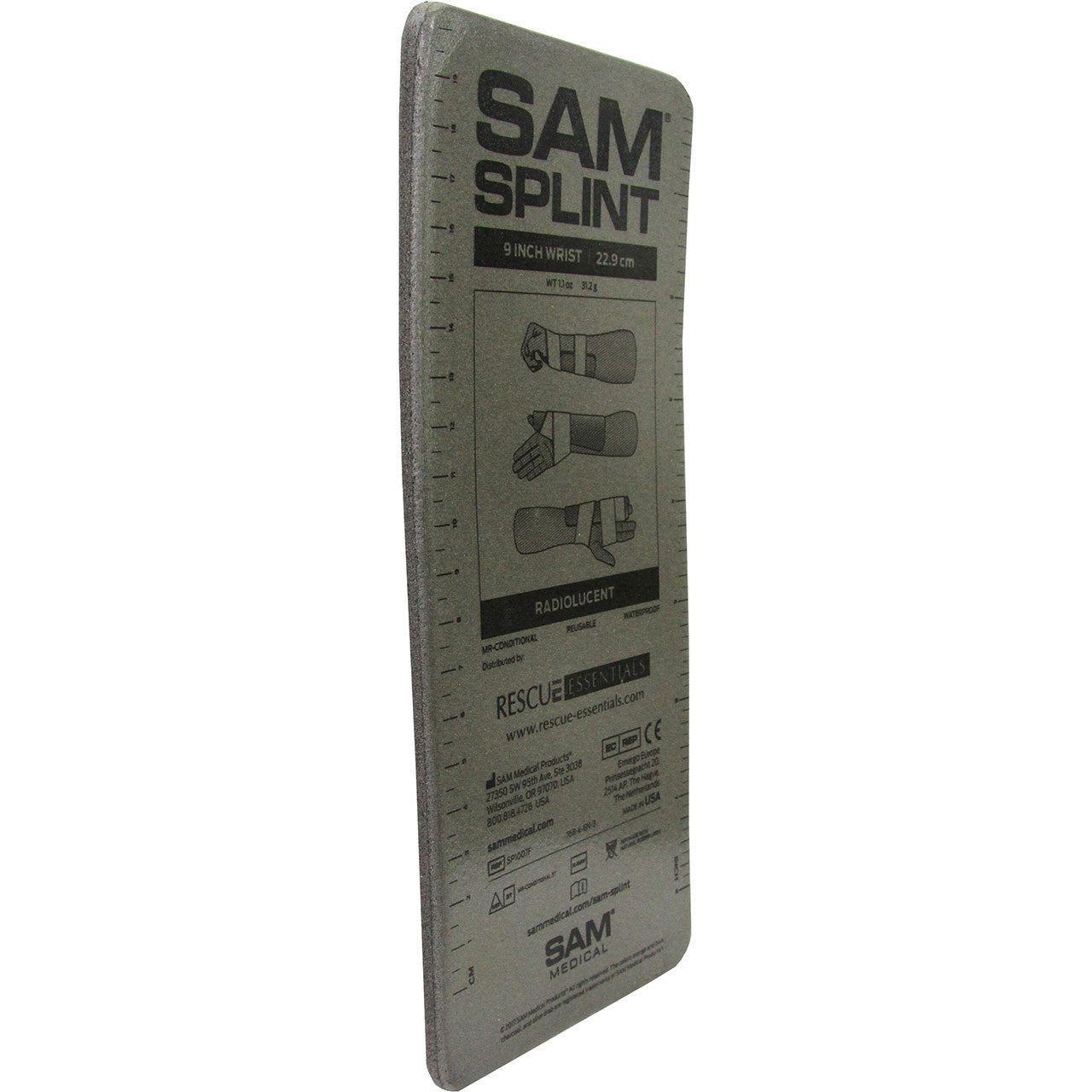
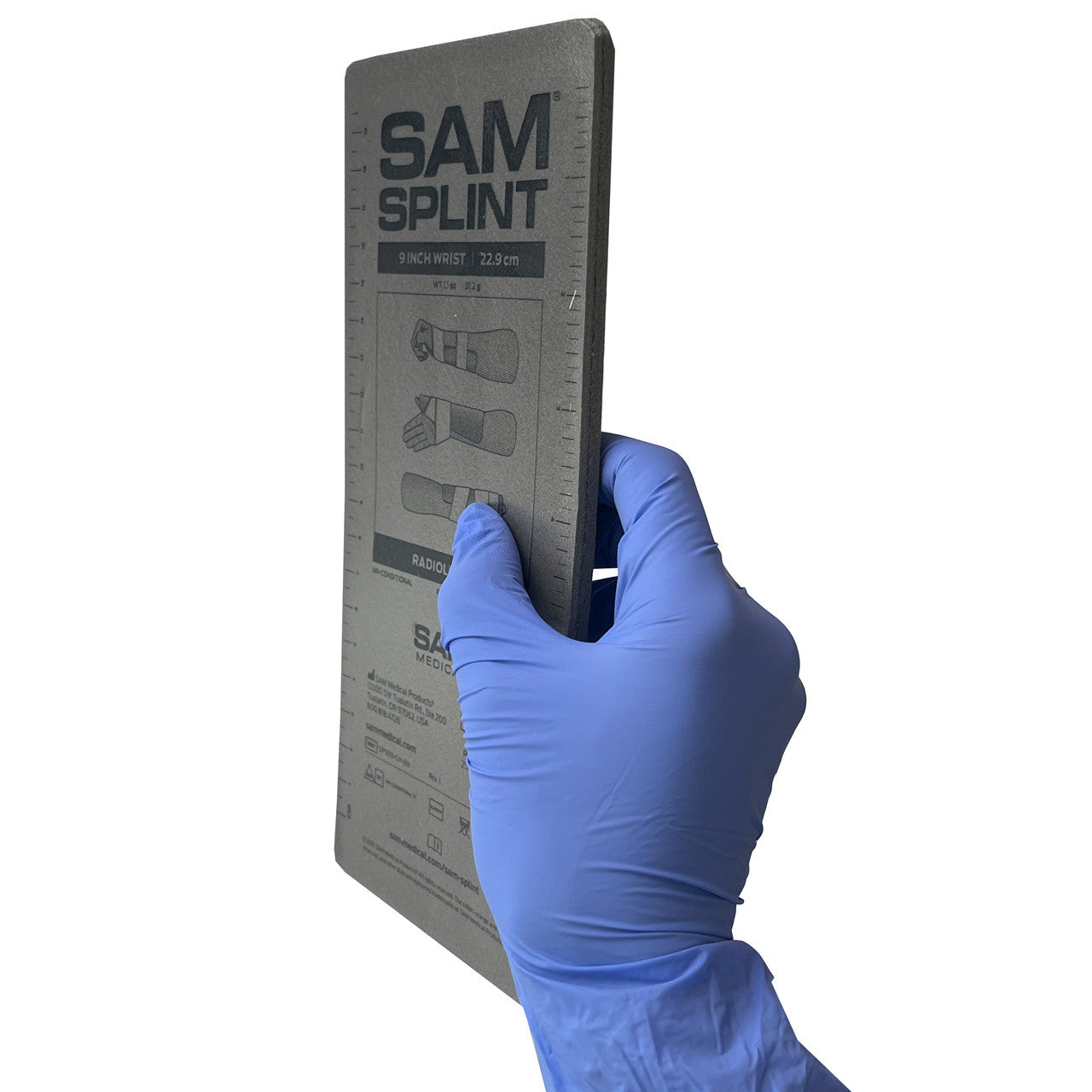
10-0360
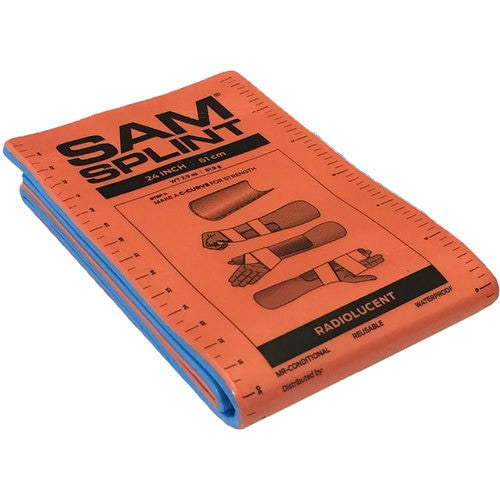


10-0362
SAM Splint - 24" (Orange/Blue)
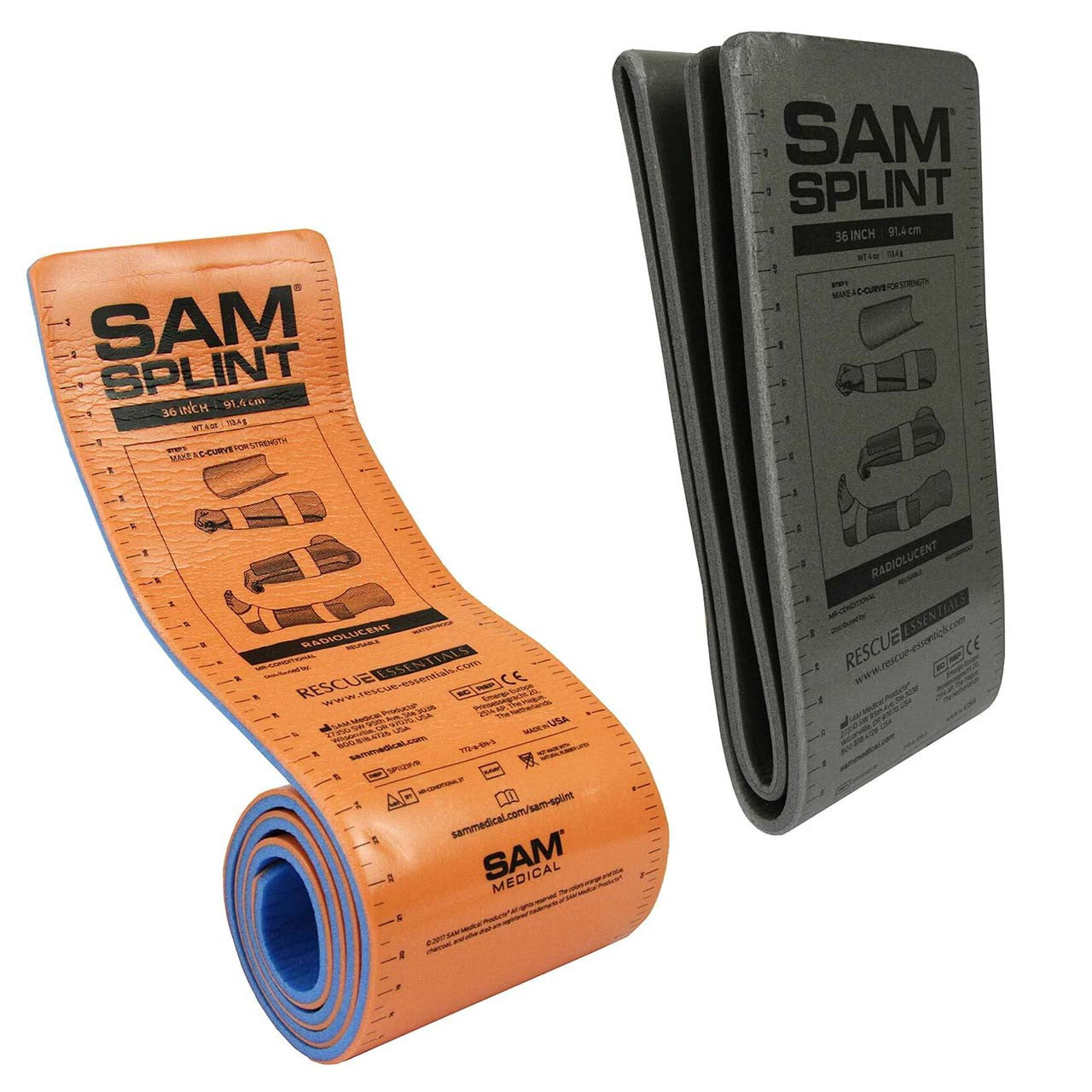


10-0340
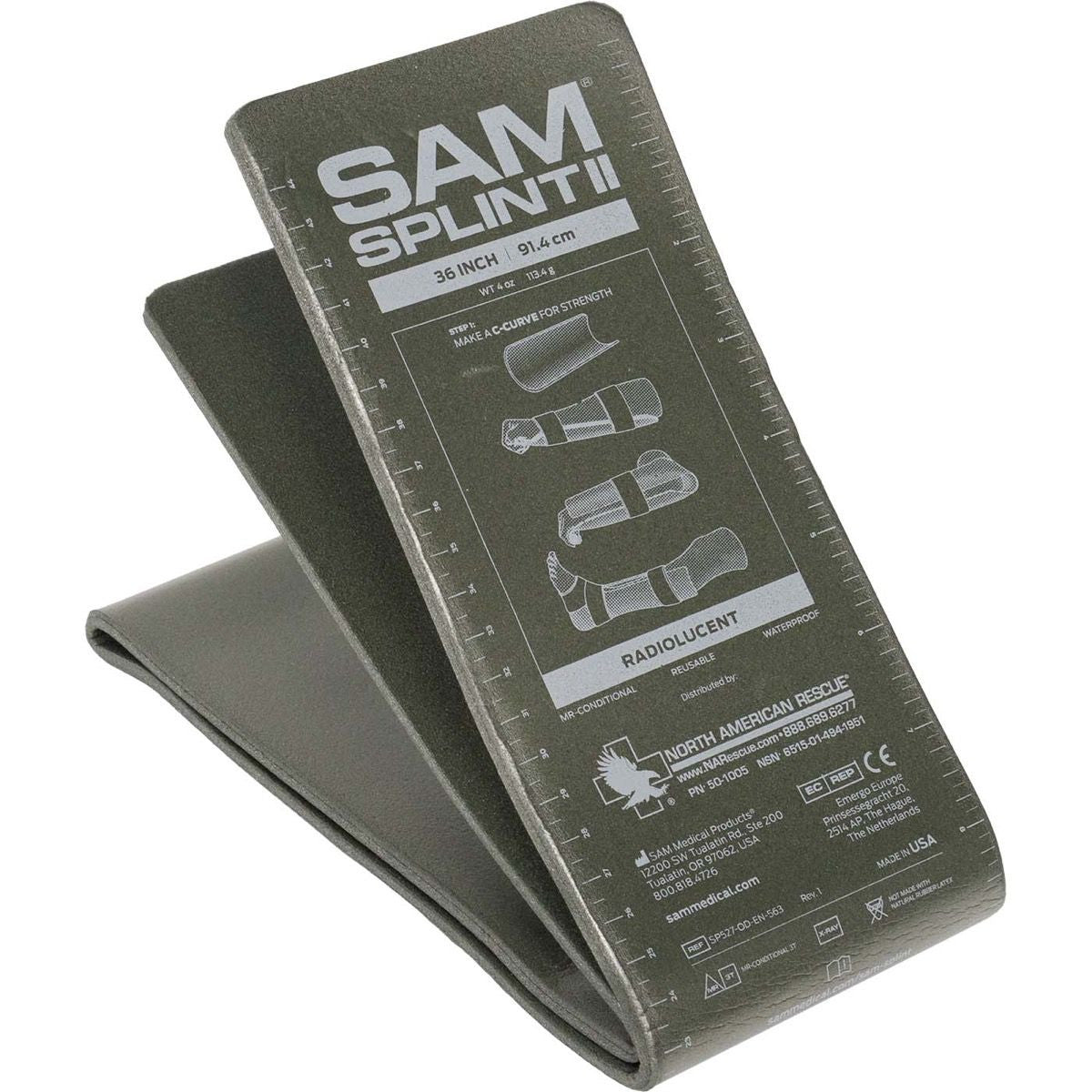


10-0309


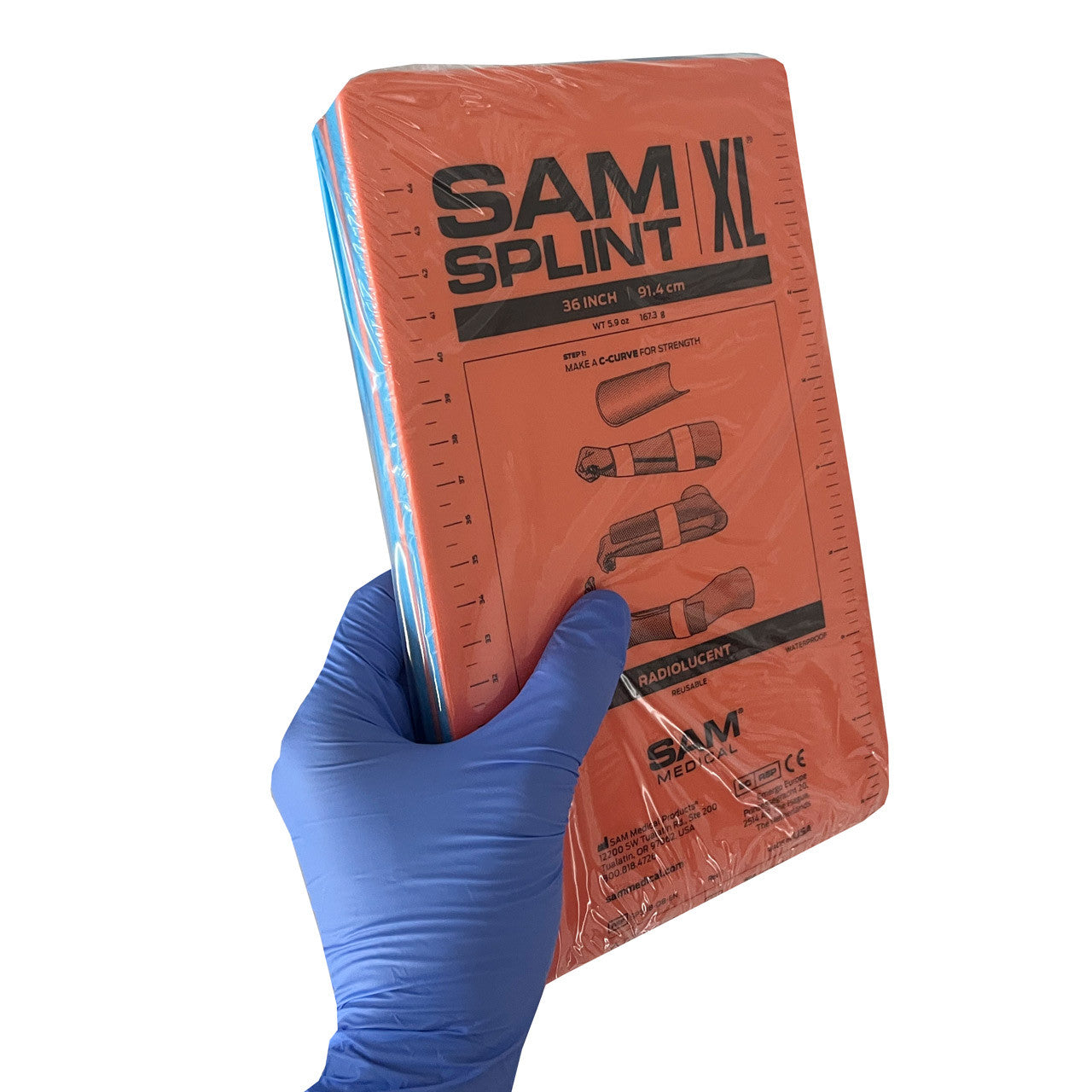
10-0350
SAM Splint XL - 36" Extra Wide


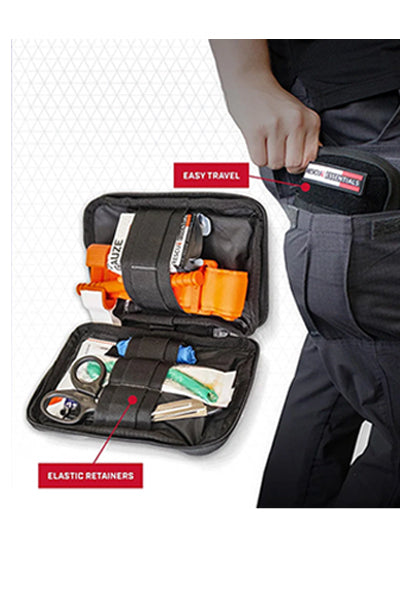
Save 25% on the CFAK now!
Save on the CFAK (Compact IFAK) - loaded with TCCC components like a tourniquet and chest seal, yet can fit in a pocket!
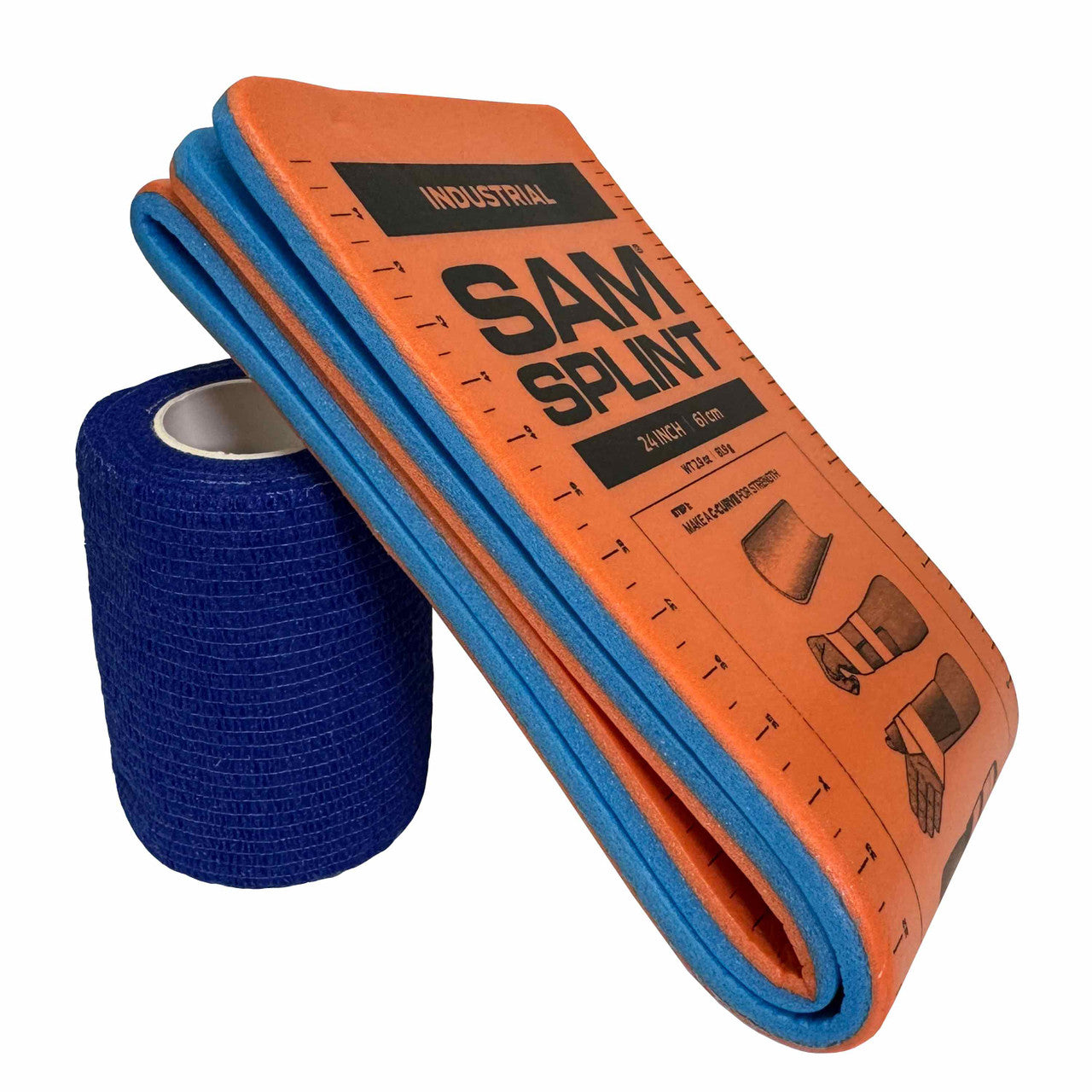

30-1597
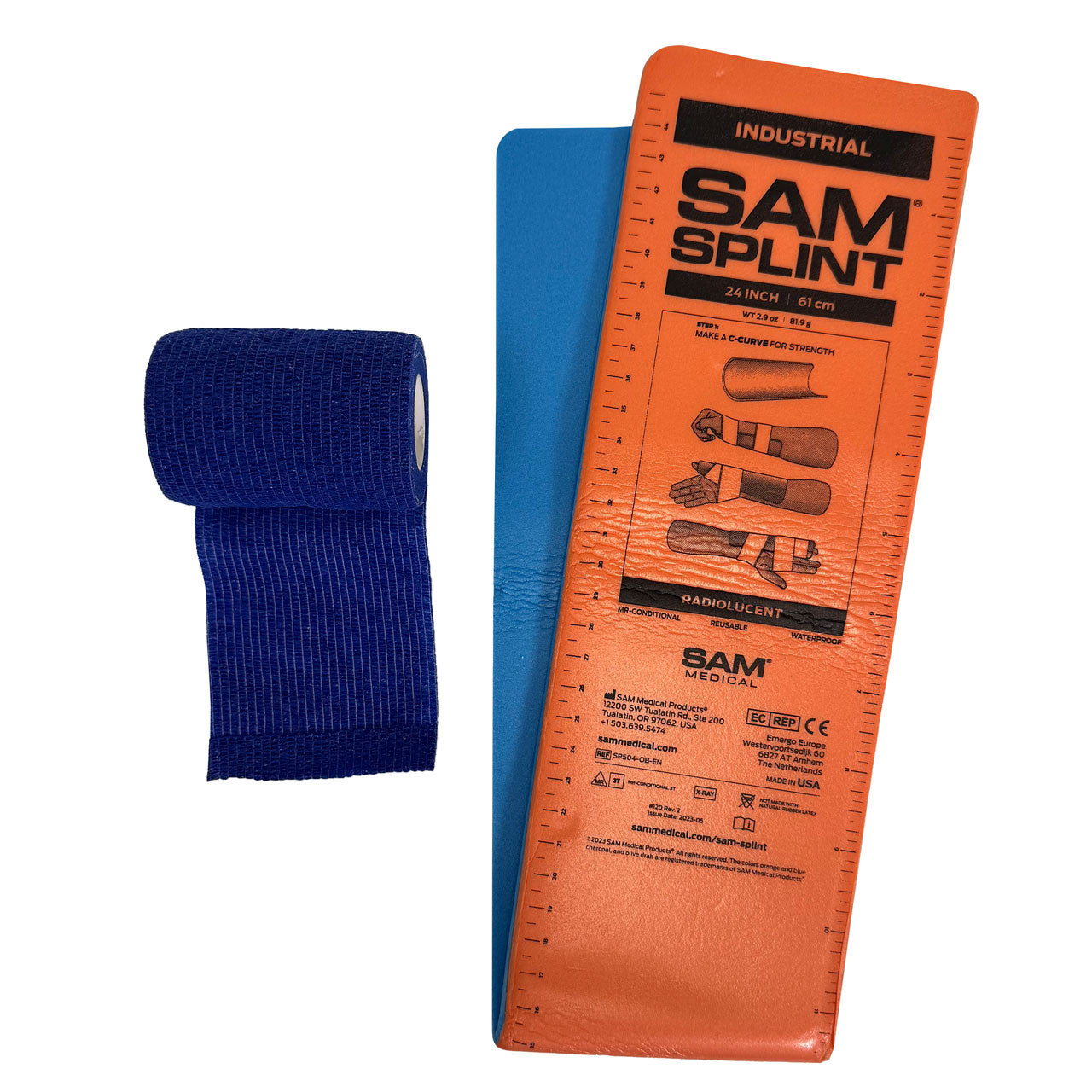
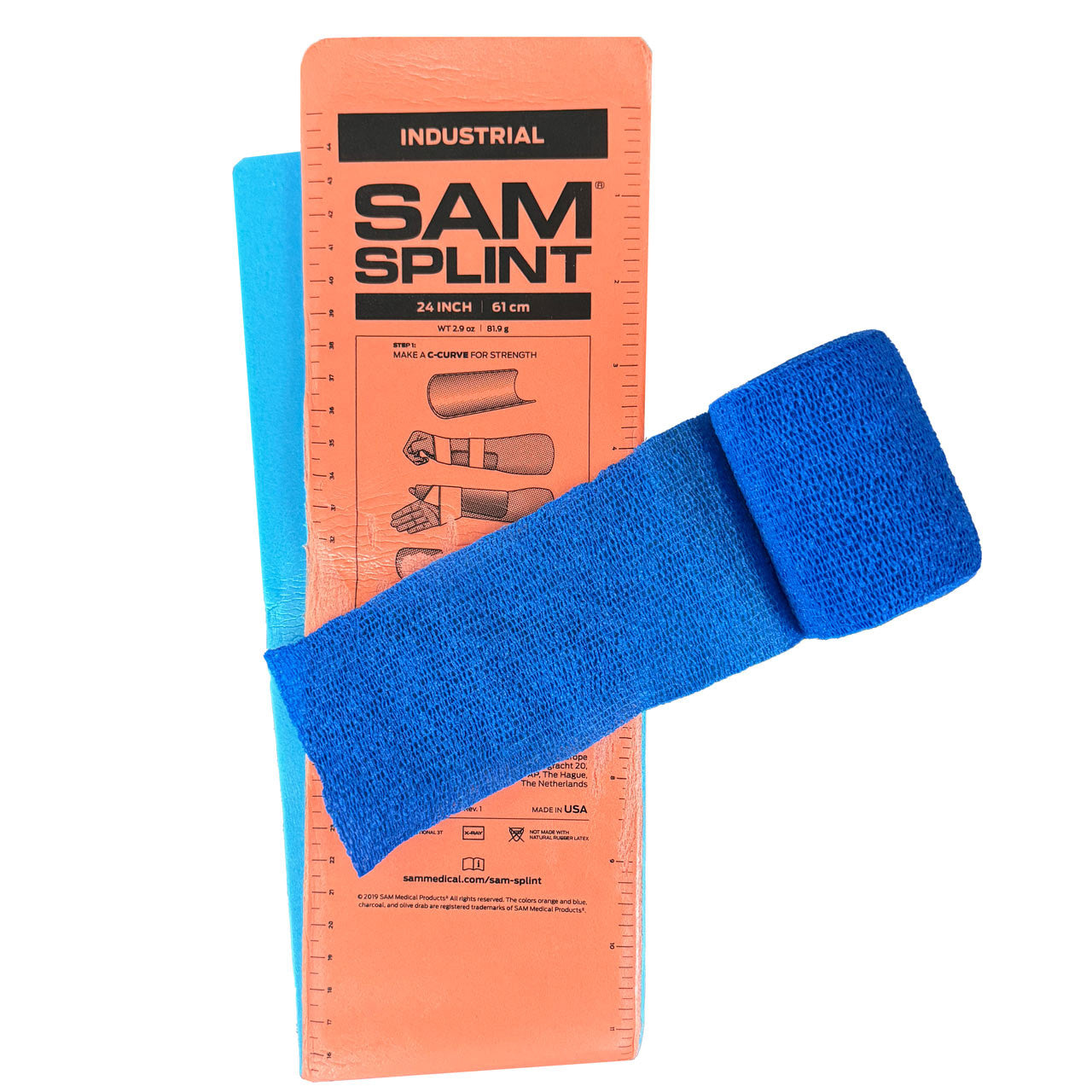
SAM Splint Combo Pack - (24" Orange/Blue Splint with Blue Cohesive Wrap)
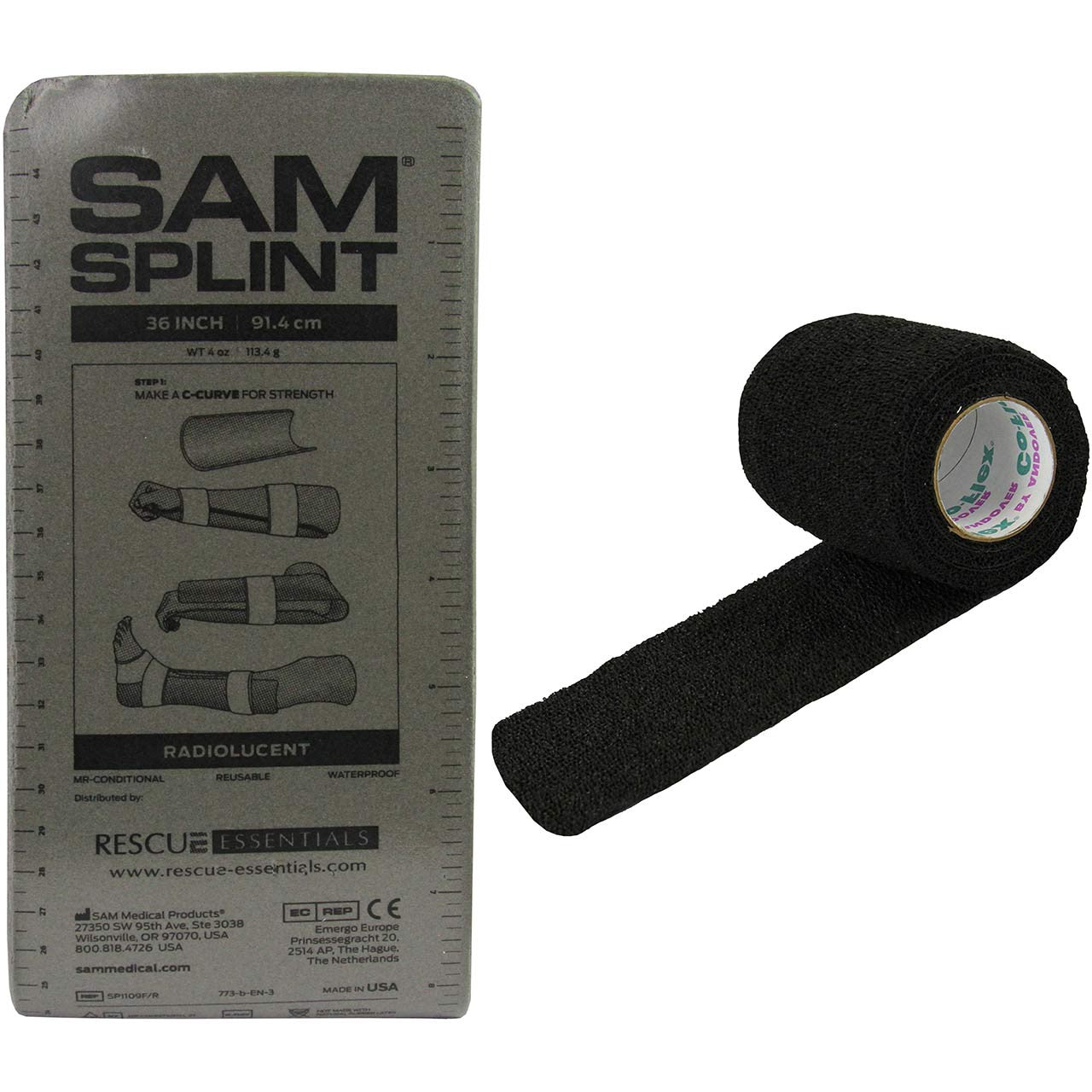
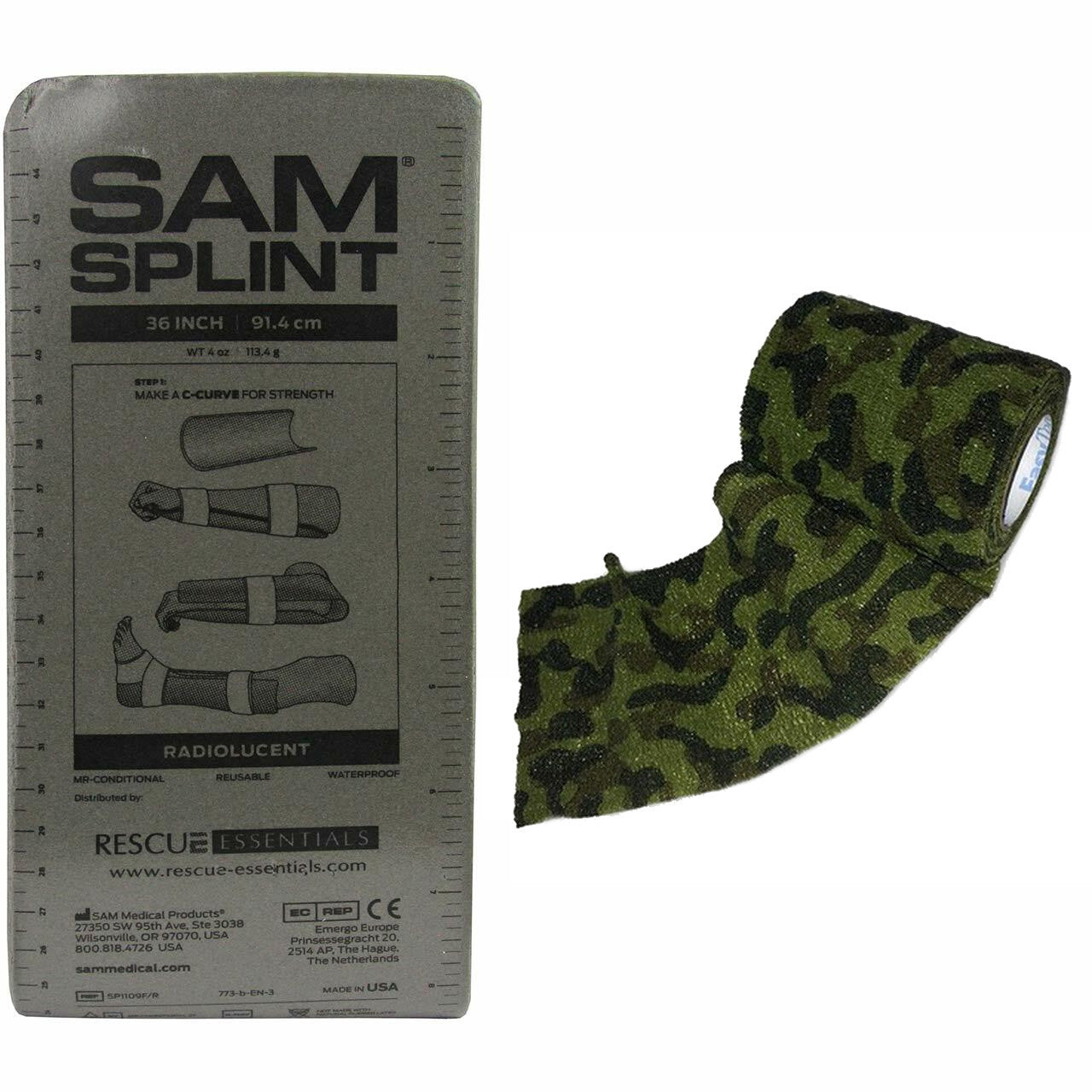
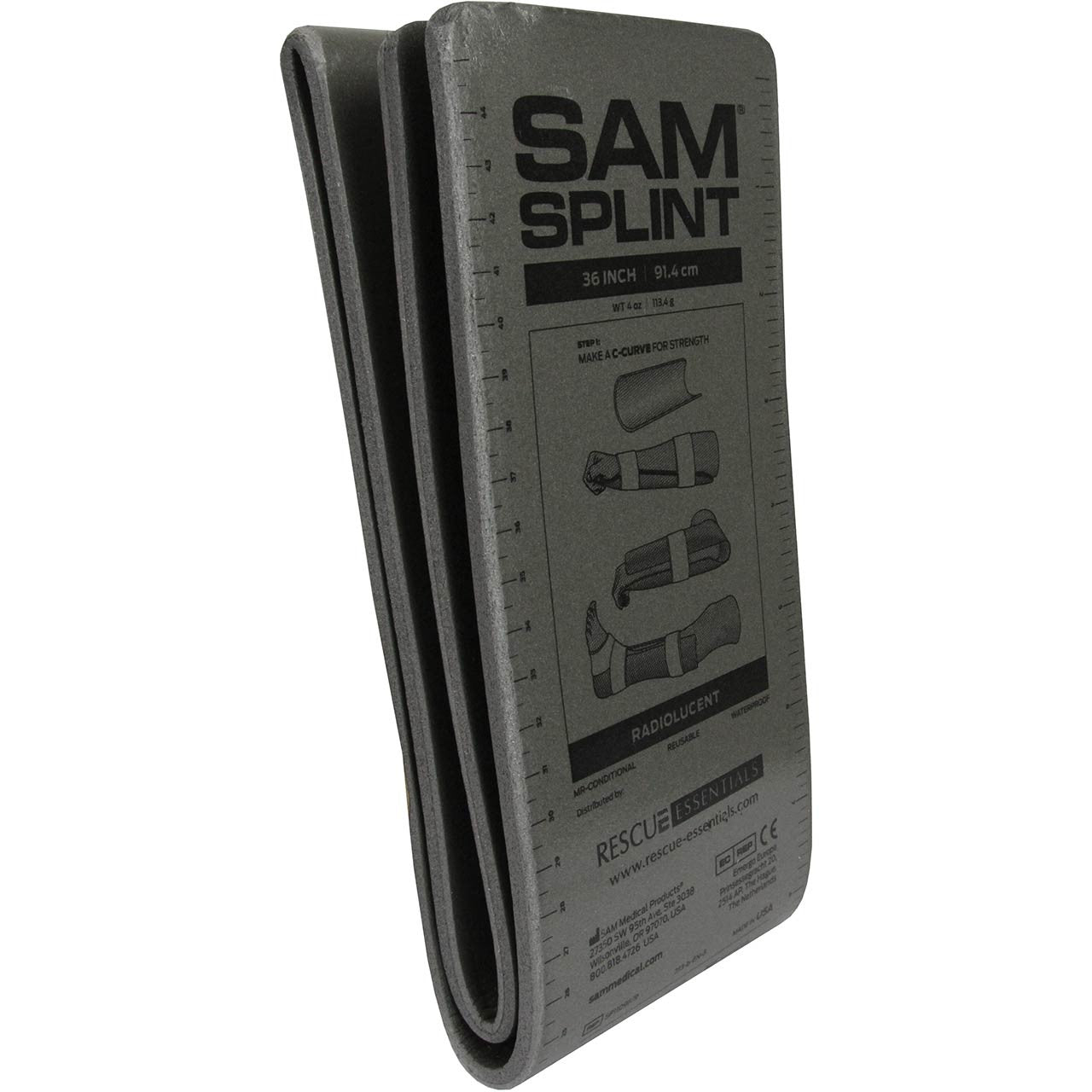

30-1638
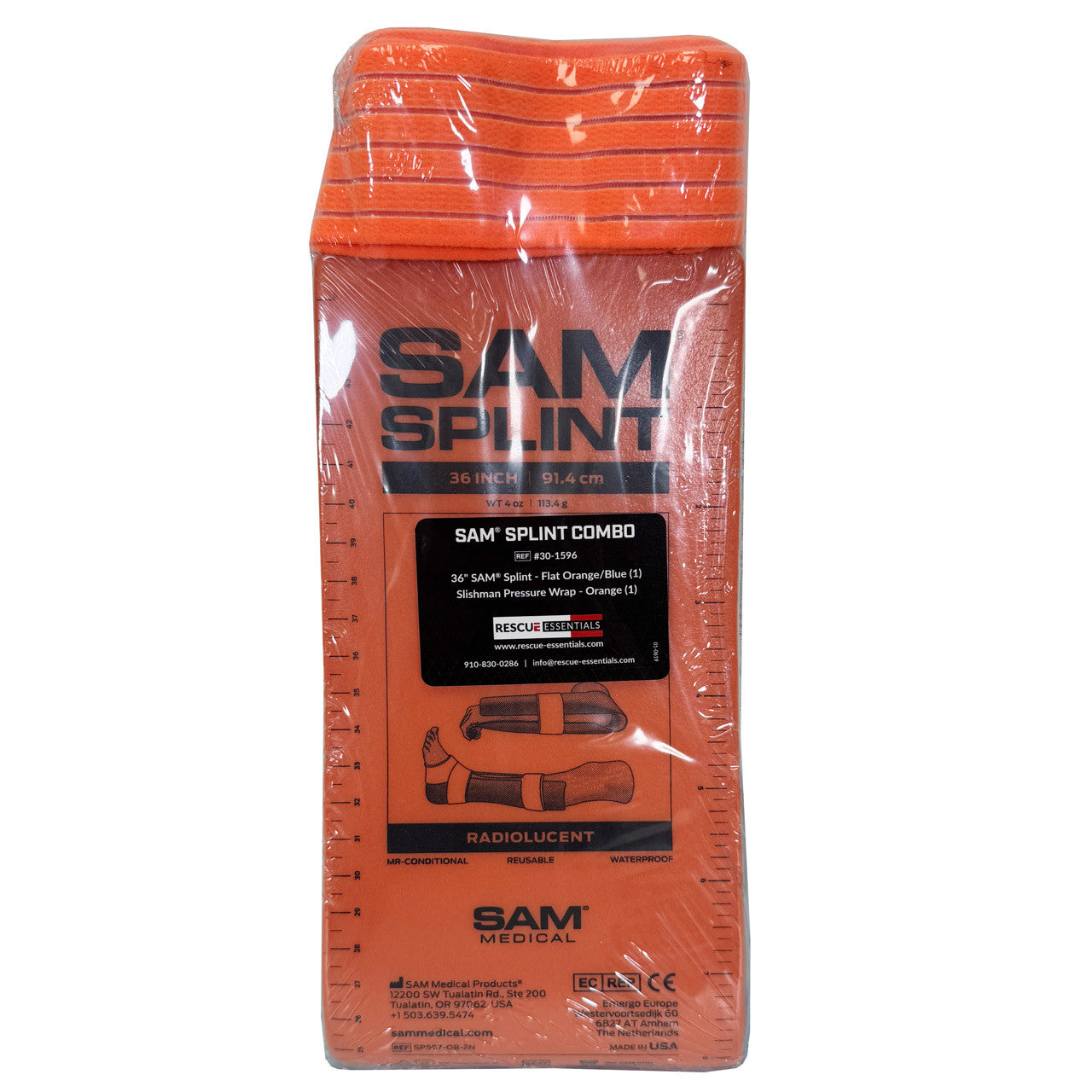
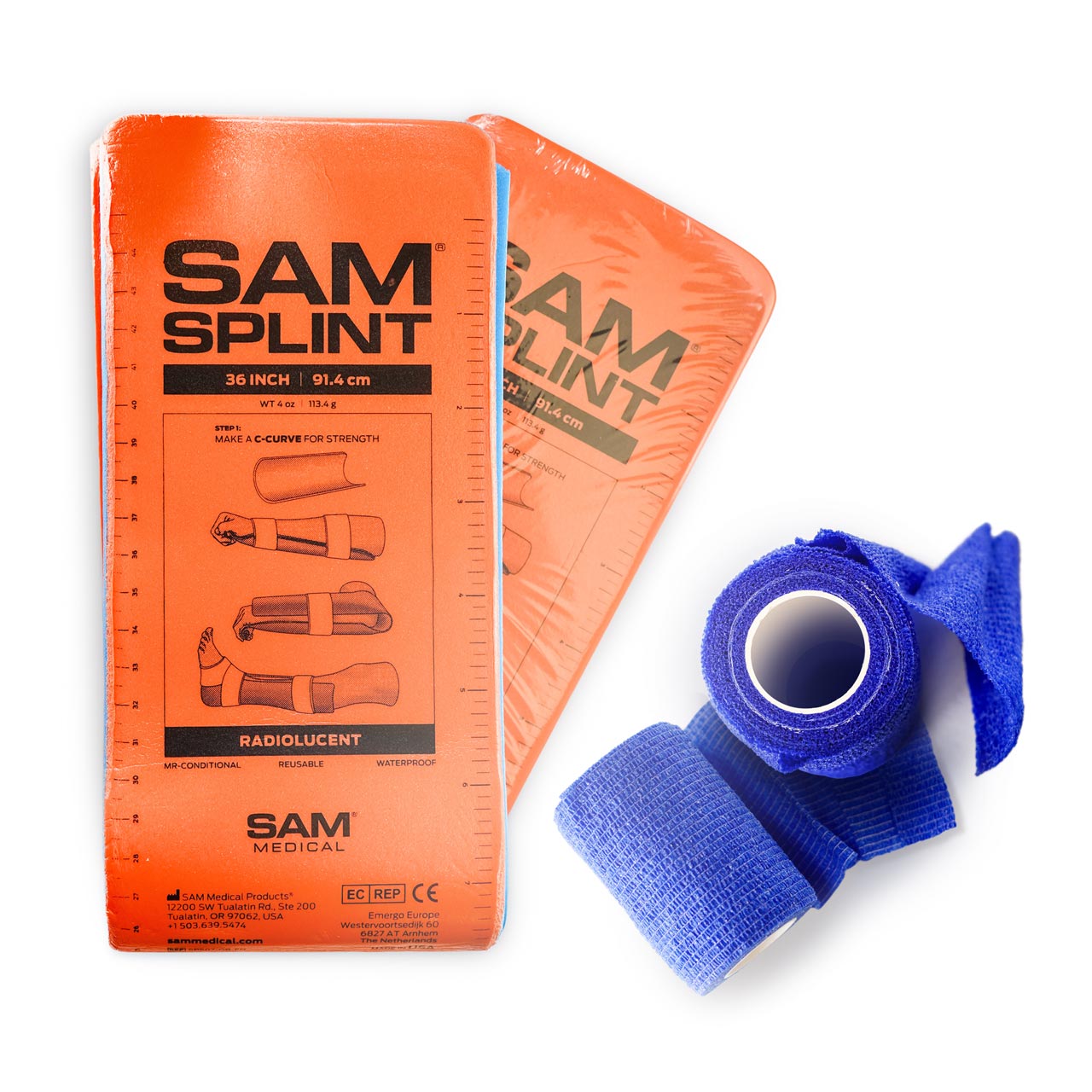
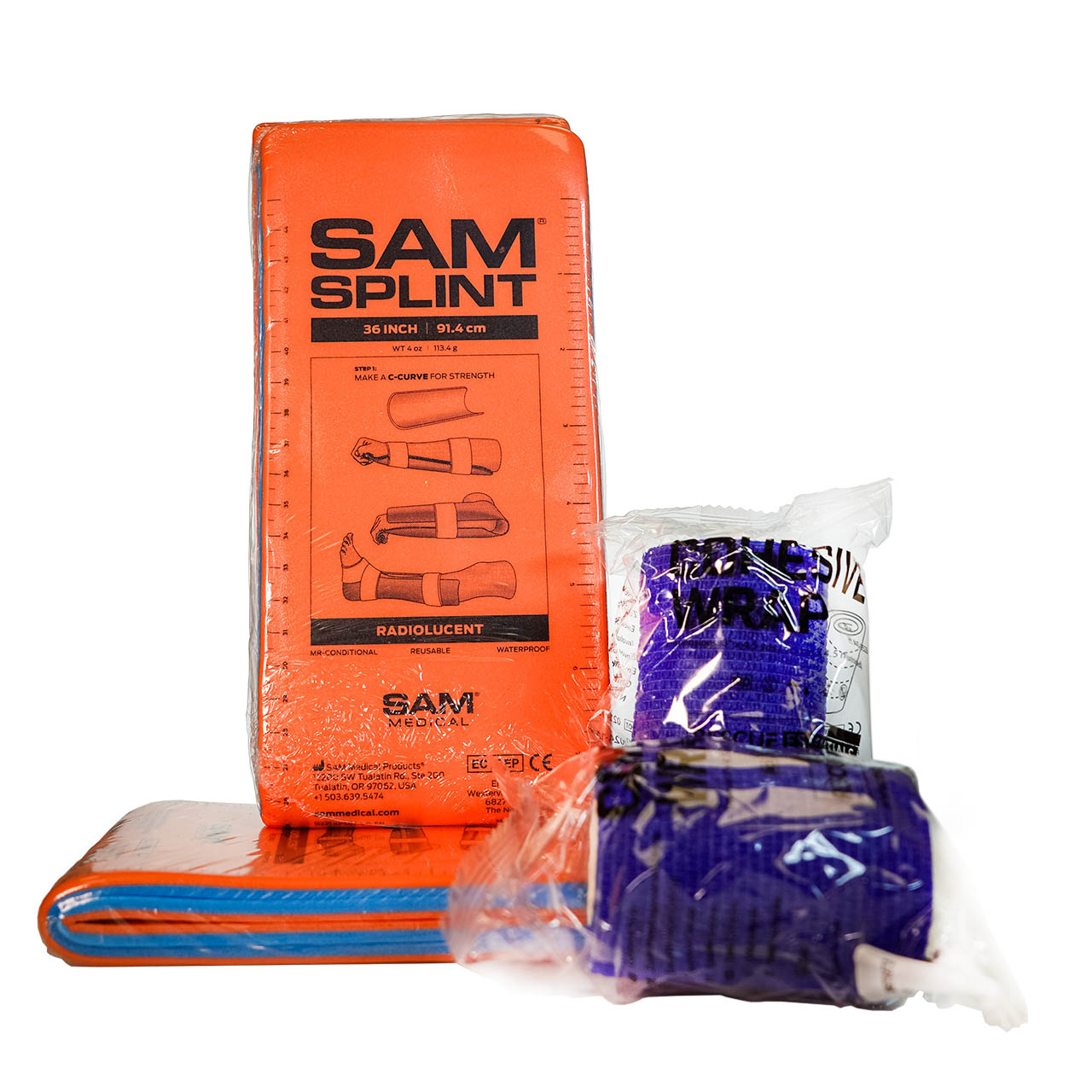
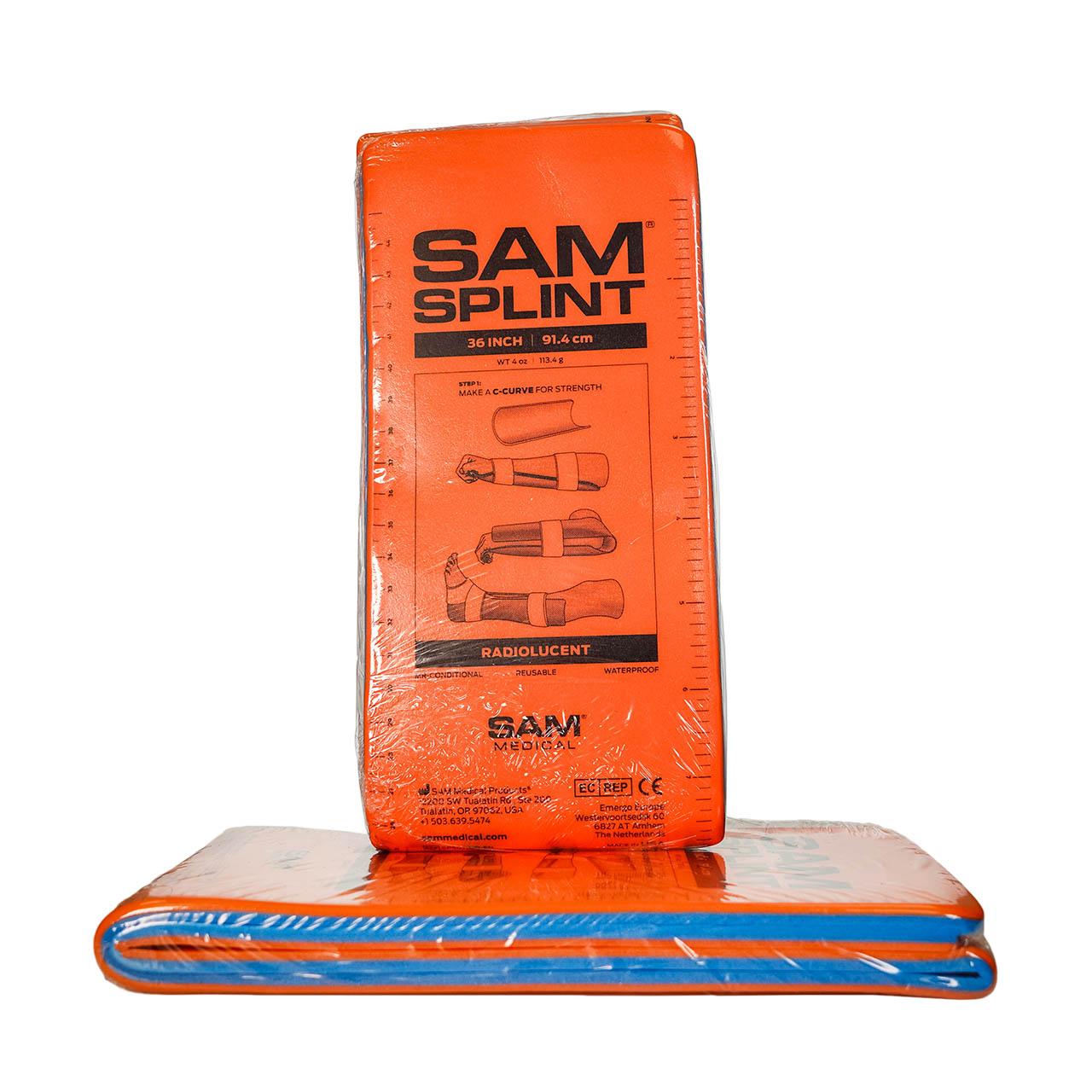
SAM® Splint Combo Pack (36" SAM Splint & Cohesive Wrap)
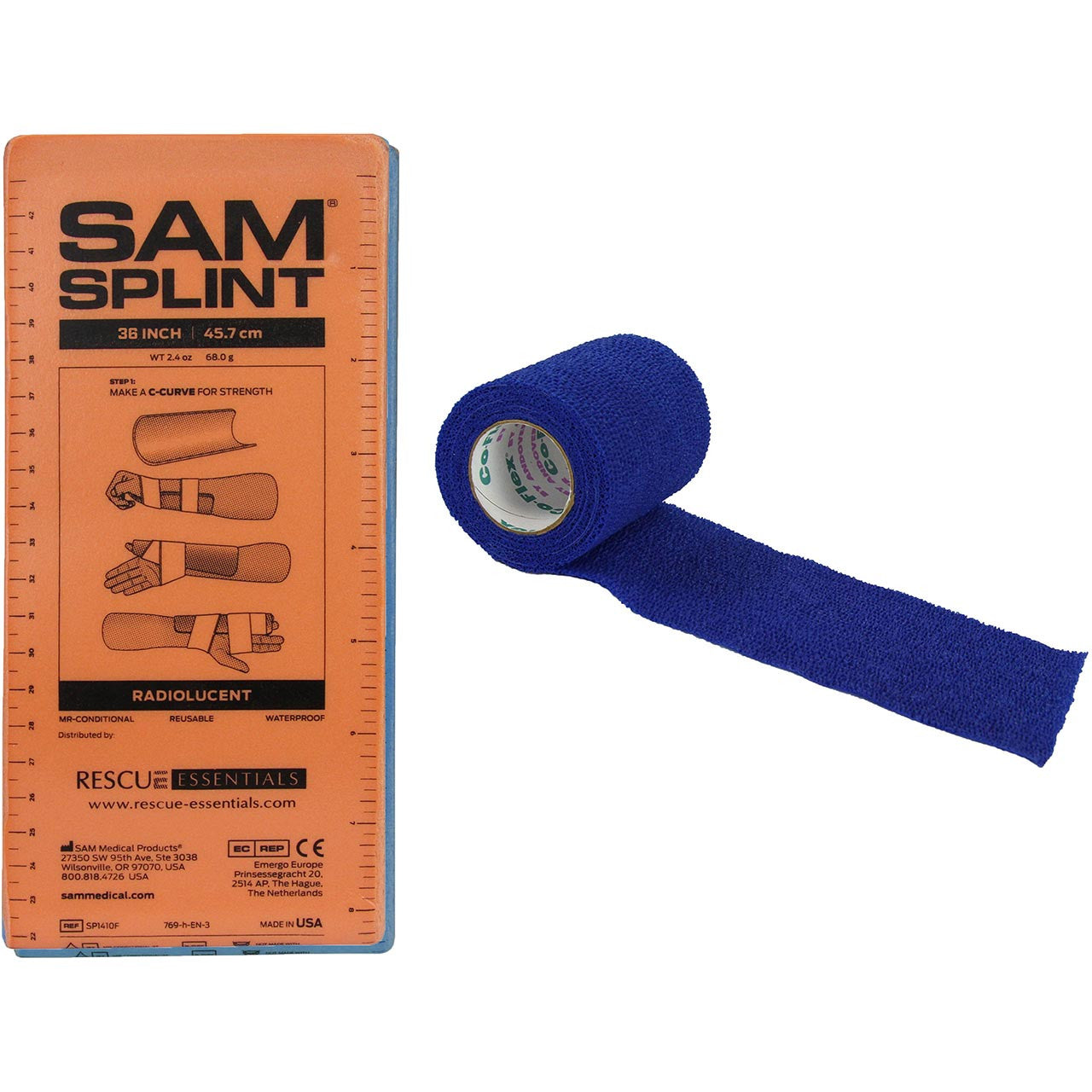
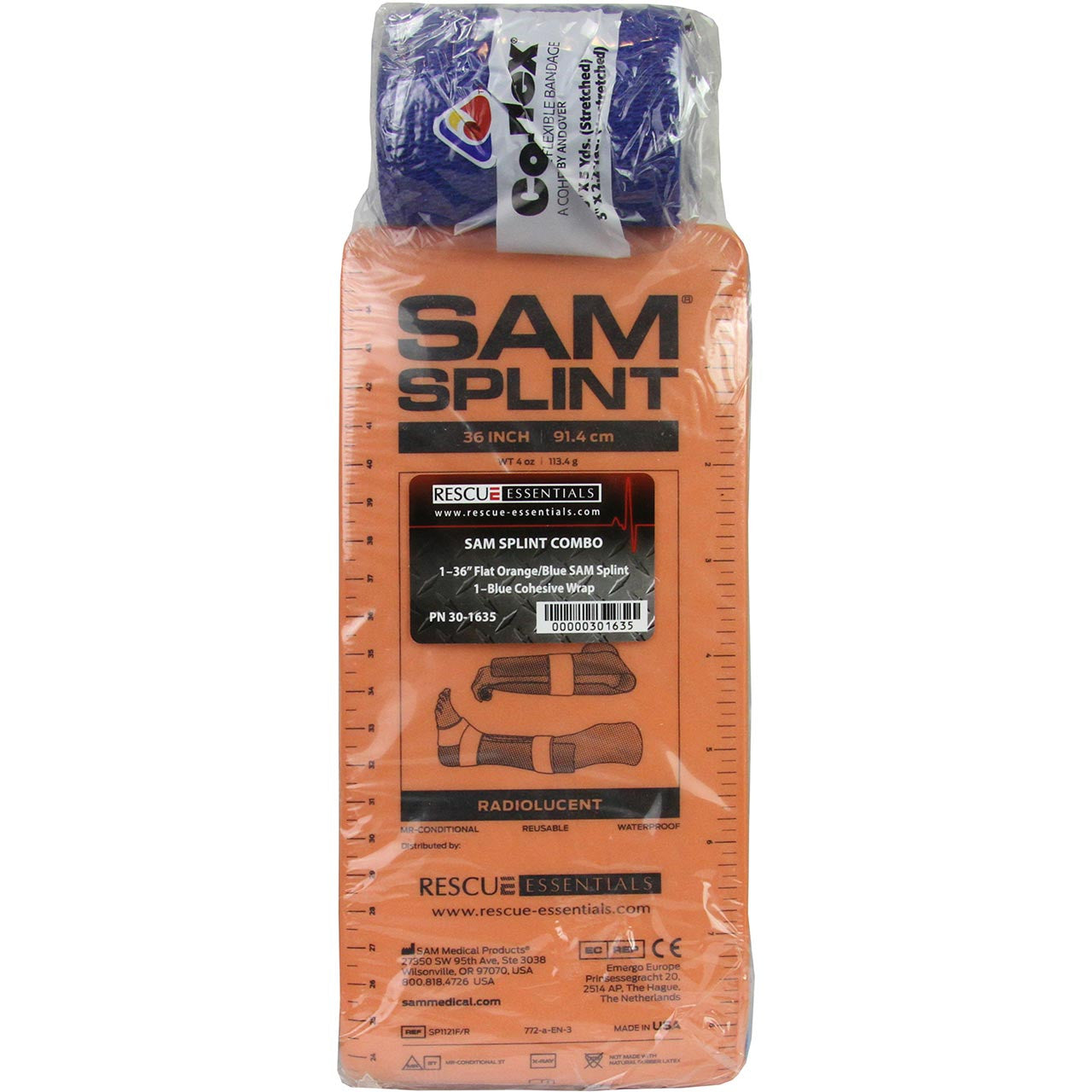
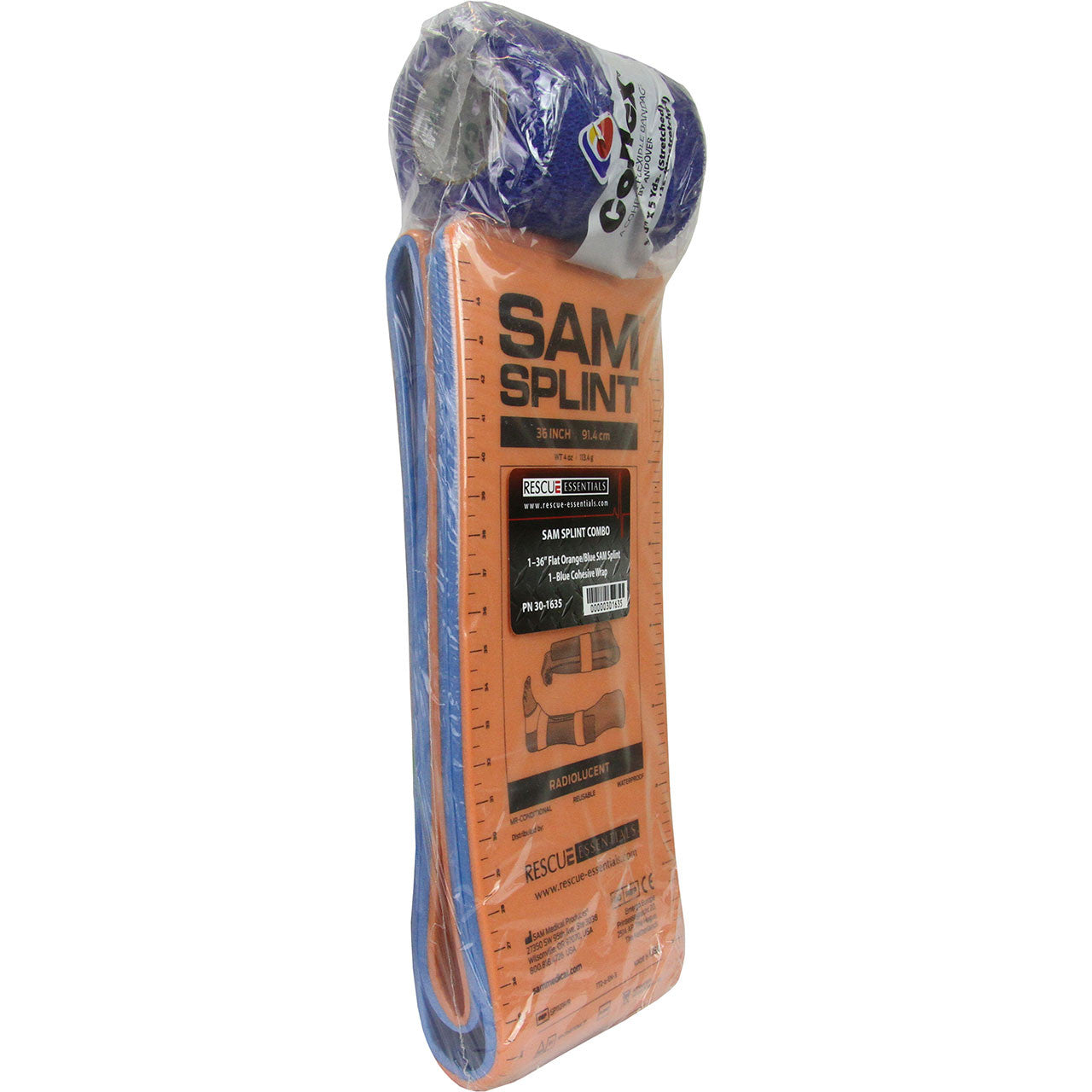
30-1635
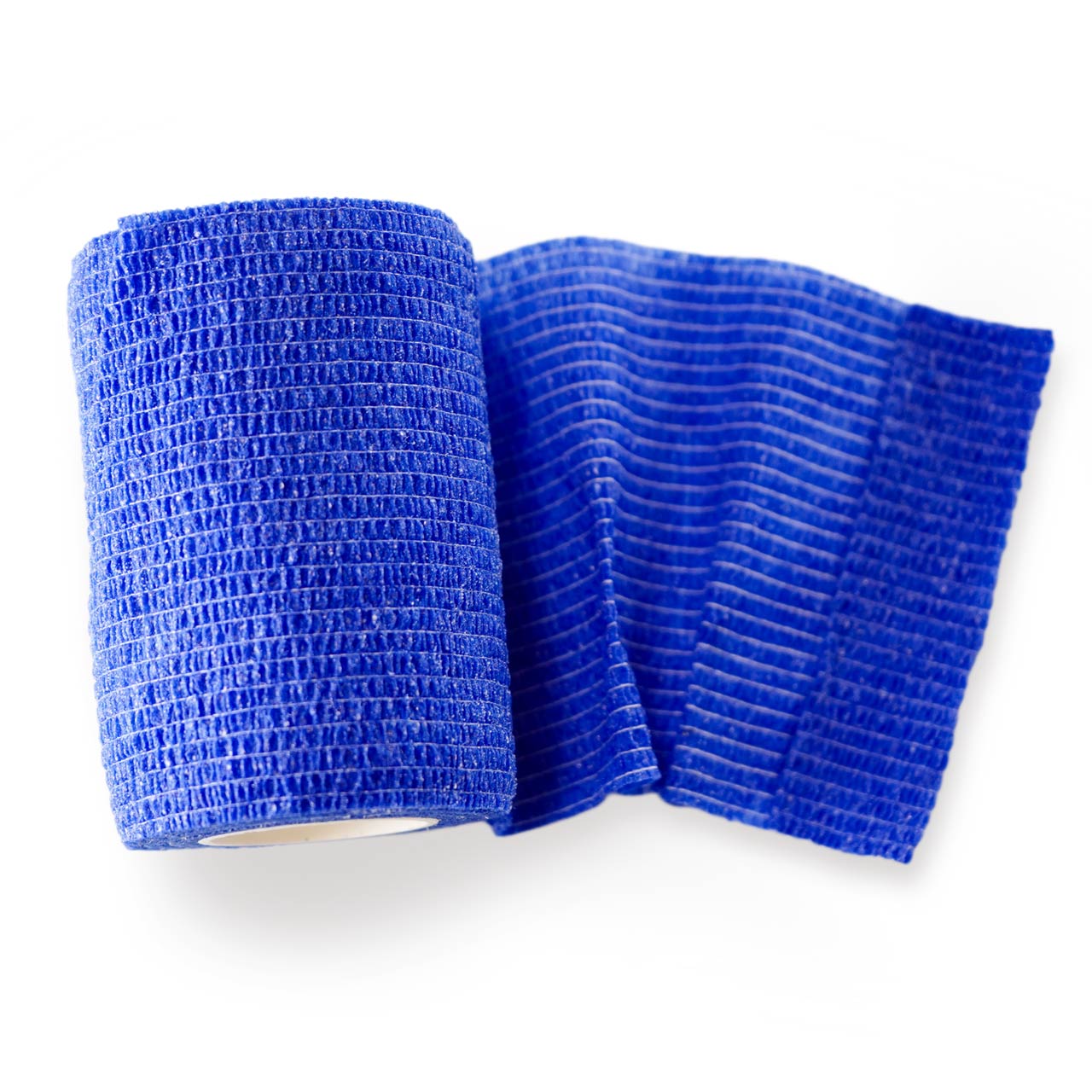
SAM® Splint Combo Pack (36" Orange/Blue Flat Splint & Blue Cohesive Wrap)
30-1644
SAM® Splint Combo Pack (2 Orange/Blue 36" Splints & 2 Blue Cohesive Wrap)

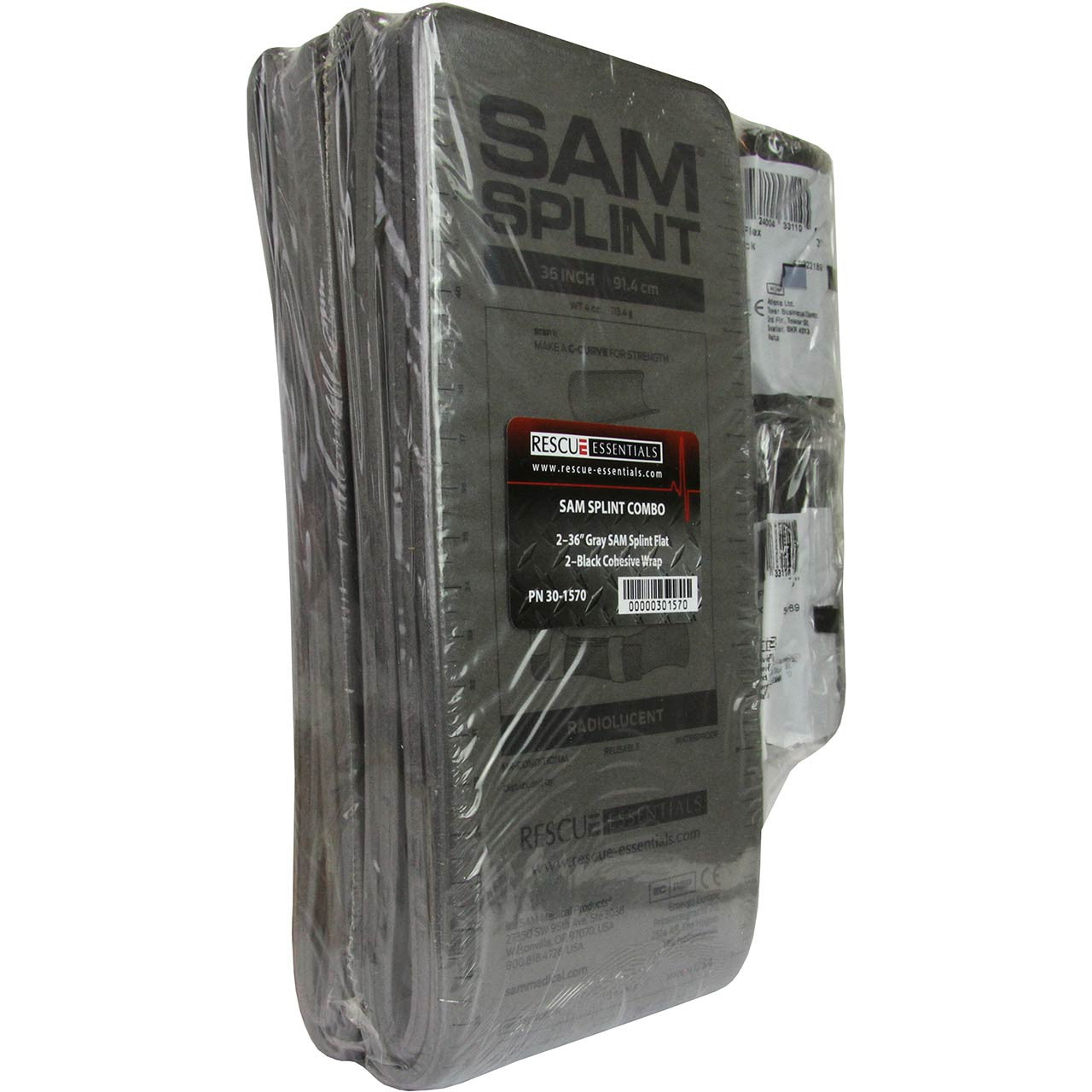
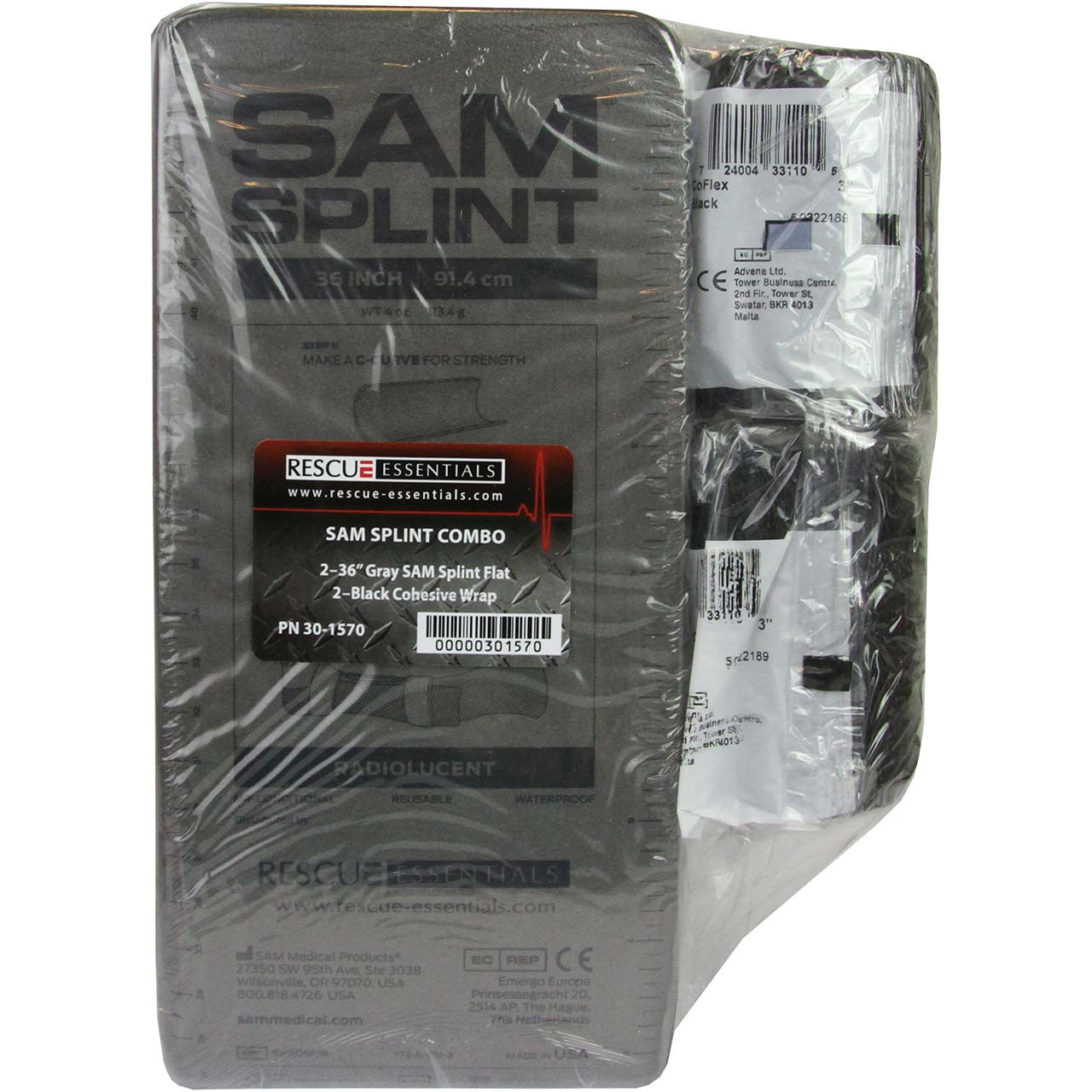

30-1570
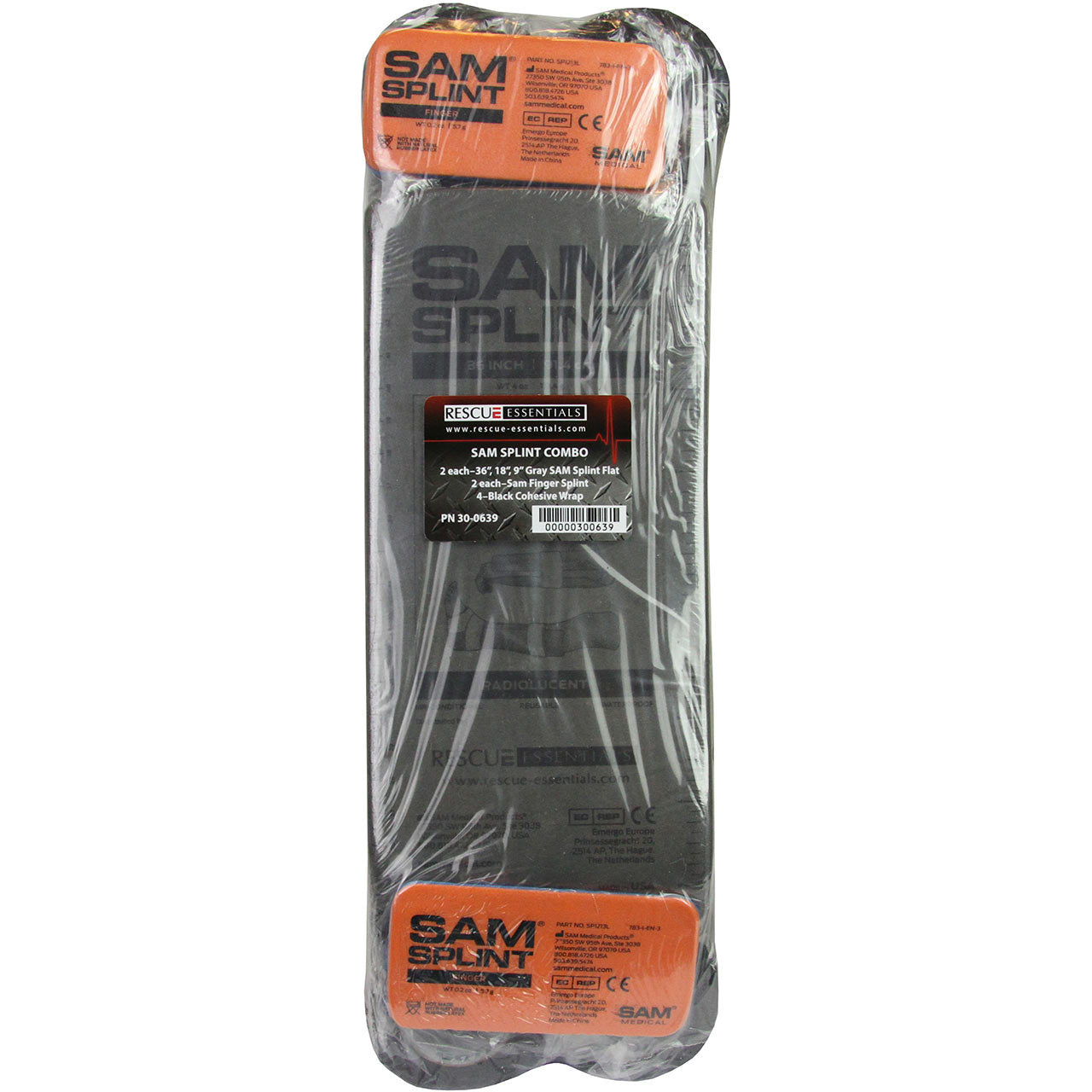
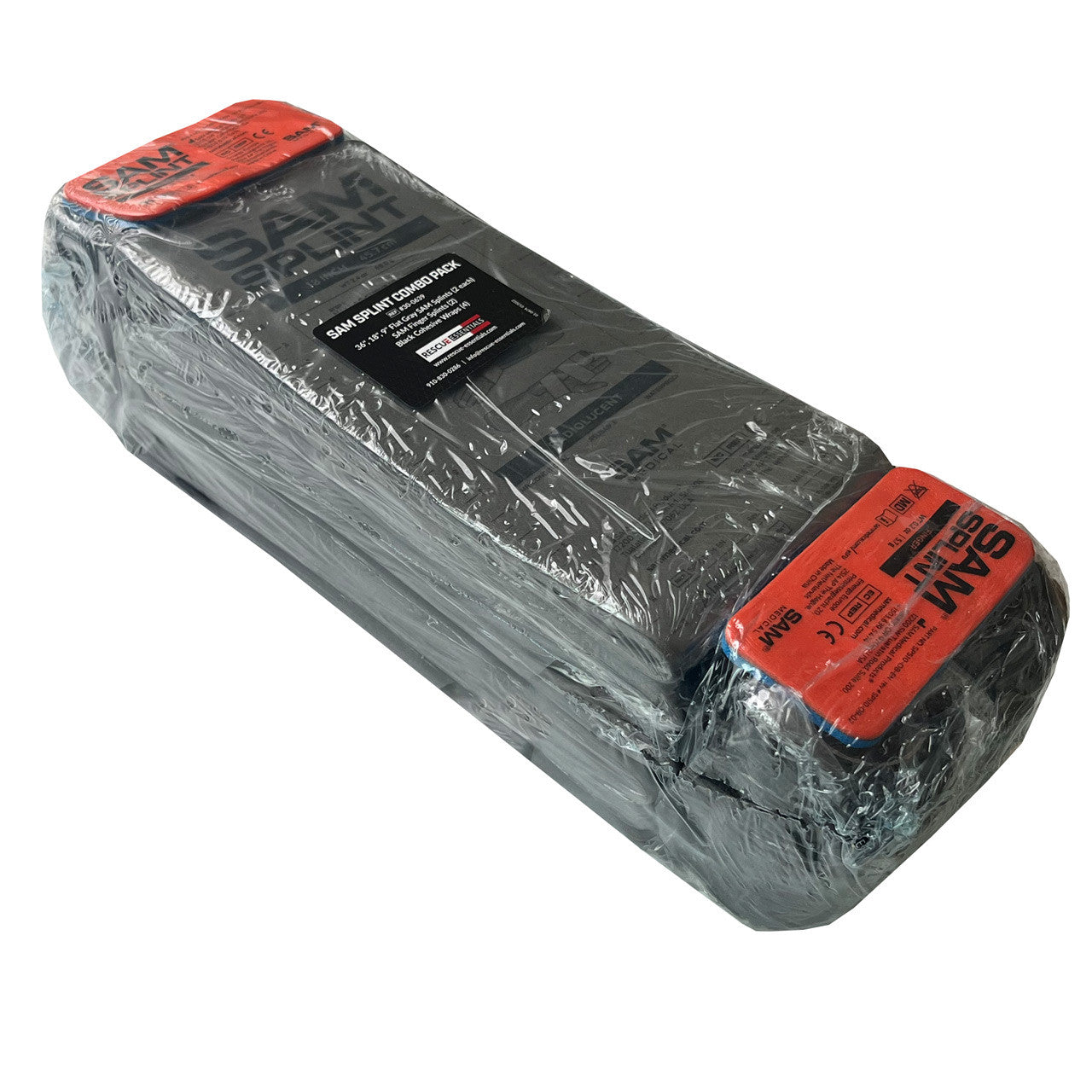
SAM® Splint Combo Pack (2 Gray 36" Flat SAM Splints & 2 Black Cohesive Wrap)

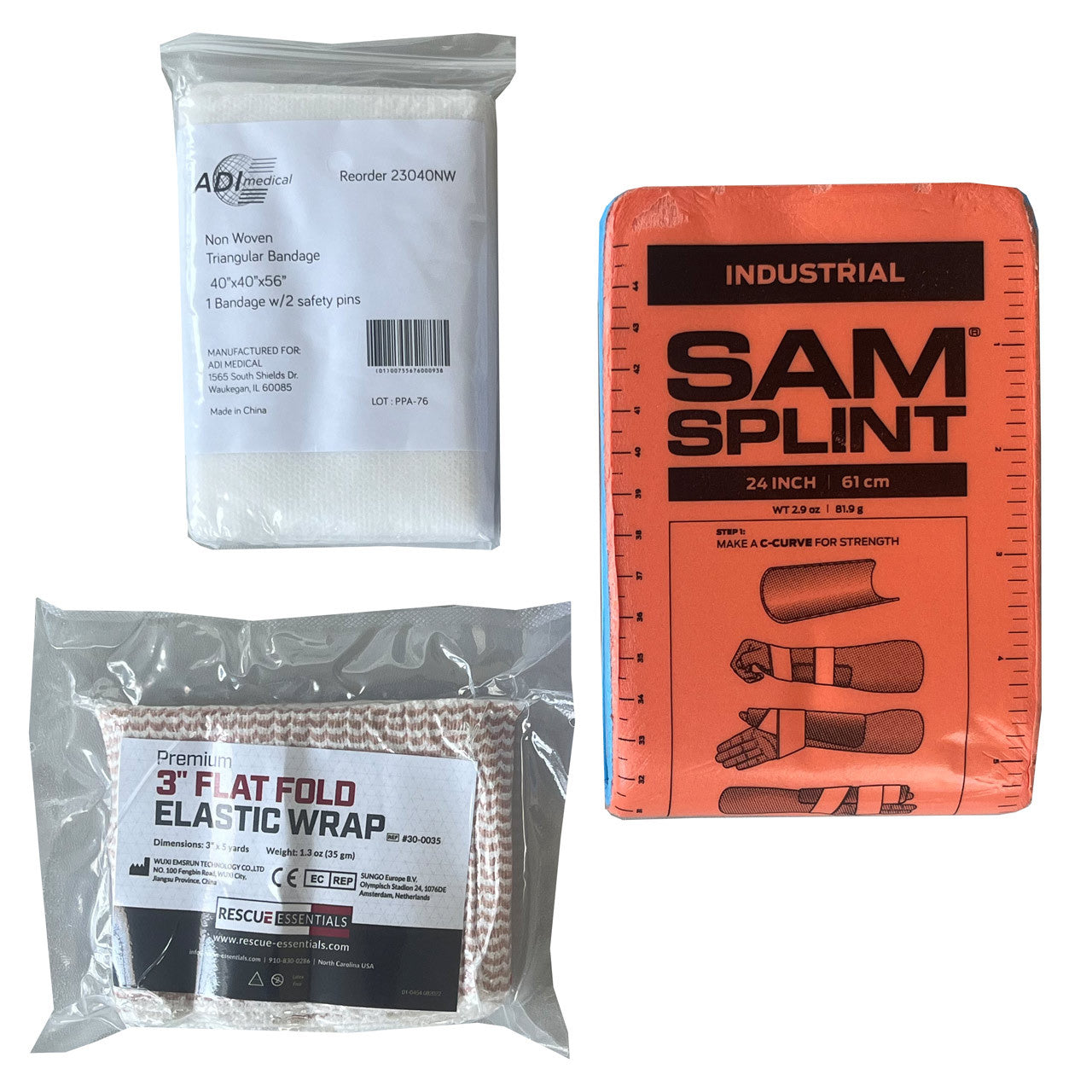


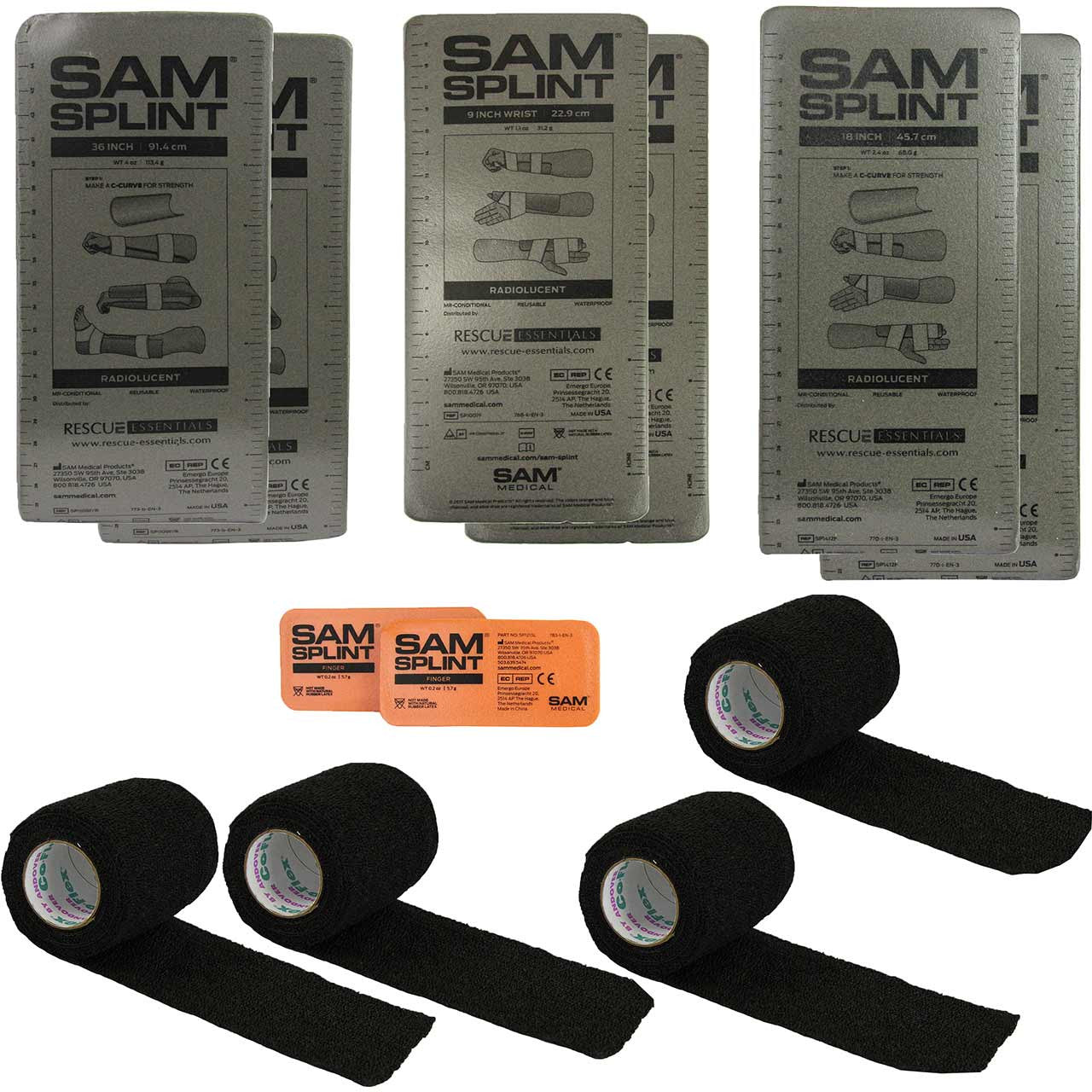




30-1577
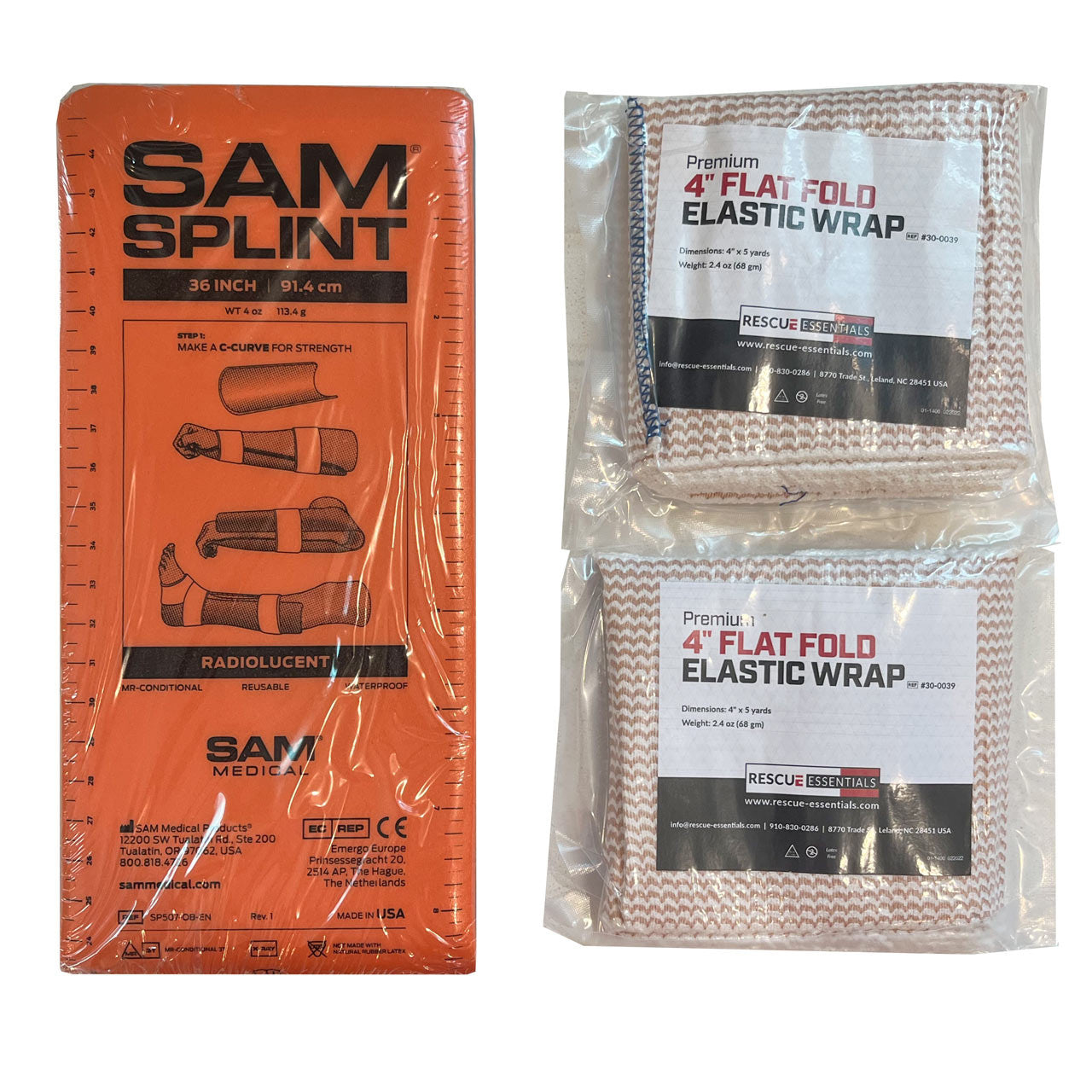
SAM Splint Combo Pack - (36" Orange/Blue Flat Splint with 4" Elastic Wraps)



30-1510



FAQs
What makes SAM Splints different from traditional fiberglass splints?
How do SAM Splints get their strength?
Can a SAM Splint be used as a cervical collar?
What size SAM Splint should I carry?
How do I secure a SAM Splint to an injured limb?
Are SAM Splints reusable?
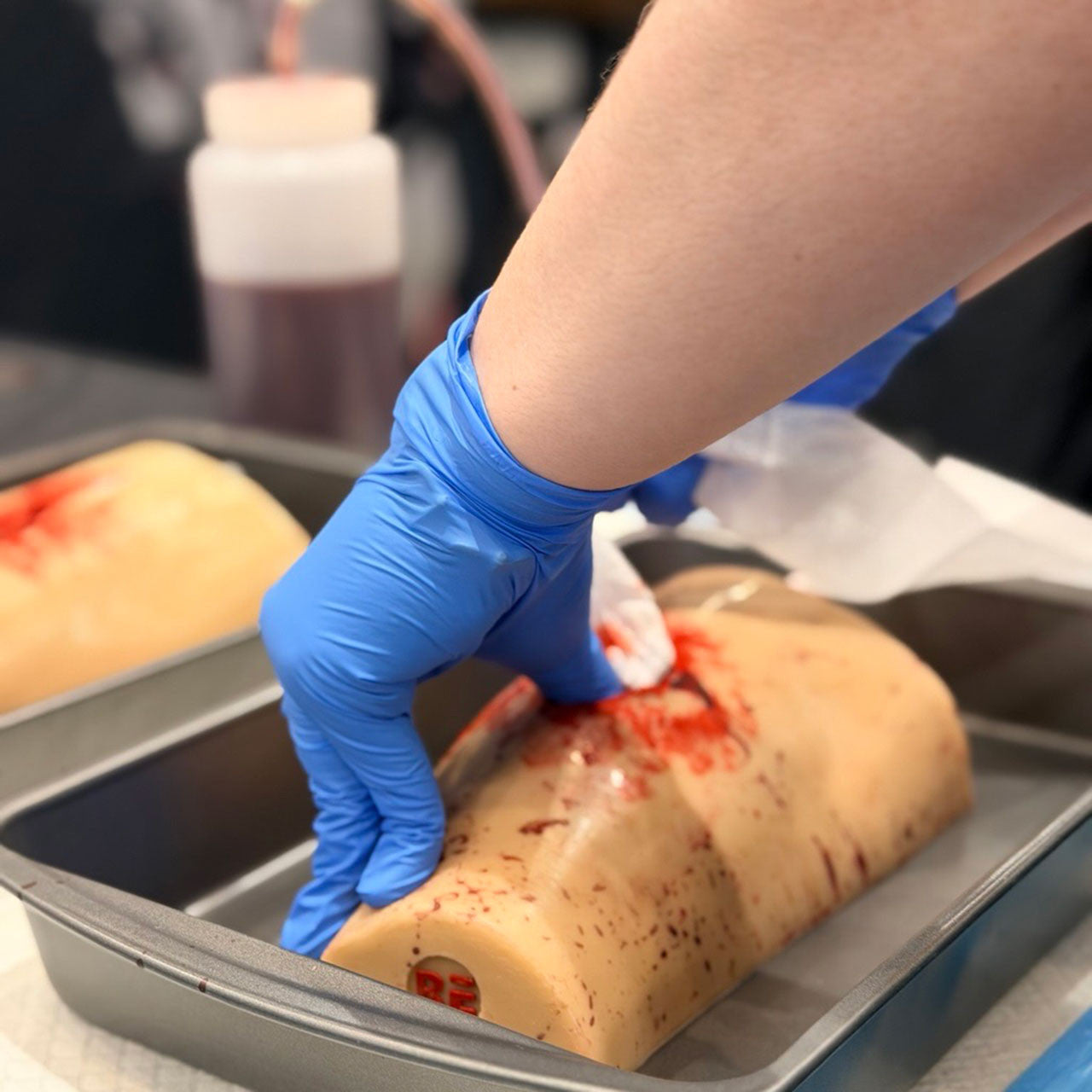
Need Training?
Rescue Essentials is proud to partner with accredited Stop the Bleed trainers throughout the U.S.