
Best Sellers


SKU:
50-0316
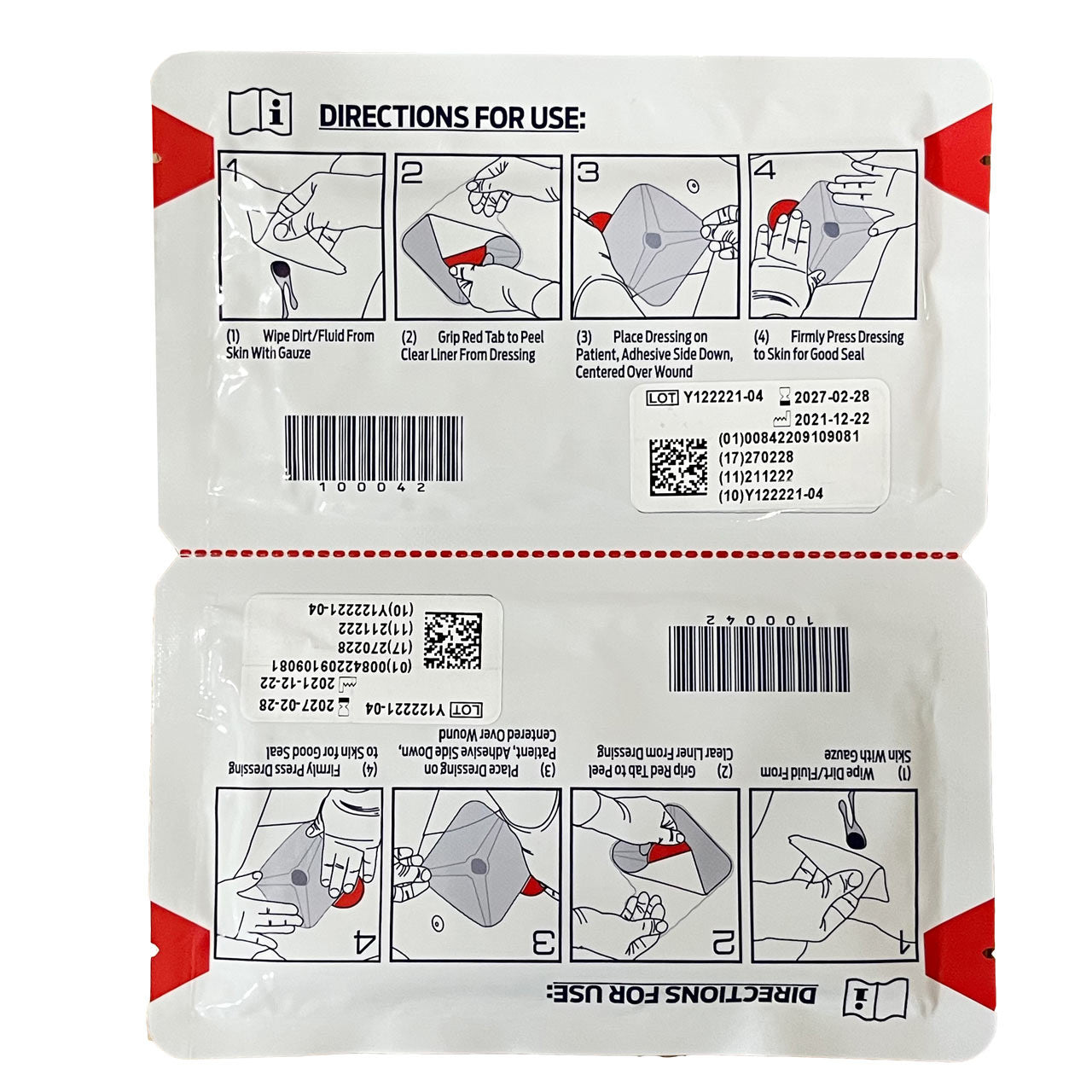
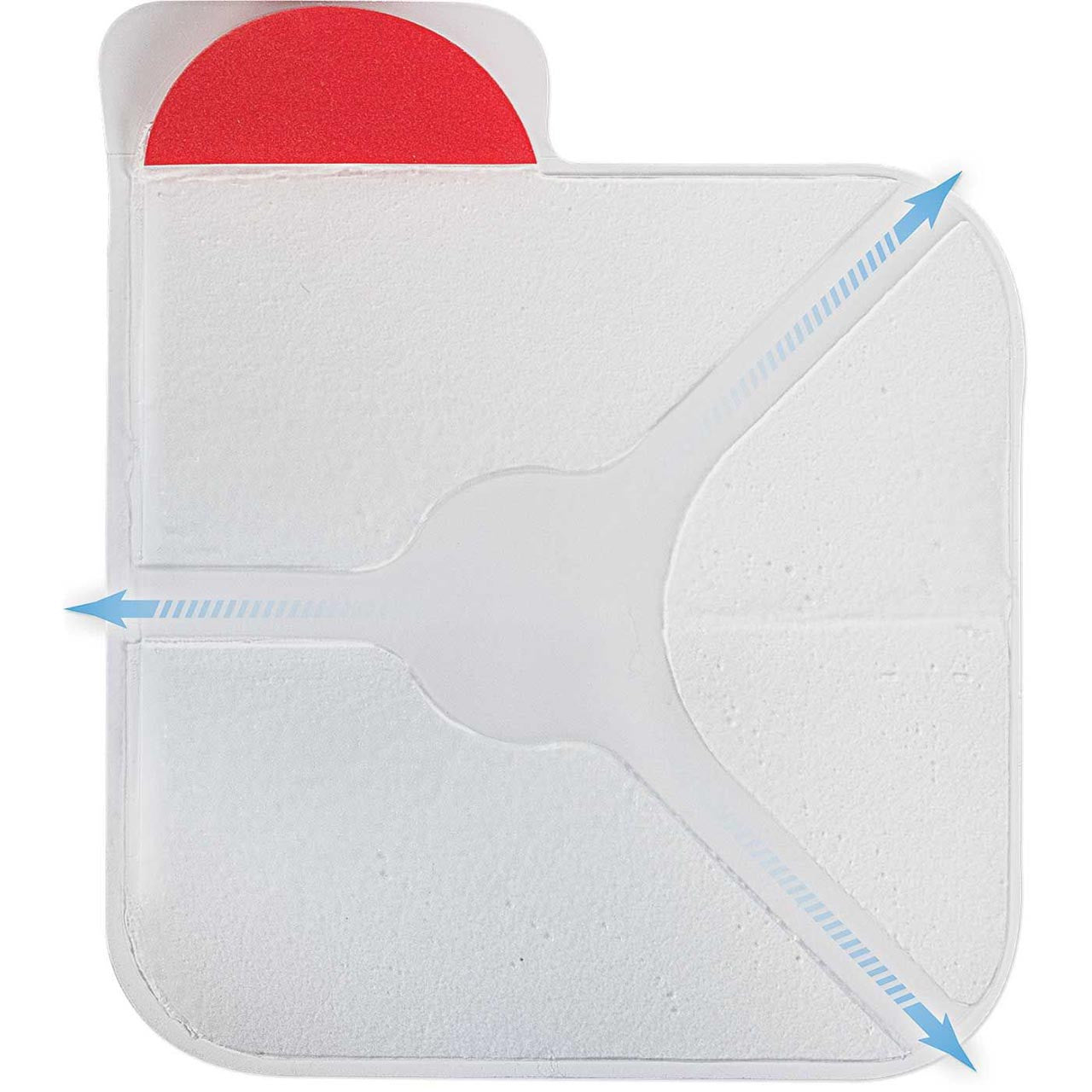
Hyfin Vent COMPACT Chest Seal Twin Pack
$14.95
Best Sellers
Best Sellers


SKU:
50-0119
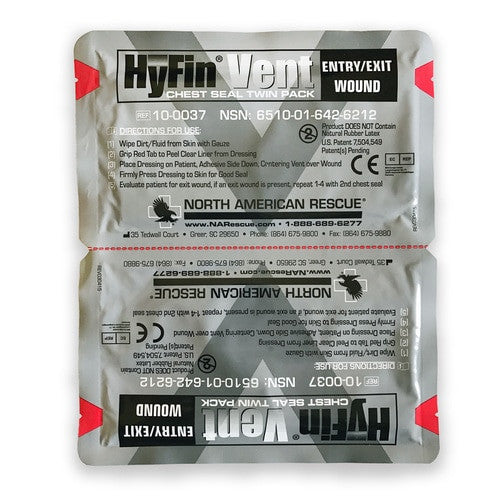
Hyfin® Vent Chest Seal Twin Pack
$17.95
Best Sellers


SKU:
50-0320
$11.99



SKU:
50-0321
$12.99
Best Sellers

SKU:
50-0324
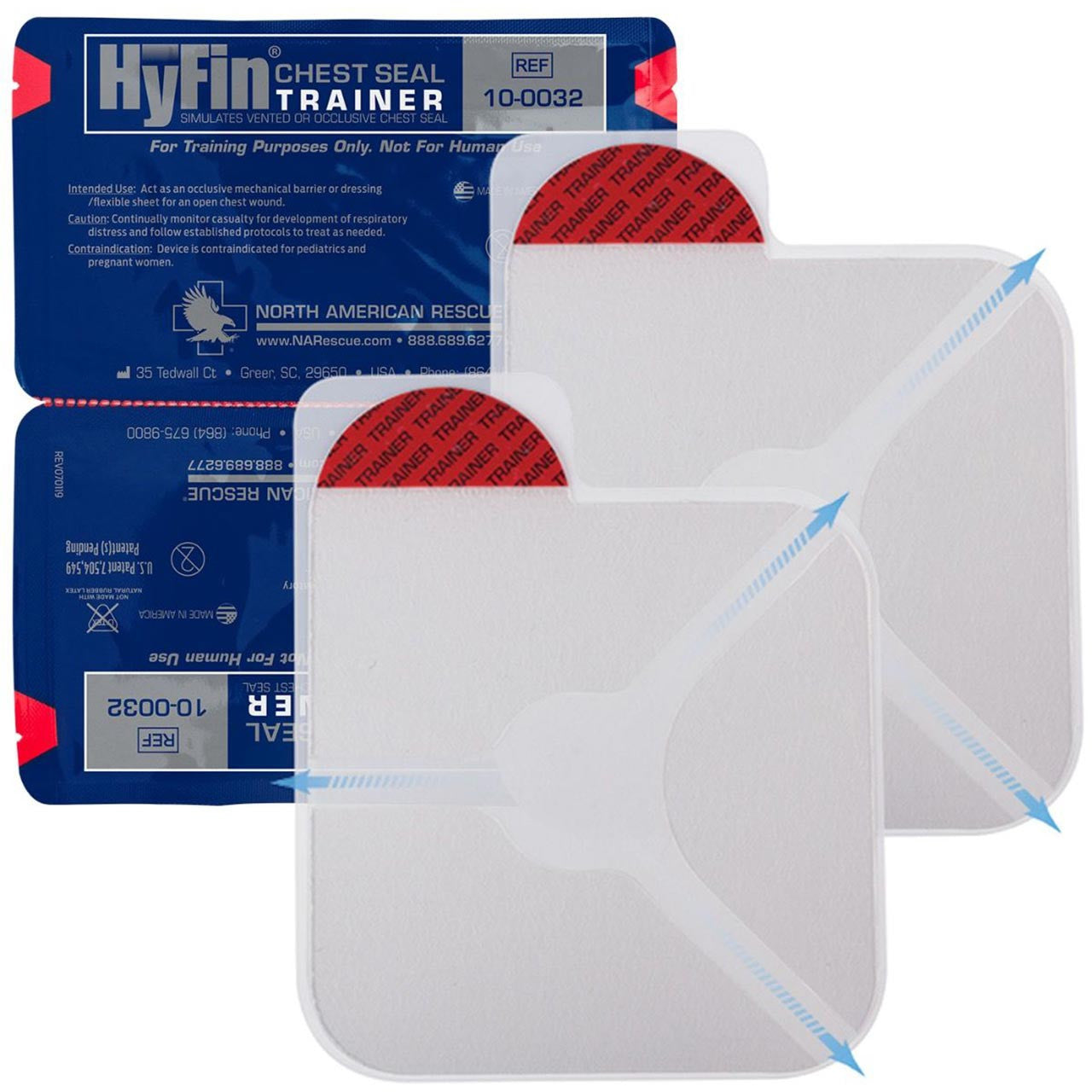
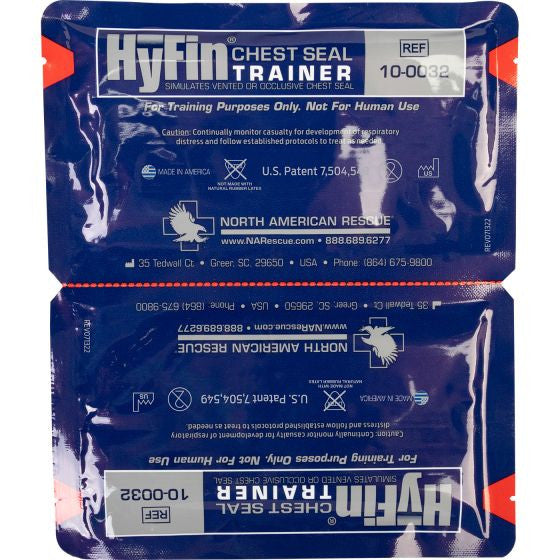
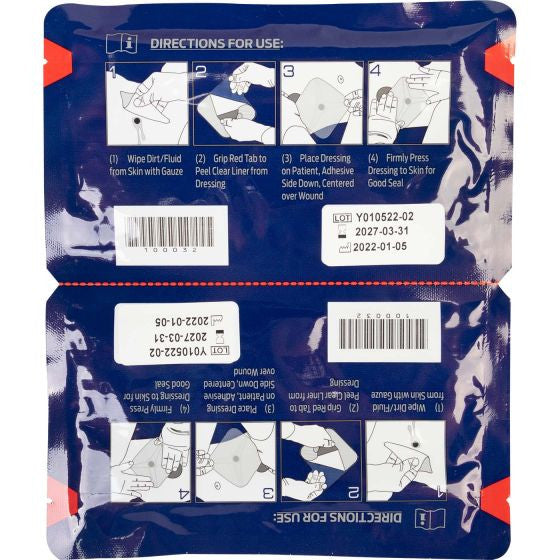
NAR Hyfin Chest Seal Trainer, Two Pack
$16.25
Best Sellers

SKU:
50-0095

SKU:
50-0065
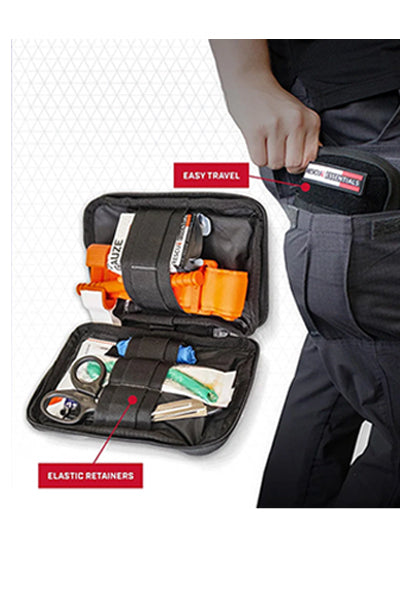
Save 25% on the CFAK now!
Save on the CFAK (Compact IFAK) - loaded with TCCC components like a tourniquet and chest seal, yet can fit in a pocket!


SKU:
50-0110


SKU:
50-0135
ON BACKORDER


SKU:
50-0106


SKU:
50-0112
$19.95

SKU:
50-0100
$33.31


SKU:
50-0109
$22.50

SKU:
50-0104


SKU:
40-0640


SKU:
50-0317
$20.75
Best Sellers


SKU:
50-0102
Simu-Seal Chest Seal Trainer (One or Two-Pack)
From $4.85
Best Sellers


SKU:
50-0090
$13.95


SKU:
50-0094
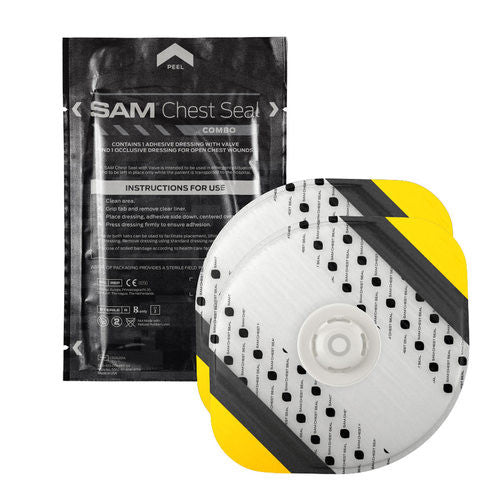
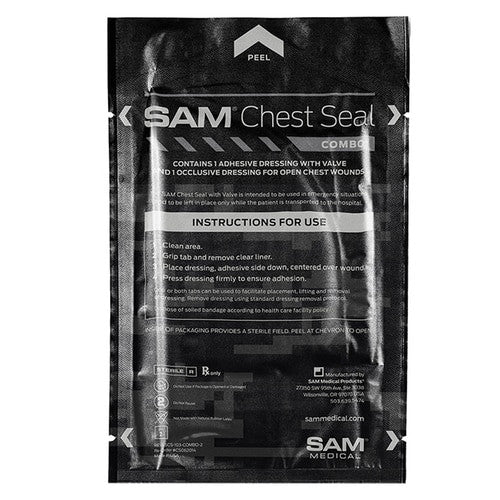
SKU:
50-0125
SaleSave 37%
Sale


SKU:
50-0115
Sale price$14.97Regular price
$23.95
SaleSave 37%
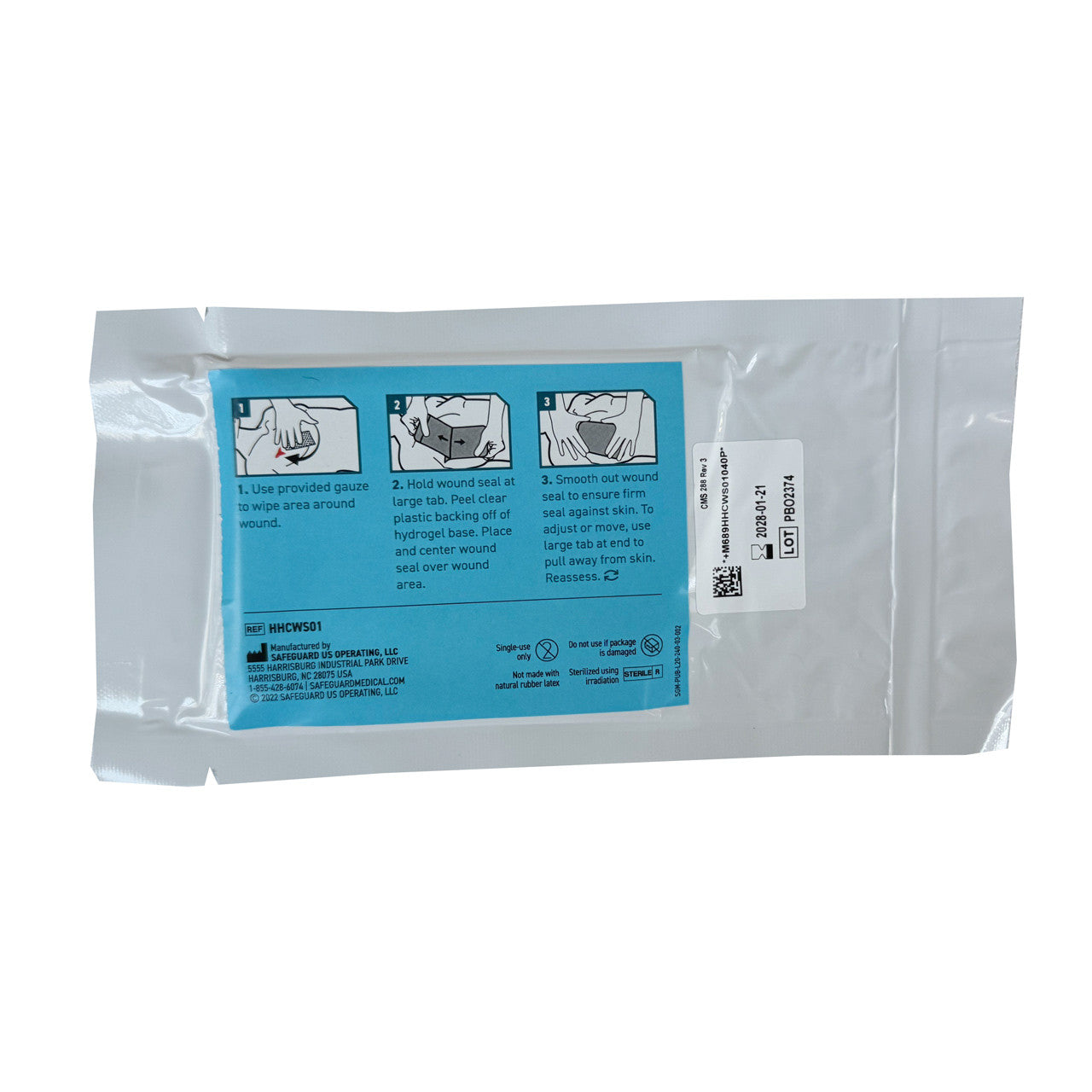
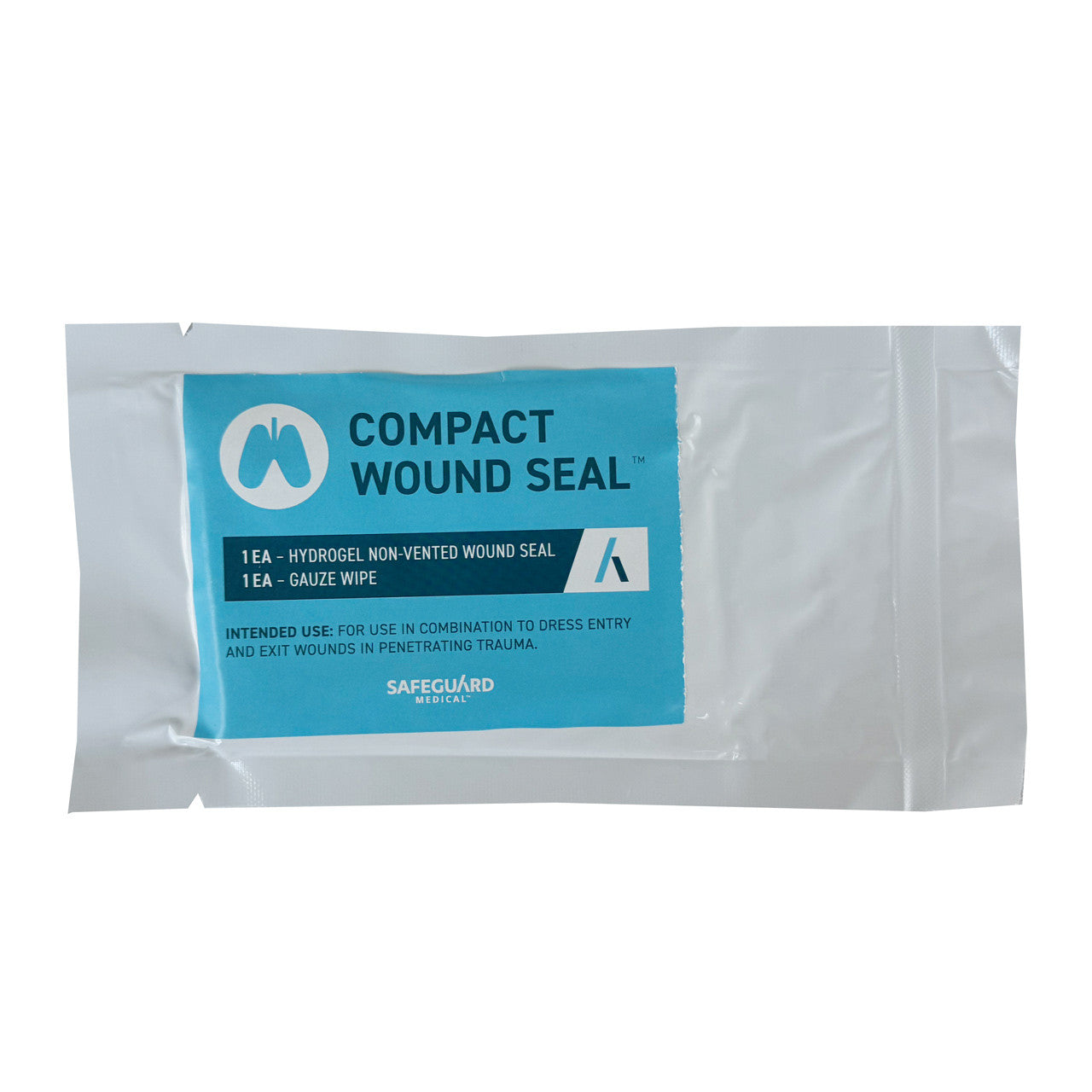
SKU:
50-0105
$15.41


FAQs
What type of chest seal should I buy for my needs?
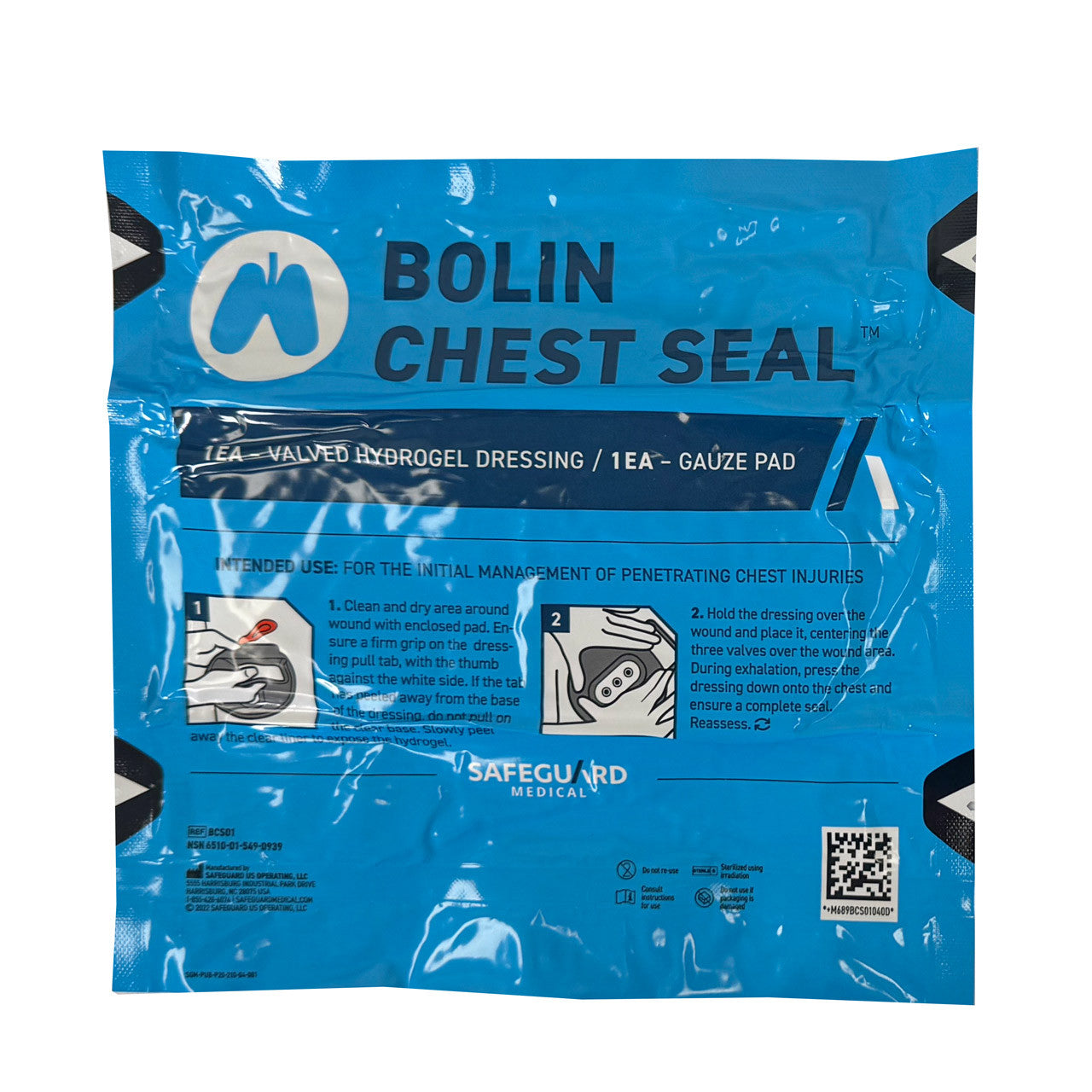
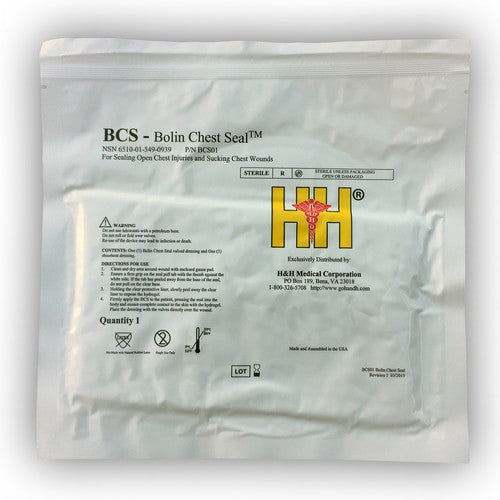
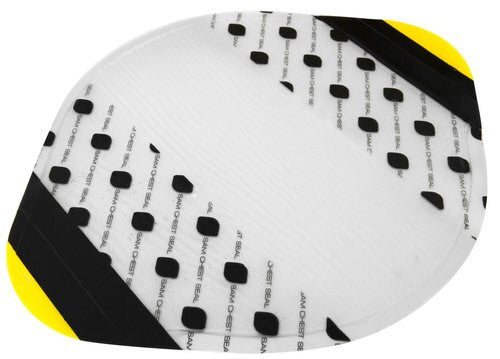
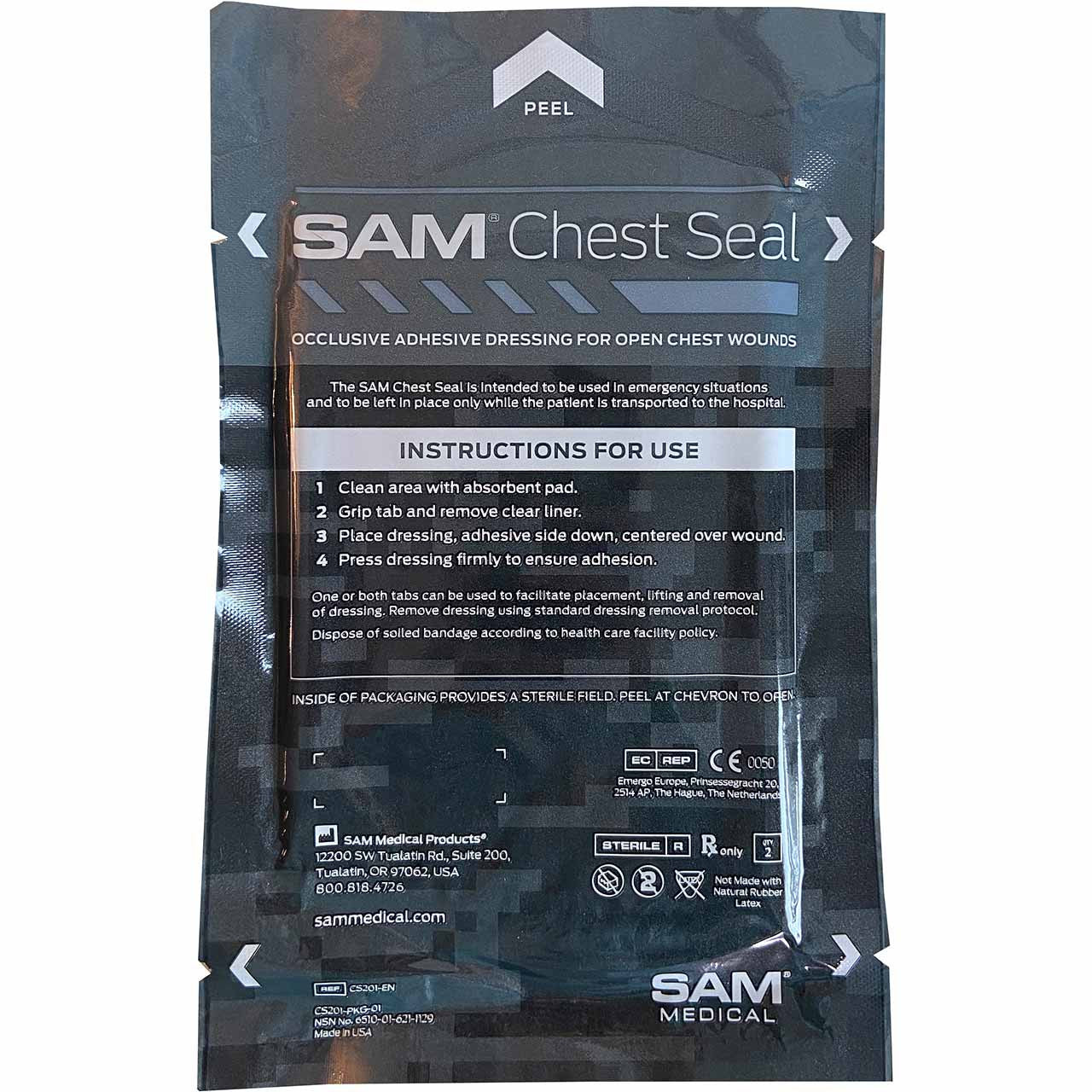
It depends on the environment and level of care you’re preparing for. A vented chest seal is recommended if you want pressure-relief capability, while a standard chest seal is a good option for straightforward occlusion of penetrating chest trauma. If space is limited, a compact or low-profile seal fits easily into body armor or cargo pockets. Agencies or teams may prefer twin packs or combo kits that include decompression tools.
What’s the difference between a vented chest seal and a standard one?
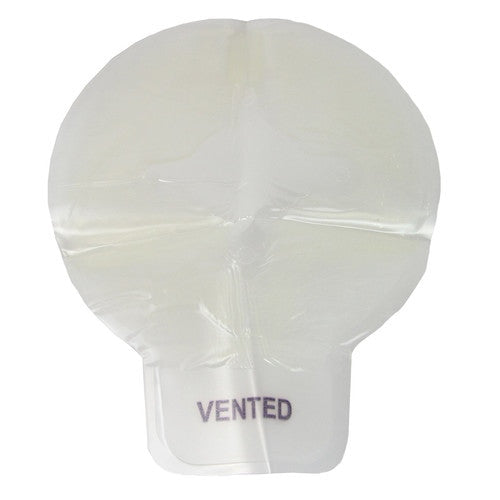
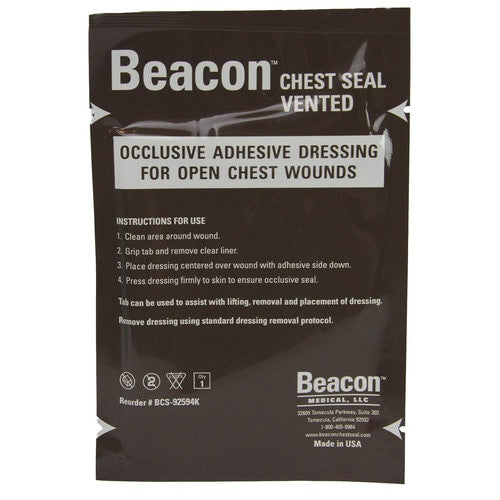
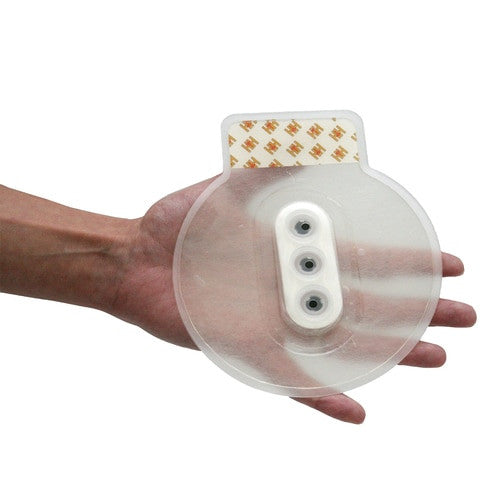
A vented chest seal has built-in 3-channel pressure relief vents, allowing air to escape from the chest cavity, preventing pressure buildup that could lead to tension pneumothorax. In contrast, a standard chest seal is designed to create an airtight barrier, ideal for penetrating chest trauma but requires close patient monitoring and manual burping.
Can I use a chest seal with body armor?
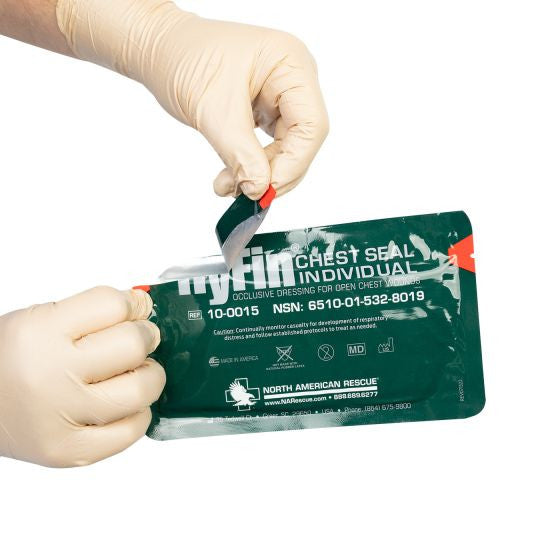
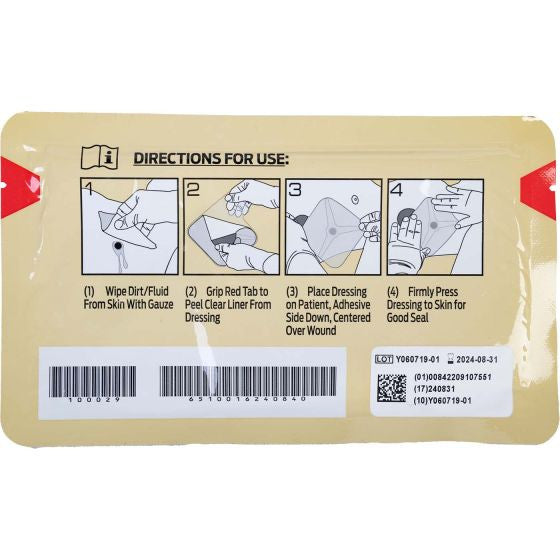
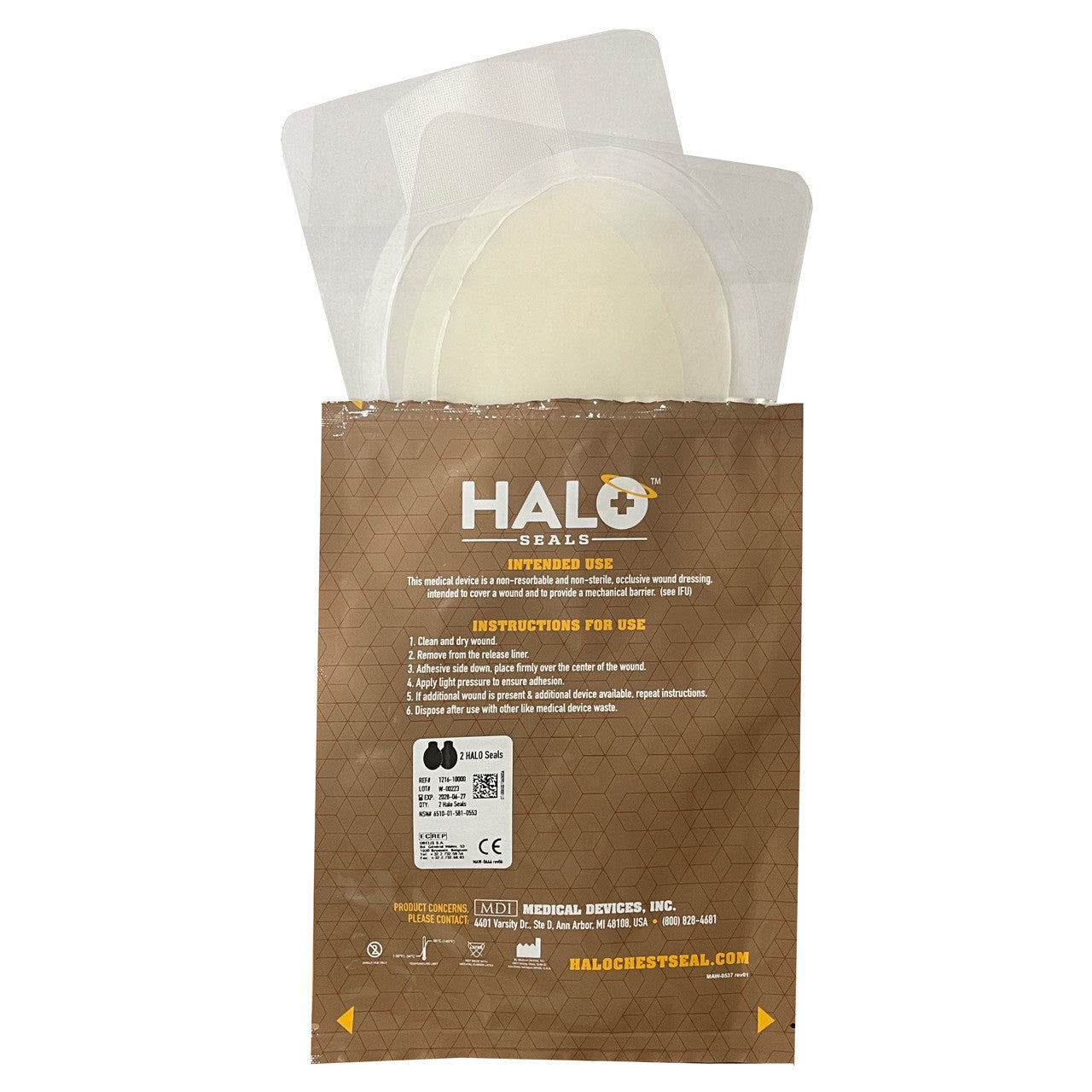
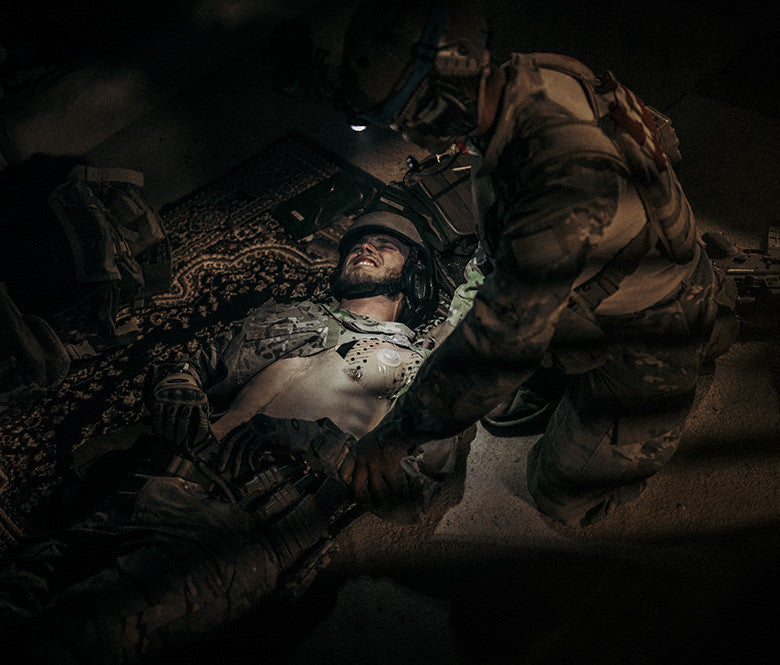
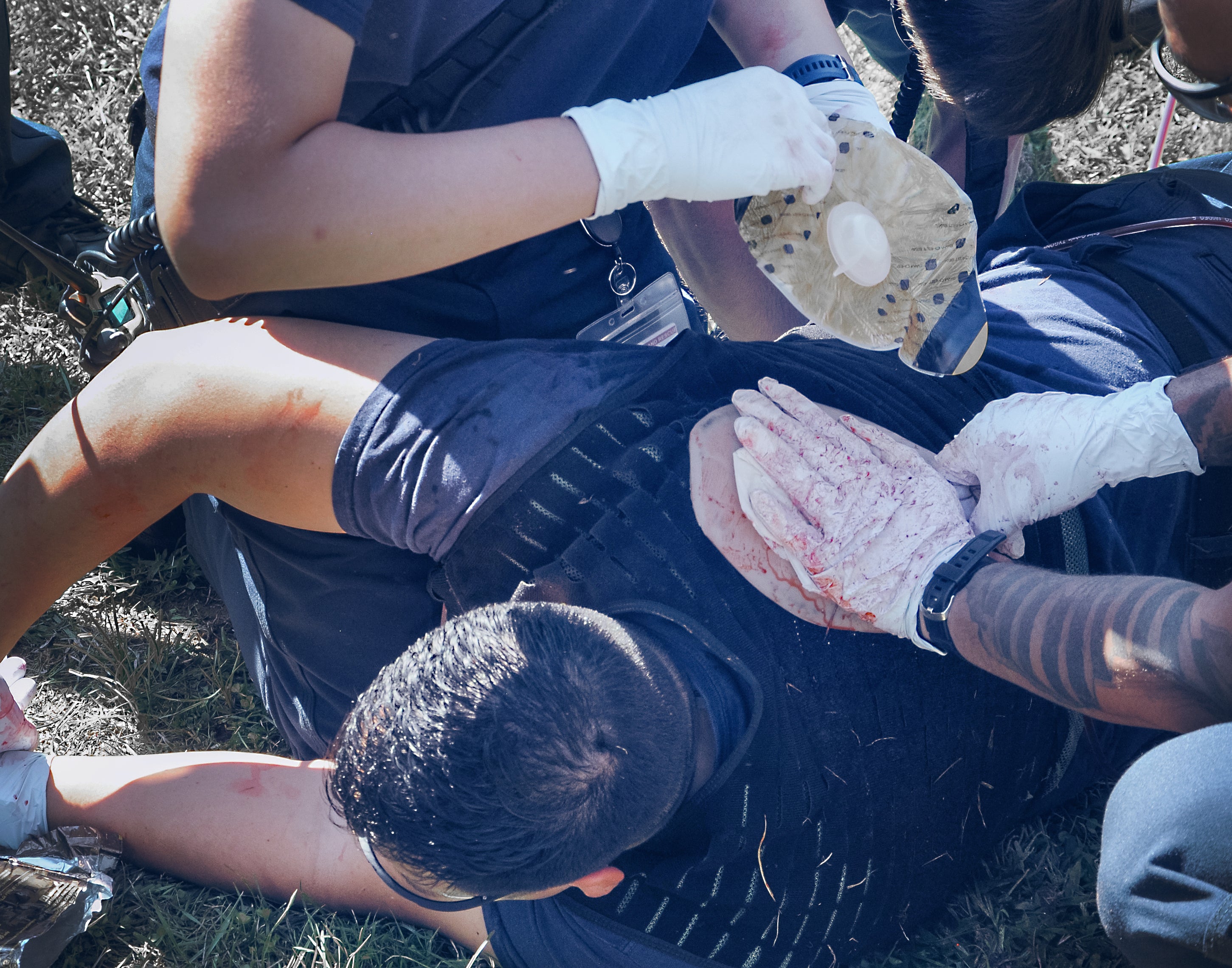
Chest seals must be applied directly to the skin. The superior adhesives allow these seal to stick well, even on dirty, bloody, or hairy skin.
Can the training chest seals be used for actual emergencies?
While training chest seals are designed for practice, they replicate the same process used in real-life situations. This allows you to master the occlusive dressing technique and prepare for proper chest seal application in high-pressure environments.
How do the vented chest seals work in preventing tension pneumothorax?
The vented channels allow trapped air to escape, reducing the risk of tension pneumothorax. The design ensures that air exits through the seal without compromising the superior seal needed for wound protection.
Need Training?
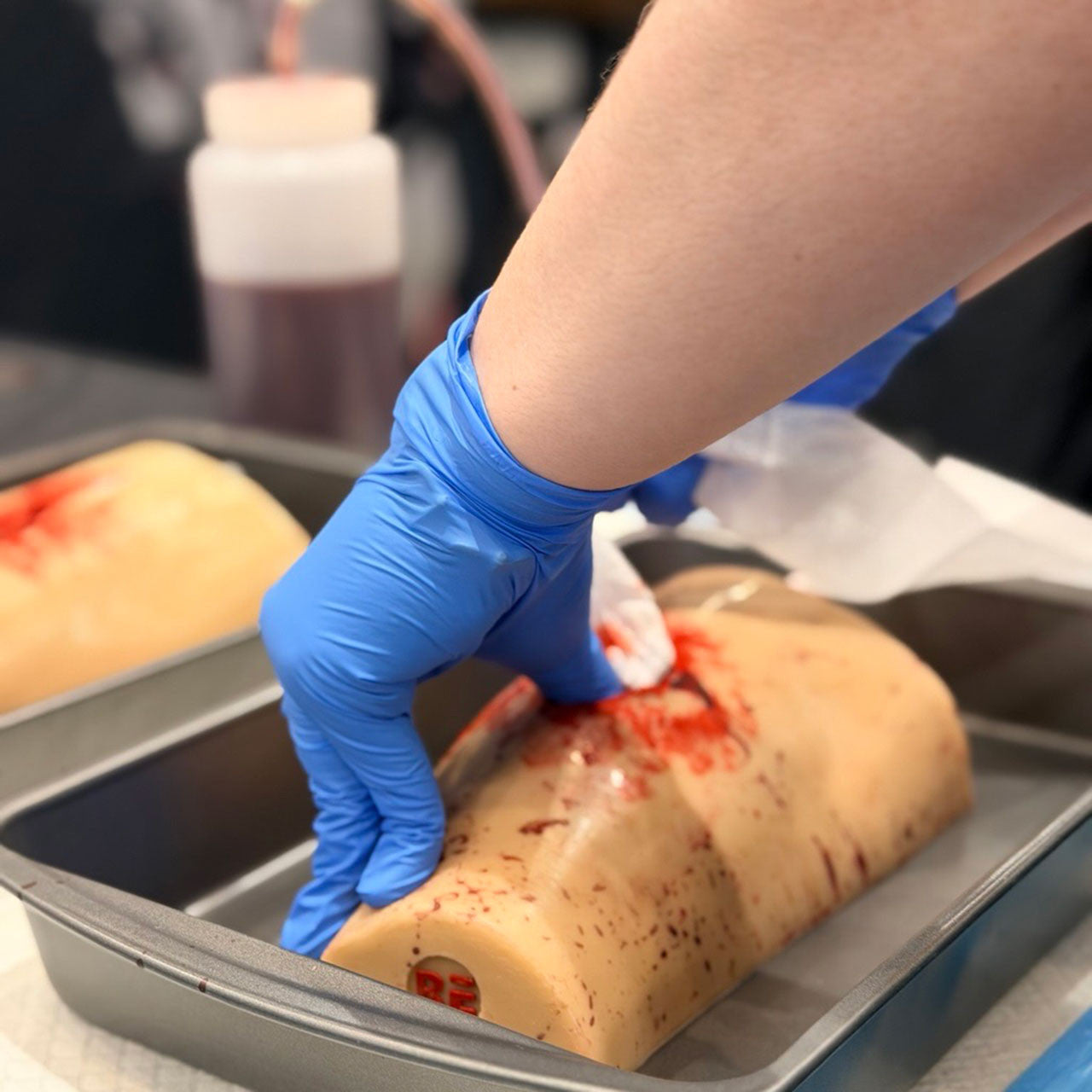
Rescue Essentials is proud to partner with accredited Stop the Bleed trainers throughout the U.S.