


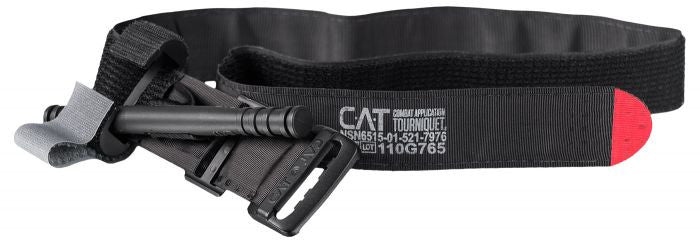

20-0080
Combat Application Tourniquet (CAT Tourniquet) - Gen 7
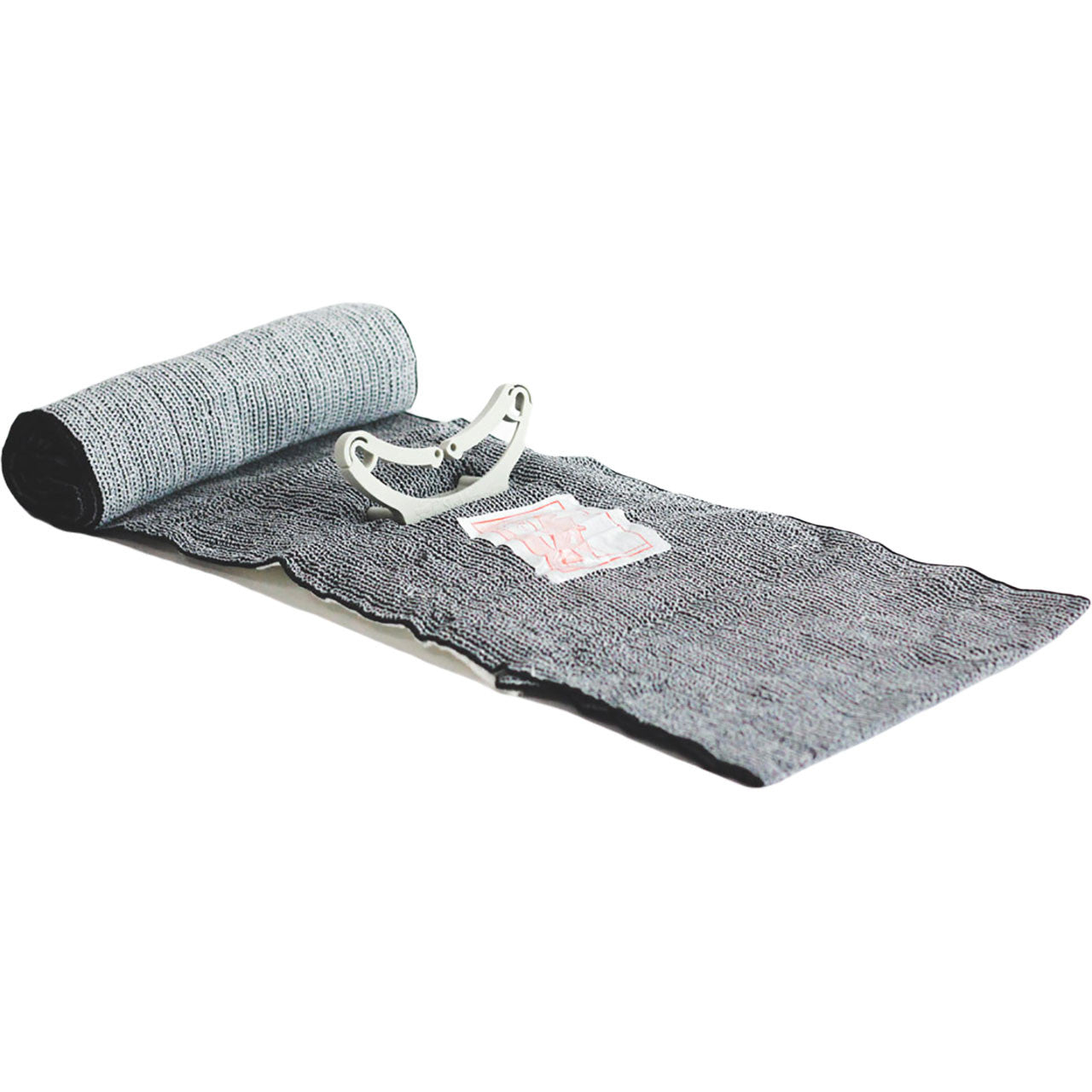


40-0305



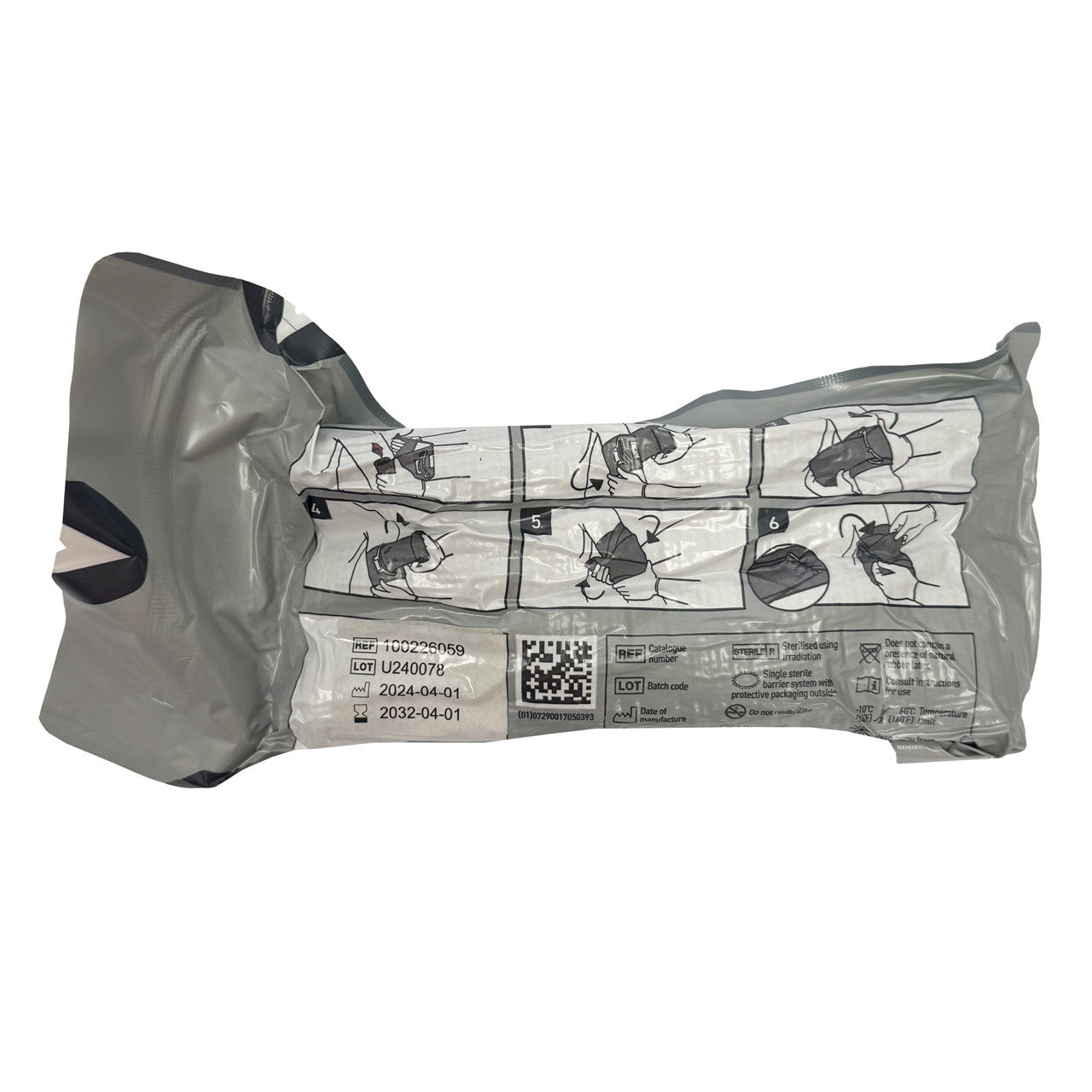
20-0110


20-0079
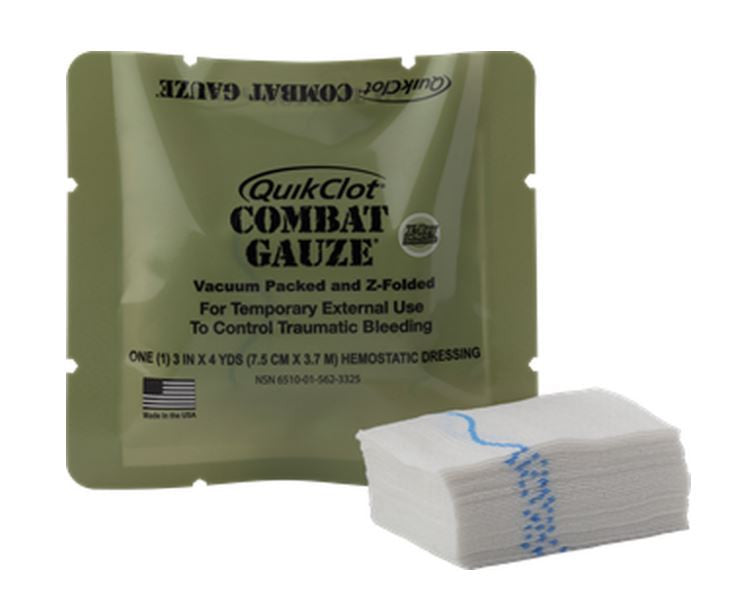
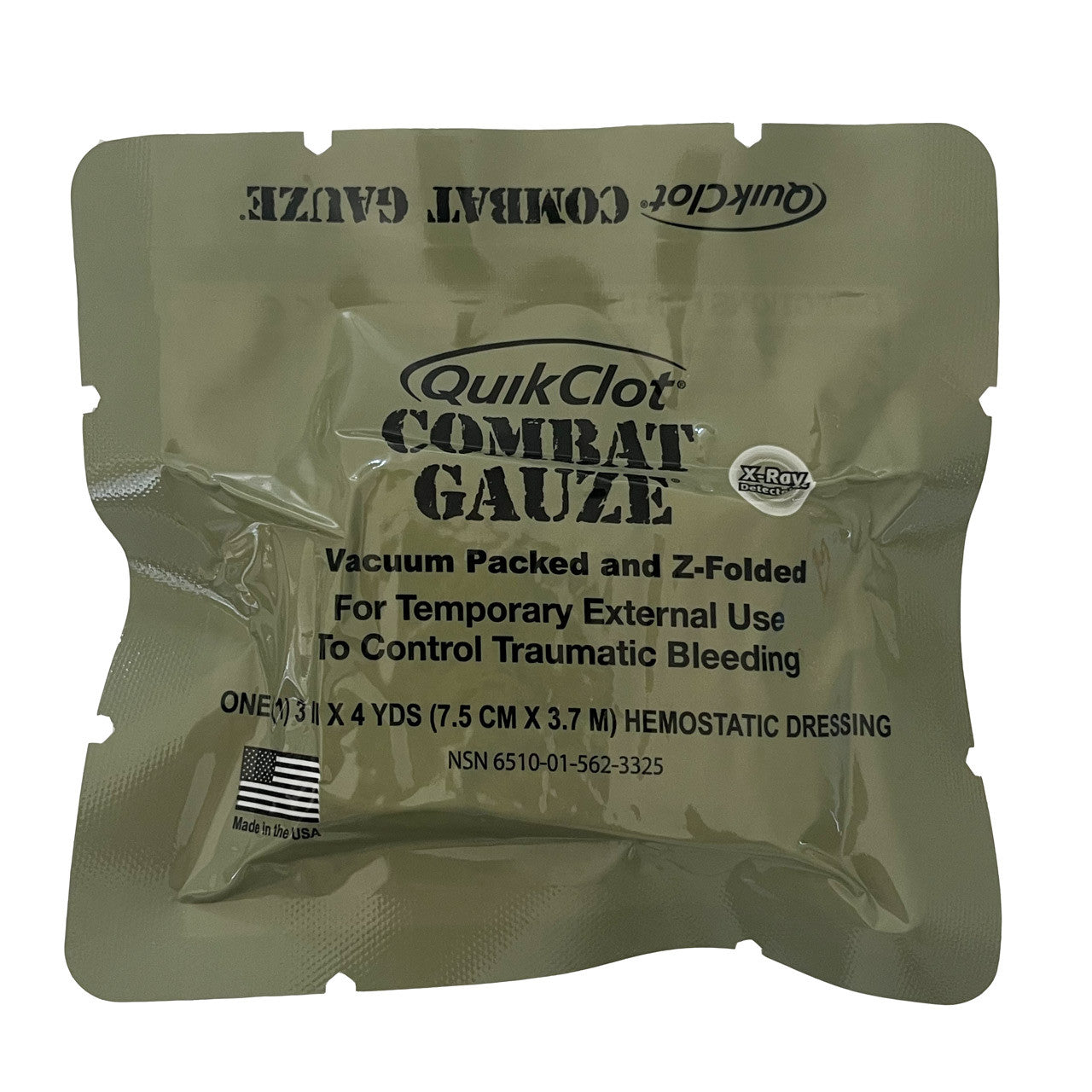
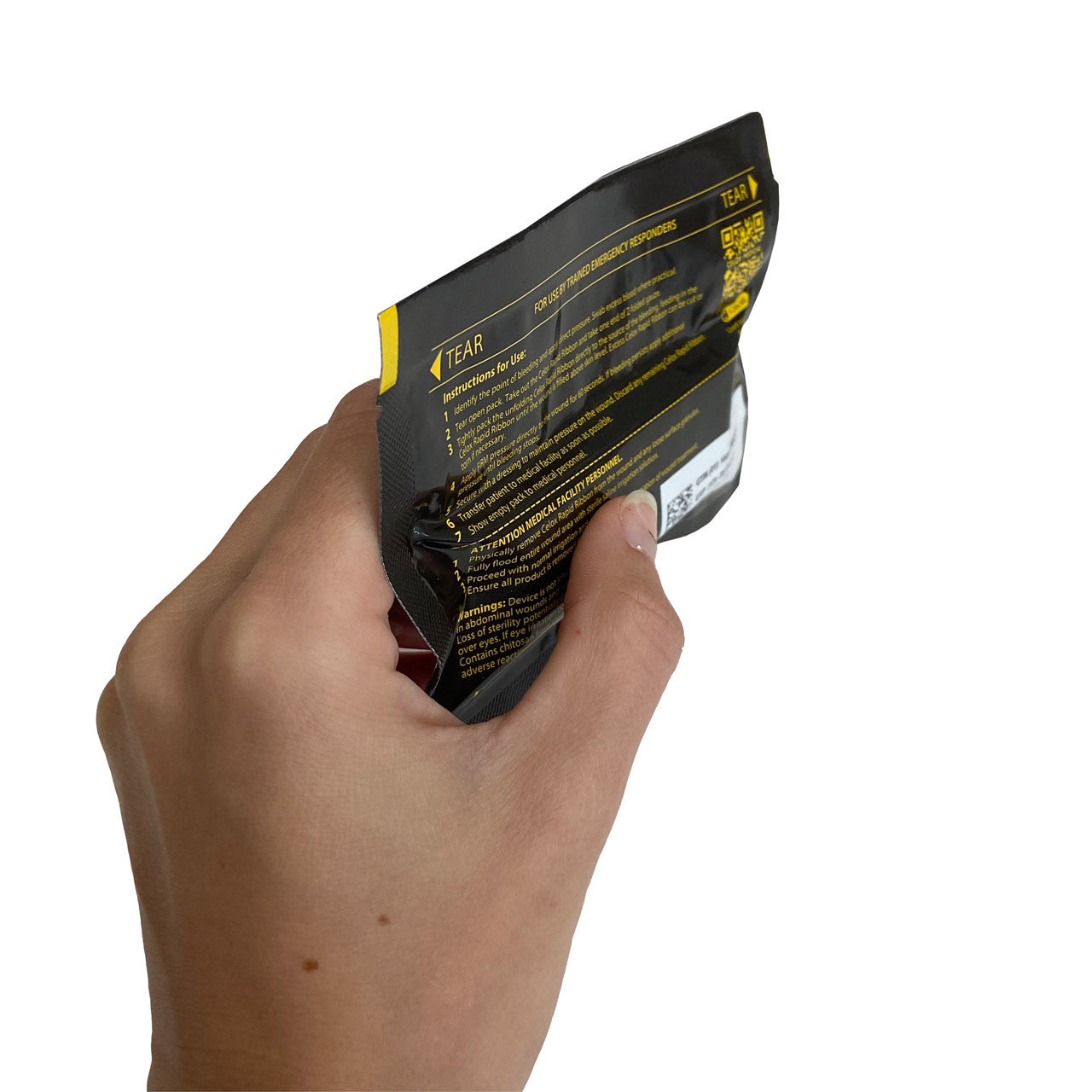
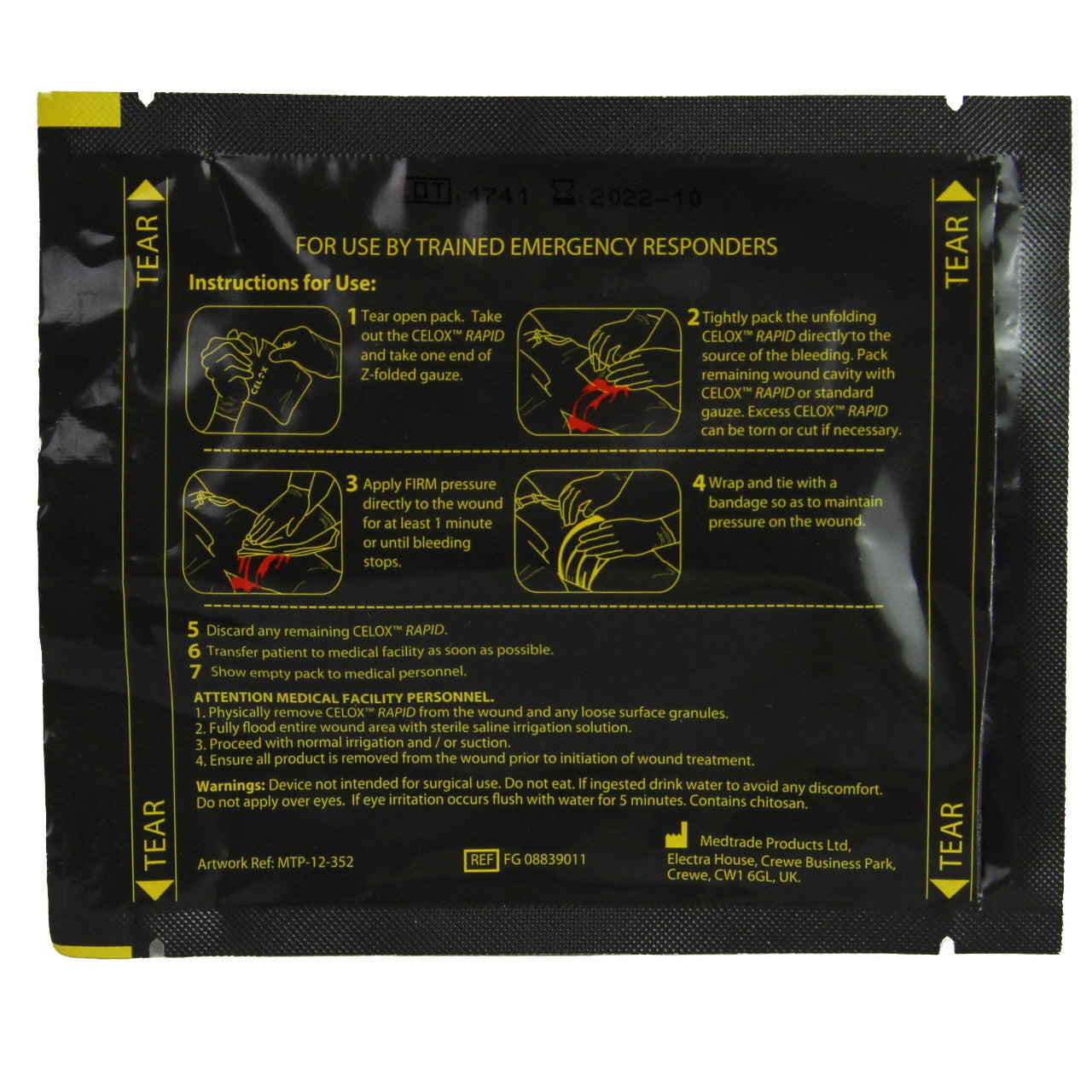
Combat Gauze® Z-Folded (Military)
40-1040
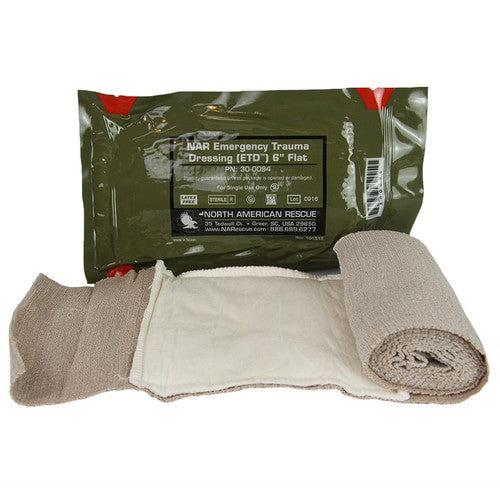
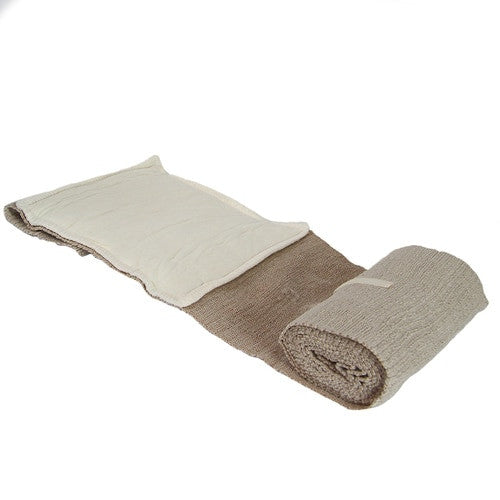
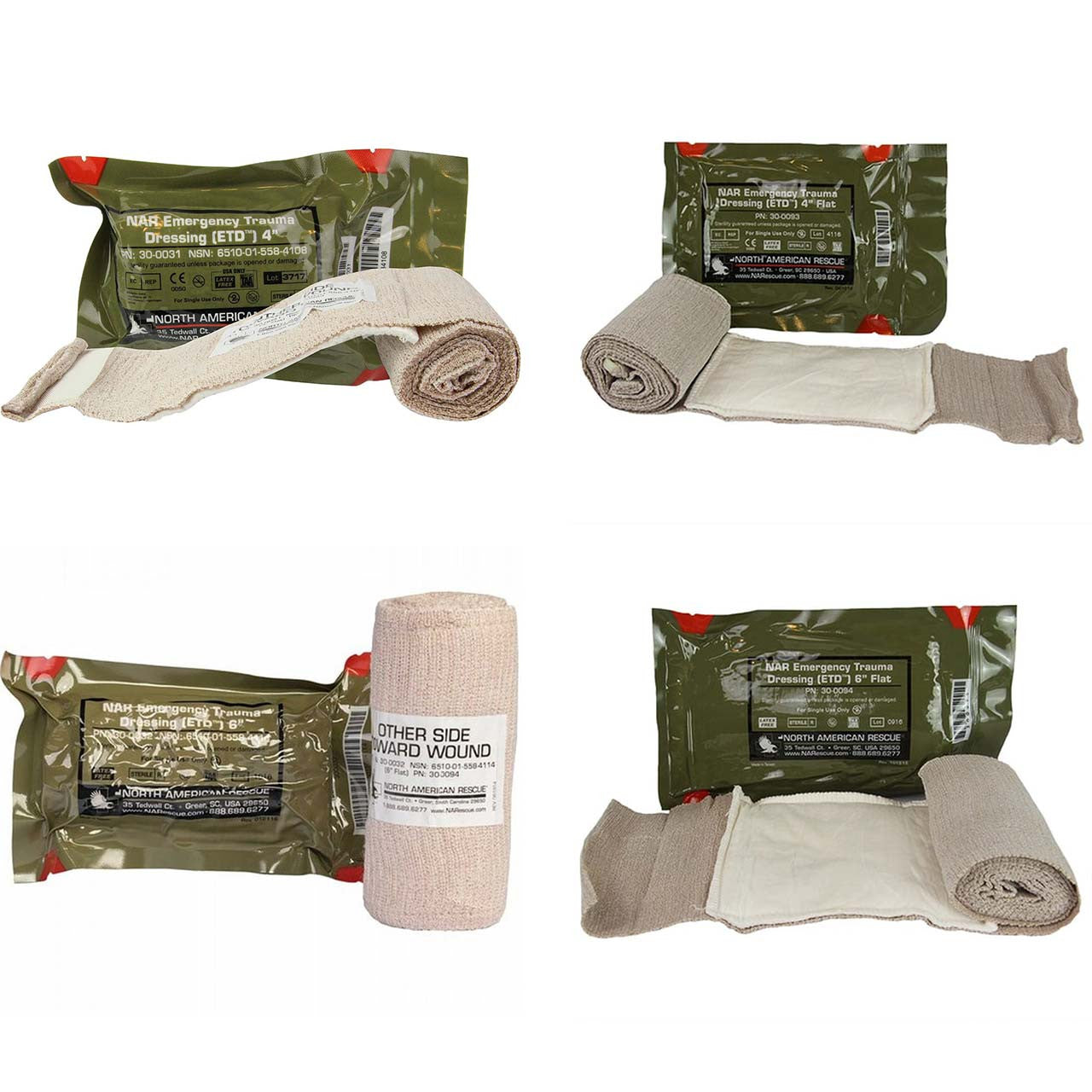
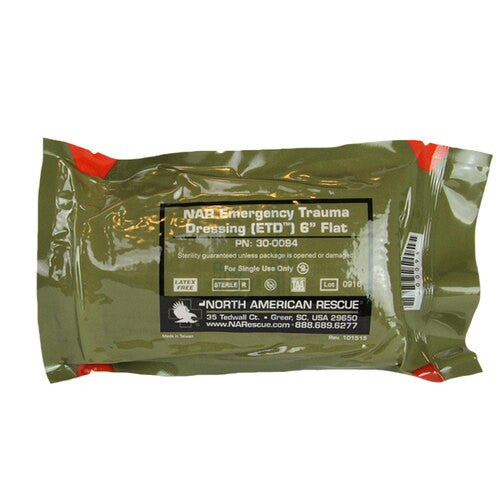
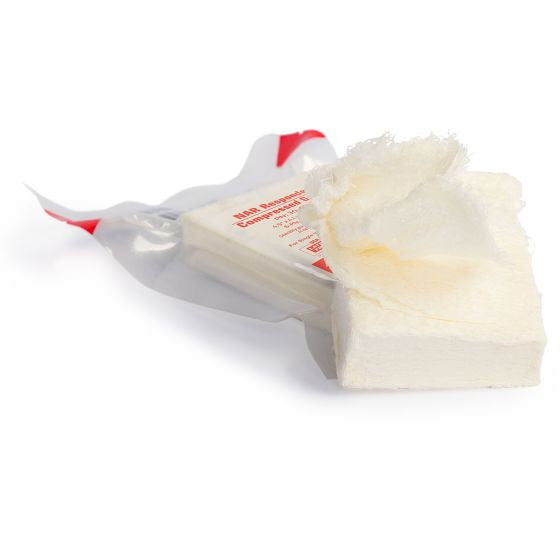
NAR Emergency Trauma Dressing (ETD)
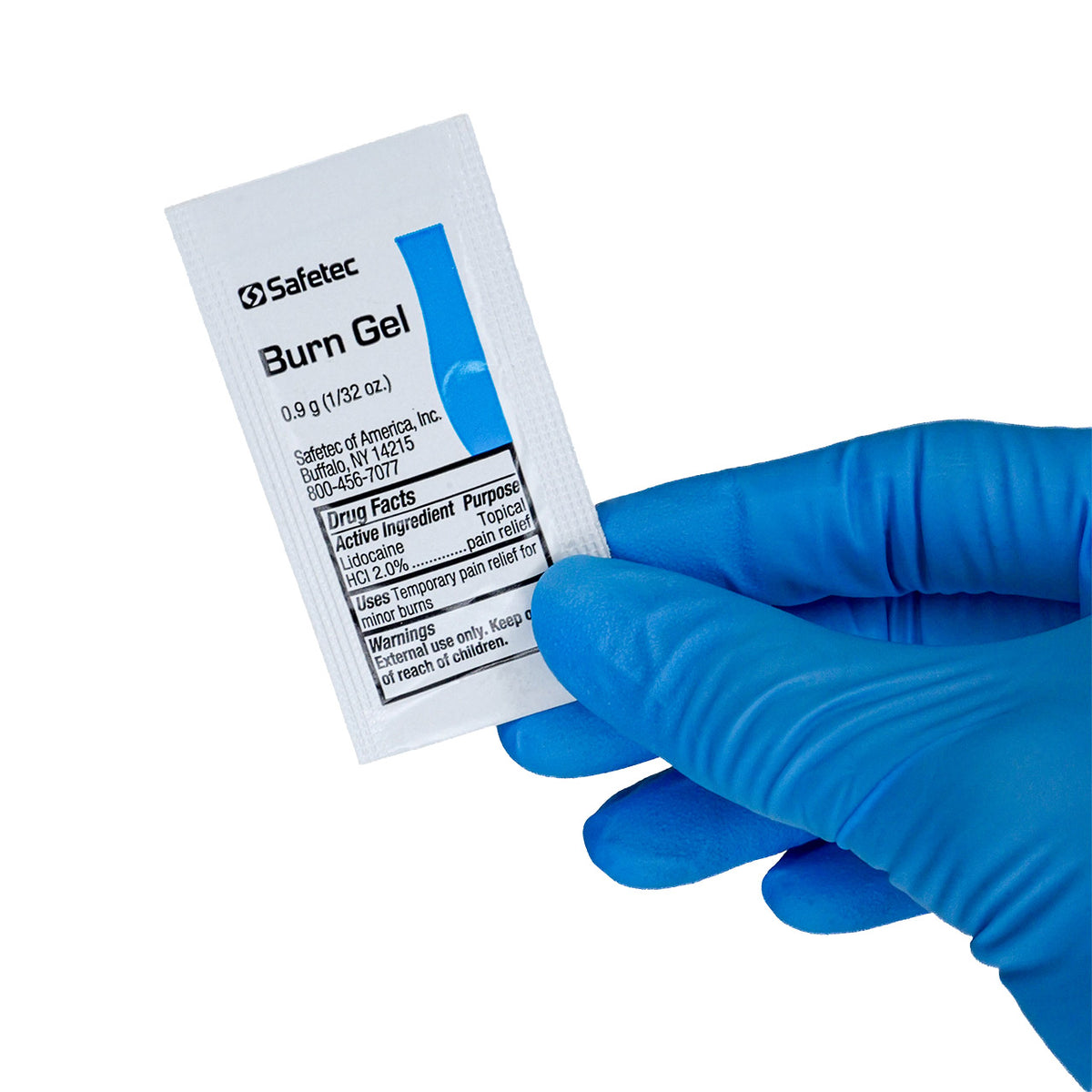
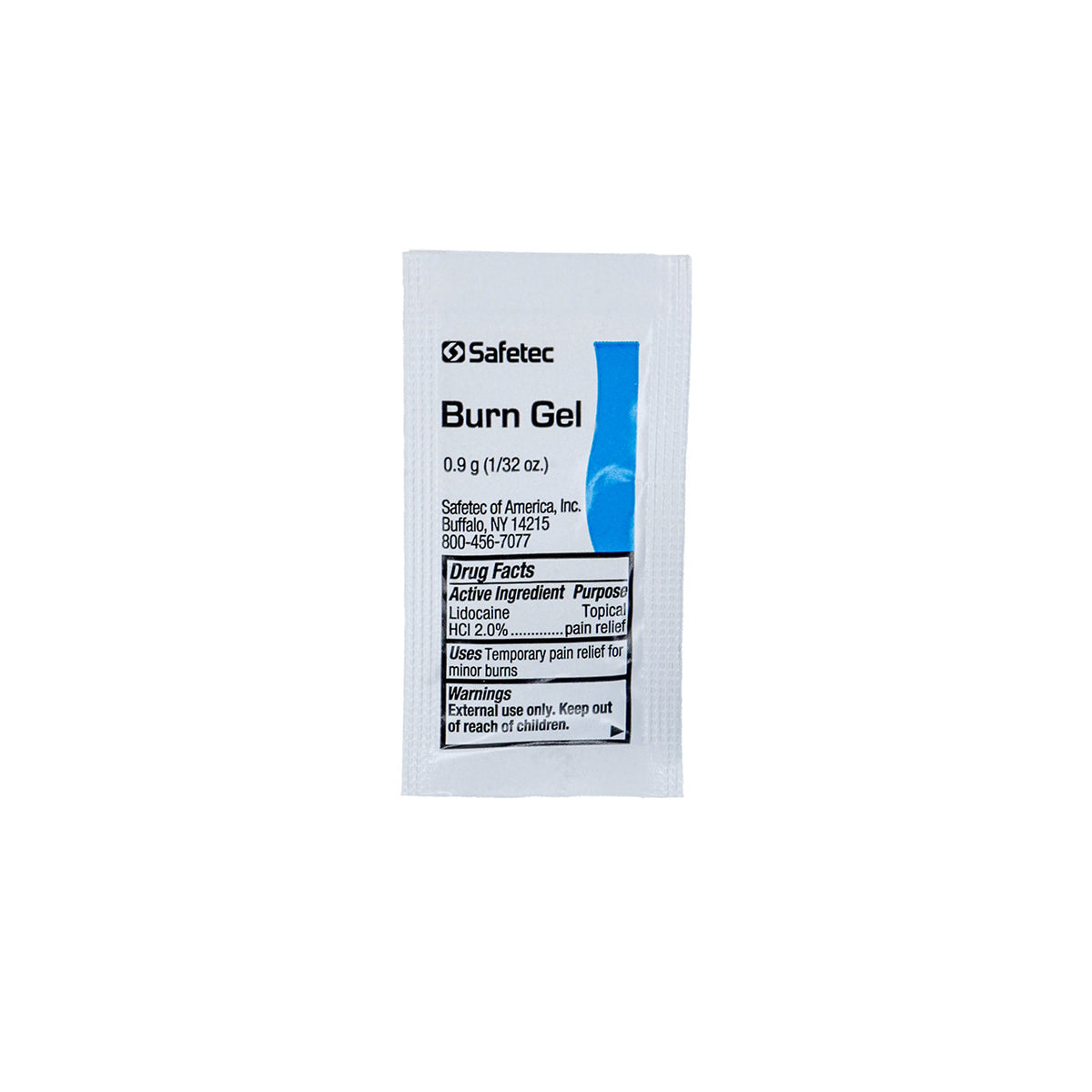
30-0257
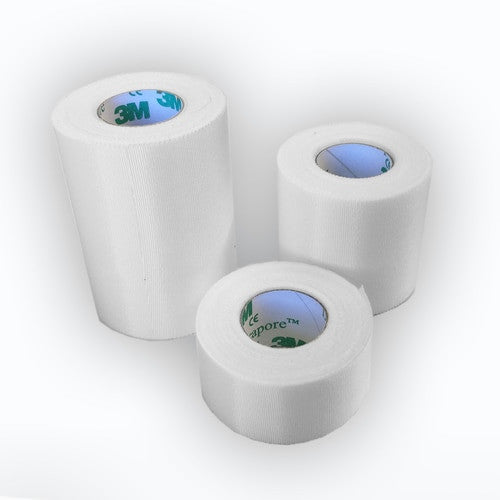
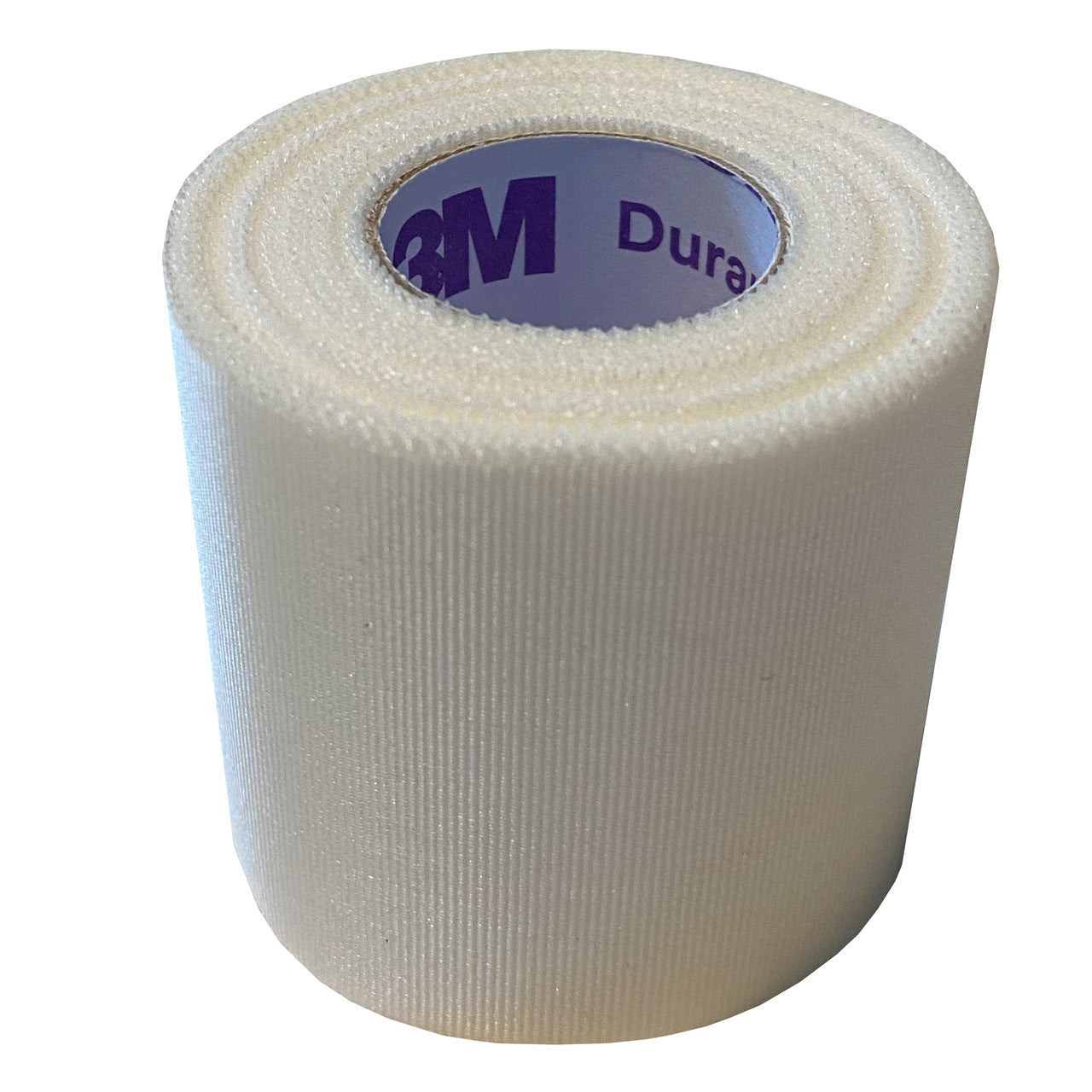
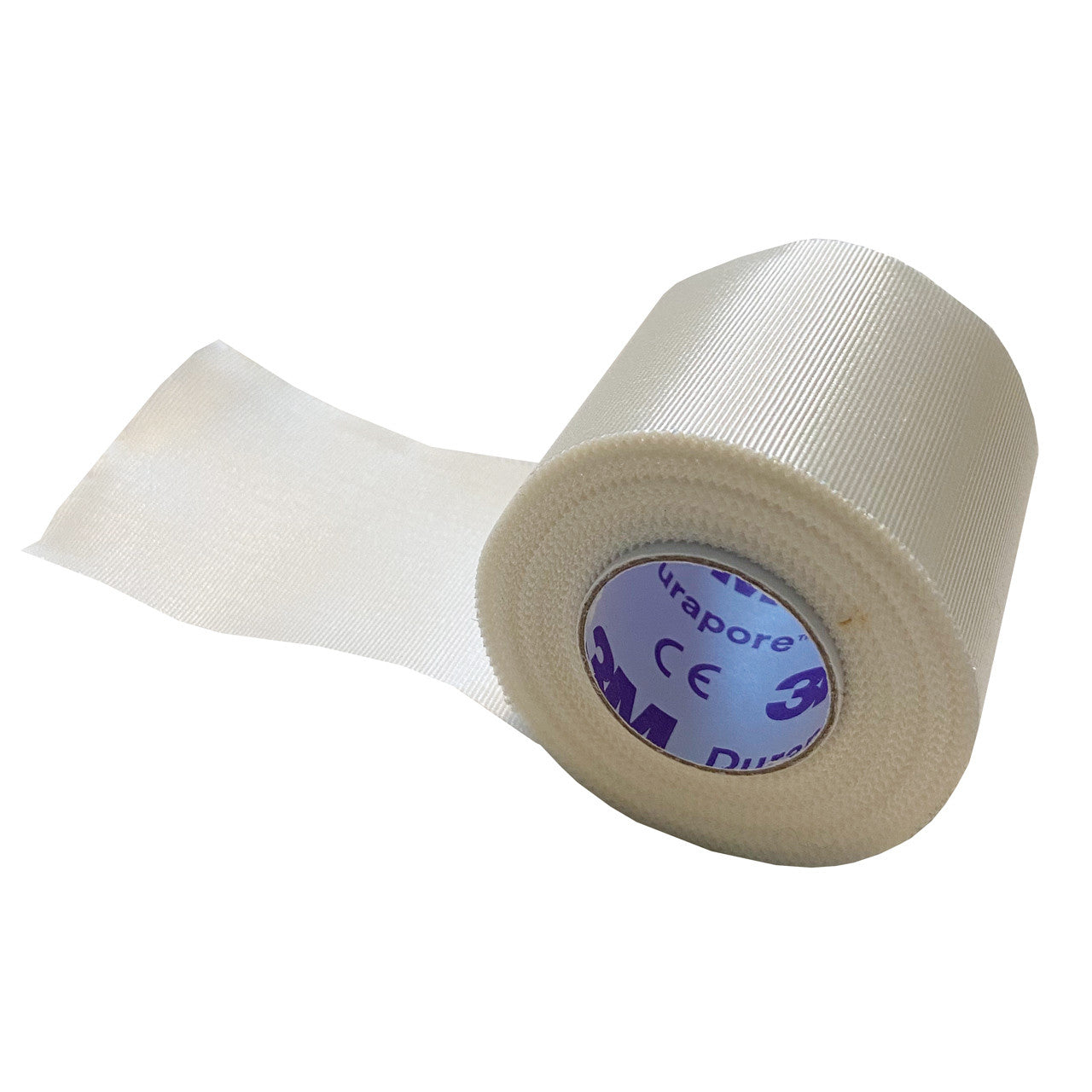

40-1112
Durapore Tape (1", 2" or 3" x 10 yds)
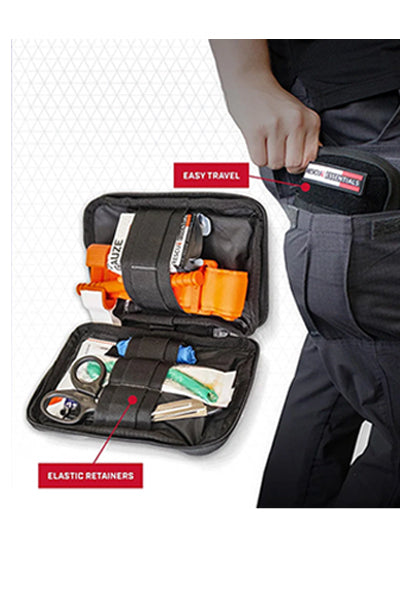
Save 25% on the CFAK now!
Save on the CFAK (Compact IFAK) - loaded with TCCC components like a tourniquet and chest seal, yet can fit in a pocket!
40-1028
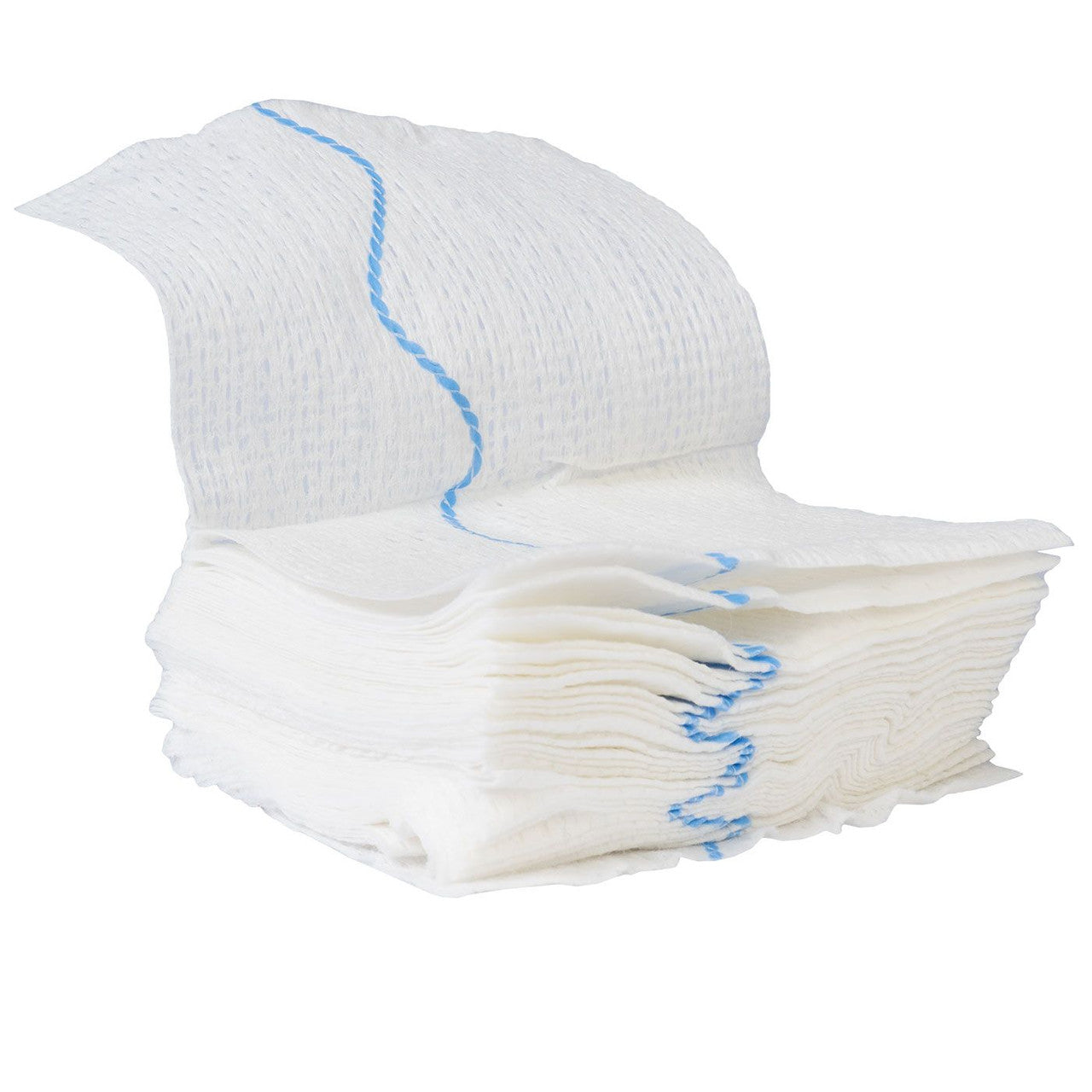
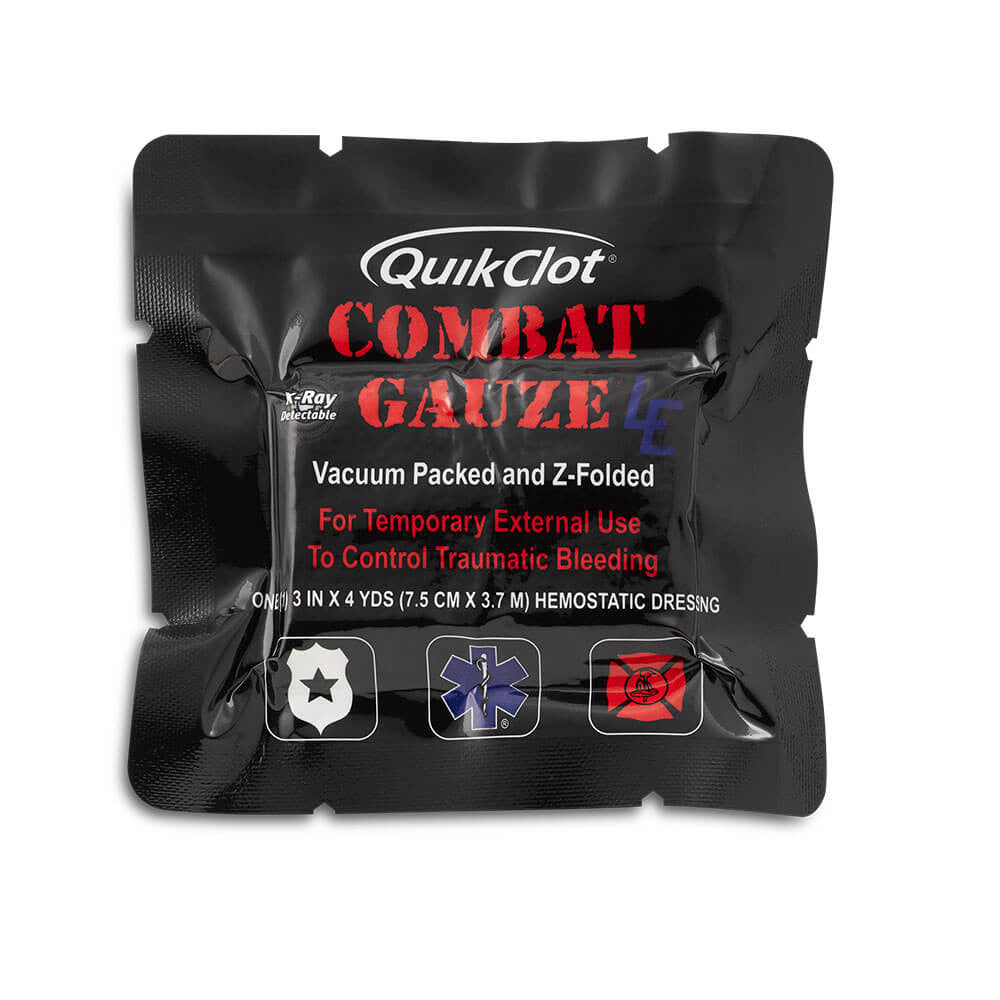
20-0073
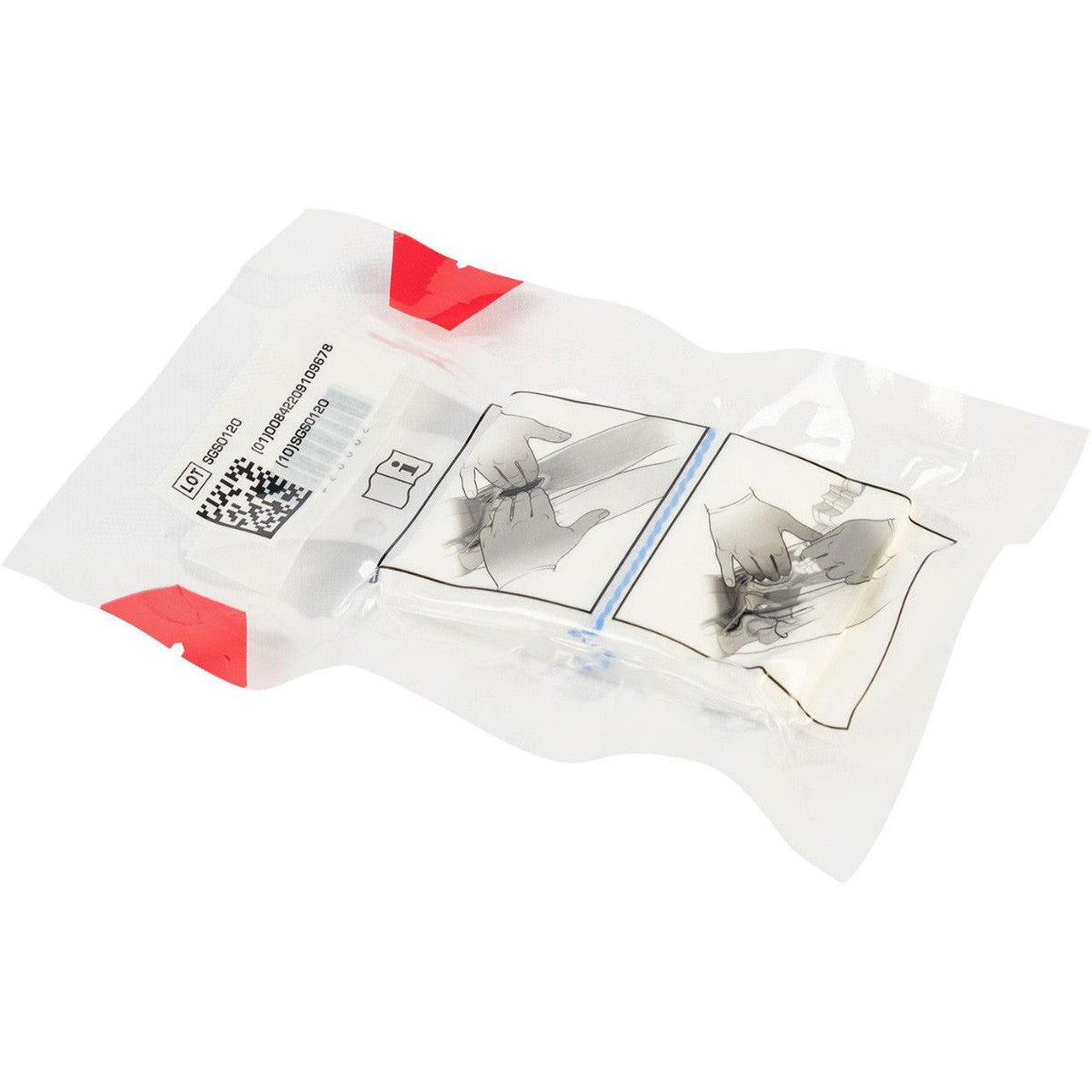
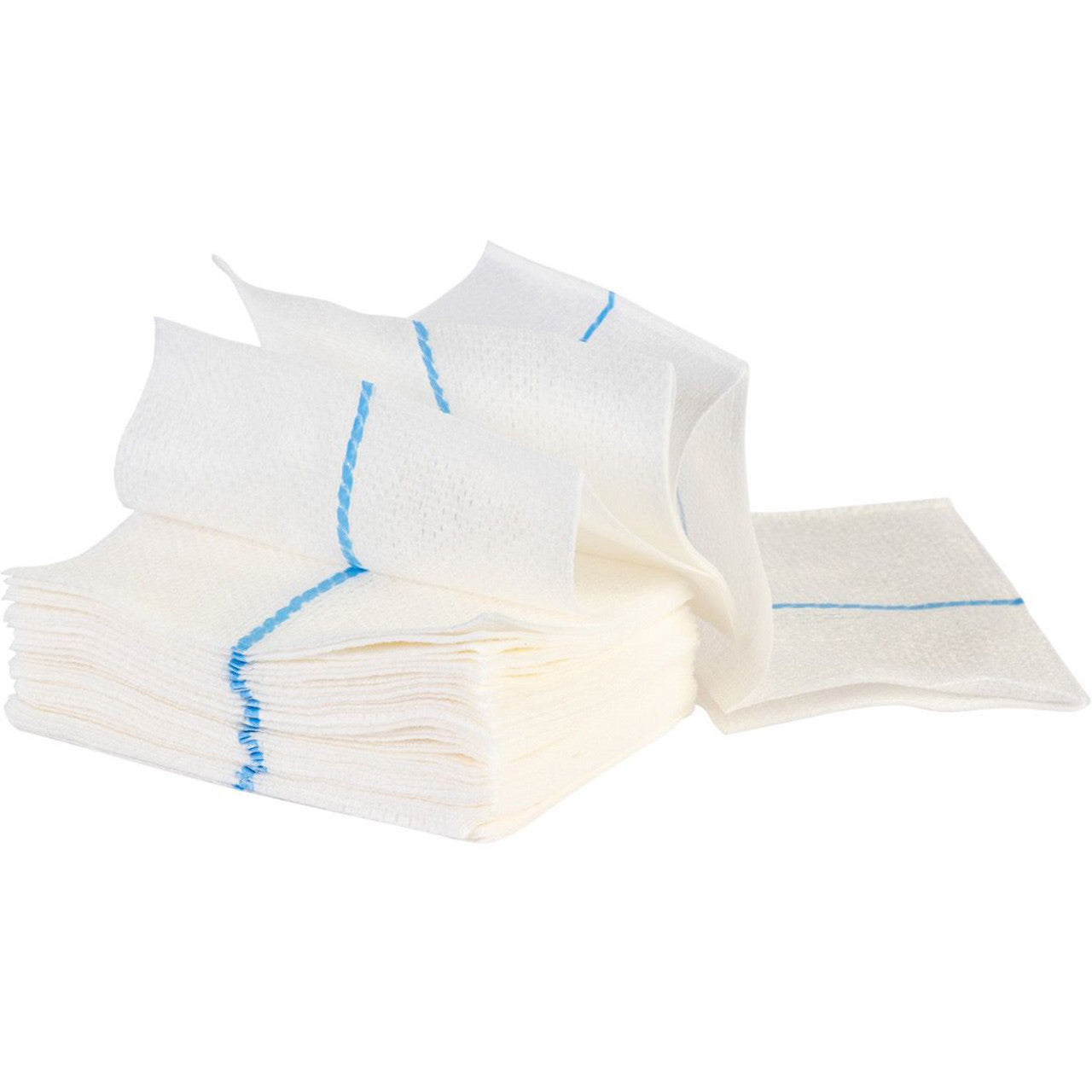
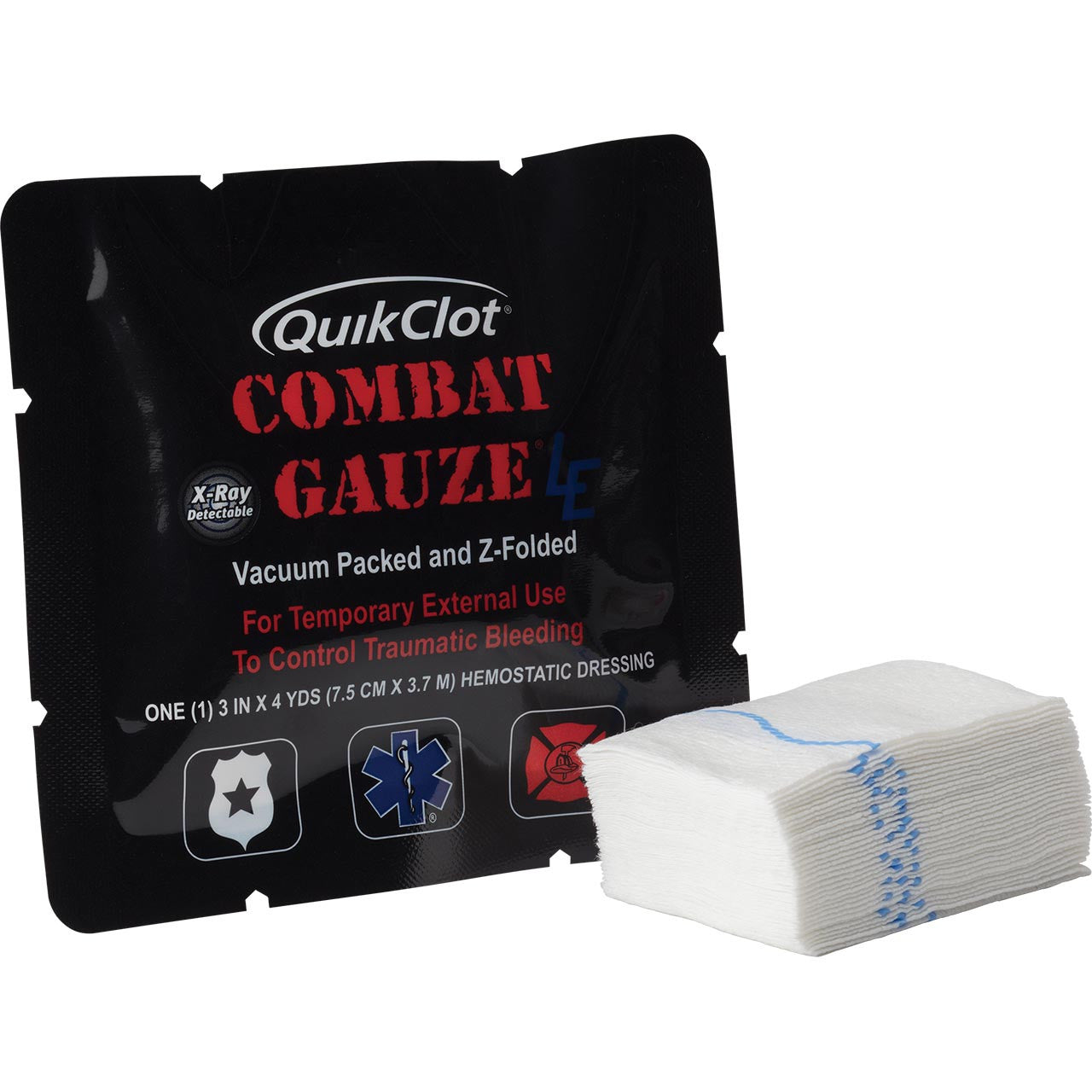
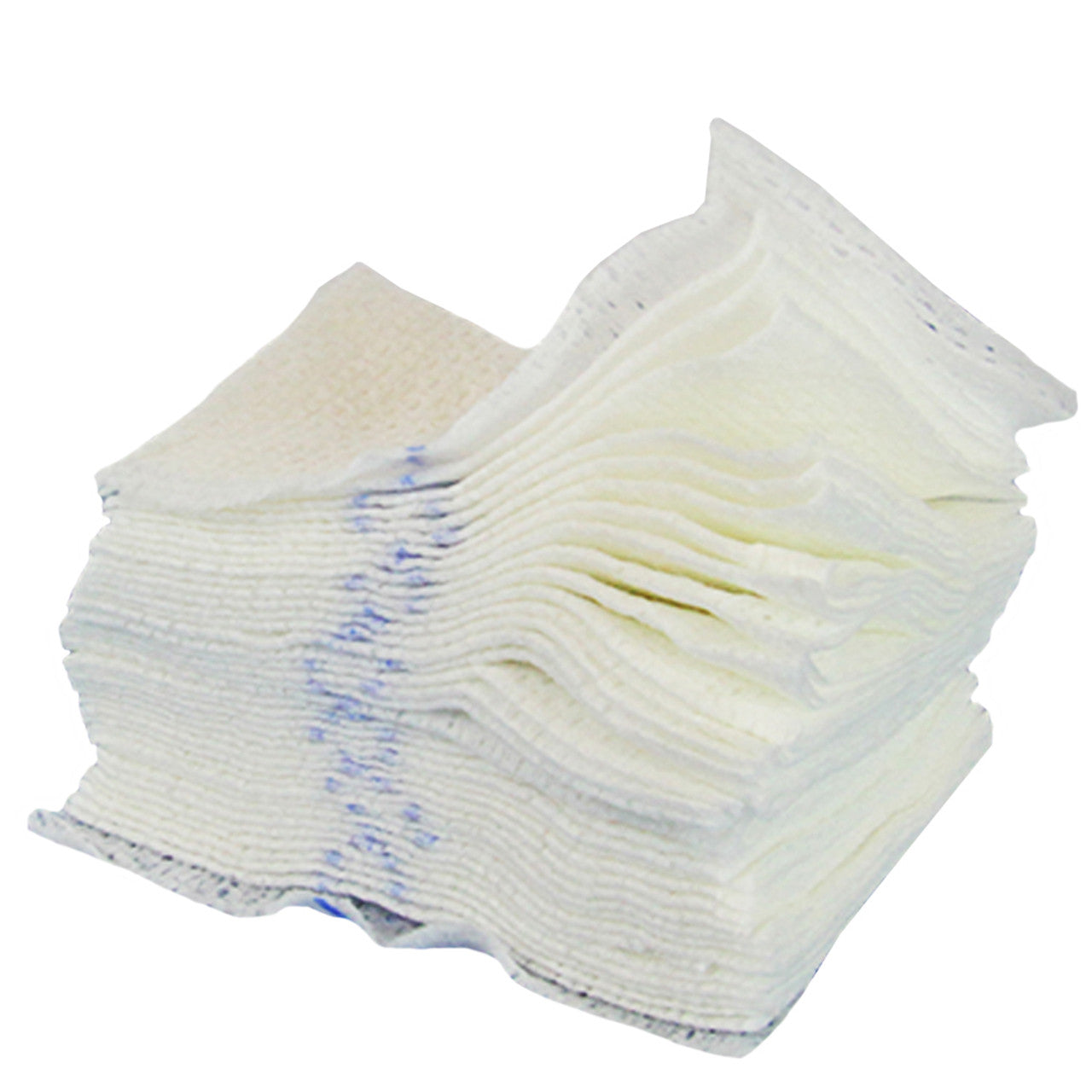
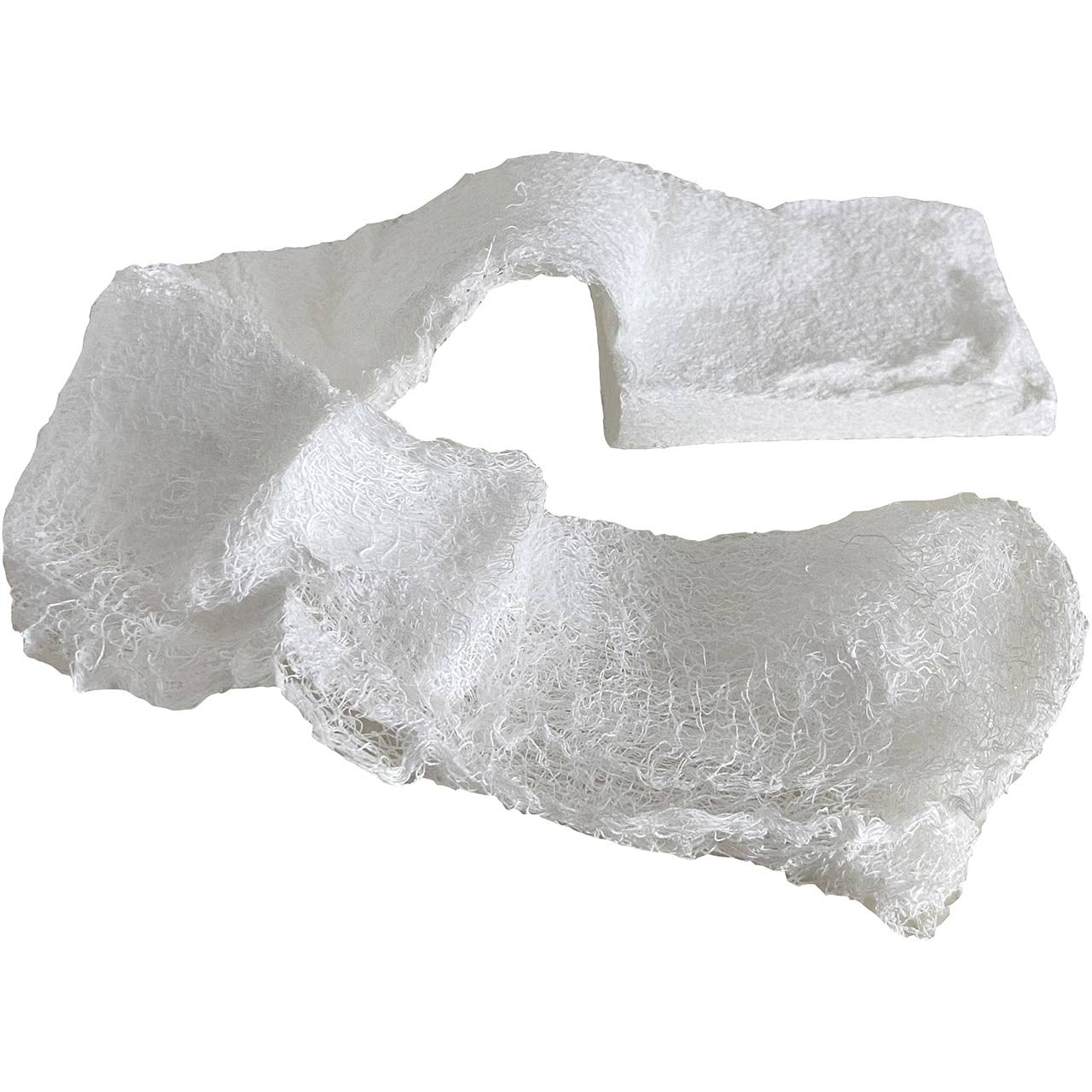
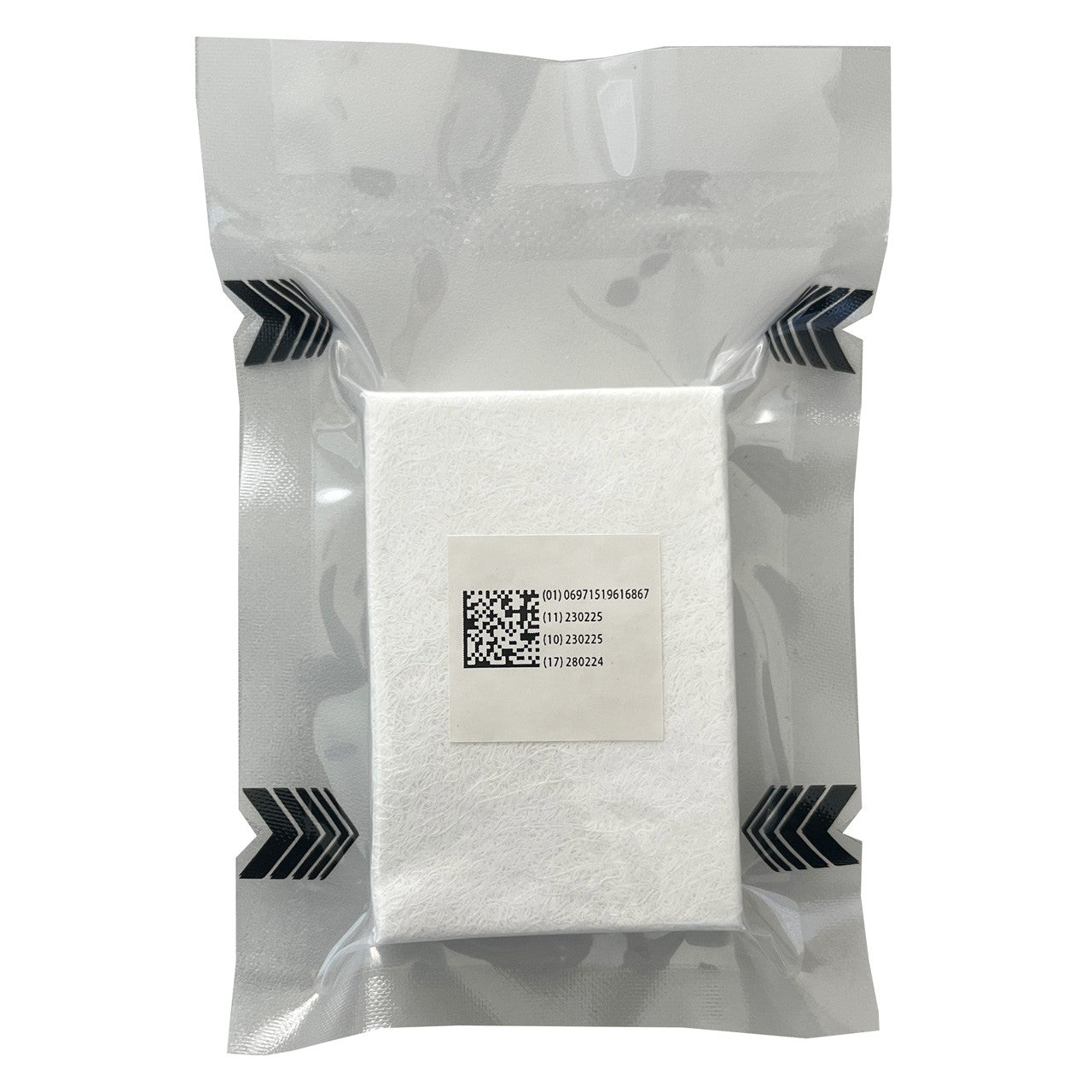
QuikClot® Combat Gauze® LE (Z-Folded)


20-0113
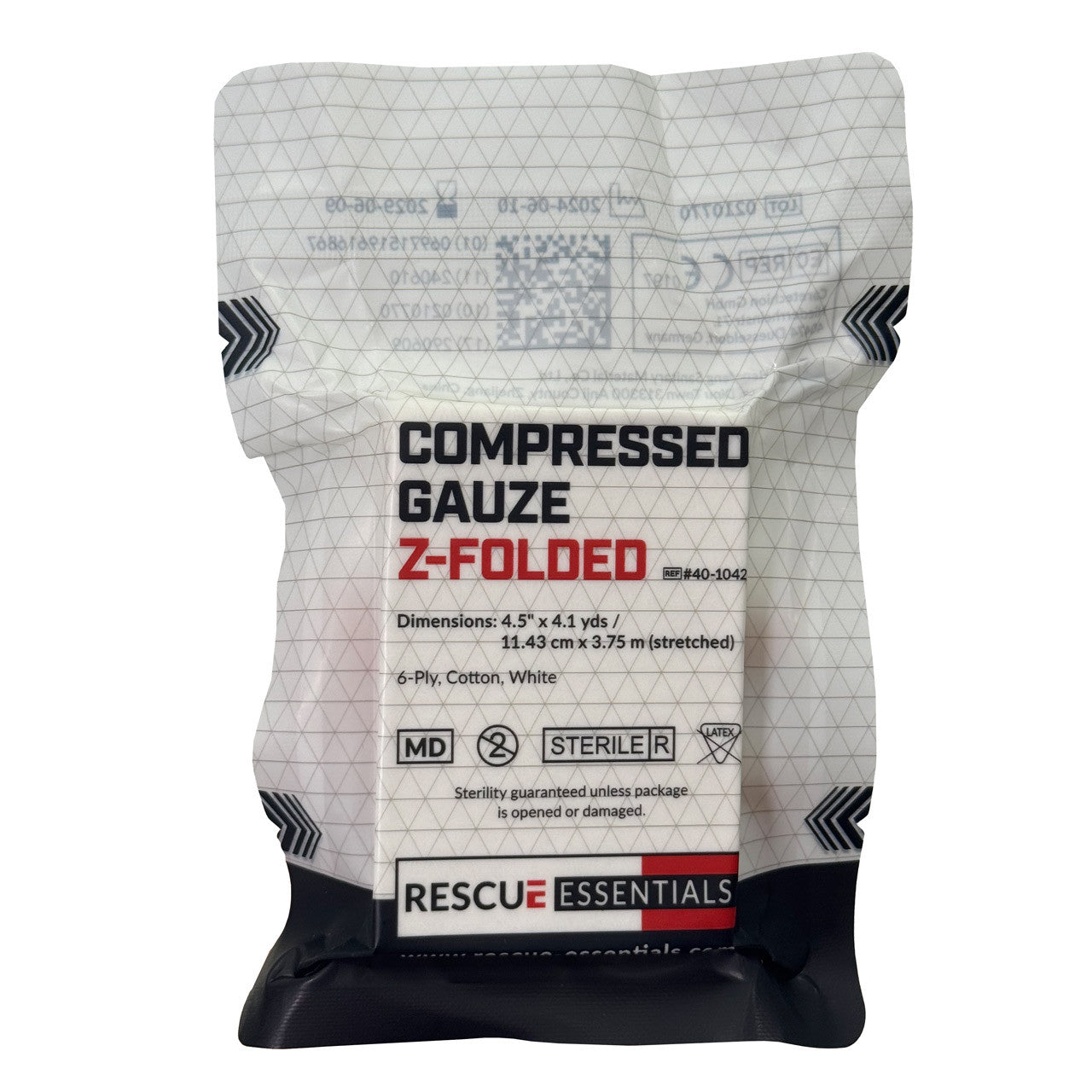
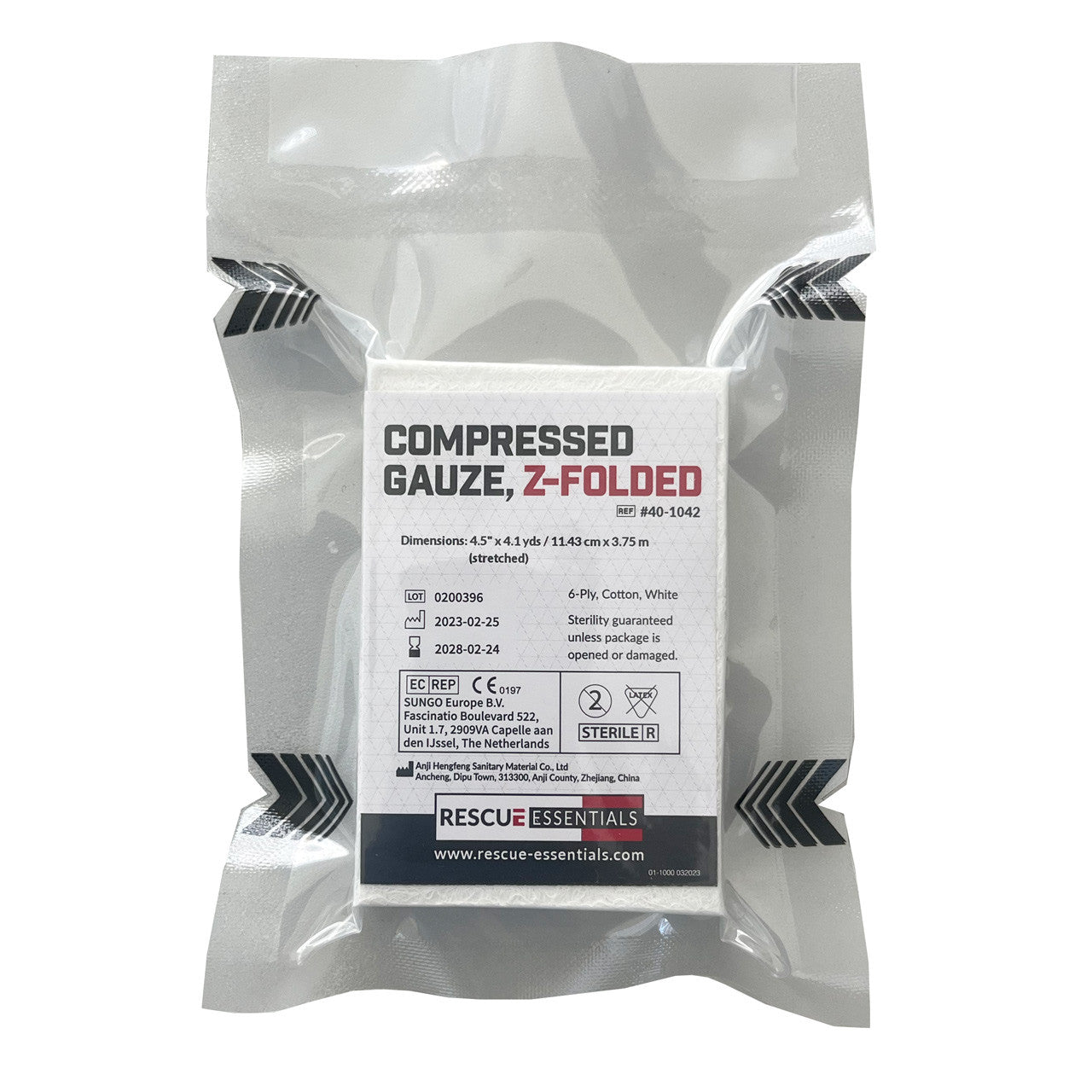
40-1042


40-0320
40-0755
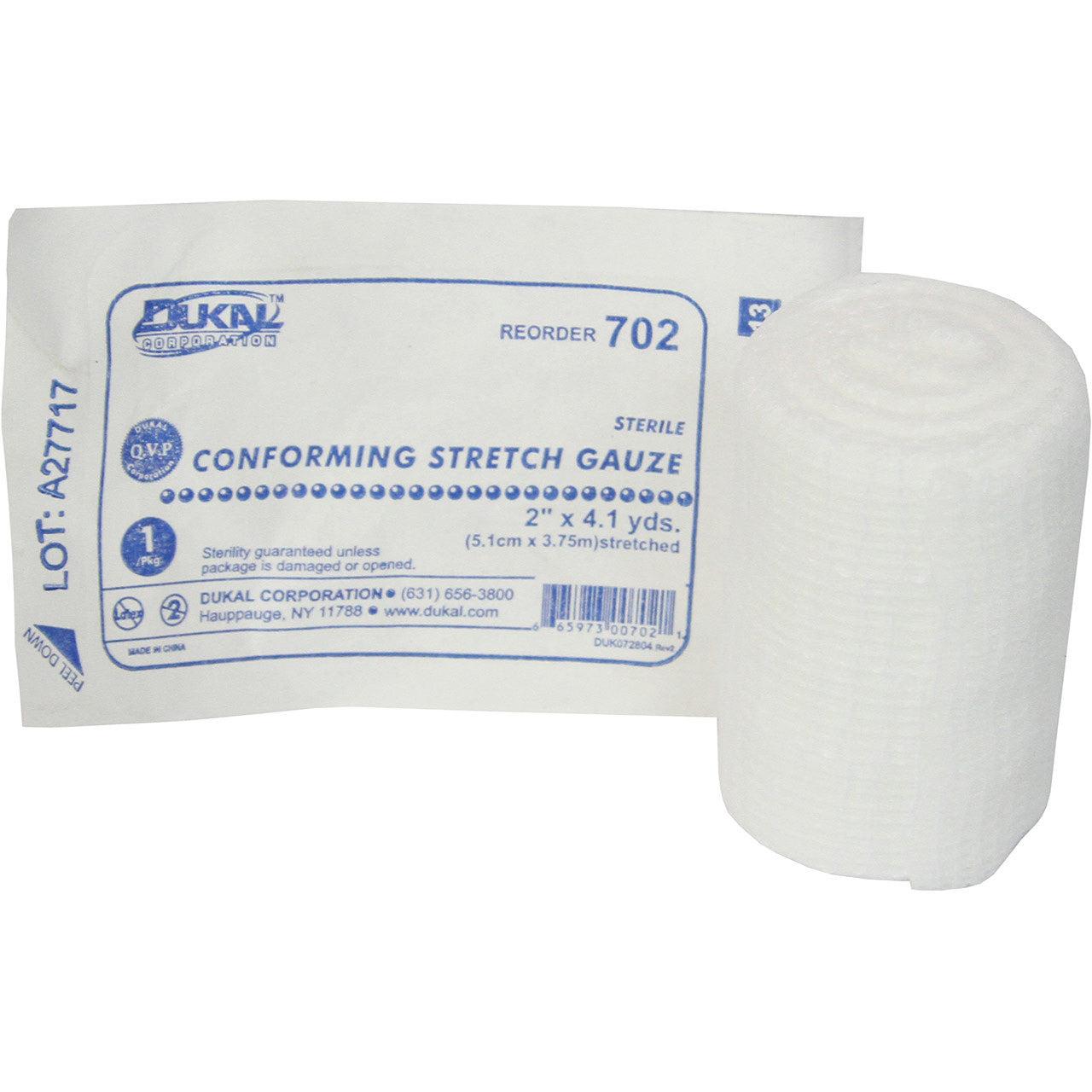
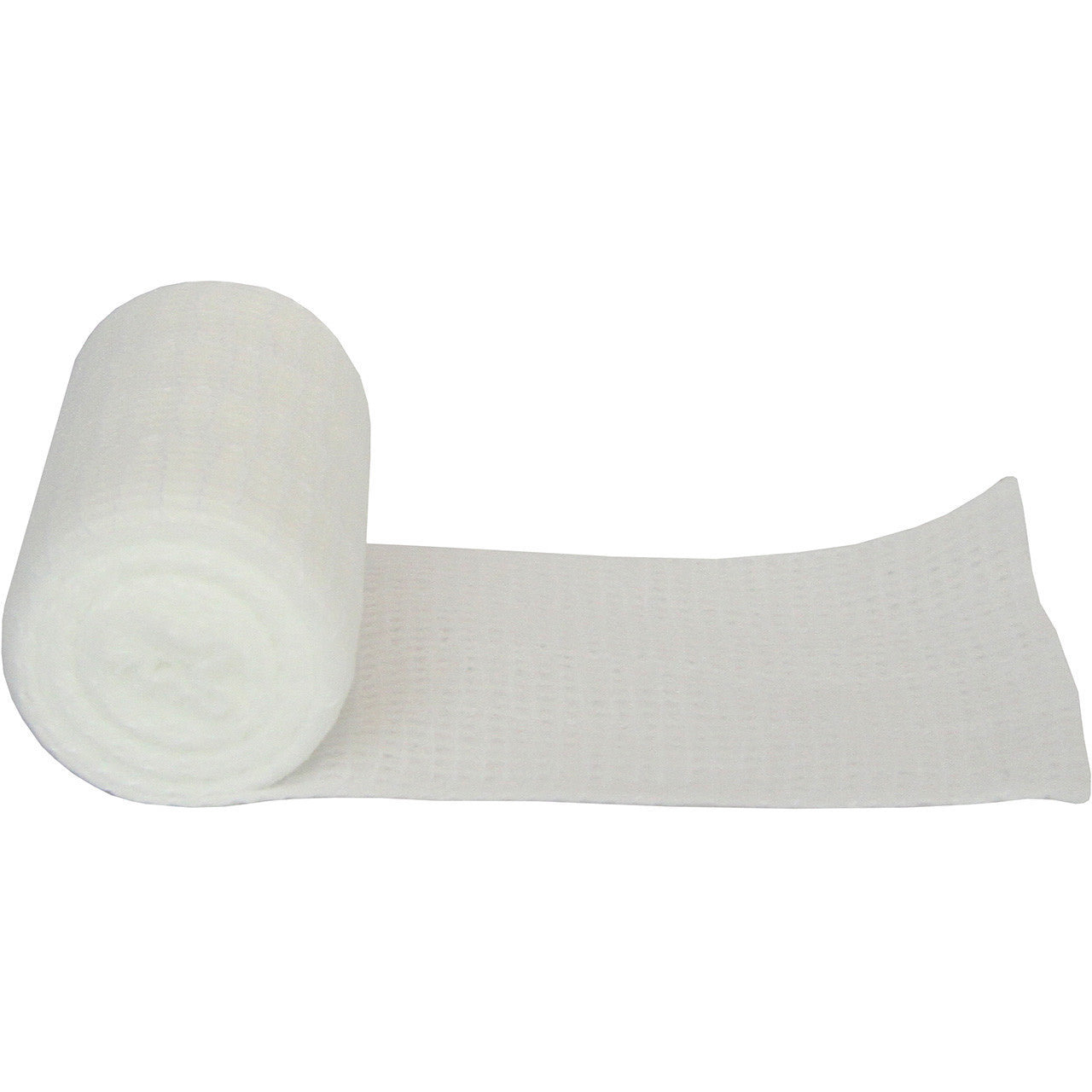
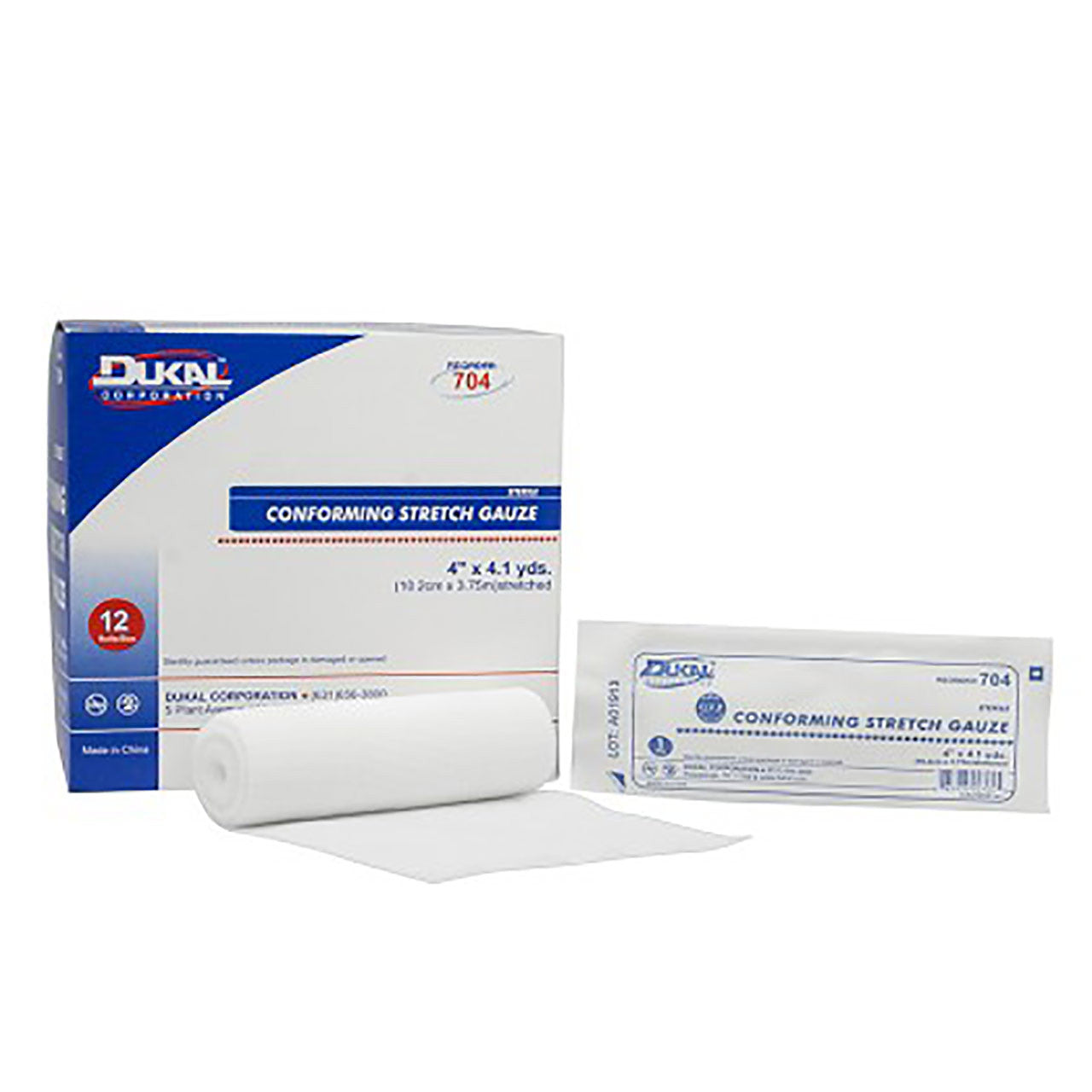
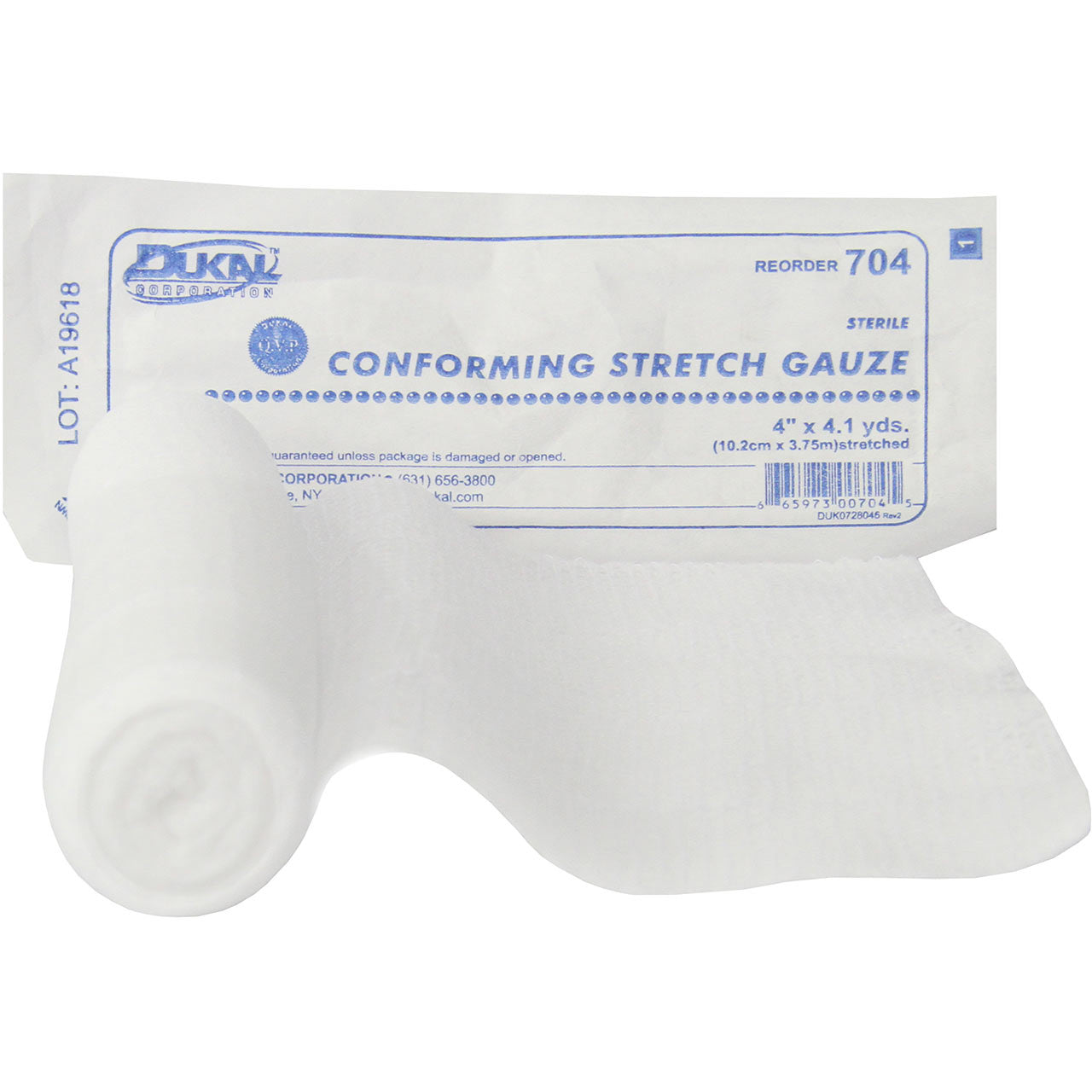
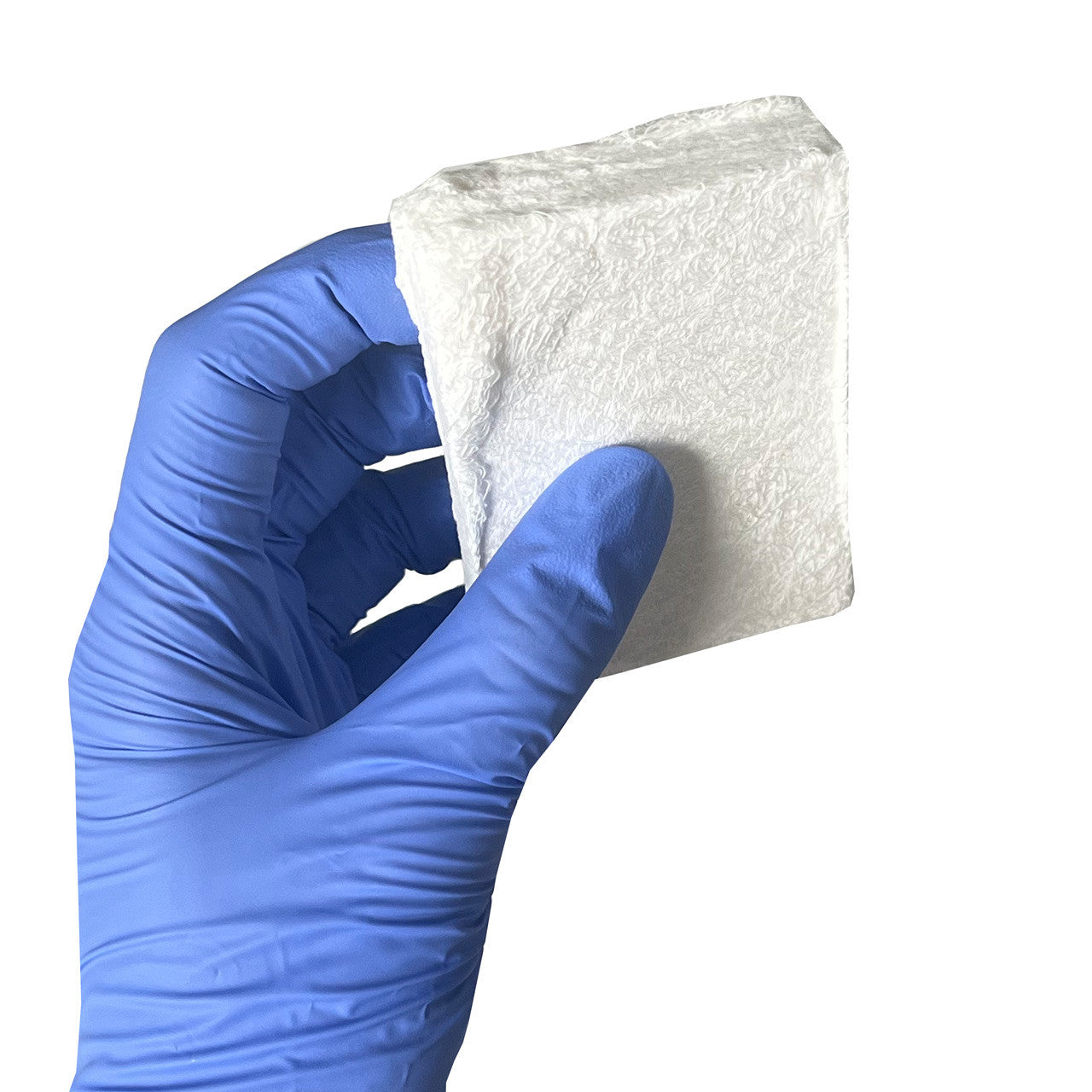
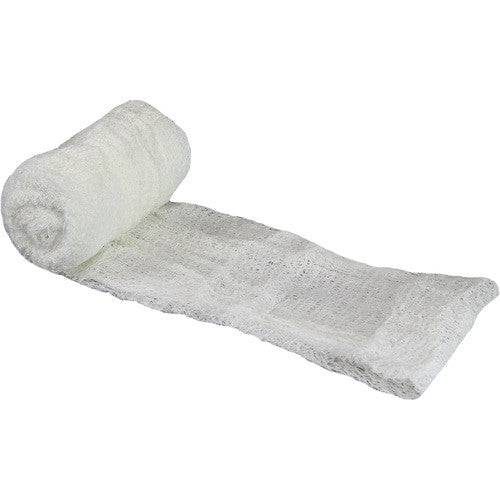
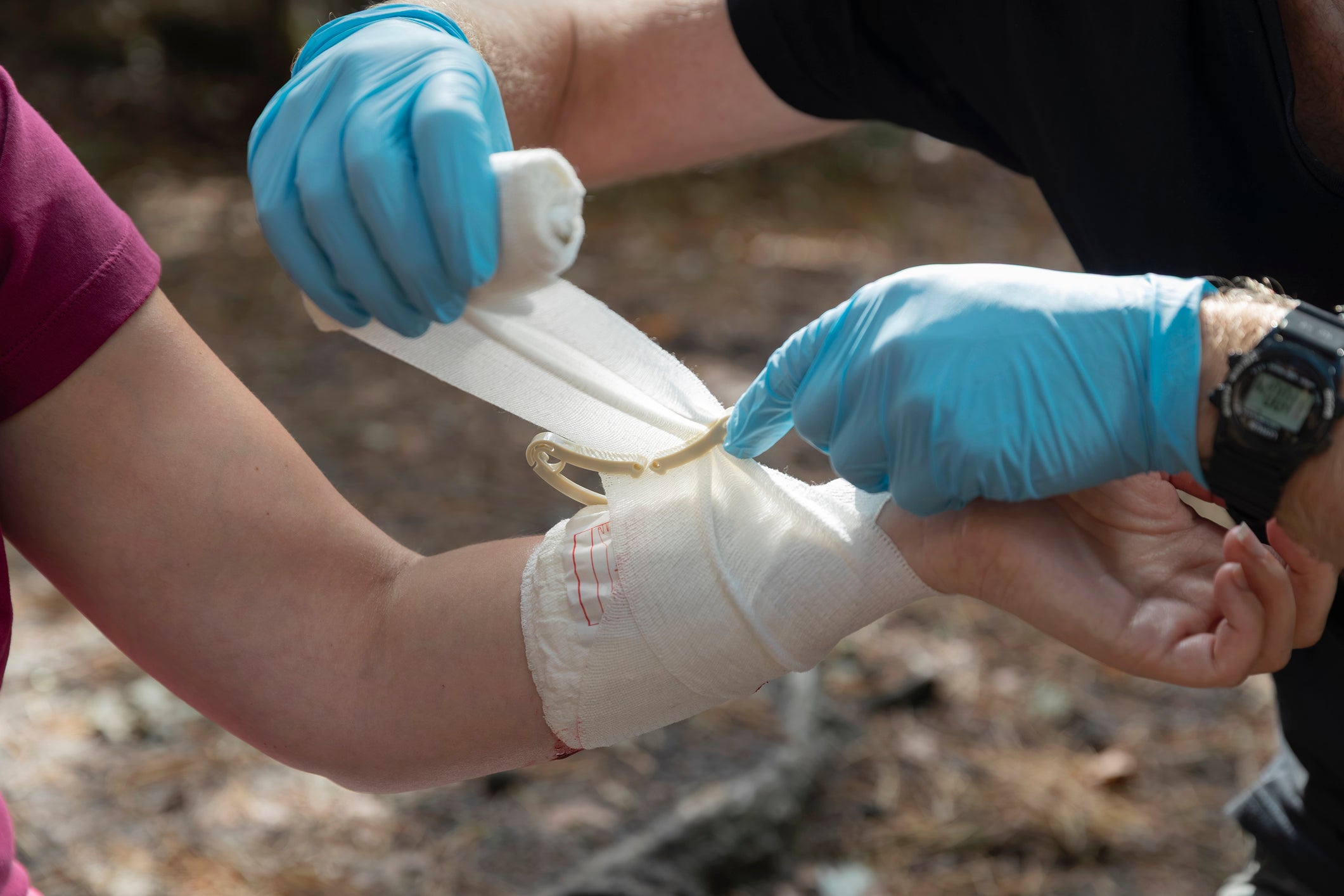
Conforming Stretch Sterile Gauze



40-1020
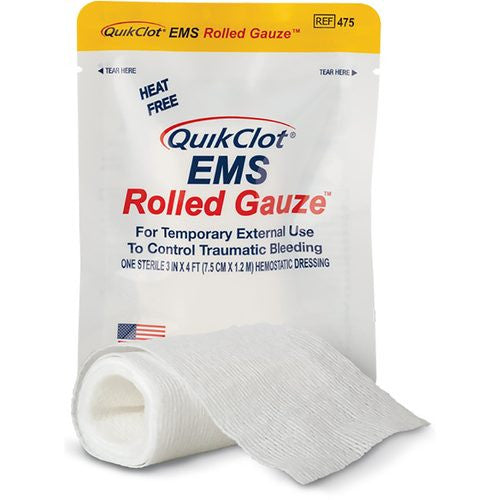
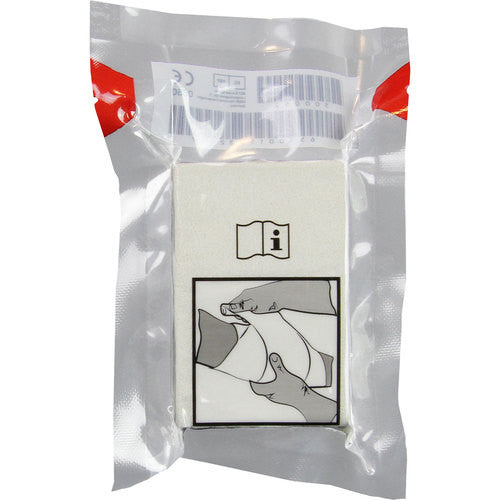
NAR S-Rolled Gauze - 4.5" x 4.1yds
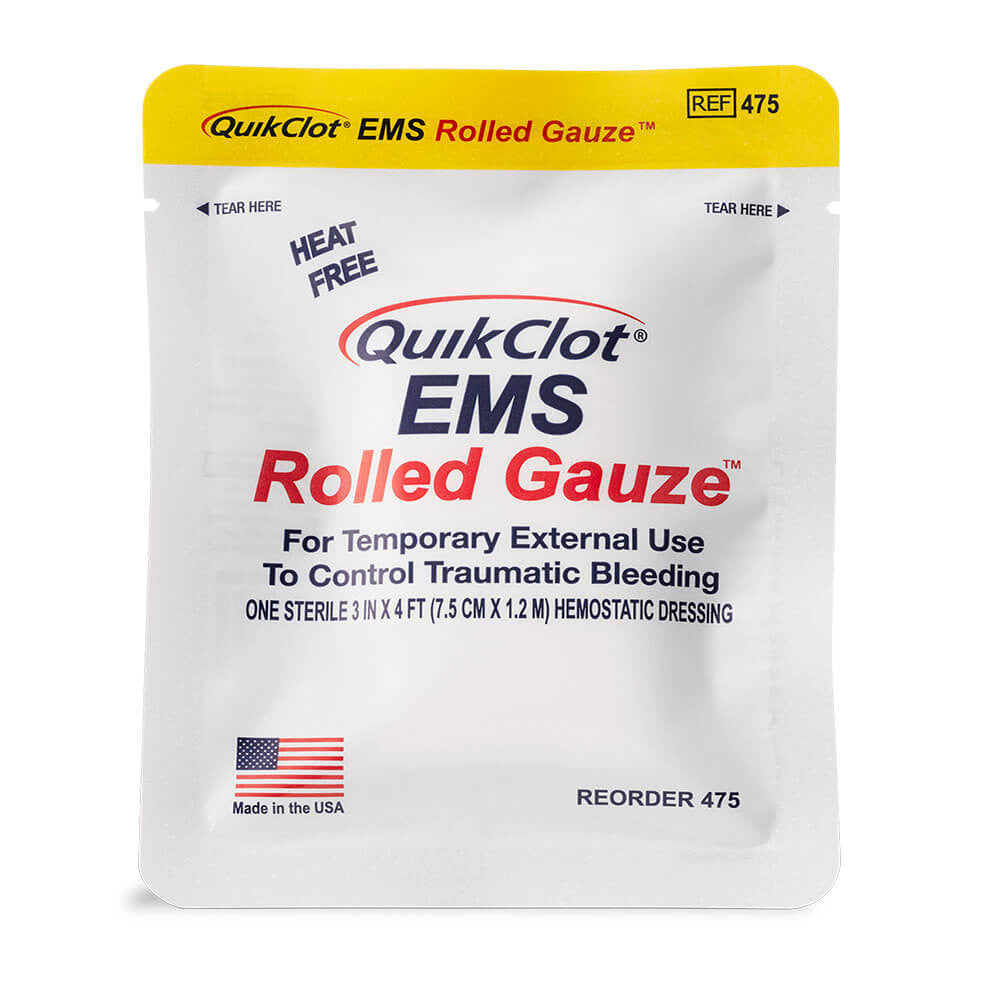


20-0076
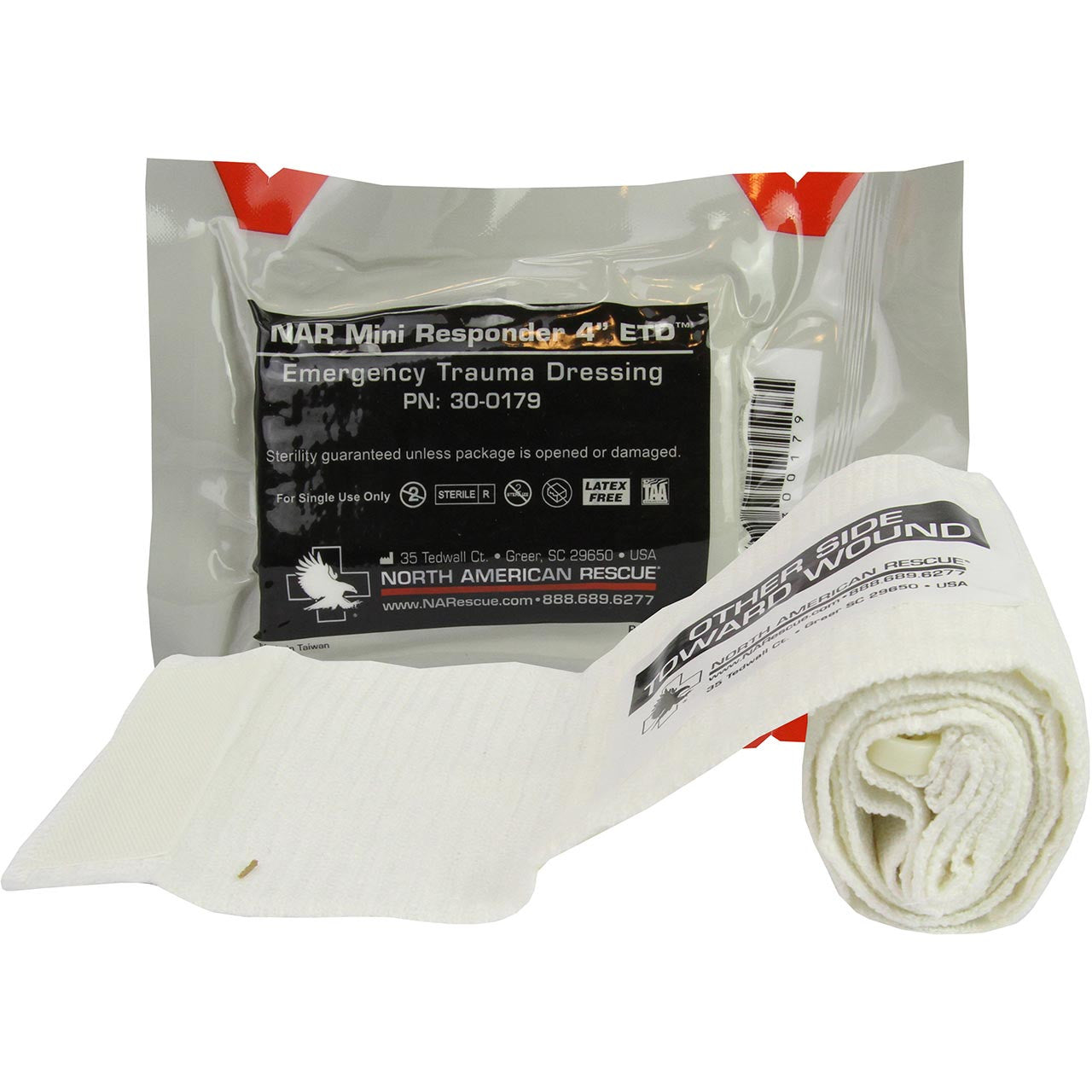

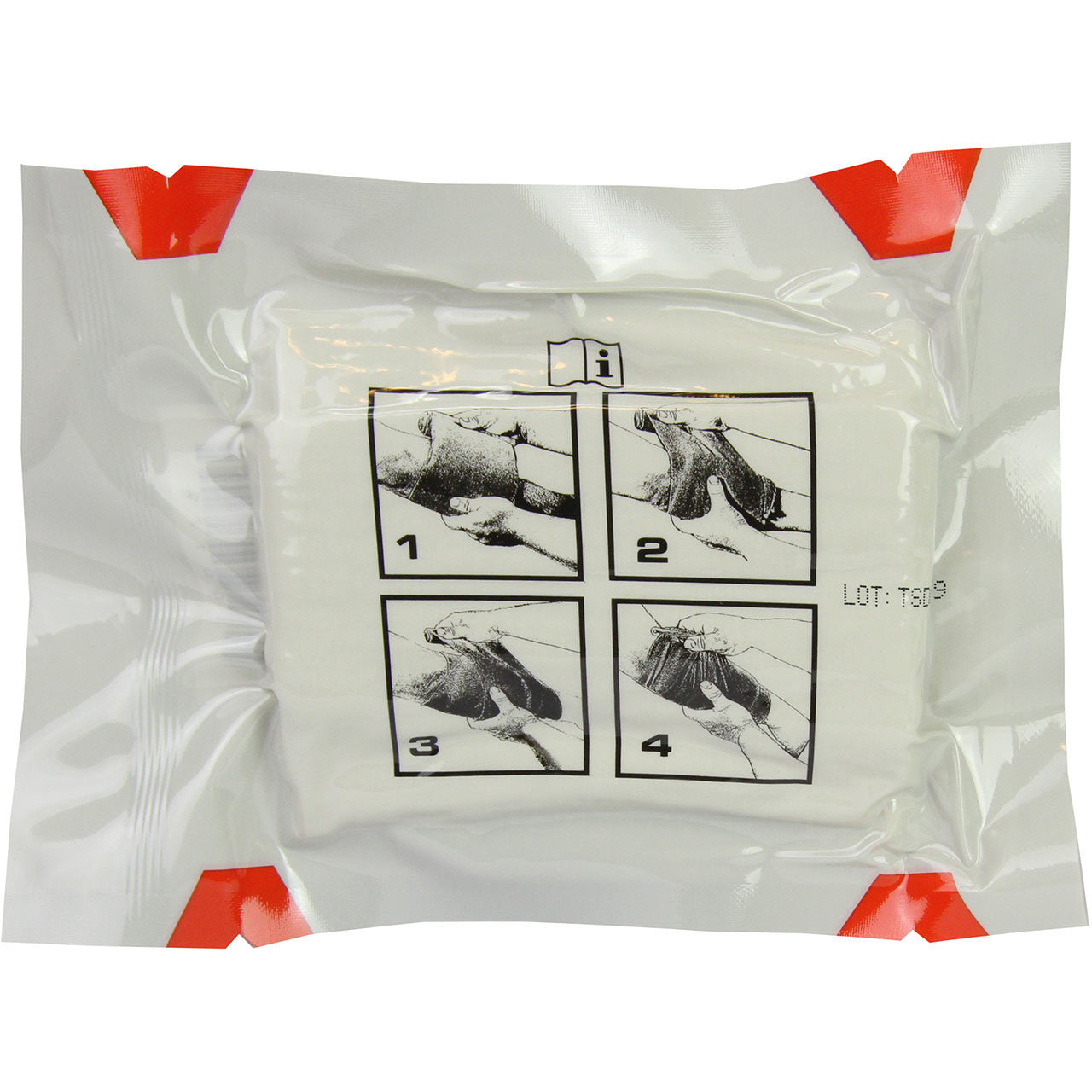
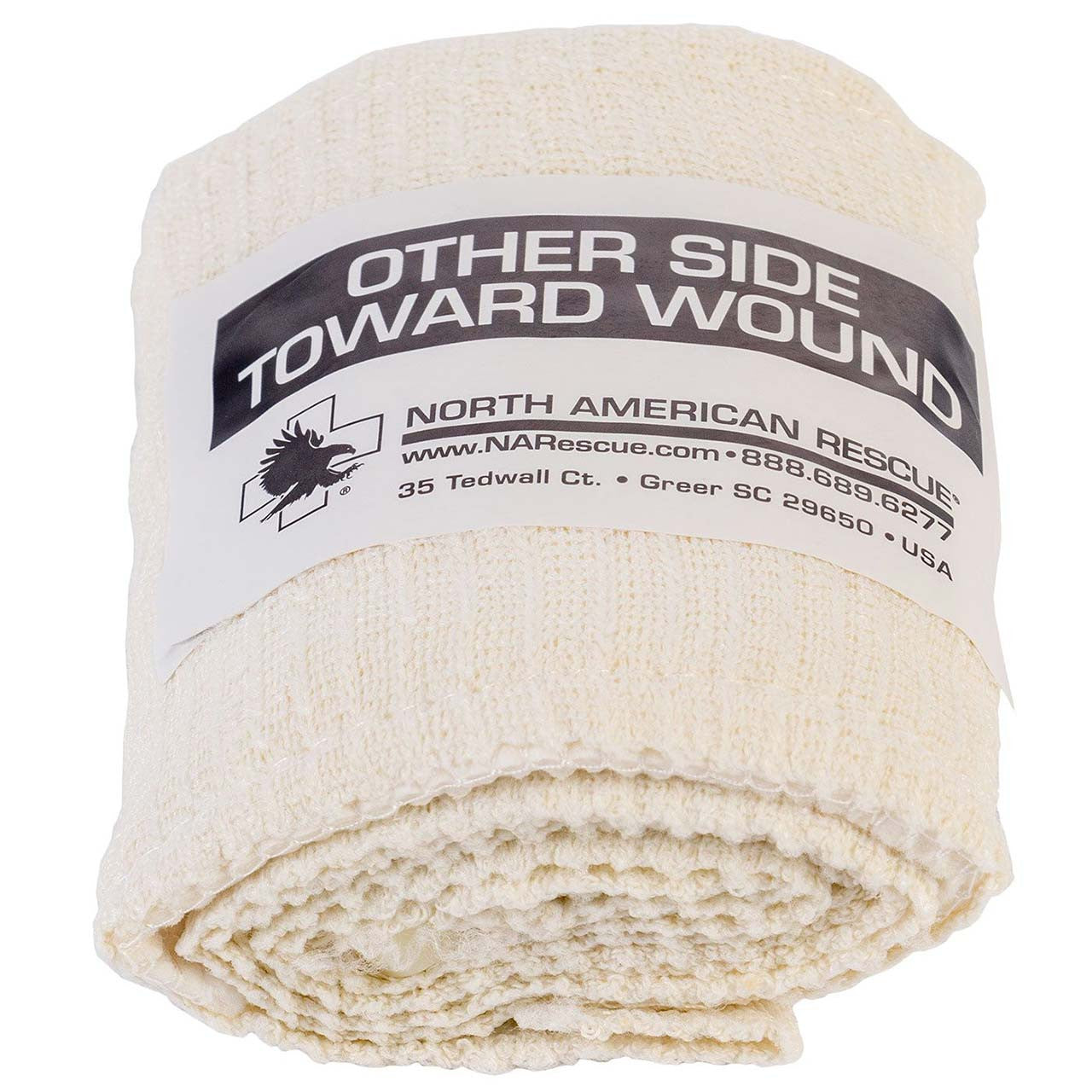
40-1033

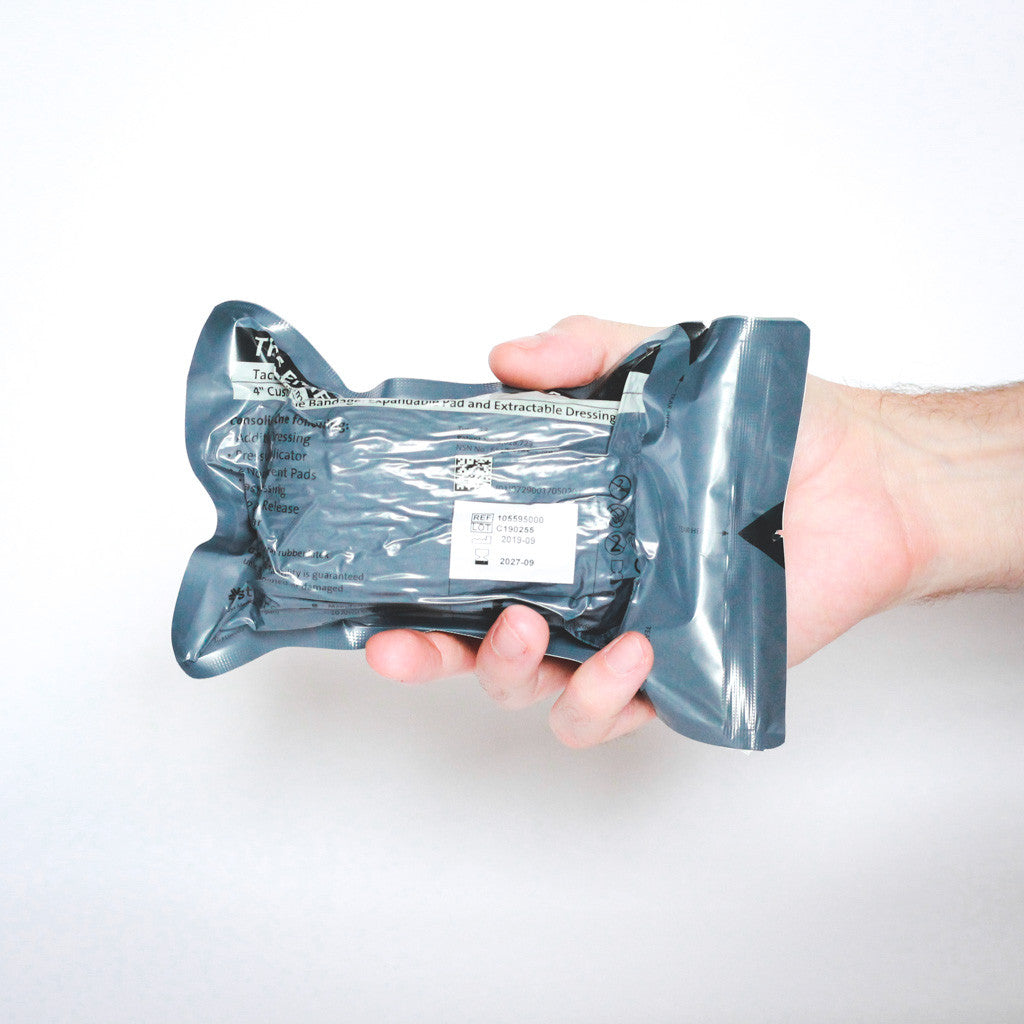


40-0591
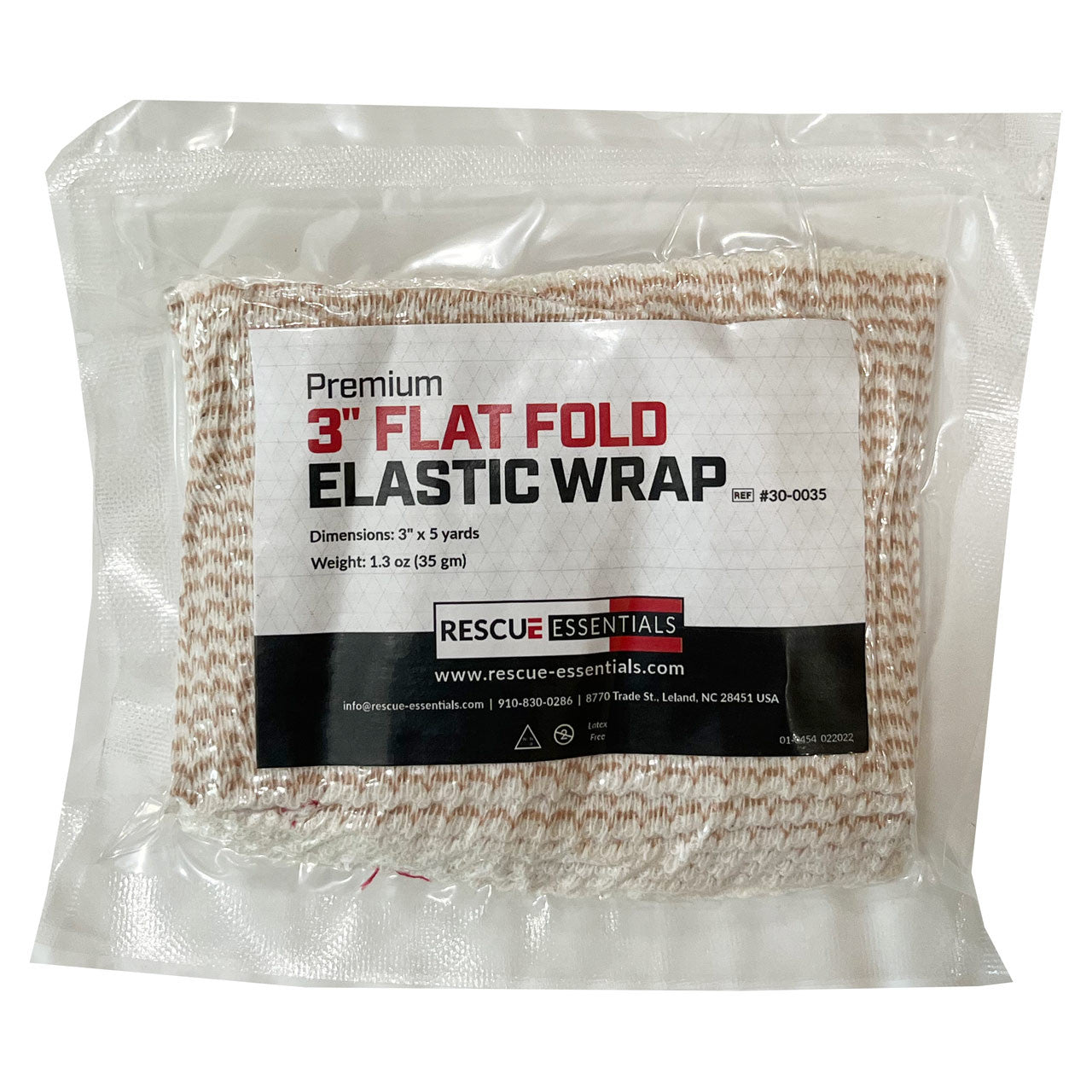


30-0035
Premium Elastic Wrap, 5 yds (Flat Folded)

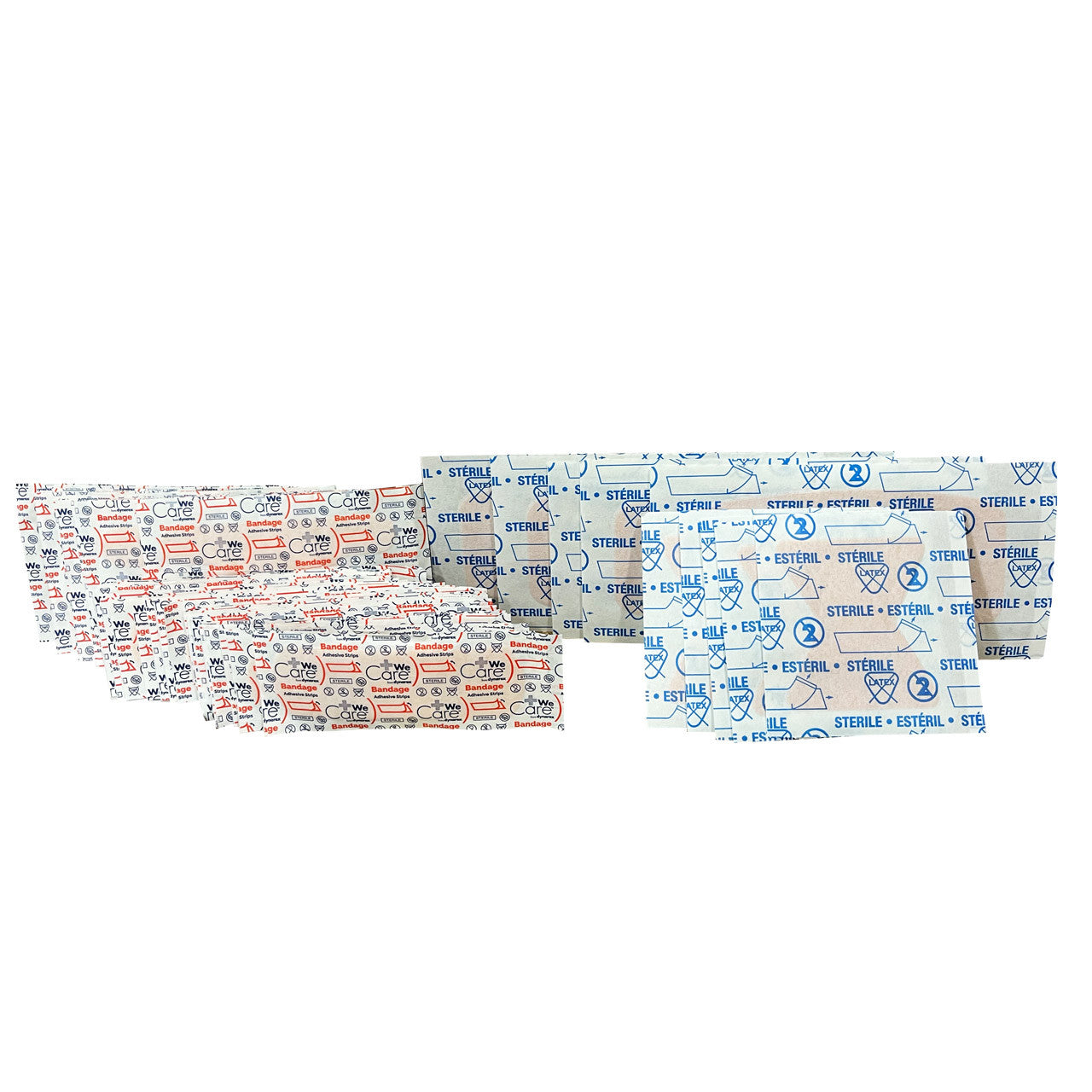
30-1100



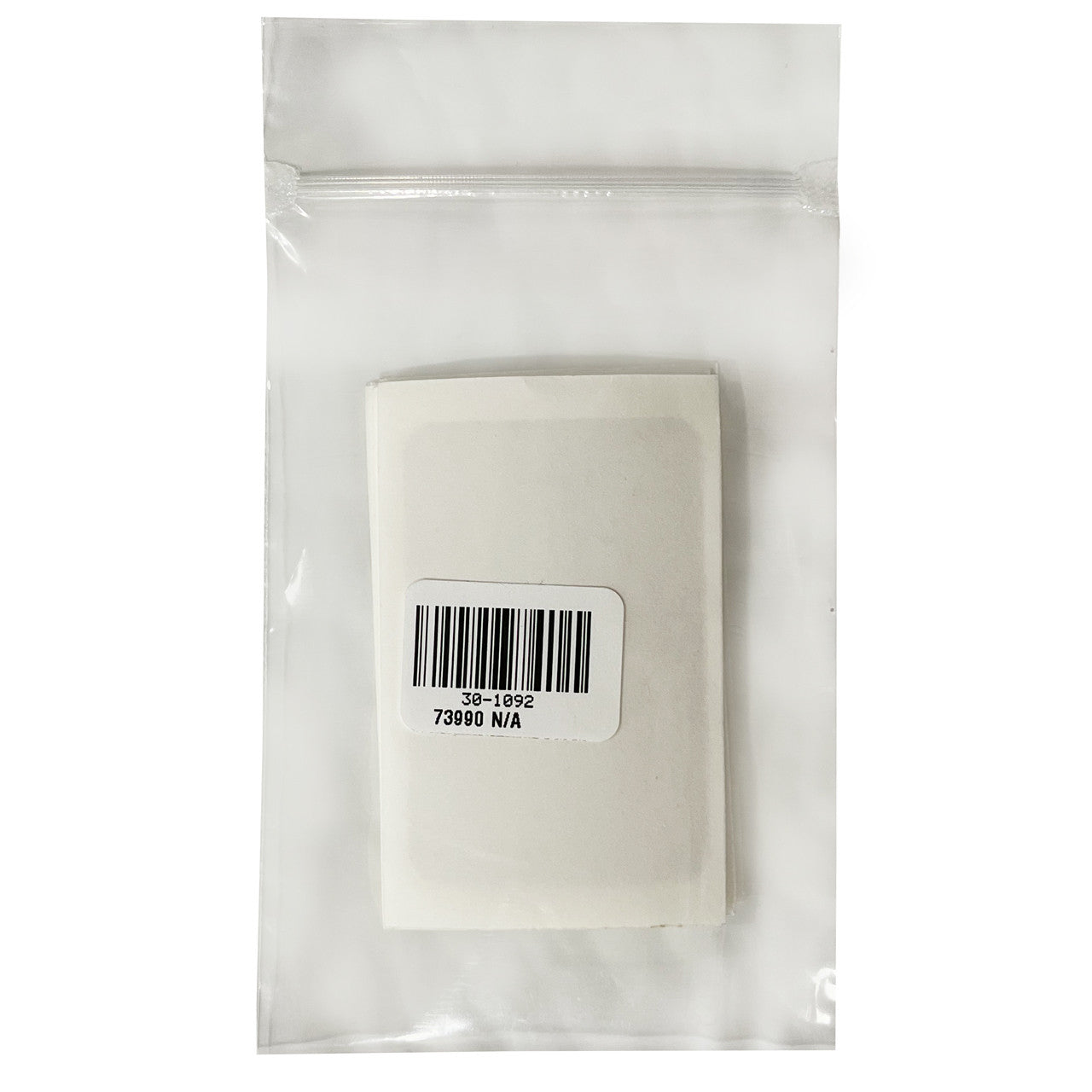

30-1092

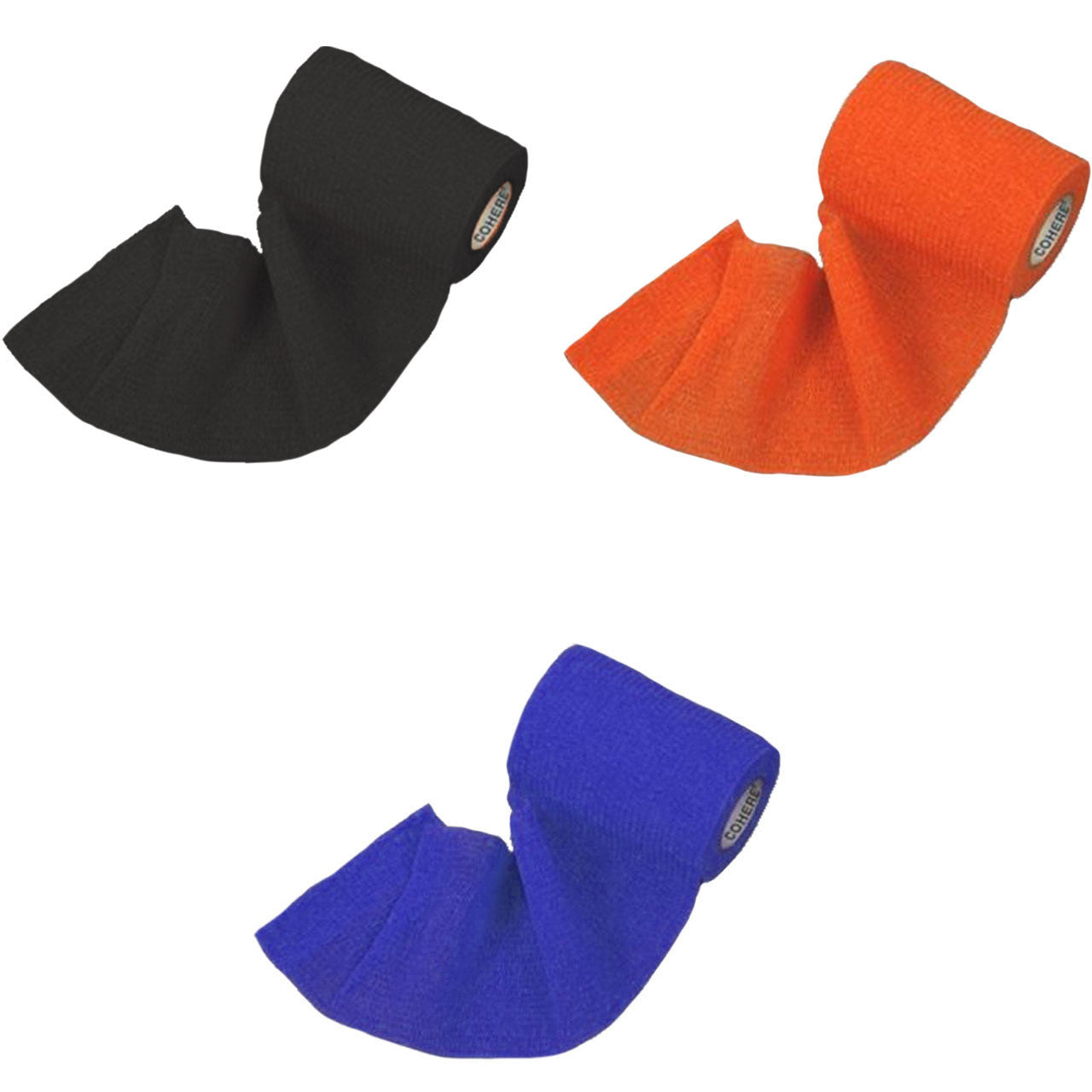
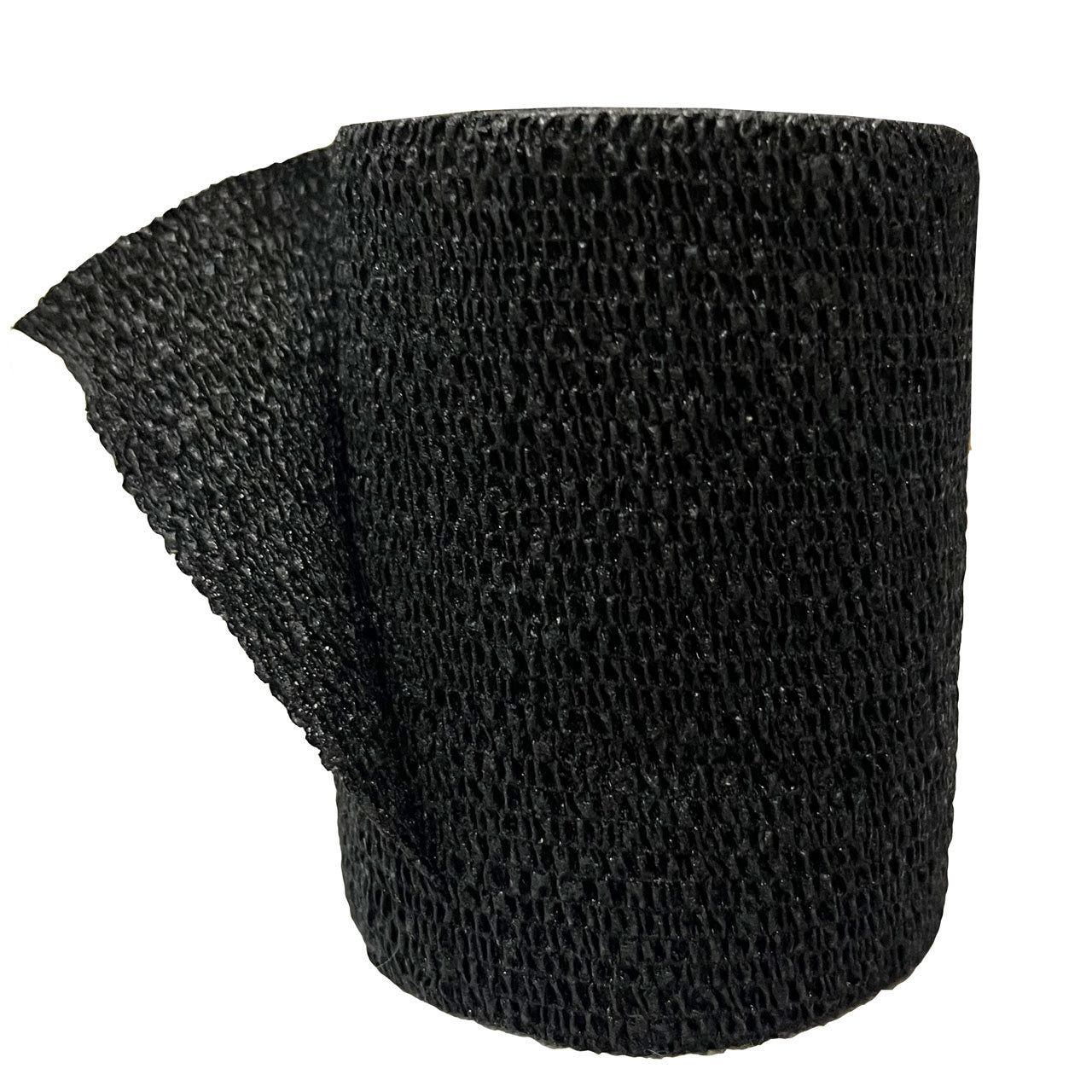

40-0552
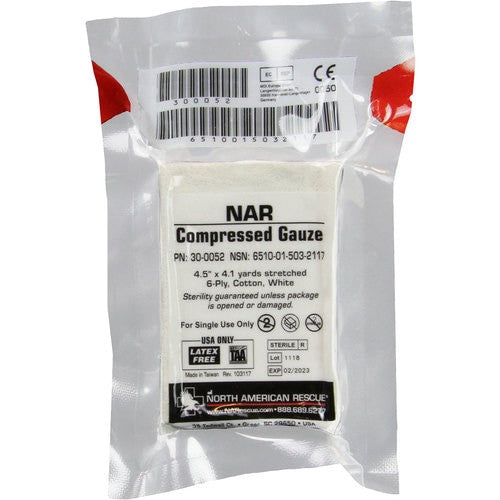
40-1021
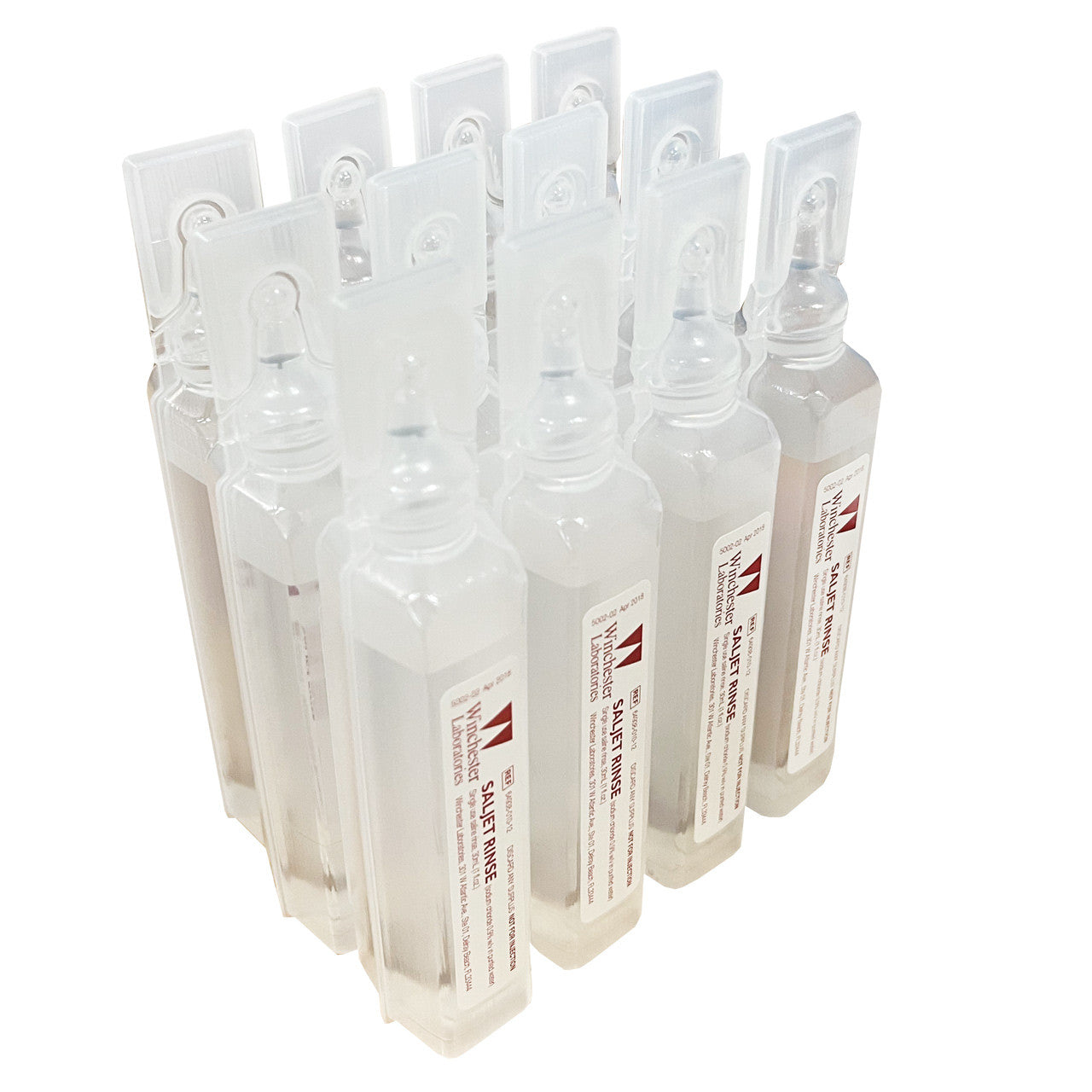

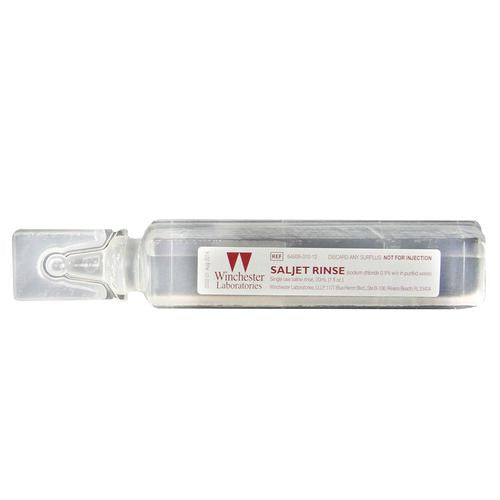
60-0380PACK12
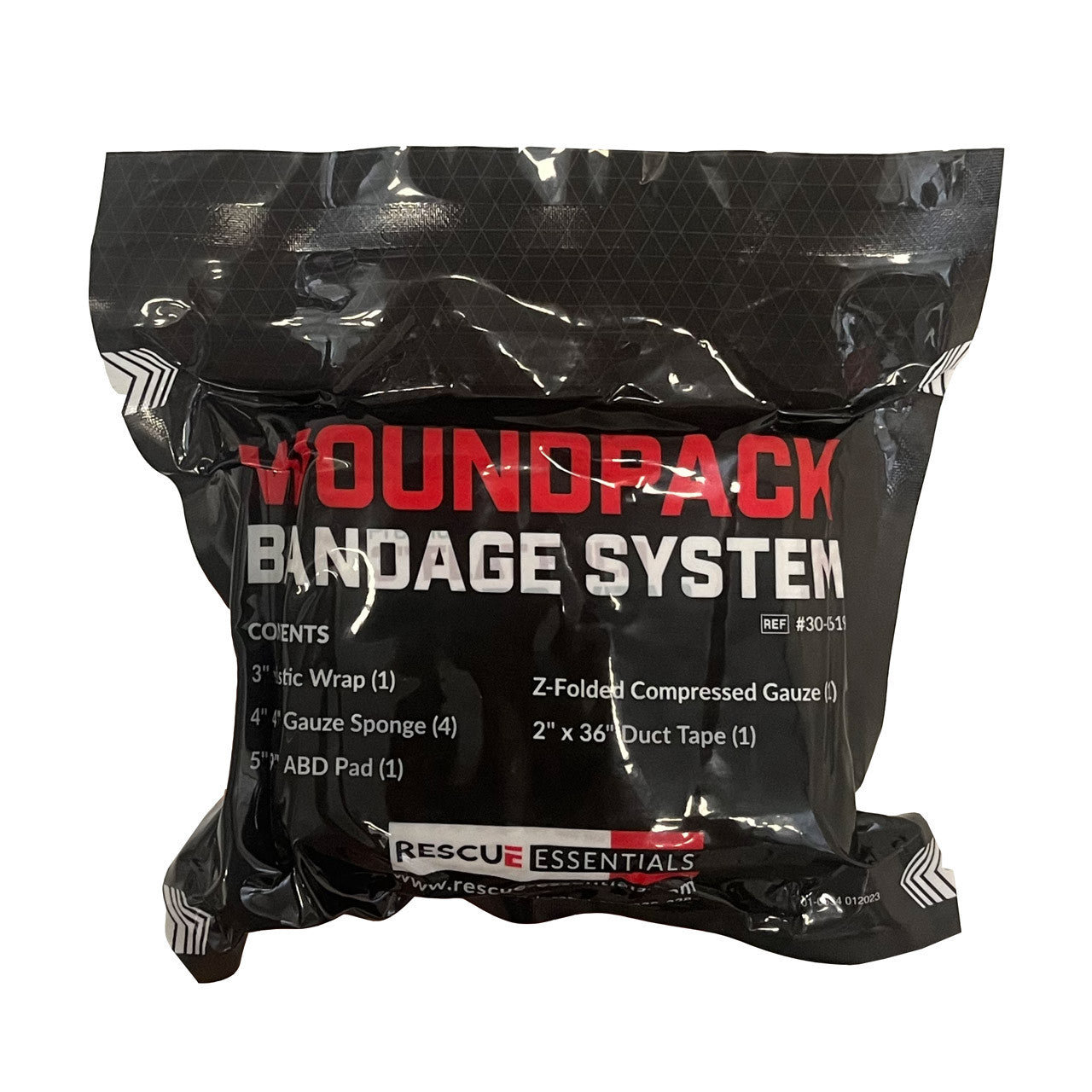
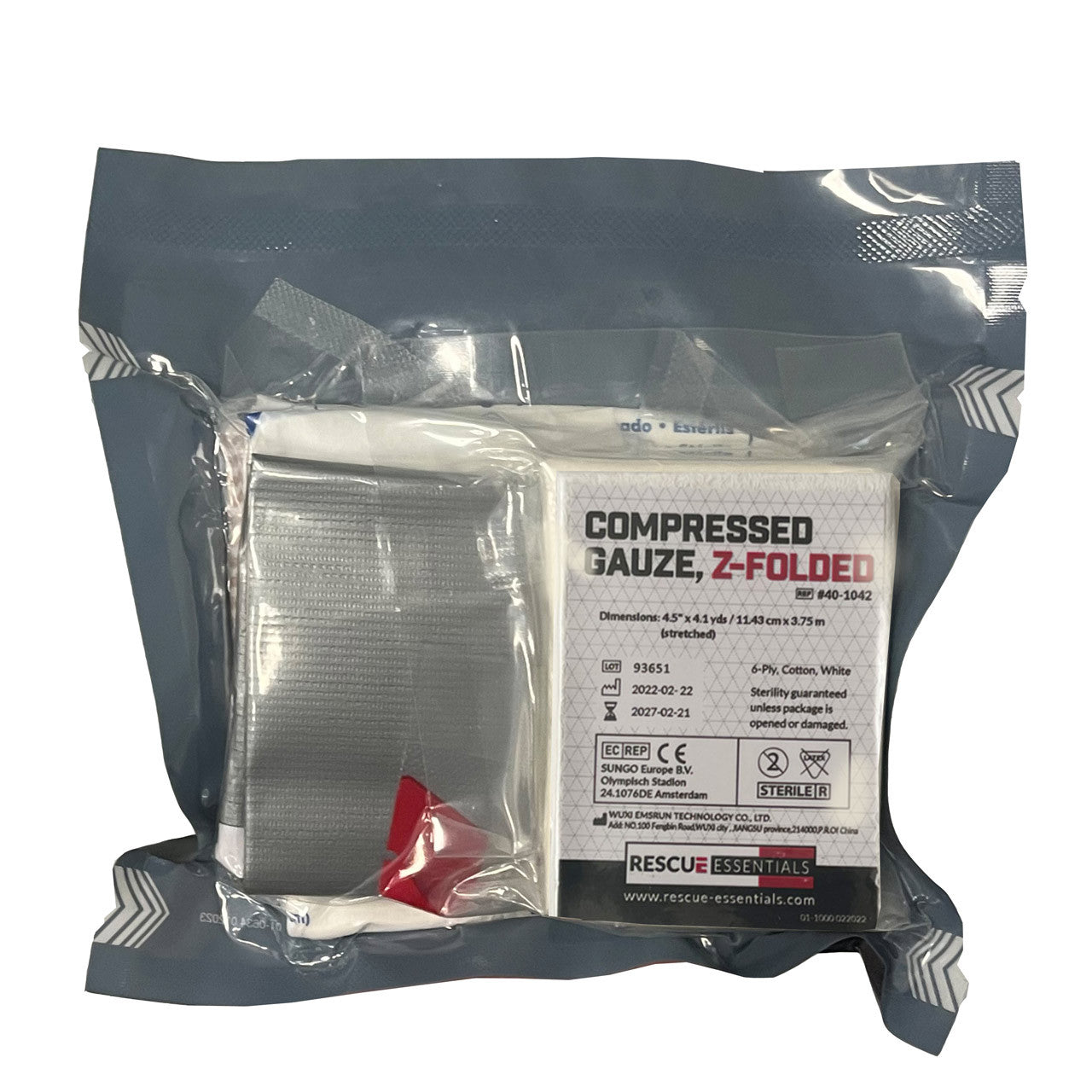
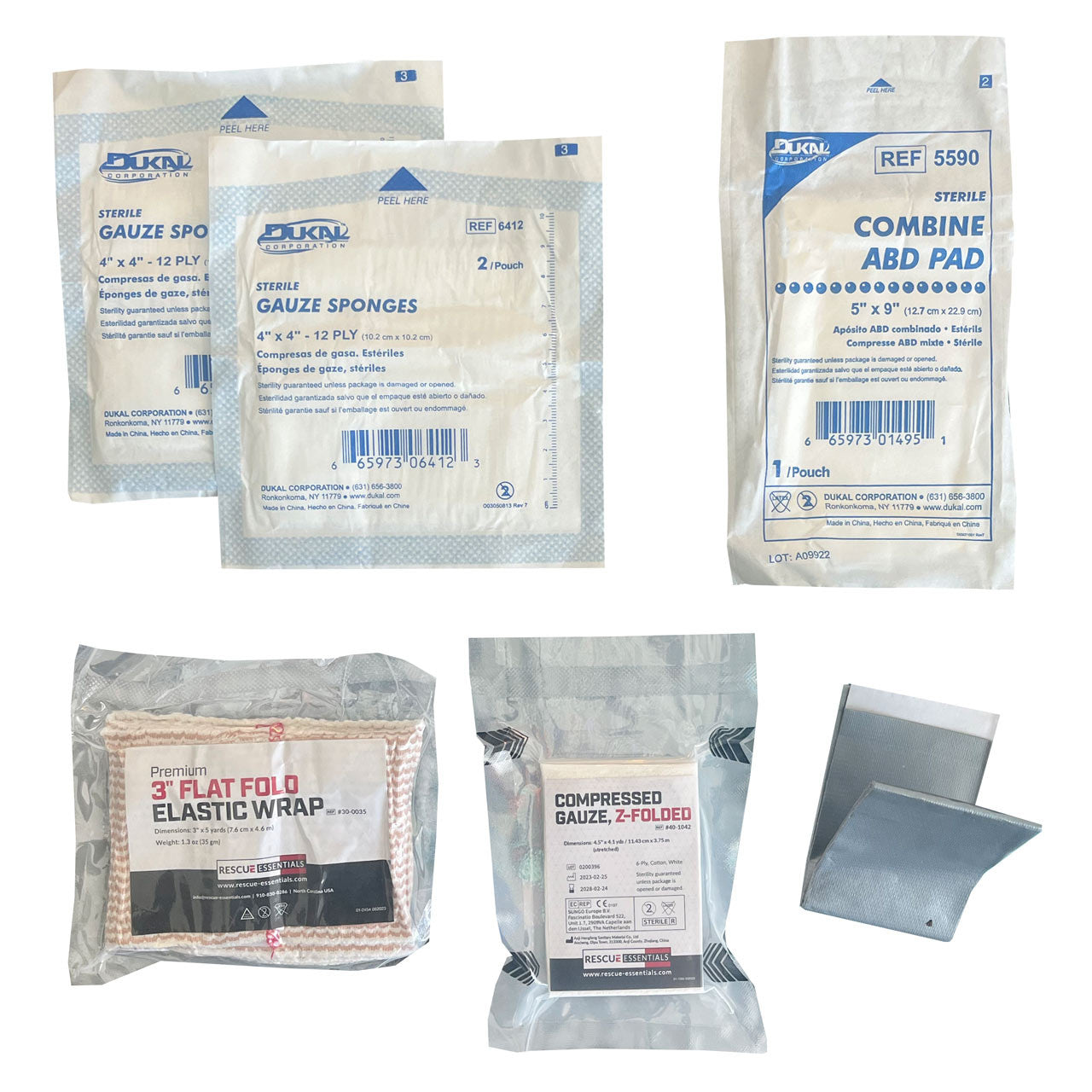
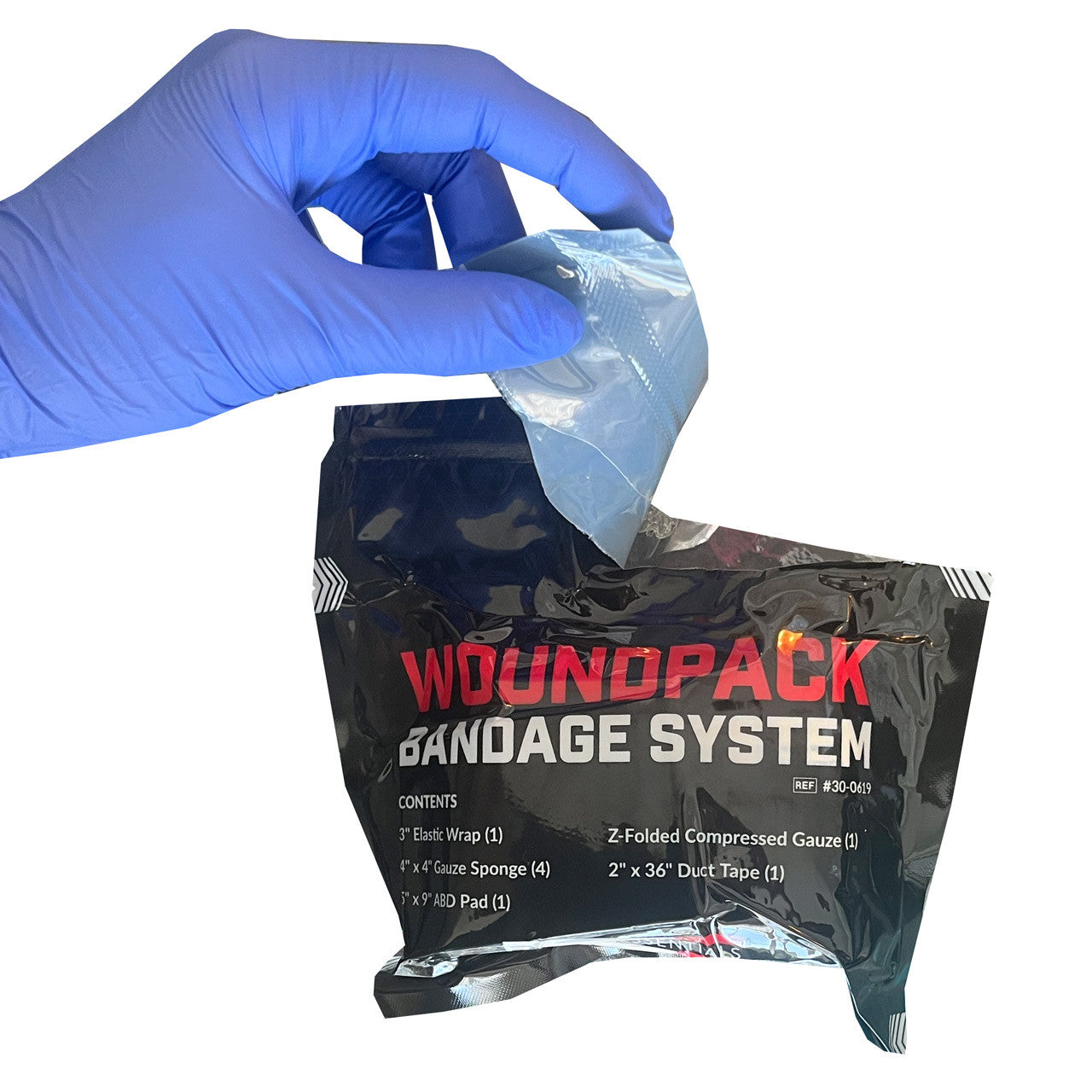
30-0619


40-0190


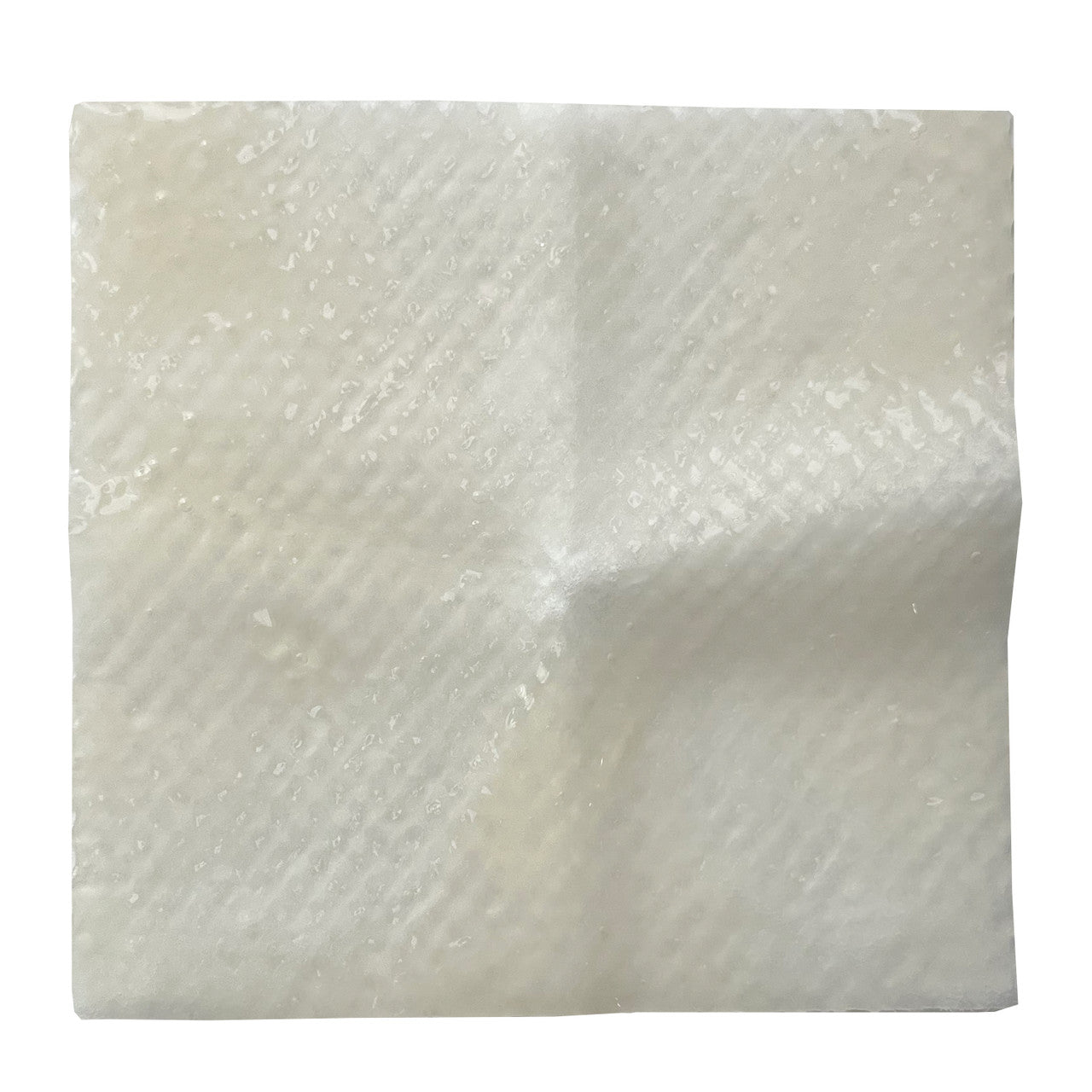
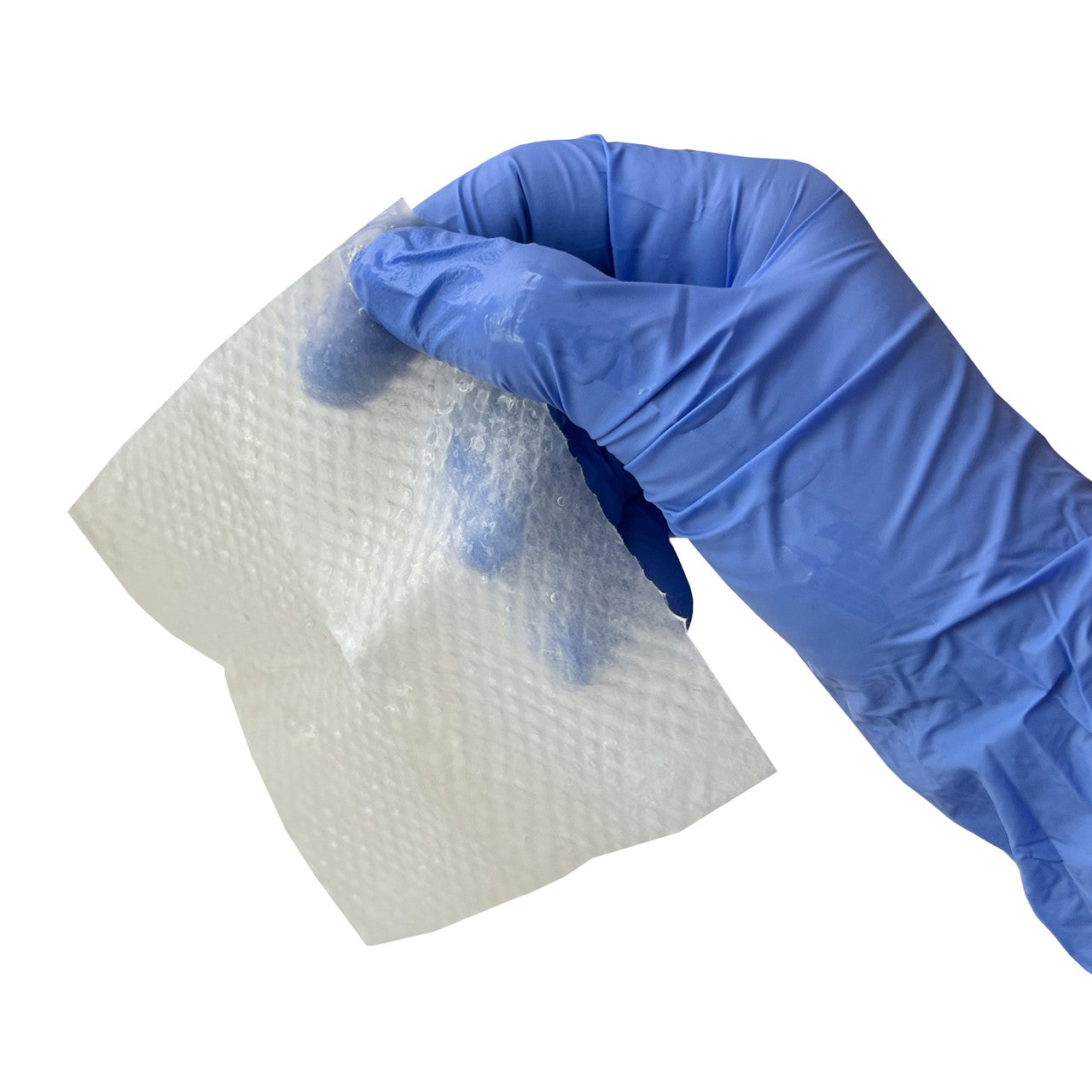
40-0705
40-1200
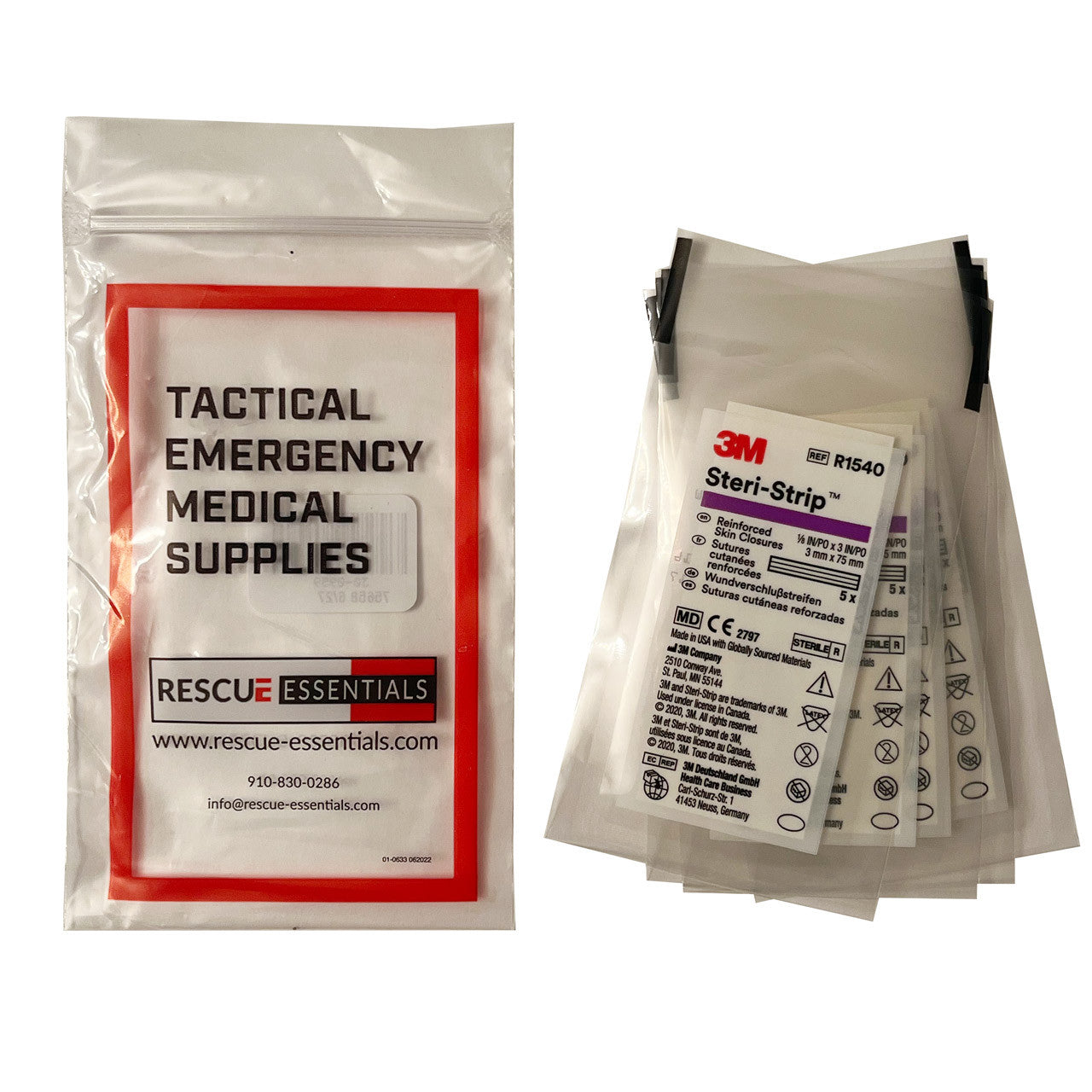
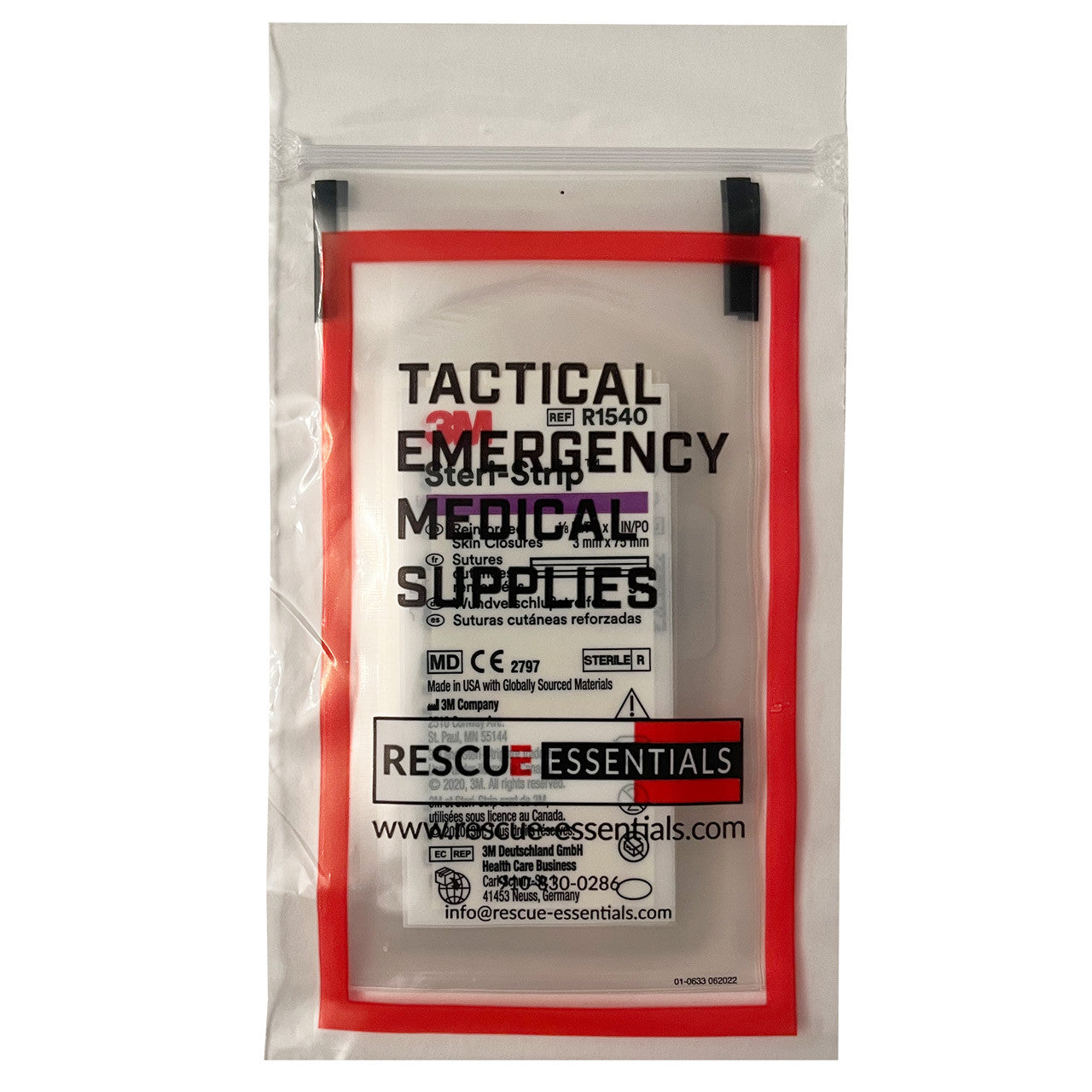

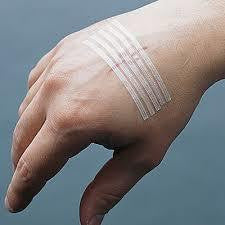
30-0959
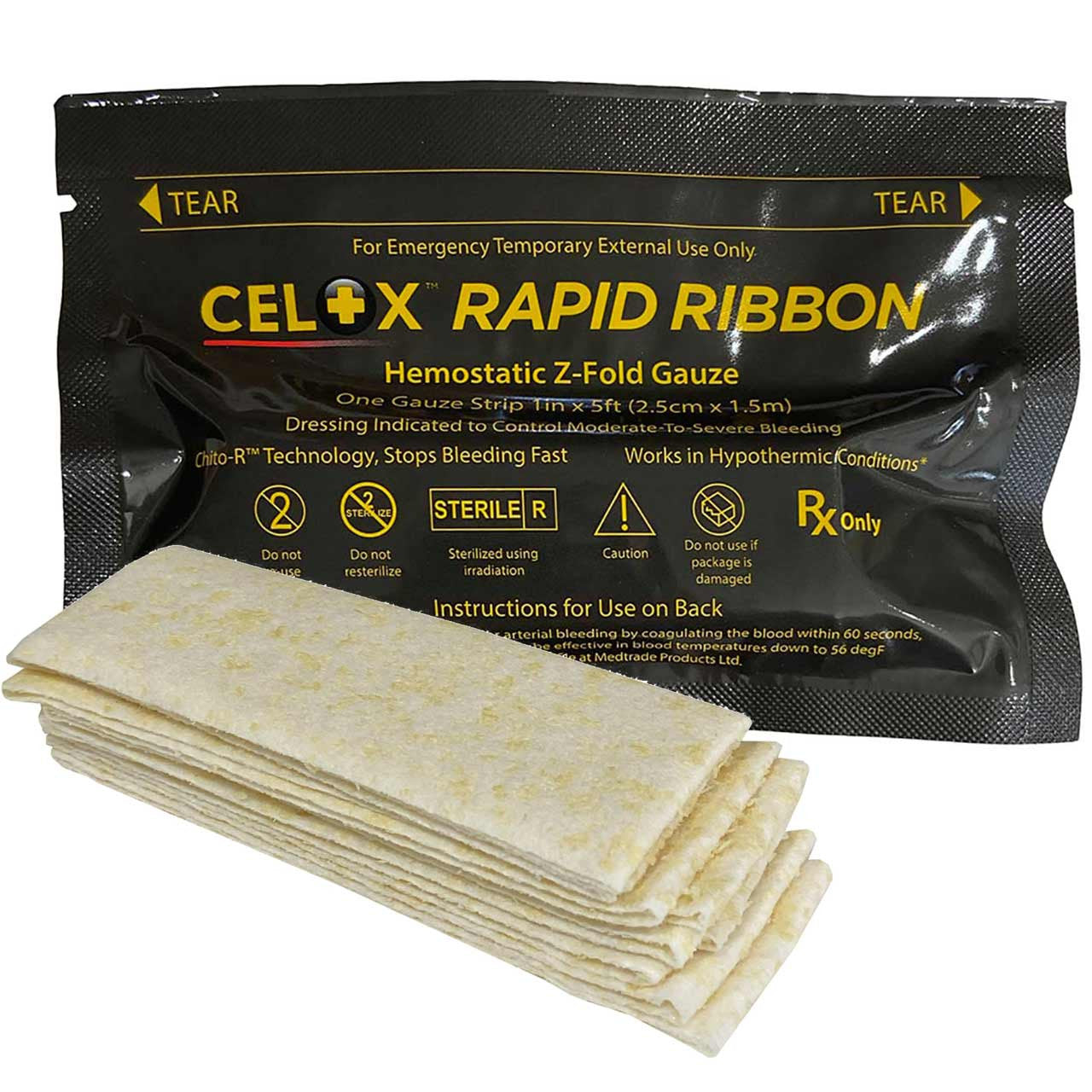


20-0009


40-0240



20-0029



FAQs
What belongs in a bleeding control and wound care kit?
What is the difference between a hemostatic dressing and a regular wound dressing?
Can agencies and departments order wound care supplies in bulk?
Are these supplies appropriate for trained individuals, not just professionals?
How should I store these supplies?
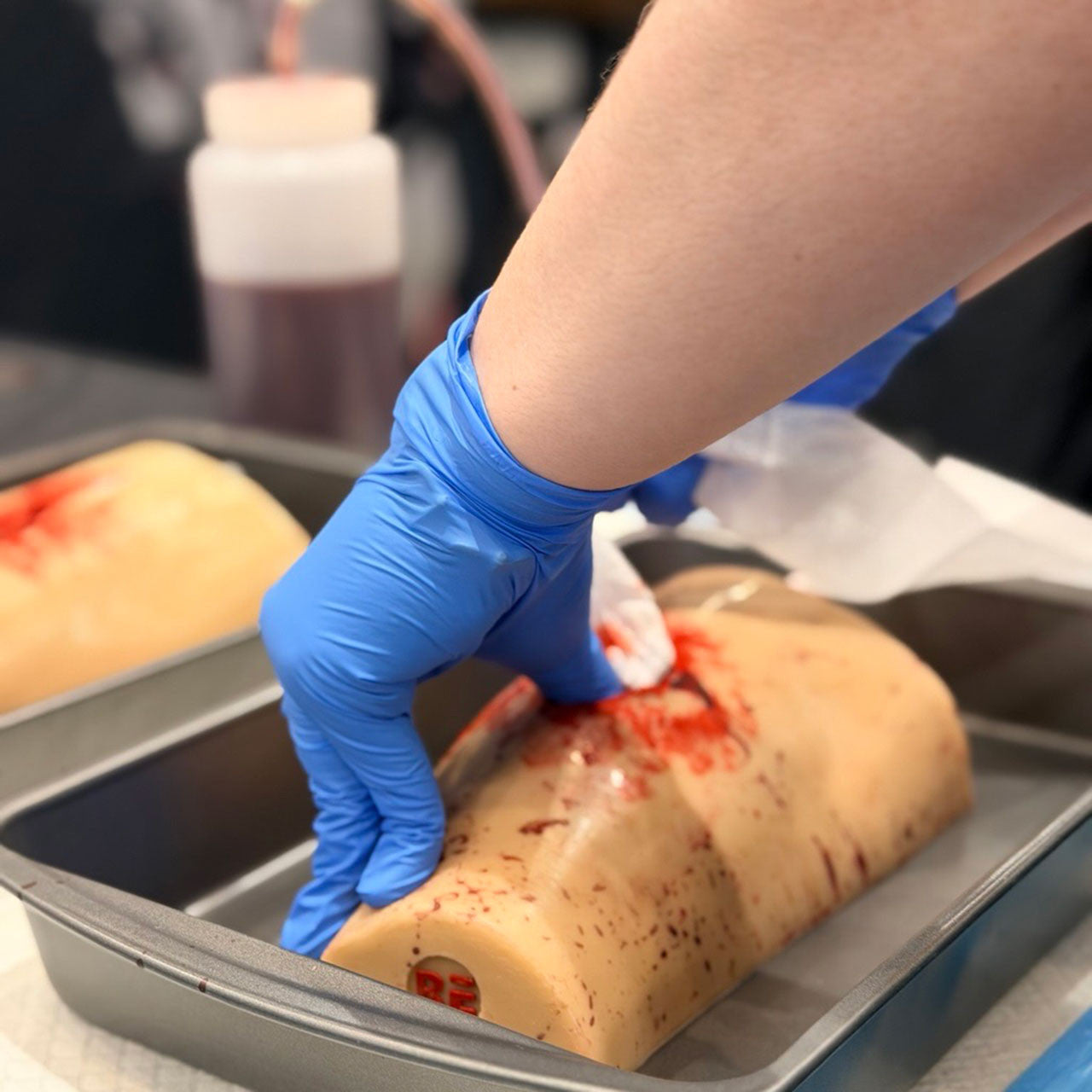
Need Training?
Rescue Essentials is proud to partner with accredited Stop the Bleed trainers throughout the U.S.