
Best Sellers


SKU:
30-1150
SKU:
30-0257


SKU:
30-1096
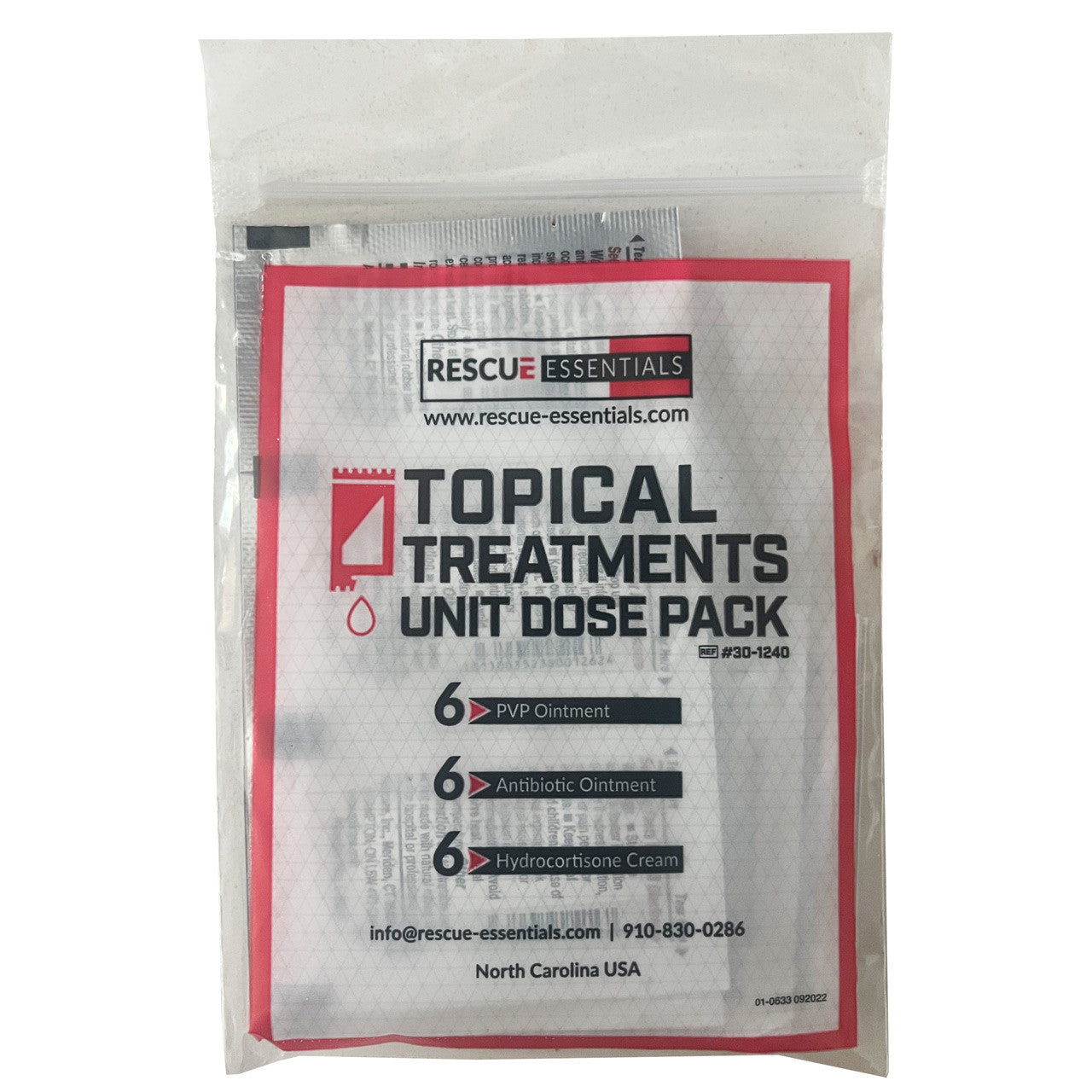
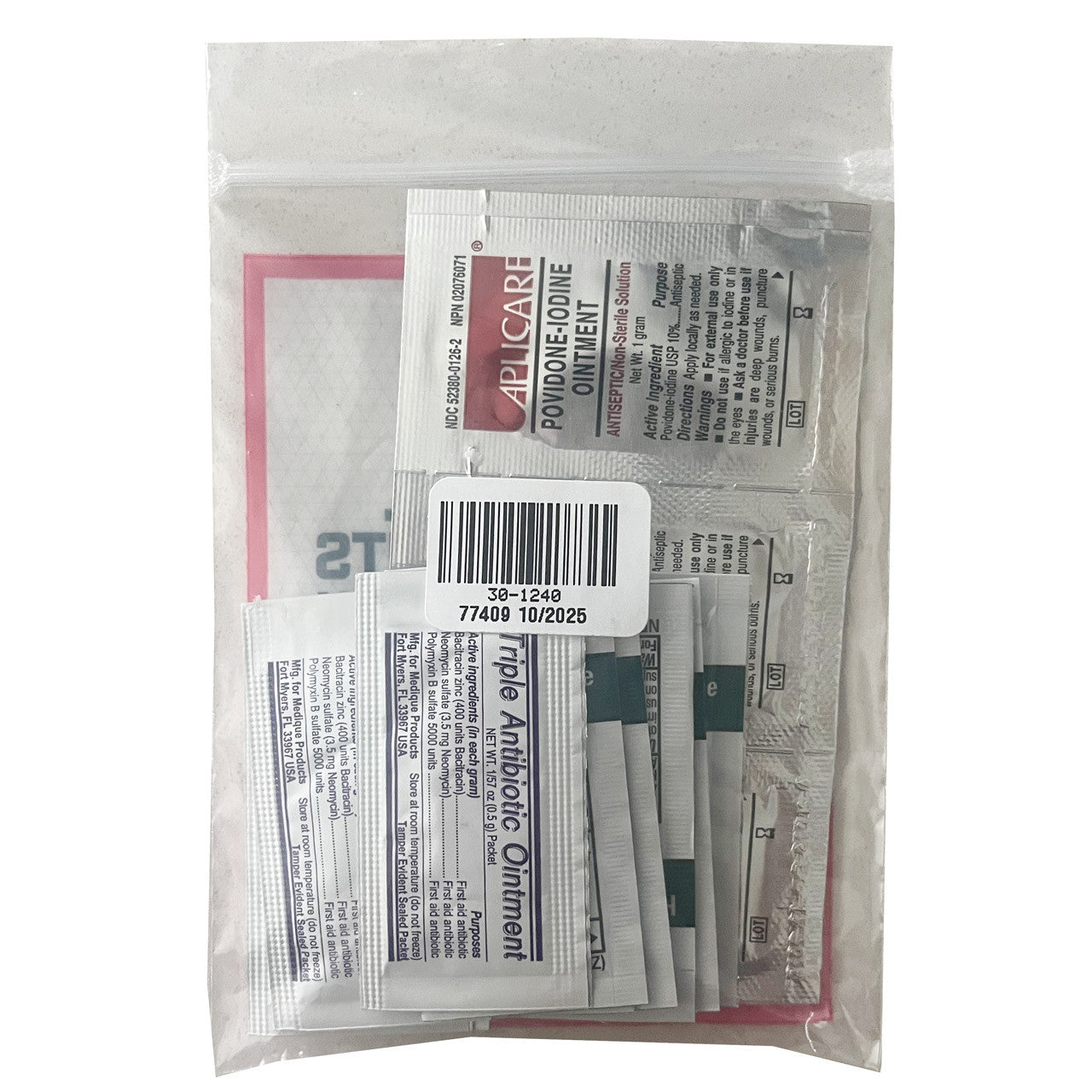
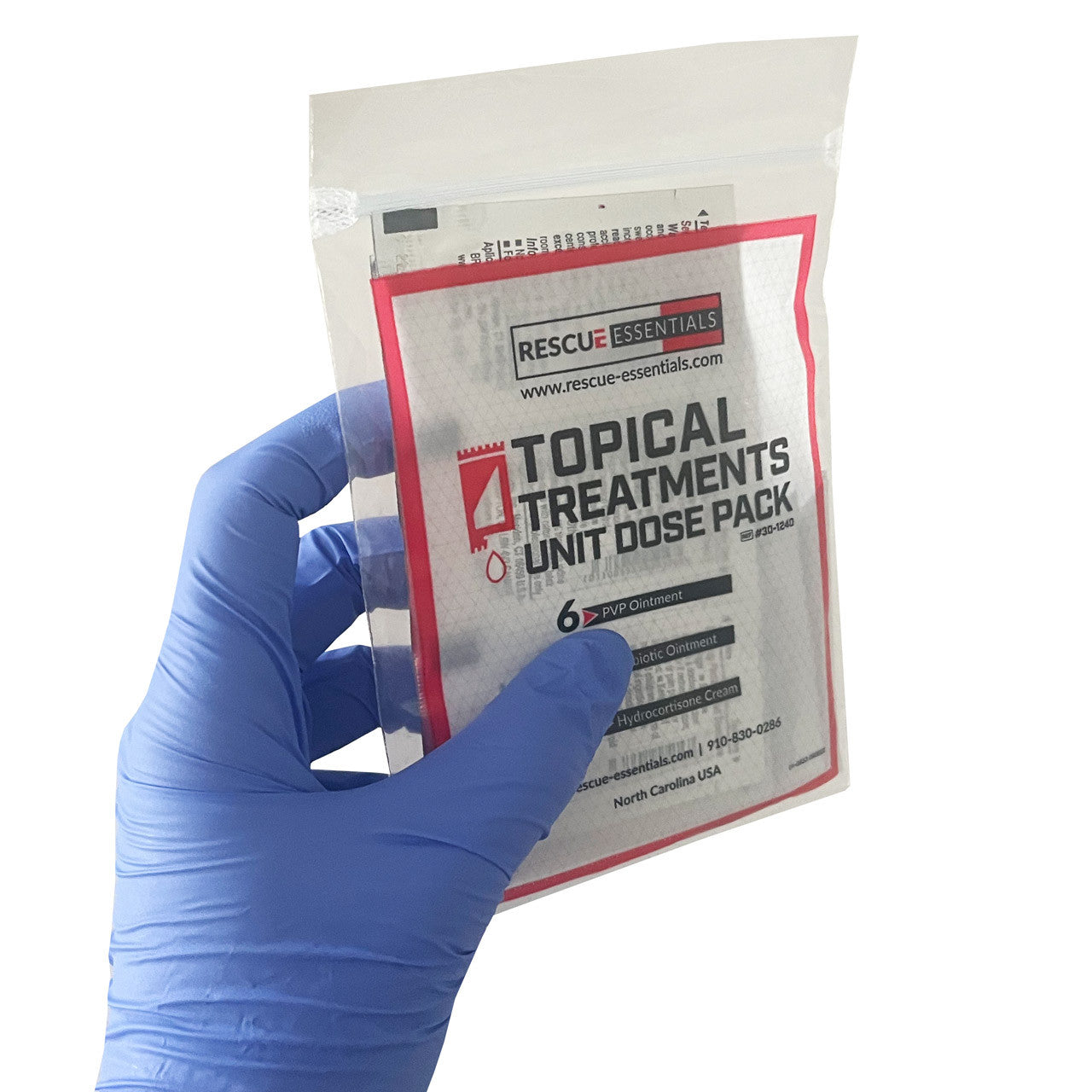
SKU:
30-1240


SKU:
30-1089
Save 12%
Sale
SKU:
30-1095
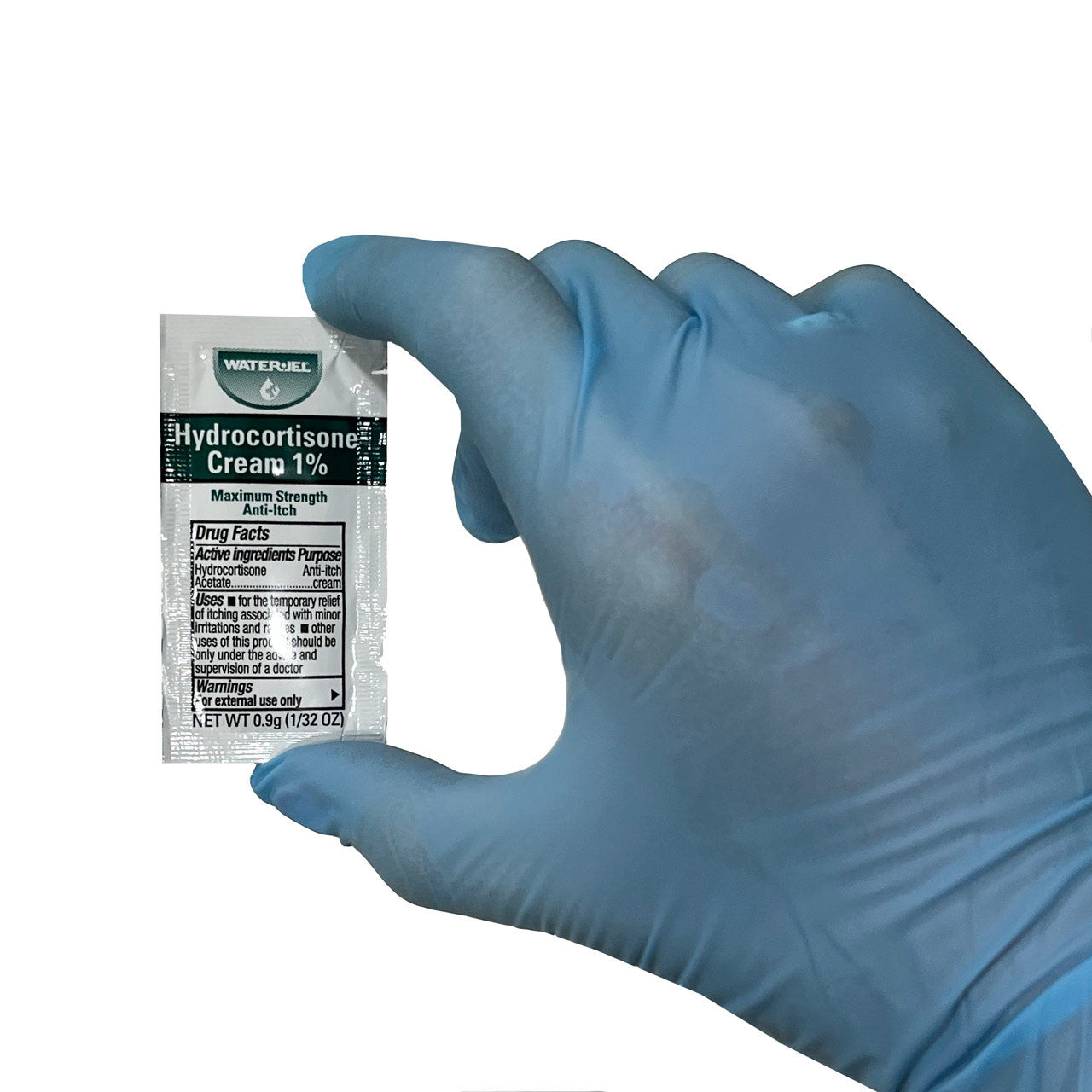
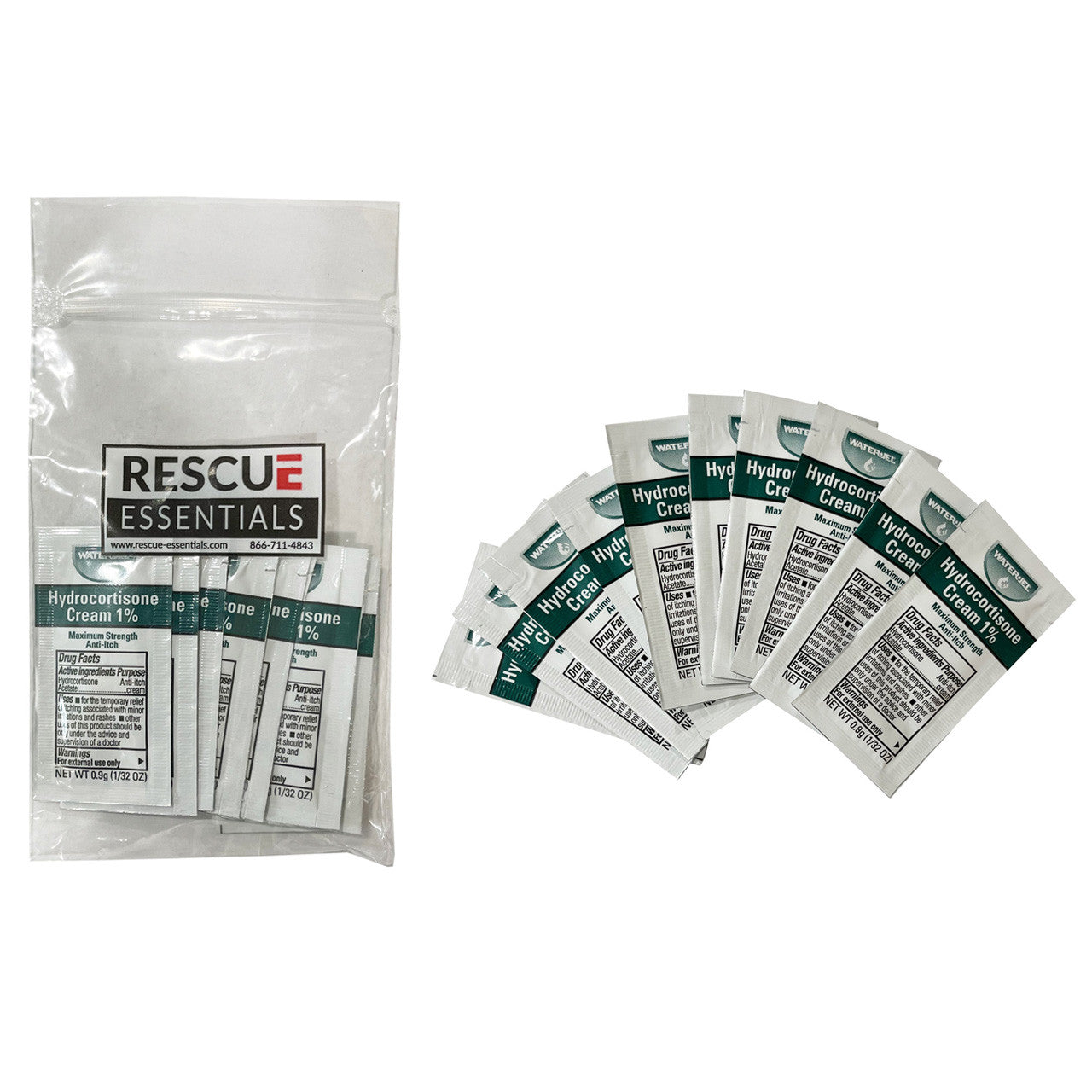
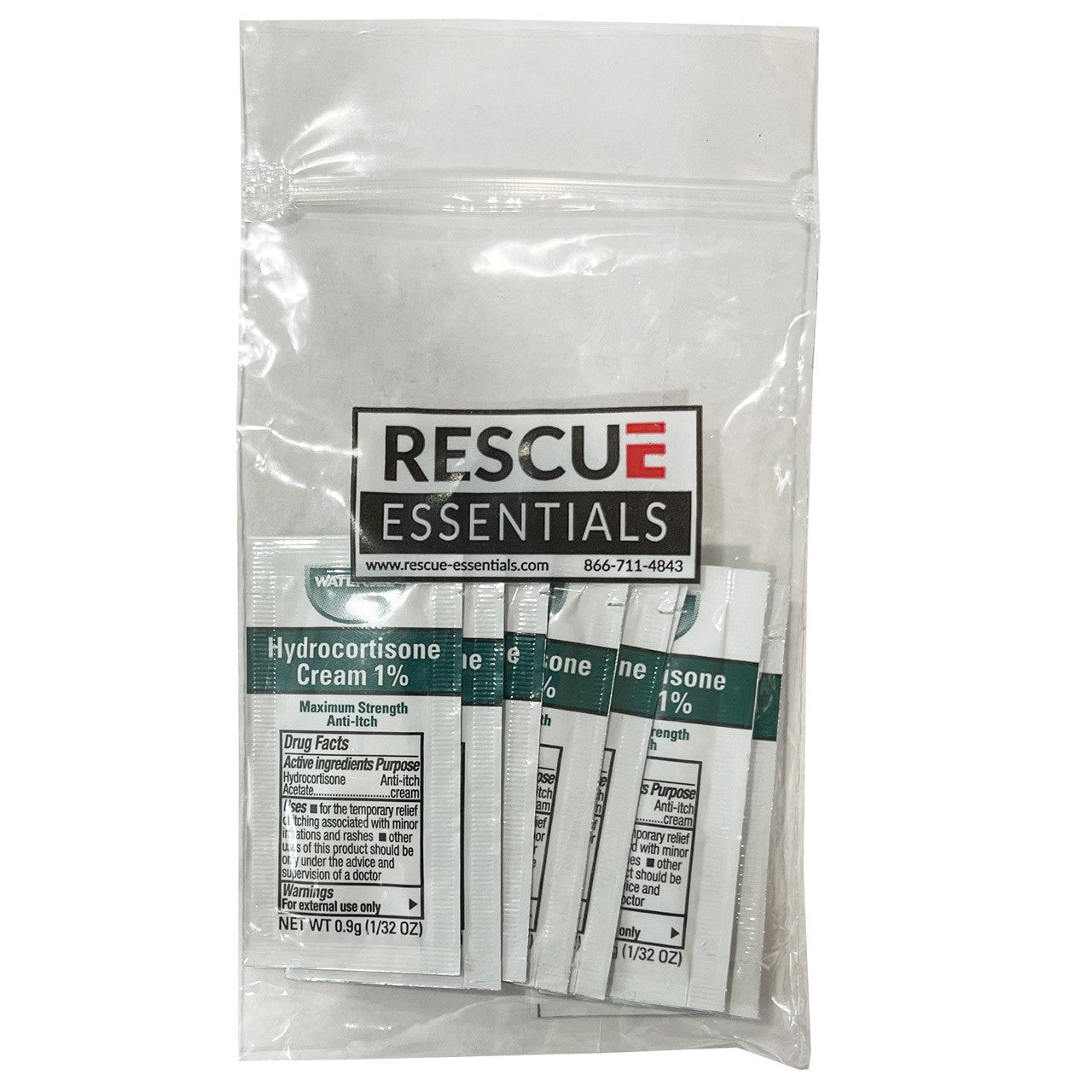
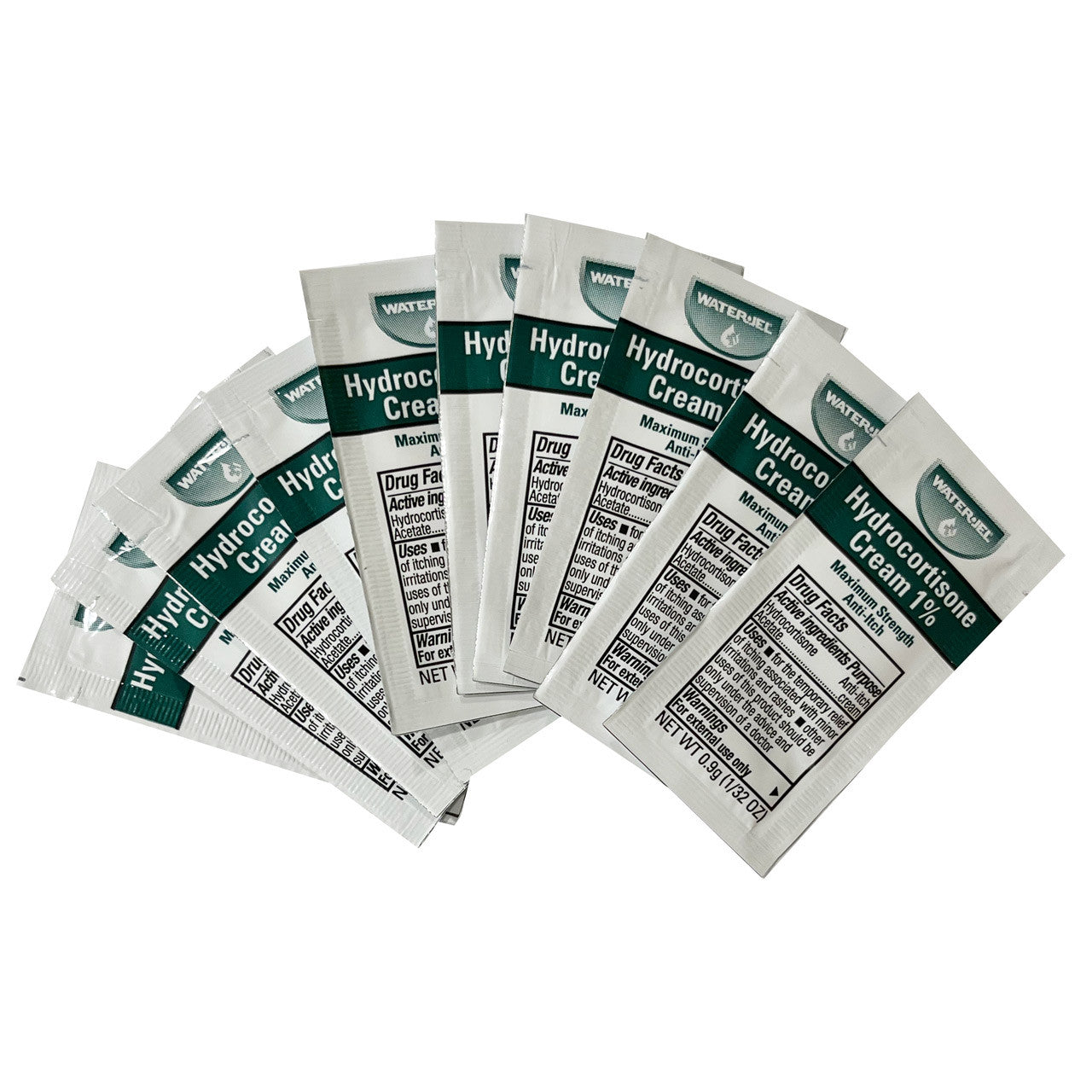
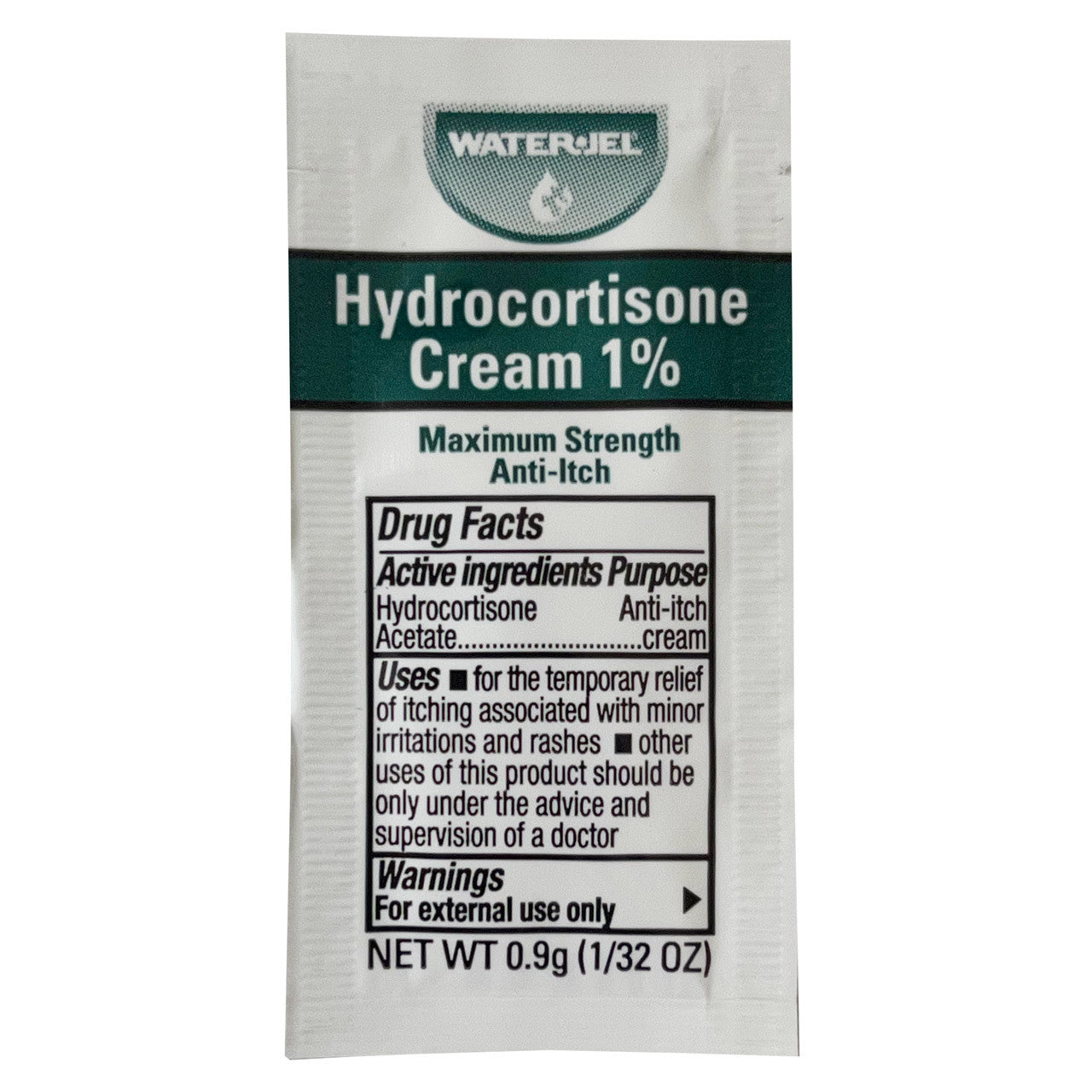
Hydrocortisone 1% Cream (10 pack, Unit Doses)
Sale price$2.21Regular price
$2.50
Save 12%
SKU:
30-0158
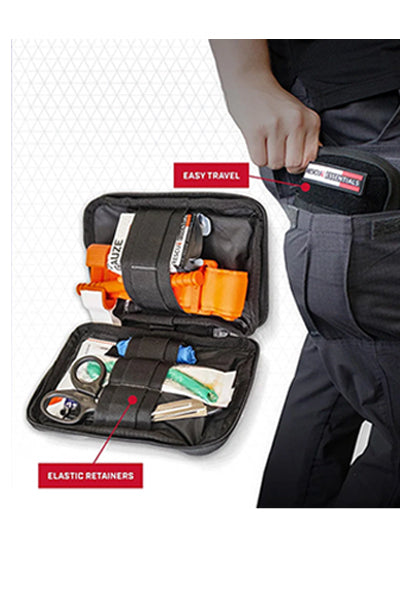
Save 25% on the CFAK now!
Save on the CFAK (Compact IFAK) - loaded with TCCC components like a tourniquet and chest seal, yet can fit in a pocket!
SKU:
30-1097


SKU:
30-0156
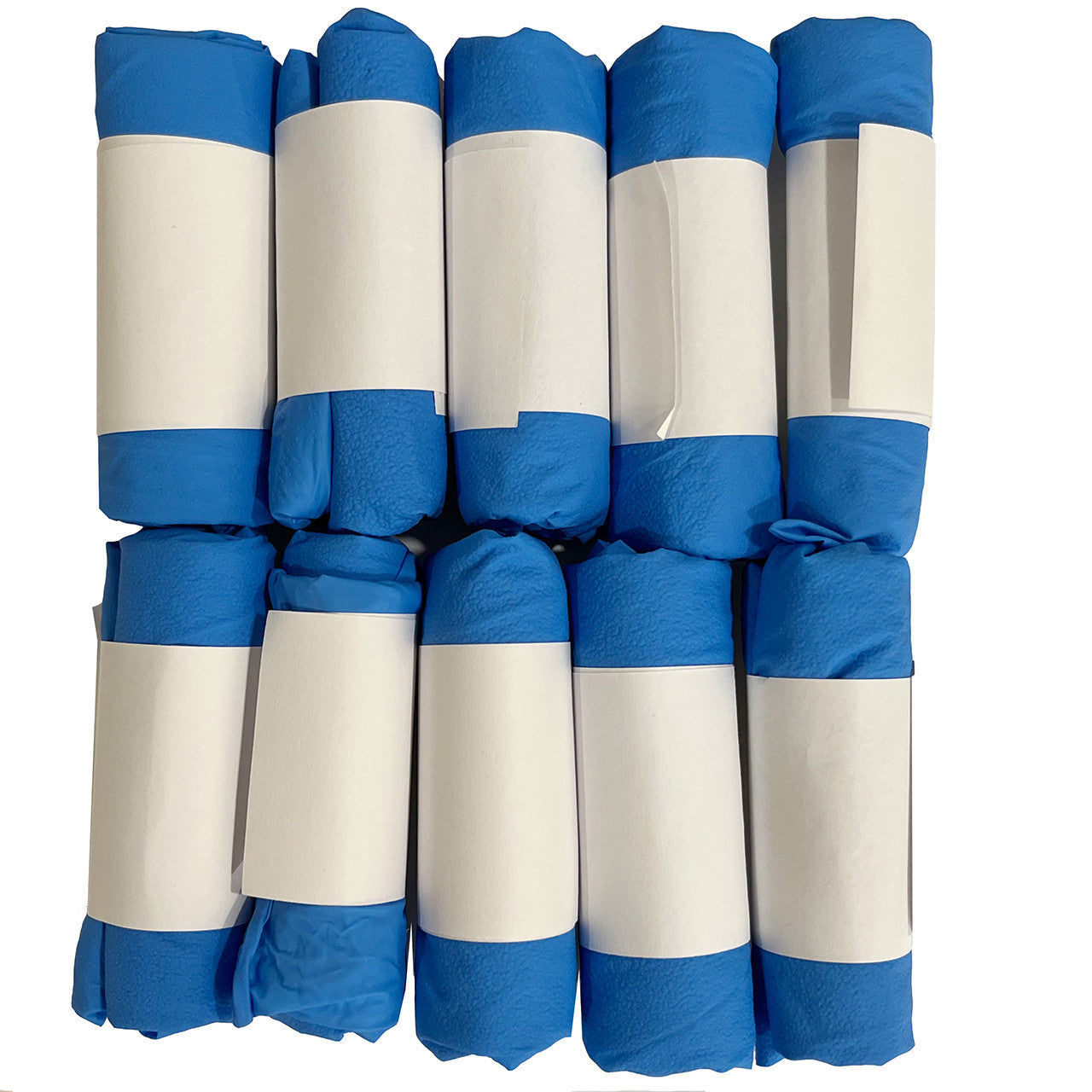
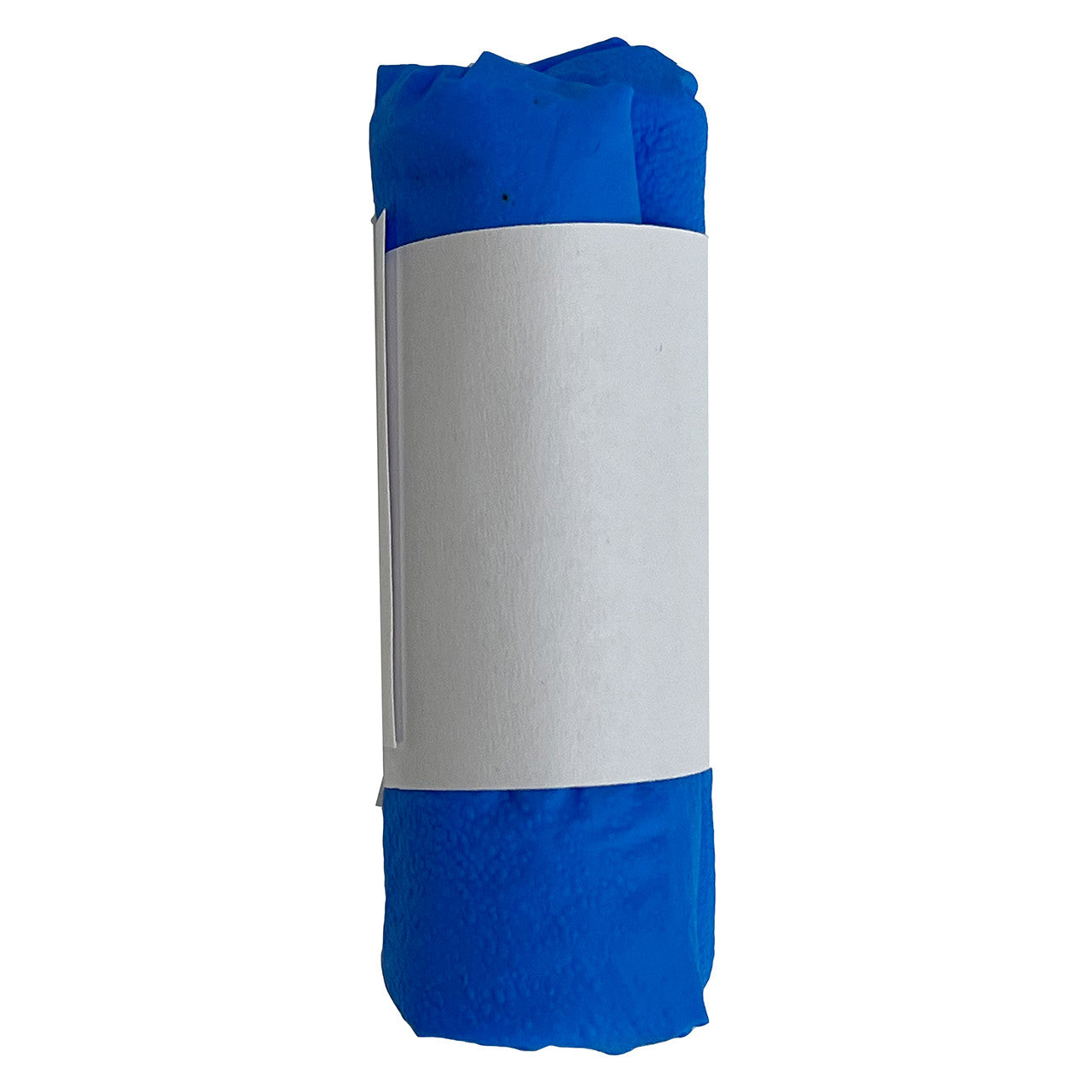
Ten Rolled Pairs Bear Claw® Tan Nitrile Gloves
From $14.80



SKU:
NOSA-7
SKU:
30-1098
Save 4%
Sale

SKU:
30-1090
Sale price$1.10Regular price
$1.15
Save 4%


SKU:
30-0151
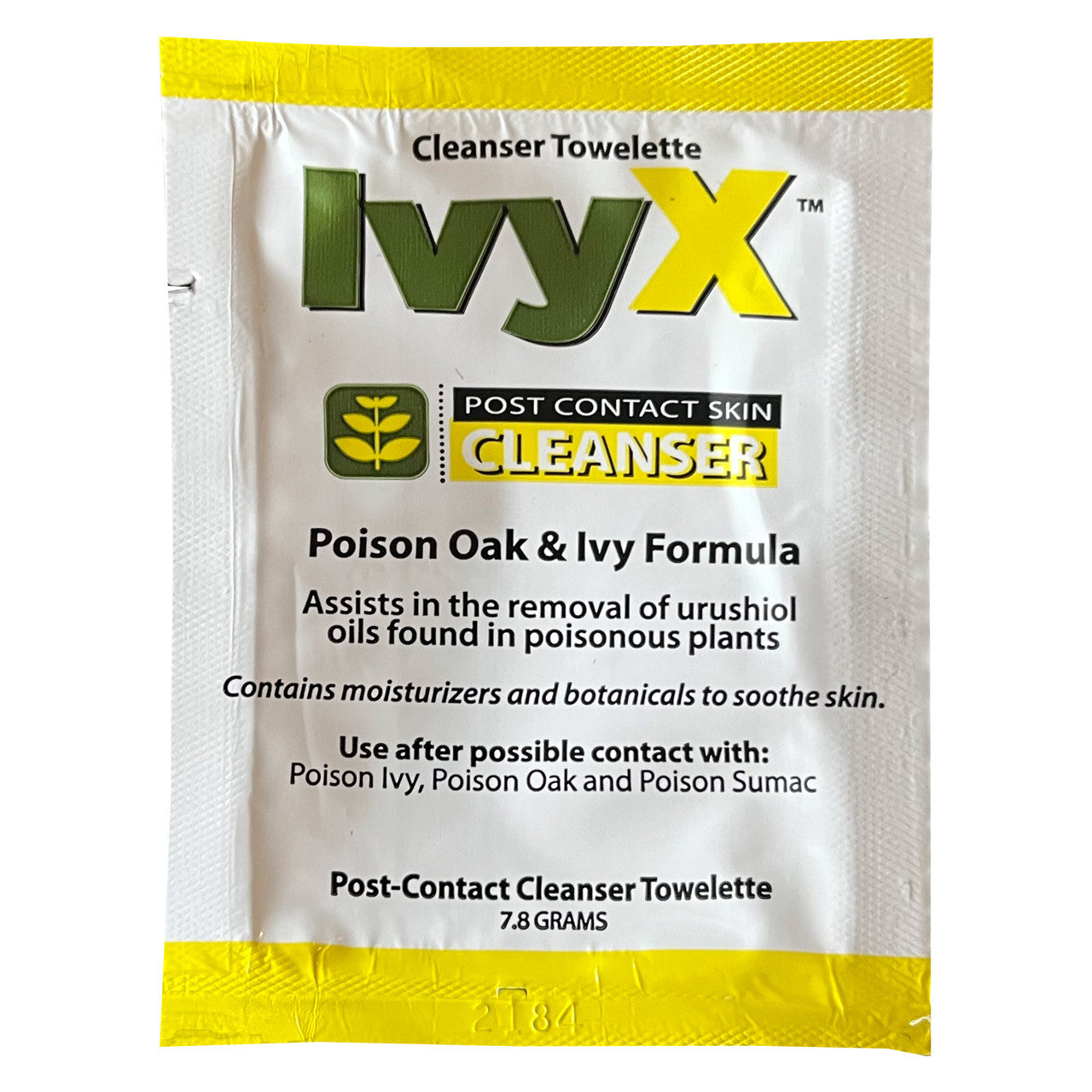
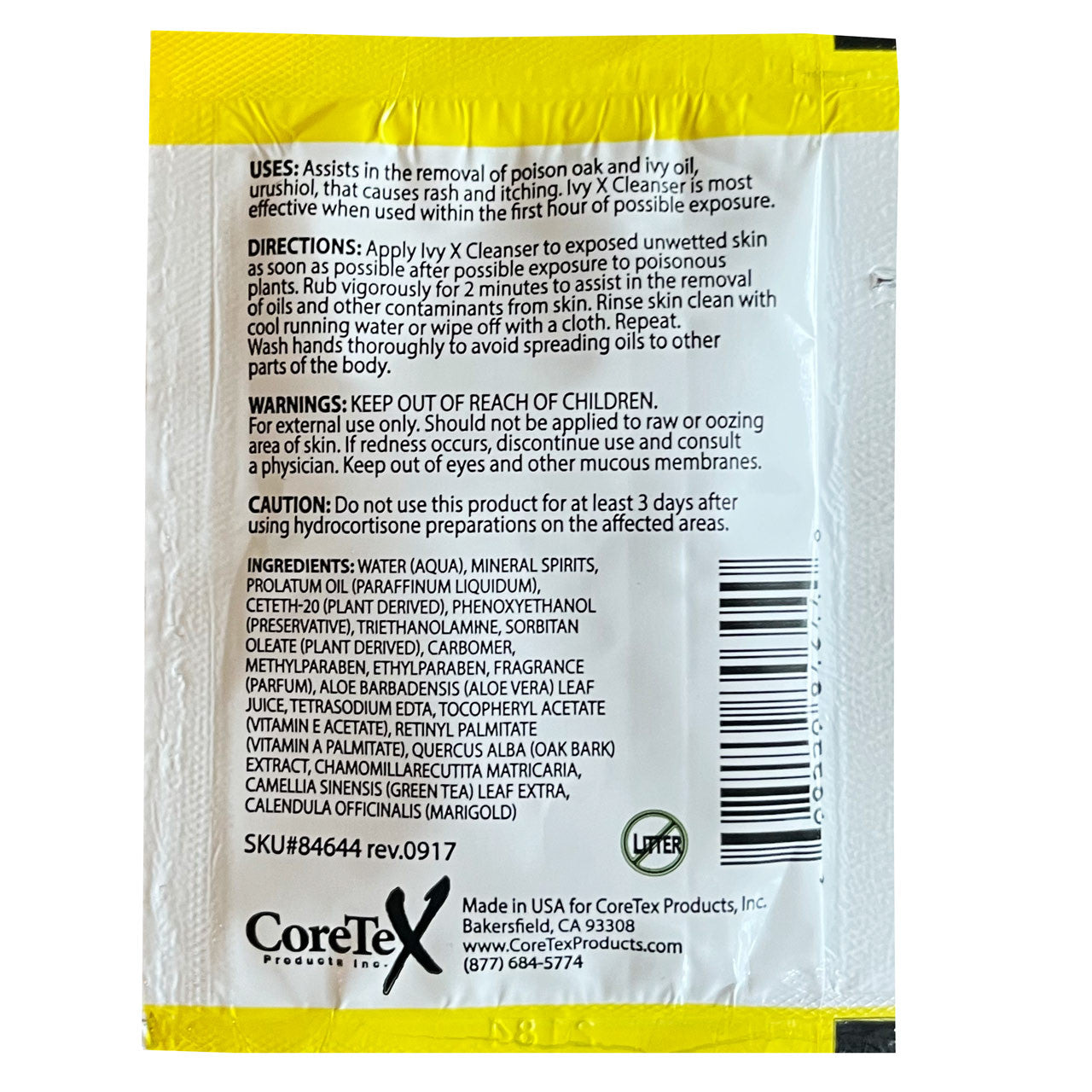


SKU:
60-0640
$0.95
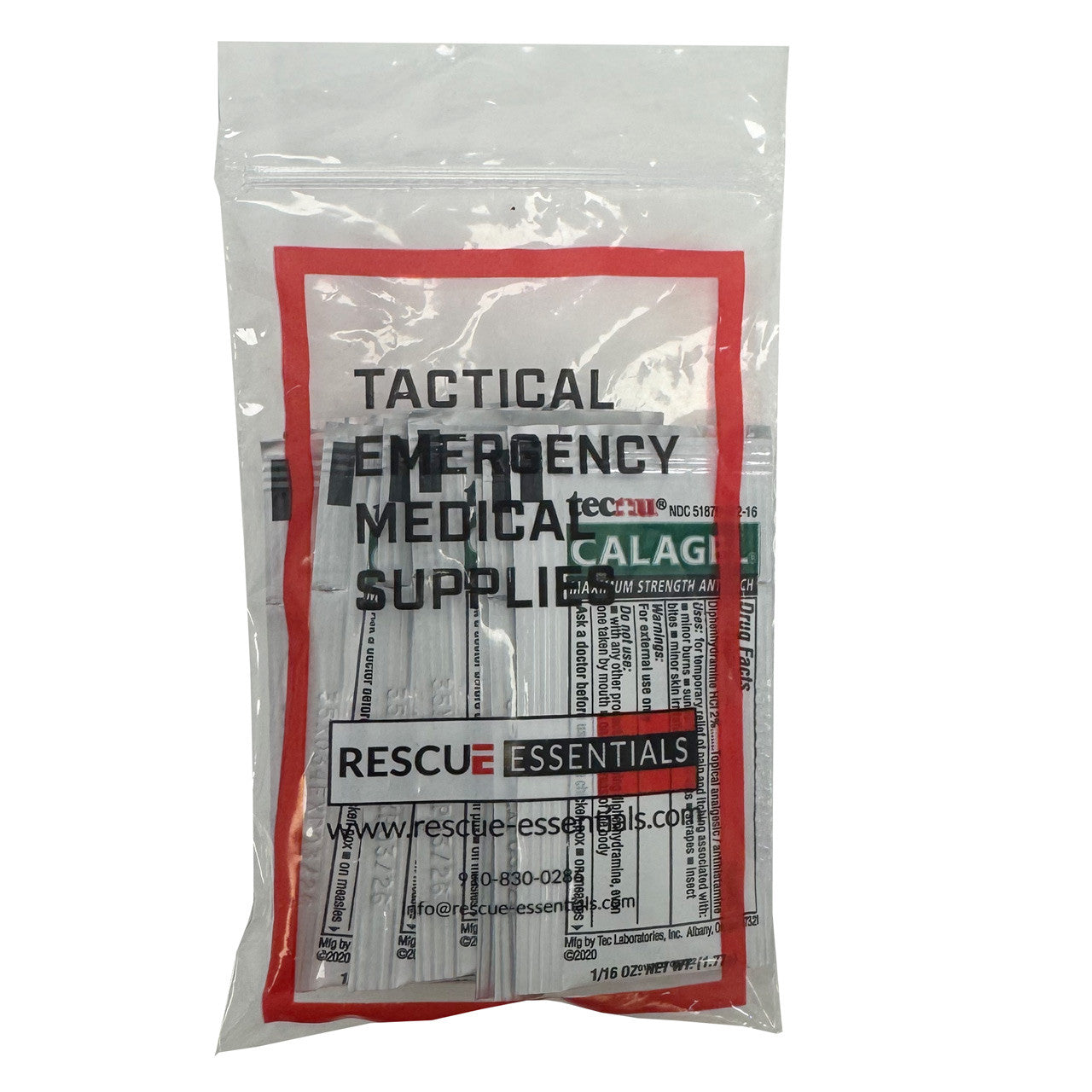
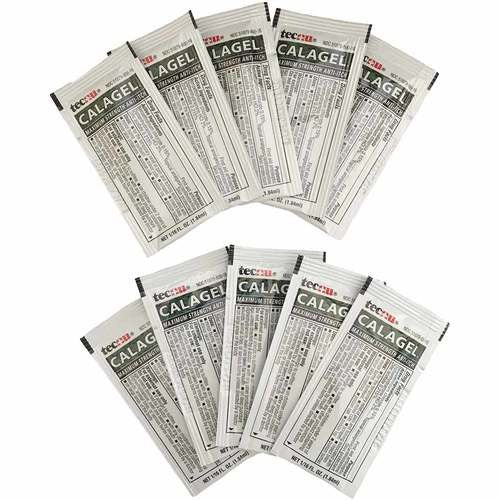
SKU:
30-1106
Save 7%
Sale


SKU:
30-1180
Sale price$6.04Regular price
$6.50
Save 7%
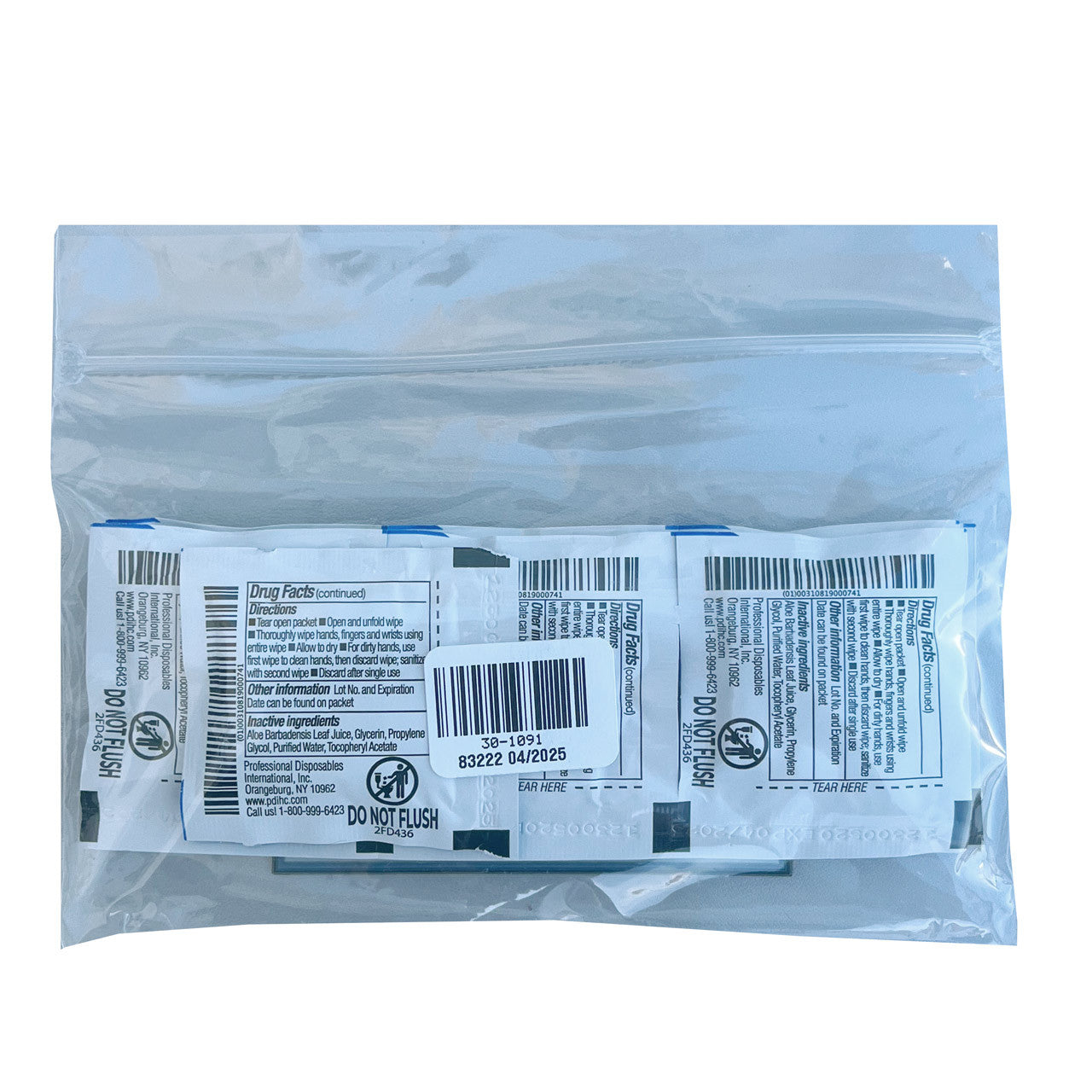
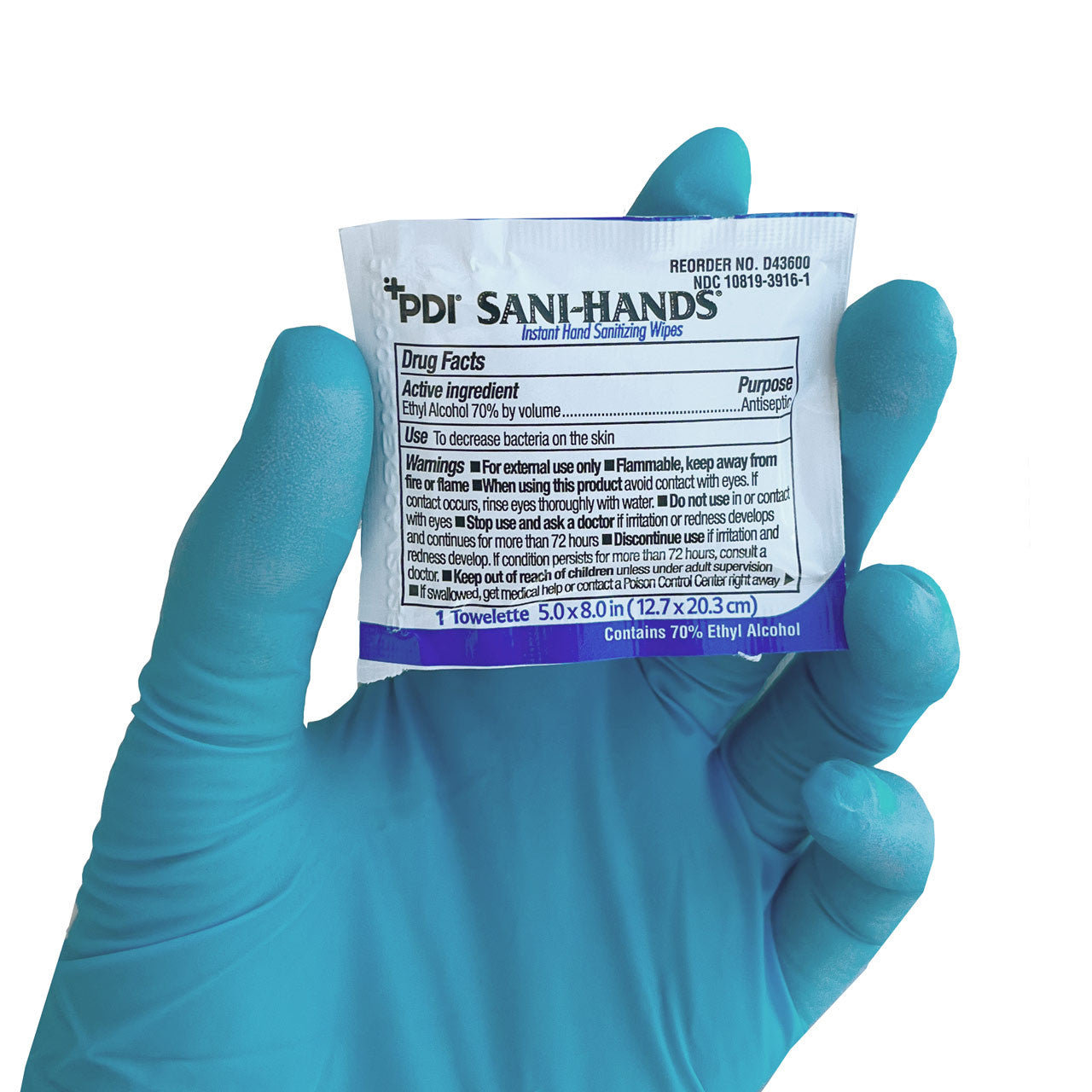
SKU:
30-1091
Save 51%
Sale

SKU:
60-0953
Triple Antibiotic Ointment, 1 oz
Sale price$3.70Regular price
$7.49
Save 51%
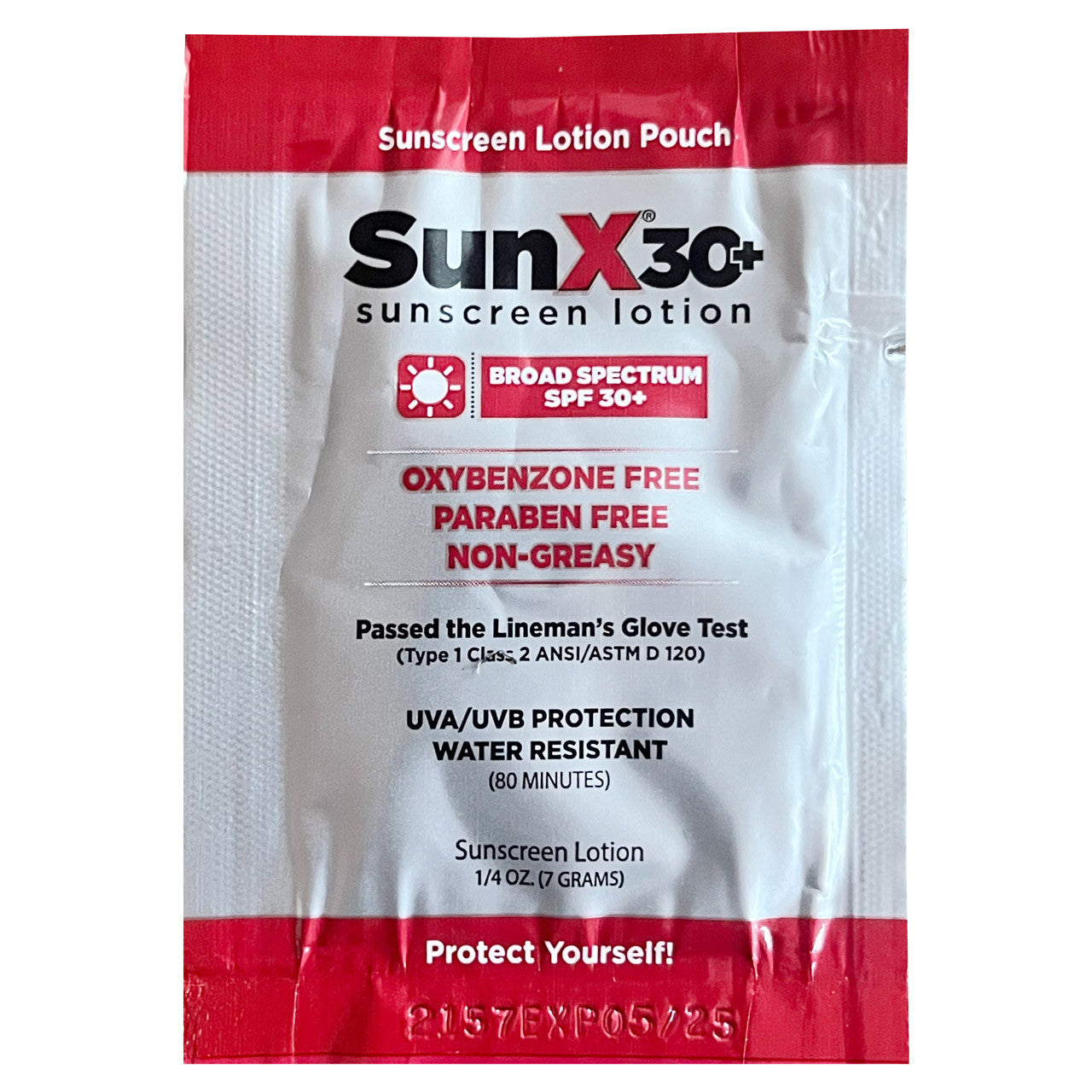
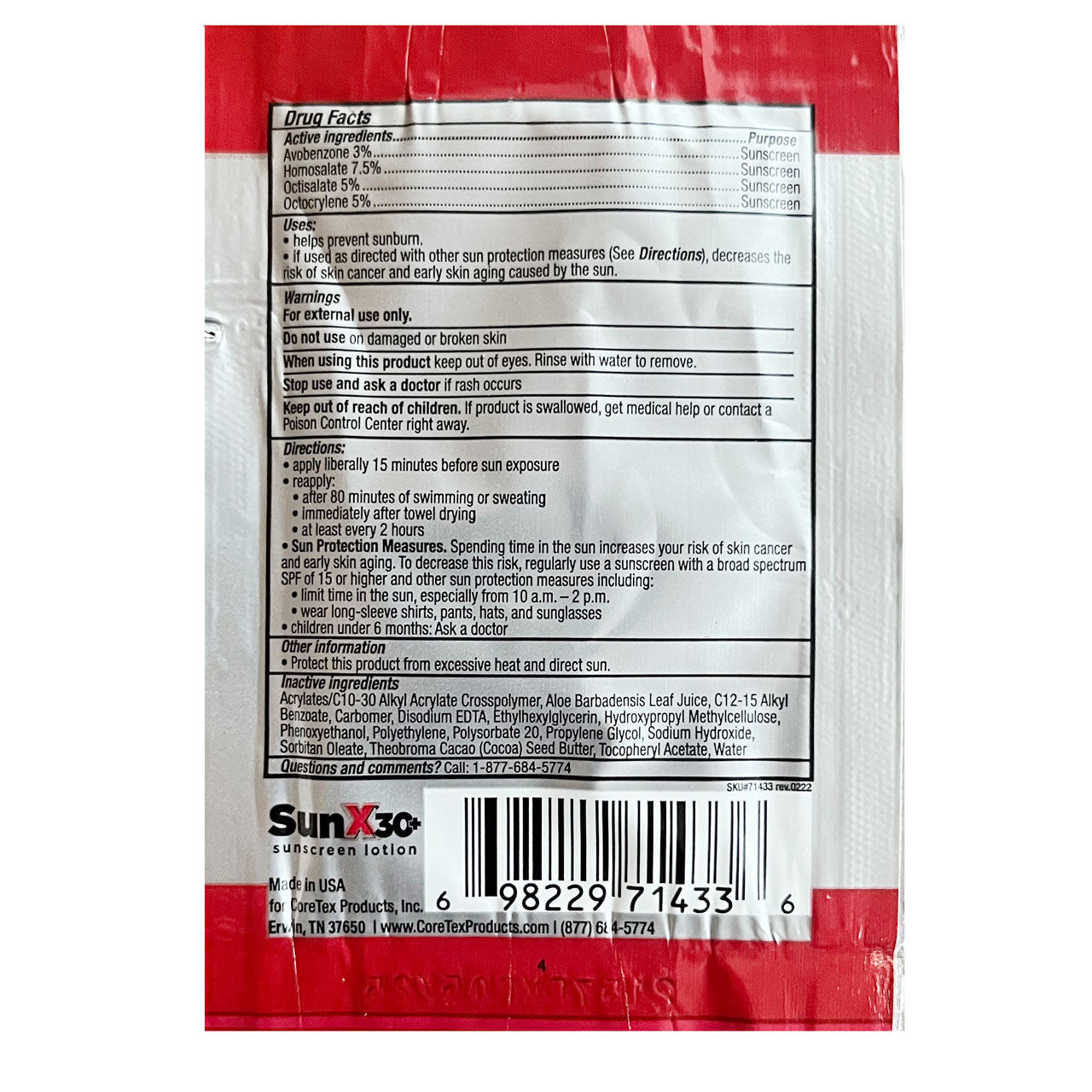
SKU:
60-0700
Save 23%
Sale


SKU:
30-1093
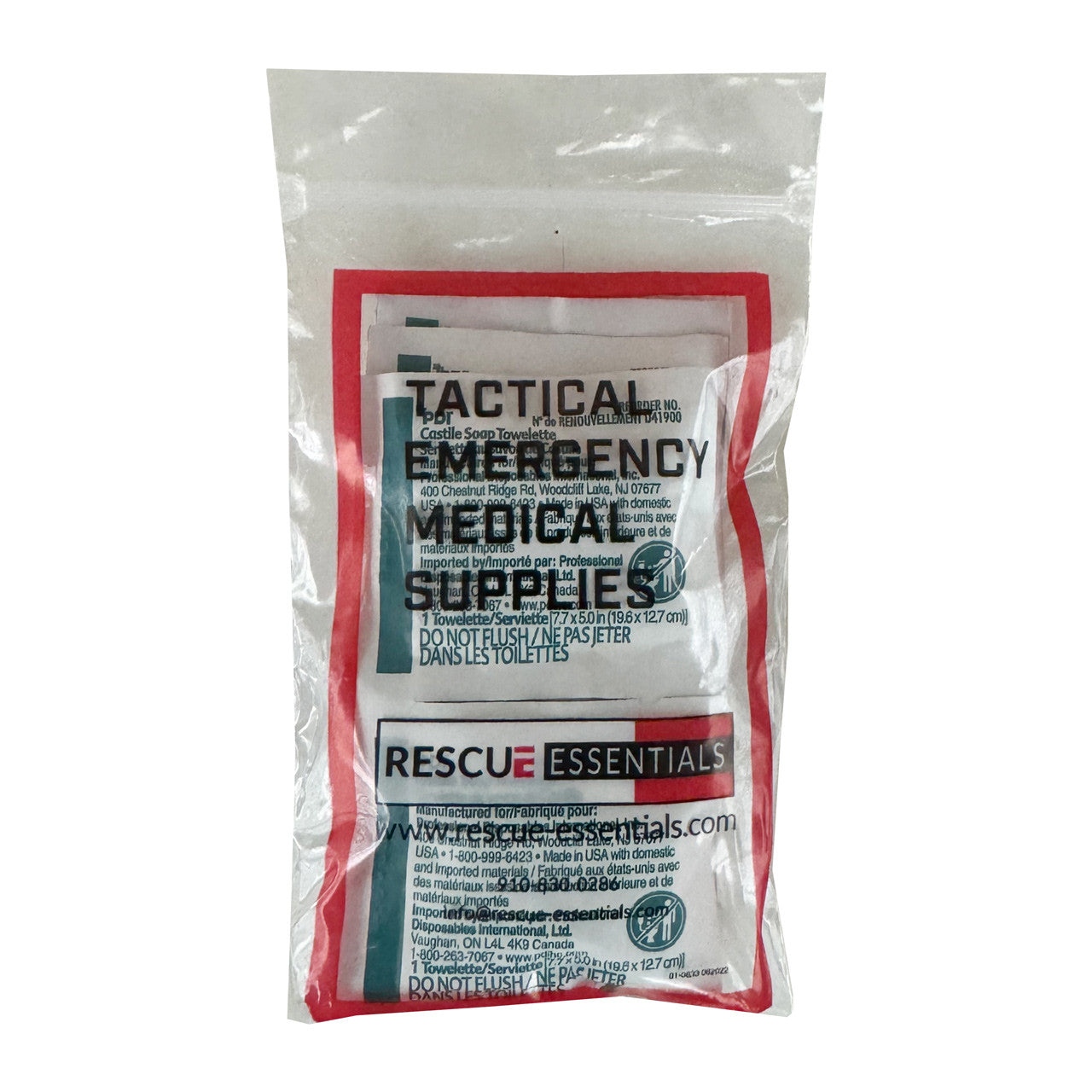
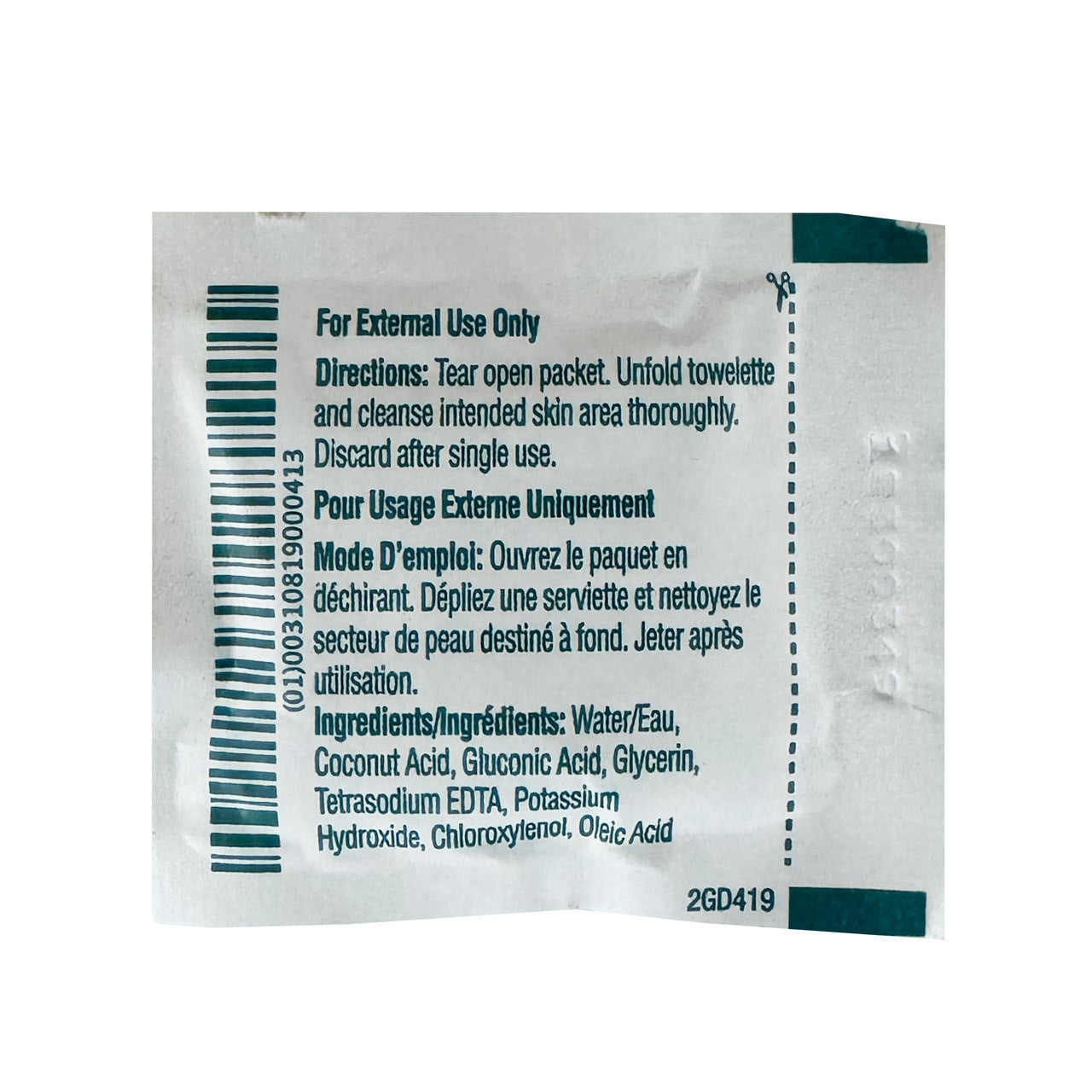
Castille Soap Towelettes (10 pack)
Sale price$1.65Regular price
$2.15
Save 23%

SKU:
30-1084


SKU:
90-0860
$5.99
SKU:
50-0191


SKU:
30-1132
Best Sellers

SKU:
60-0600
$1.00
Best Sellers


SKU:
30-1060
$60.64
Best Sellers


SKU:
70-0799
$31.45
Best Sellers

SKU:
60-0520


SKU:
30-1631
SKU:
60-0530
SKU:
31-0433
$45.10
SKU:
60-0740



Why buy OTC medication in unit dose packets instead of bottles?
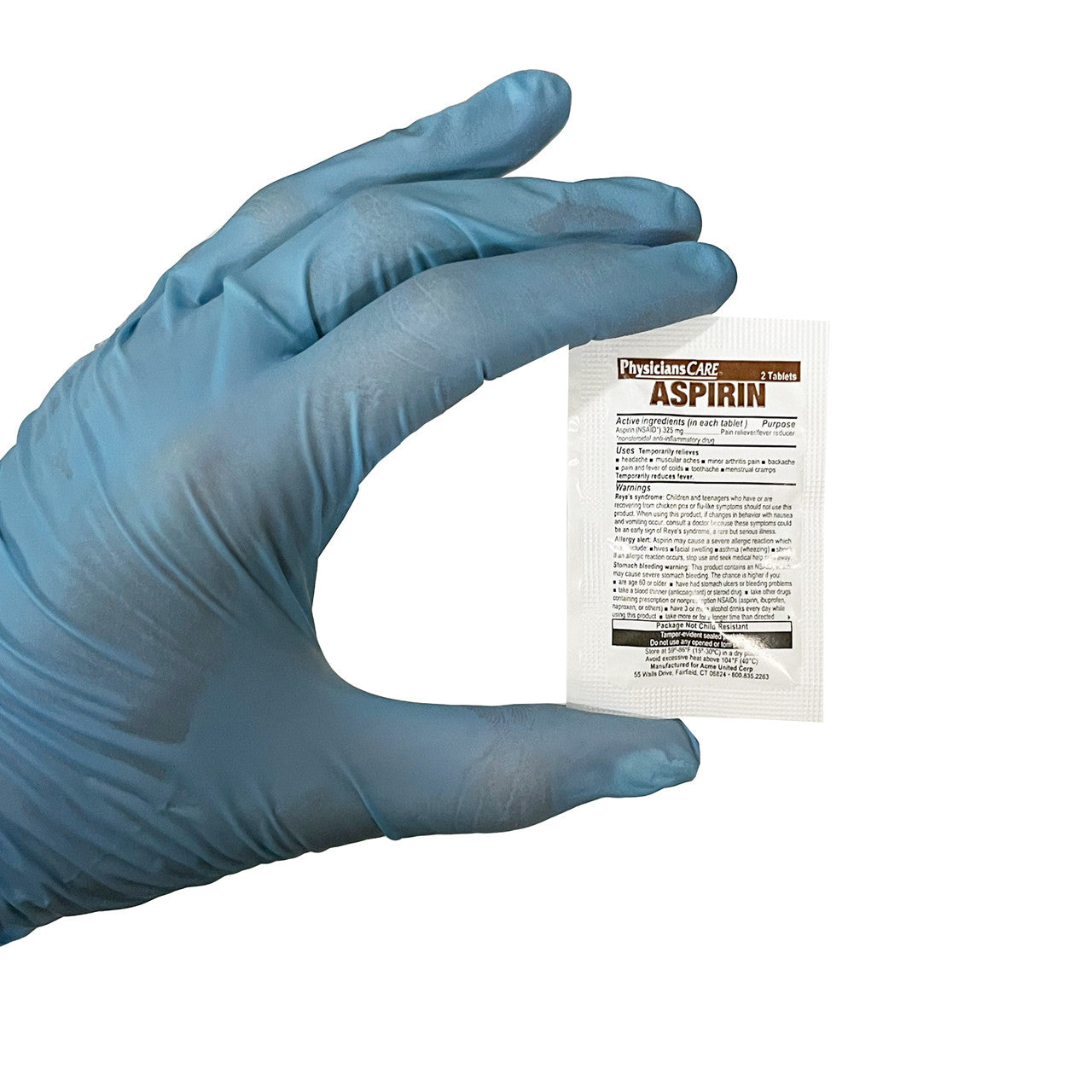
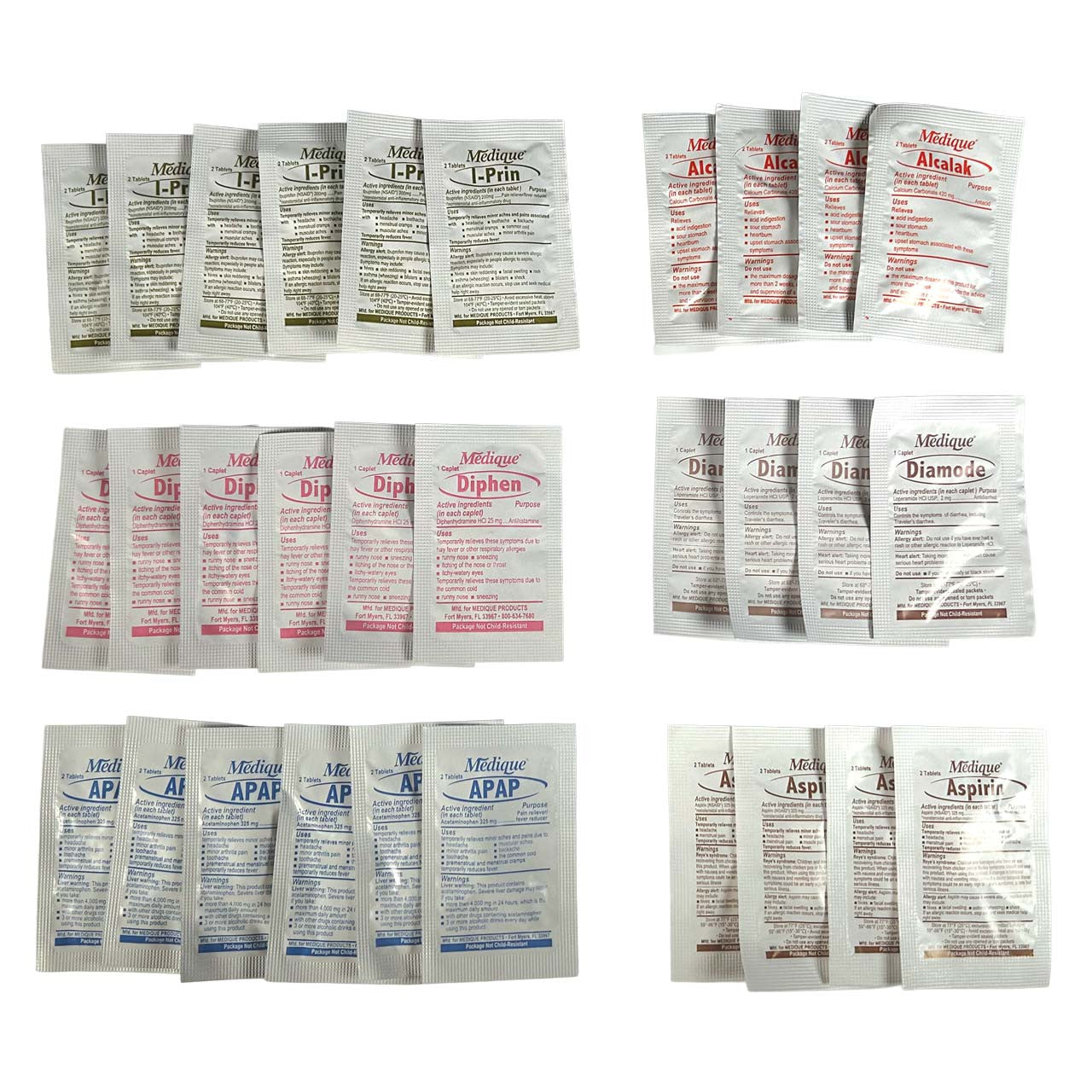
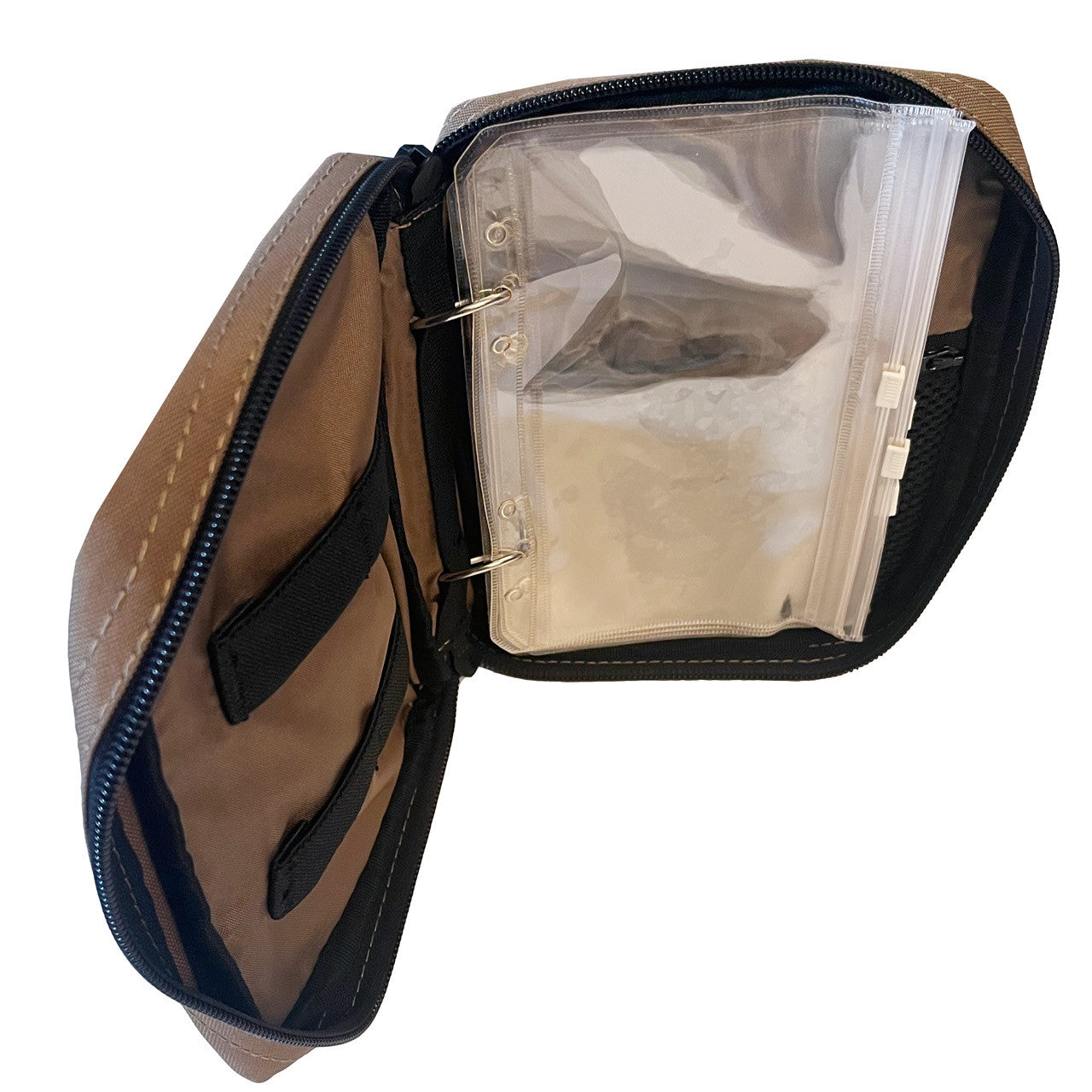
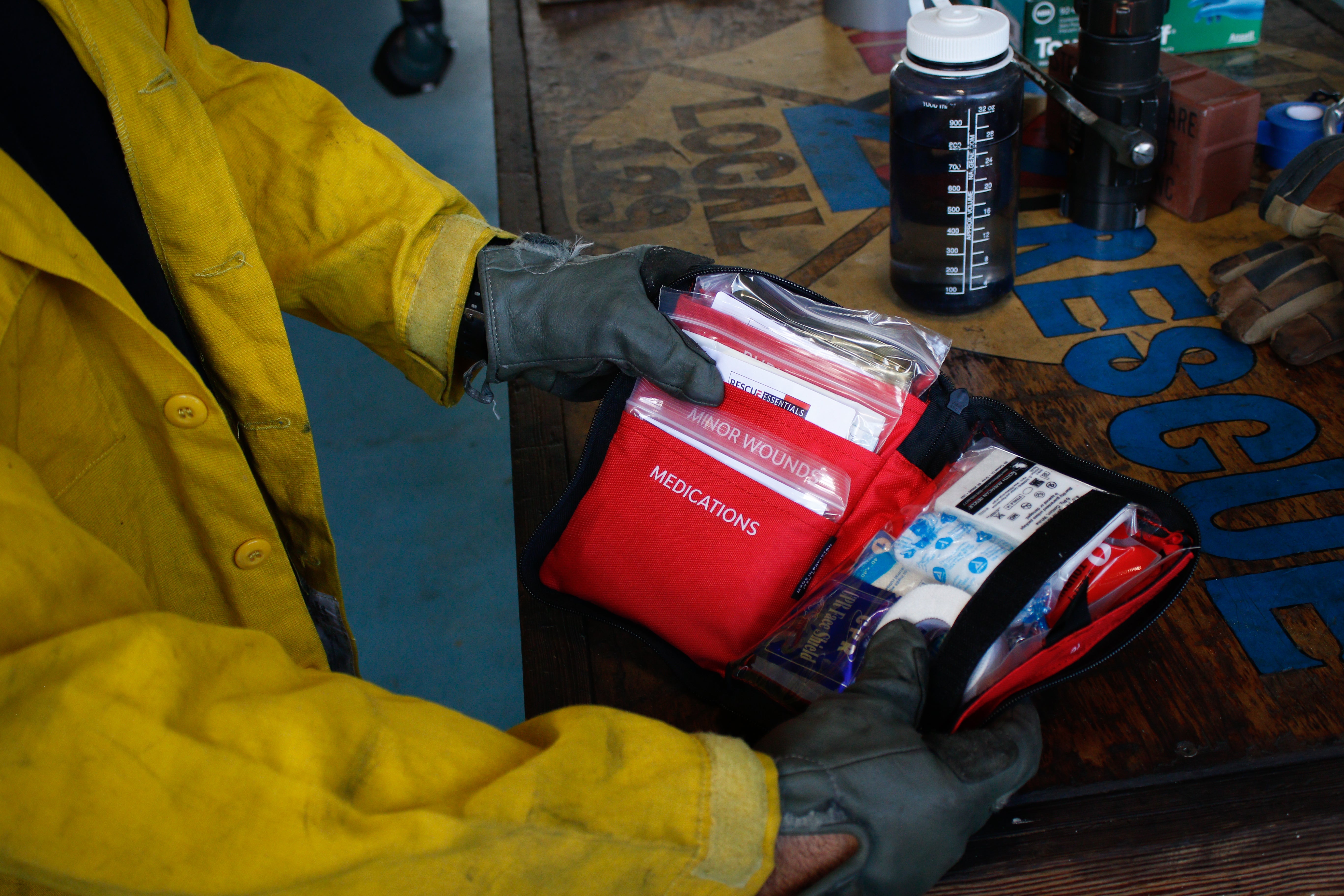
A bottle in a kit means loose pills, a label that wears off, and one expiration date covering doses you may never use. Unit dose packets keep each active ingredient sealed and labeled with its own drug facts panel, so you restock by the packet and know exactly what is in the kit.
What medication comes in a unit dose module?
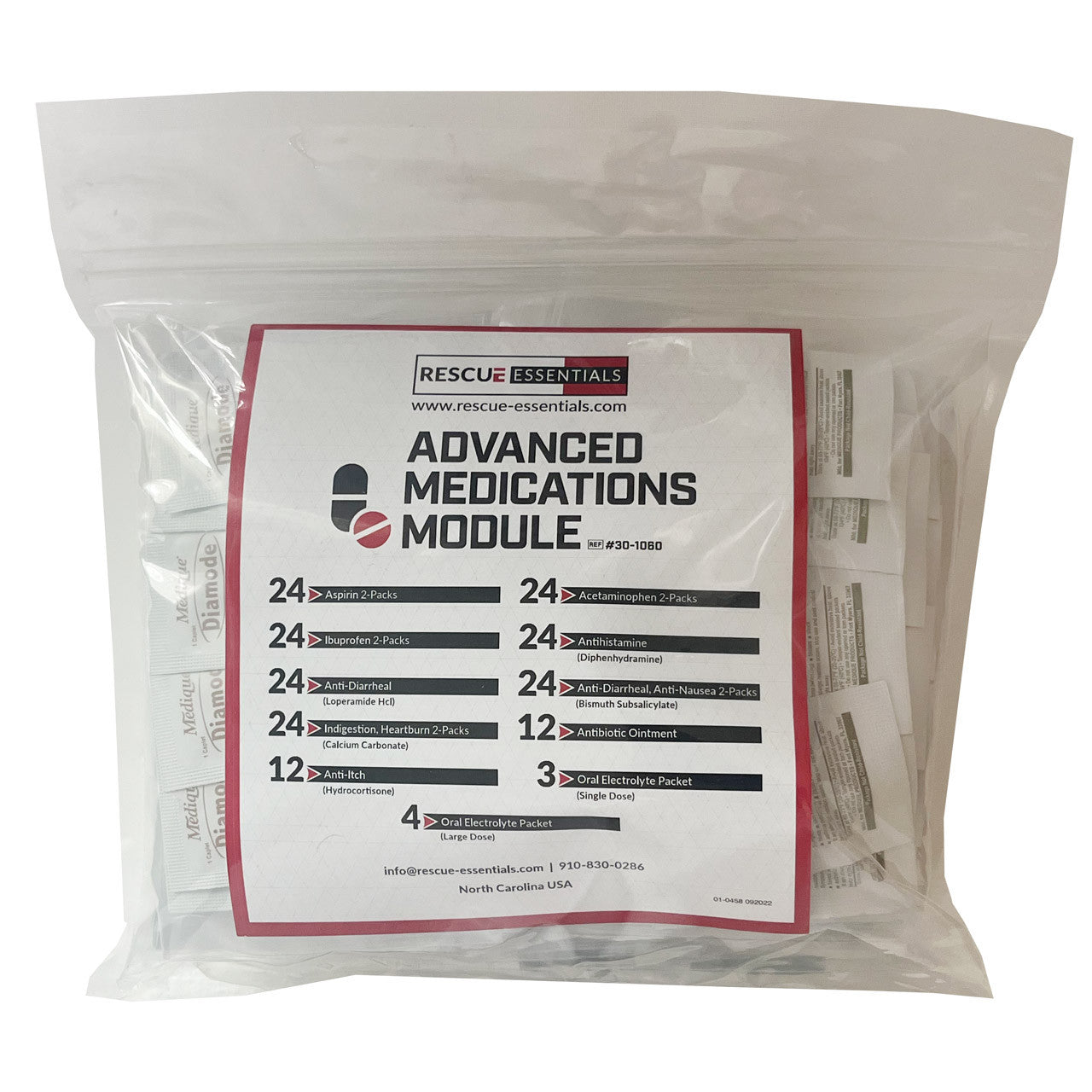
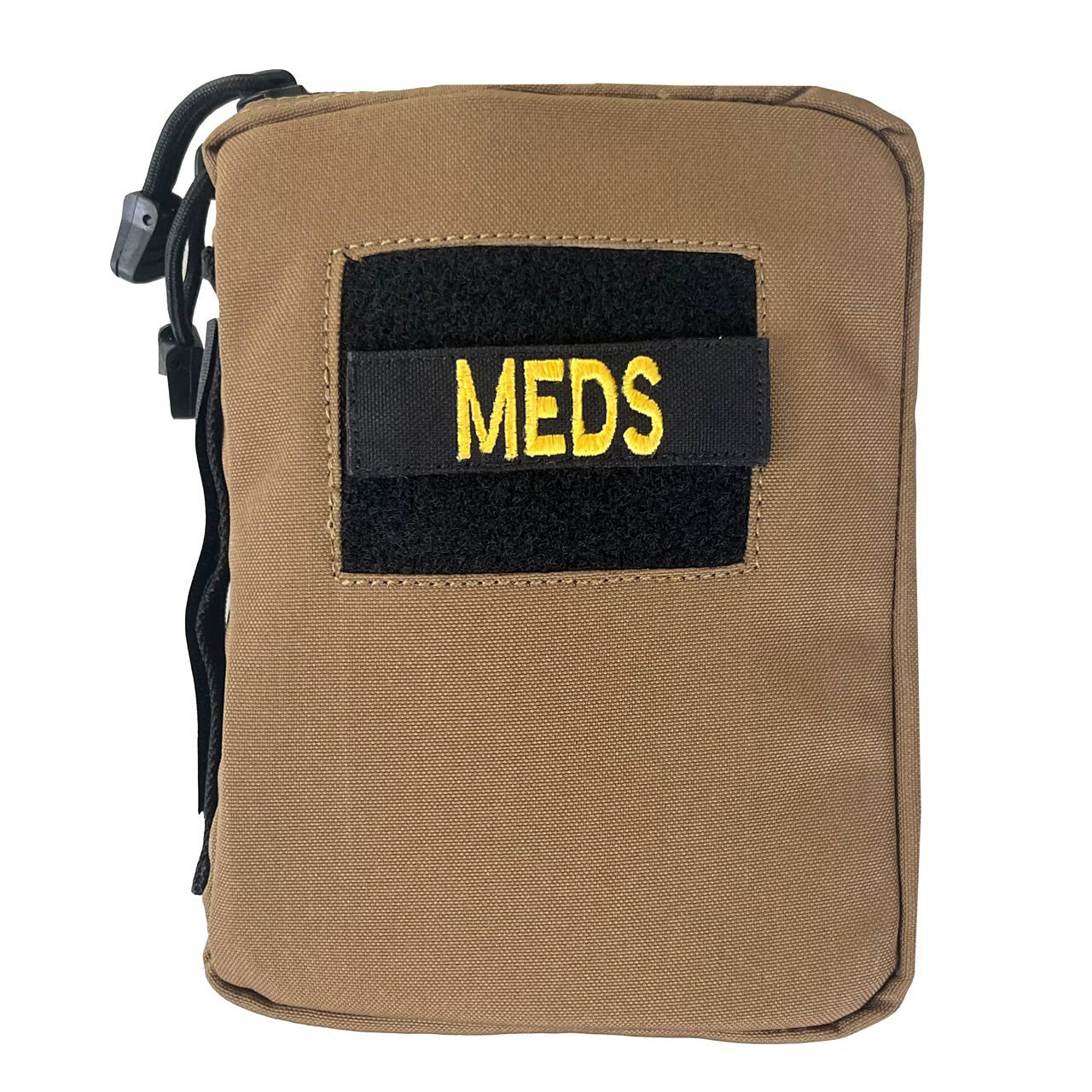
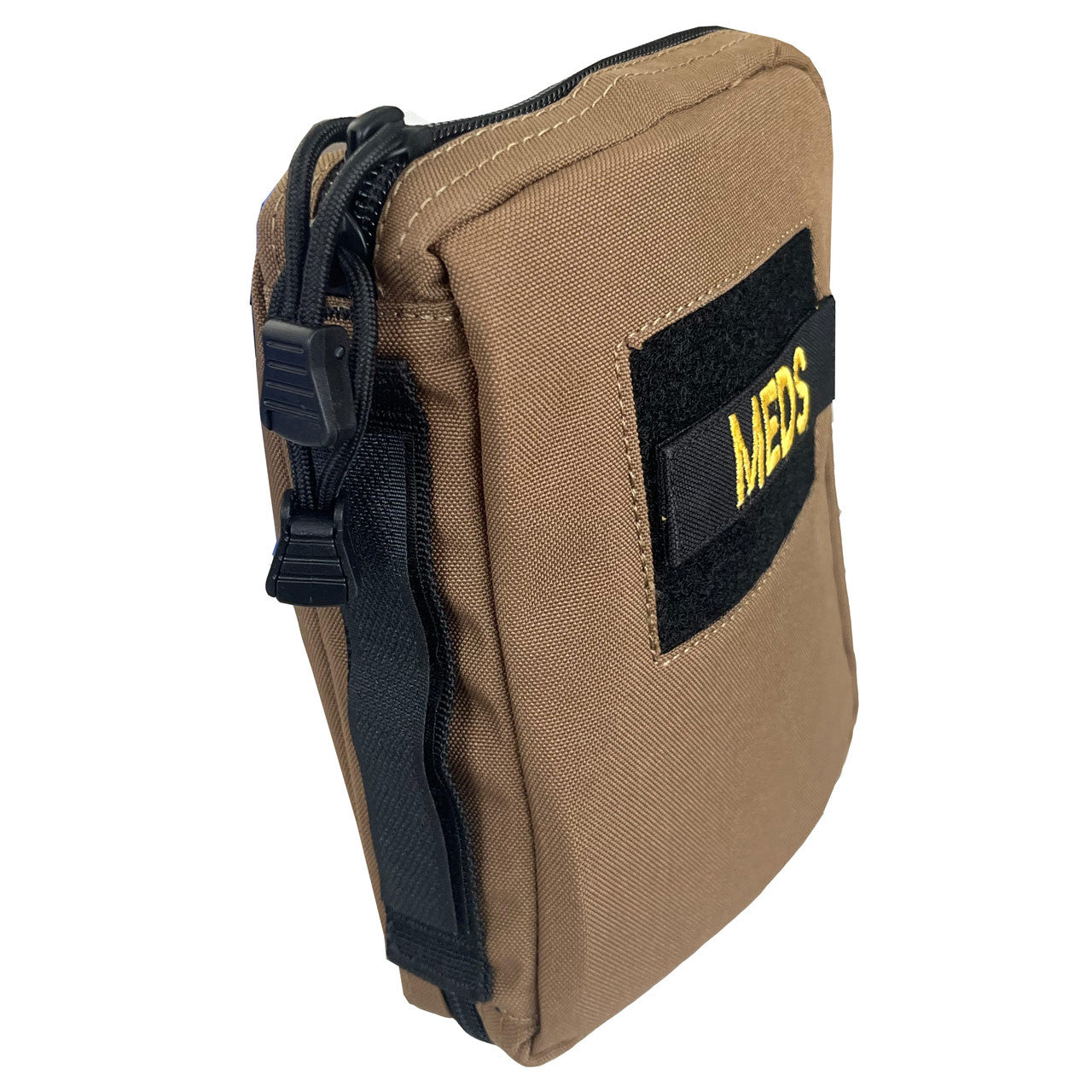
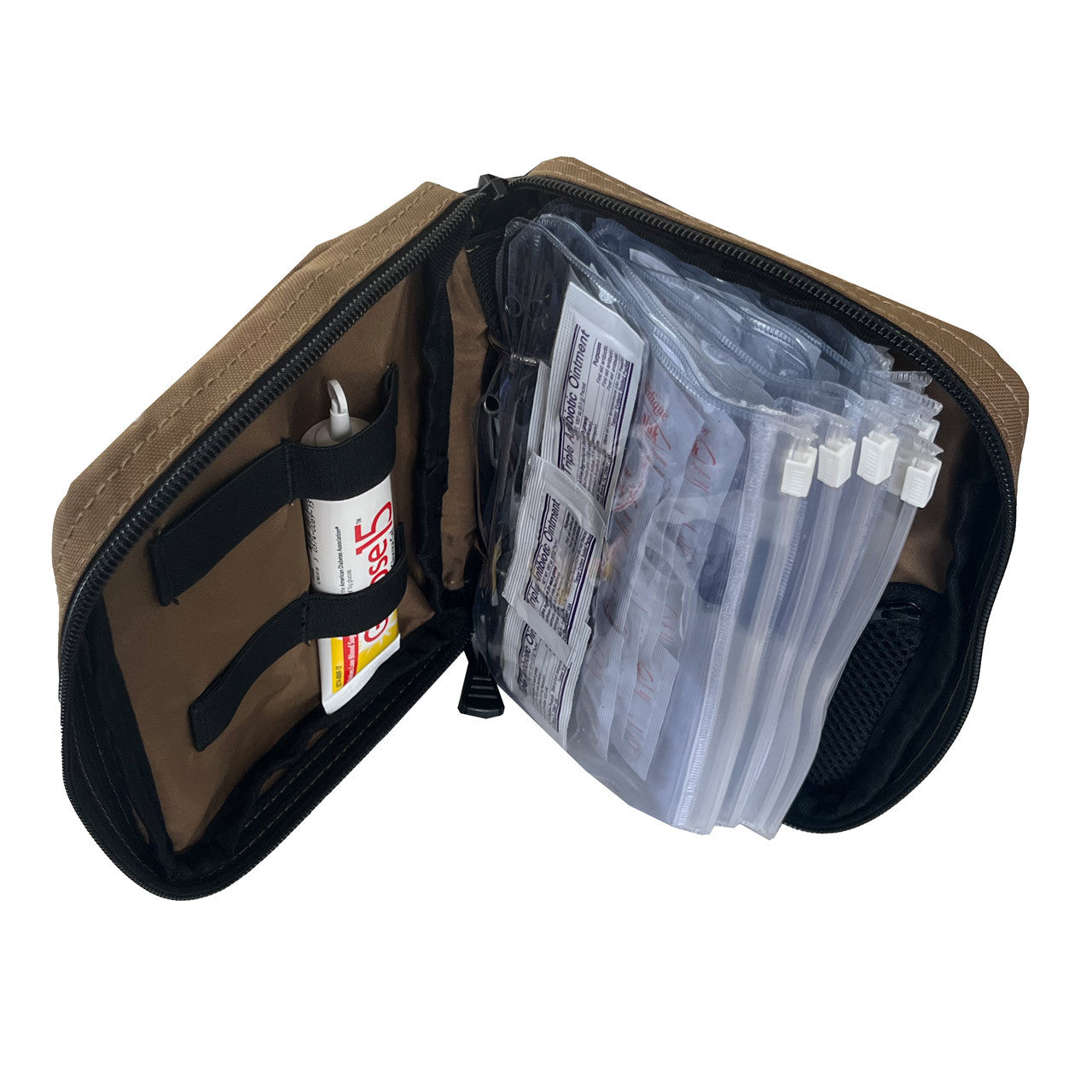
Our modules carry aspirin, acetaminophen, and ibuprofen as pain relievers and fever reducers, diphenhydramine as an antihistamine, loperamide and bismuth subsalicylate for stomach complaints, calcium carbonate for indigestion, plus oral electrolytes, antibiotic ointment, and hydrocortisone. Contents are listed on each product page, including the Medications Unit Dose Pack and the Advanced Medications Module.
How do I keep track of expiration dates across multiple kits?
Check the dates printed on each packet and rotate stock on a set schedule rather than waiting for an audit. Buying in unit doses makes this easier, since you replace individual packets instead of pulling and repurchasing whole bottles.
Can I order these supplies in bulk for a department or agency?
Yes. We handle bulk orders, custom modules, and contract sales for departments, agencies, schools, and businesses all over the United States. Request a quote and our team will build a module that matches your protocols.
What PPE belongs in every medical kit?
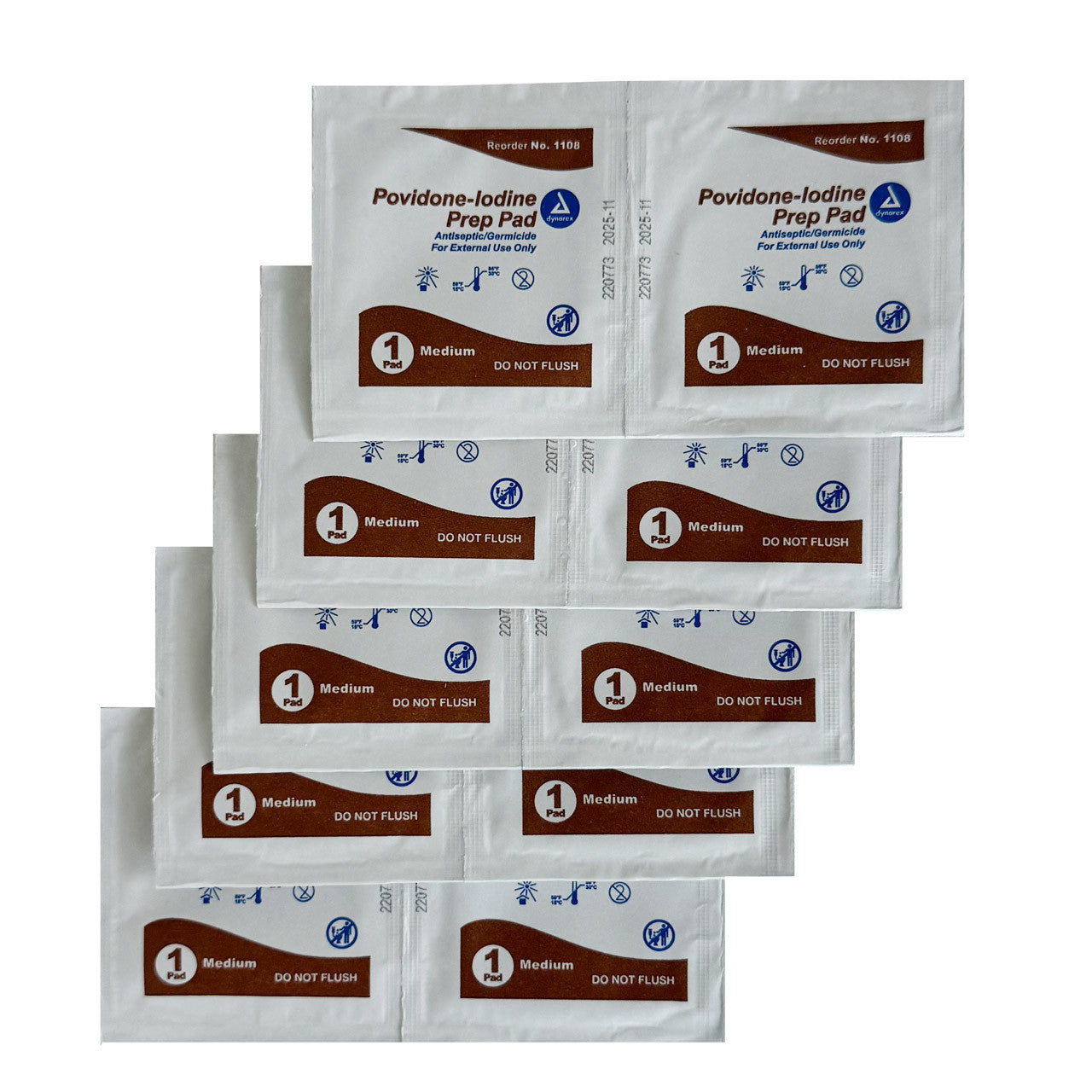
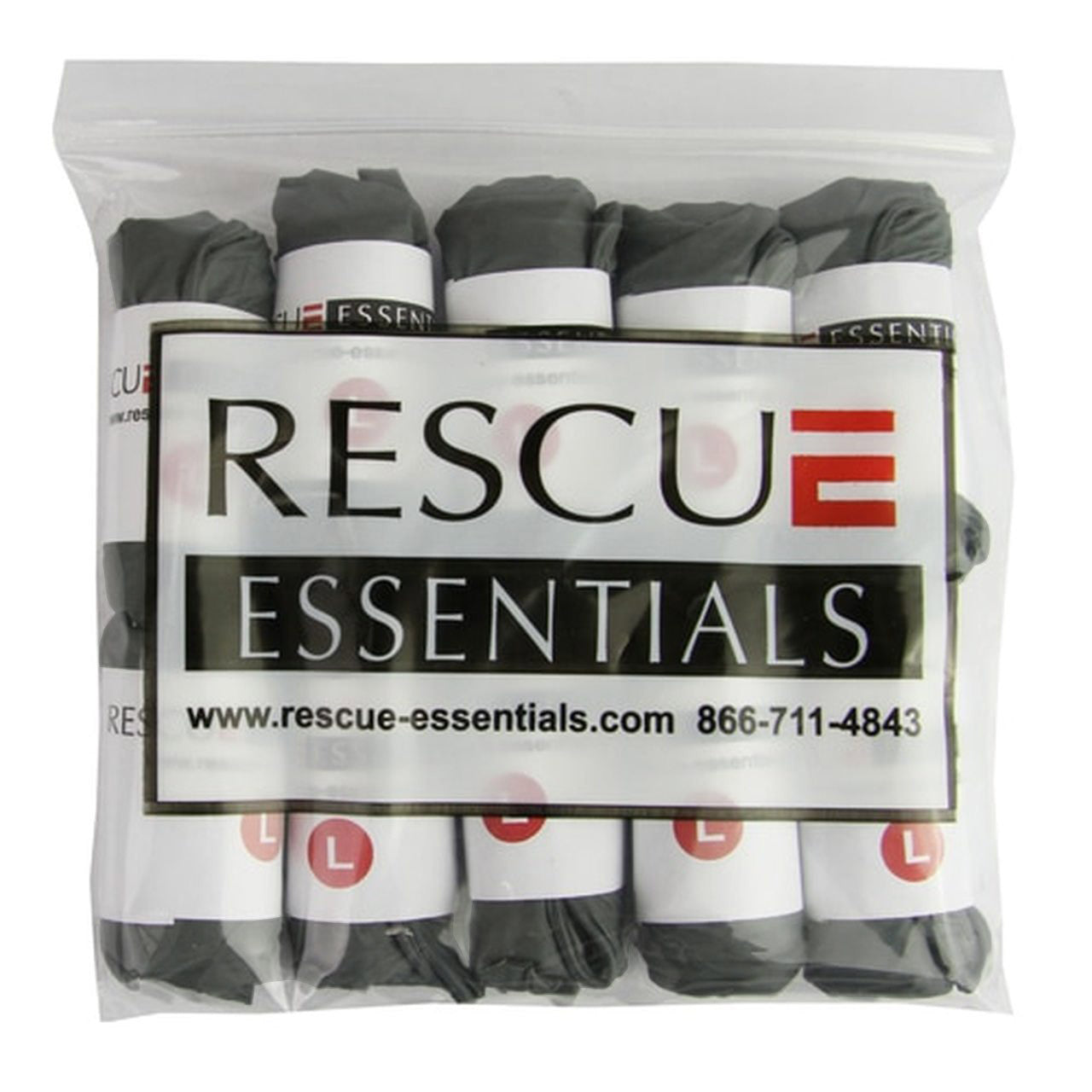
At minimum, nitrile gloves and antiseptic wipes. Most responders add prep pads and a biohazard bag for cleanup. Rolled pairs take up less room than boxed gloves and fit in pouches where a box will not. Rolled gloves also making finding and applying a pair more streamlined. For a full breakdown of kit contents, read our blog: What Goes in an IFAK?
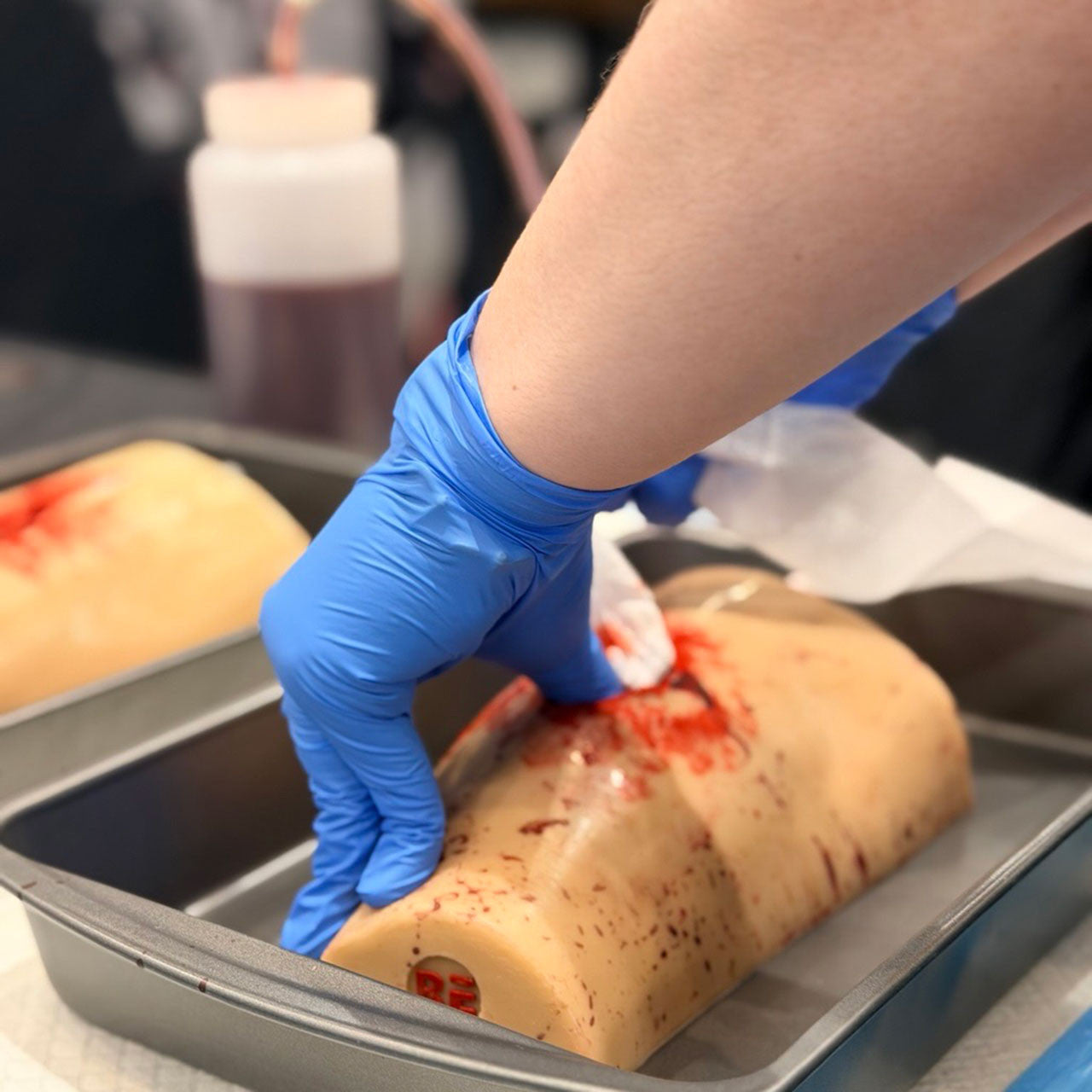
Need Training?
Rescue Essentials is proud to partner with accredited Stop the Bleed trainers throughout the U.S.