
SKU:
10-1270U
SKU:
10-5000
Save 32%
Sale
SKU:
10-0262
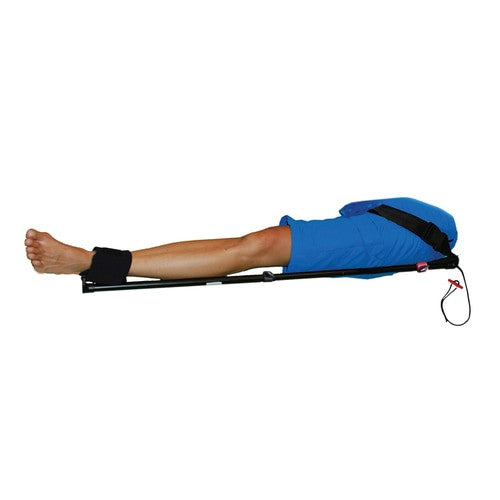
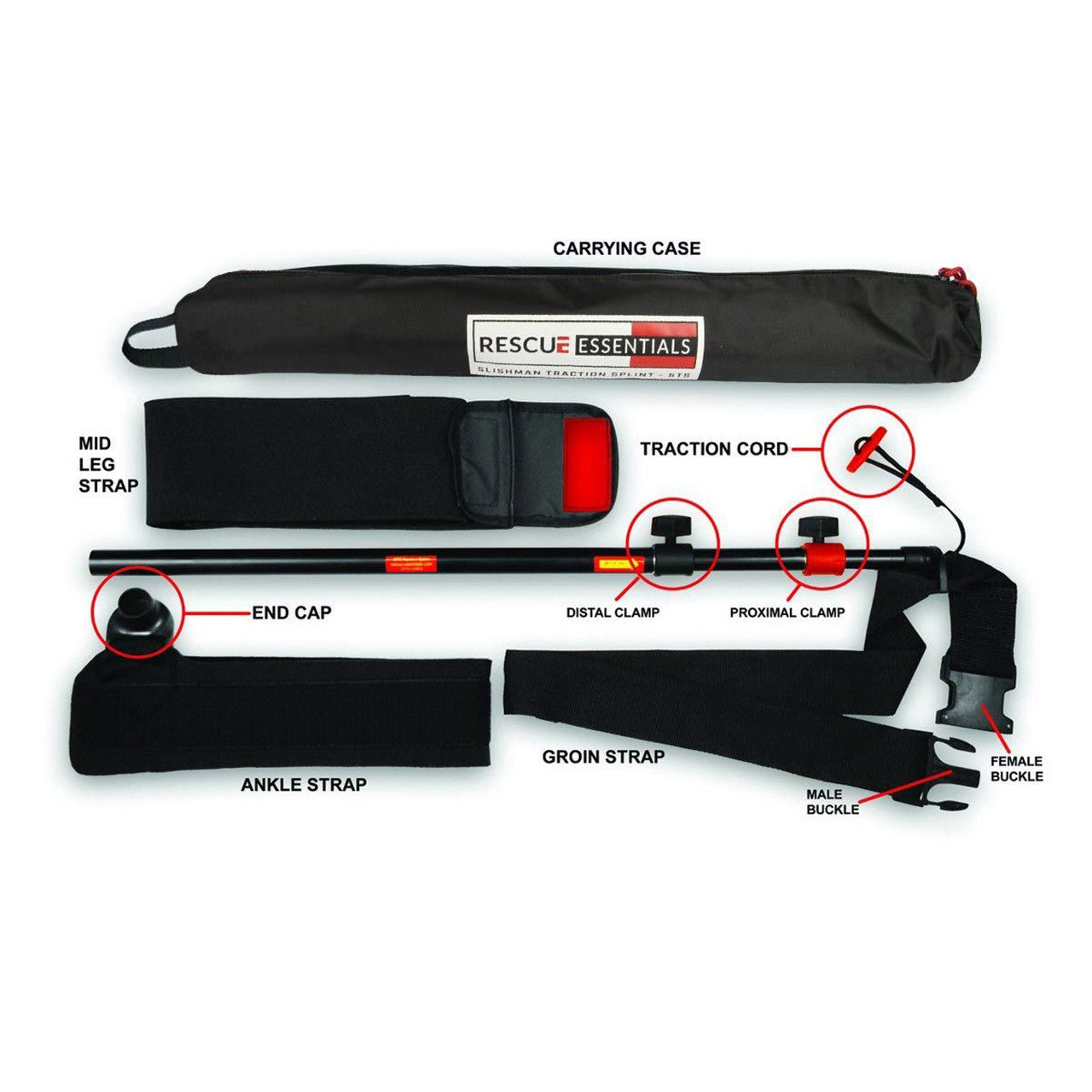
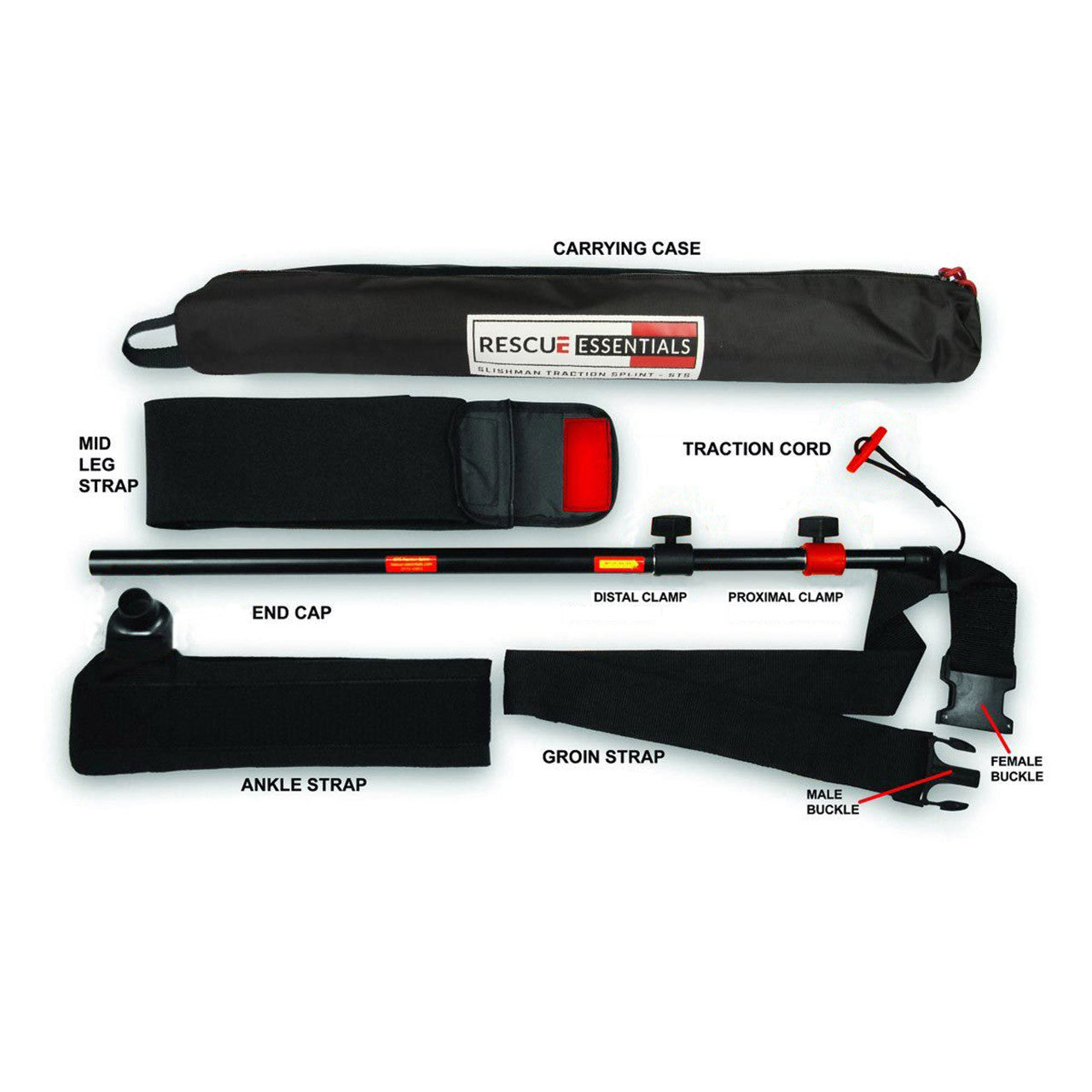
Slishman Traction Splint (STS) - Original Generation
Sale price$180.07Regular price
$265.00
Save 32%
SKU:
10-1262
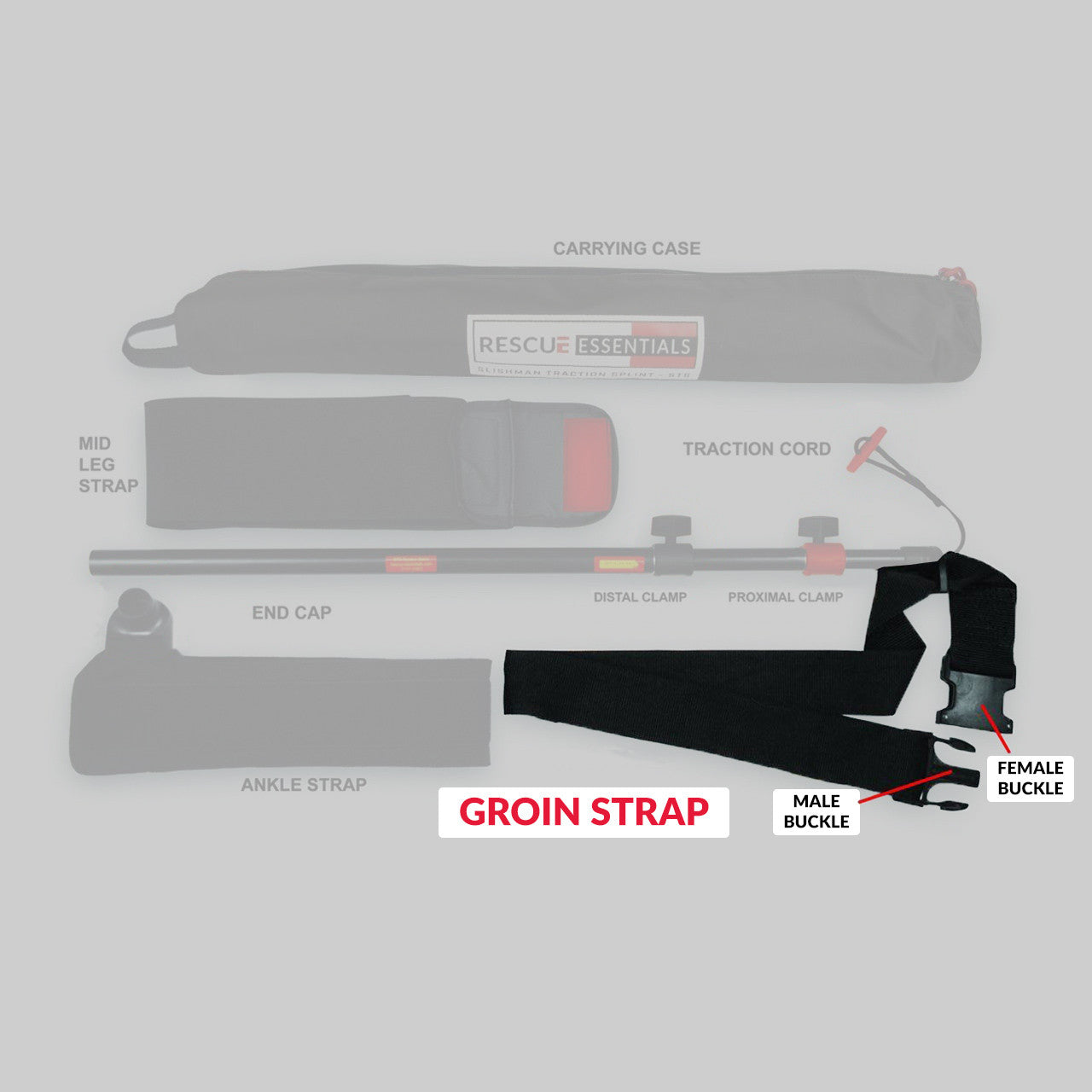
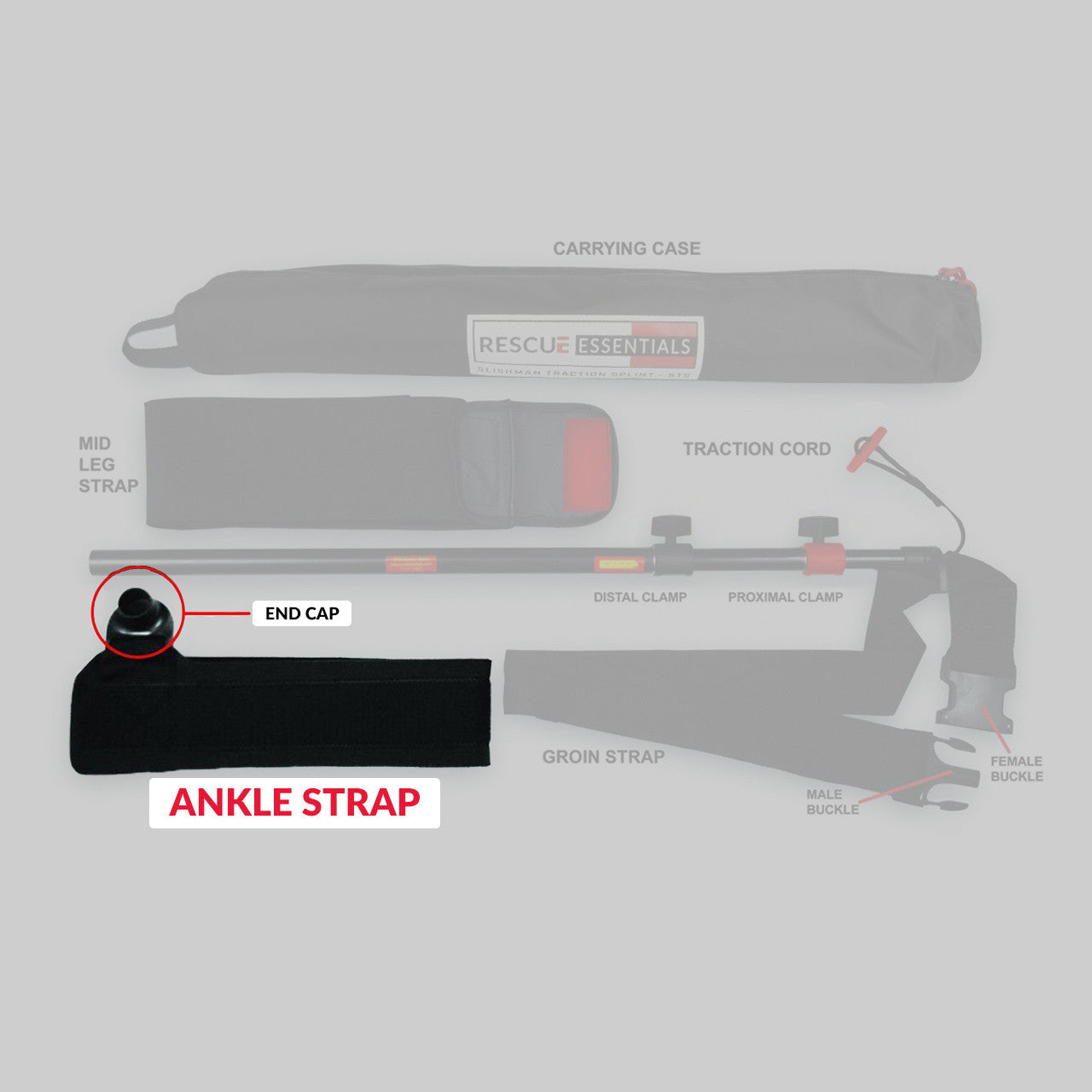
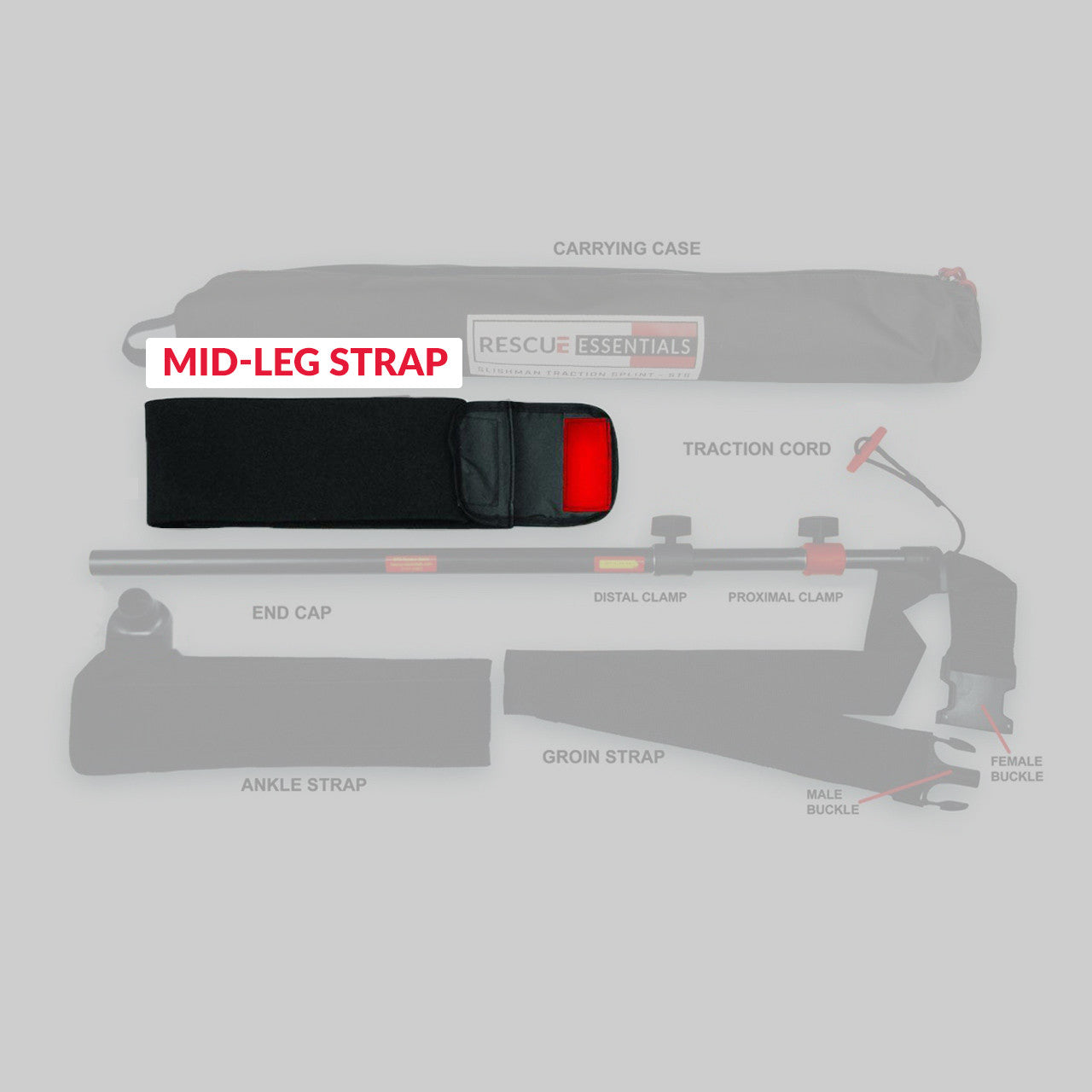
Slishman Traction Splint (STS) Replacement Parts
From $21.00
SKU:
10-1240
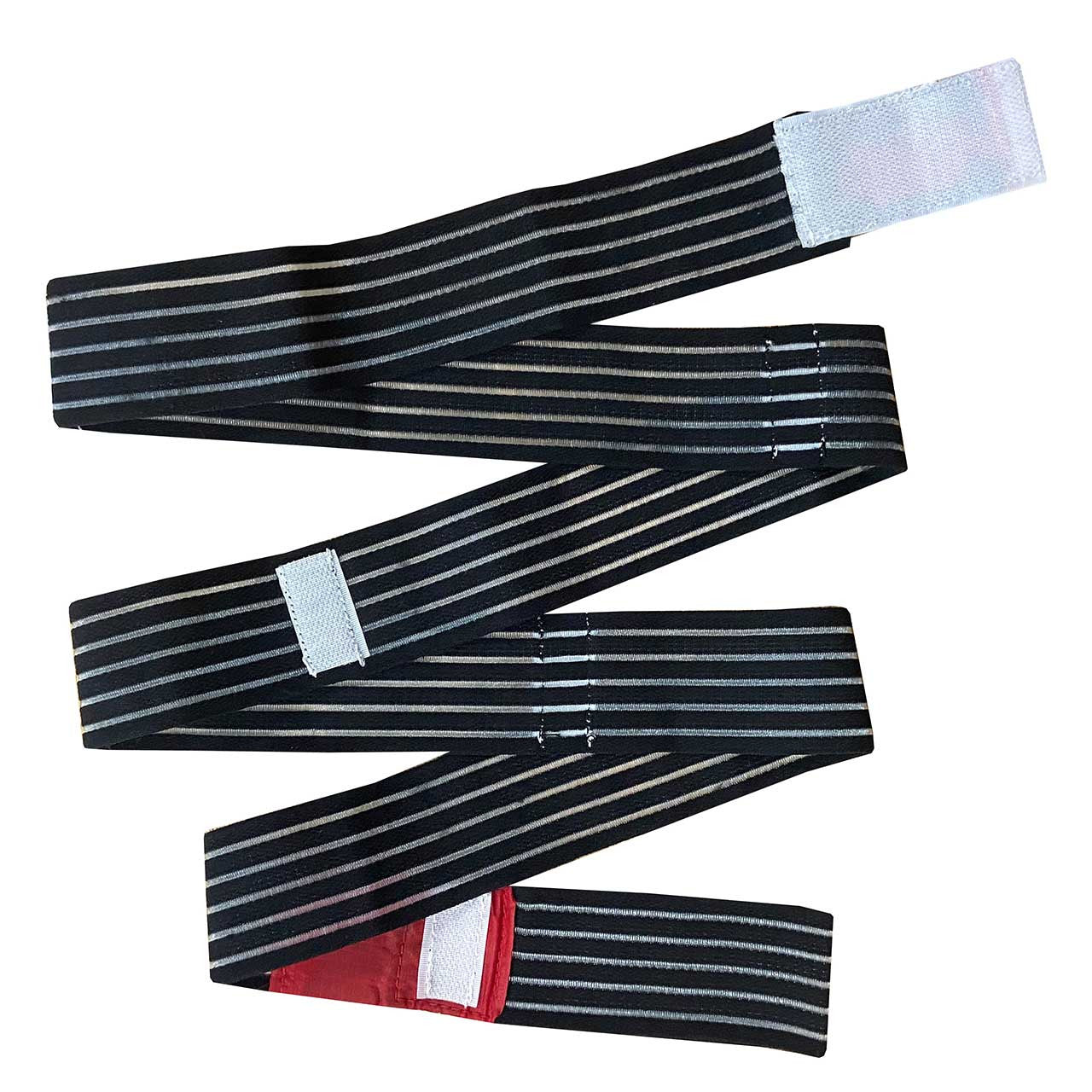
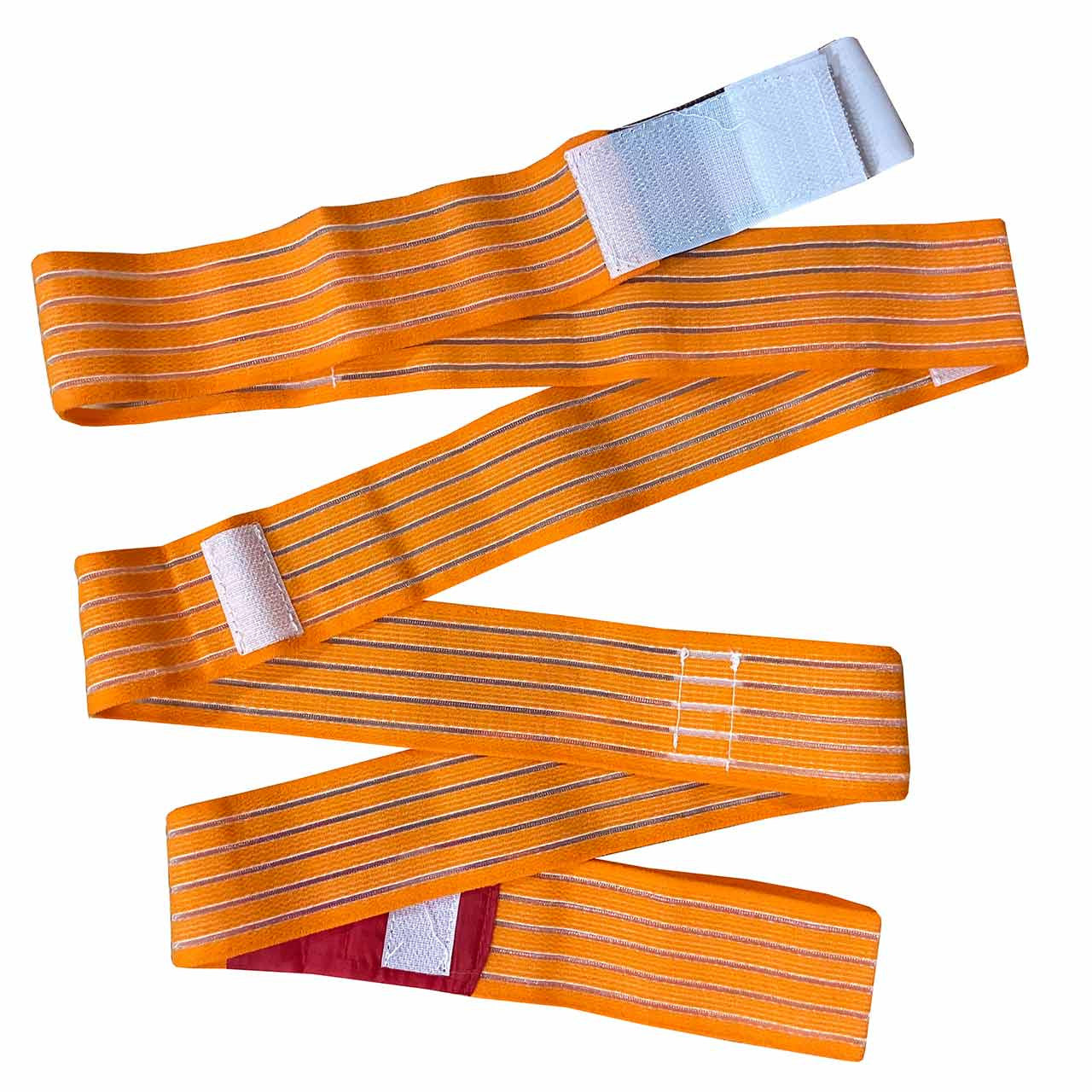
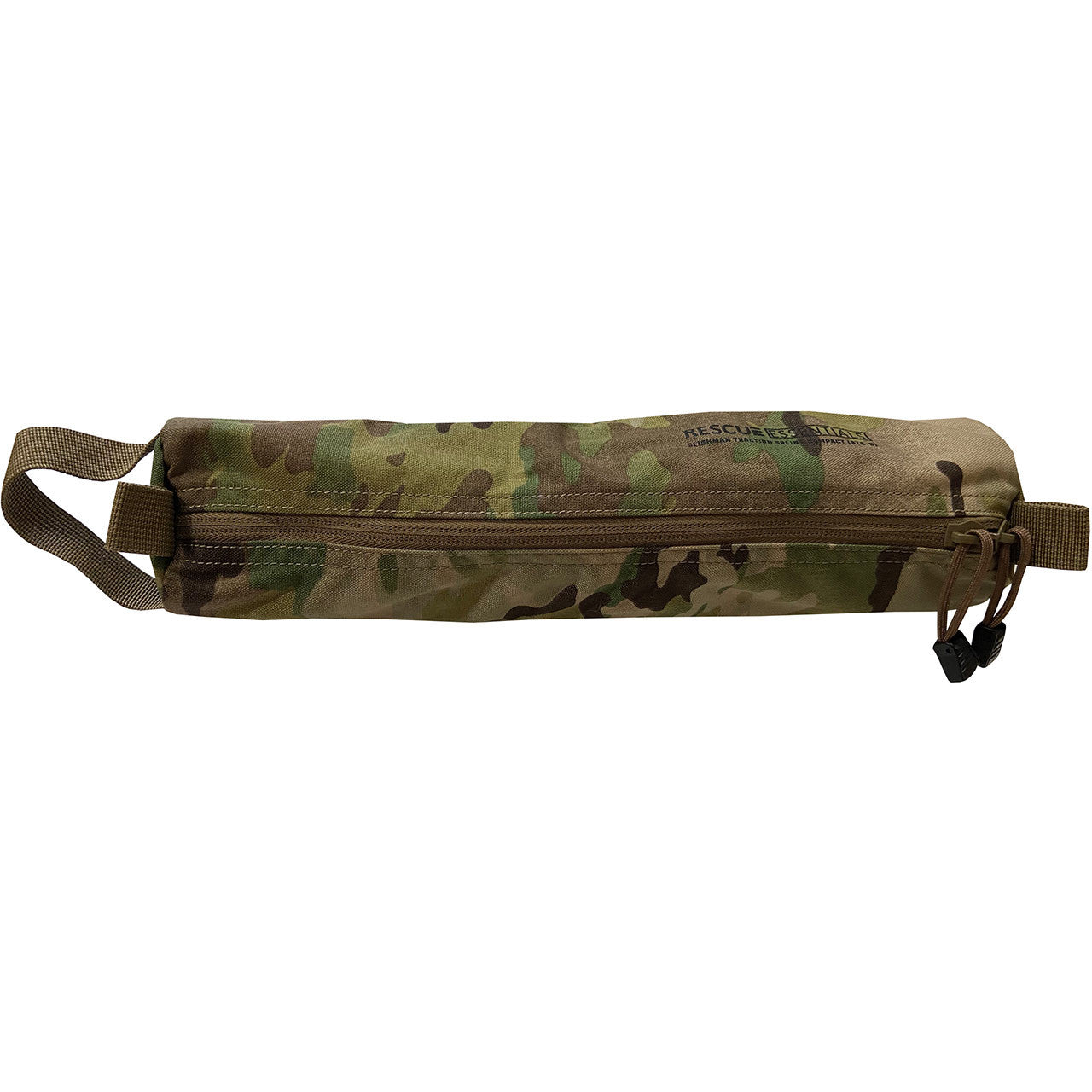
SKU:
10-1250
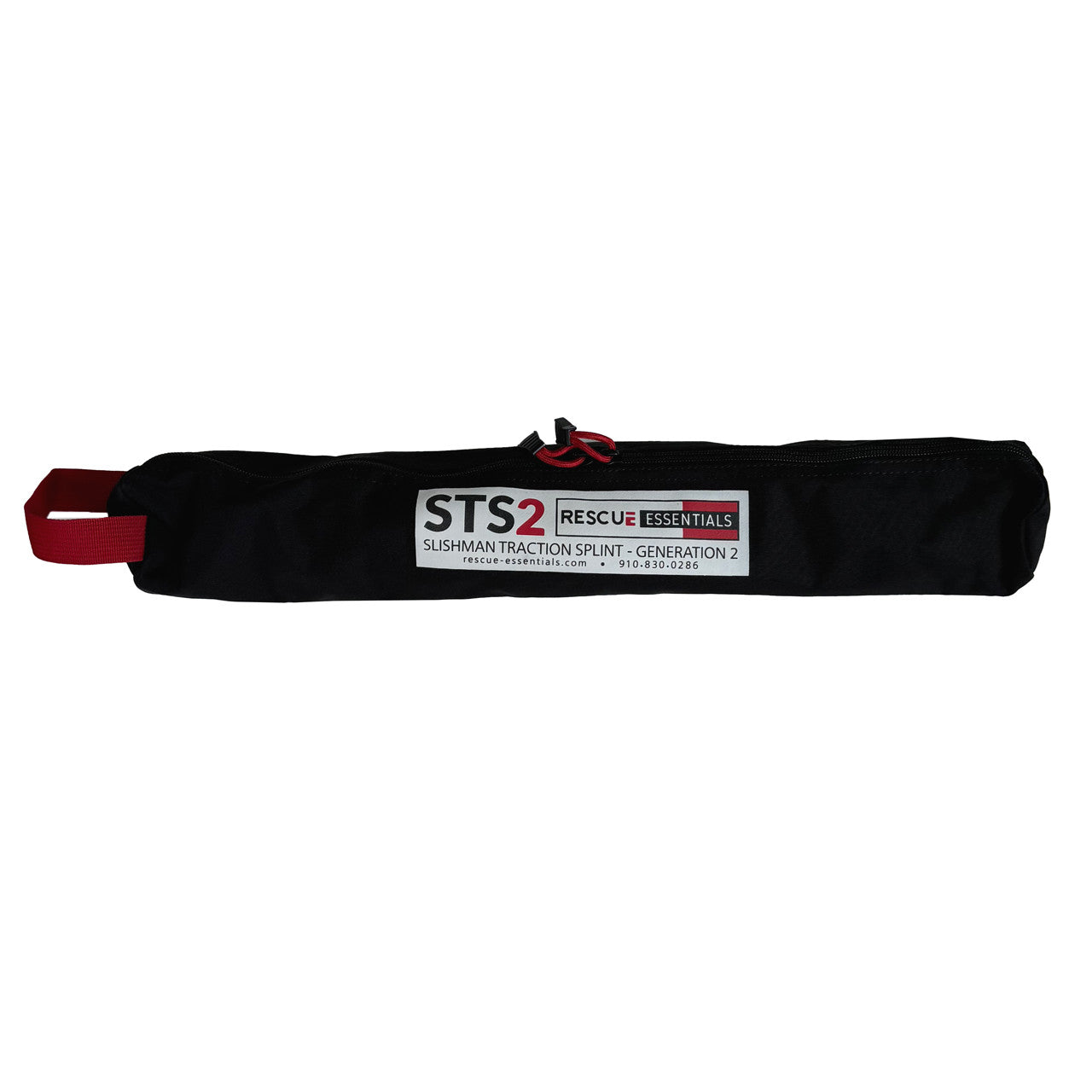
SKU:
70-5000


FAQs
When should I use a traction splint?
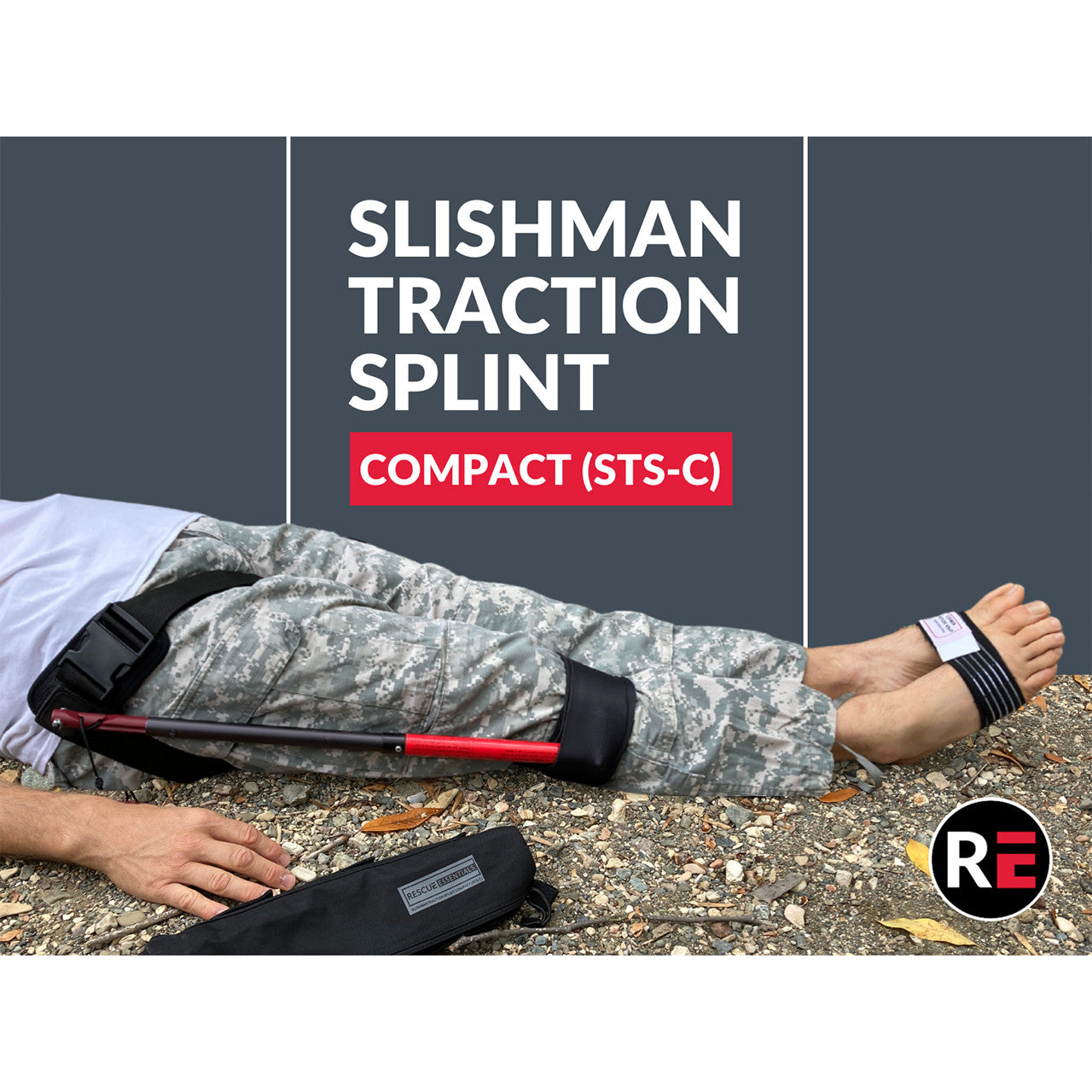
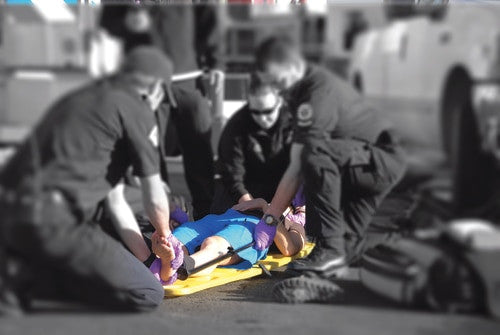
Traction splints of the past are indicated for only mid-shaft femur fractures where the break is in the middle portion of the thigh bone. The STS can accommodate most if not all femur fractures, regardless of location. They help stabilize the fracture, reduce muscle spasms, control pain, and prevent further injury during transport. Always check for other injuries before applying a traction splint.
What makes the Slishman better than the Hare or Sager splint?
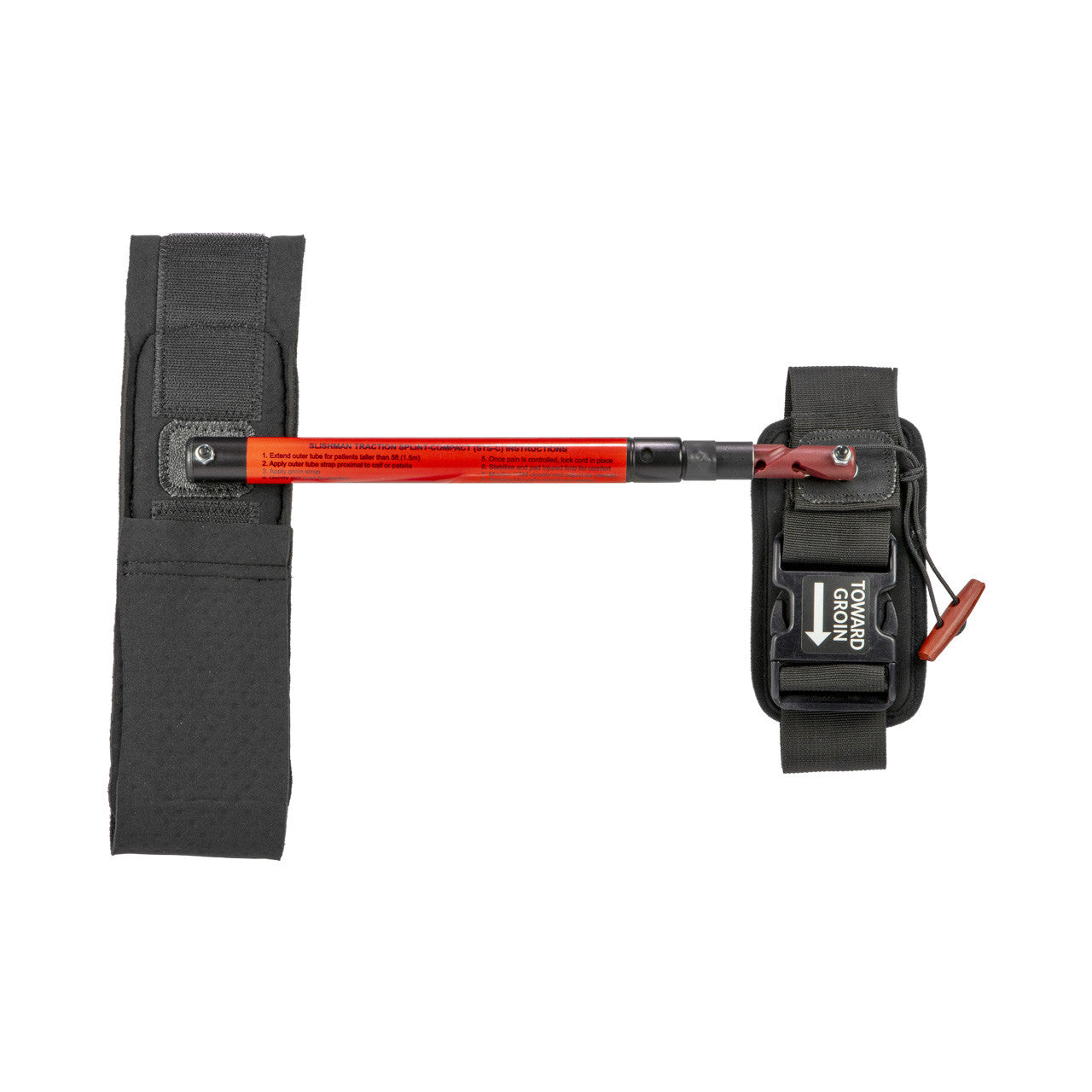
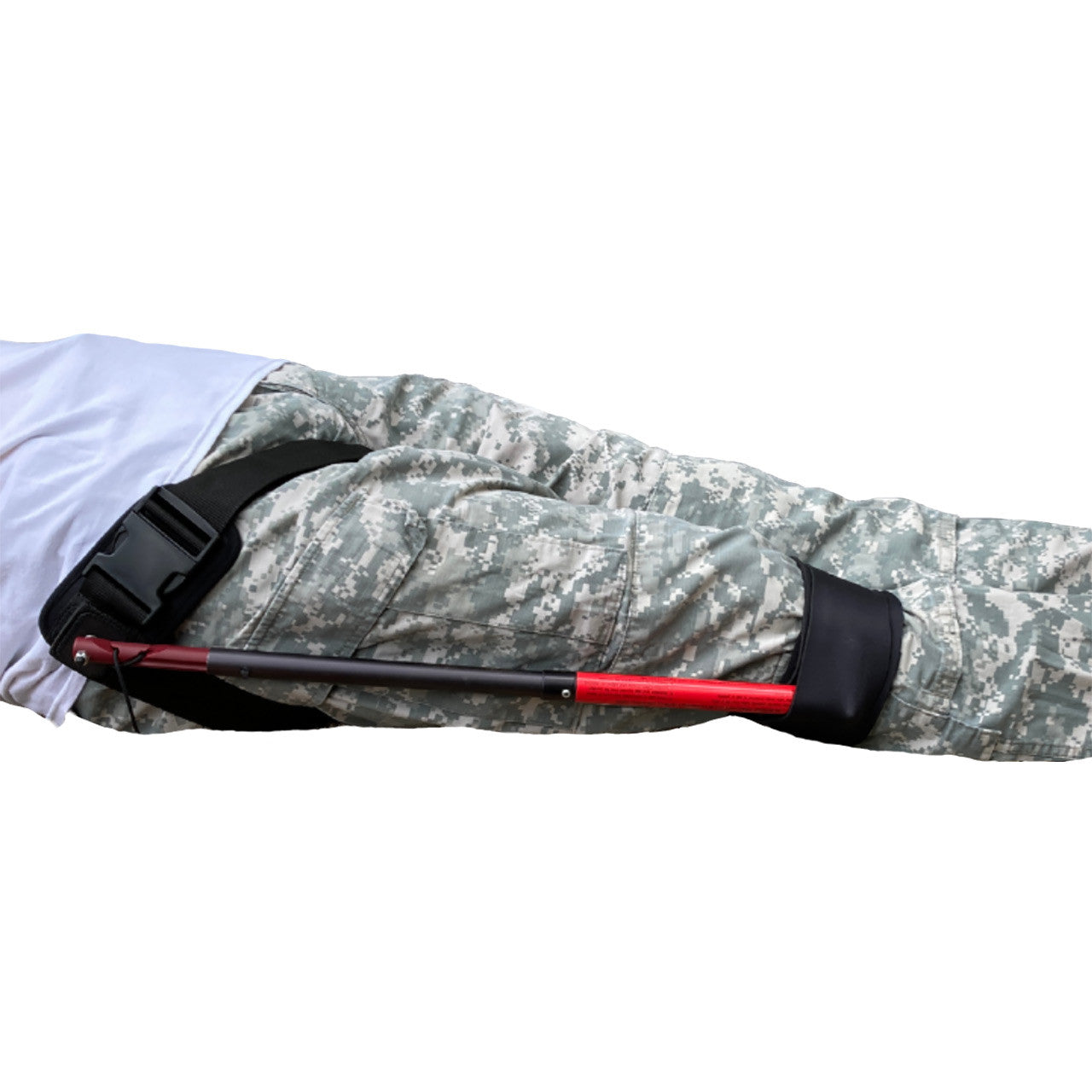
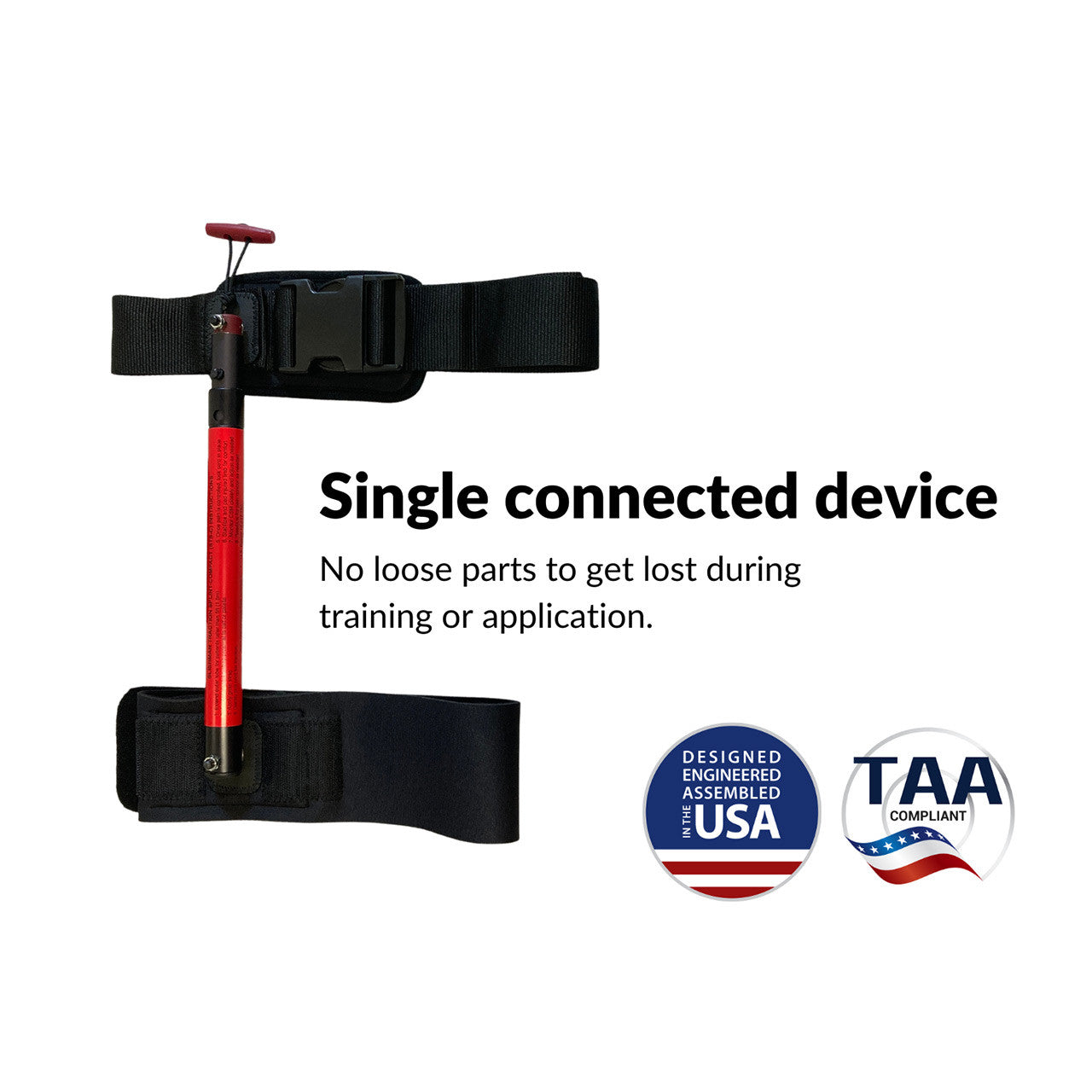
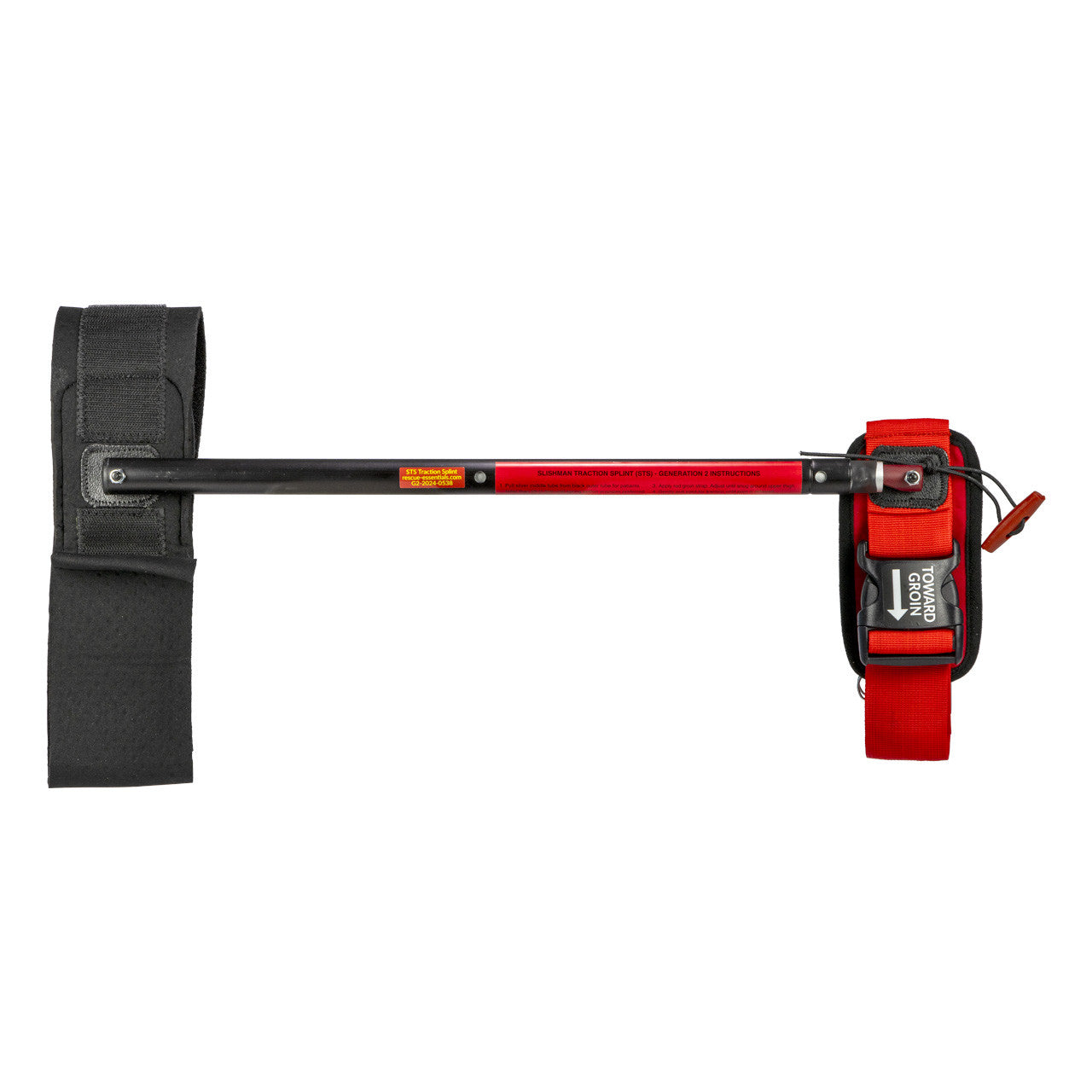
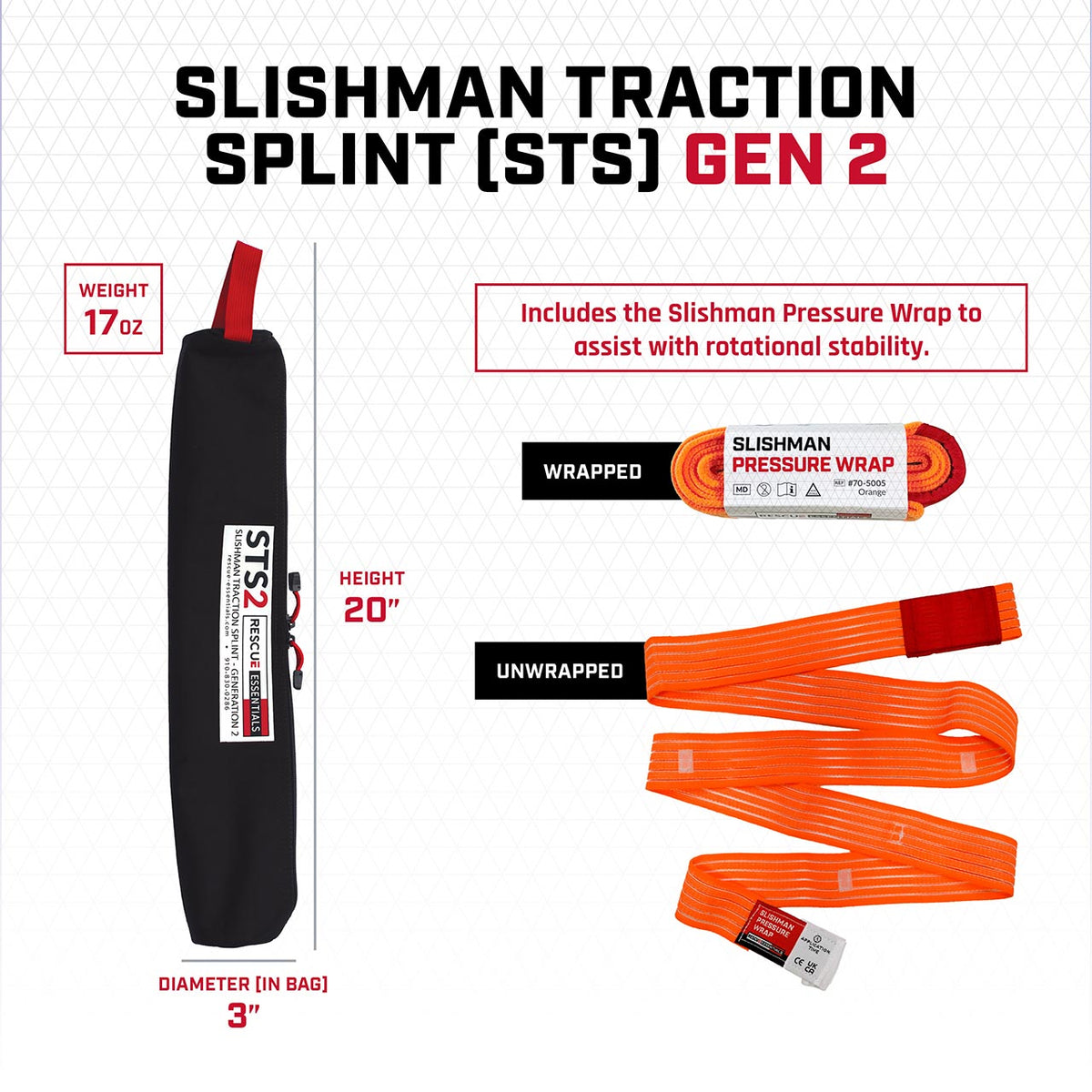
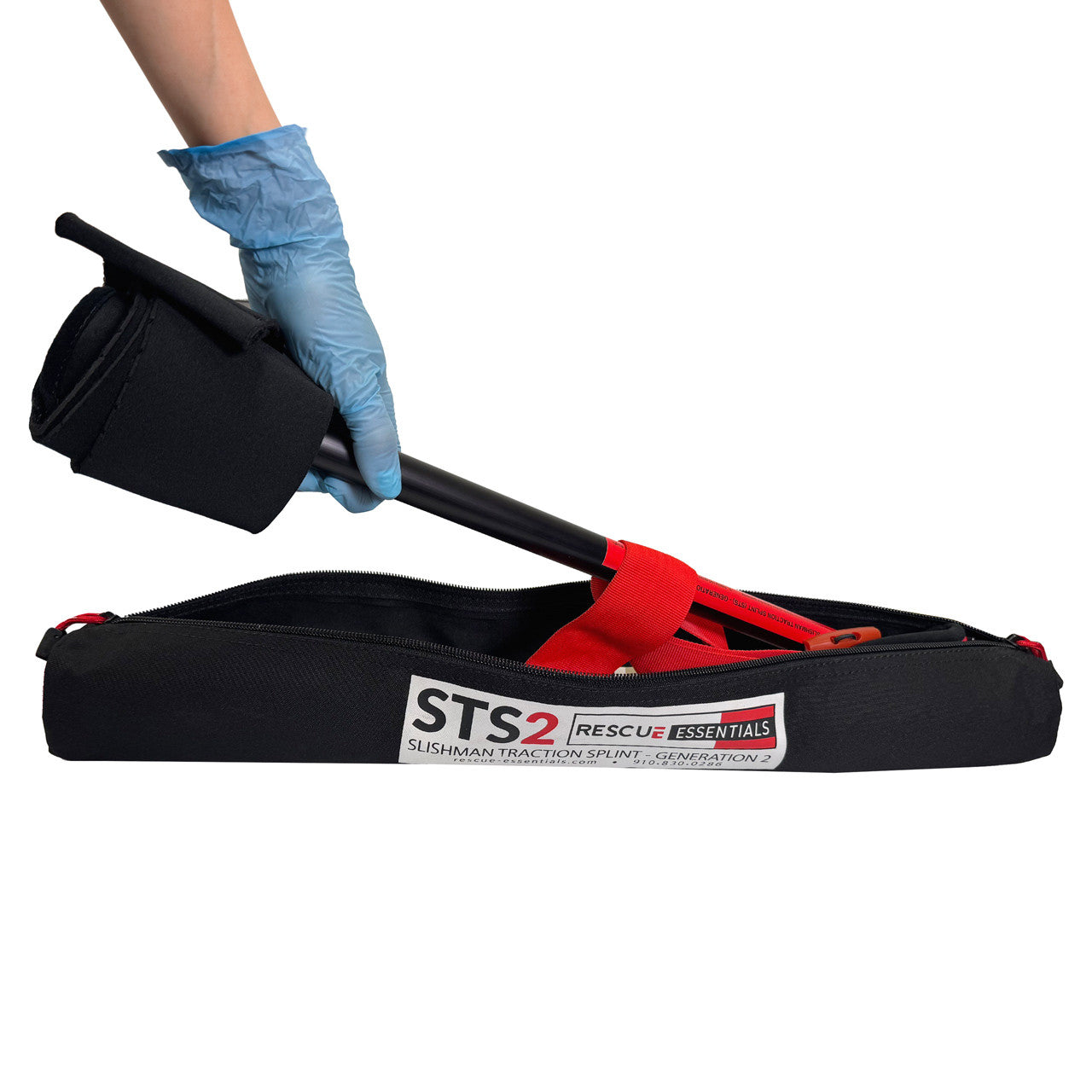
The Slishman doesn't extend beyond the foot, making it suitable for tight spaces and aircraft. It also applies traction from the hip rather than the foot, requires no assembly, weighs only 17 ounces, and can be used even with lower leg injuries.
Can I use the Slishman if there's a lower leg injury?
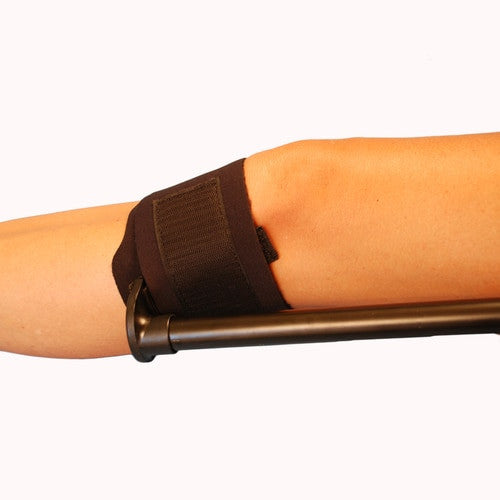
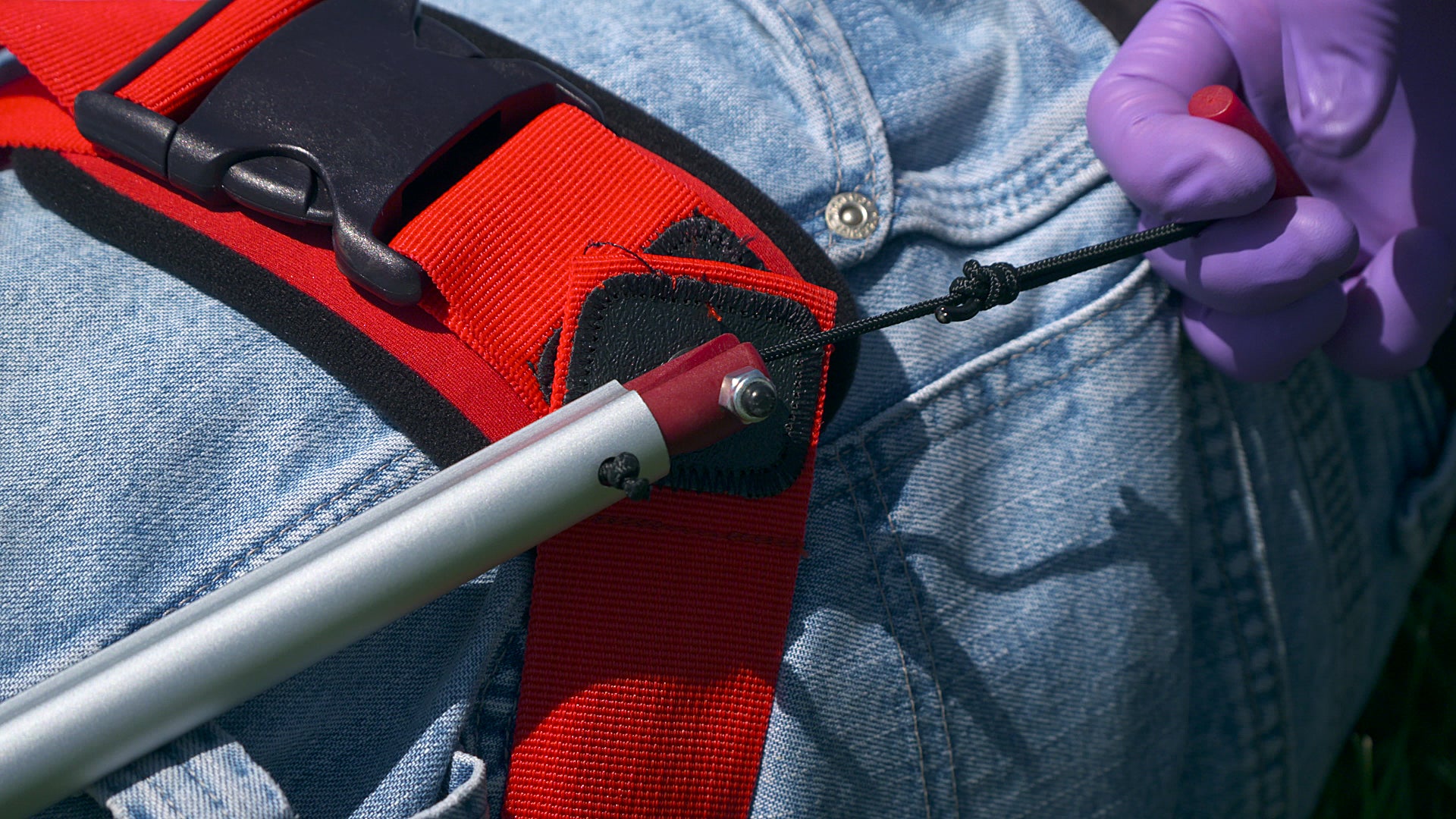
Yes. Unlike the Hare and Sager, the Slishman's ankle strap can be repositioned proximal to the calf or patella. This allows you to apply femoral traction even when there's trauma below the knee or in amputation situations.
How much training does the Slishman require?
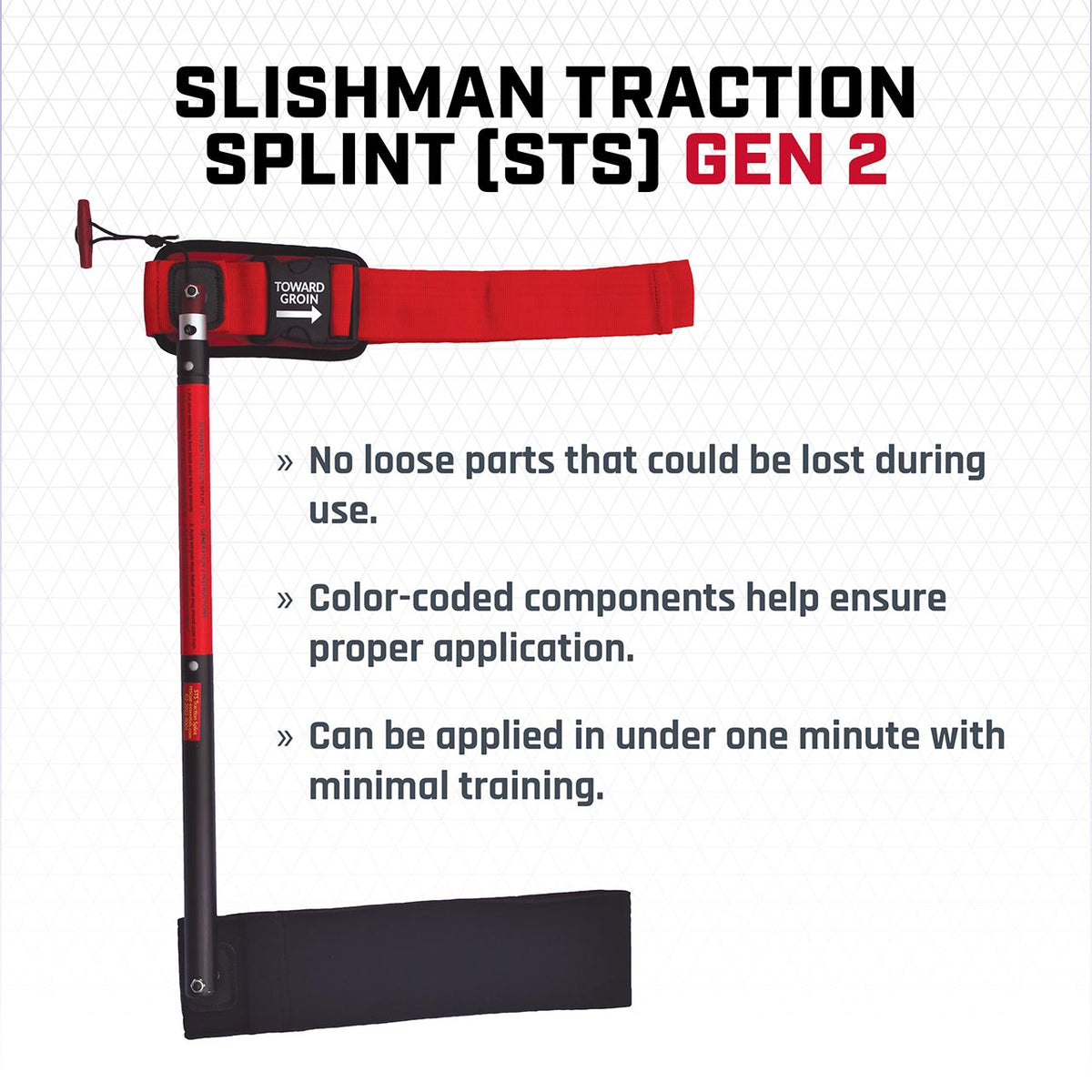
The Slishman's one-piece design is intuitive enough that most responders can watch it applied once, use it once, and retain proficiency. This is significantly less training than traditional devices. Instructions are printed directly on the splint to make it even easier.
How do I know how much traction to apply?
Apply traction until the patient reports pain relief - this usually happens with less than 15 lbs of pressure. The Slishman's pull cord allows fine adjustments from the hip rather than the ankle. Patients can also control their own traction, meaning they can modify it for comfort during transport.
Does the Slishman work for both adults and children?
Yes. The telescoping design adjusts to fit both adult and pediatric patients, eliminating the need to carry multiple different splints. This one-size-fits-all approach simplifies inventory and ensures you're always prepared.
Need Training?
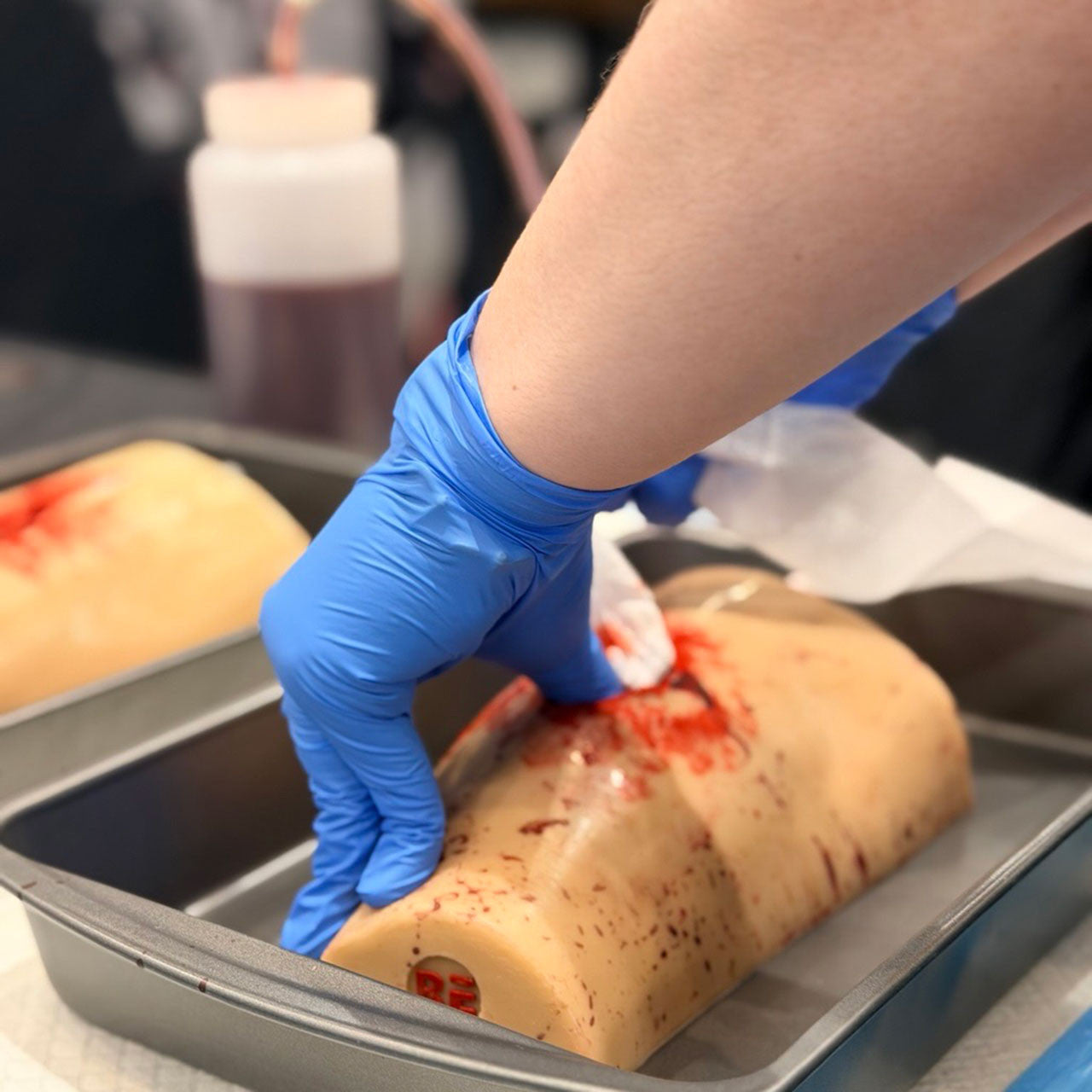
Rescue Essentials is proud to partner with accredited Stop the Bleed trainers throughout the U.S.