


SKU:
31-8109


SKU:
50-0164
$67.79

SKU:
70-0543
$174.95
SKU:
10-1240


SKU:
40-0163CASE

SKU:
30-1376
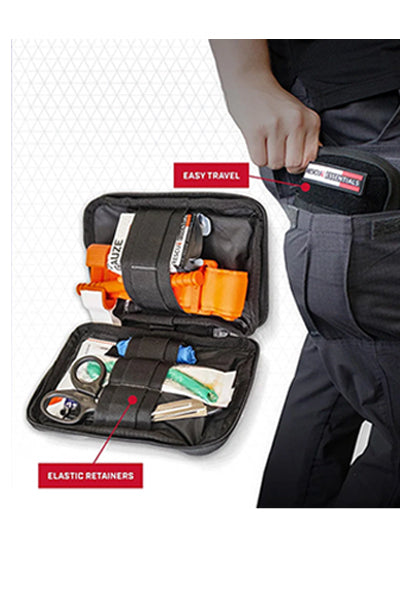
Save 25% on the CFAK now!
Save on the CFAK (Compact IFAK) - loaded with TCCC components like a tourniquet and chest seal, yet can fit in a pocket!
SKU:
CC 2200P-OD

SKU:
31-8110

SKU:
CC 3400H
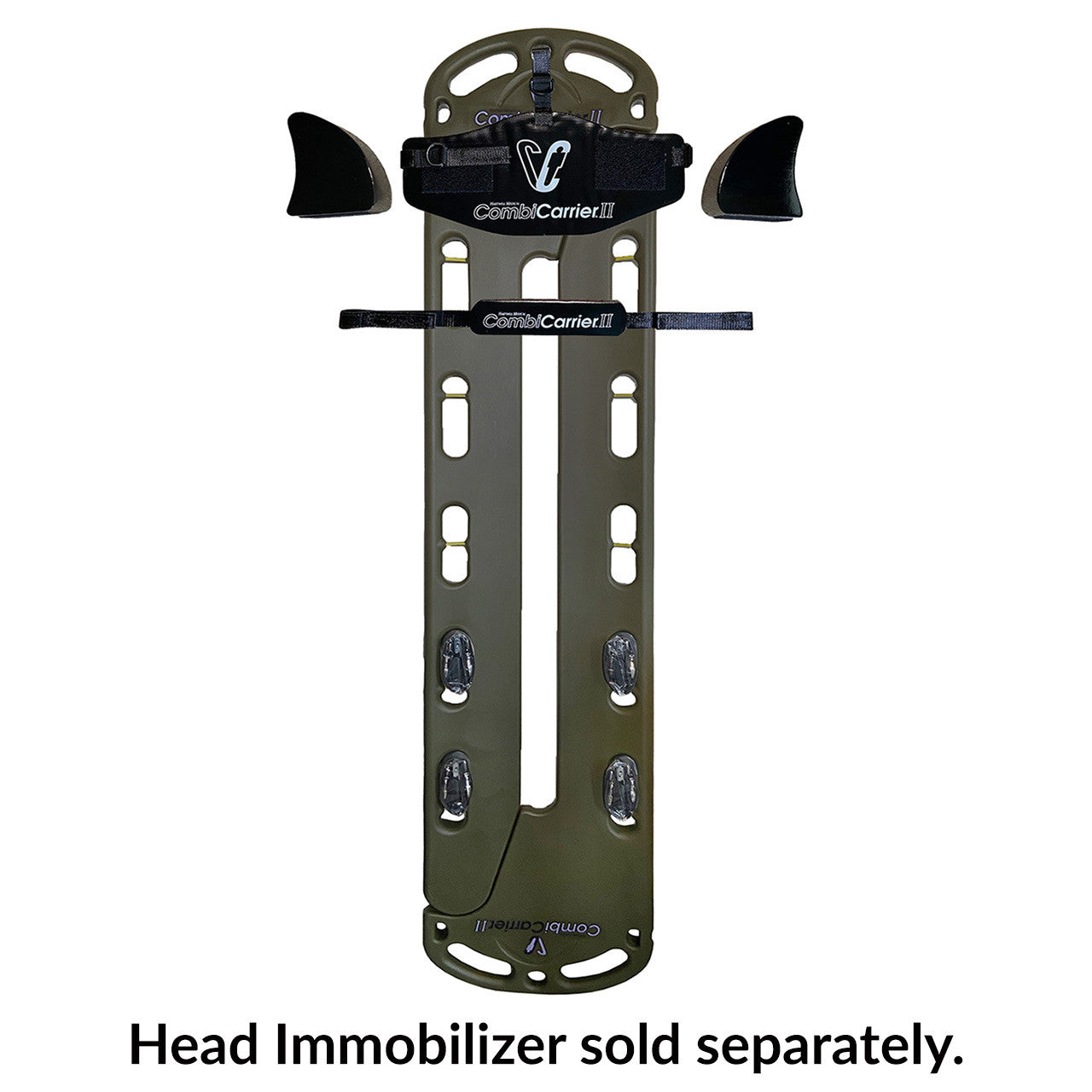
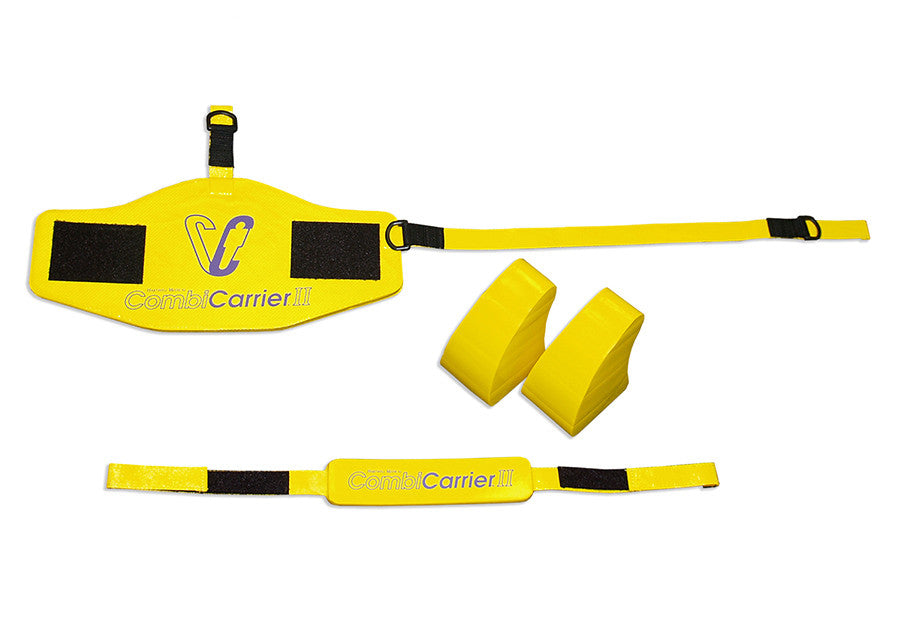
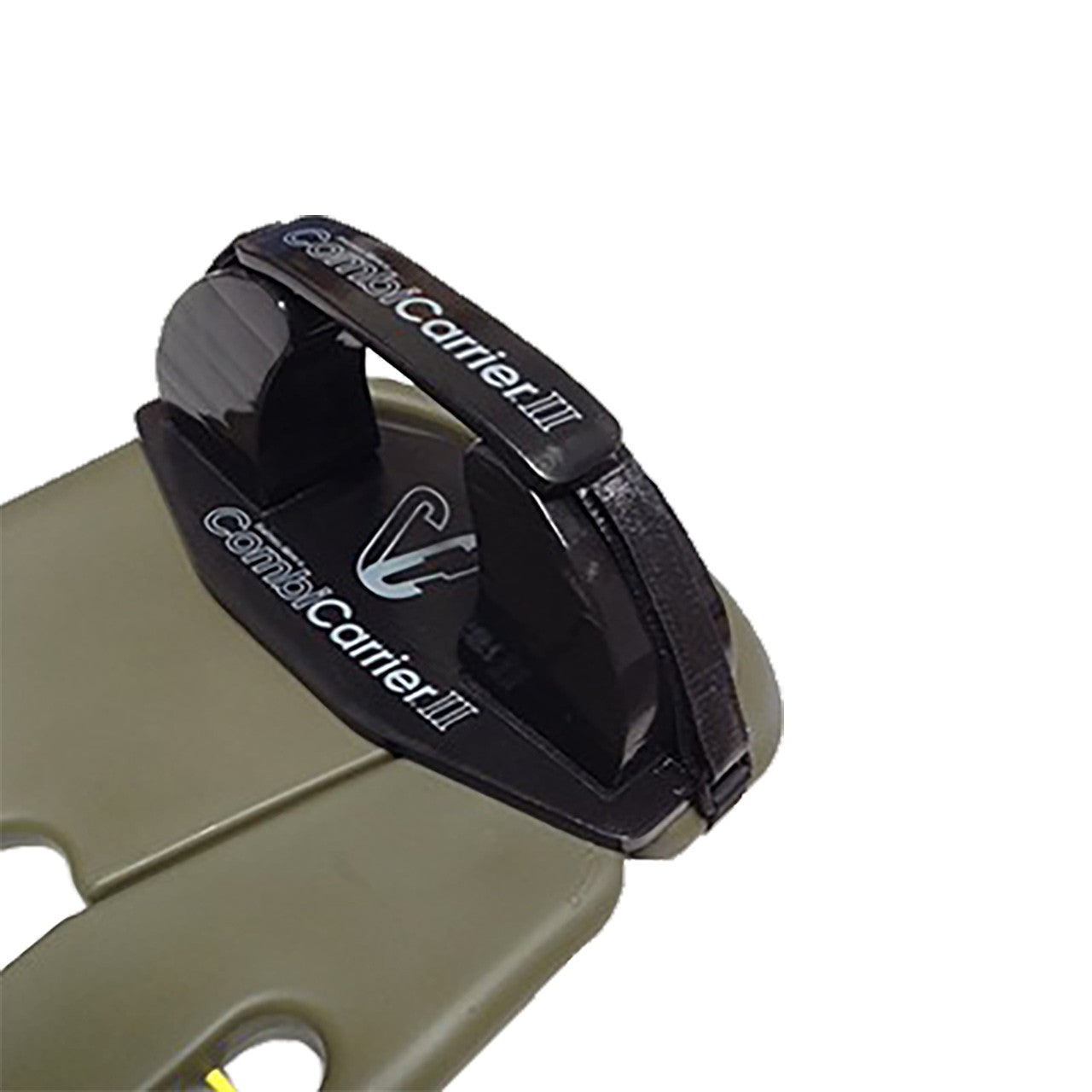
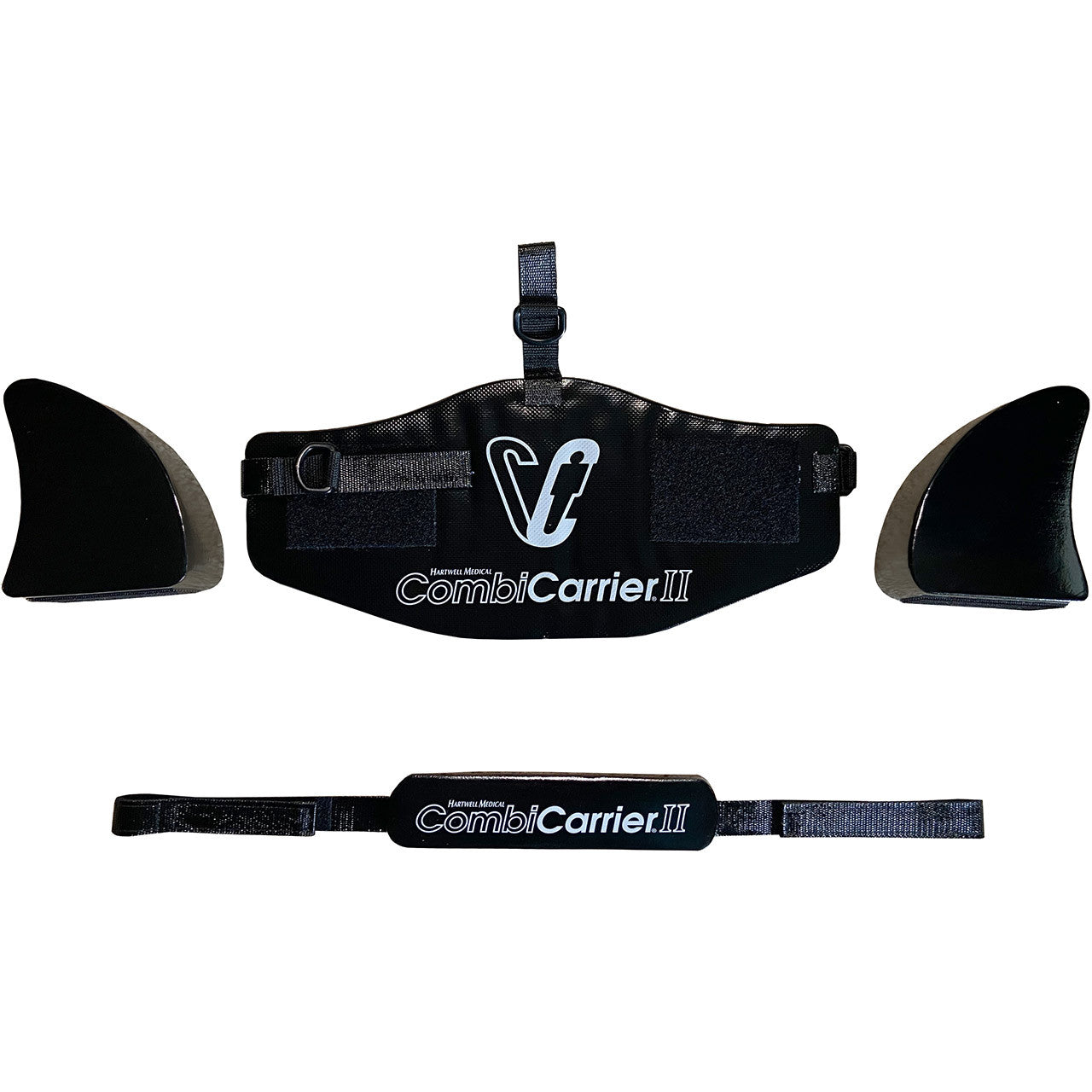
CombiCarrierII® Head Immobilizer
$160.00


SKU:
50-0151
$74.99


SKU:
EV 12C
$185.00
SKU:
31-8111
$430.00
Save 17%
Sale

SKU:
30-0021
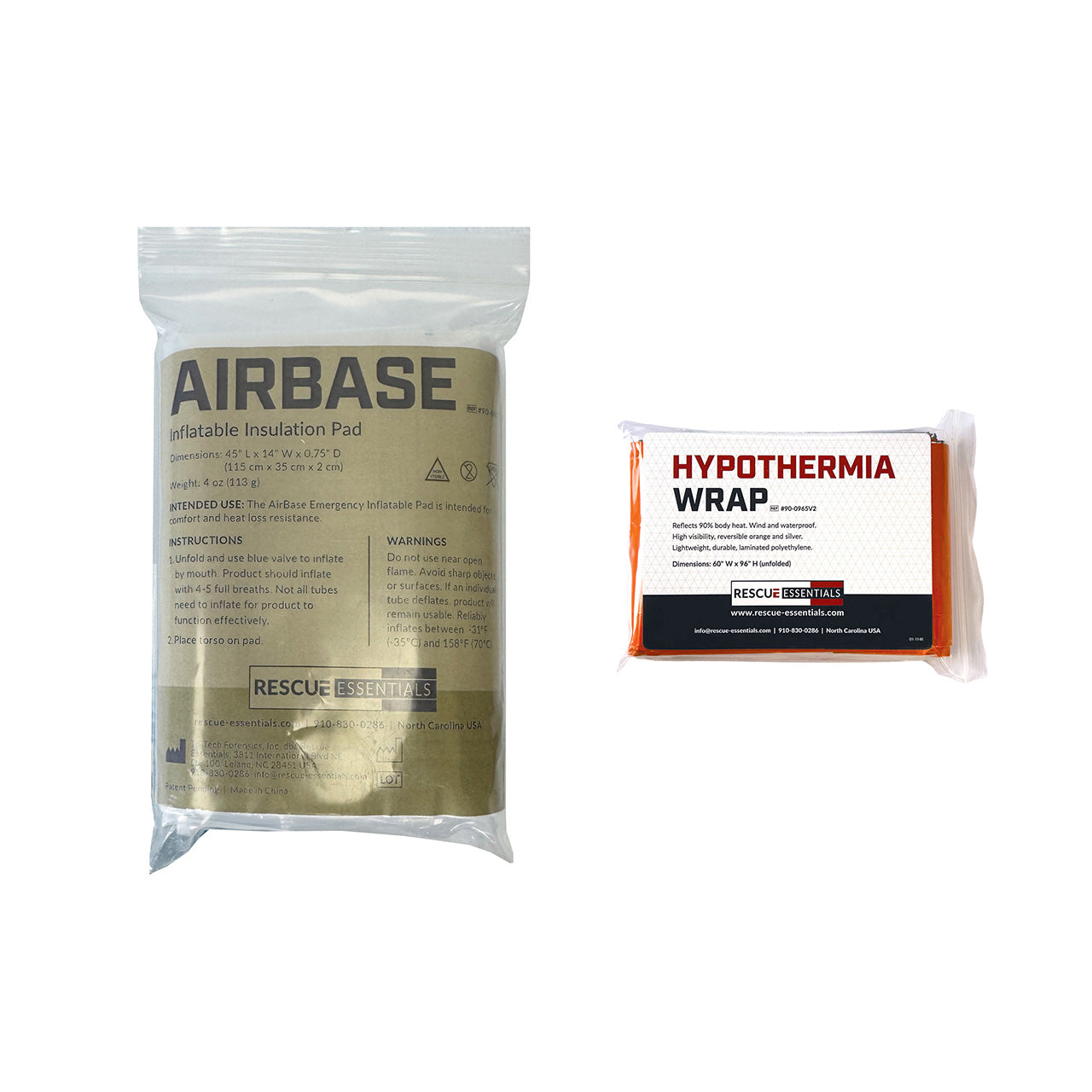
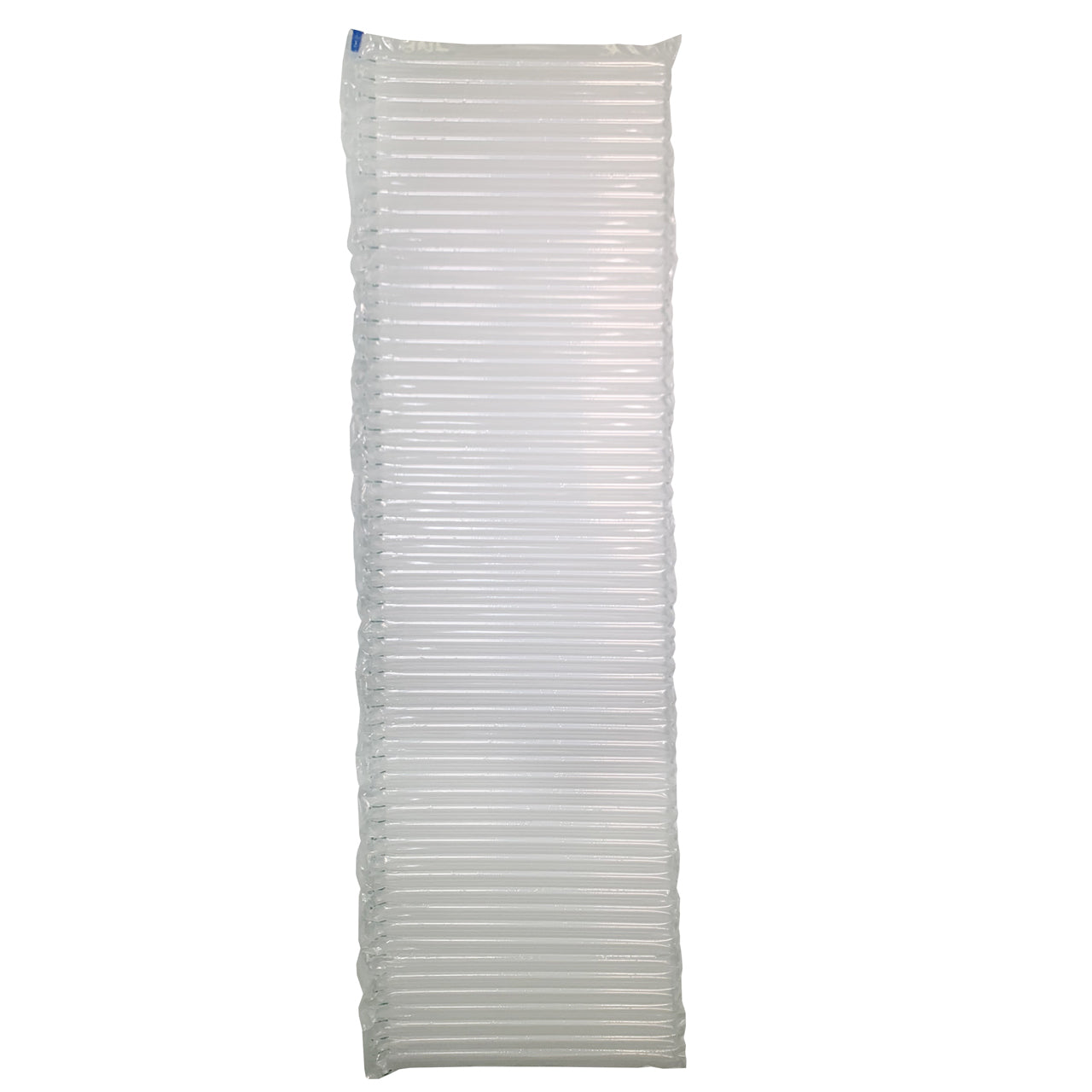
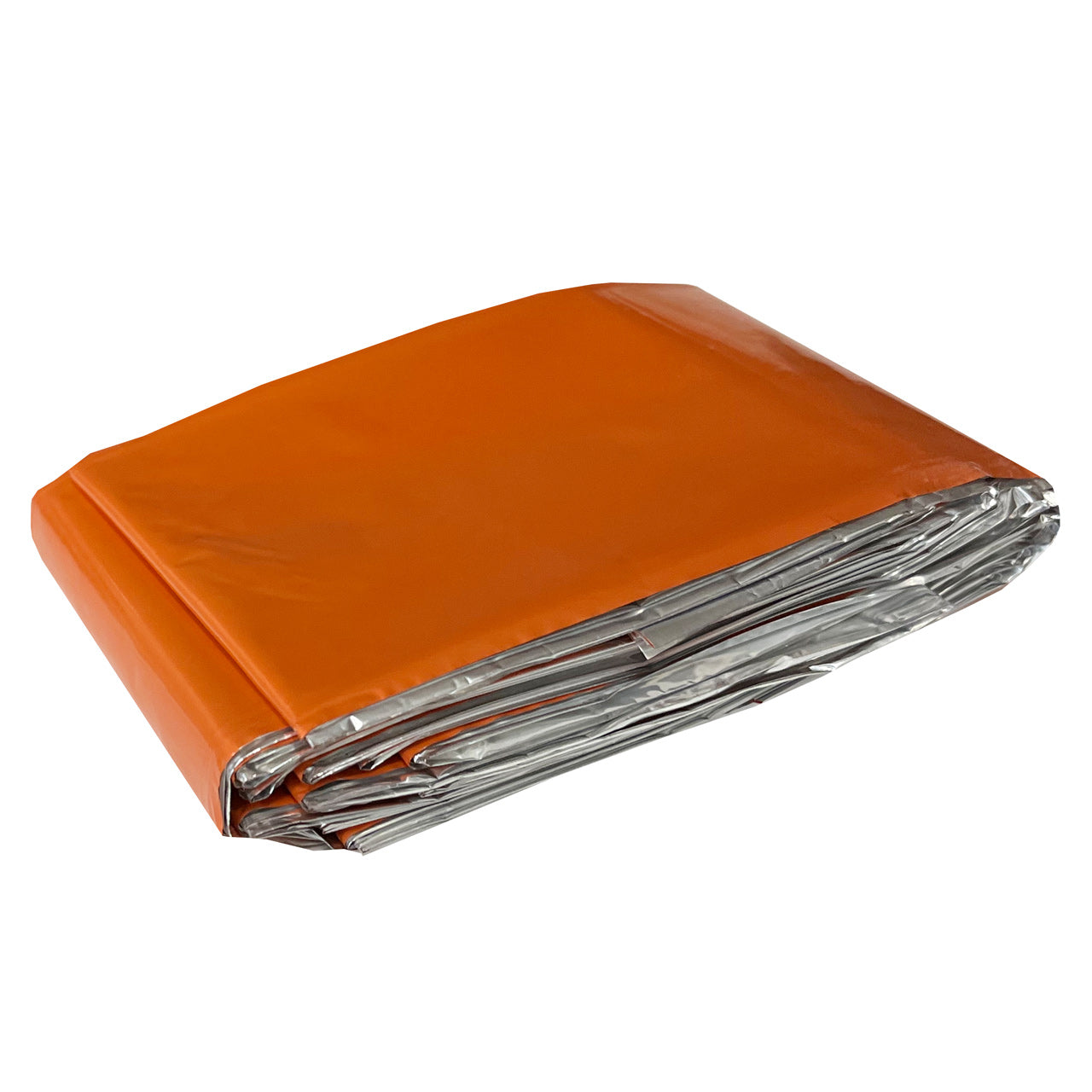
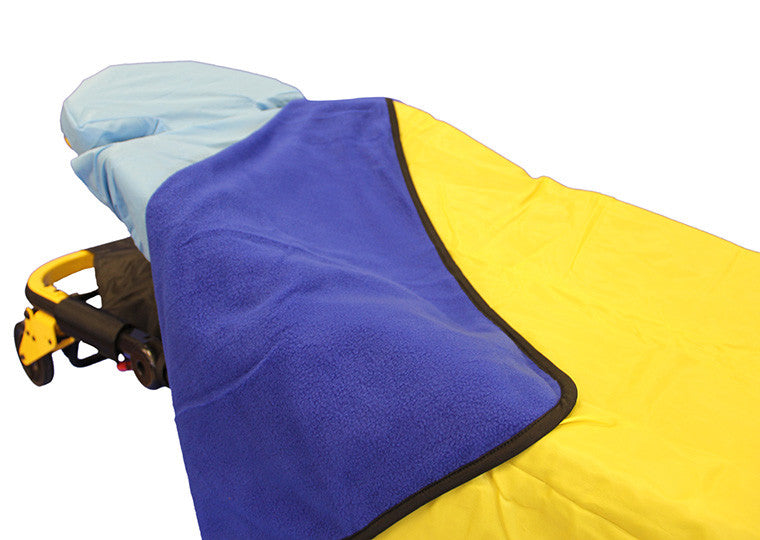
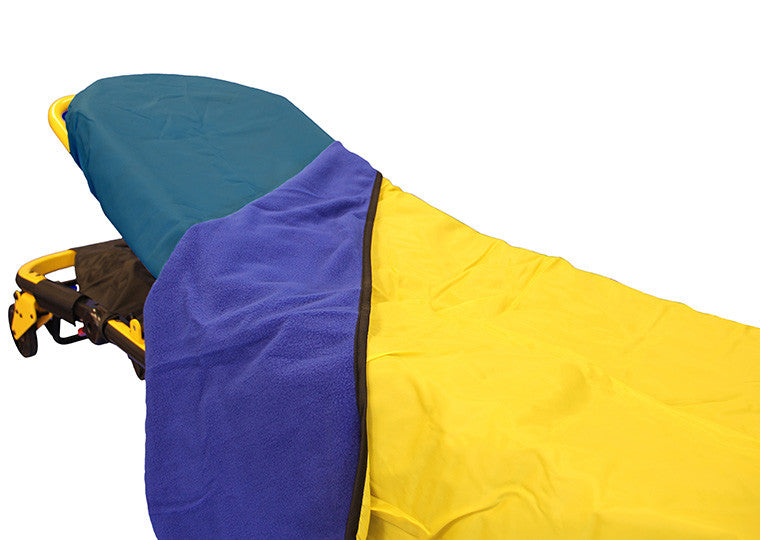
Hypothermia Wrap & AirBase Combo
Sale price$16.95Regular price
$20.45
Save 17%
ON BACKORDER
SKU:
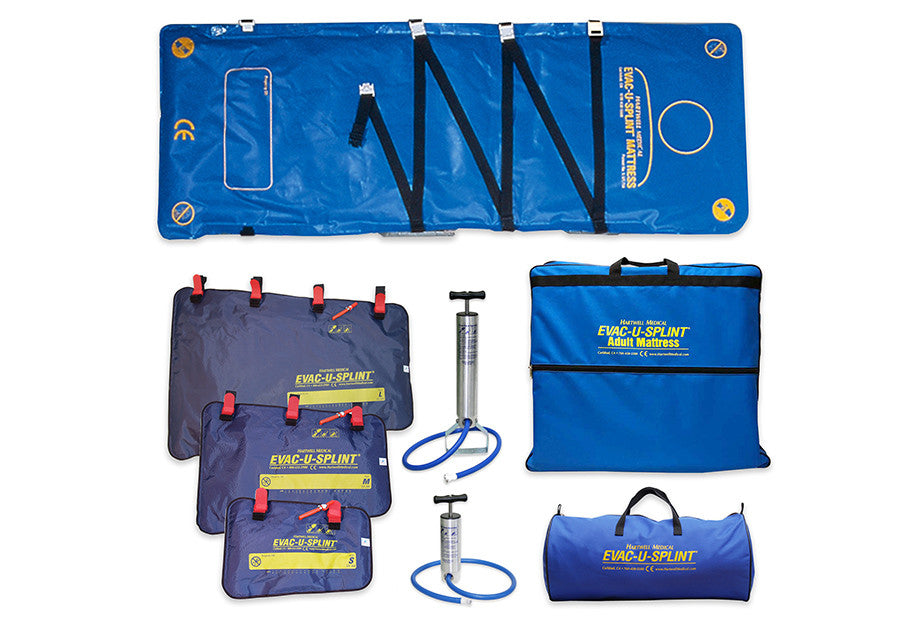
EVS 9075-6C
$1,775.00

SKU:
EV 14
$62.00
SKU:
70-5000

SKU:
31-8112
Polar Skin Complete Care Backpack
From $585.00

SKU:
91-0031CASE10
ON BACKORDER


SKU:
FSF 3000
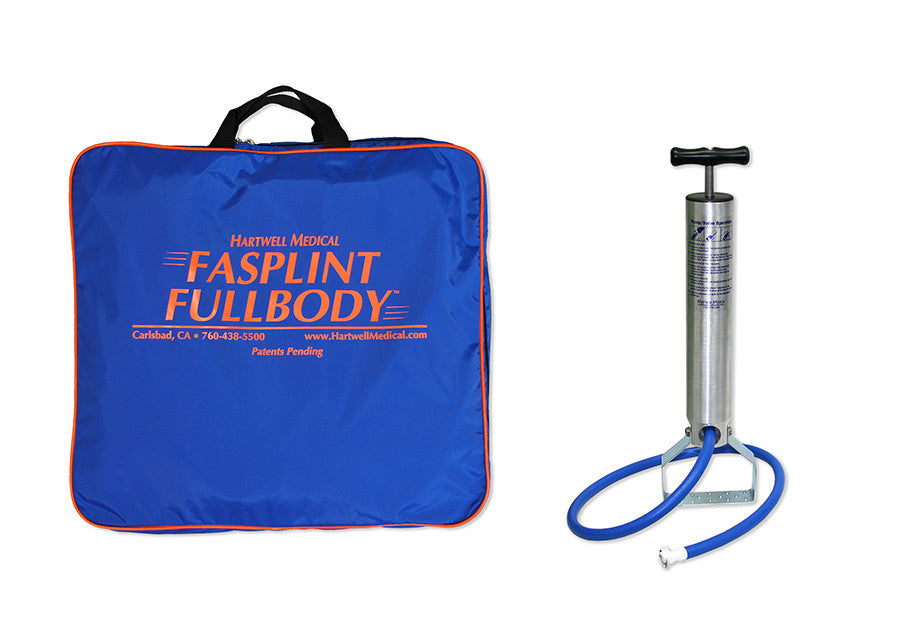
FASPLINT FULLBODY with Case and Pump
From $560.00

SKU:
PD 3000


SKU:
91-0018CASE20
ON BACKORDER



SKU:
FSH 3000


What immobilization gear belongs in a first aid kit?
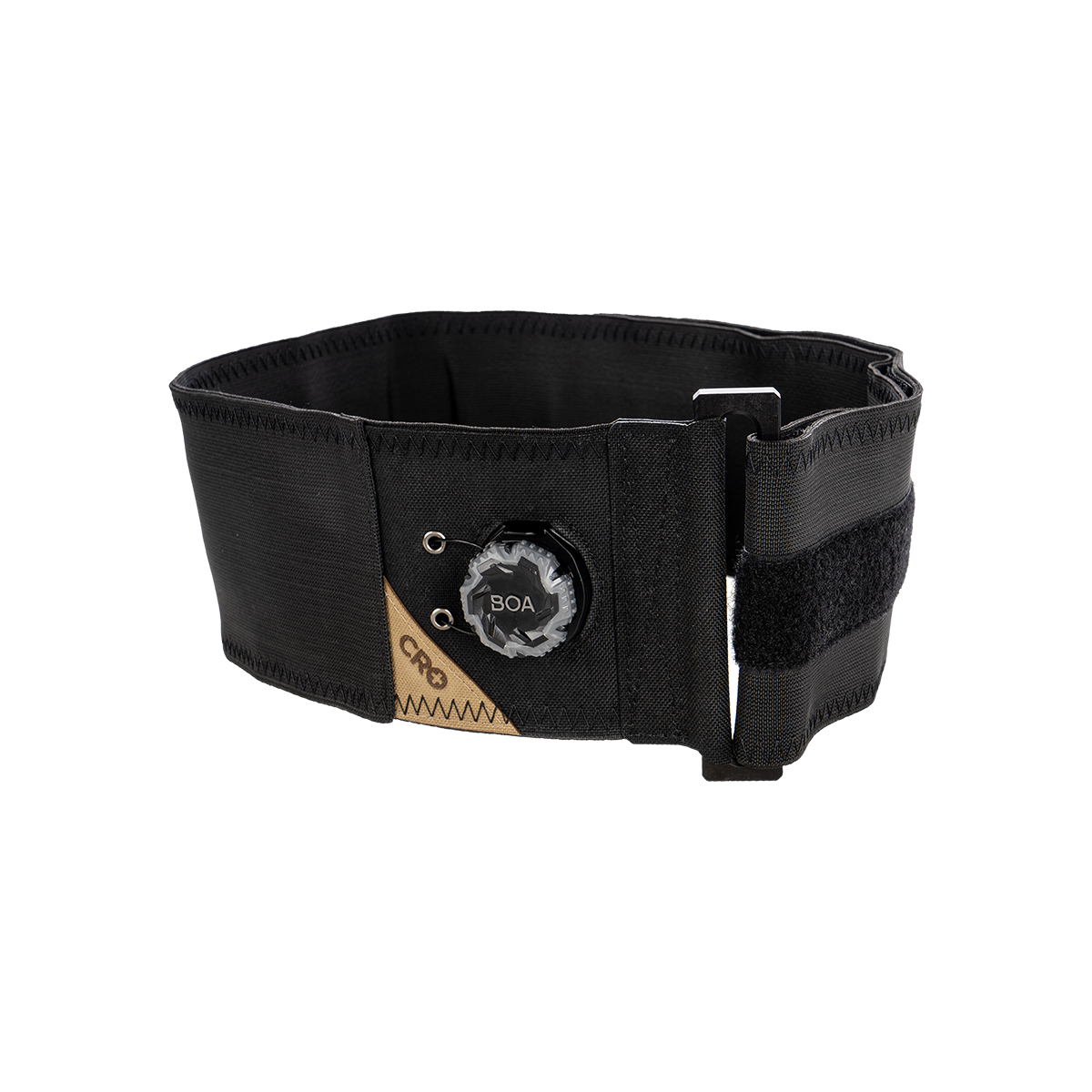
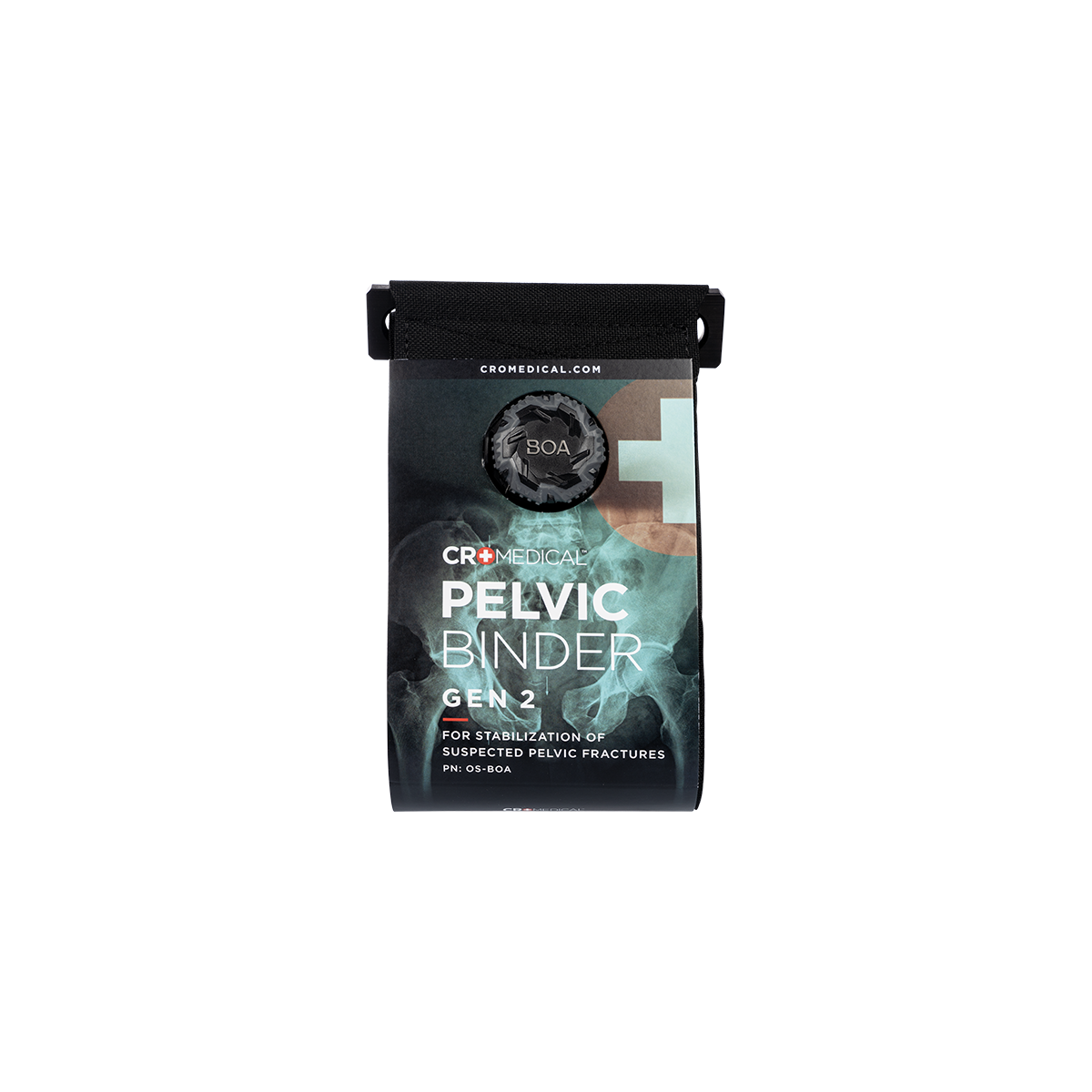
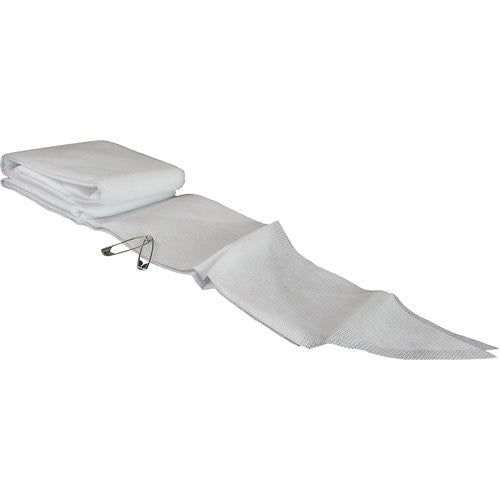
For an individual kit, a 36" moldable splint and a Slishman Pressure Wrap or triangular bandage cover most limb injuries in a small footprint. Agency kits add a cervical collar, a pelvic sling, and a hypothermia wrap. The right answer depends on your scope of training and how long you expect to be with a patient before handoff. For a full breakdown of kit contents, see What Goes in an IFAK?
Can a cervical collar be cleaned and reused?
Yes, and it's a real cost consideration for agencies. Rigid collars are made from materials that hold up to disinfection, so a collar can go back into service after cleaning rather than being discarded. Follow the manufacturer's instructions, since cleaning methods vary and some agents degrade certain plastics over repeated cycles.
How does a moldable emergency splint work?
The splint is flat until you shape it. Bending it into a simple curve creates structural arcs along its length, and those arcs are what carry the load. A single 36" splint can be trimmed with shears and molded for a wrist, an ankle, or a full leg, and the same product works for adult and pediatric fractures.
Why do trauma patients need warming in mild weather?
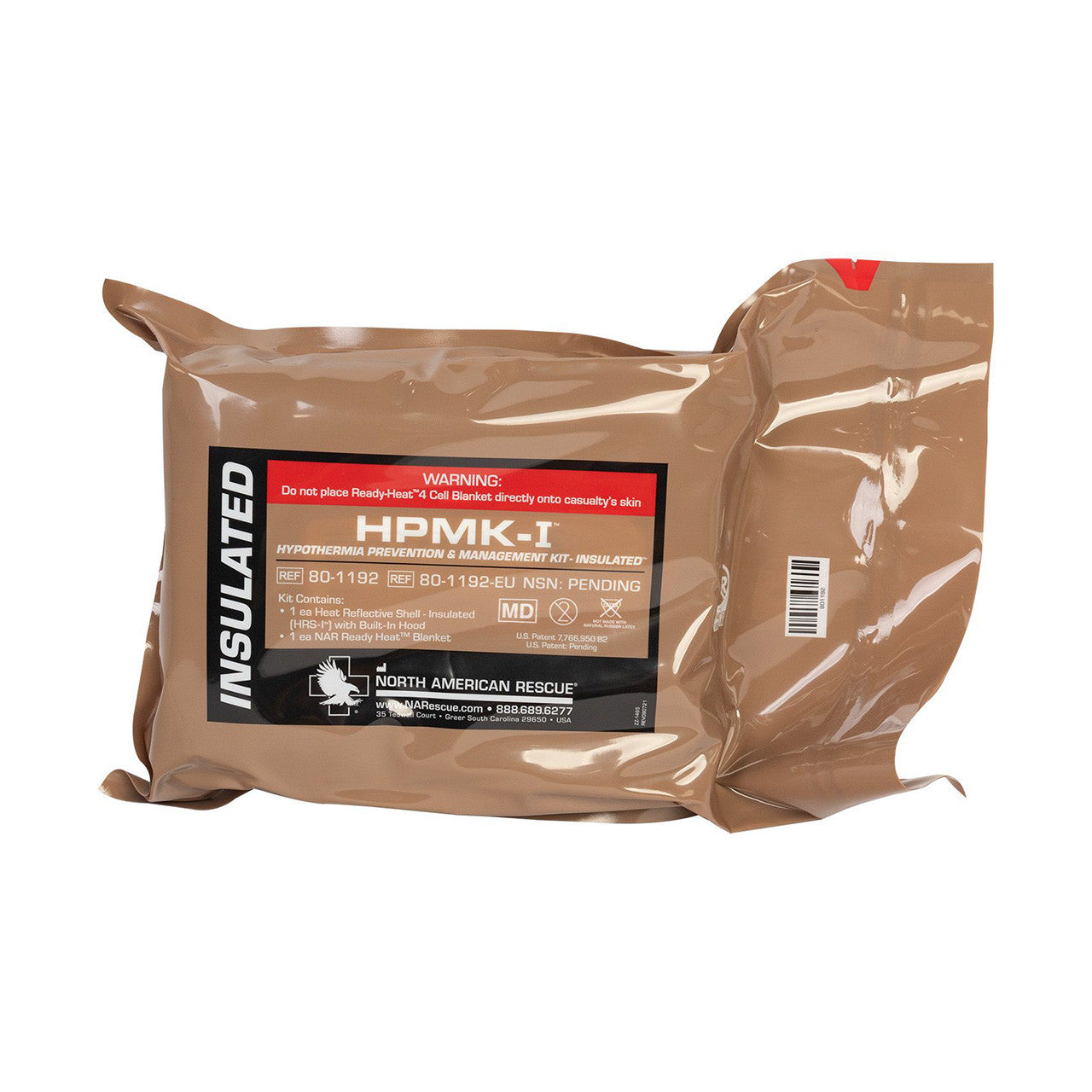
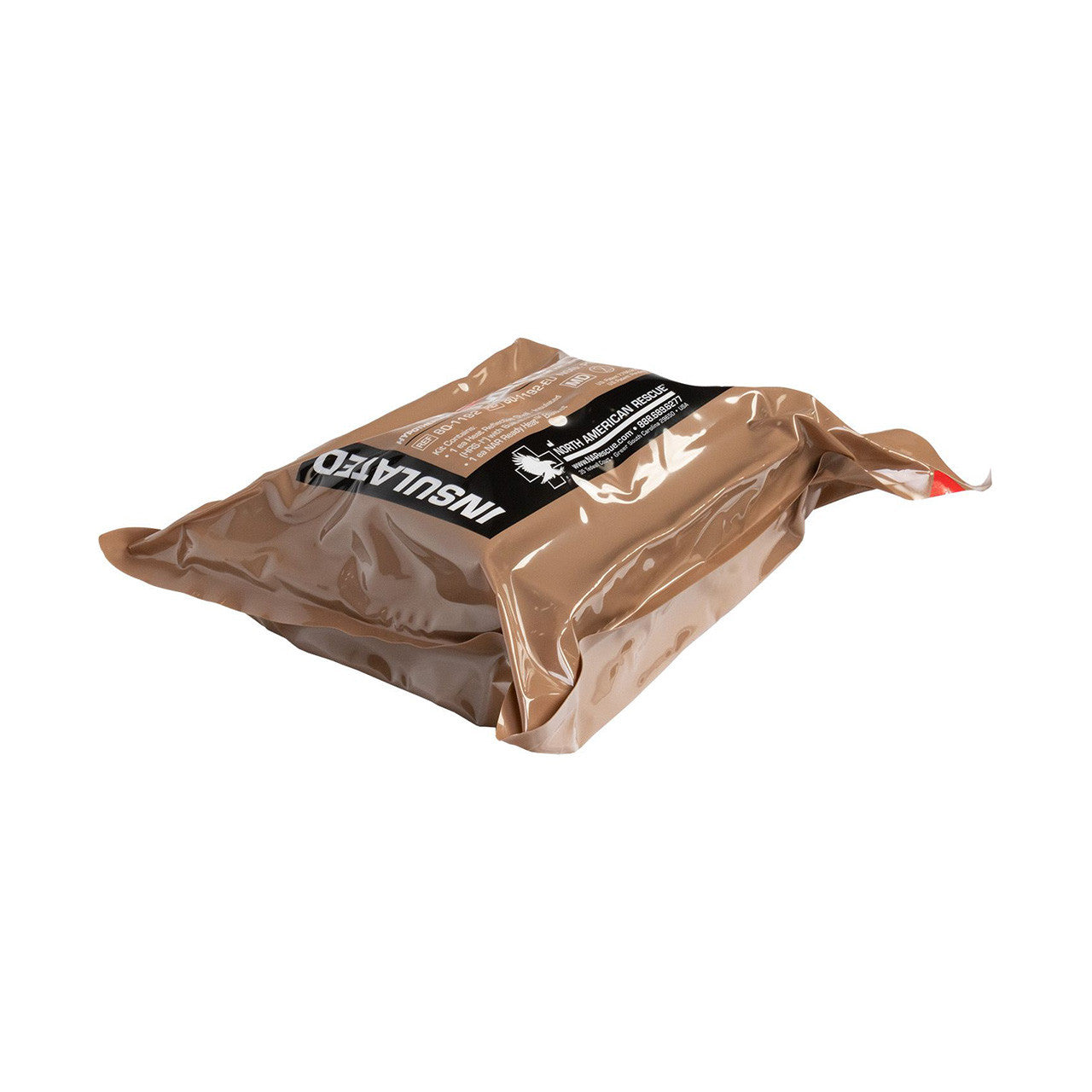
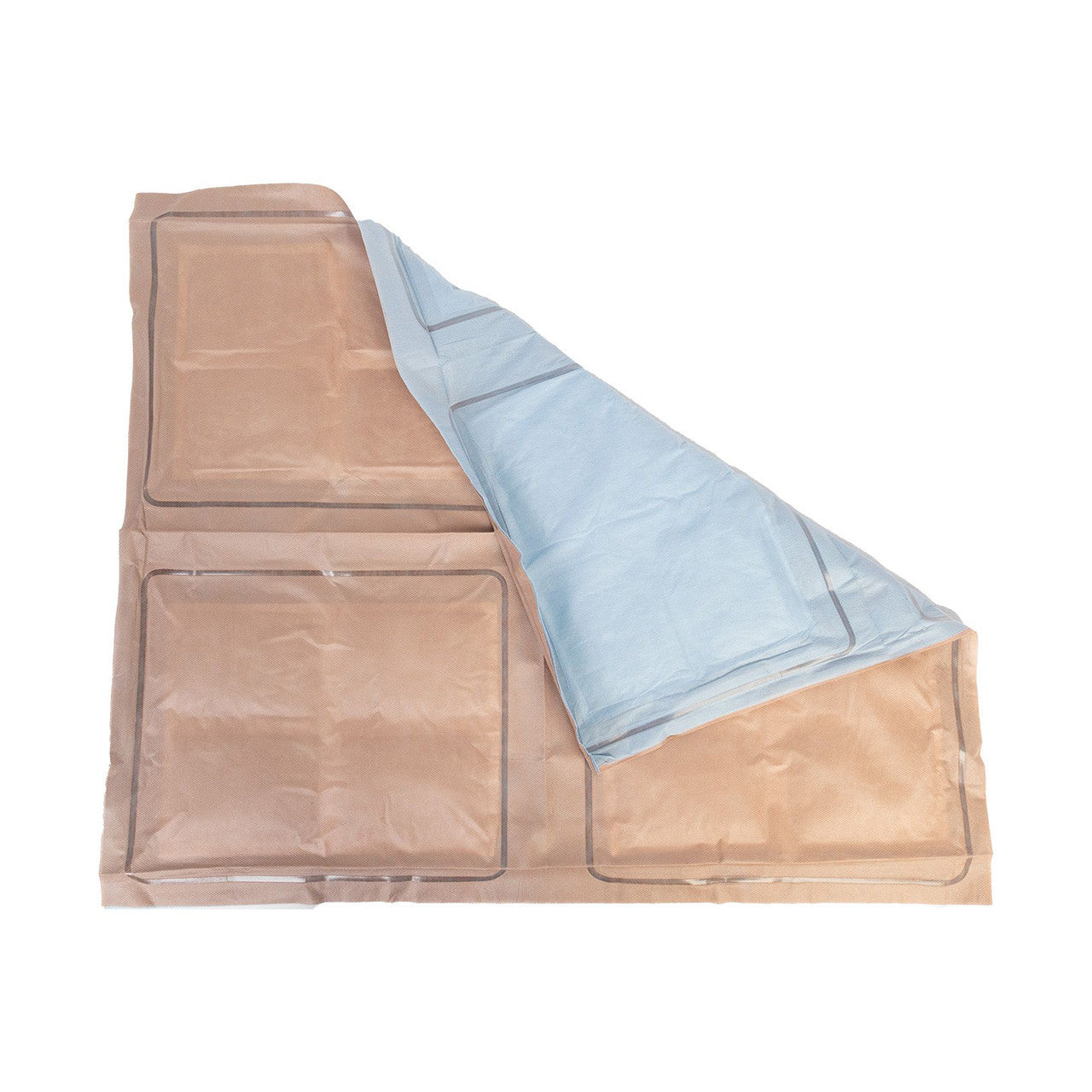
Injured patients lose heat faster than healthy ones, and cold blood does not clot properly. Hypothermia is a known problem in trauma care even at temperatures that feel comfortable to the responders on scene, which is why warming gear belongs in a kit year-round rather than seasonally.
Can agencies and departments order this equipment in bulk?
Yes. We handle bulk orders, custom kit builds, and contract sales for departments, agencies, and rescue teams across the United States and around the world. Request a quote and our team will match products to your protocols and budget.
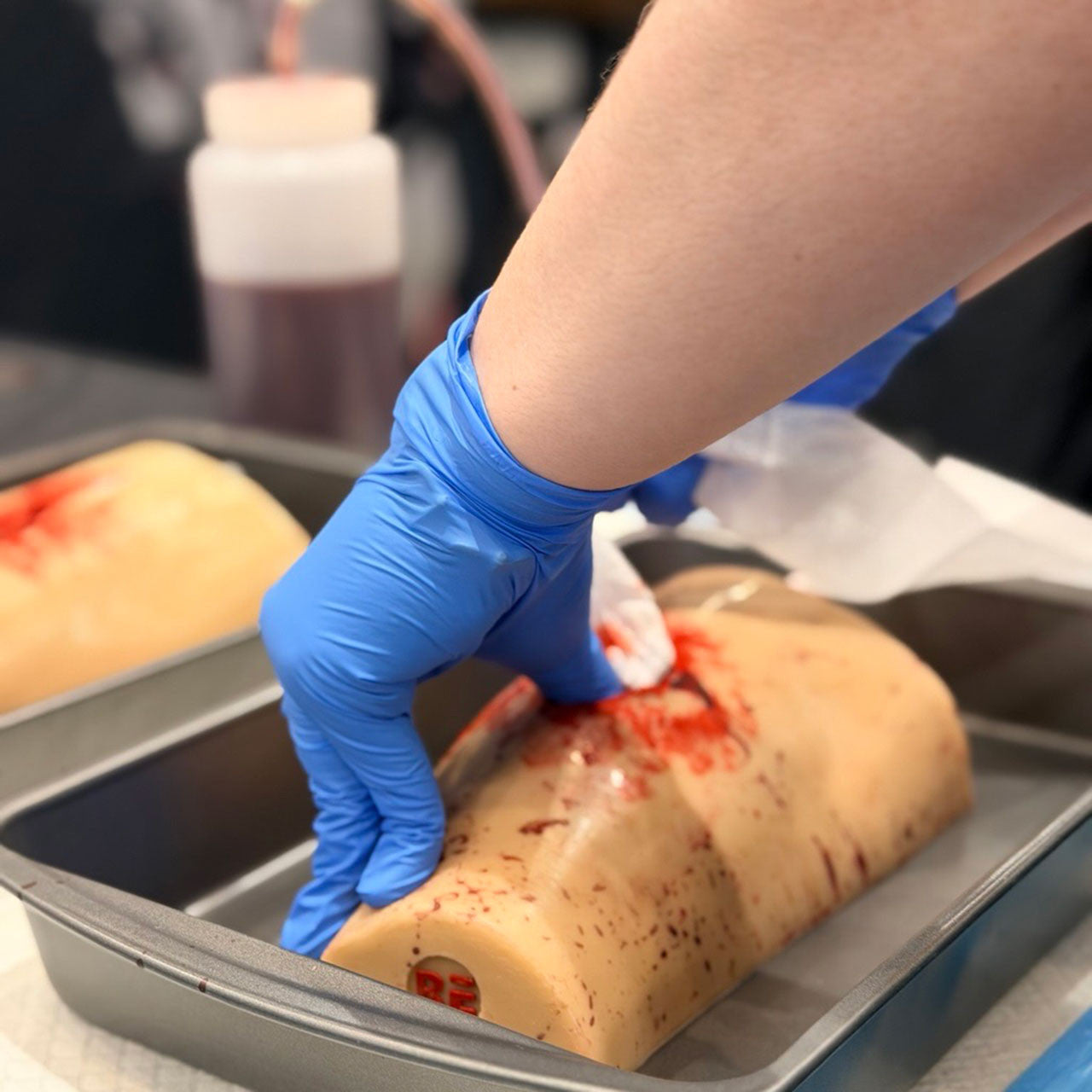
Need Training?
Rescue Essentials is proud to partner with accredited Stop the Bleed trainers throughout the U.S.