
Best SellersSave 55%
Sale

SKU:
50-0339
Sale price$3.10Regular price
$6.95
Best SellersSave 55%
Best Sellers
SKU:
50-0681
$3.45
Best Sellers


Save 18%
Sale


SKU:
50-0221
Sale price$2.05Regular price
$2.50
Save 18%

SKU:
50-0619
Best Sellers





FAQs
What's the difference between trauma shears and bandage scissors?
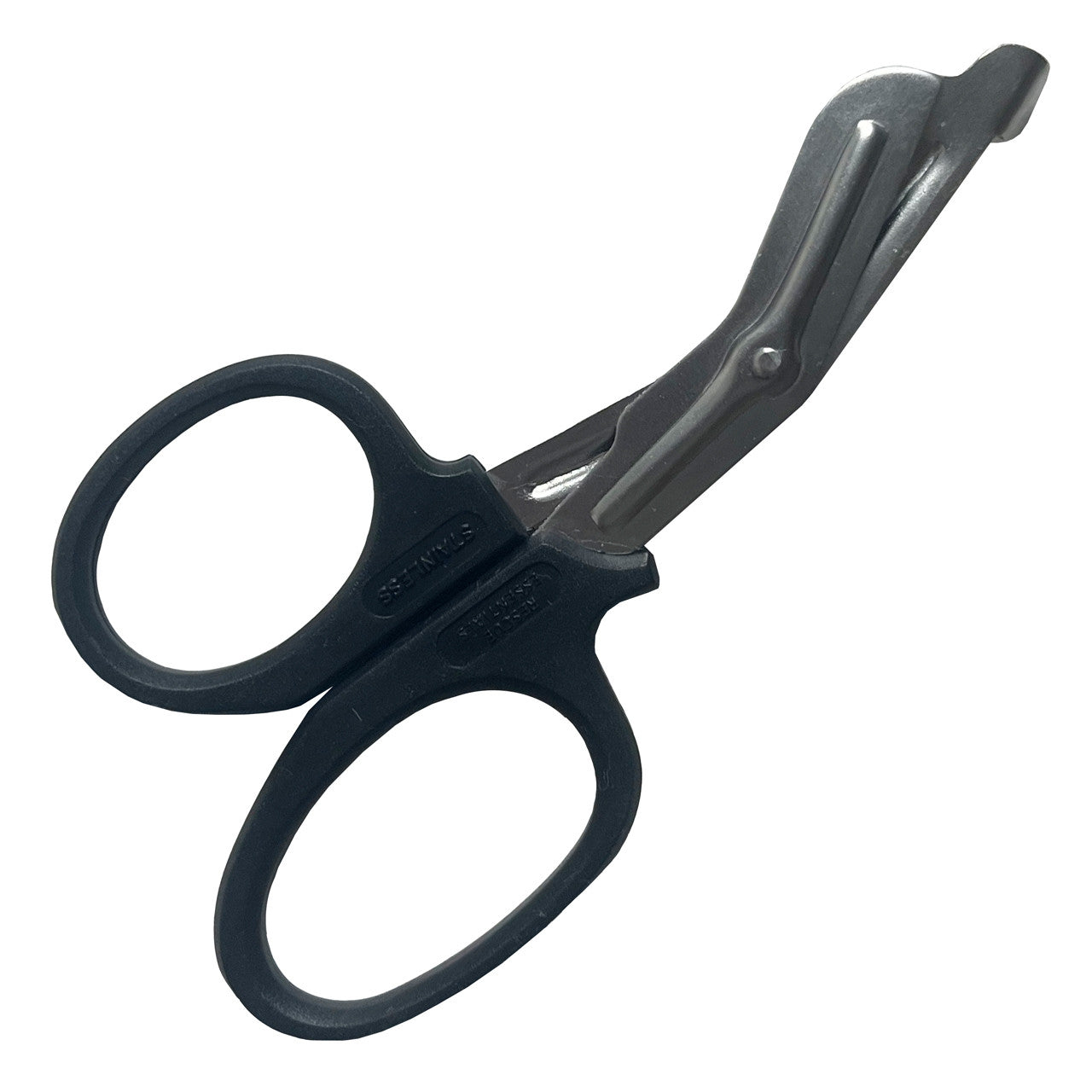
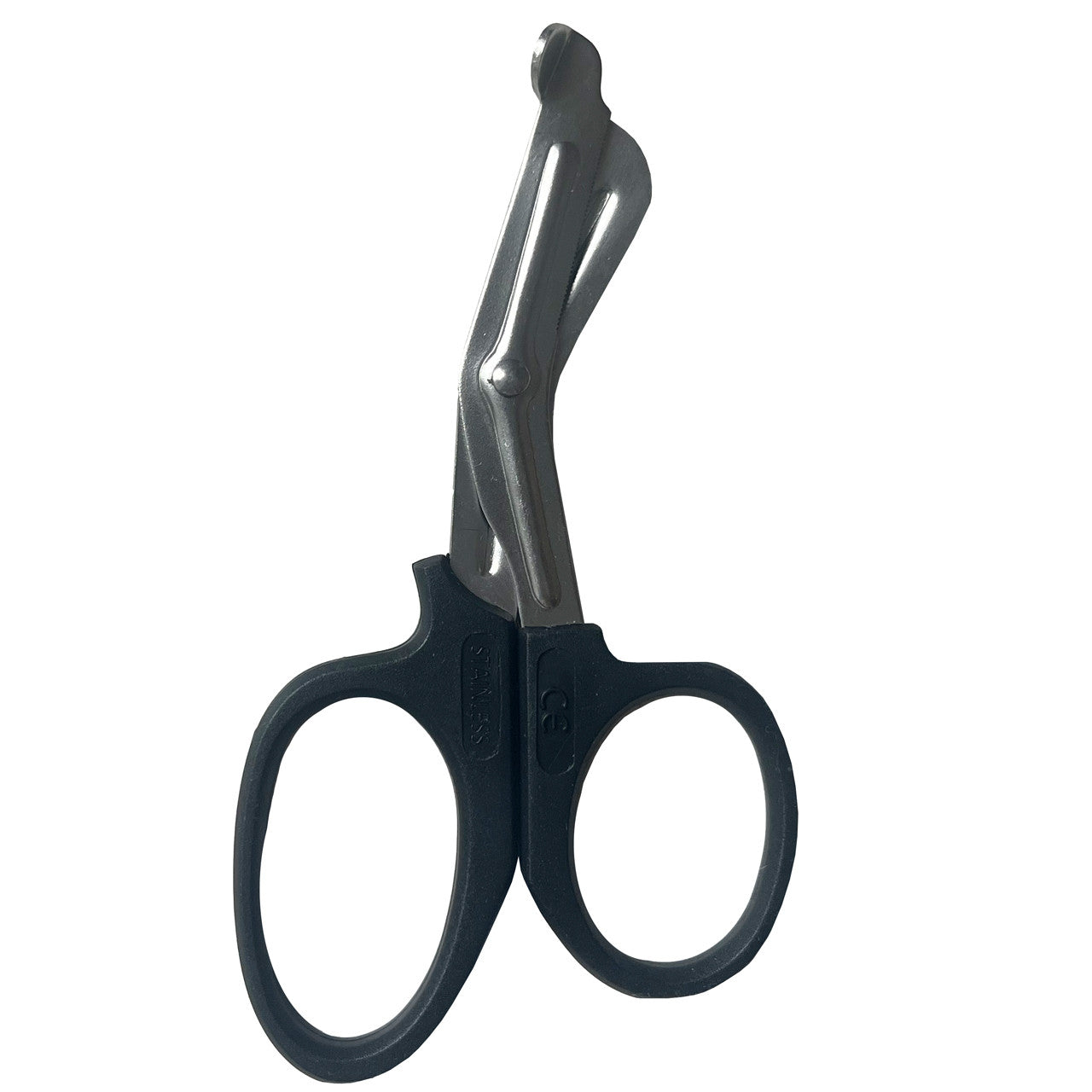
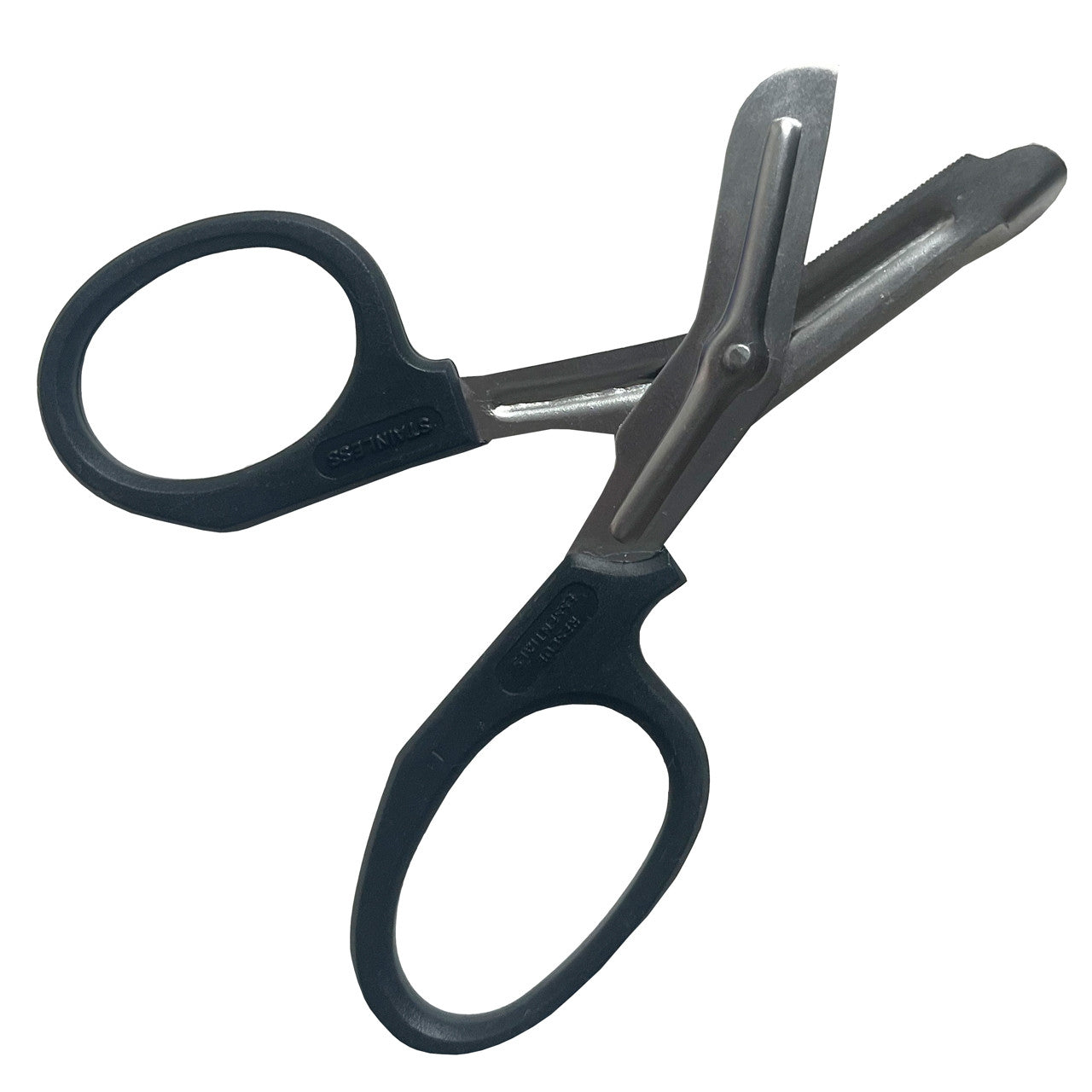
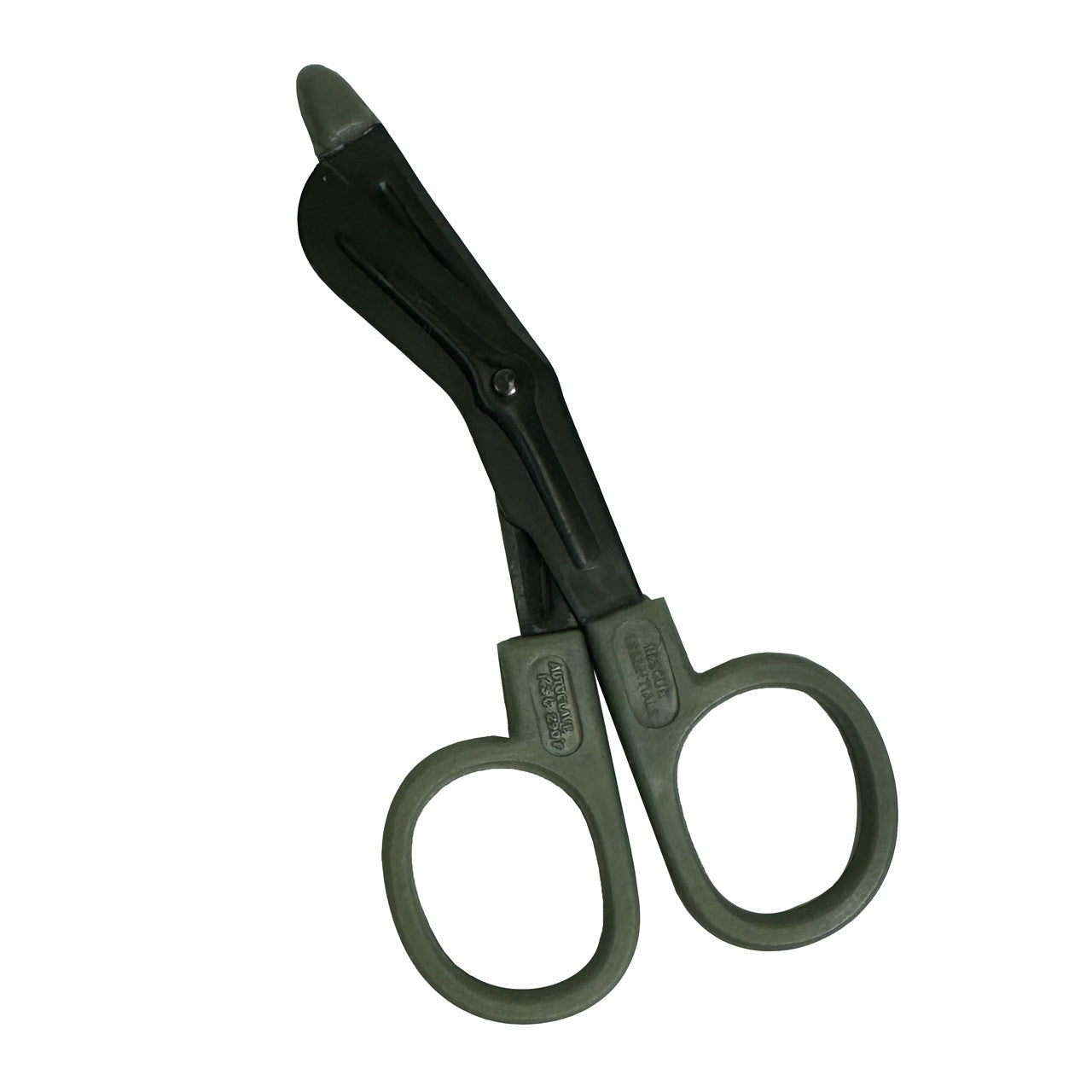
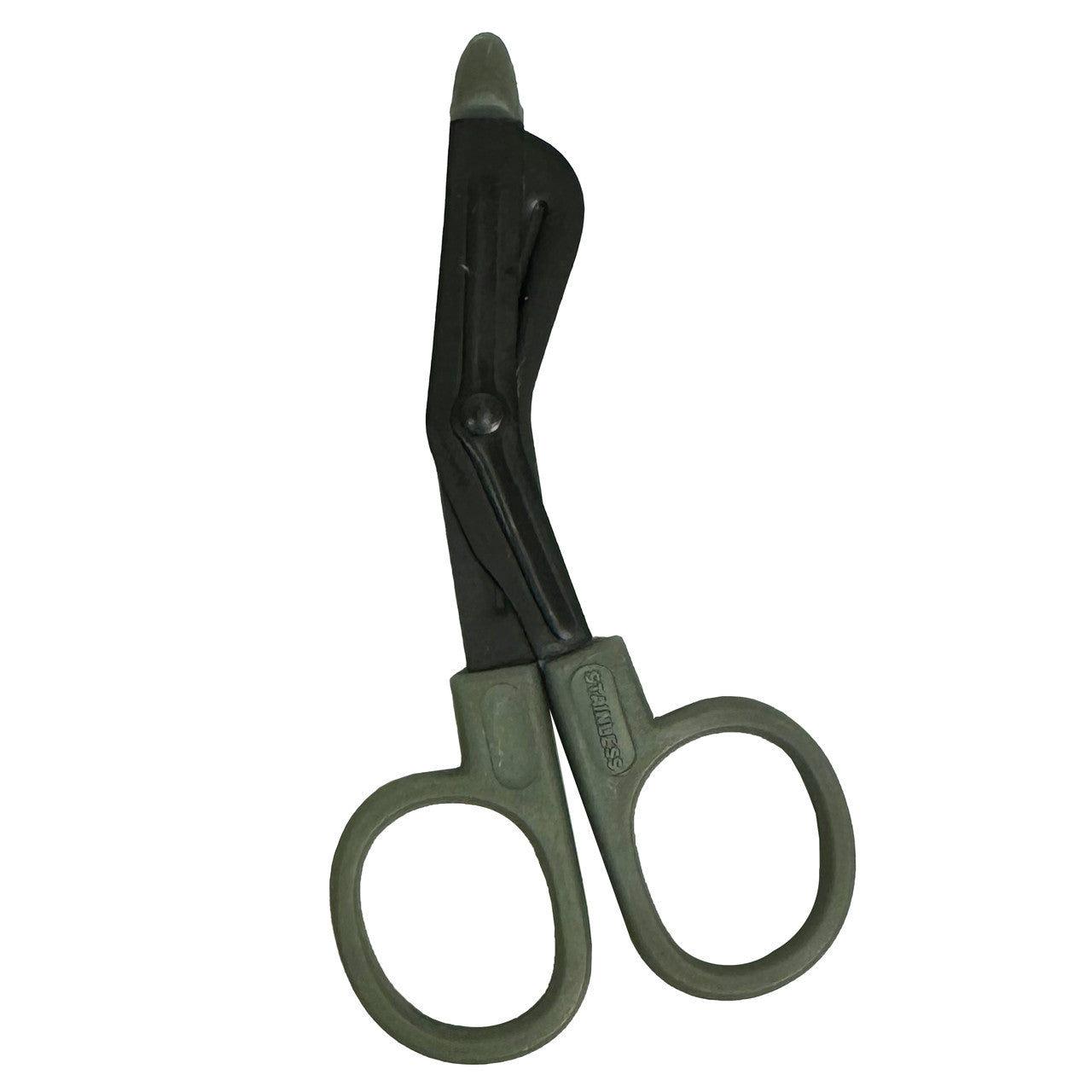
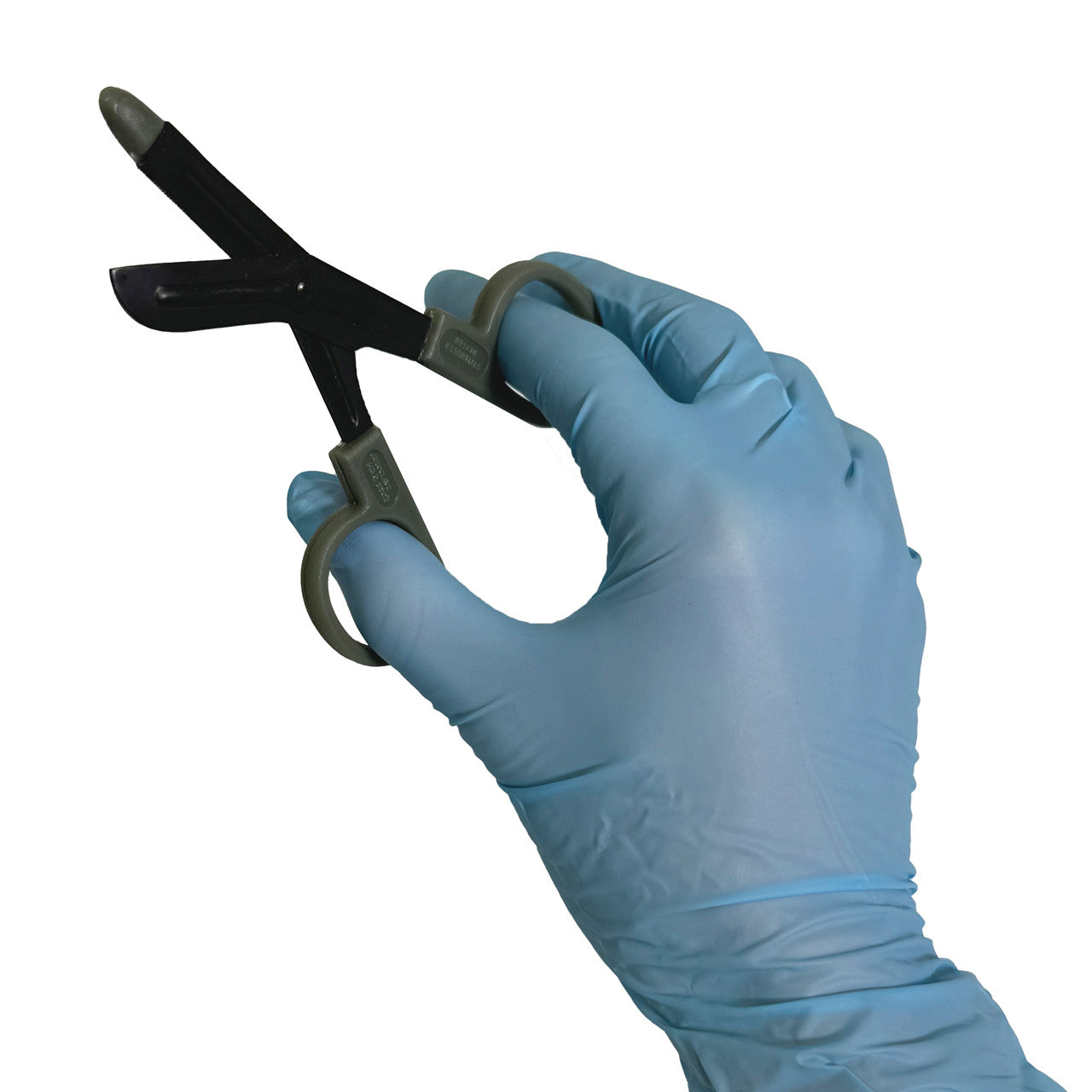
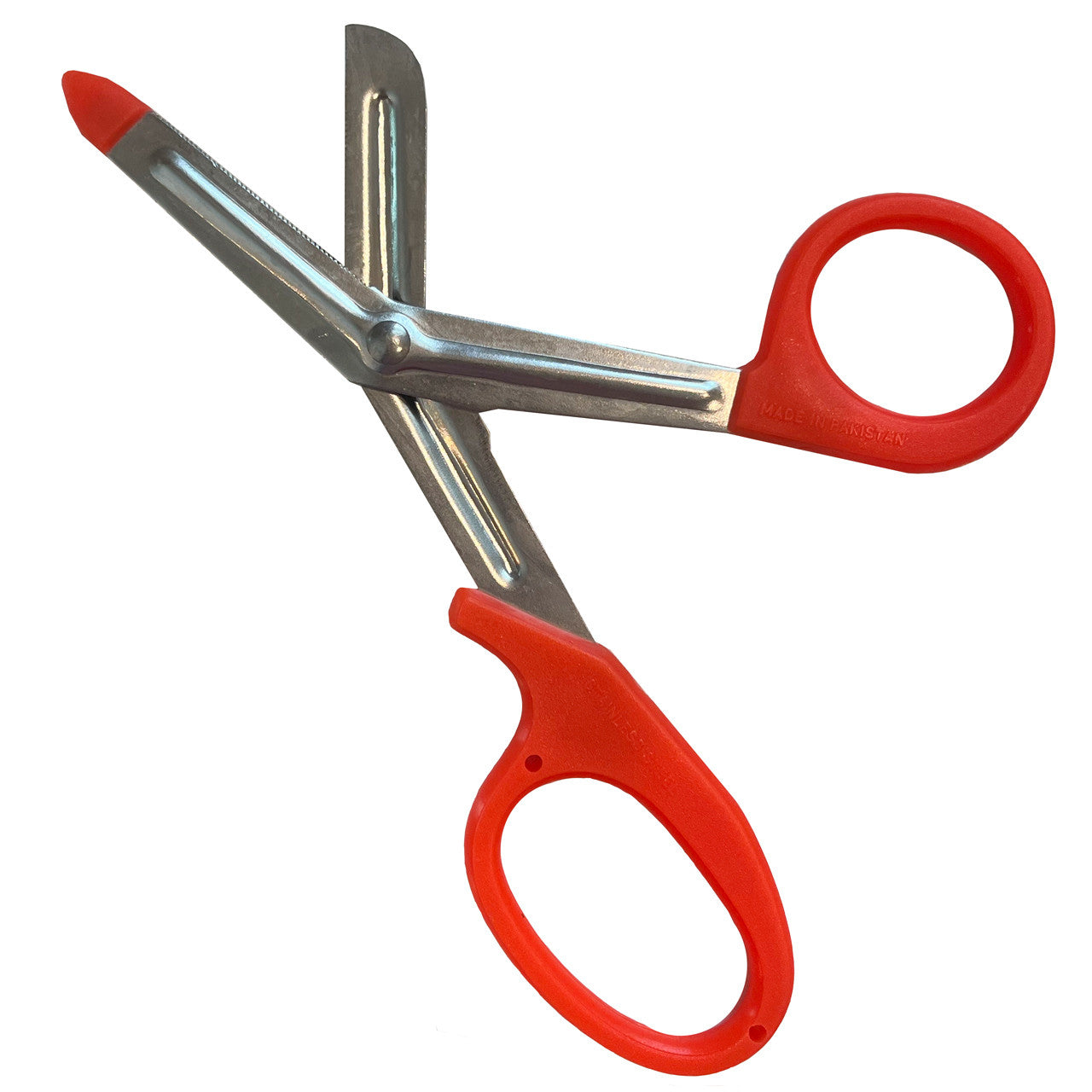
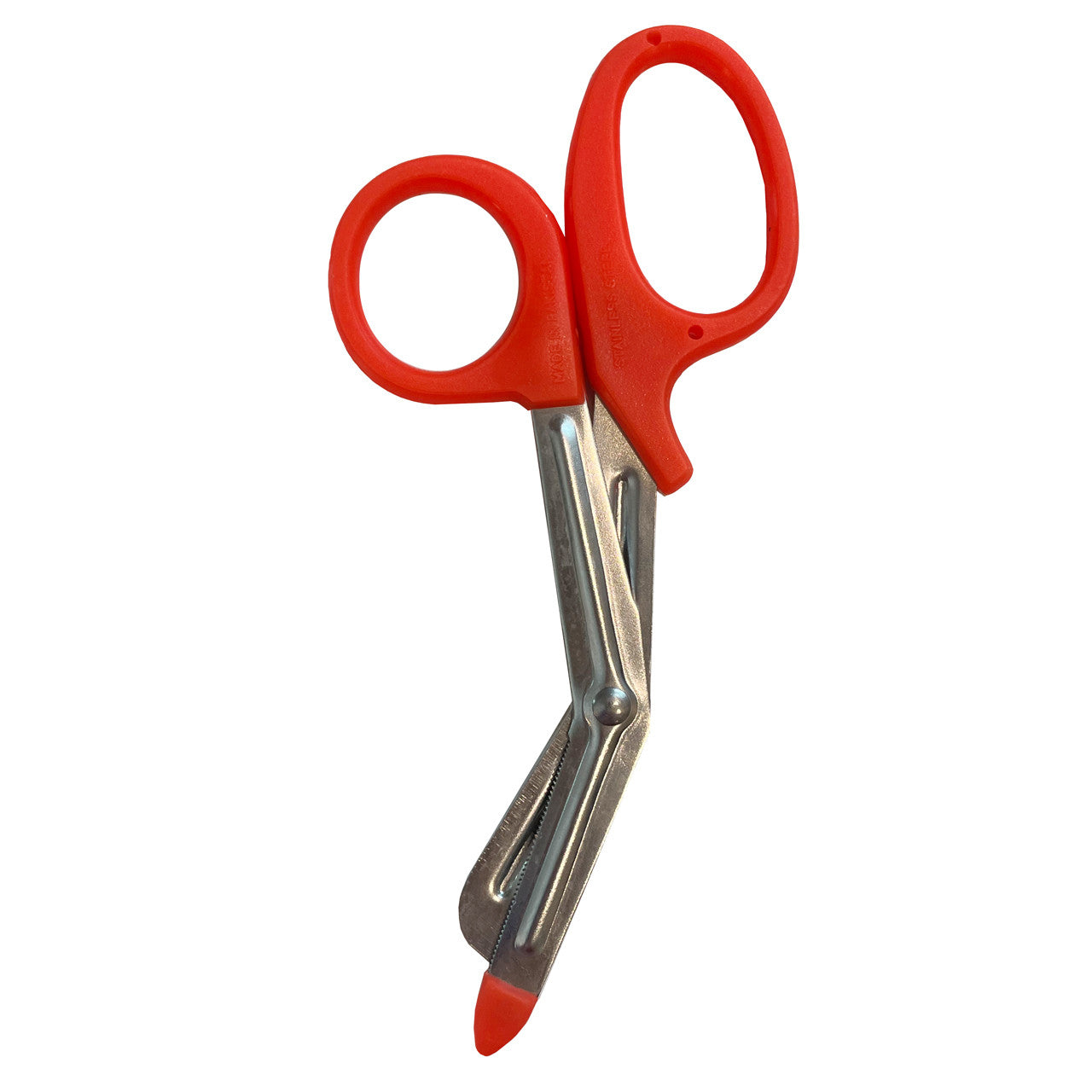
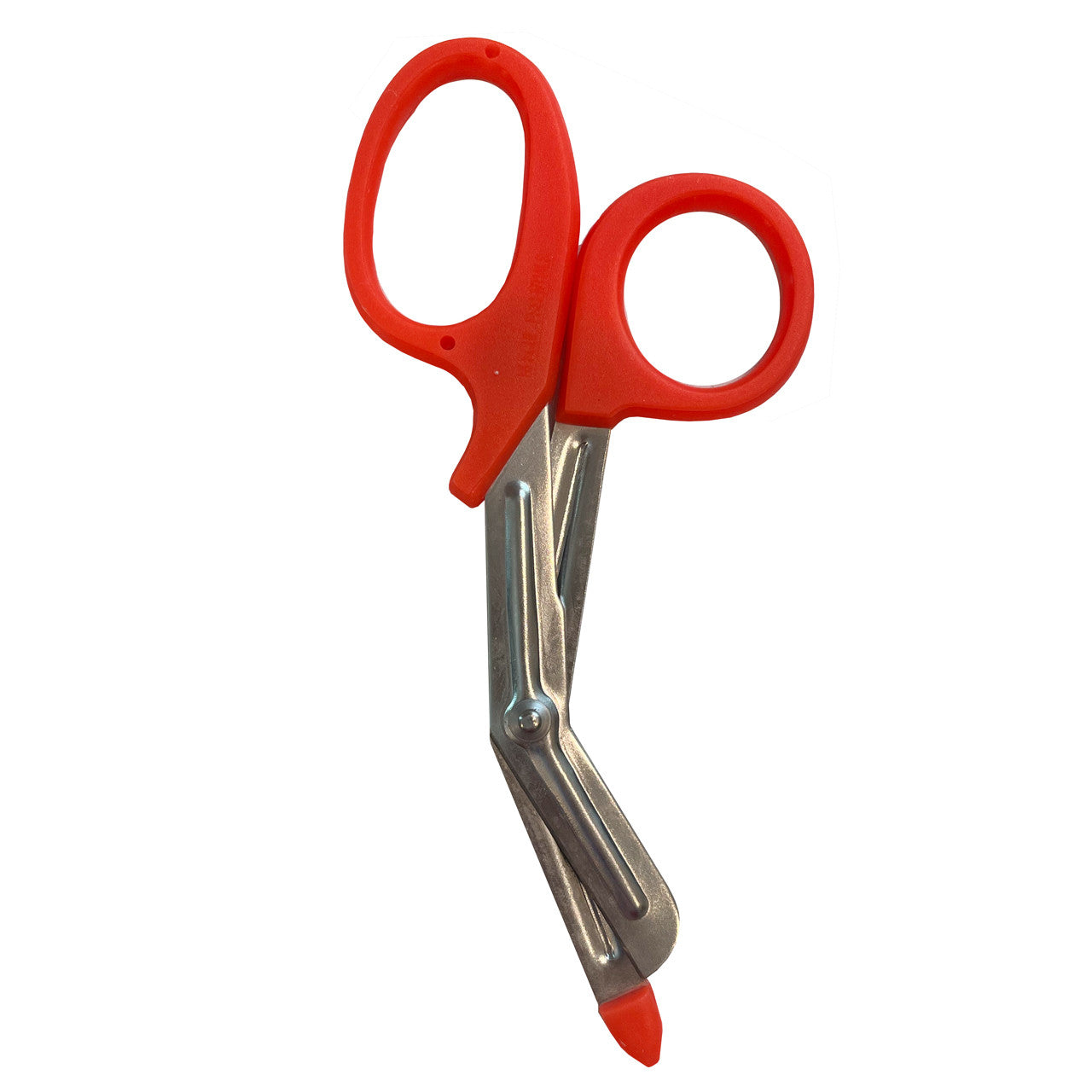
Trauma shears are heavy-duty tools designed to cut through tough materials like seat belts, leather, and heavy clothing. They feature stainless steel blades with a serrated lower edge for gripping fabric and a blunt tip for safety. Bandage scissors are lighter, with an angled blade and blunt end designed for safe removal of dressings and tape close to the skin.
Why do some shears have a seatbelt cutter or rescue hook built in?
Multi-function shears like the Leatherman Raptor and North American Rescue trauma shears include integrated tools for vehicle extrication. For first responders working accident scenes, having these capabilities in one tool saves critical time.
Can hemostats and scissors be sterilized?
Yes. Many of our stainless steel hemostats and bandage scissors are fully autoclavable for repeated clinical use. The stainless steel construction provides corrosion resistance and maintains a razor-sharp edge through multiple sterilization cycles.
What size shears should I carry in my kit?
For most IFAKs and emergency kits, 7.5" shears offer the best balance of cutting power and portability. Compact 4" mini shears work well for covert carry or ultra-light kits. You may consider carrying multiple sizes and options as each has its own advantages.
Why choose powder-coated blades over painted ones?
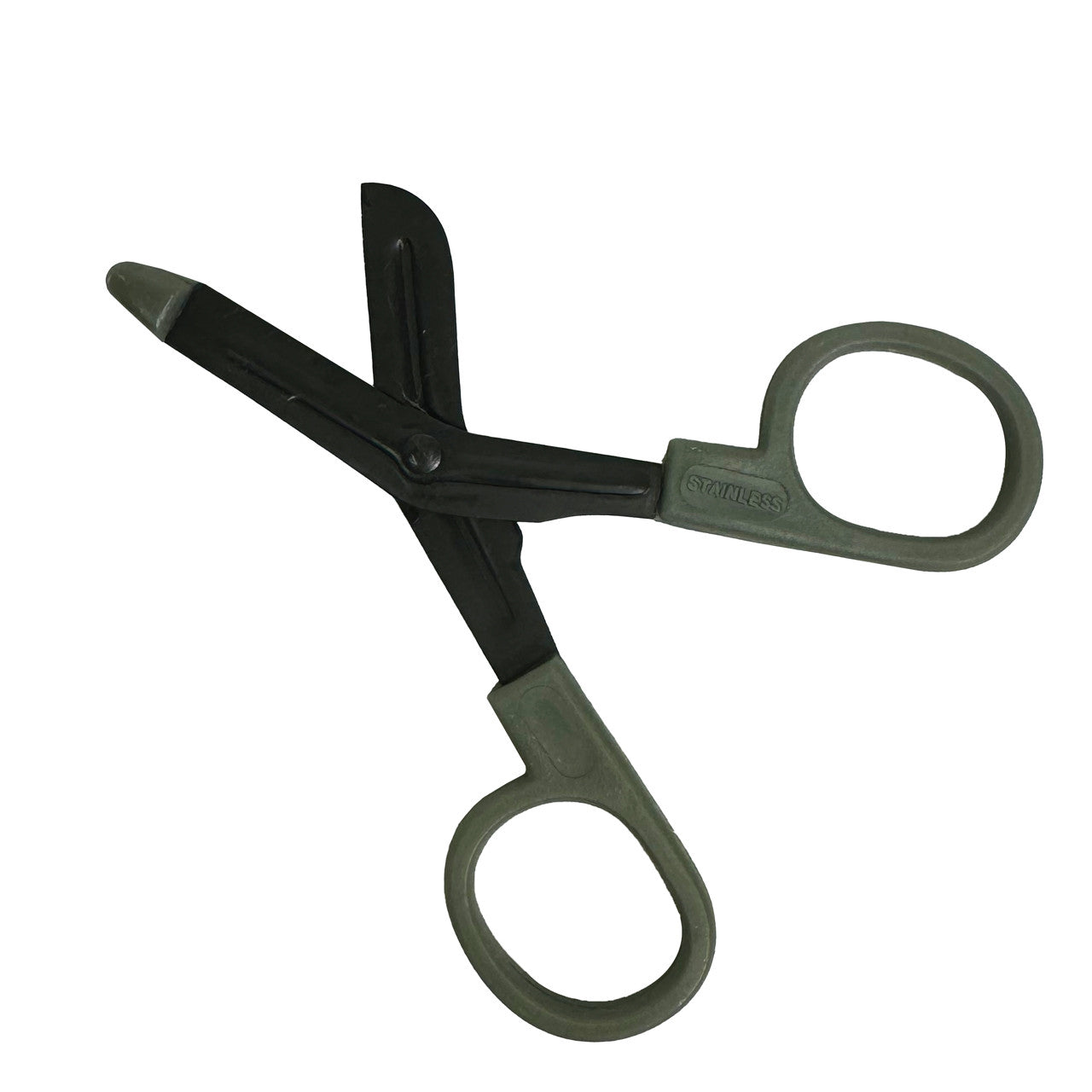
Powder coating bonds to the blade at a molecular level, creating a finish that won't chip or flake during heavy use. For tactical medics, the non-reflective matte finish reduces visual signature.
Do you offer left-handed shears?
Yes. We carry hard-to-find left-handed EMT shears with reversed blade orientation for proper cutting action and visibility – a critical detail when you need clean cuts under pressure.
Need Training?
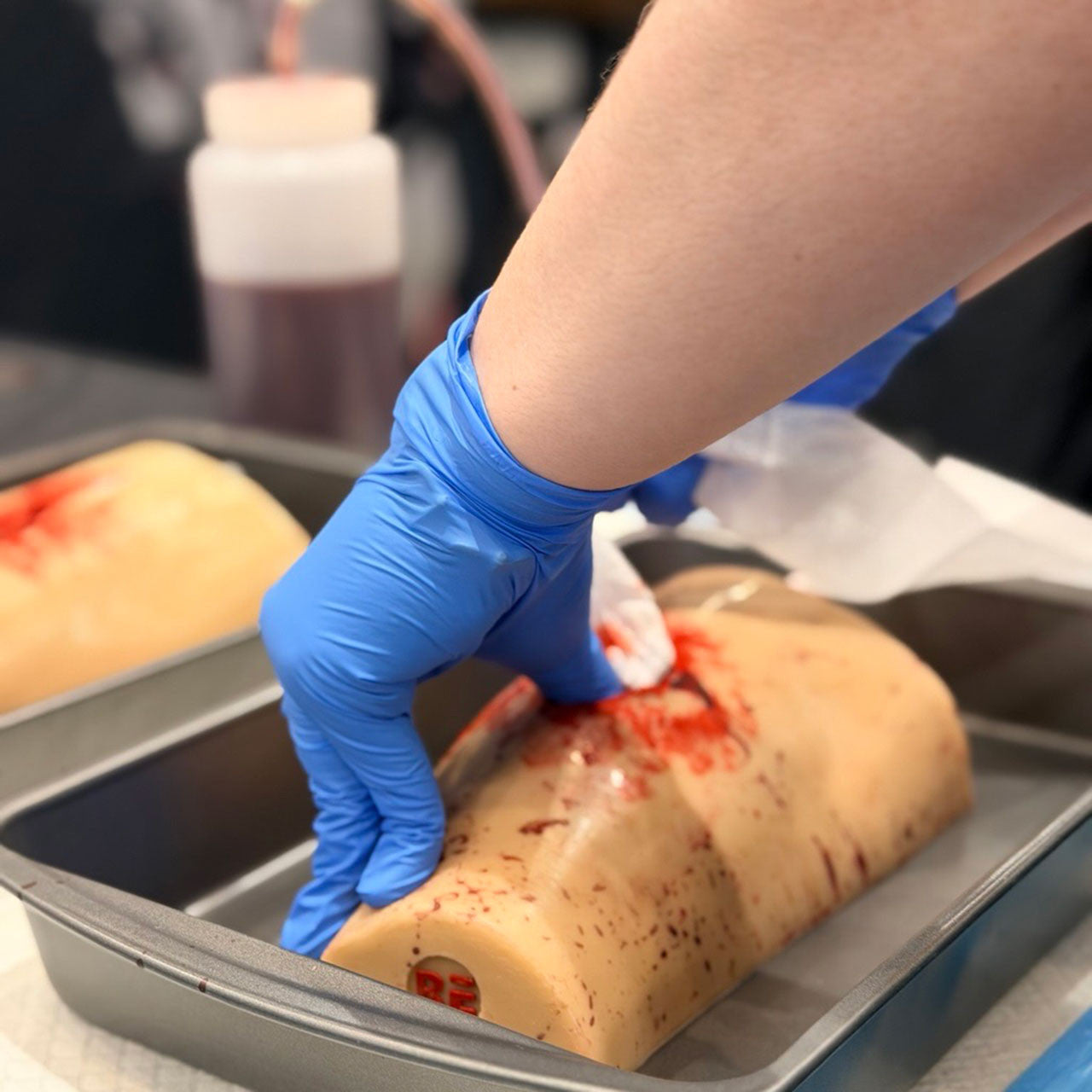
Rescue Essentials is proud to partner with accredited Stop the Bleed trainers throughout the U.S.