
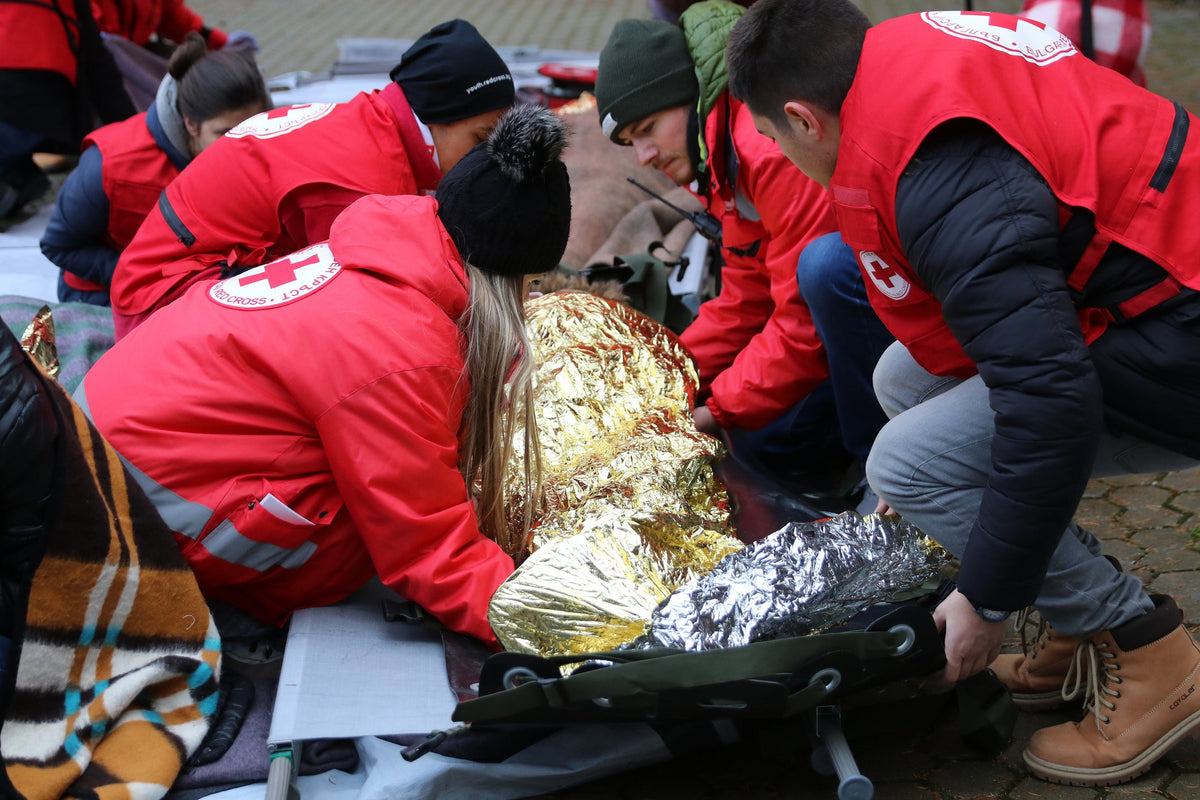
Understanding and Interrupting the Four Pathways of Heat Loss
Hypothermia remains a serious risk in prehospital care, not only in extreme winter conditions but during routine responses involving trauma, prolonged extrication, water exposure, or shock. Once a patient begins to lose core temperature, morbidity increases quickly. Coagulopathy worsens. Mental status declines. Cardiac irritability increases.
Effective hypothermia treatment starts with understanding how the body loses heat and taking deliberate steps to interrupt those processes in the field.
There are four primary mechanisms of heat loss: radiation, convection, conduction, and evaporation. If you control these four pathways, you control the environment. And when you control the environment, you improve outcomes.
1. Radiation: The Silent Heat Drain (60 percent or more)
Radiation accounts for the majority of heat loss in most environments. The body naturally emits infrared heat to cooler surroundings, often responsible for more than half of total heat loss in a resting individual.
A patient lying on a stretcher in a cold room, an accident victim exposed on asphalt at night, or a trauma patient during extended packaging all lose heat through simple exposure to cooler ambient air.
Operational reality: Radiation does not require wind, water, or direct contact. It happens continuously and often goes unnoticed until the patient is already cold.

How to Combat Radiant Heat Loss
- Minimize exposed skin immediately
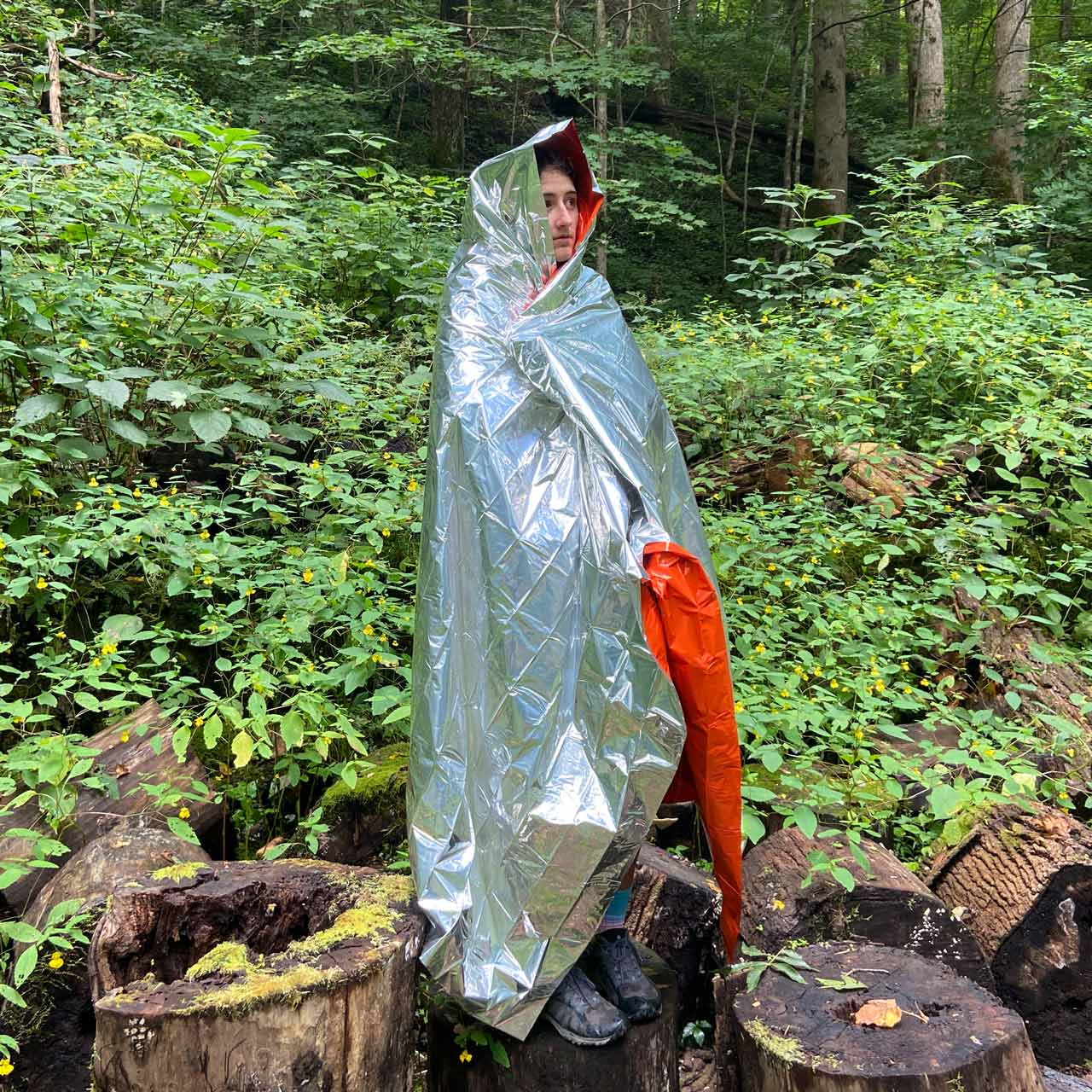
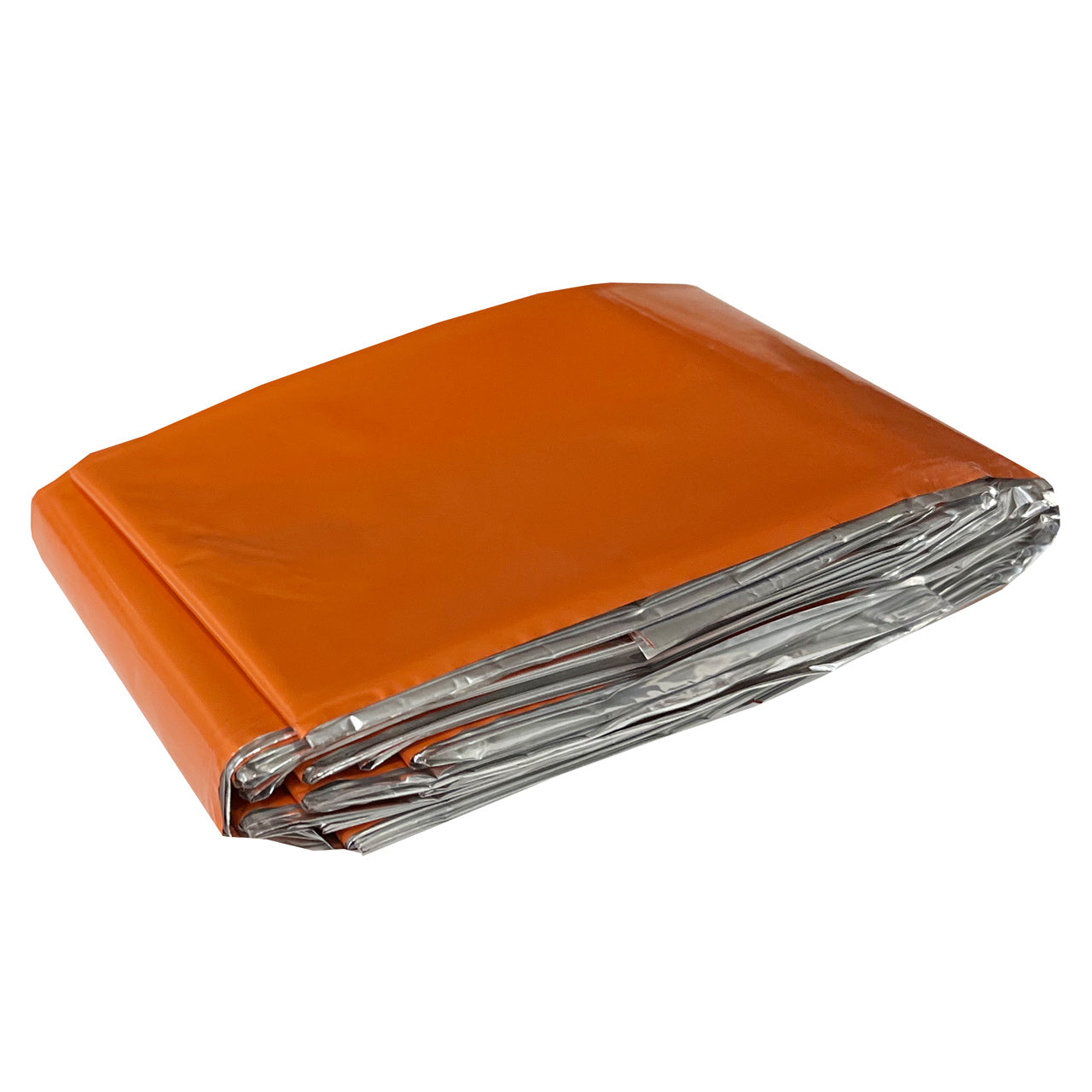
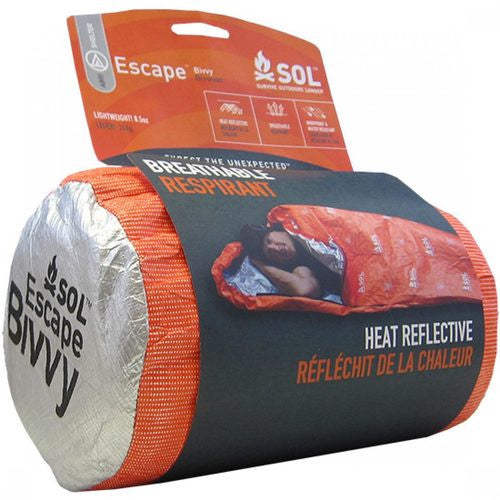
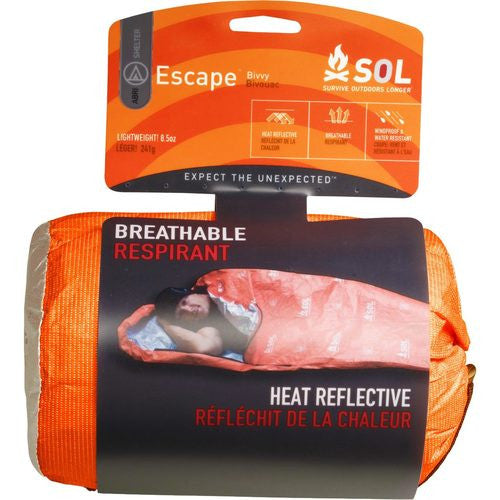
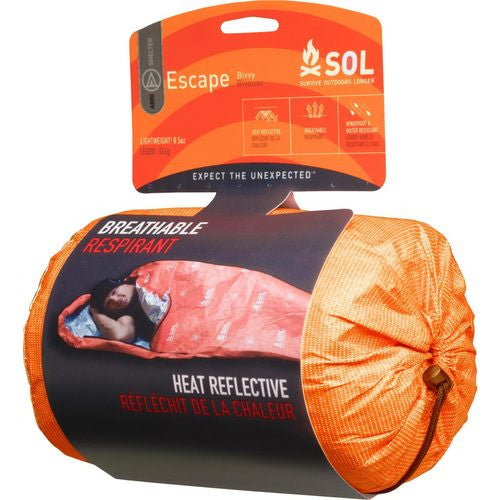
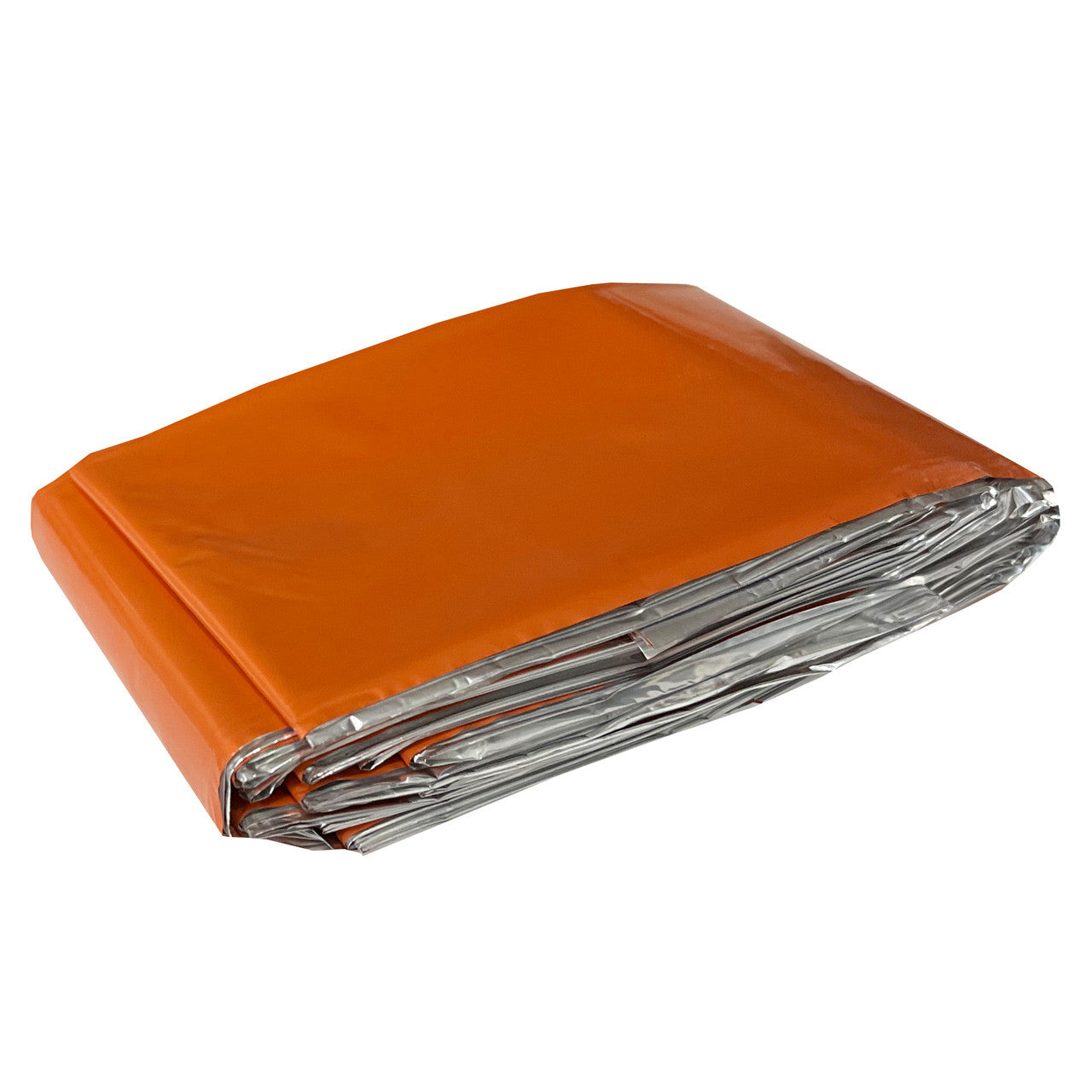
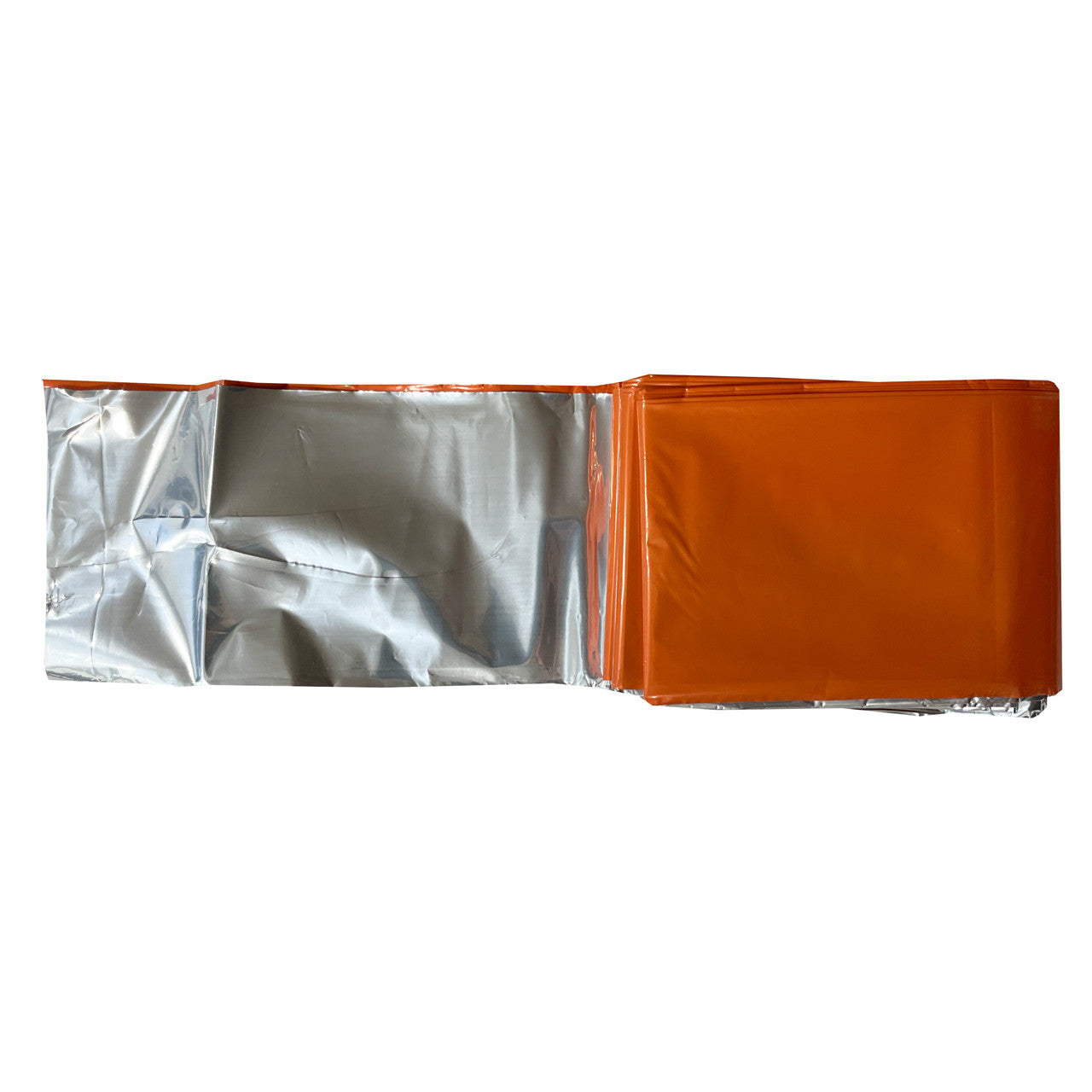
- Apply vapor barrier materials such as heat-reflective blankets
- Use insulated blankets over and under the patient
- Warm the ambulance compartment early
- Reduce unnecessary exposure during assessments
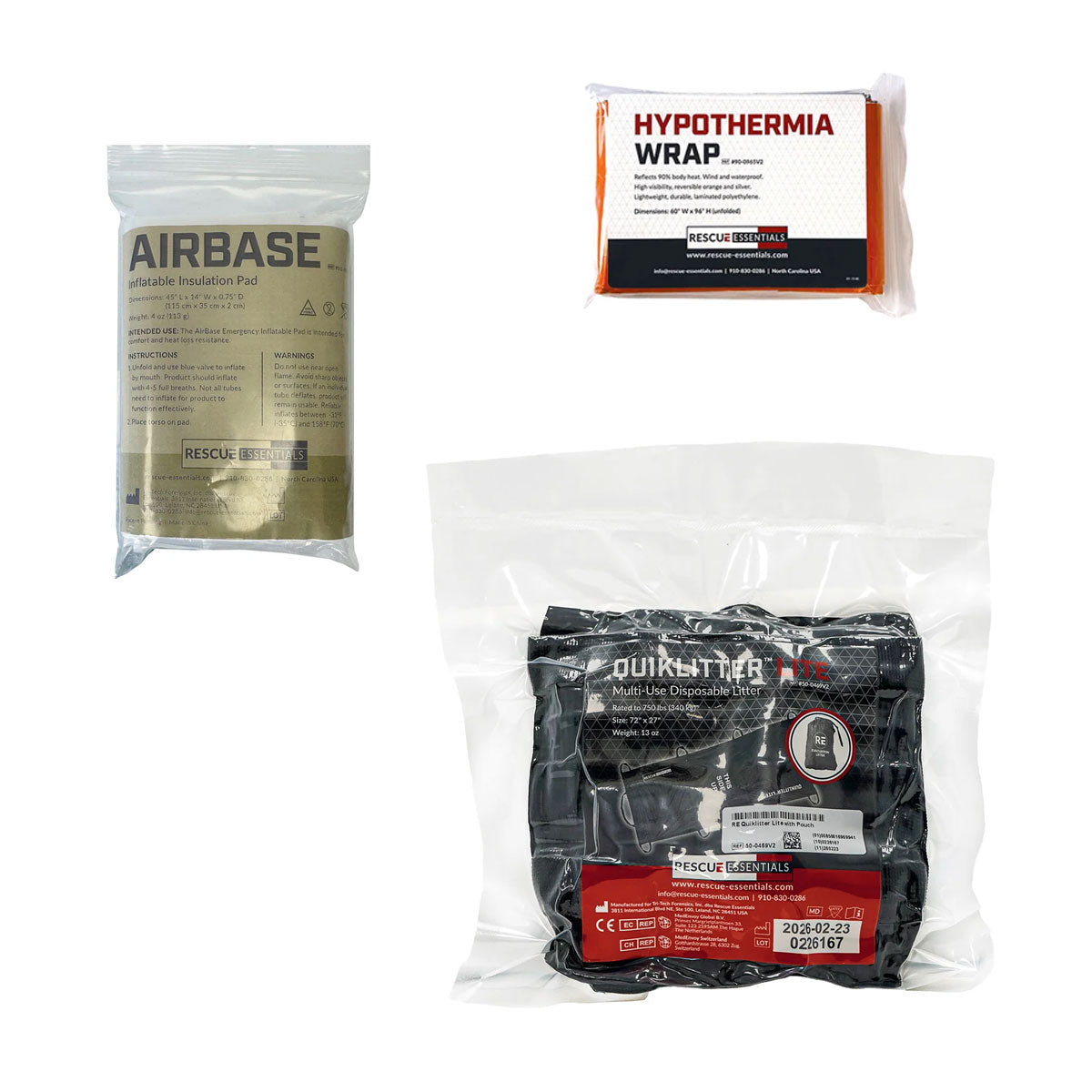
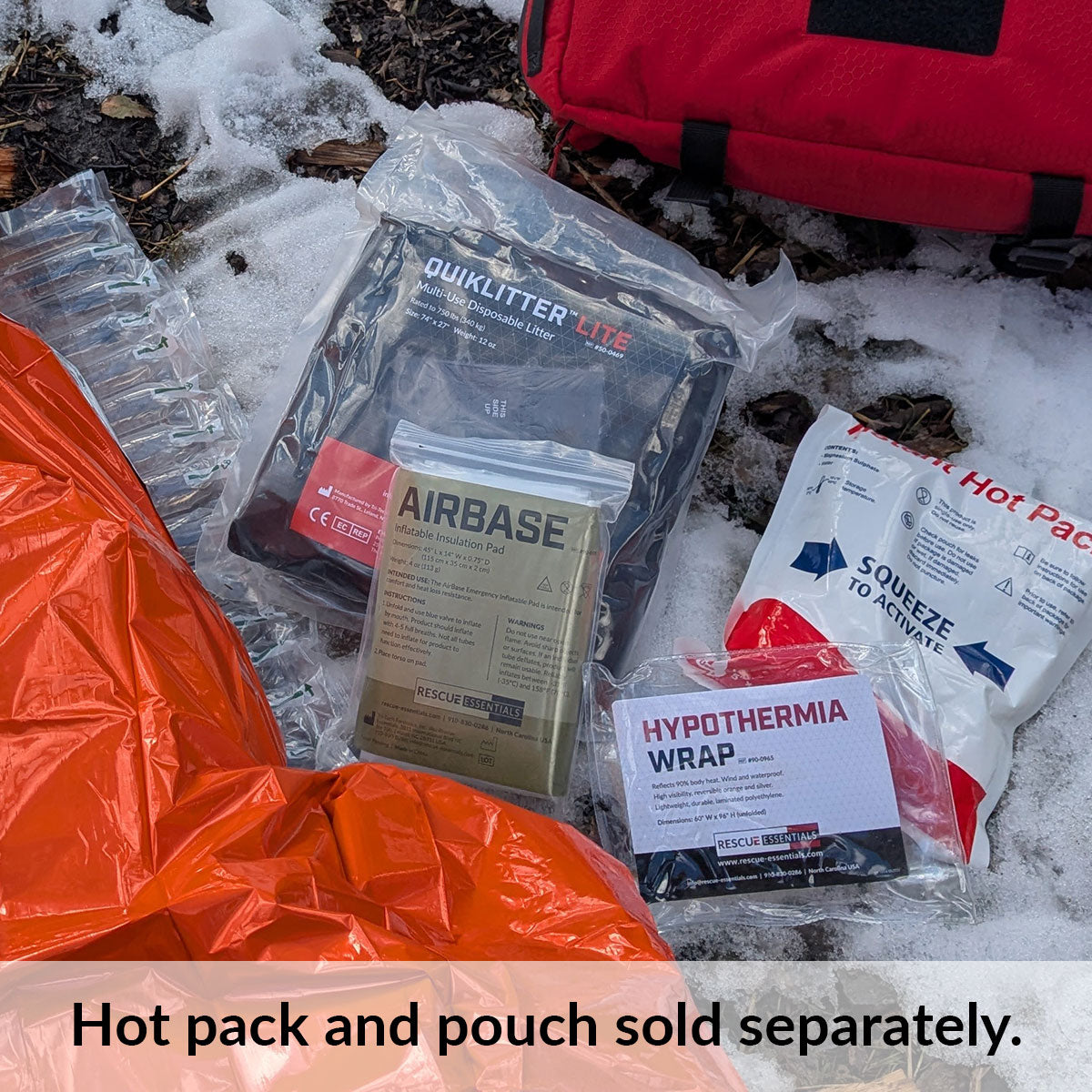
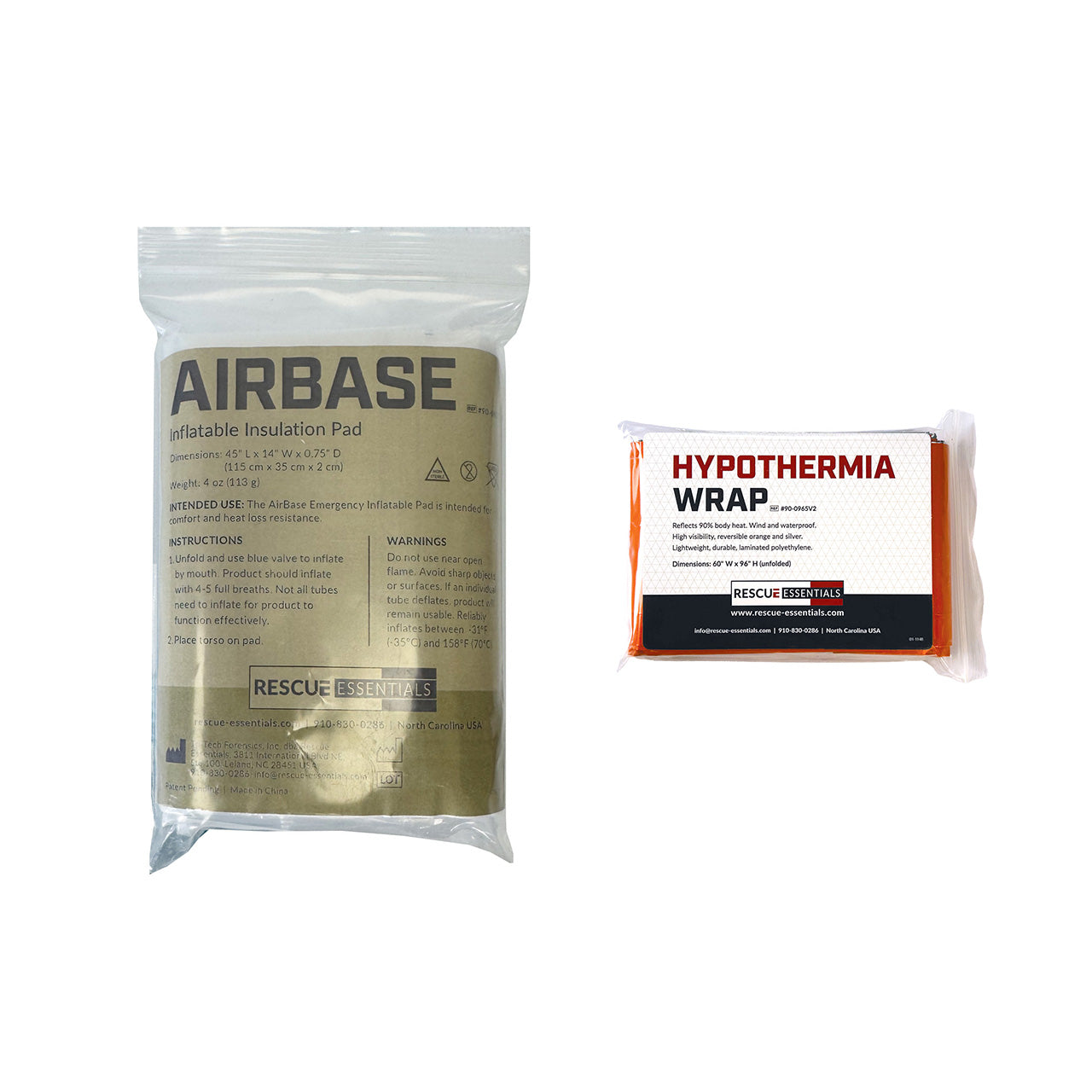
Reflective emergency blankets help reduce radiant heat loss by reflecting infrared energy back toward the body. Insulated hypothermia wraps go further by combining reflection with trapped air insulation.
Early intervention is critical. Waiting until the patient is shivering or altered means the heat deficit is already significant.
Sources:
Centers for Disease Control and Prevention (CDC) – Hypothermia clinical guidance
National Institute for Occupational Safety and Health (NIOSH) – Cold stress and heat loss mechanisms
2. Convection: Wind and Moving Air
Convection occurs when moving air strips away the thin insulating layer of warm air surrounding the body. Wind chill is the most recognized example, but this mechanism is also present during helicopter operations, open-scene responses, and even patient transport.
A wet trauma patient exposed to wind can lose heat rapidly, even in temperatures well above freezing.
Operational reality: Wind dramatically accelerates heat loss. Combined with moisture, the effect is amplified.

How to Combat Convective Heat Loss
- Move patients out of wind exposure quickly
- Use barriers such as tarps or apparatus positioning
- Close ambulance doors during packaging
- Apply layered insulation systems
A layered approach is key. A single blanket provides limited protection, while combined insulation and wind barriers significantly reduce convective loss.
If air medical transport is involved, anticipate rotor wash and secure thermal protection prior to aircraft arrival.
Sources:
National Weather Service – Wind chill and heat transfer principles
Wilderness Medical Society – Environmental exposure management
3. Conduction: Direct Contact With Cold Surfaces or Water
Conduction is the transfer of heat through direct contact with colder surfaces. Water presents the highest risk, as it conducts heat away from the body approximately 25 times faster than air.
Patients lying on pavement, metal stretchers, snow, or wet ground are at constant risk. Even after removal from water, wet clothing continues to drive conductive heat loss.
Operational reality: The ground and equipment often act as heat sinks. Without insulation underneath, patients lose heat rapidly.
The video below discusses the importance of reducing conductive heat loss in a survival setting, but the same concepts apply to any trauma, injury, or emergency situation as well.
How to Combat Conductive Heat Loss
- Place insulation under the patient
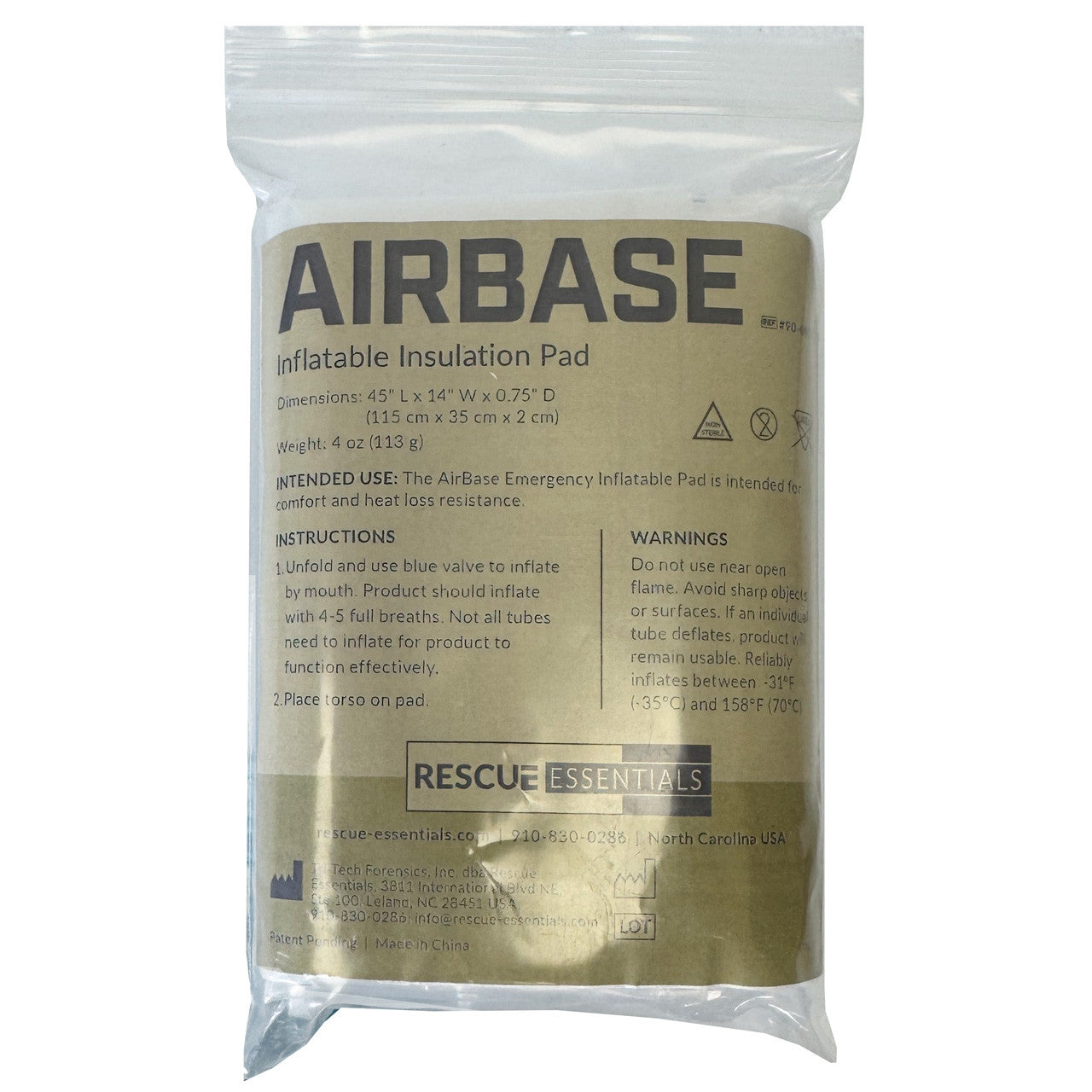
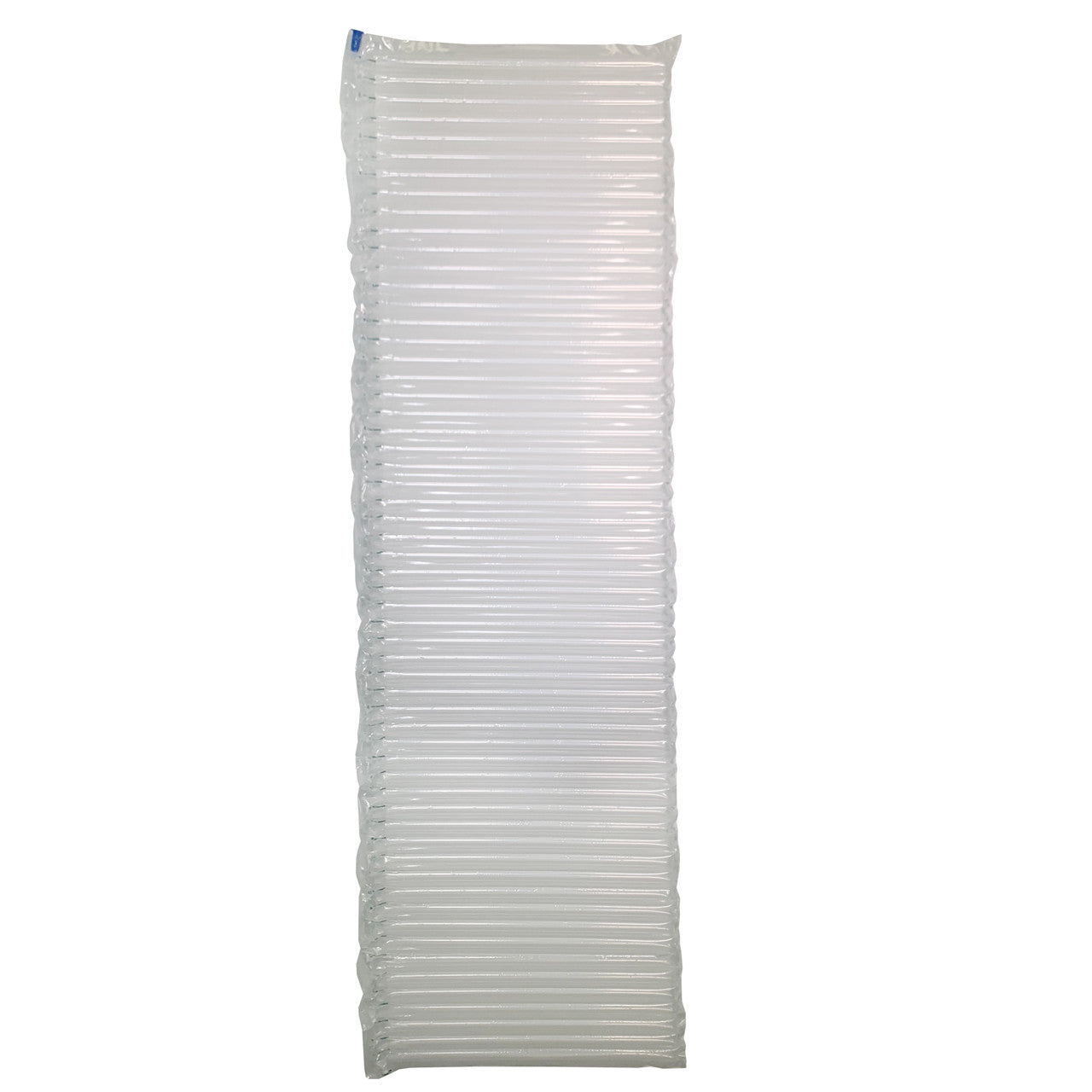
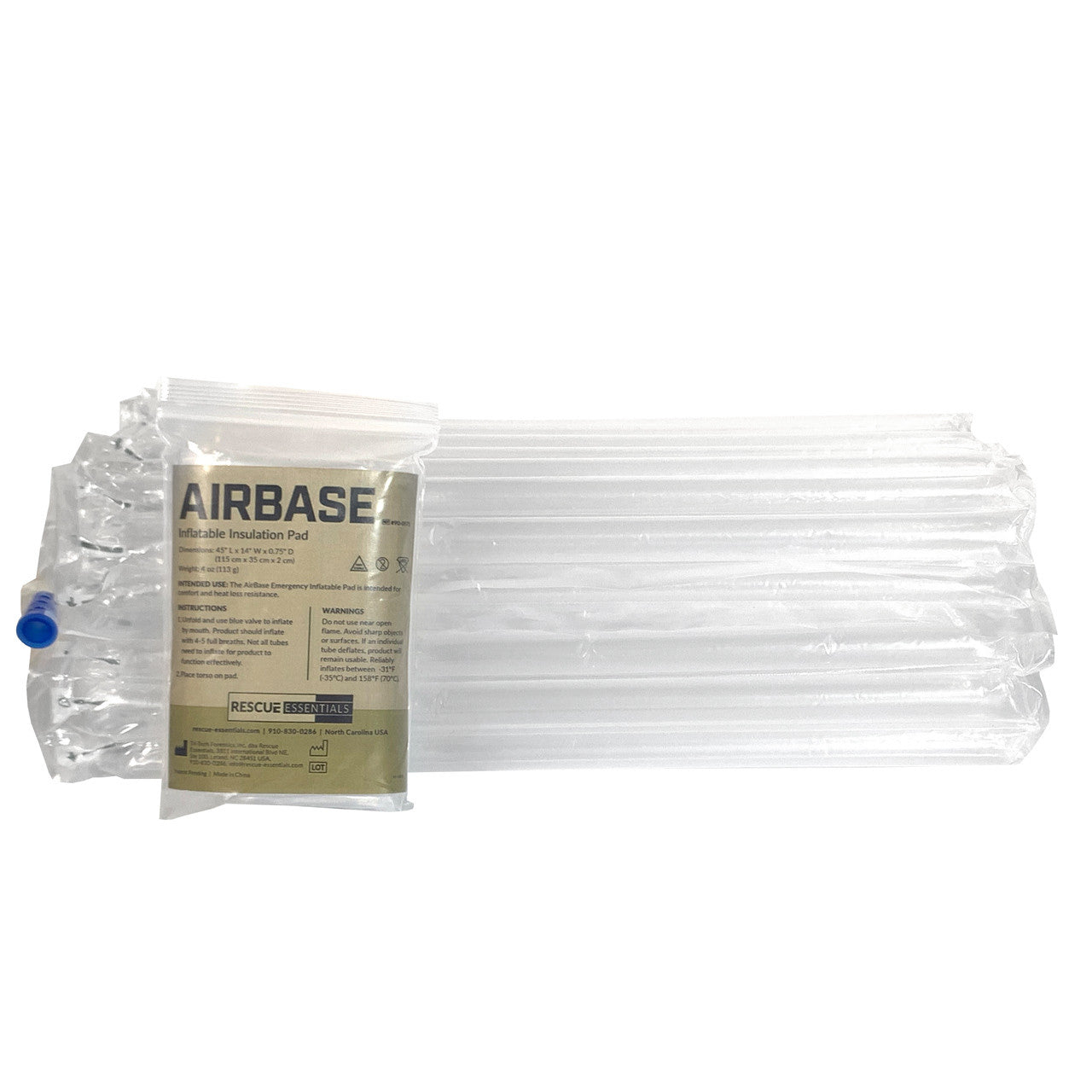
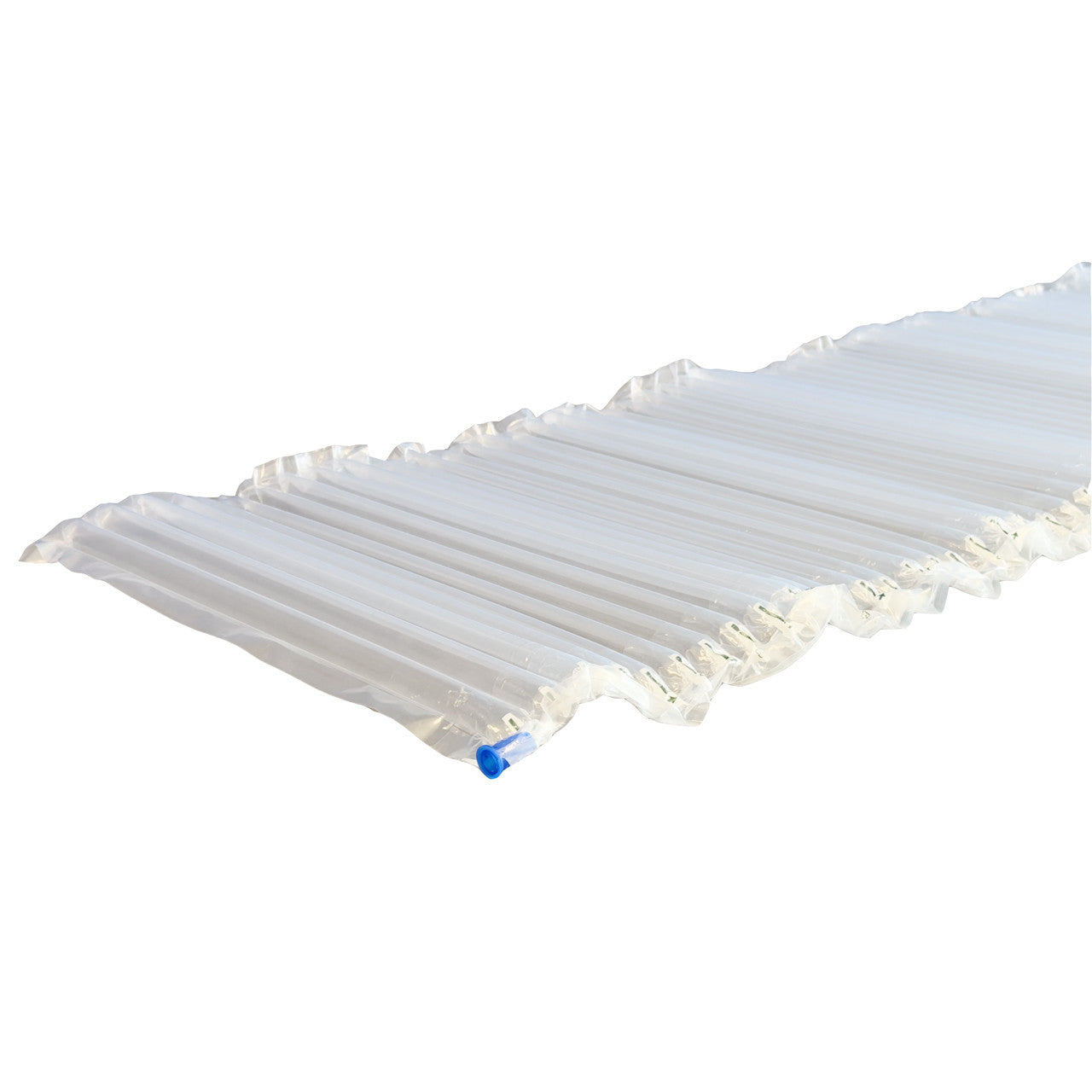
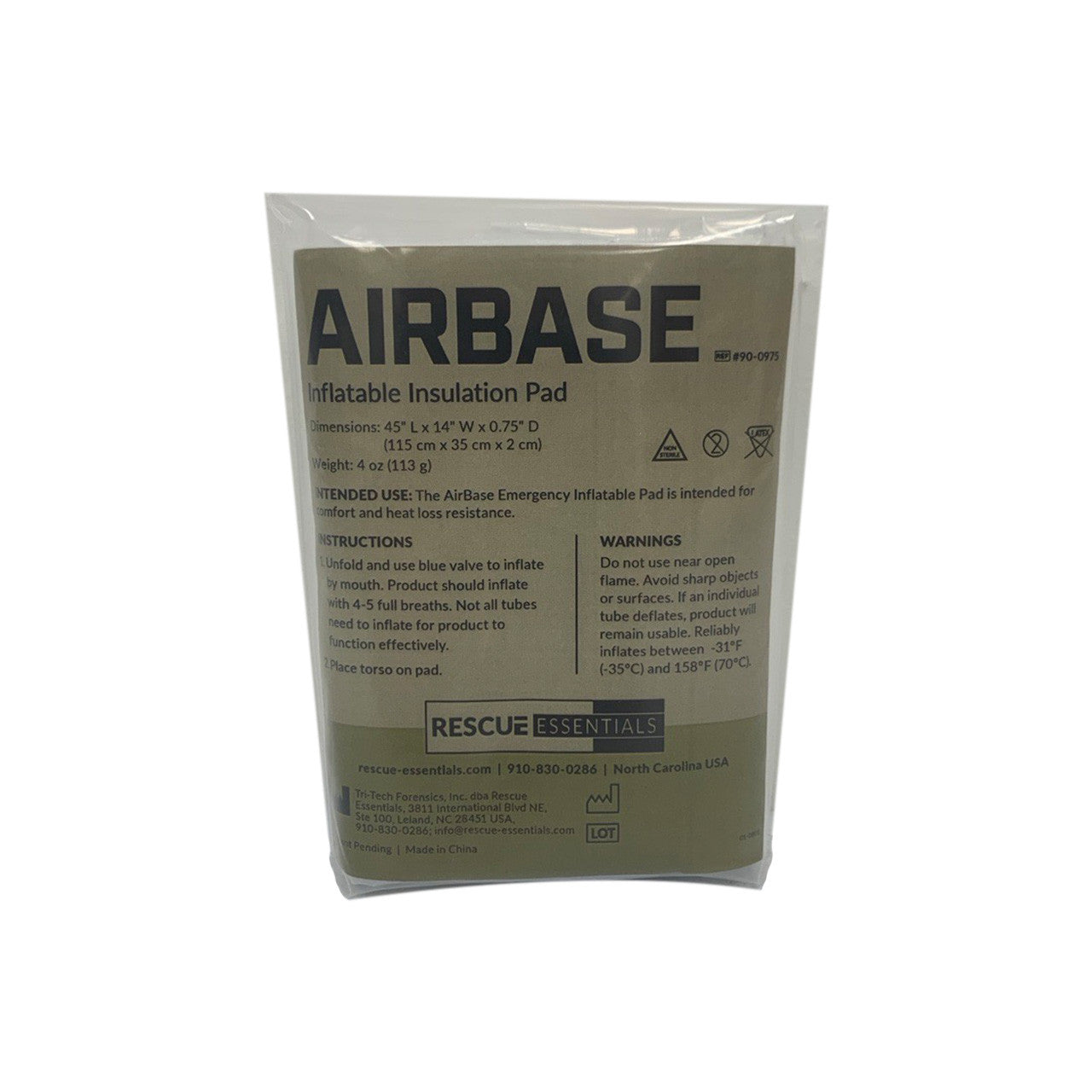
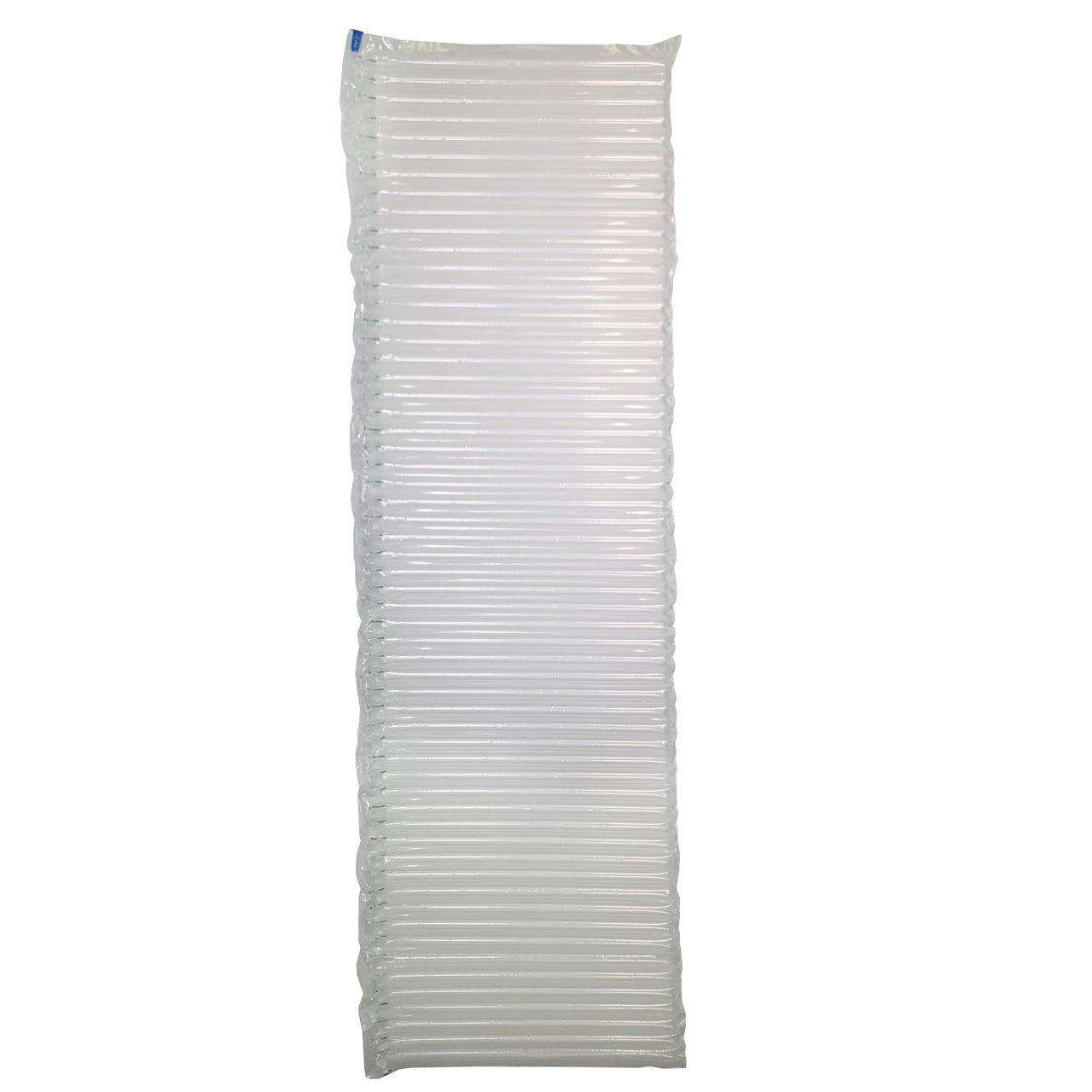
- Use pads, backboards with insulation, or inflatable barriers
- Remove wet clothing as soon as feasible
- Limit time on cold surfaces
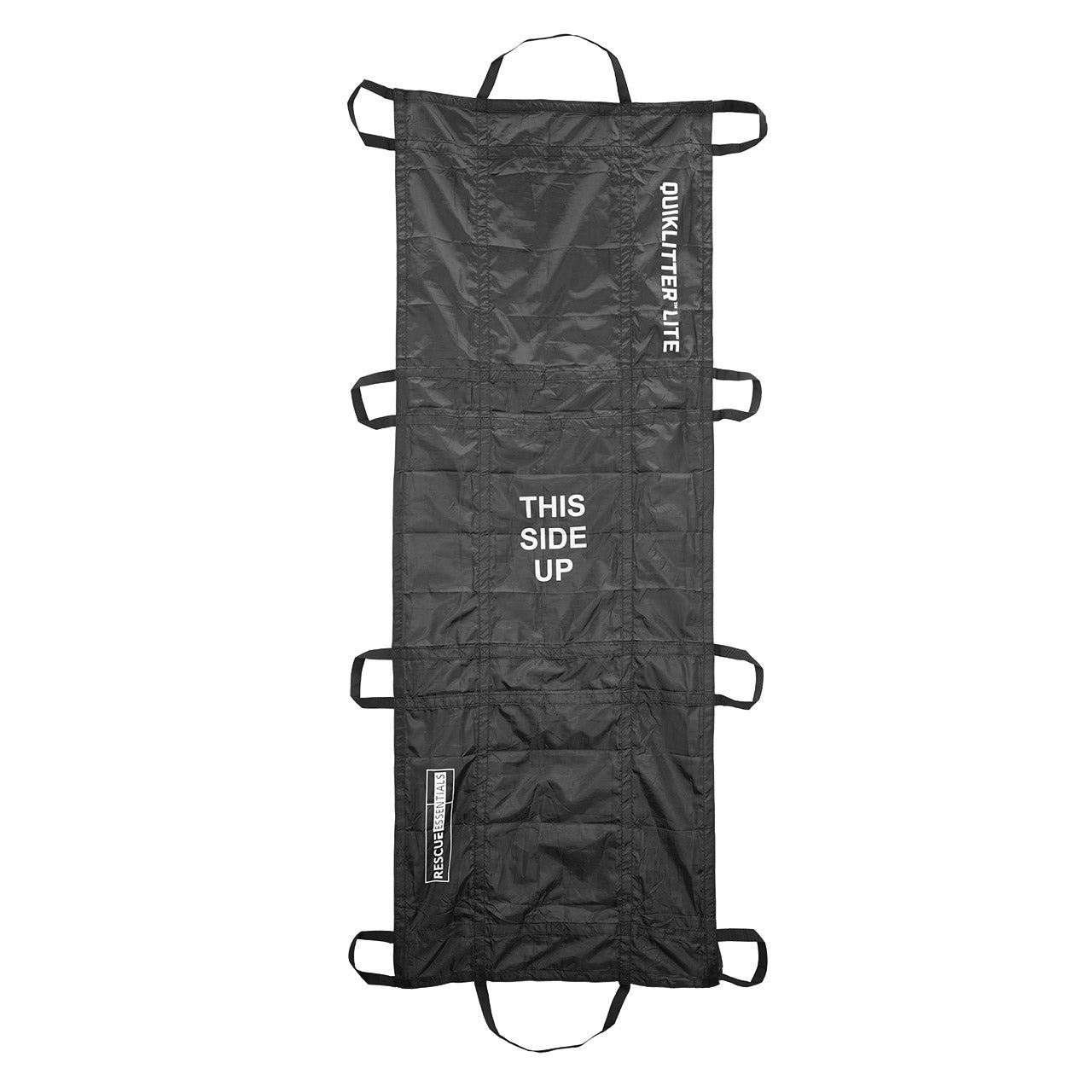
Stretchers themselves can contribute to heat loss if not insulated. A barrier beneath the patient is just as important as one on top.
In water exposure cases, rapid drying and rewarming interventions are essential.
Sources:
Wilderness Medical Society – Hypothermia prevention and treatment guidelines
American College of Emergency Physicians – Cold exposure and immersion risks
4. Evaporation: Sweat and Wet Clothing
Evaporation occurs when moisture on the skin turns to vapor, pulling heat away from the body. While this mechanism helps regulate temperature in warm conditions, it becomes dangerous in cold environments.
Patients may be wet from sweat, rain, or immersion. As moisture evaporates, it accelerates cooling and contributes to rapid drops in core temperature.
Operational reality: Hypothermia can occur in moderate temperatures if the patient is wet and exposed.

How to Combat Evaporative Heat Loss
- Remove wet clothing promptly
- Dry the patient when possible
- Apply vapor barrier layers
- Use active warming as indicated
In trauma patients, evaporation contributes to worsening hypothermia and increases the risk of coagulopathy. Managing moisture is a clinical priority.
Sources:
Centers for Disease Control and Prevention – Hypothermia risk factors
National Association of EMS Physicians – Prehospital trauma care principles
Integrating Heat Loss Prevention Into Field Treatment
Hypothermia management should be incorporated into standard patient care, especially in trauma and prolonged field operations.
Clinical guidance from organizations such as the National Association of EMS Physicians and the Wilderness Medical Society emphasizes early and aggressive prevention.
For first responders, preparedness comes down to three operational principles:
1. Anticipate Heat Loss Early
Any patient who is injured, wet, immobile, elderly, very young, or in shock is at increased risk. Initiate thermal protection early.
2. Address All Four Pathways Simultaneously
Effective hypothermia treatment interrupts radiation, convection, conduction, and evaporation together.
3. Carry Purpose-Built Equipment
Improvised solutions can help, but purpose-built hypothermia kits provide:
- Reflective barriers
- Insulating layers
- Moisture protection
- Rapid deployment in the field
Evaluate your current setup. Do you have insulation beneath the patient? Are crews trained to deploy thermal protection during initial packaging? Are you prepared for multi-patient incidents?
Field Reminder: Hypothermia Is a Trauma Multiplier
Even mild hypothermia increases bleeding risk and complicates resuscitation. In severe cases, cardiac instability becomes a major concern. Gentle handling and protocol-driven rewarming are essential.
The most effective treatment remains prevention.
Every call is an opportunity to manage the environment. Identify where heat is being lost. Act early. Use the right equipment.
Prepared crews treat temperature management as part of the primary assessment, alongside airway and hemorrhage control.



Share:
Hemostatic Dressings: Types, Uses and How They Work