30-1150
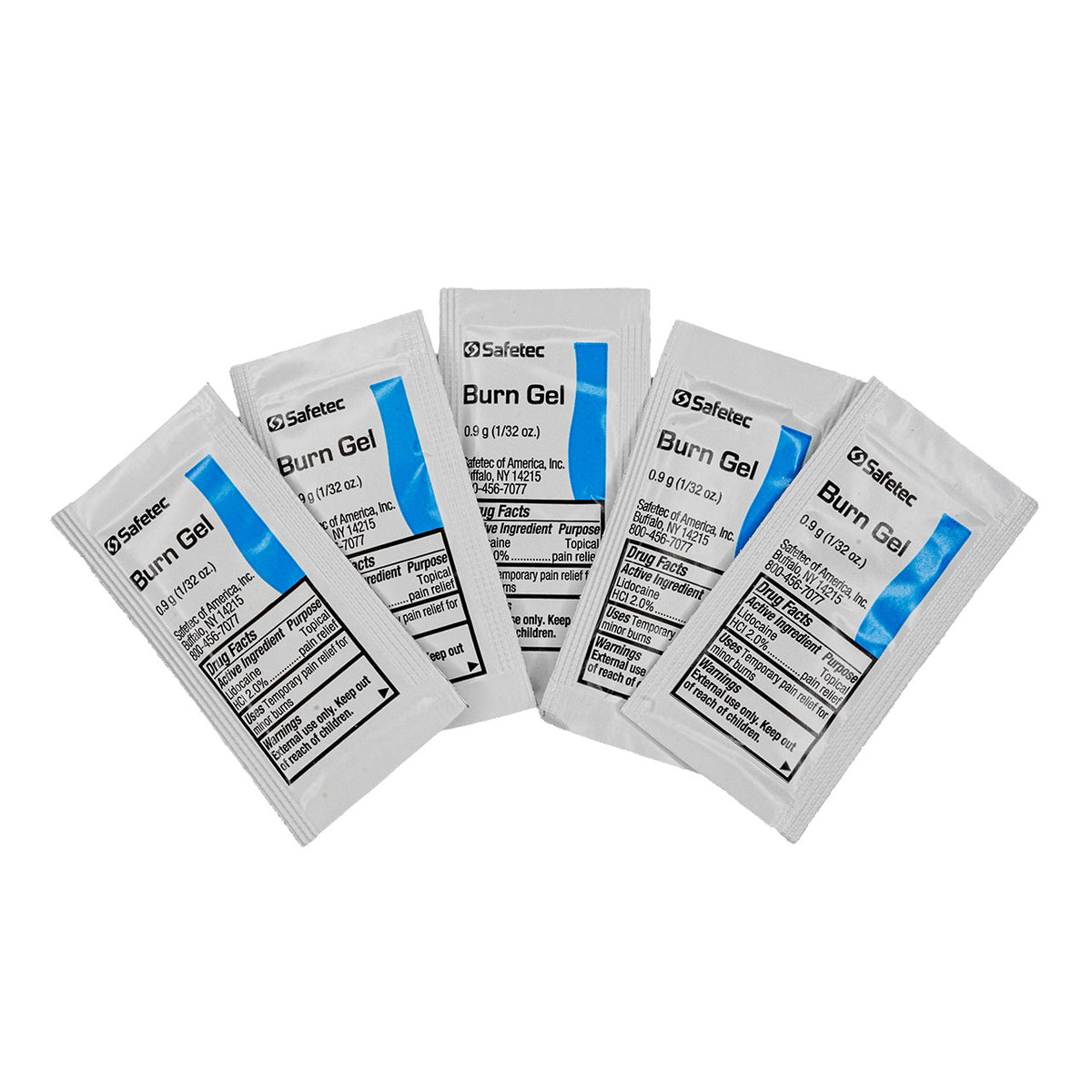
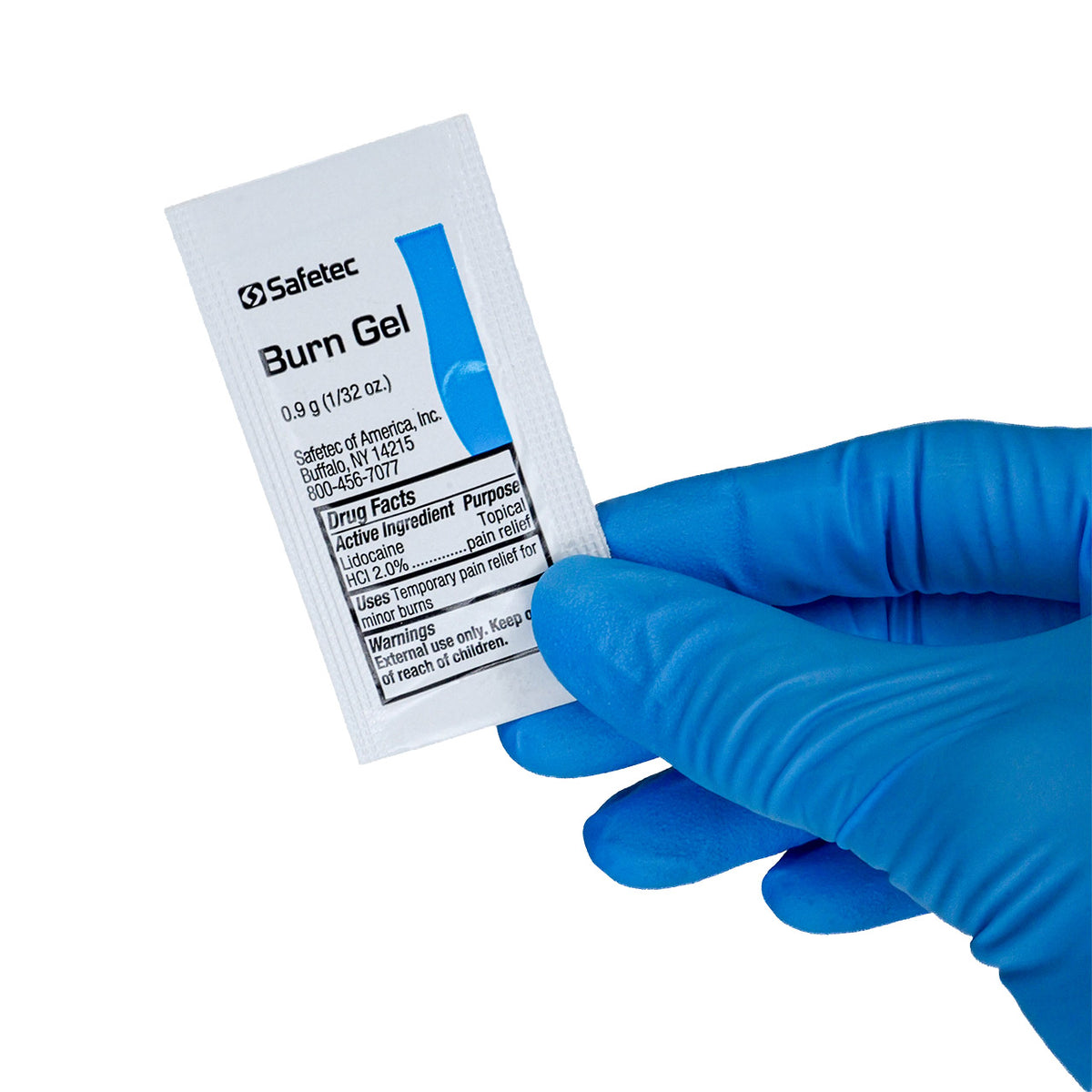
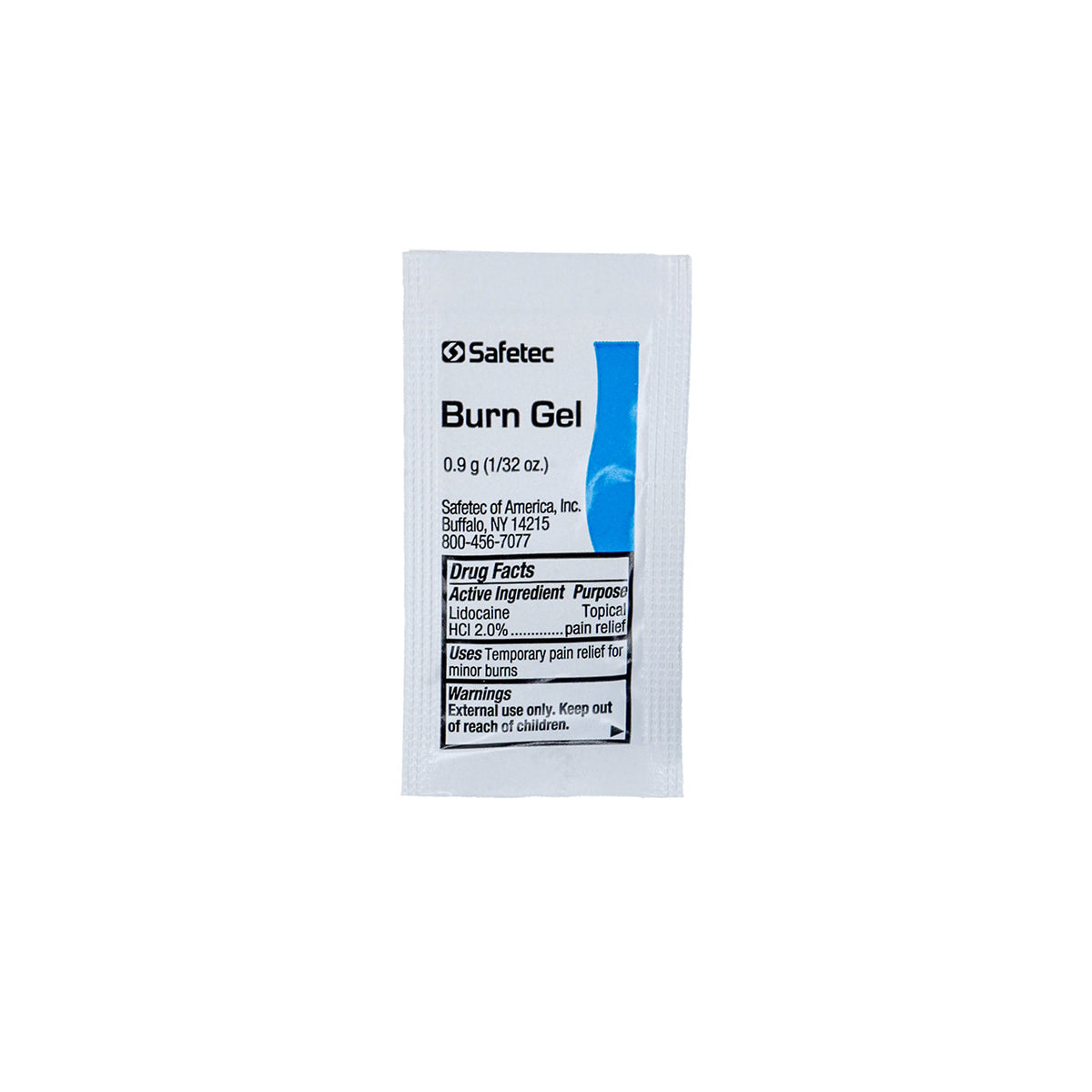
30-0257
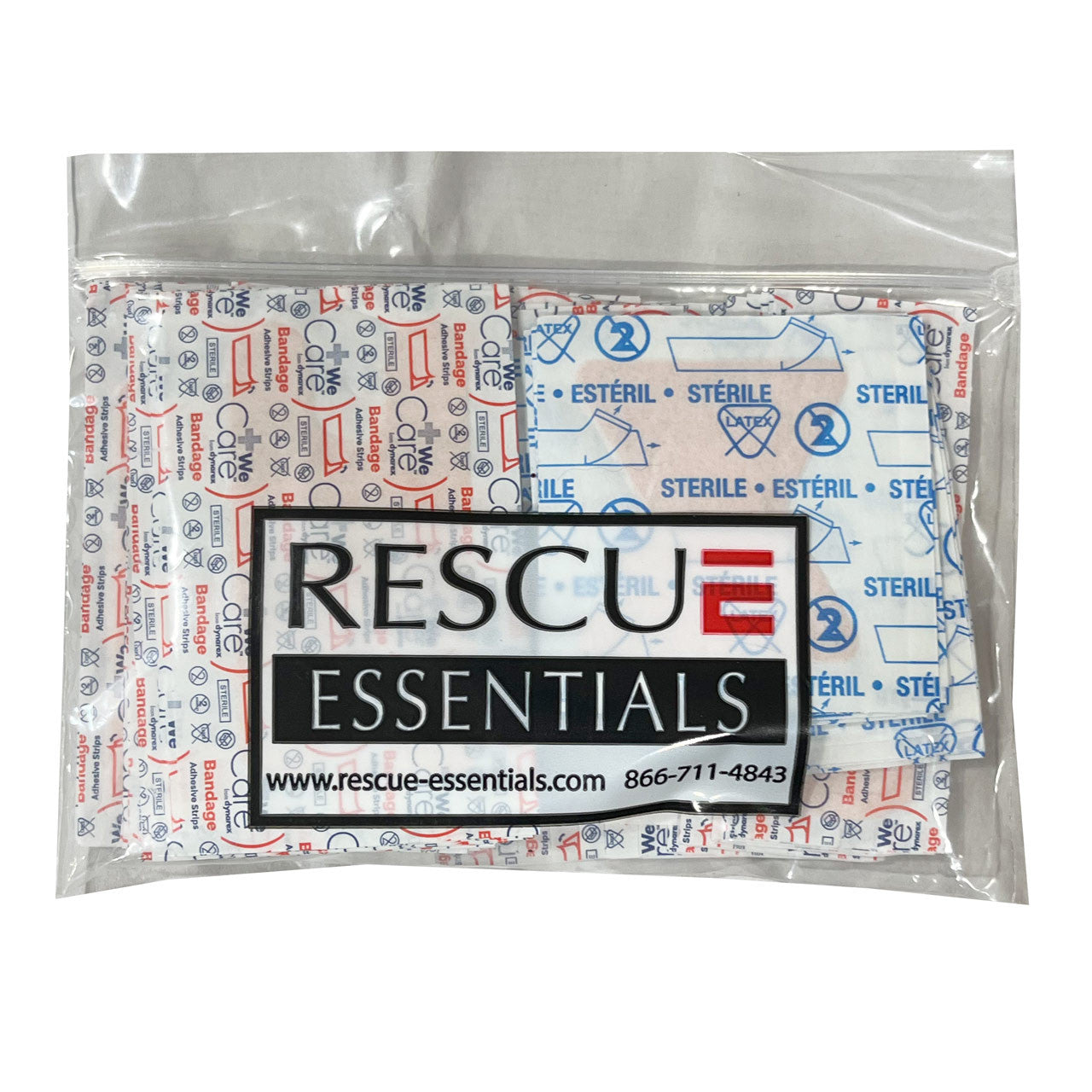

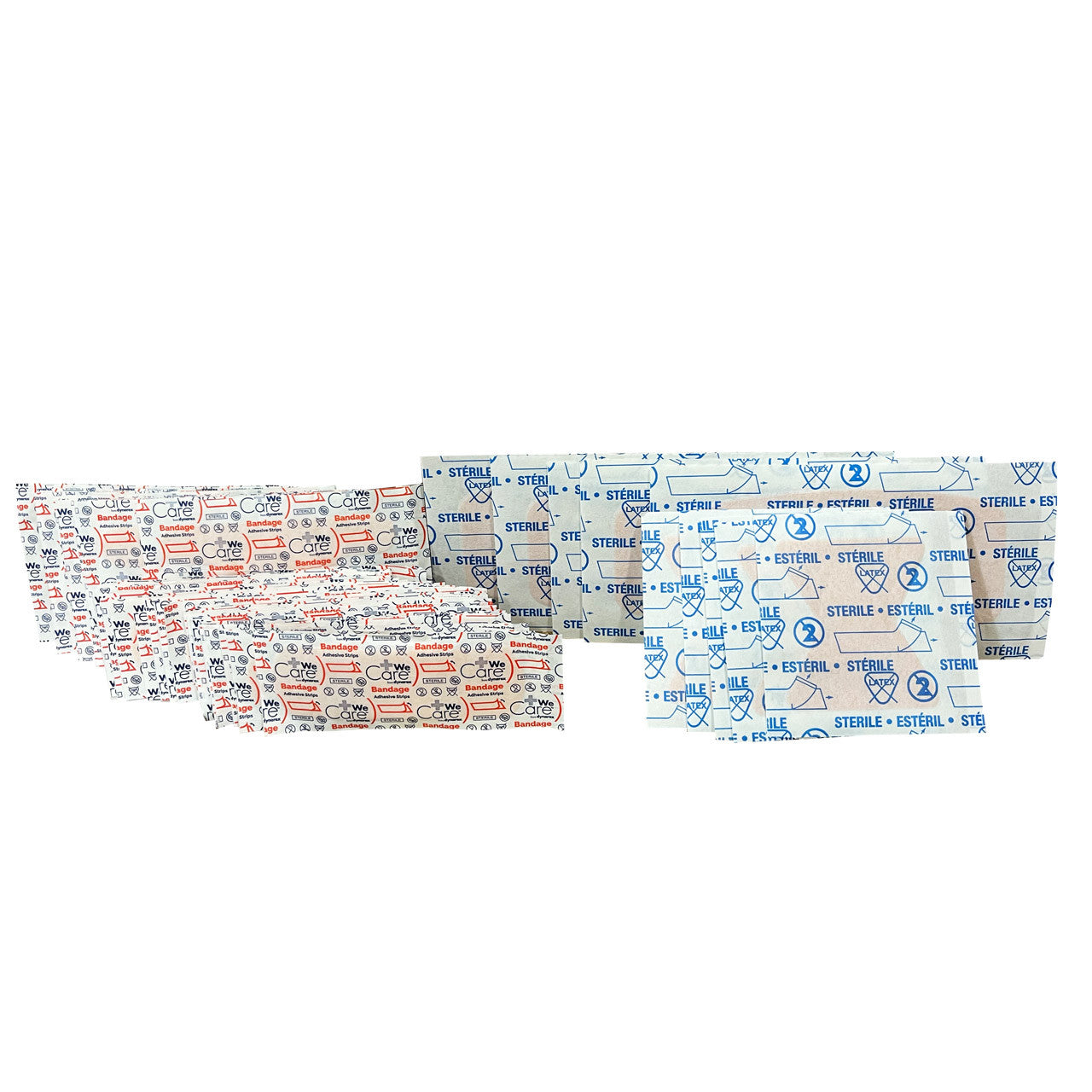
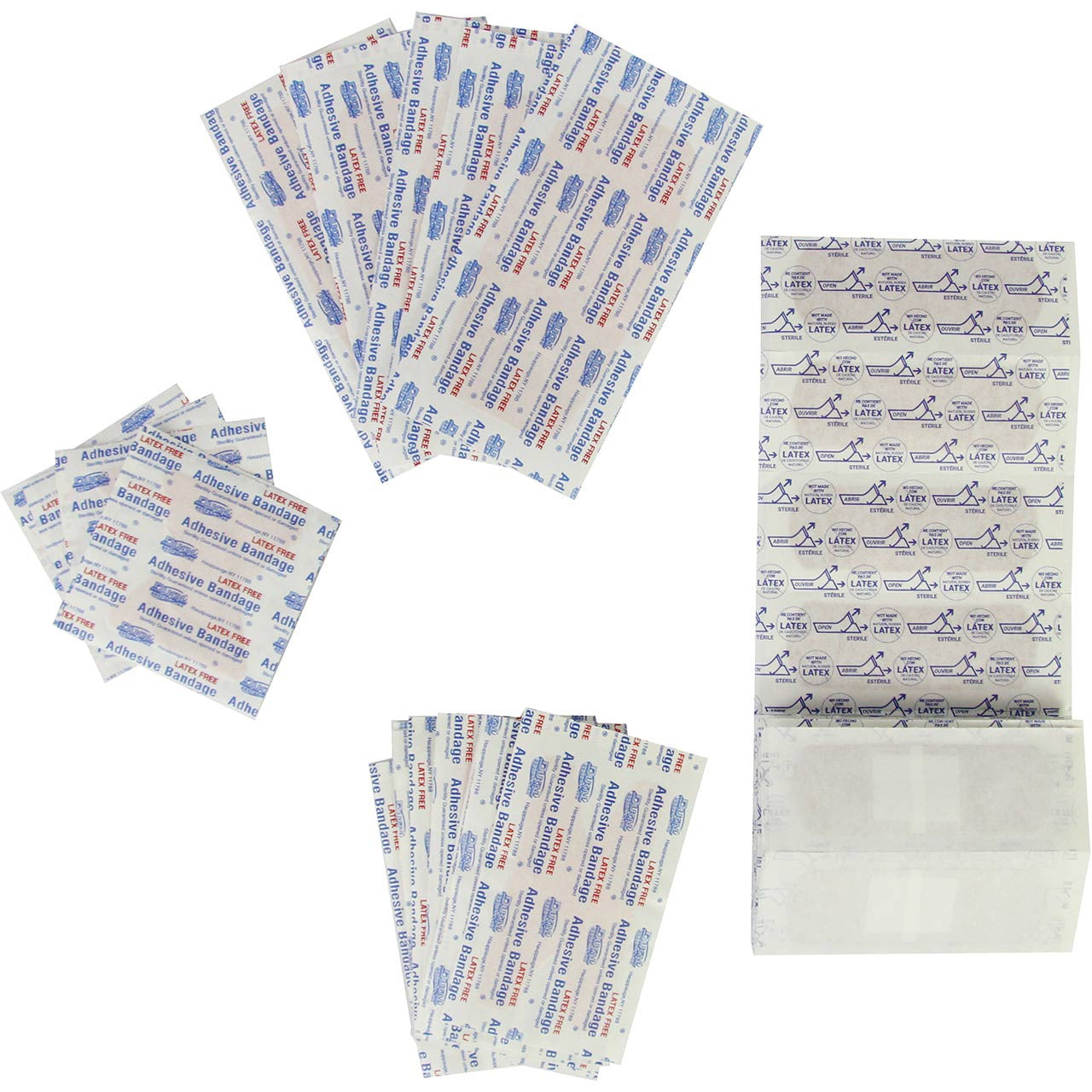
30-1100
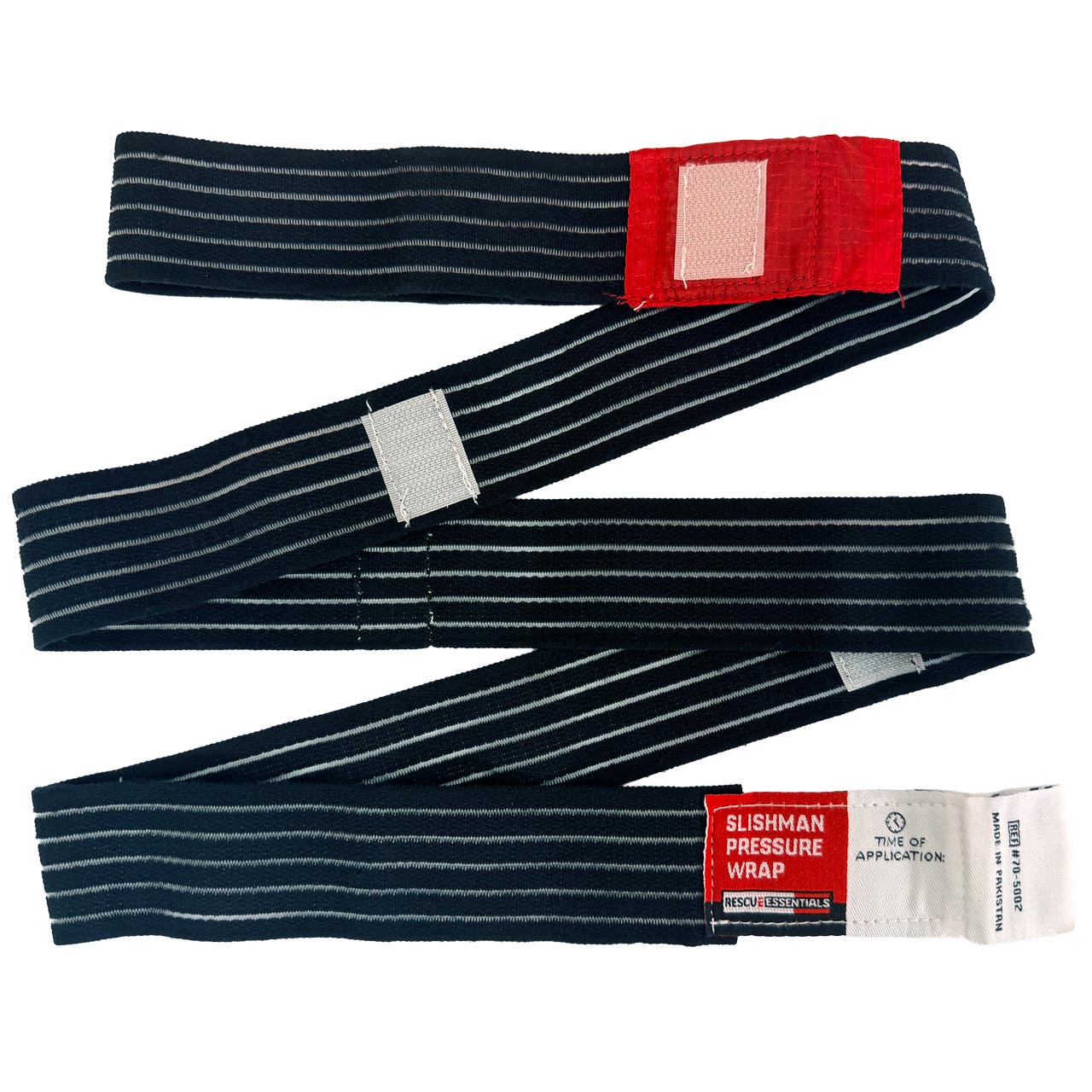
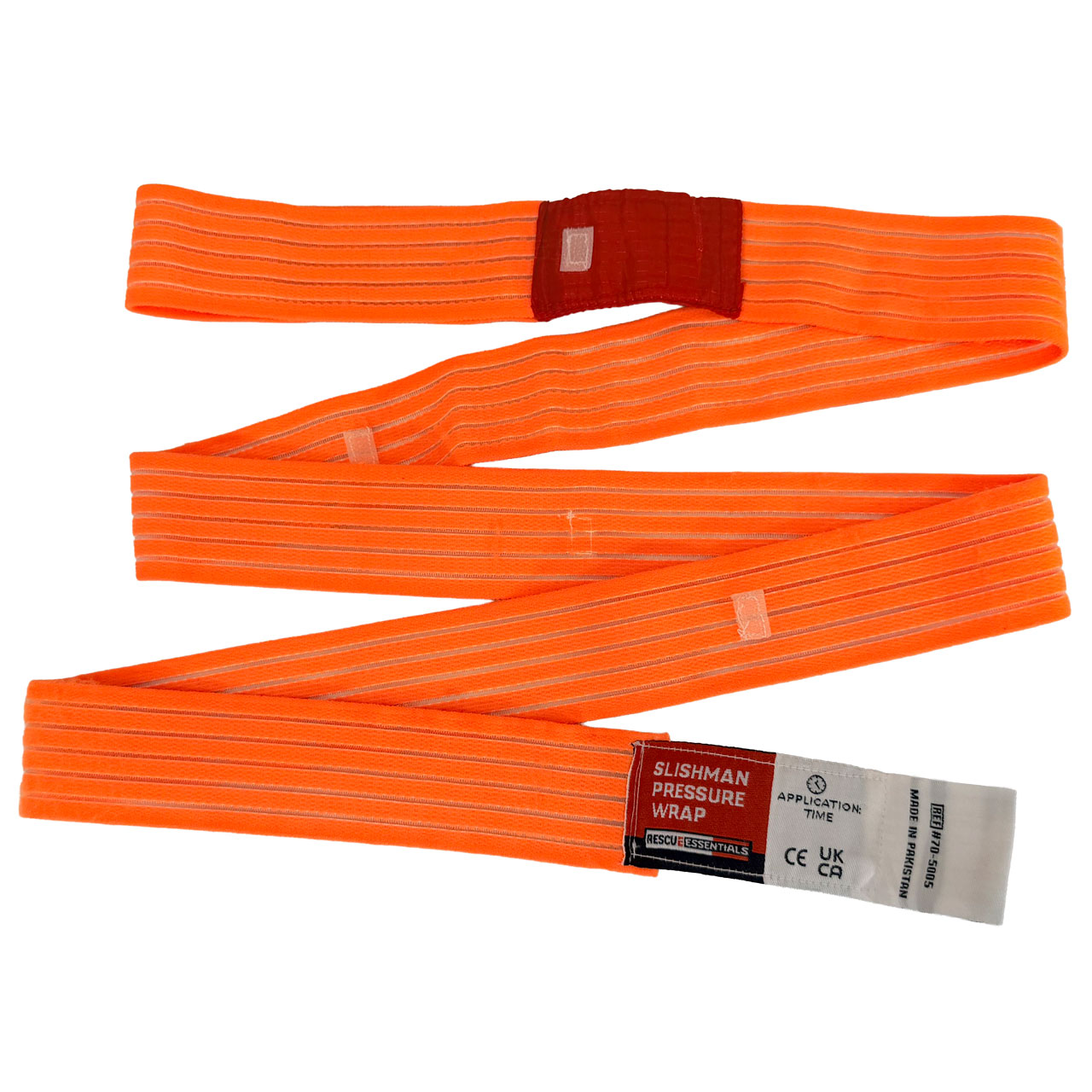
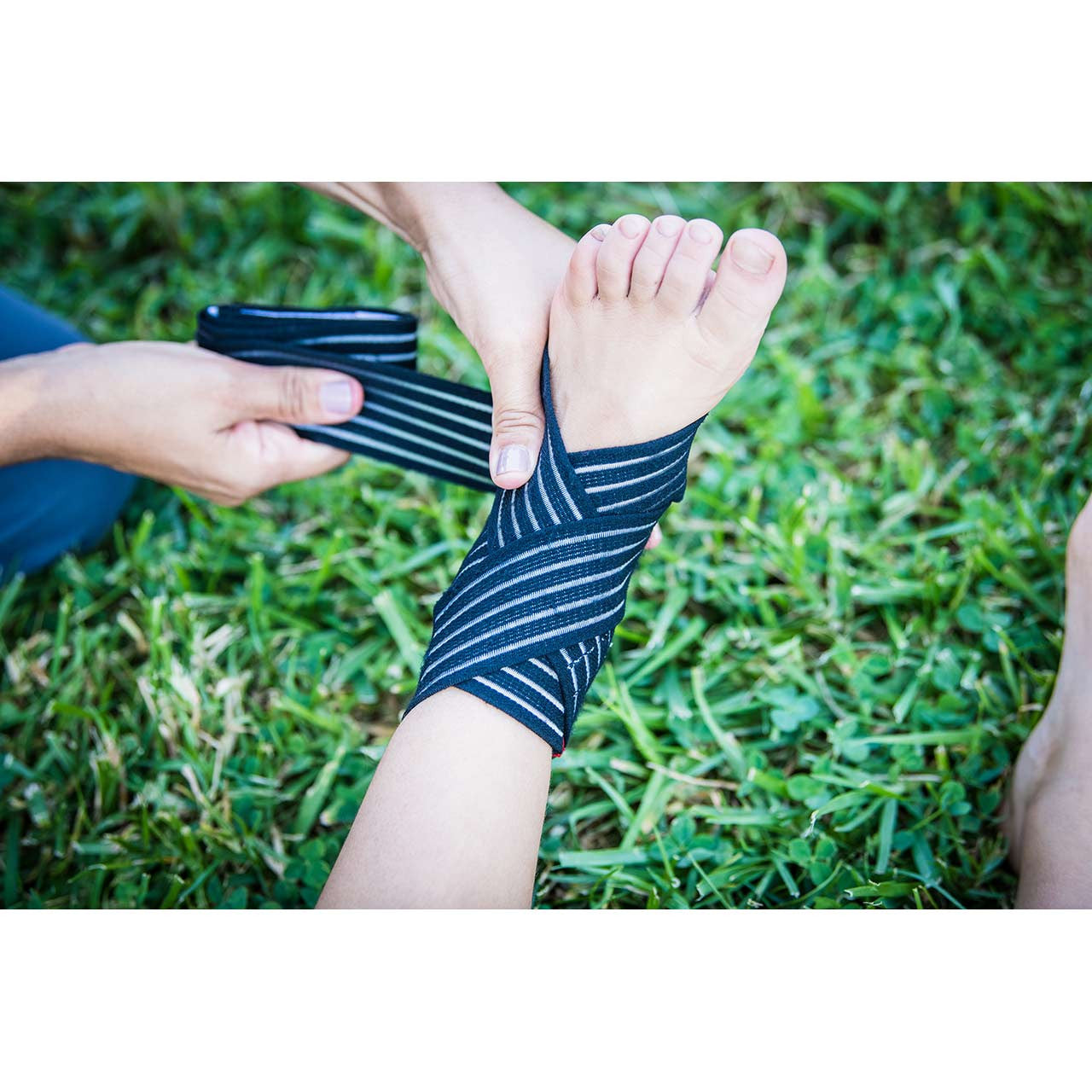

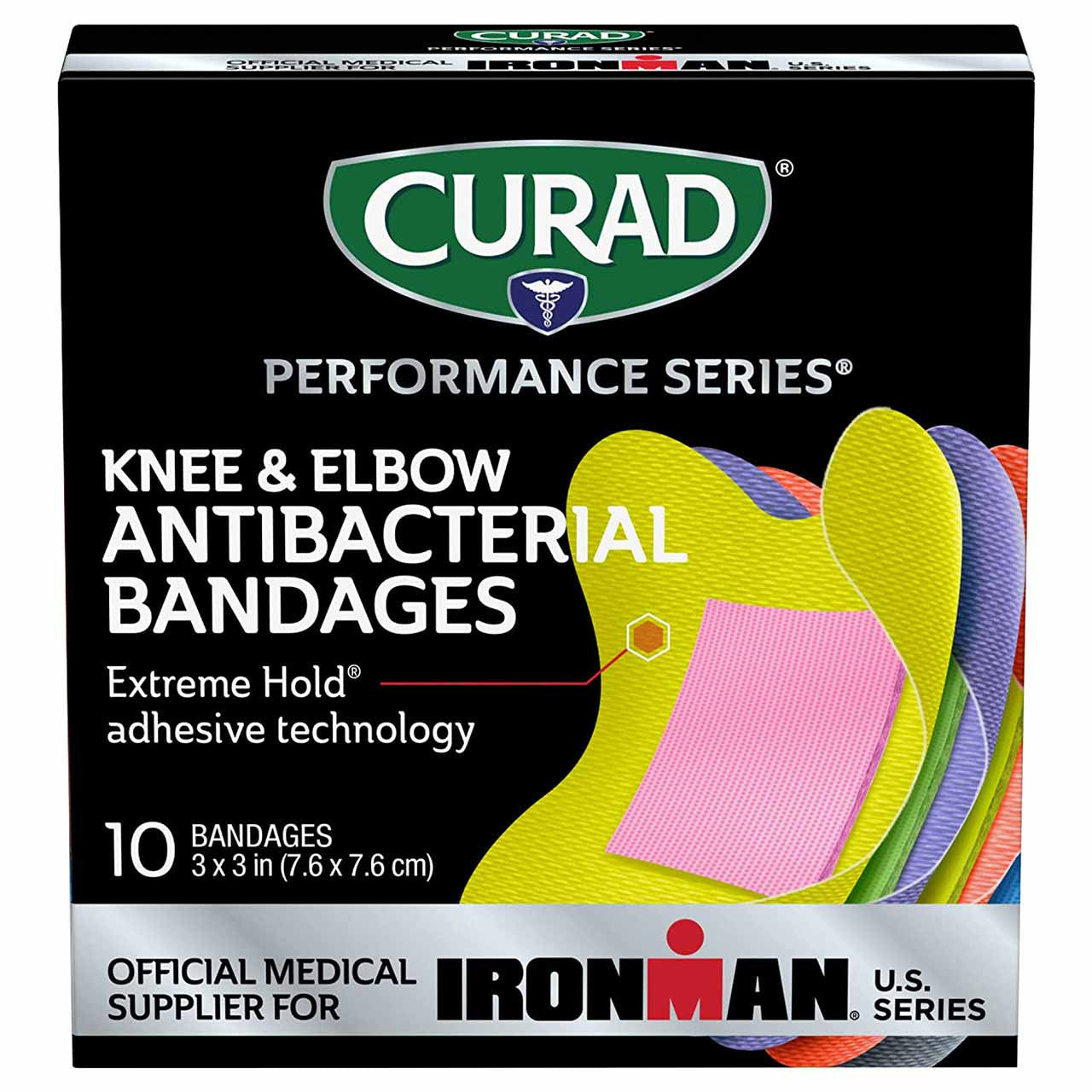
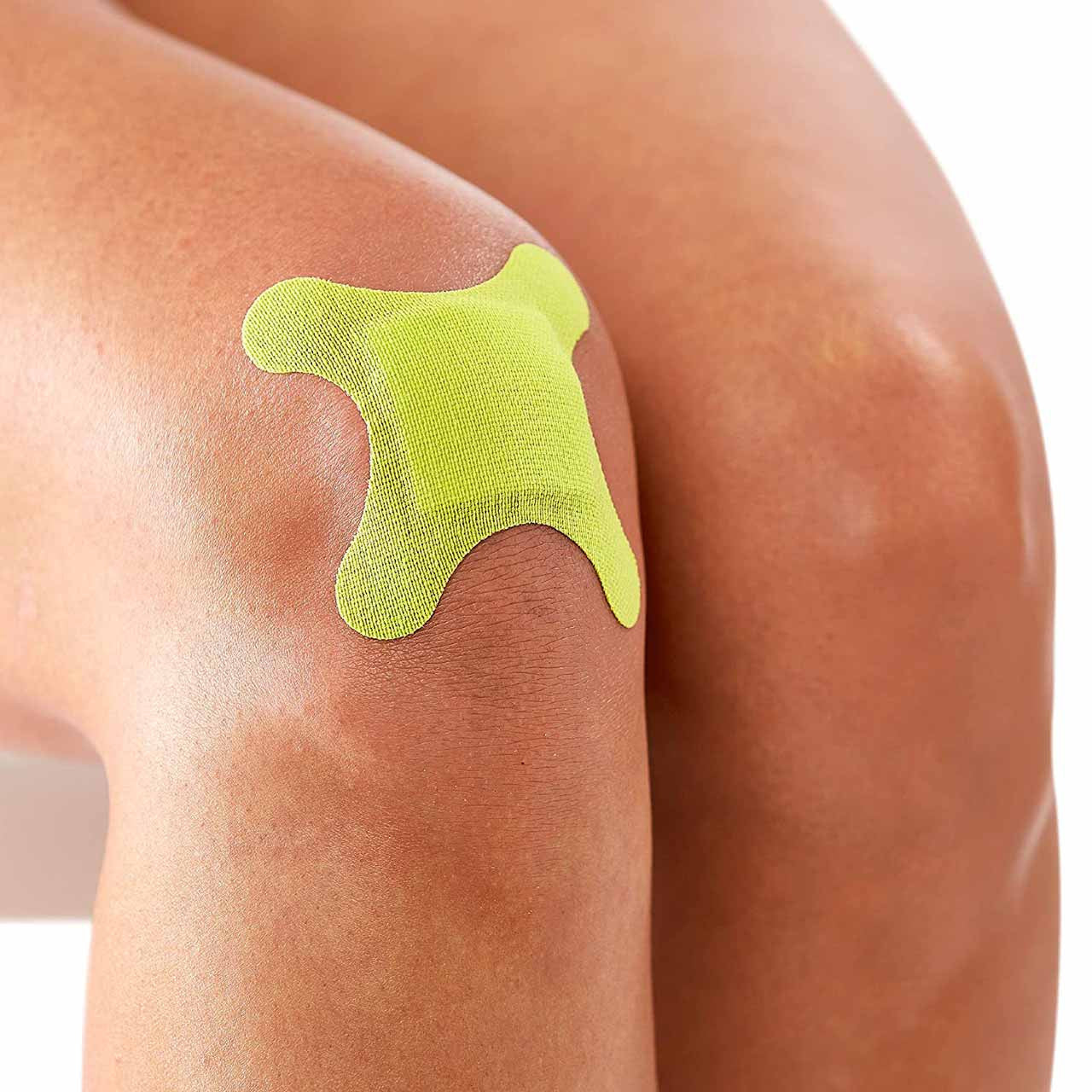
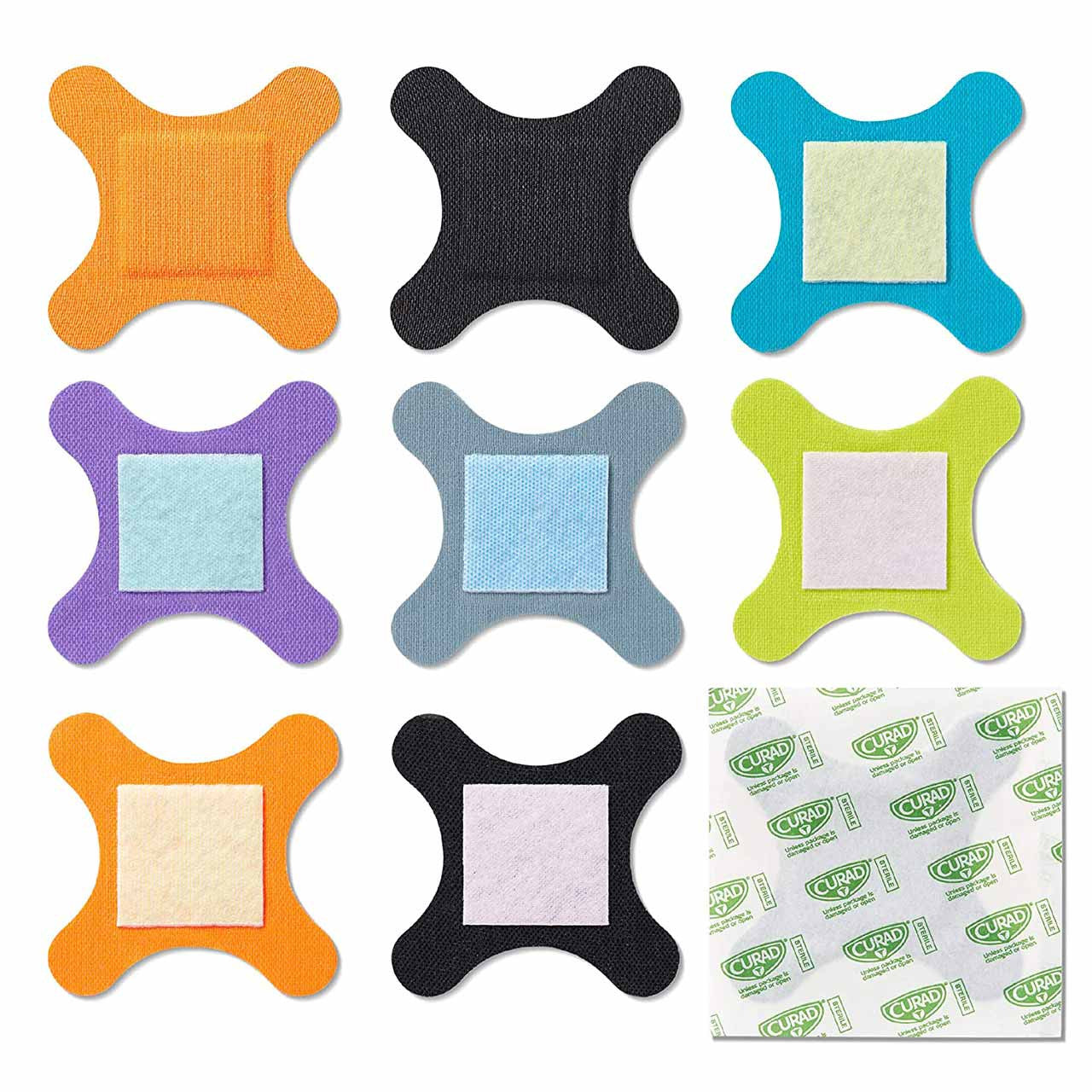
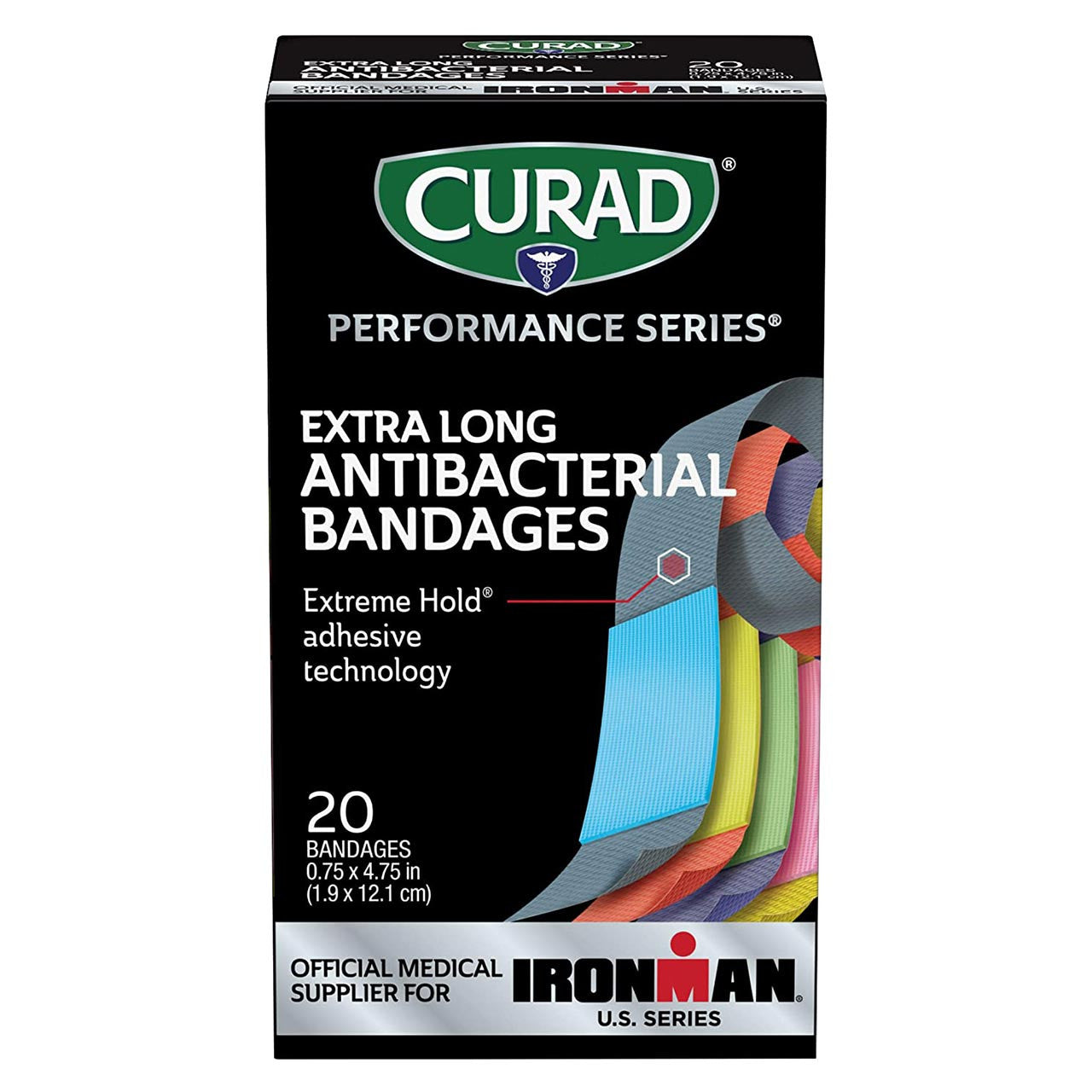
40-0143IM
Curad Performance Series Bandages


30-1180


30-1340
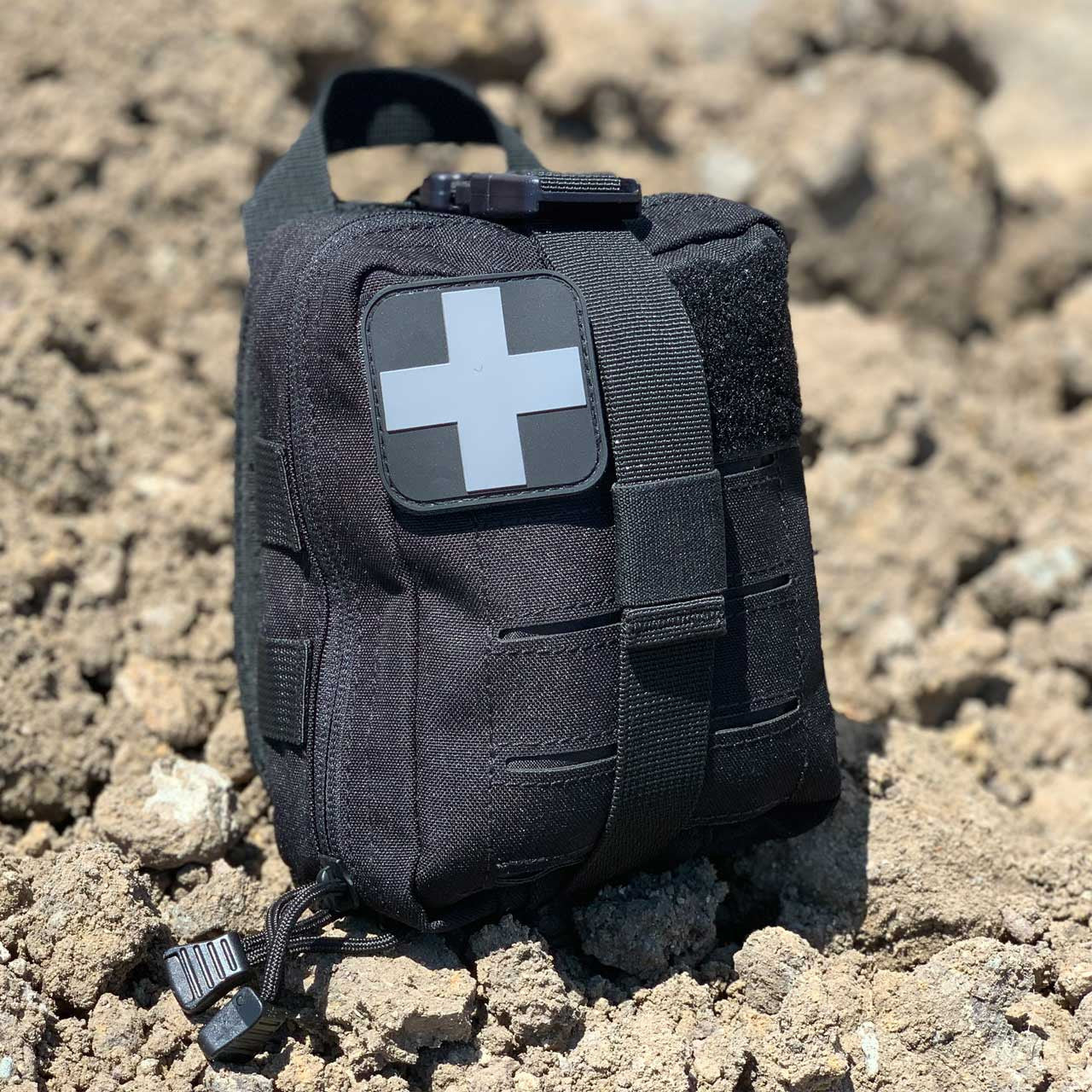
Built for Mobility & Medical Performance
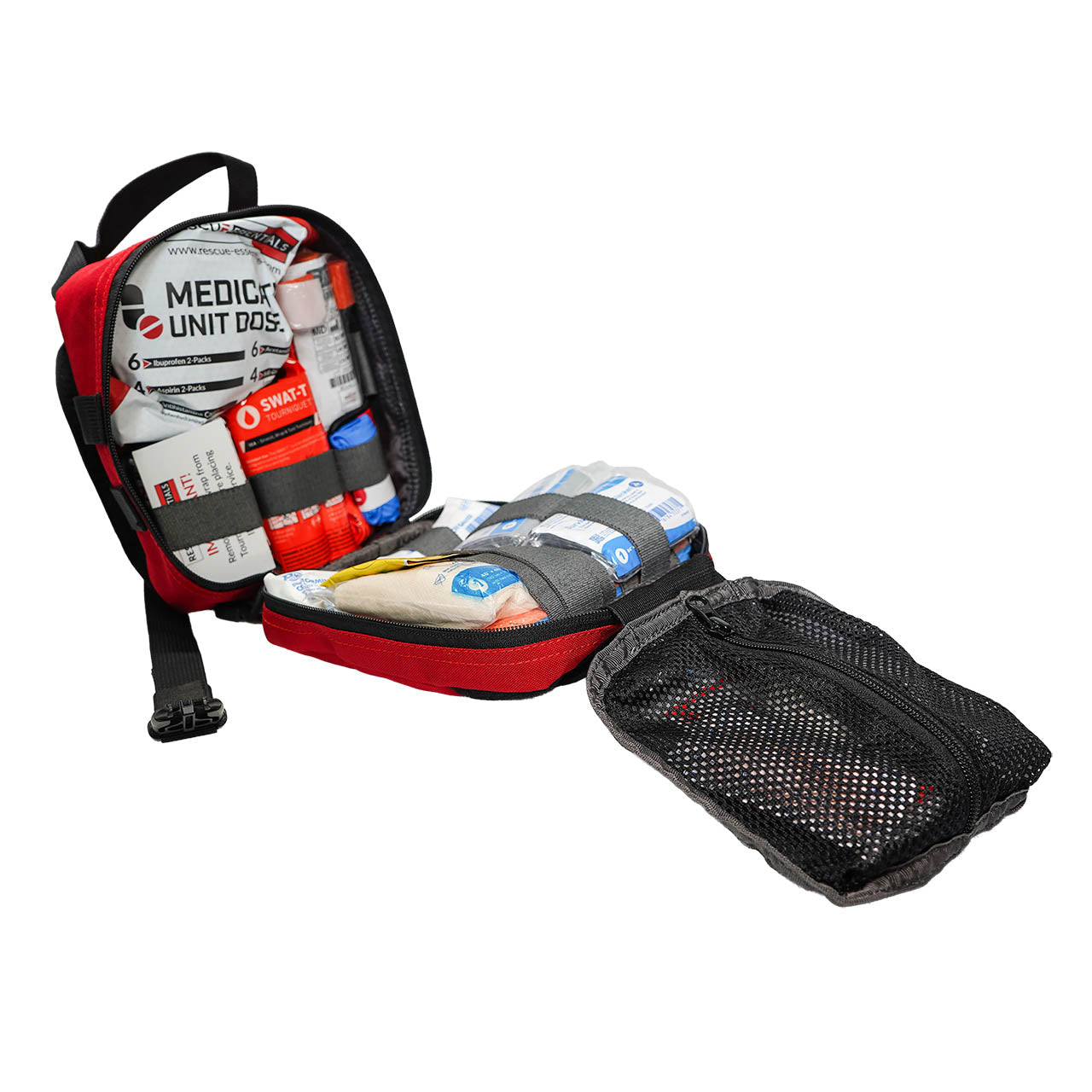
The MARCH TCCC IFAK offers a convenient kit that adheres to the MARCH protocol of care and includes CoTCCC recommended products.
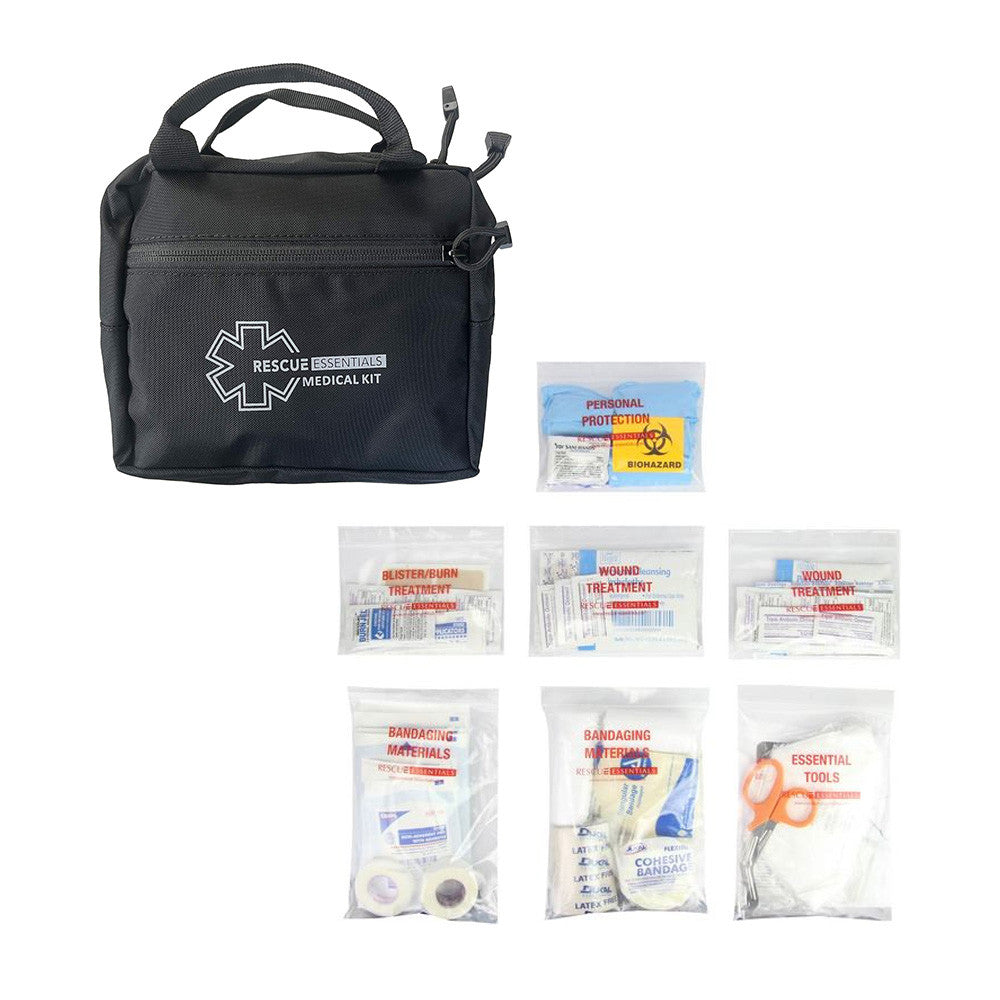
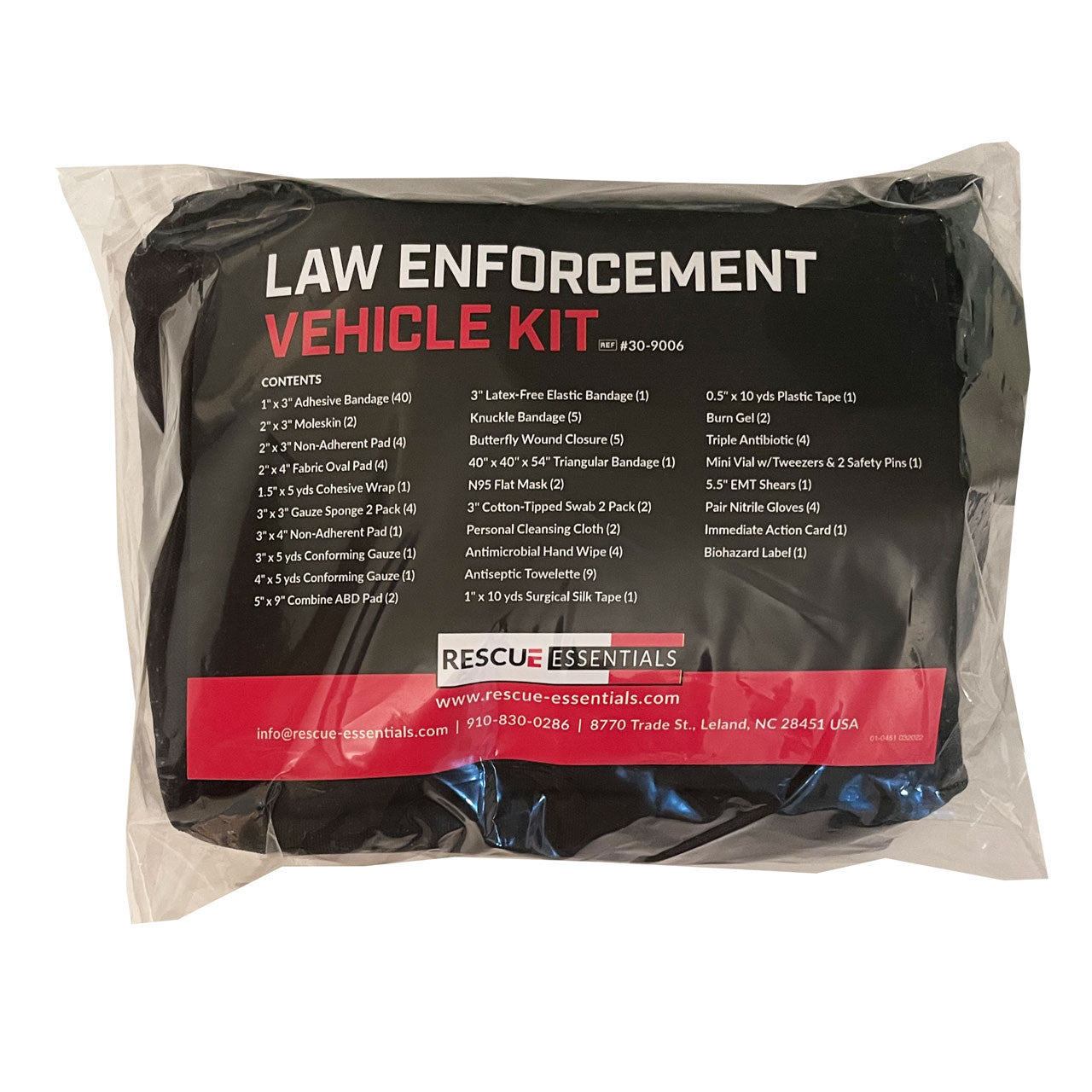
30-9006



40-0700
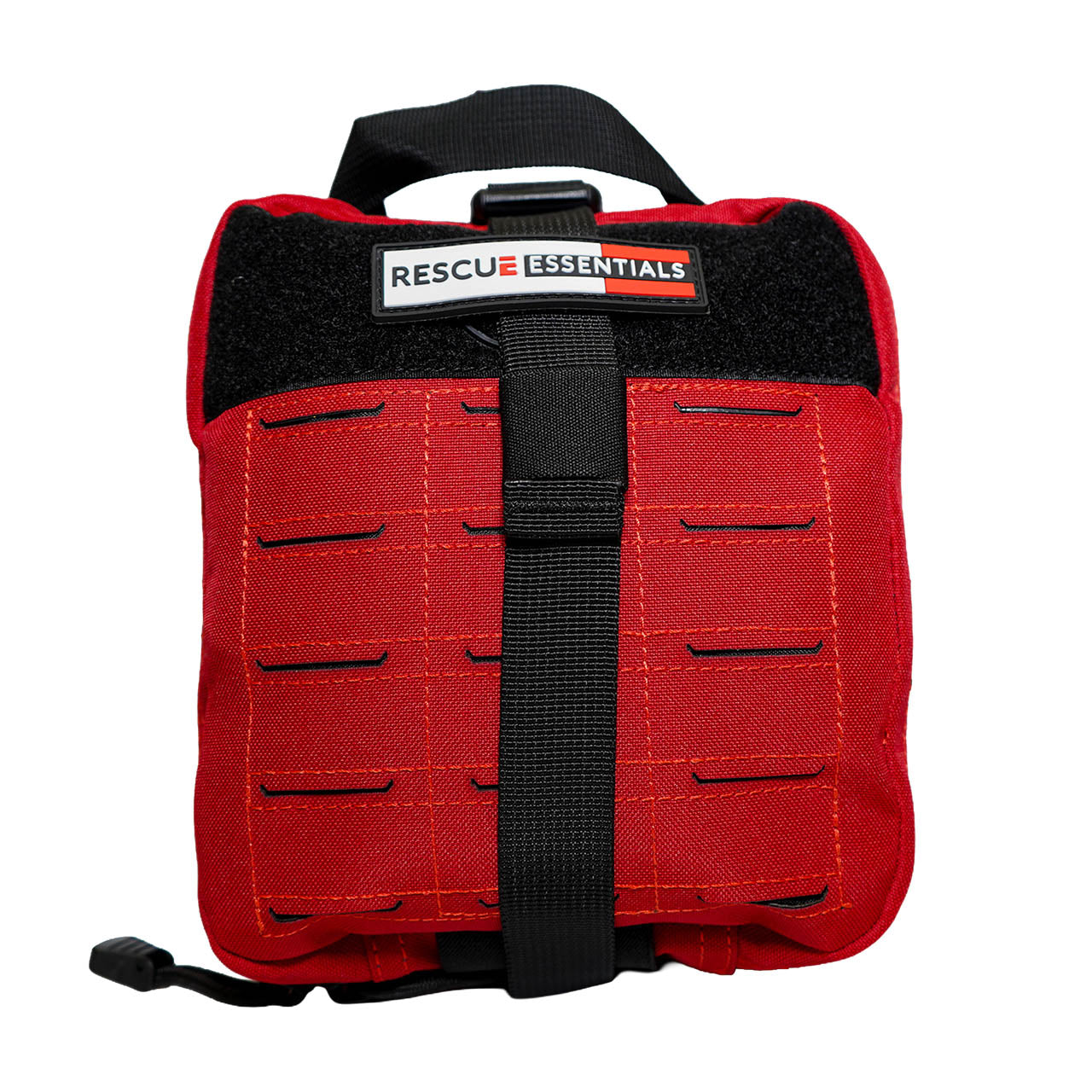
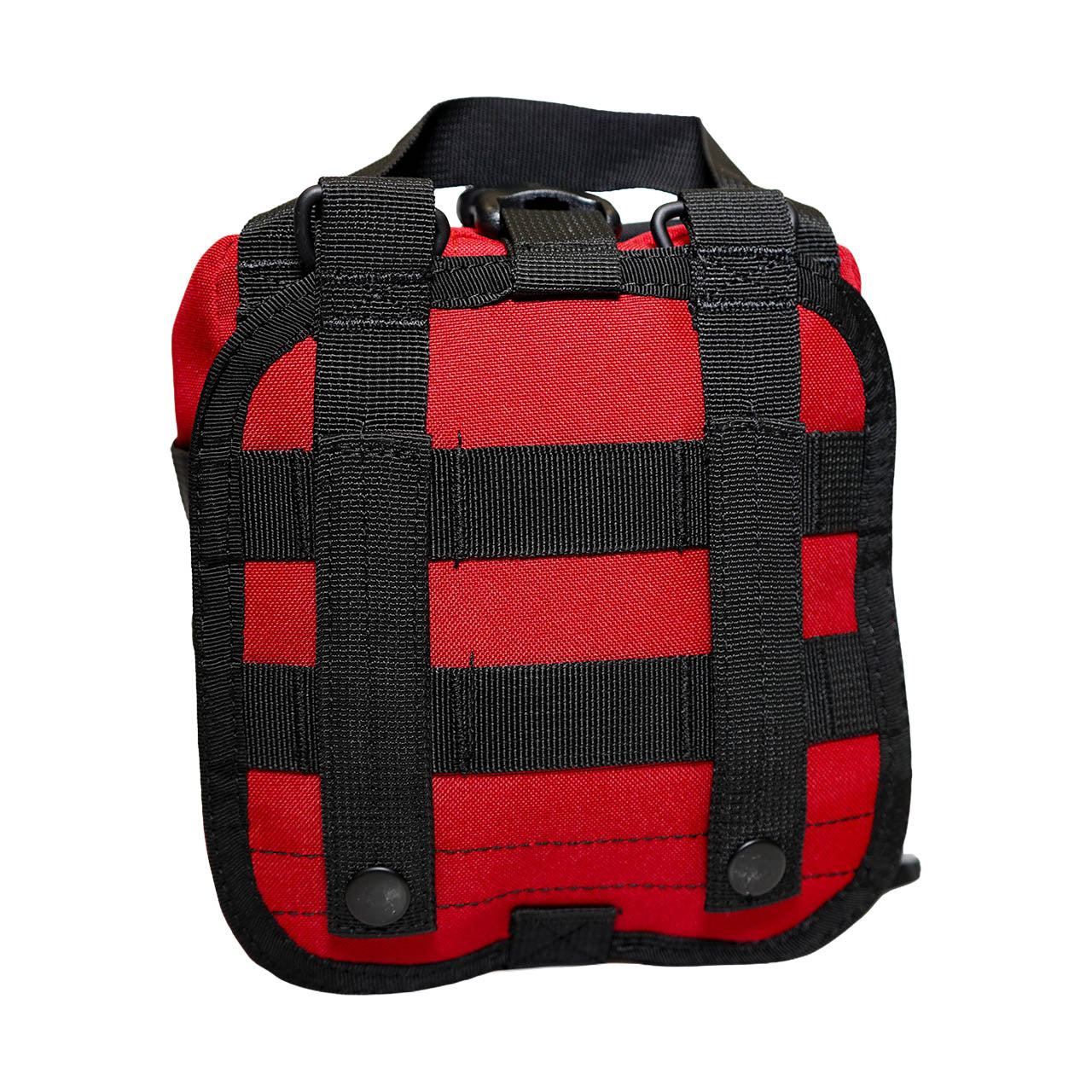
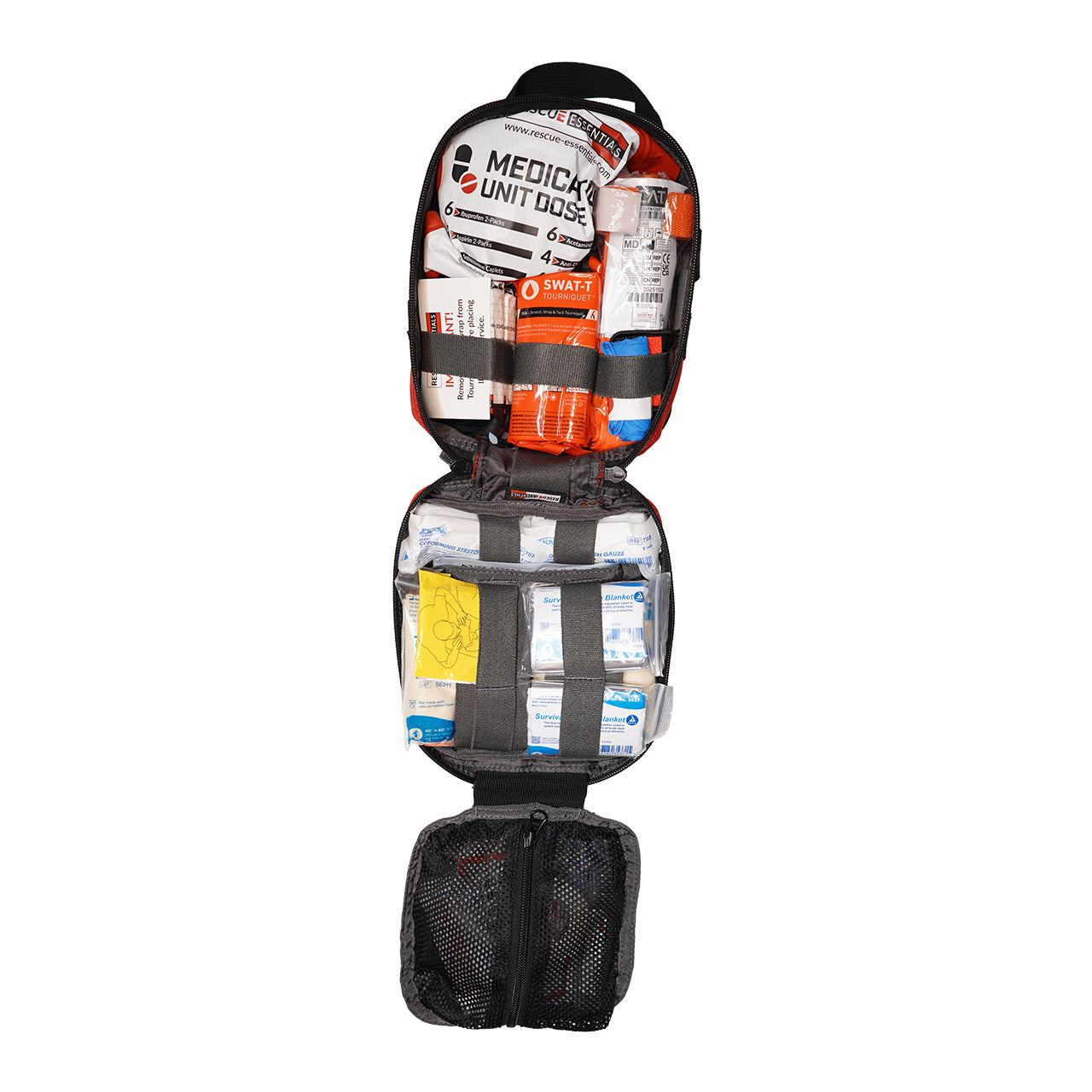
30-2700


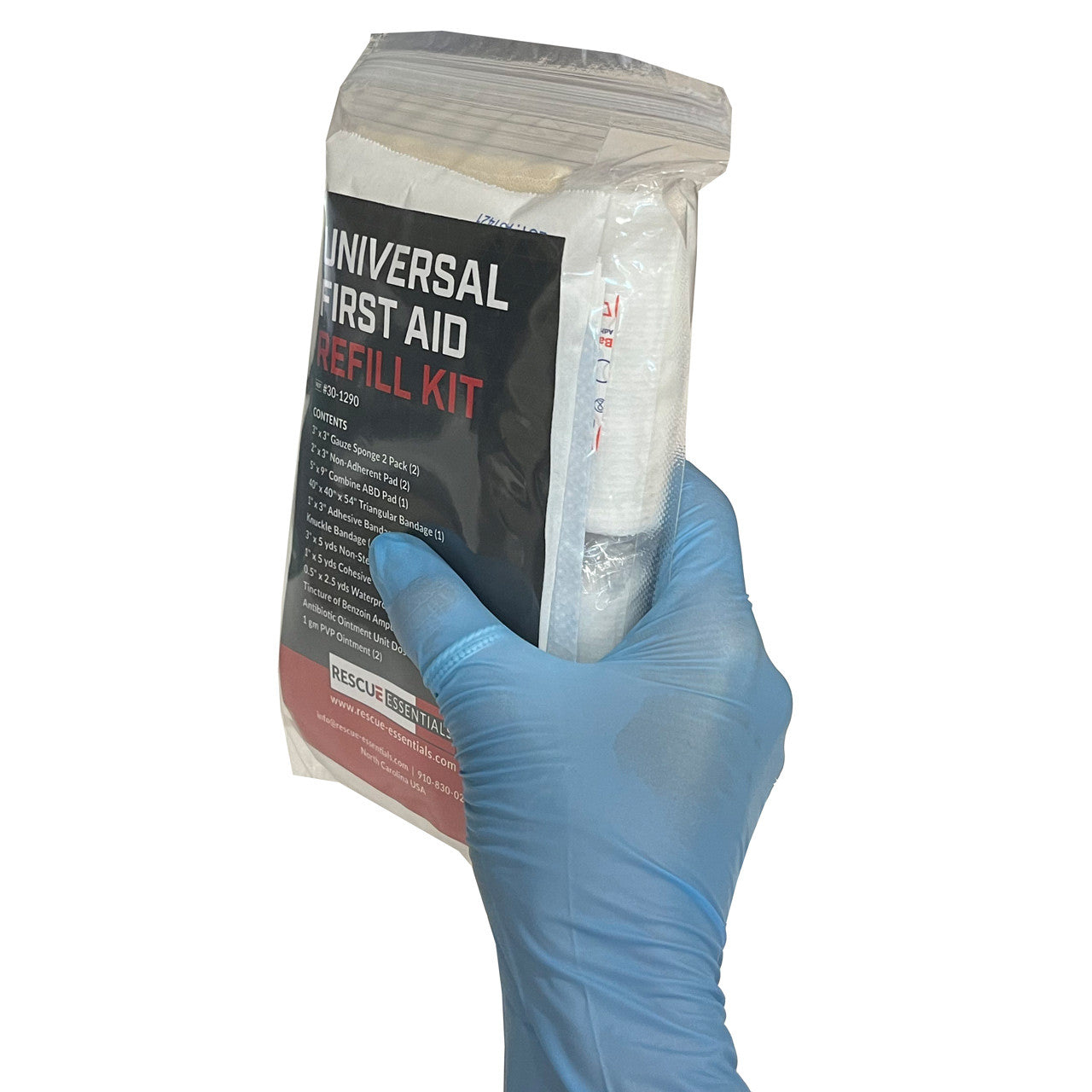
30-1290
Universal First Aid Refill Kit

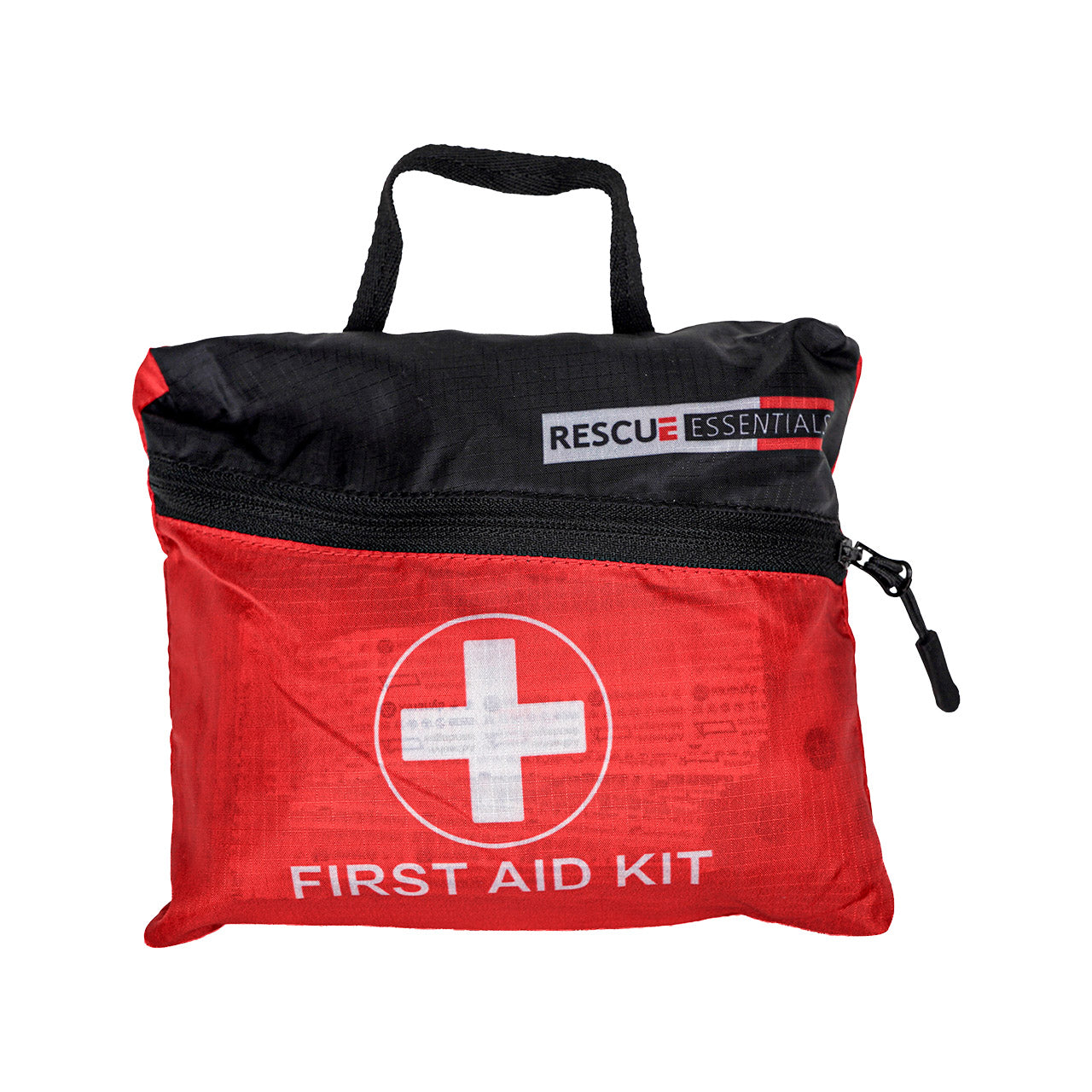
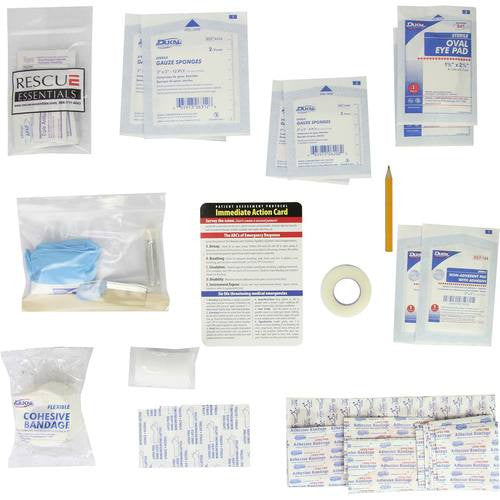
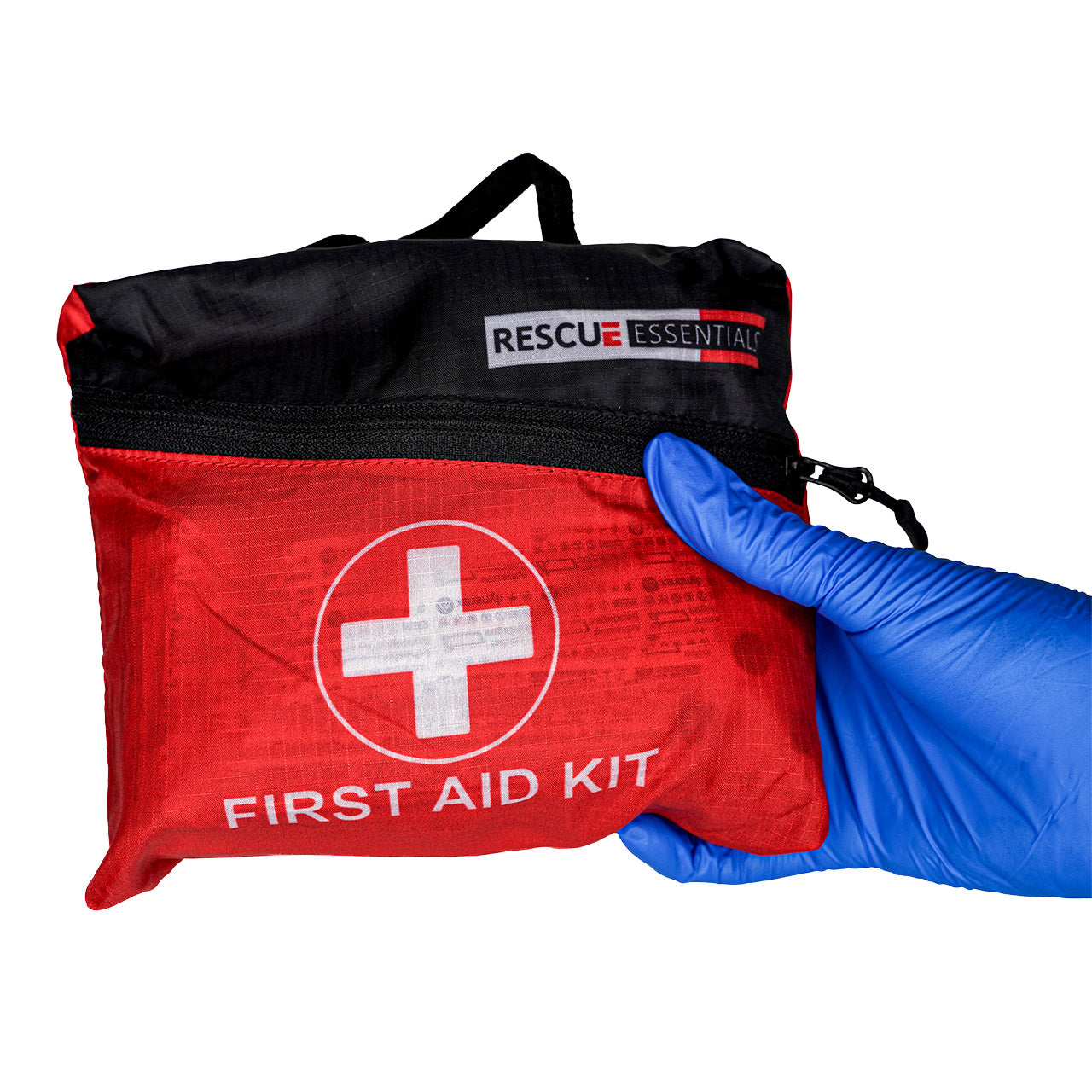
30-0452
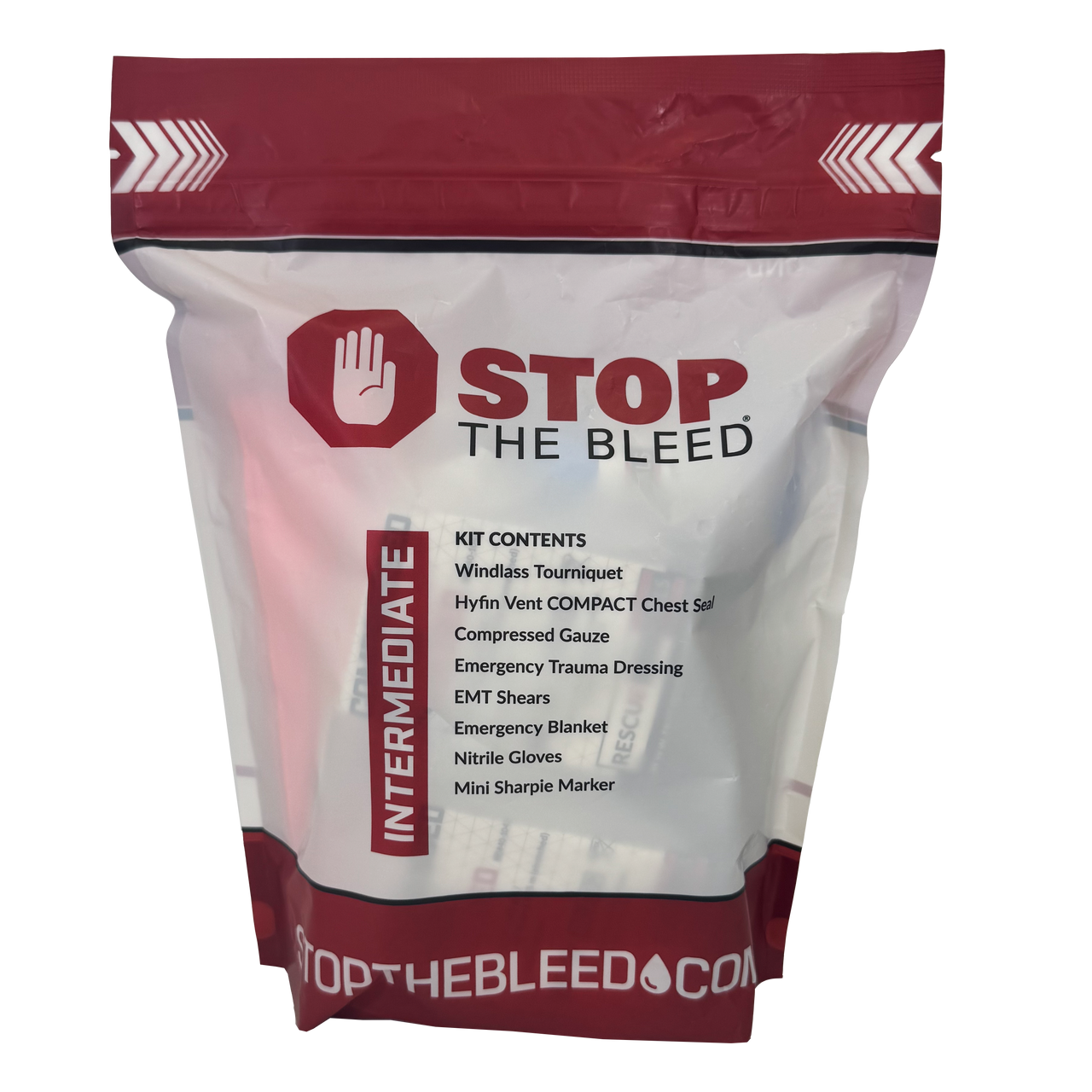
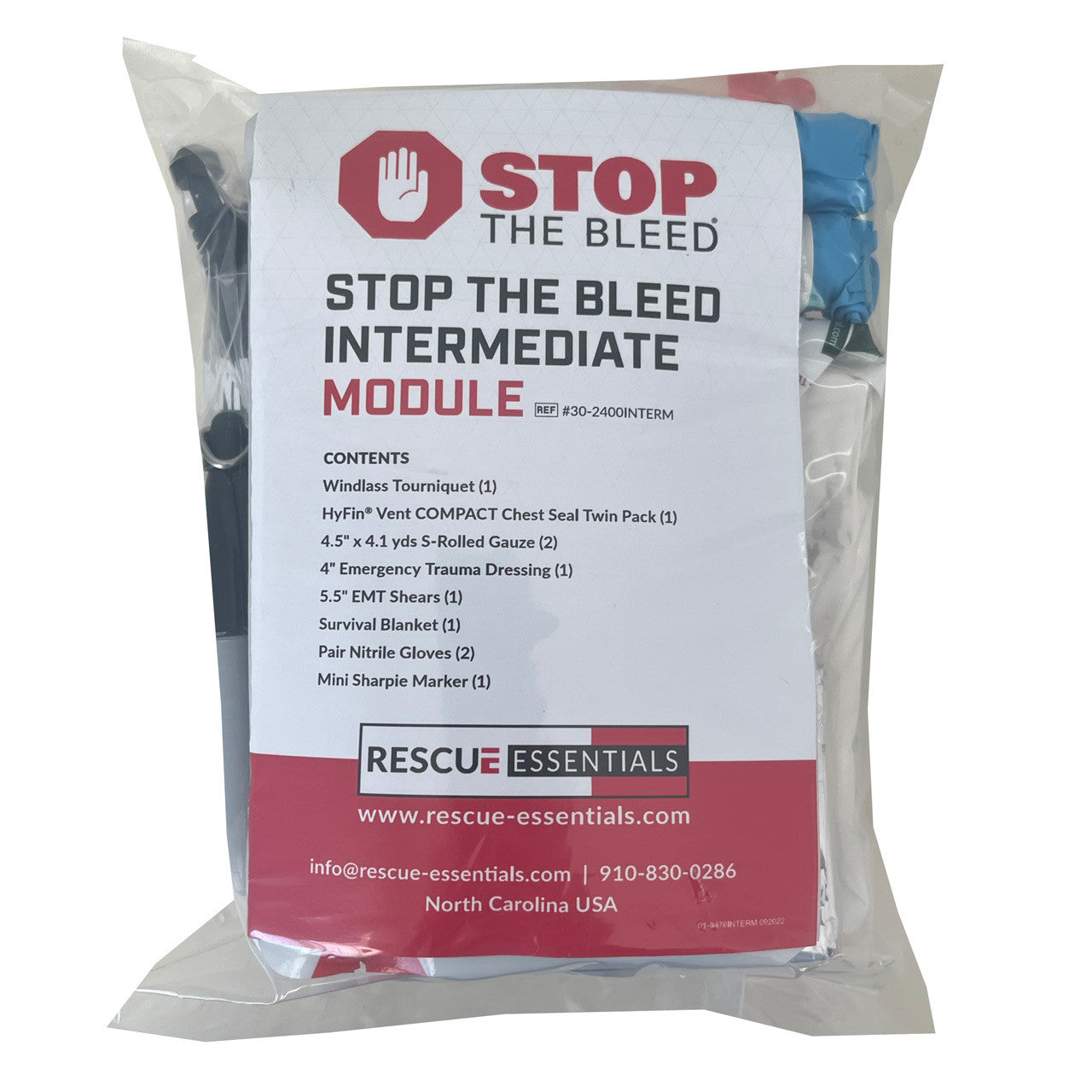


30-2400INTERM
Stop the Bleed Kit - Intermediate
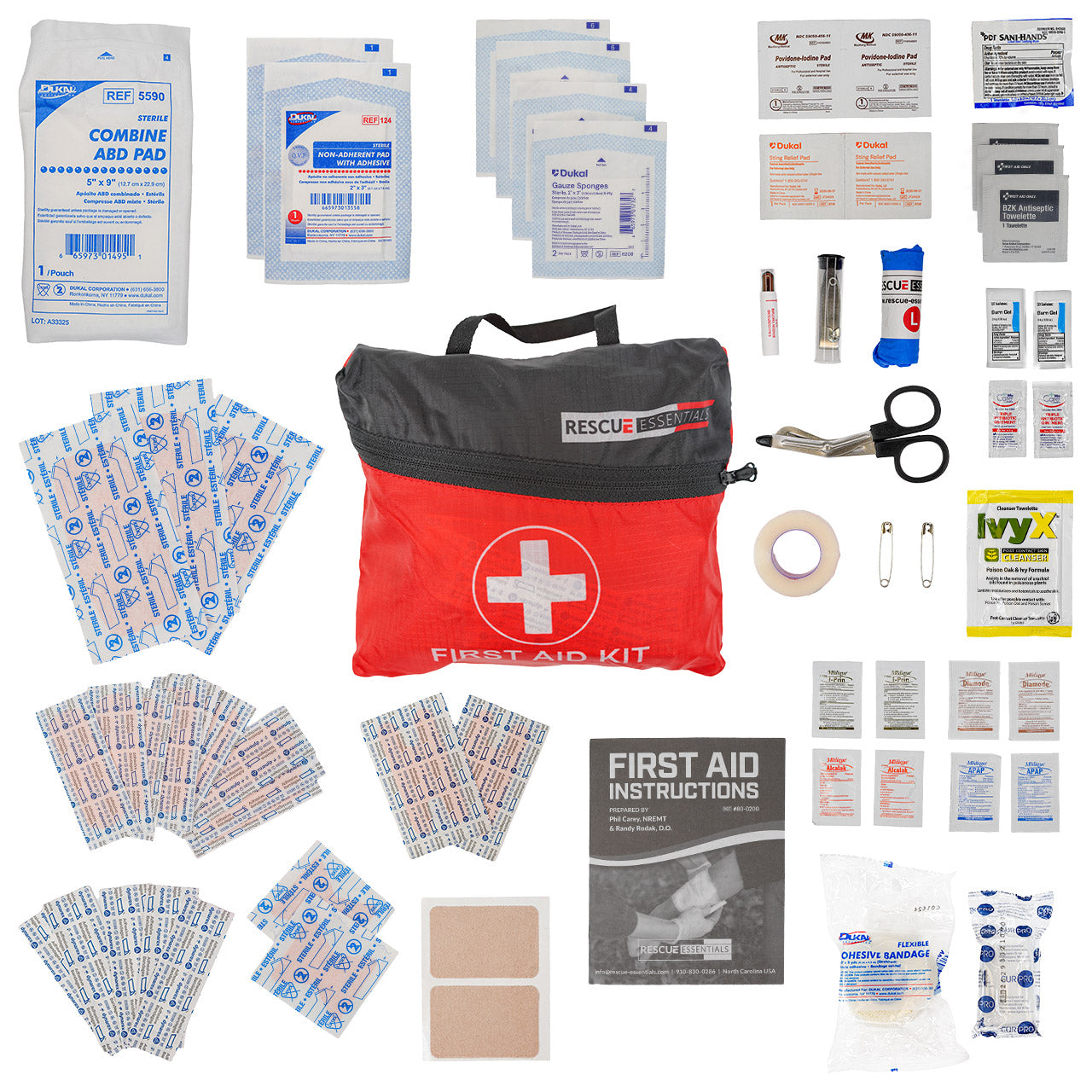


30-0760
50-0850
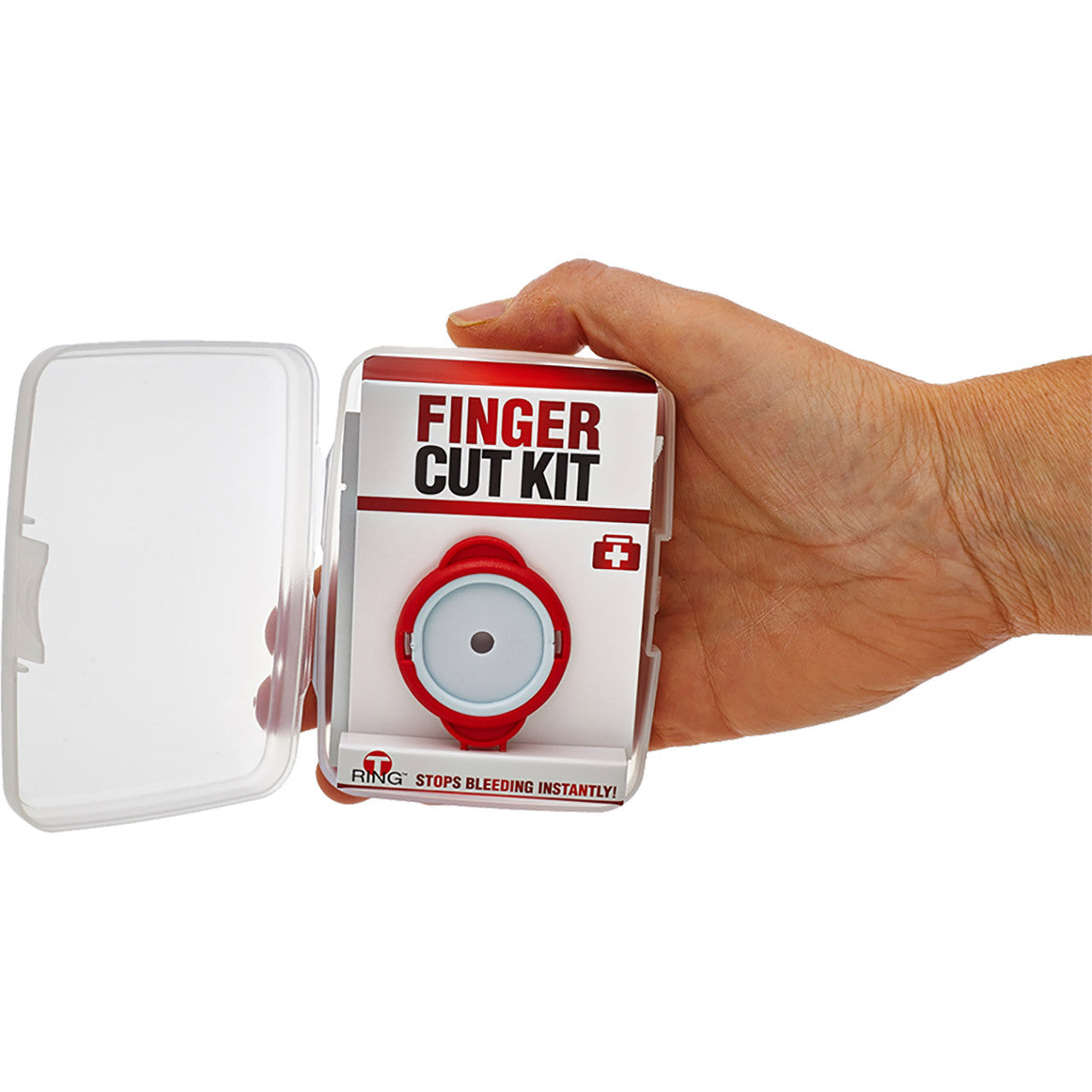
20-0136


30-1200



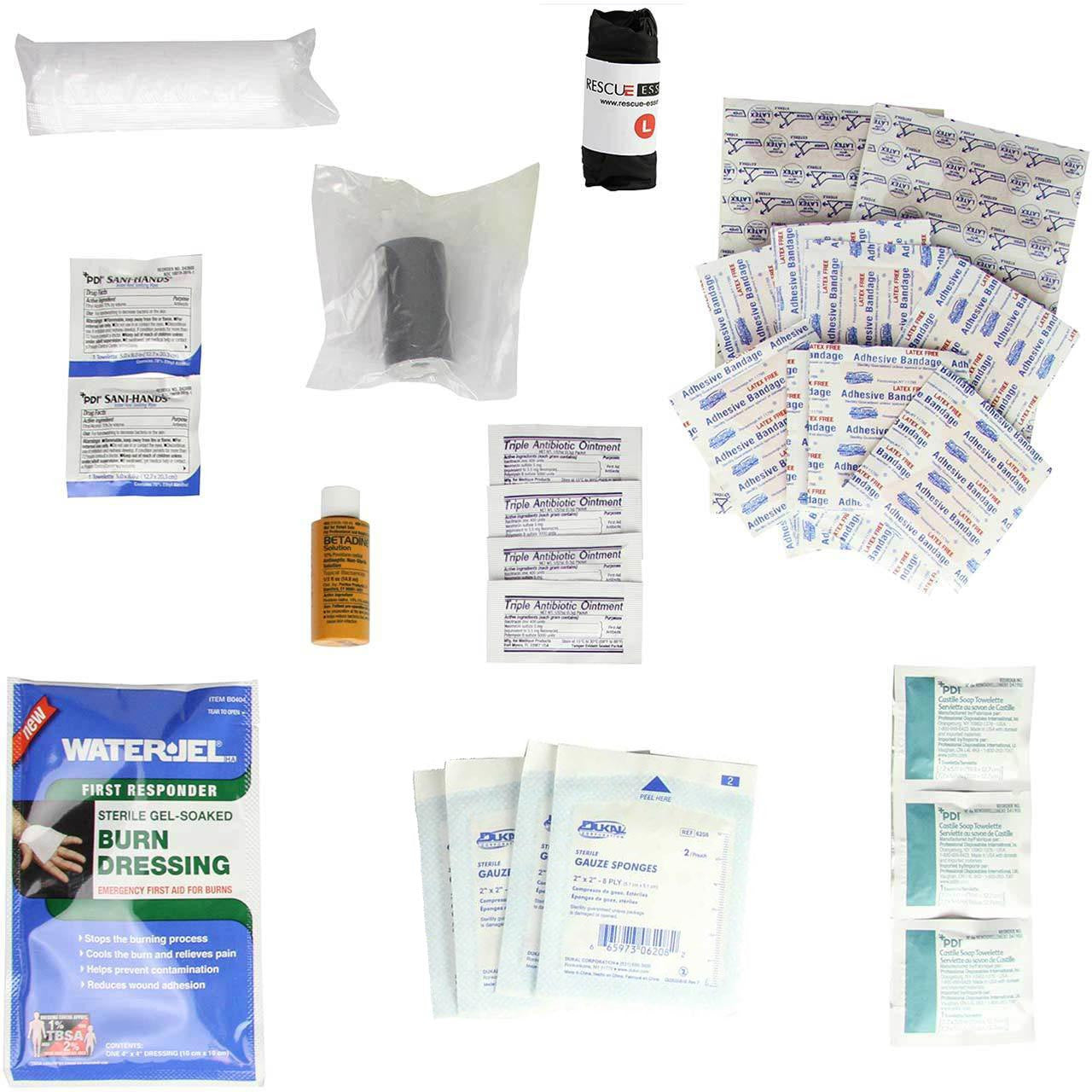
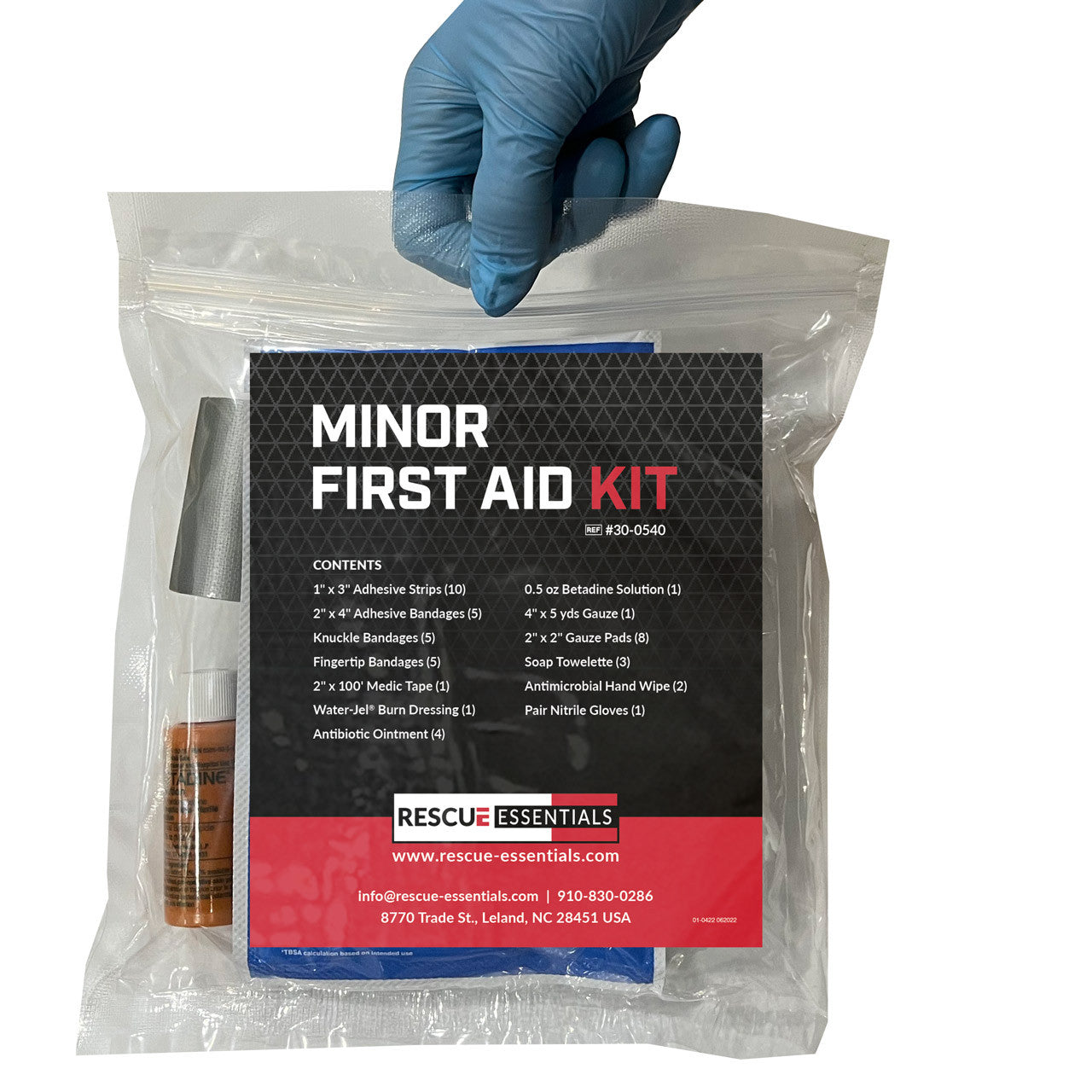
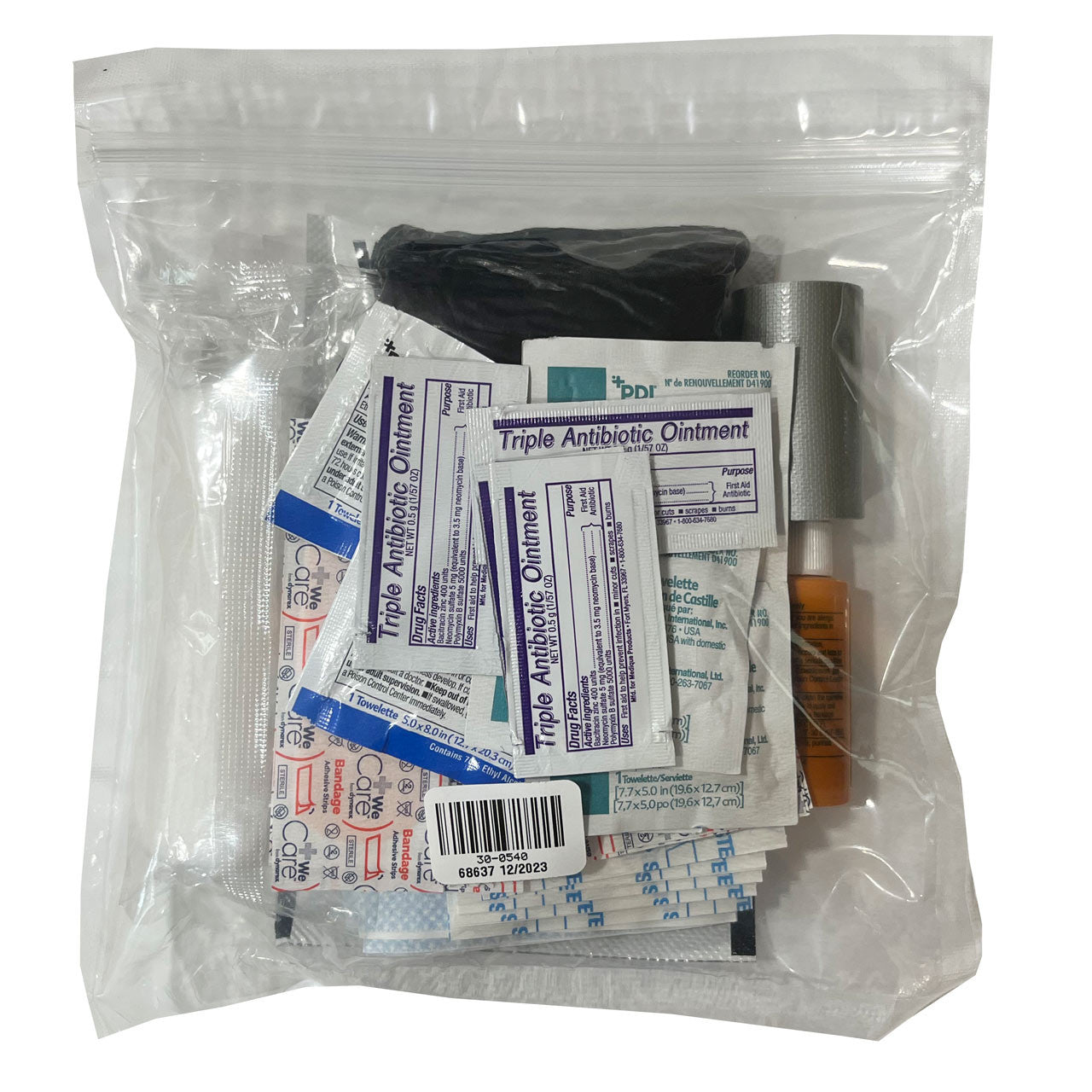
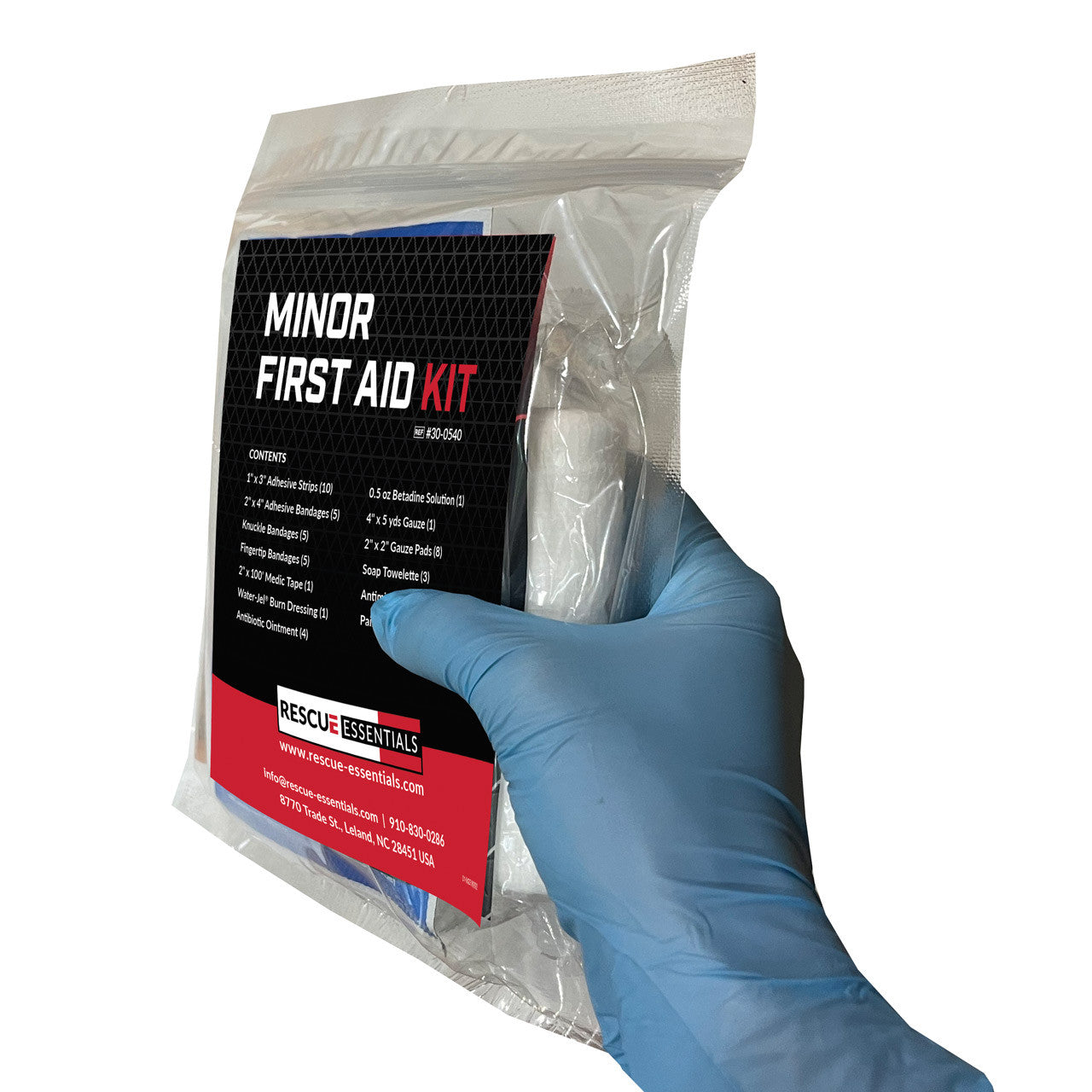
30-0540
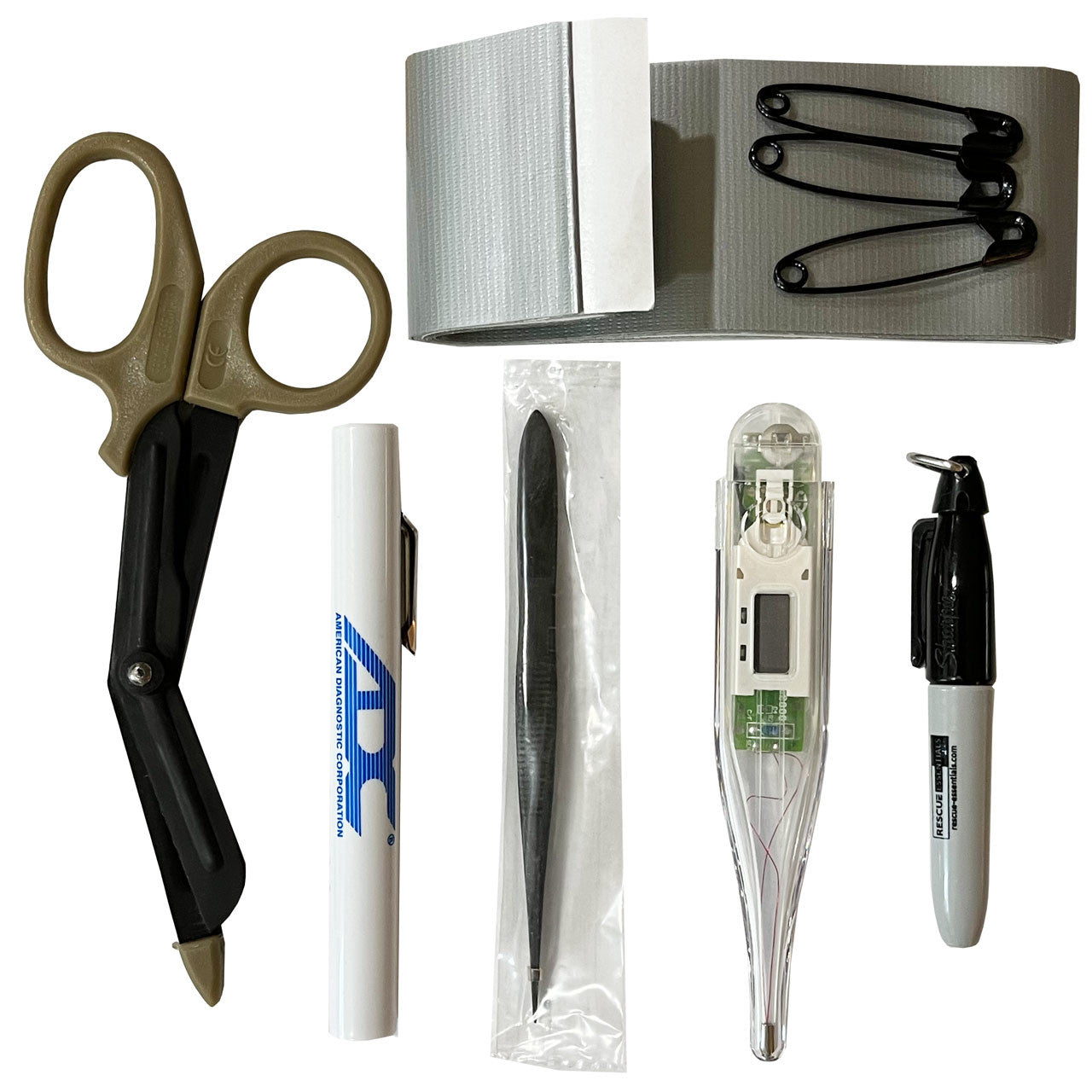
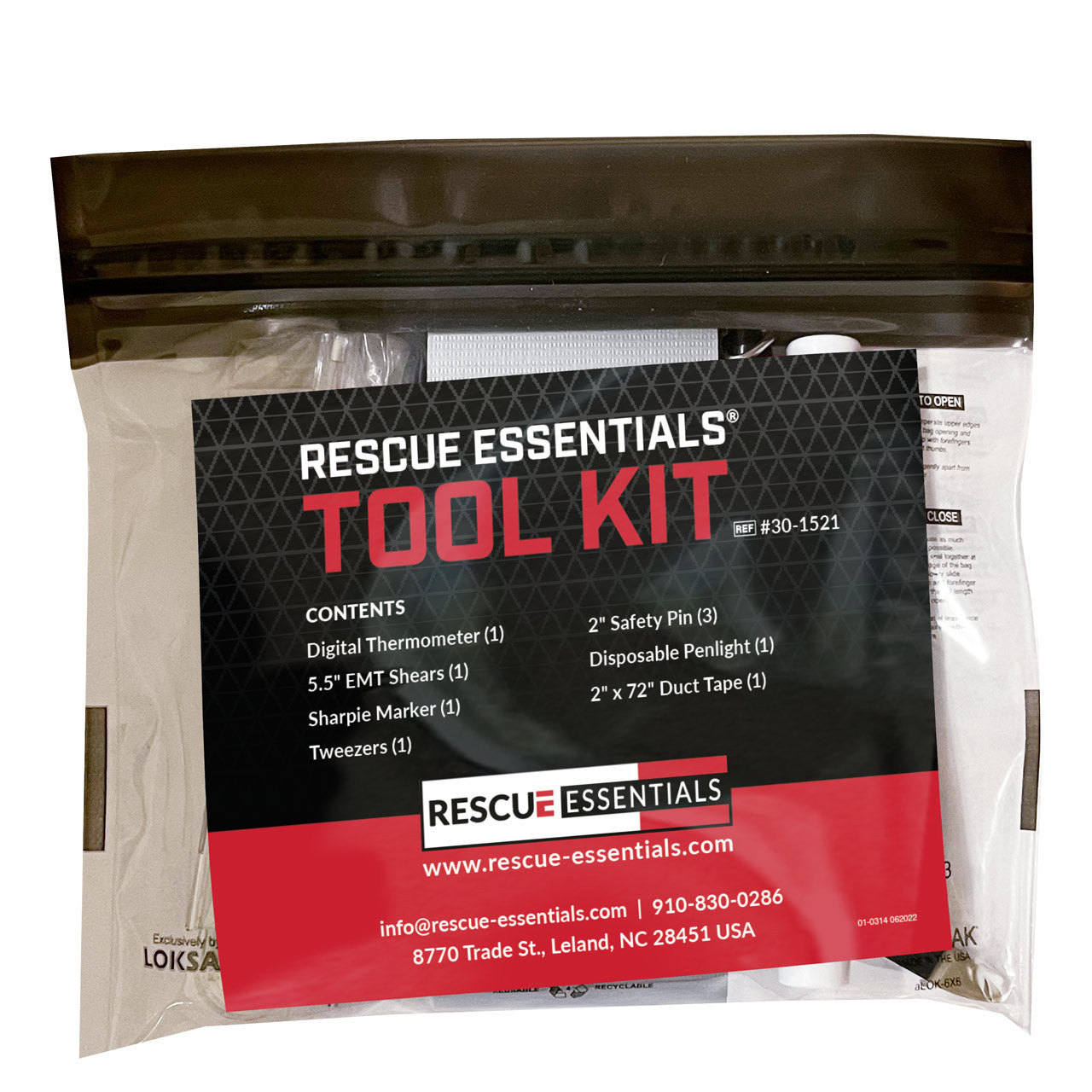
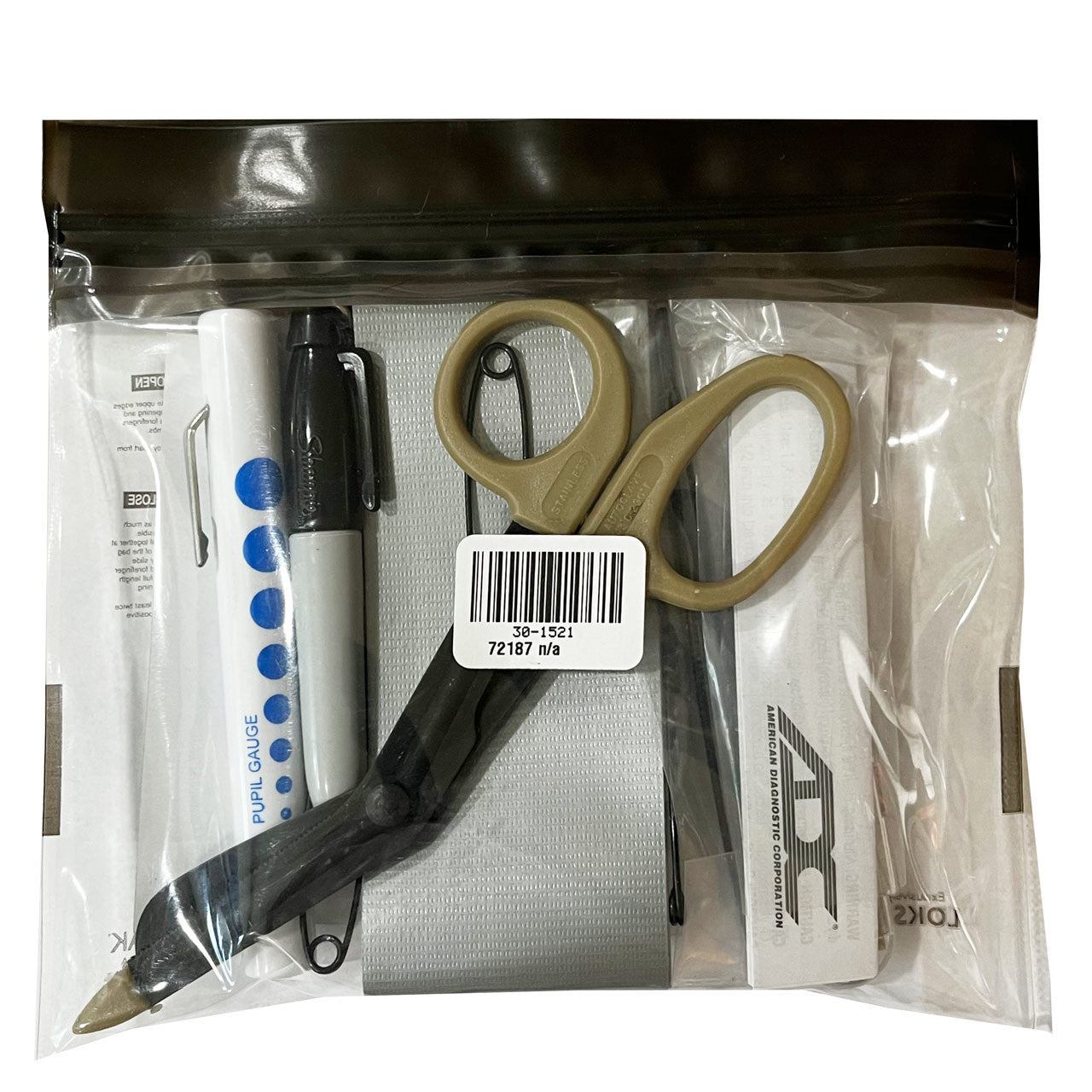

30-1521
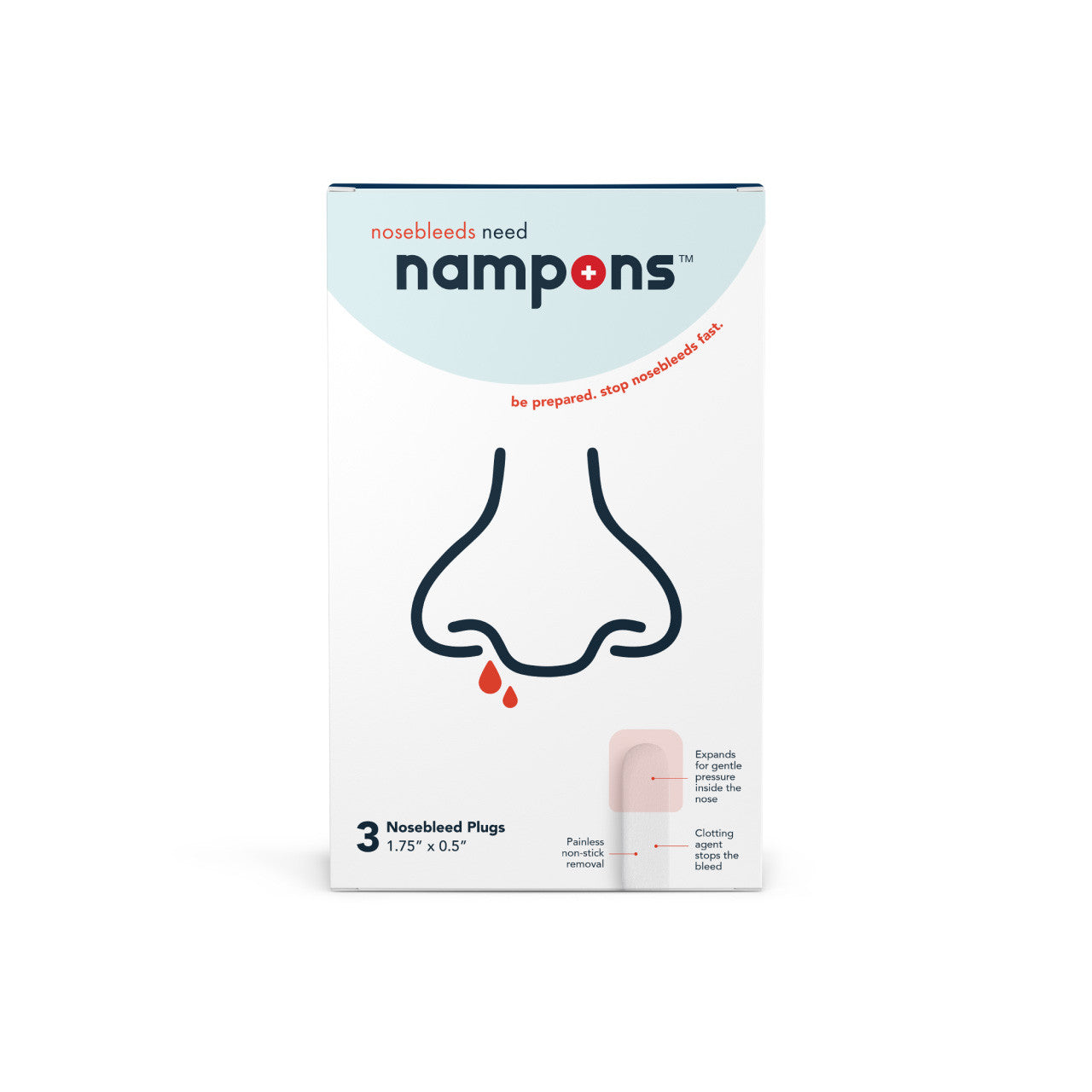

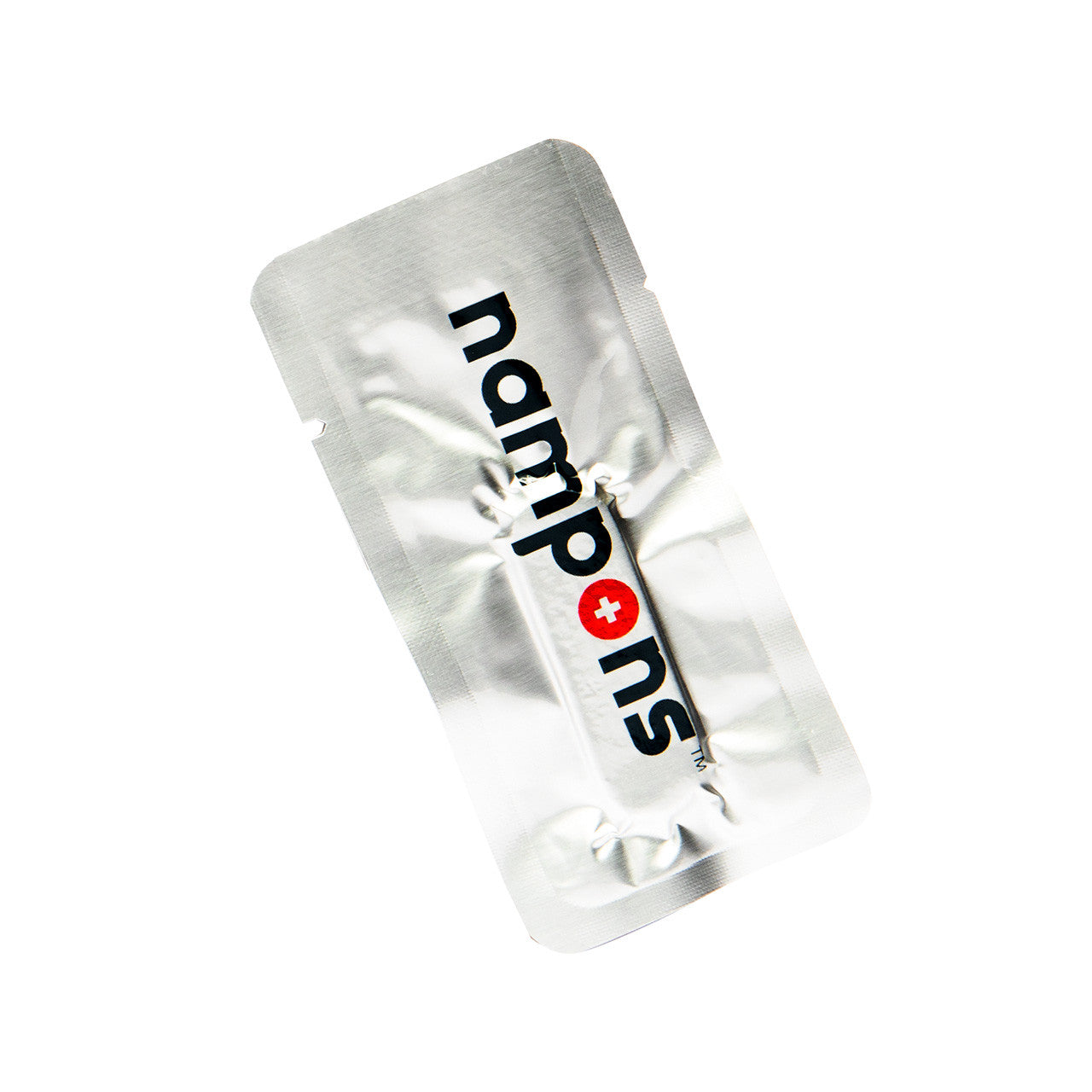
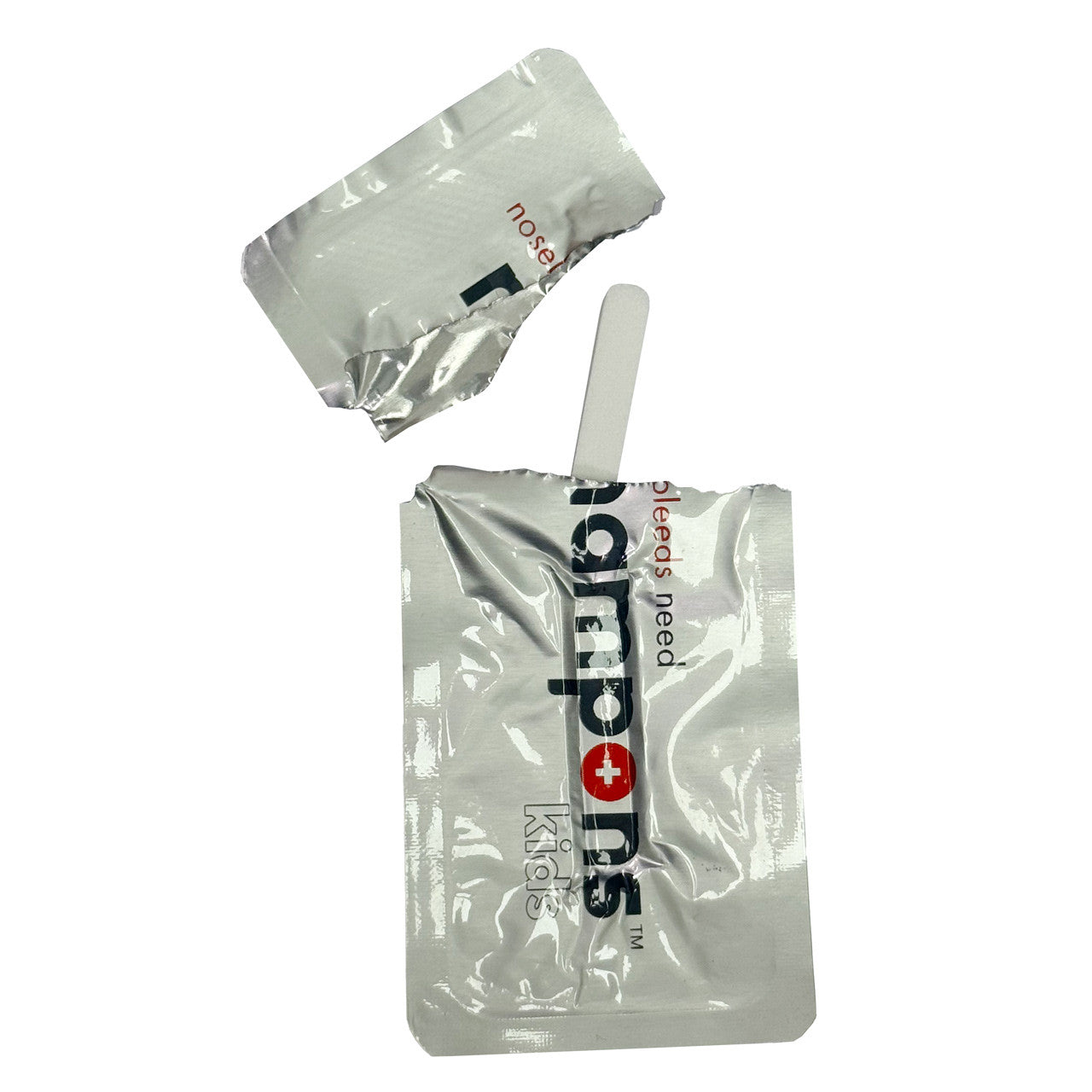
40-0022PACK3


50-1001
Liquid Skin Adhesive Bandage, 10 Pack

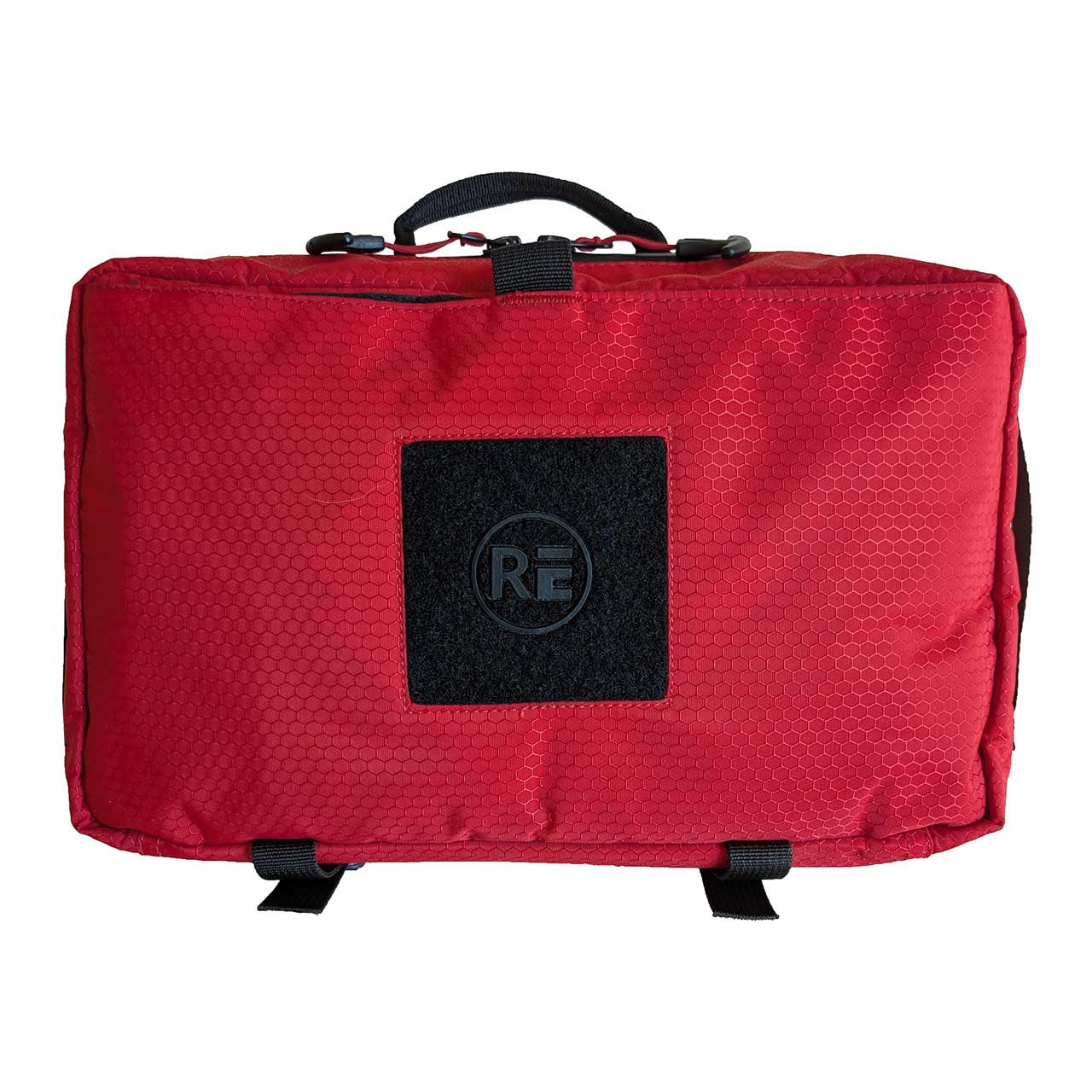

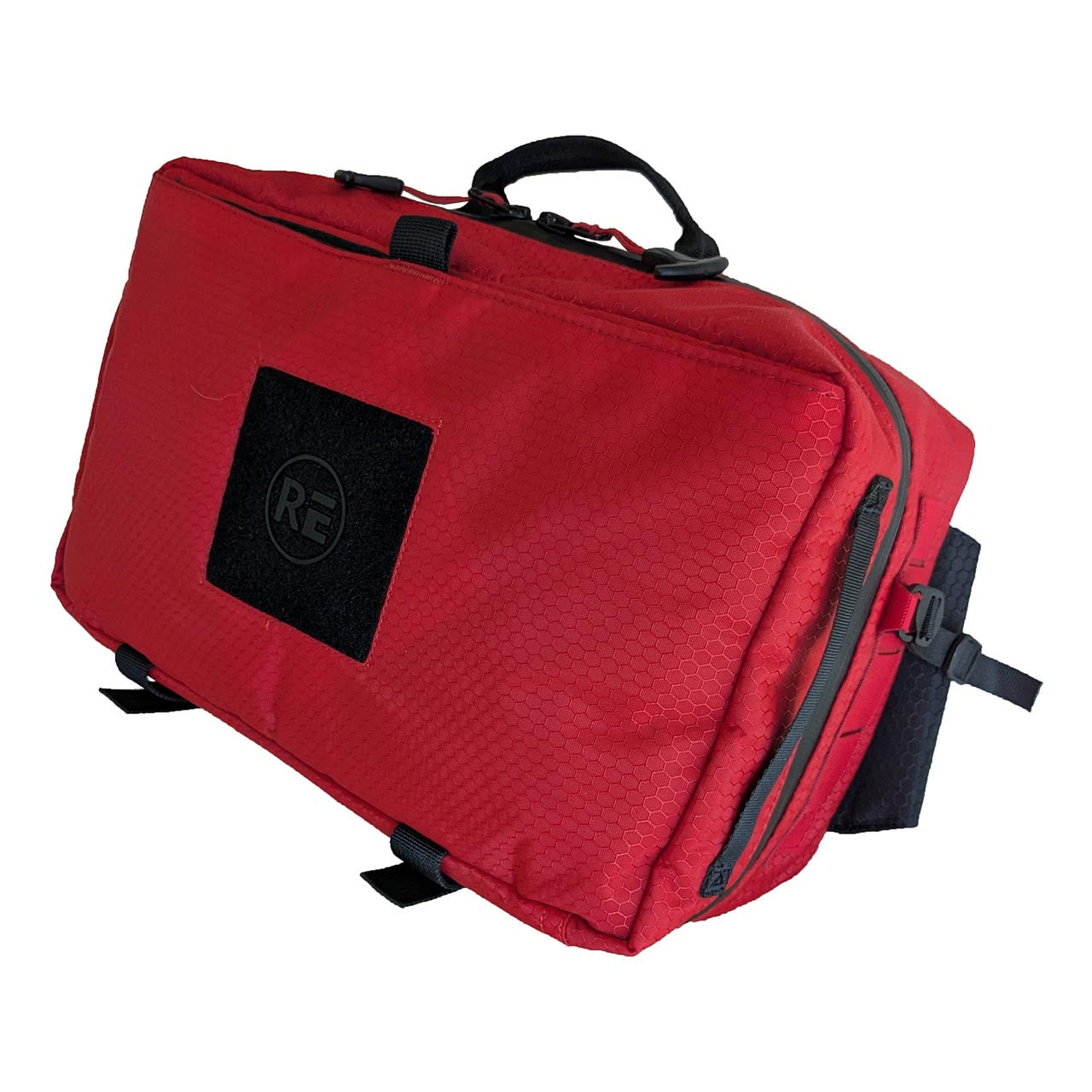
30-1512
Agilis Wilderness First Aid Kit
40-0502PACK2
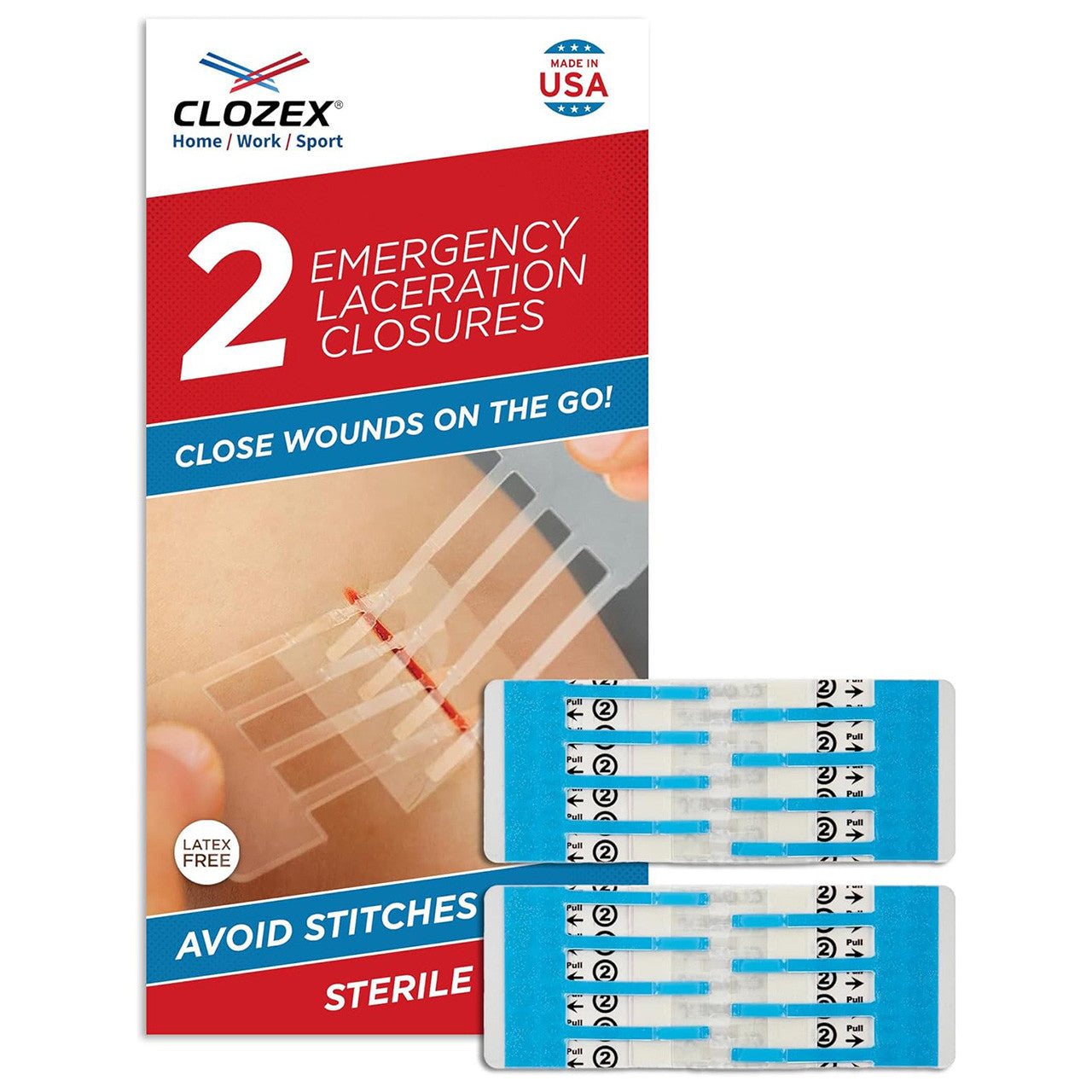
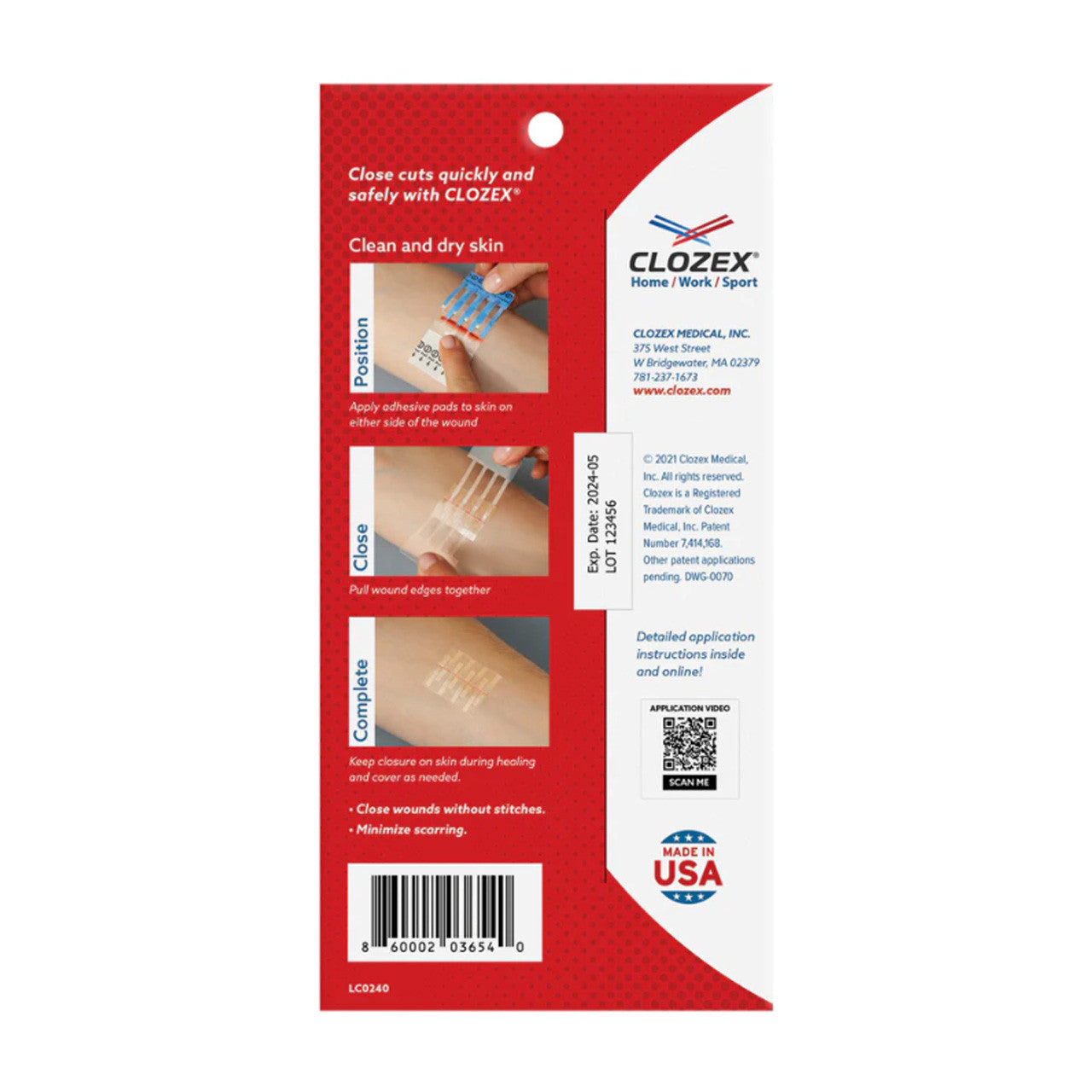
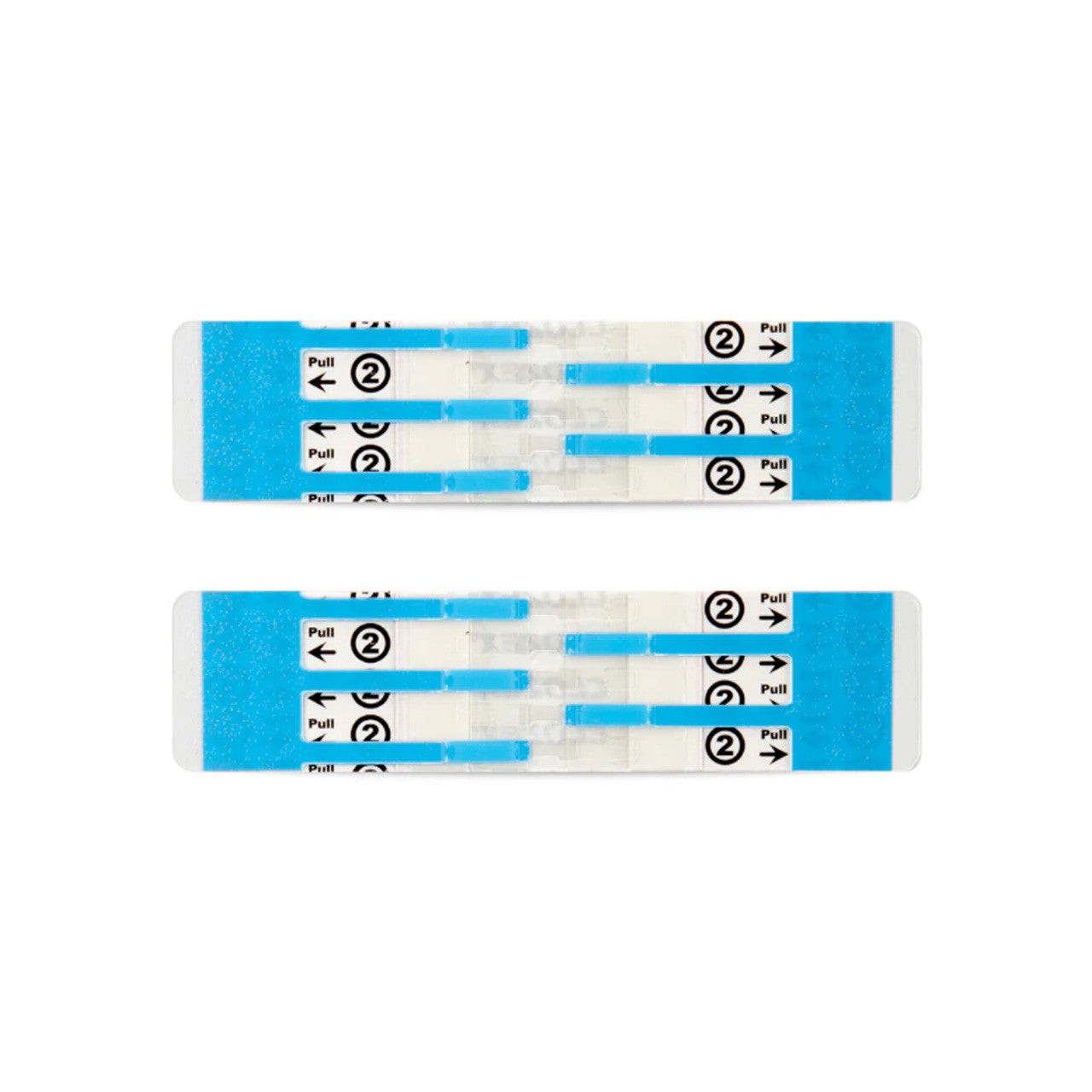
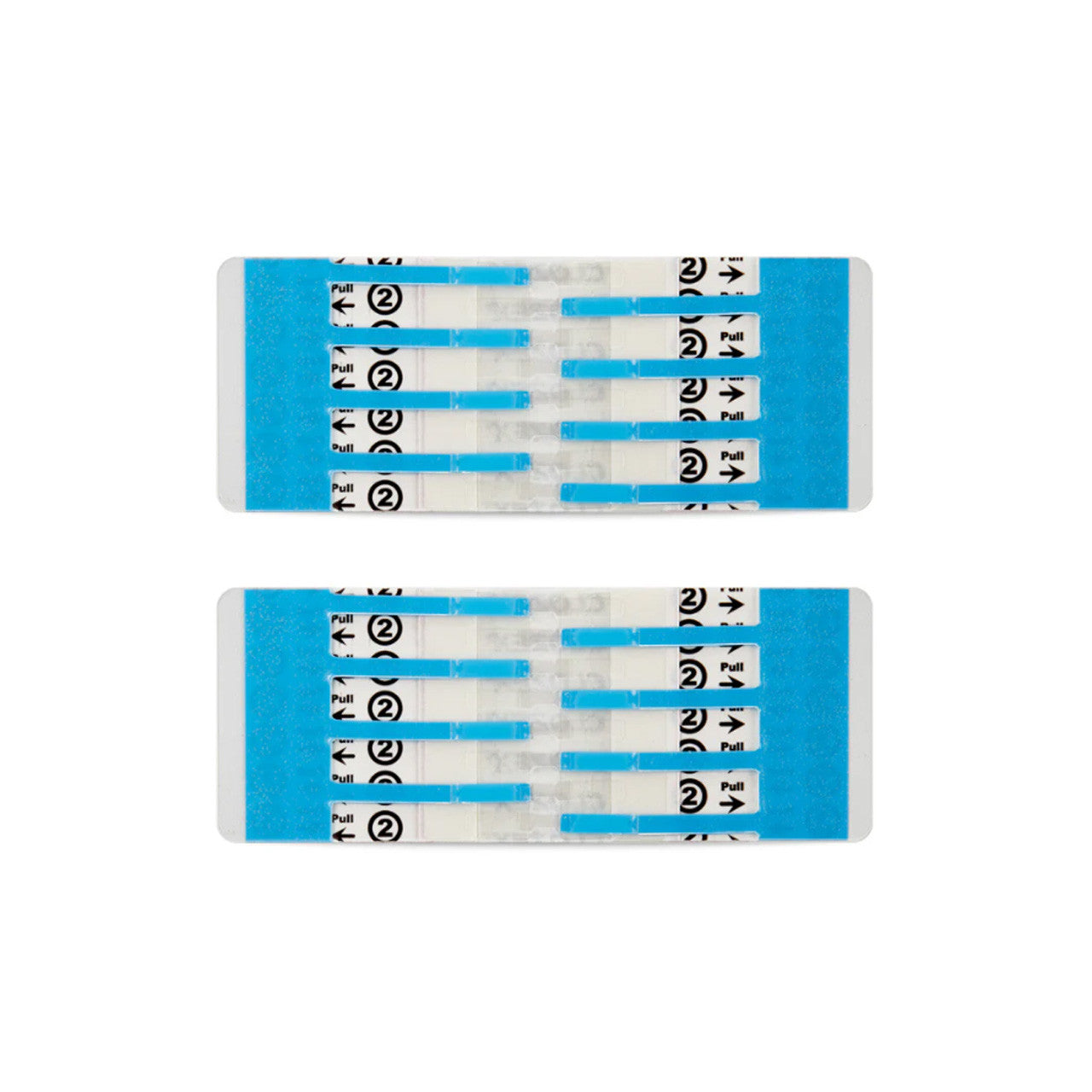
Emergency Laceration Closures, 2 Pack (25mm or 40mm)
50-4444
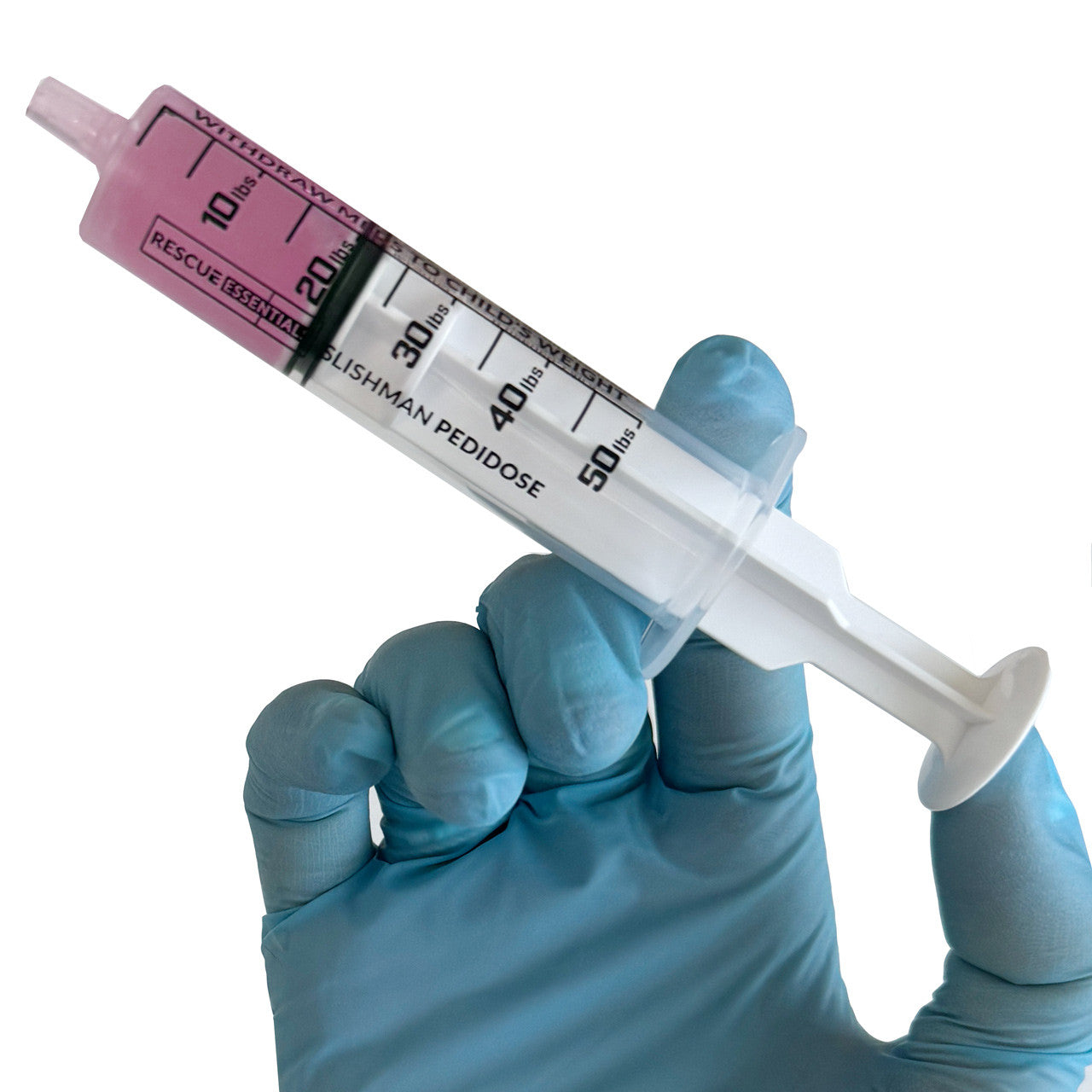
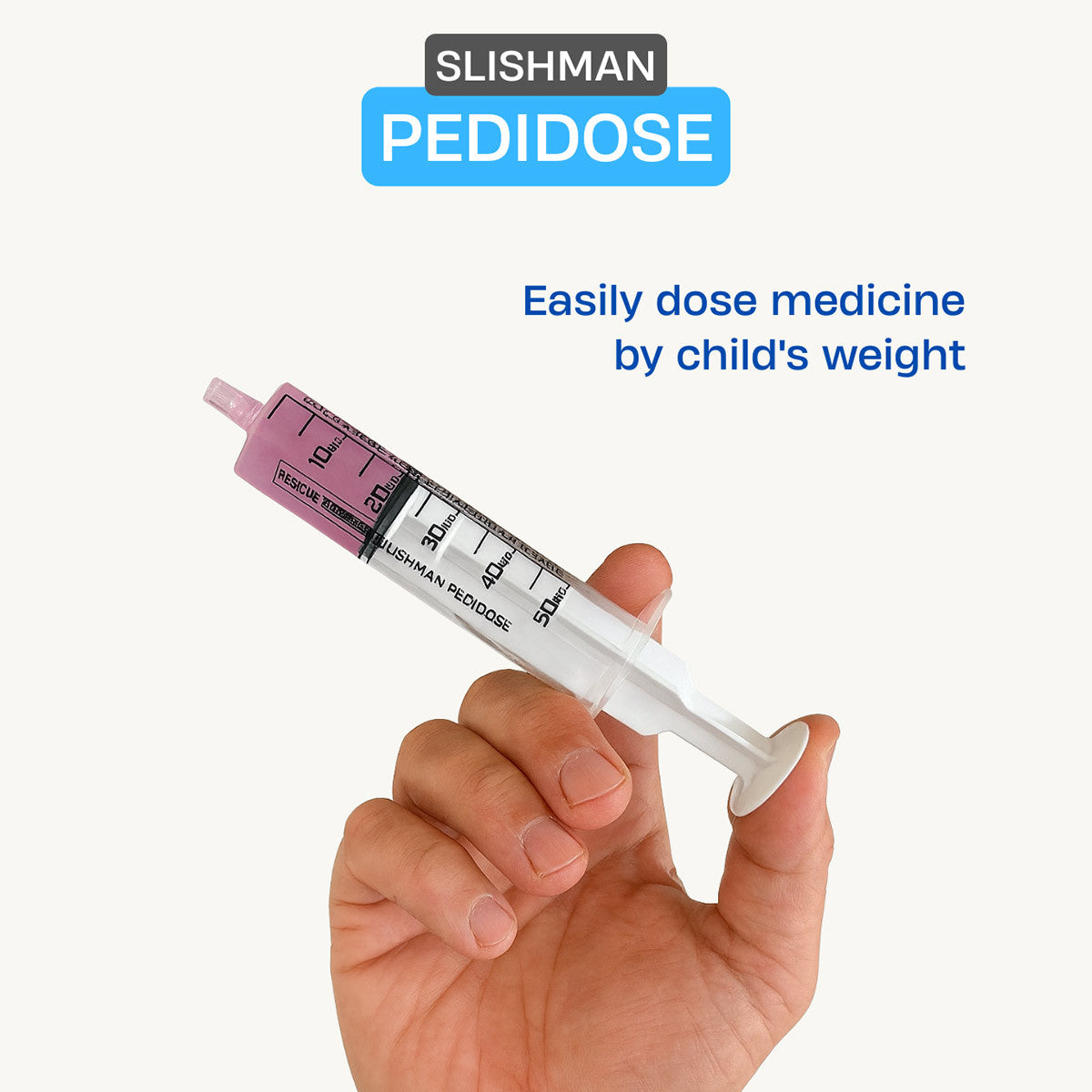
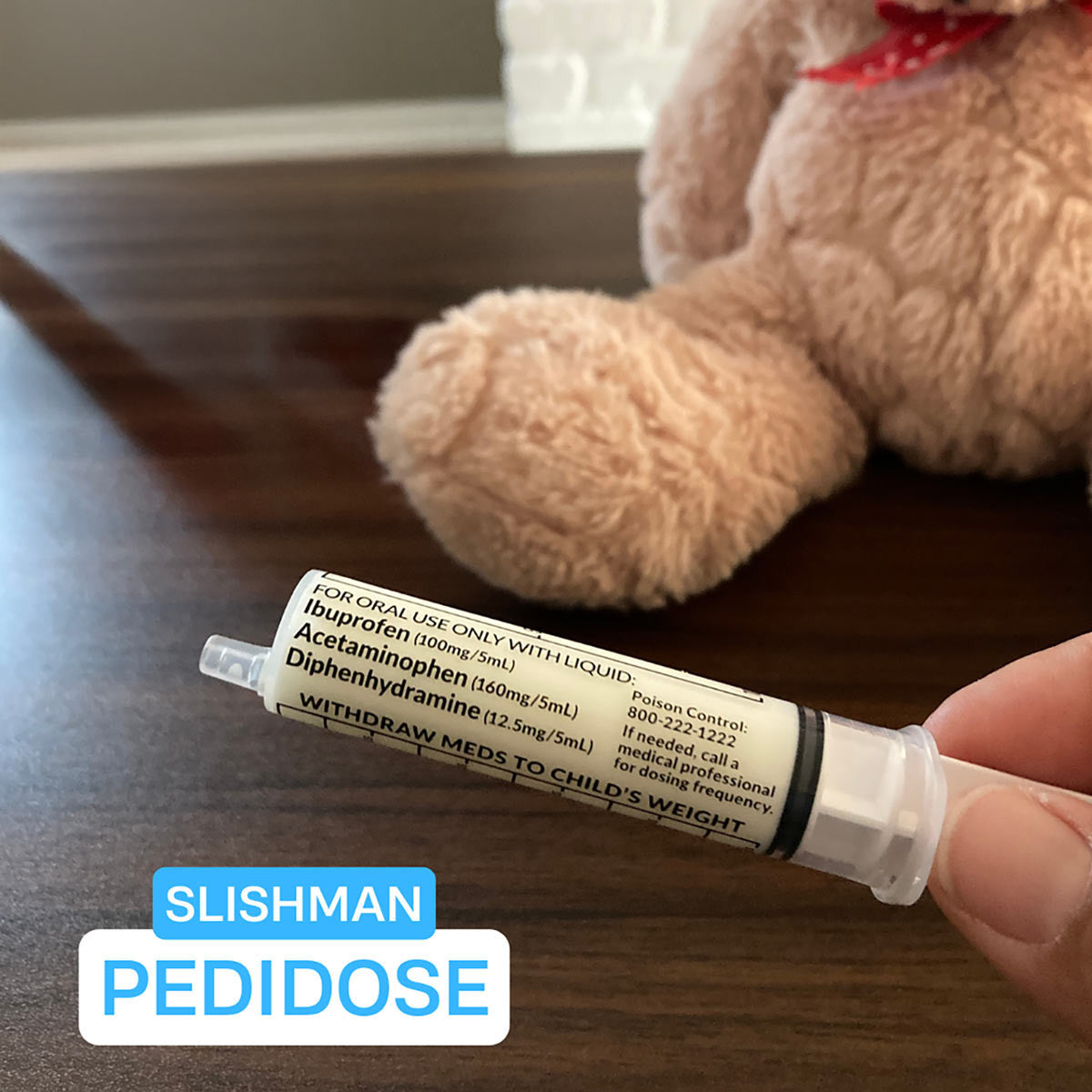
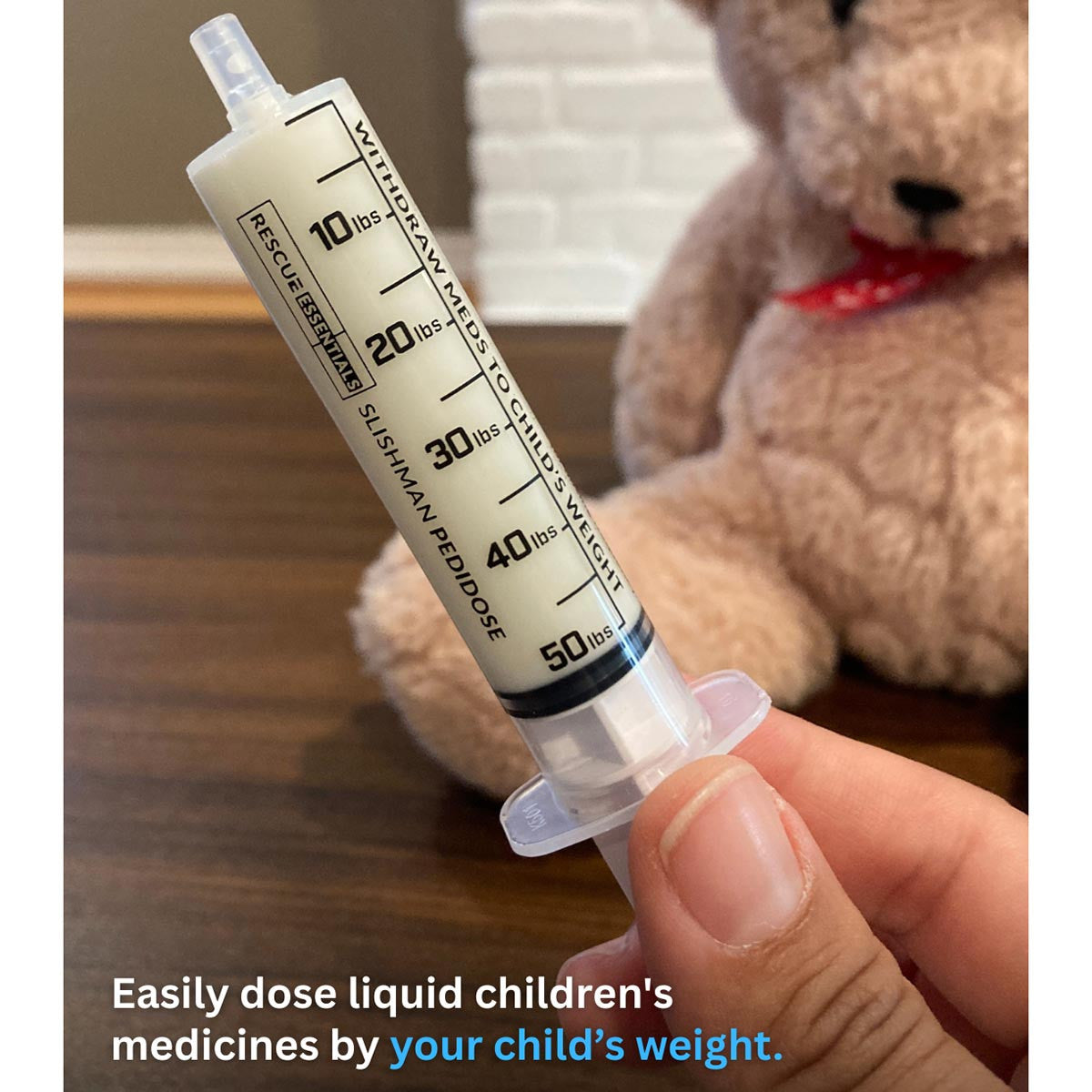
Slishman Pedidose Pediatric Dosing Syringe
50-0822


30-0649

31-5554


90-0188


Why it matters
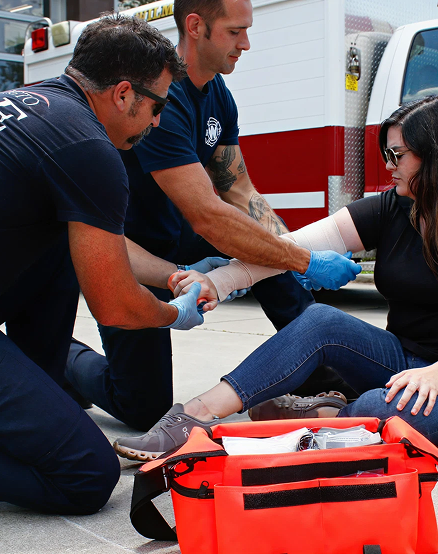
Cuts, burns, sprains and minor illness rather than high-acuity trauma.
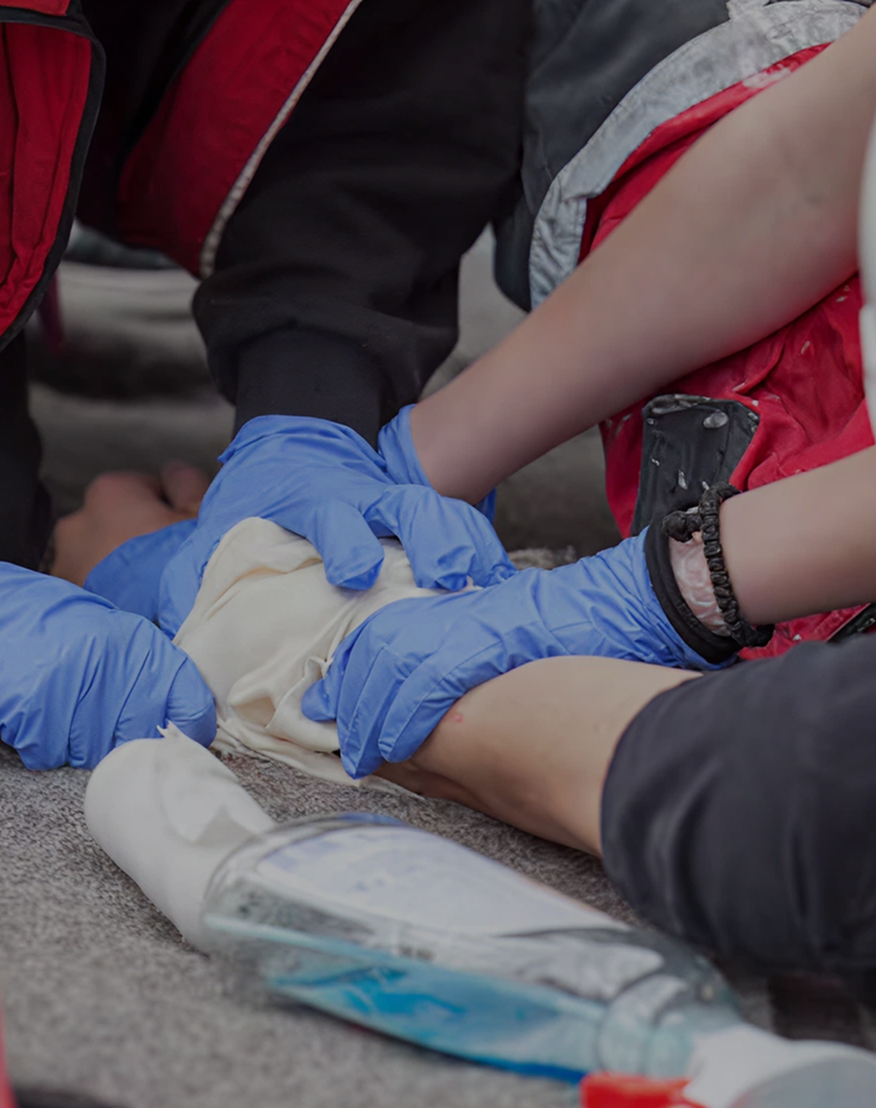
Protect yourself, family, pets and neighbors.

Tailor a kit based on your household needs (e.g., allergies, chronic conditions).

Familiar and easy-to-use items for non-medical users.

Should be stored in known, easy-to-reach locations; sometimes duplicated (kitchen, car, workshop, garage, etc.)

Room to add specific modules for travel, disasters, or vehicle kits.

Build your own kit from our wide variety of bags and components, or contact us if you would like us to build a custom kit for you (minimum order quantity of 10 kits).

Built for Real-World Missions
Purpose-built for demanding conditions, ensuring operators and responders are equipped to handle critical injuries in the field.

For Tactical Use
Built to meet the demands of military and tactical environments where rapid bleeding control is critical.

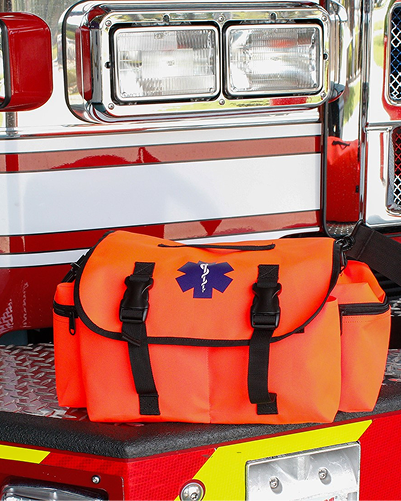
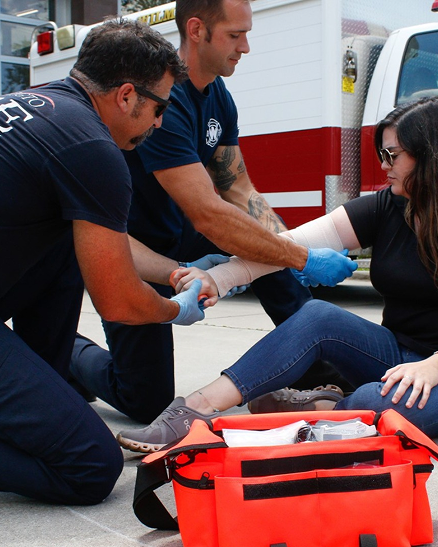
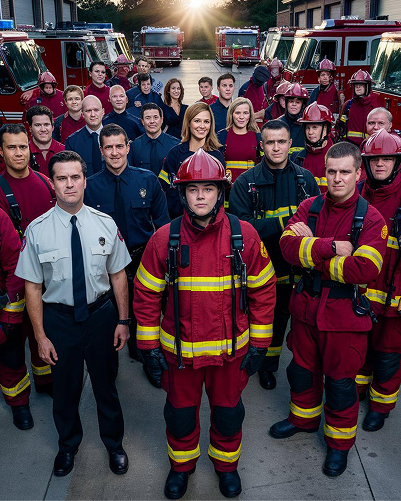
First Responders (EMS, Firefighters)
Supports quick intervention during emergencies, helping stabilize patients before transport to medical facilities.

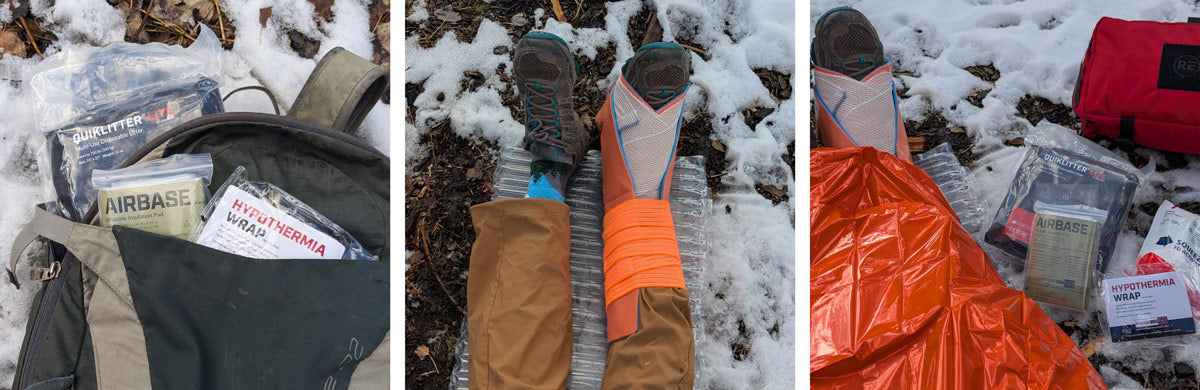
Outdoor & Adventure Enthusiasts
Important for hikers, campers, and travelers who may be far from immediate medical assistance.

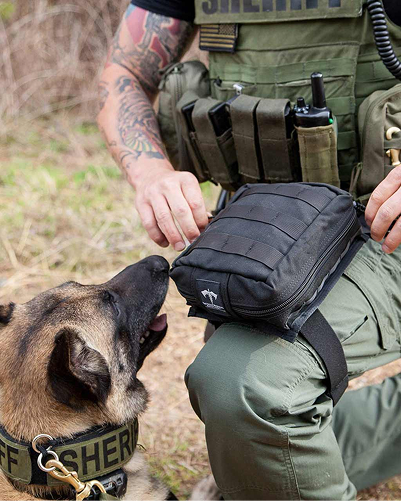
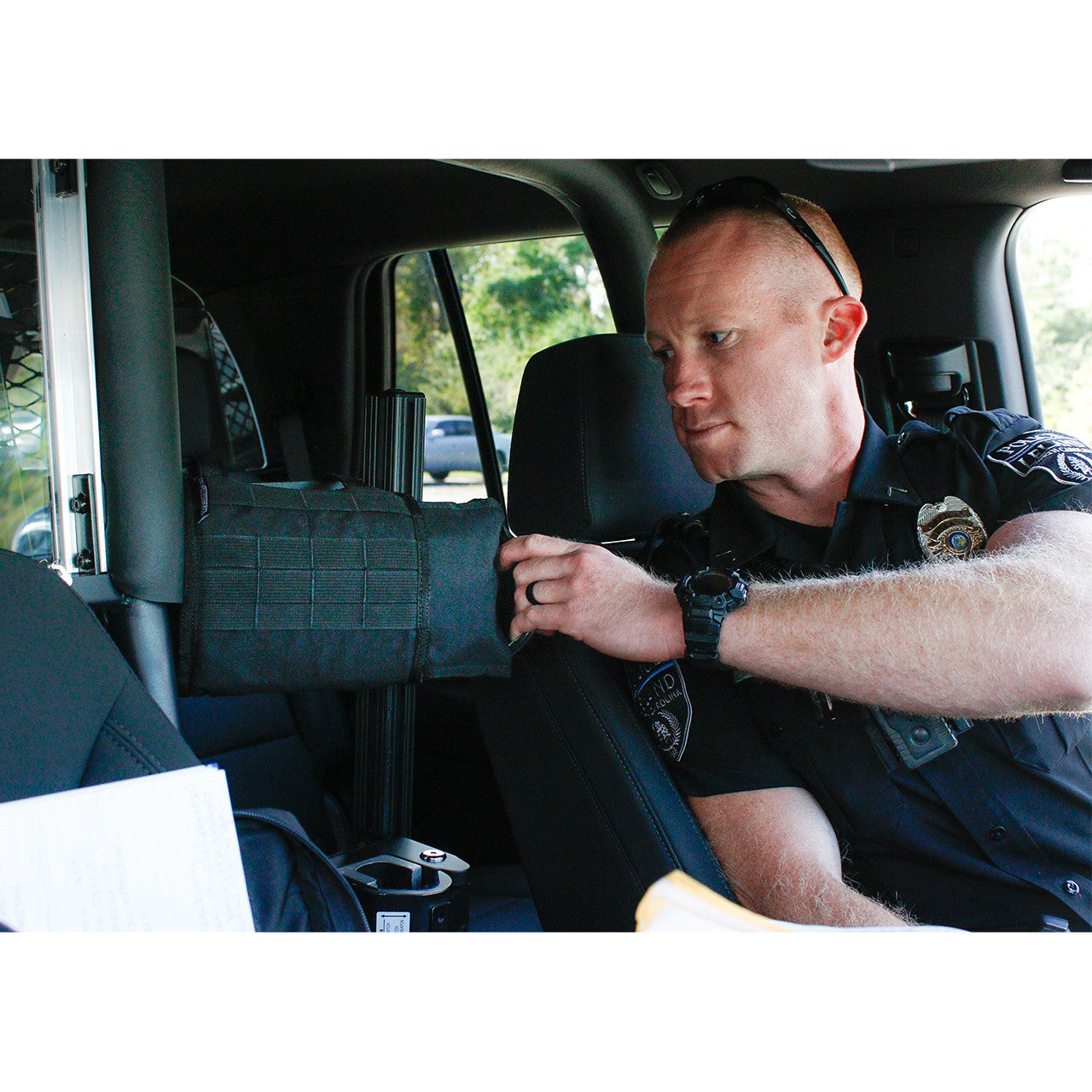
Law Enforcement Officers
Essential for first-on-scene response to shootings, accidents, and high-risk operations where rapid bleeding control is needed.
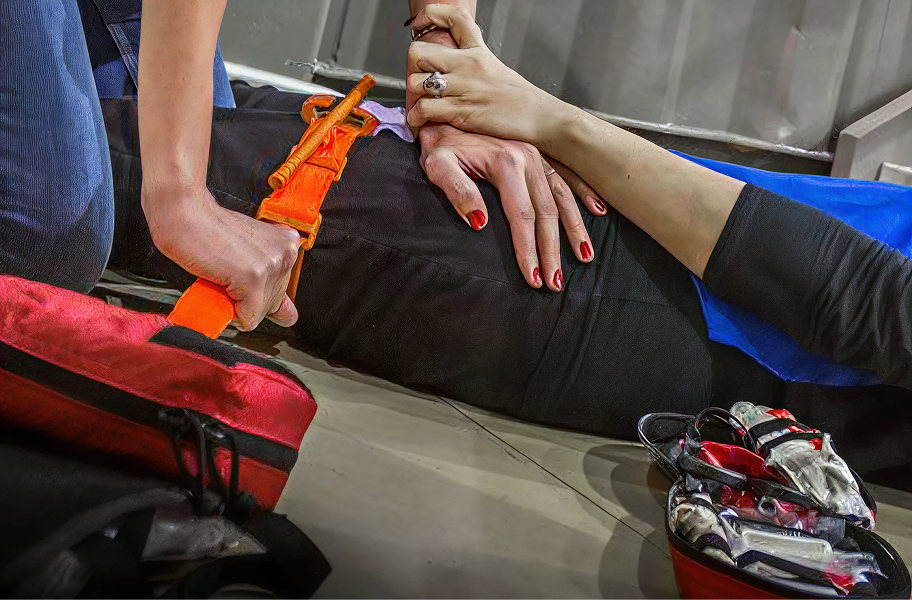
Gear You Can Count On
For nearly two decades, we’ve equipped first responders, law enforcement, military personnel, and schools with life-saving kits they can trust. Built with tactical medicine expertise and rapid-response experience, our kits ensure you’re ready to handle severe injuries and bleeding emergencies wherever they occur.

How we pack our LE IFAK - By Rescue Essentials
FAQs
Please read our FAQ page to find out more.
What is an IFAK?
An IFAK (Individual First Aid Kit) is a compact trauma kit designed to treat life-threatening injuries, especially severe bleeding, in emergency situations before professional medical help arrives.
What items are typically included in an everyday first aid kit?
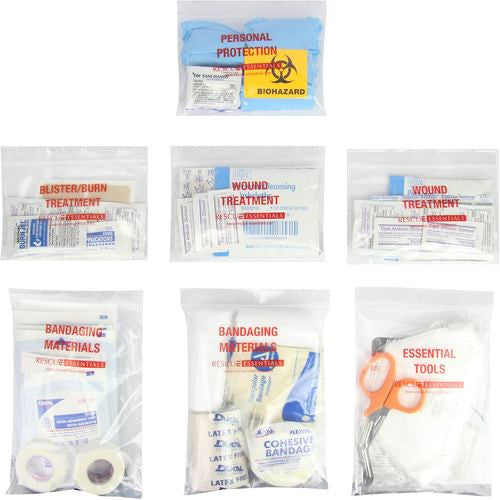
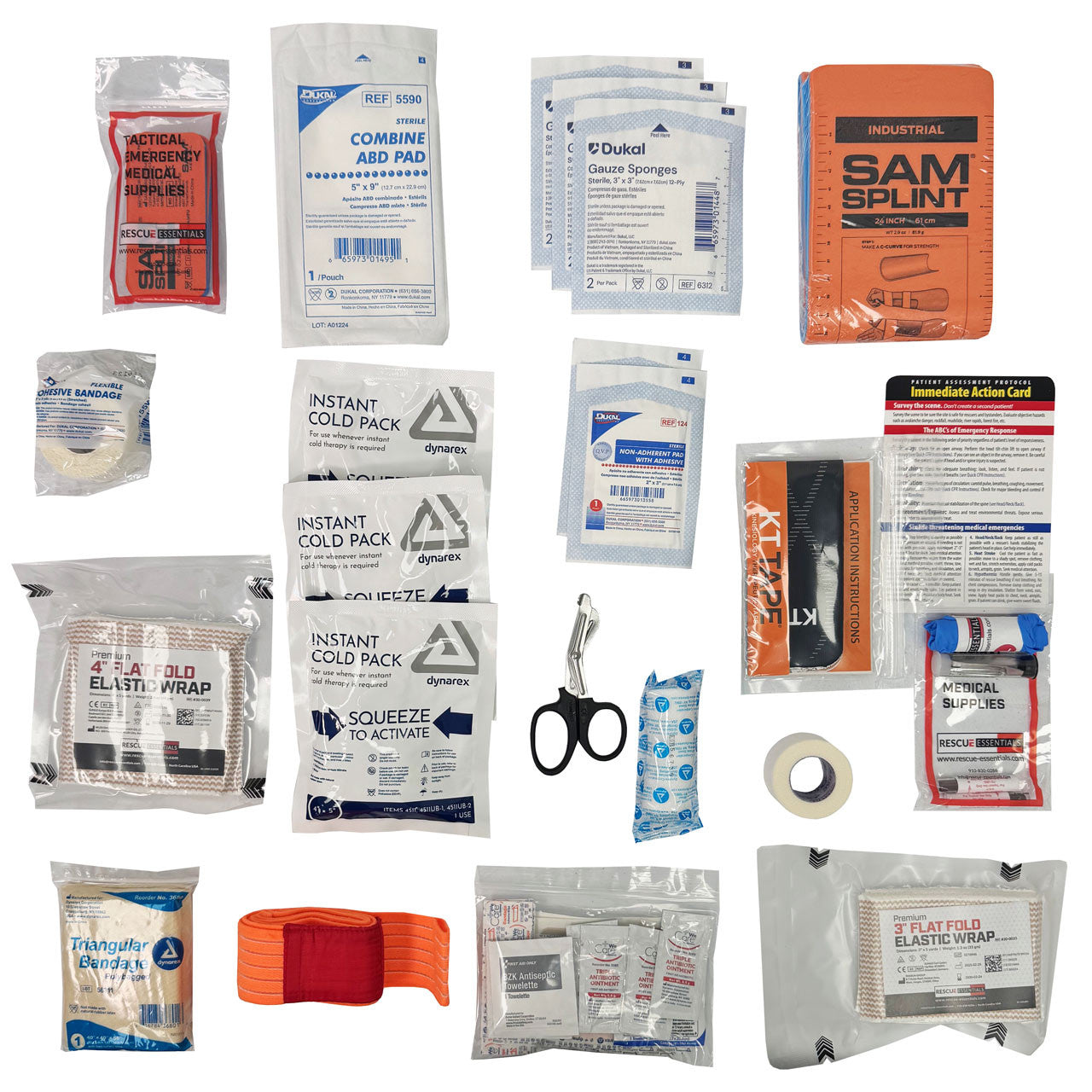
An everyday medical kit commonly includes adhesive bandages, gauze pads, medical tape, antiseptic wipes and disposable gloves. Many kits also contain trauma shears, a pressure dressing, a tourniquet and a CPR face shield for more serious emergencies. Useful additions include an instant cold pack, emergency blanket, burn dressing and any personal medications needed by your family.
Where should first aid kits be kept?
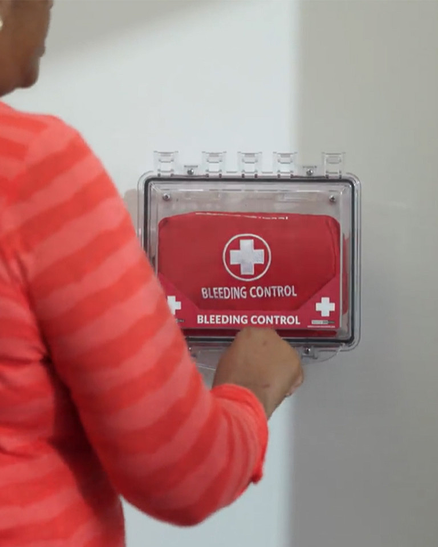
First aid kits should be kept in a clearly marked, easy-to-reach location that is protected from moisture, heat and contamination. In homes, workplaces, vehicles and outdoor facilities, place kits near high-traffic or higher-risk areas without locking them away. Everyone should know where the kit is stored, and its contents should be checked and restocked regularly.
Can I customize an IFAK?
Yes. Contact us for assistance in building a medical kit that fits your specific needs, including the right case or bag, treatment options and size.
Do I need training to use an IFAK?
You do not need to be a medical professional to learn how to use an IFAK, but hands-on training is strongly recommended. A first aid or Stop the Bleed course teaches you to recognize life-threatening bleeding, pack a wound and correctly apply a tourniquet. Proper training helps you use the kit safely and confidently until emergency medical services arrive.
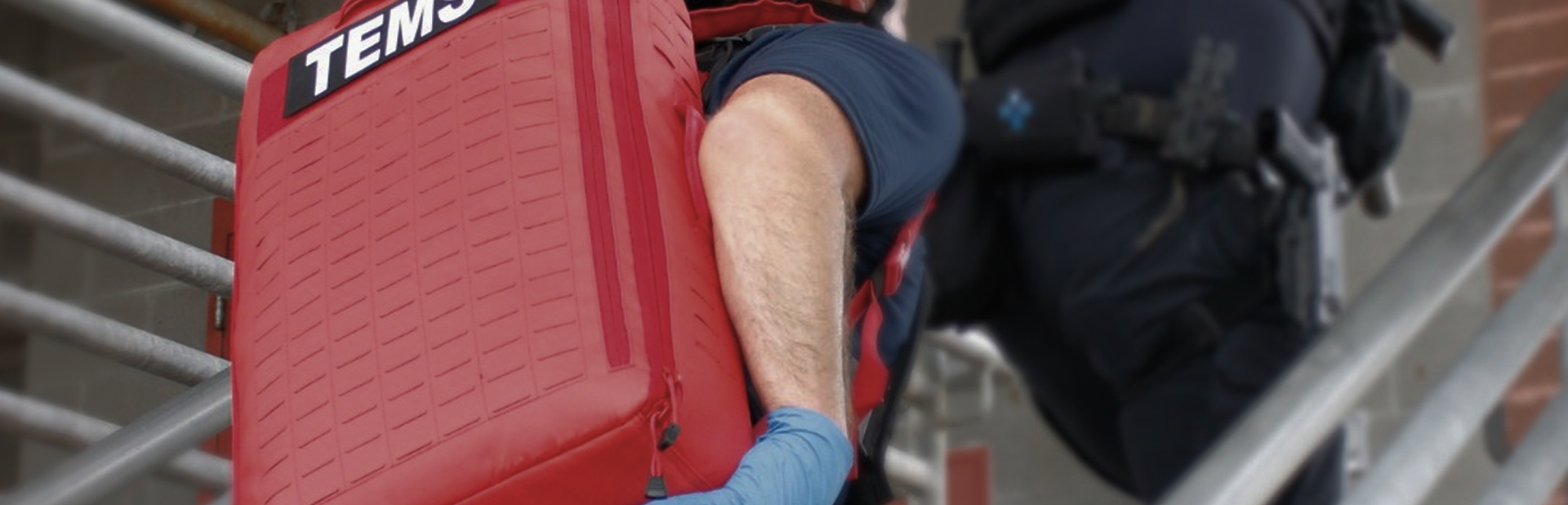
Rescue Professionals Resource Center
Explore articles, how-to guides, and industry updates designed to support rescue and emergency professionals with the tools, knowledge, and best practices they need in the field.

Choose Your Mission
CHOOSE NOW